产业融合

Search documents
专访广西科学院研究员汪斌:科技是打破浦北陈皮同质化困局的“金钥匙”
Nan Fang Nong Cun Bao· 2025-12-03 14:31
Core Viewpoint - The key to breaking the homogenization dilemma of the Pubei Chenpi industry lies in leveraging technology to create differentiated, high-value products that enhance market competitiveness [4][10][20]. Industry Overview - The 2025 Pubei Chenpi Cultural Tourism Promotion Week and the Second Pubei Chenpi Industry High-Quality Development Exchange Conference were recently held in Pubei, Guangxi [2]. - The Pubei Chenpi industry faces challenges such as a single product form, low added value, and insufficient brand differentiation [9]. Technological Empowerment - Technology is viewed as the "golden key" to activate the deep dynamics of the industry and overcome homogenization challenges [4][10]. - Modern technology can be utilized to analyze the functional components of Chenpi, leading to the development of health-oriented differentiated products [11][12]. Product Development Strategy - A multi-product matrix can be formed, including Chenpi tea, functional foods, health products, and even cosmetic raw materials [12][13]. - The industry should focus on three strategic steps: 1. Strengthening technological support and establishing a comprehensive industry standard system from planting to product development [14][15]. 2. Deepening functional development around unique labels like "longevity" and "selenium-rich" to create recognizable health product series [15][16]. 3. Promoting industry integration by combining the Chenpi industry with health and cultural tourism sectors to create synergistic development effects [16][17]. Vision for the Future - Pubei Chenpi should evolve from being merely a local specialty to a significant component of the health industry [18]. - Achieving technological empowerment, value reconstruction, and industry integration is essential for the Chenpi to break free from homogenized competition and grow into a nationally influential and sustainable industry [19][20].


握紧乡村振兴接力棒:三千年佳酿,一粒青稞铺就的共富路
Quan Jing Wang· 2025-12-02 07:00
Core Insights - The article emphasizes the importance of integrating agriculture, culture, and tourism for rural revitalization, highlighting the case of Qinghai's Huzhu County as a model for sustainable development and economic growth [1][6] Group 1: Geographic Indication and Economic Impact - The establishment of the national geographic indication product protection demonstration zone in Huzhu County has led to 20 enterprises obtaining the geographic indication mark, with brand value exceeding 5 billion [2] - Huzhu County's unique climate conditions allow for year-round brewing, contributing to the production of high-quality Qingke liquor, which has captured 4% of the national market for clear-flavored liquor and 80% of the provincial market [2] - The Qingke liquor industry has generated an industrial output value of 810 million, benefiting over 3,000 local farmers through a "company + base + farmer" model [3] Group 2: Cultural Integration and Tourism Development - The integration of agriculture, culture, and tourism has transformed Huzhu County, creating a "rainbow tribe" scenic area that combines brewing, cultural experiences, and leisure activities [6][7] - The eighth Qingke liquor cultural tourism event in 2024 attracted over 70,000 visitors, showcasing the region's rich cultural heritage and enhancing visitor engagement [6][7] - The success of the Qingke liquor industry has revitalized local cultural practices, providing a platform for traditional arts and crafts to thrive [7] Group 3: Sustainable Development and Future Prospects - Huzhu County aims to continue its role as a national geographic indication product protection demonstration area, focusing on high-end, intelligent, and sustainable industry development [8] - The integration of modern technology with traditional brewing methods has positioned Qingke liquor as a symbol of highland quality and cultural heritage [2][8] - The ongoing development of the Qingke liquor industry is expected to further enhance the economic and social benefits for the local community, contributing to the broader goals of rural revitalization [8]

黄楚平主持省十四届人大常委会第二十二次会议联组会议开展专题询问以法治助推建设具有国际竞争力的现代化产业体系
Nan Fang Ri Bao Wang Luo Ban· 2025-12-02 02:01
Group 1 - The meeting focused on building a modern industrial system with international competitiveness, emphasizing the integration of technological and industrial innovation [1][2] - The provincial government has made significant progress in addressing key issues and implementing practical measures to enhance the industrial system [1] - The importance of advanced manufacturing as a driving force for revitalizing traditional industries and leading emerging industries was highlighted [2] Group 2 - The need for a strong legal framework to support the construction of a competitive industrial system was emphasized, including legislative plans for emerging fields such as artificial intelligence and quantum technology [3] - Collaboration among various stakeholders is crucial for achieving the industrial development goals, with a focus on horizontal and vertical coordination [3] - The provincial government aims to create a market-oriented, law-based, and international business environment to support industrial growth [2][3]
引领一个“潮”字——武汉“十四五”发展启示录②
Chang Jiang Ri Bao· 2025-12-02 00:35
Core Insights - Wuhan has seen significant growth in its academic and innovation landscape, with the recent addition of 11 academicians, marking the highest number in history, reflecting the city's commitment to reform and innovation [2] - The city is emerging as a hub for humanoid robotics, with a complete industrial chain covering 85% of key components, supported by a robust ecosystem of over 80 core enterprises and nearly 1,000 related companies [5][7] - Wuhan is actively developing its semiconductor industry, establishing a collaborative research institute and an innovation alliance that includes over 300 entities, aiming for high-quality development in this sector [8][11] - The automotive industry in Wuhan is transitioning towards smart and integrated systems, with significant collaborations between traditional manufacturers and tech companies like Huawei [9][10] - The logistics infrastructure in Wuhan is evolving, with the establishment of multiple logistics hubs and enhanced connectivity through rail and air transport, facilitating the export of high-value products [13][15] Innovation and Technology - Wuhan's humanoid robotics sector is thriving, with the establishment of the largest training platform in the country and a comprehensive coverage of key components [5][7] - The city has successfully transitioned a laser scanning device from reliance on imports to a domestically produced product, reducing size and cost significantly [7] - The establishment of a public service platform for chip manufacturing reliability testing is set to enhance the local semiconductor industry [8] Automotive Industry - The collaboration between Dongfeng Motor Group and Huawei to create a new smart vehicle brand signifies a deep integration of traditional manufacturing with modern technology [9][10] - Wuhan has developed a leading smart connected vehicle testing demonstration area, with extensive infrastructure supporting autonomous vehicle operations [10][11] Logistics and Trade - The launch of the China-Europe Railway Express from Wuhan reflects a shift towards higher-value goods in trade, with a growing network of international routes [13][14] - The city has established itself as a logistics hub with multiple types of logistics centers, enhancing its role in global trade [14][15] - The implementation of efficient customs processes and the establishment of free trade zones are driving significant growth in foreign trade [15]


以旧换新+实体筑基山东激活经济新动能
Sou Hu Cai Jing· 2025-12-01 18:16
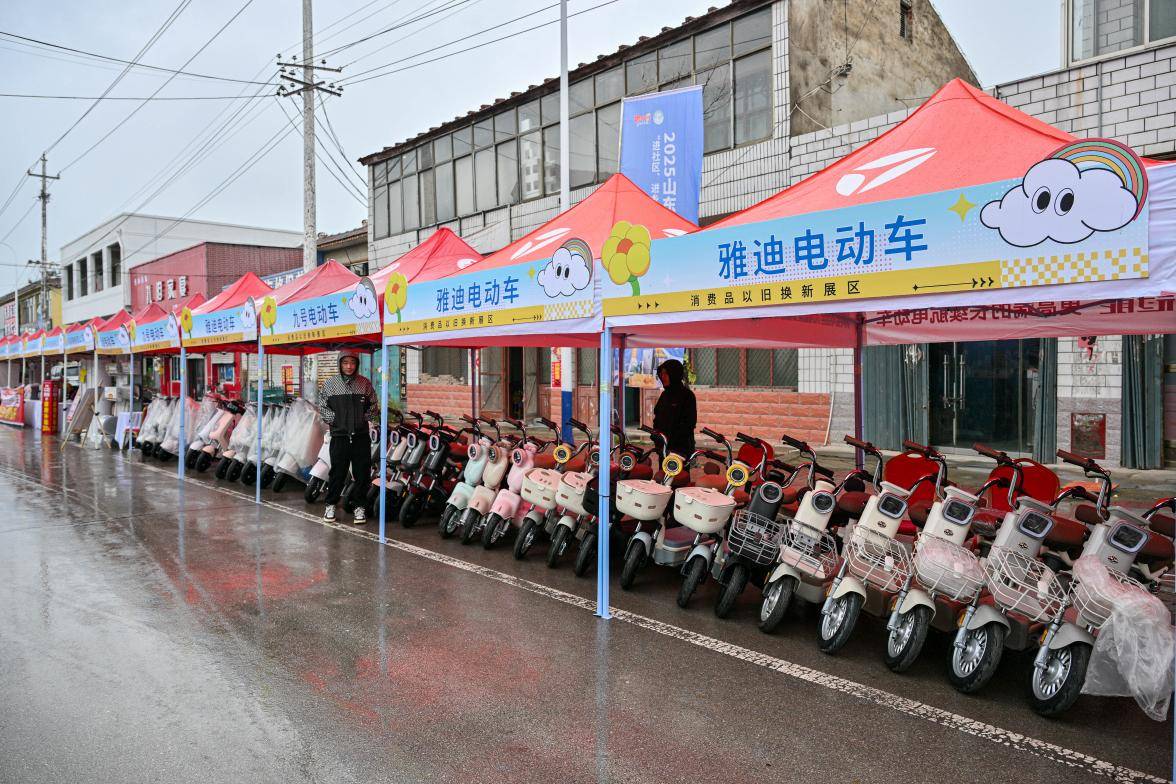
Group 1 - The "old-for-new" policy in Shandong has generated a consumption increment worth hundreds of billions, with over 200 billion yuan allocated for subsidies, leading to sales exceeding 1.7 trillion yuan by October 2025 [2][6] - The automotive and home appliance sectors have shown remarkable performance, with nearly 3000 daily applications for vehicle updates and over 1 million home appliances replaced, indicating strong consumer demand [2][4] - Local enterprises are benefiting significantly from the policy, with companies like Hisense and Gree experiencing substantial sales growth, indicating a positive impact on order and channel expansion [4][6] Group 2 - The retail market in Shandong is robust, with a retail sales total of 20,142.1 billion yuan in the first half of 2025, reflecting a year-on-year growth of 5.6%, surpassing the national average [7][11] - Innovations in physical consumption scenarios, such as the introduction of new brands and the renovation of traditional shopping areas, are driving consumer demand and enhancing the shopping experience [7][8] - The service industry is thriving, with significant revenue growth in sectors like entertainment and business services, contributing to job creation and income stability for residents [7][9] Group 3 - The "old-for-new" policy is facilitating a comprehensive upgrade of the consumption industry in Shandong, expanding the range of subsidized products from 8 to 12 categories, thus enhancing consumer choices [6][12] - Digital transformation is empowering the development of the real economy, with over 22,000 companies benefiting from digitalization initiatives, leading to improved production efficiency and reduced operational costs [12] - The integration of various industries, such as tourism and cultural experiences with traditional manufacturing, is enhancing the value chain and driving economic growth [11][12]
盛唐保险经纪“改头换面” 丰田欲下场卖保险
Bei Jing Shang Bao· 2025-12-01 14:17
Core Insights - The automotive industry is entering a new phase of cross-industry competition, with Toyota's recent rebranding of Beijing Shengtang Insurance Brokerage to Toyota Insurance Brokerage marking a significant move into the insurance market [1][2] - This shift reflects a broader trend in the automotive sector towards service-oriented and ecosystem-based business models, where car manufacturers are increasingly looking to offer insurance services alongside vehicle sales [1][3] Company Developments - Toyota Insurance Brokerage, a national insurance brokerage approved by the National Financial Regulatory Administration, has established branches in eight provinces across China [2] - The company is a subsidiary of Toyota Financial Services (China) Co., Ltd., which is part of Toyota Financial Services Corporation [2] Industry Trends - The trend of automotive companies entering the insurance market is becoming mainstream, with many manufacturers acquiring existing insurance licenses or establishing new ones to enhance their service offerings [3][6] - The integration of insurance services into the automotive sales and after-sales process is seen as a key strategy for increasing customer loyalty and profitability [3][7] Strategic Advantages - Toyota Insurance Brokerage aims to leverage its parent company's resources and extensive dealer network to provide a diverse range of insurance products, including auto insurance and property insurance for inventory financing [4][5] - The ability to access vast amounts of customer data allows automotive companies to tailor insurance products, reduce customer acquisition costs, and improve risk management [5][8] Market Dynamics - The tightening of insurance license approvals has led many automotive companies to pursue acquisitions as a more efficient route to enter the insurance sector [6] - The automotive industry's transformation, driven by changing consumer demands and internal business needs, is pushing companies to explore new revenue streams through insurance services [7][8]

盛唐保险经纪“改头换面”,丰田欲下场卖保险
Bei Jing Shang Bao· 2025-12-01 13:51
Core Viewpoint - The automotive industry is entering a new phase of cross-industry competition, with Toyota's recent establishment of a national insurance brokerage as a strategic move to penetrate the insurance market, reflecting a broader trend of automotive companies transitioning towards service-oriented and ecosystem-based business models [1][3][12]. Group 1: Company Developments - Beijing Shengtang Insurance Brokerage has officially changed its name to Toyota Insurance Brokerage (Beijing) Co., Ltd., which will serve as a key to Toyota's entry into the insurance market [1][4]. - Toyota Insurance Brokerage is a wholly-owned subsidiary of Toyota Financial Services (China) Co., Ltd., which is part of Toyota Financial Services Corporation [6][9]. - The company aims to provide a diverse range of insurance products to Toyota and Lexus dealers, as well as retail and institutional customers, leveraging its extensive business network [9][10]. Group 2: Industry Trends - The integration of automotive and insurance services is seen as a necessary evolution, with automotive companies increasingly focusing on selling insurance and providing related services as a new growth avenue [3][12]. - The trend of automotive companies entering the insurance market has been accelerated by tightening regulations on insurance license approvals, leading many to acquire existing licenses as a more efficient entry strategy [7][12]. - The automotive sector's shift towards insurance services is driven by the need to enhance profitability, improve customer service, and leverage vast amounts of customer data for tailored insurance offerings [13][14]. Group 3: Strategic Implications - Toyota's entry into the insurance market is expected to enhance service quality, increase customer loyalty, and improve brand recognition, but it requires a strong internal control system and compliance awareness to deliver real value to customers [11][14]. - The ability to integrate insurance services into the entire customer journey, from vehicle purchase to after-sales, is crucial for increasing customer stickiness and maximizing the value of the automotive ecosystem [10][13]. - The successful transition from a "selling cars" mindset to a "service-oriented" approach is essential for automotive companies to thrive in the insurance sector, necessitating a fundamental shift in business strategy [14].

扬州生物医药和新型医疗器械产业加速发展,这场发展大会恰逢其时
Yang Zi Wan Bao Wang· 2025-12-01 08:53
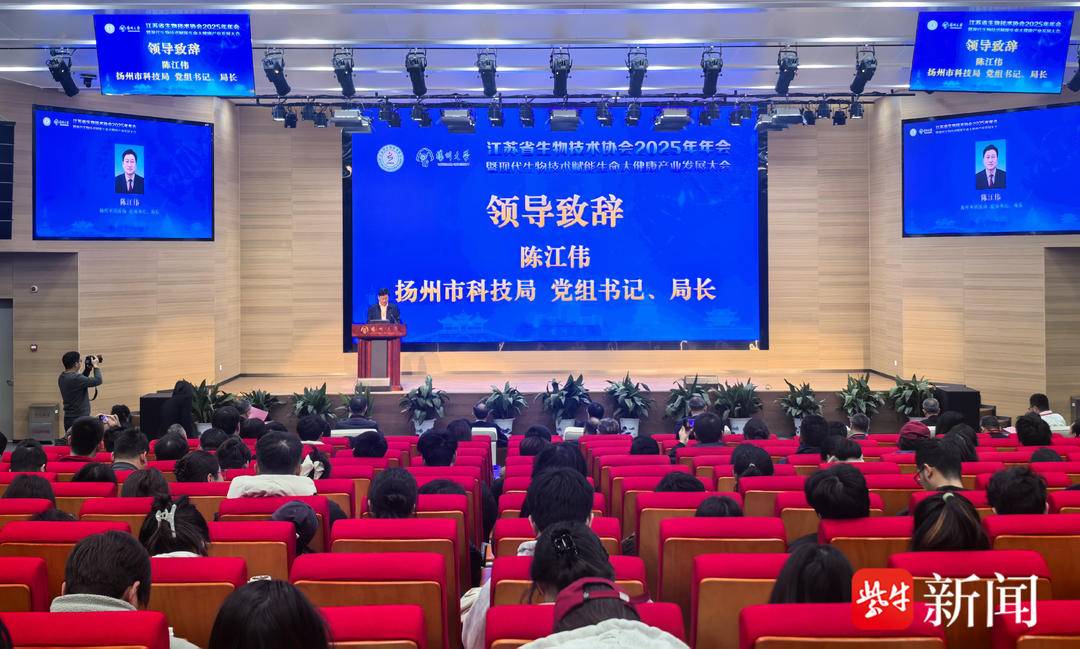
Core Insights - The conference on biotechnology in Jiangsu highlights the sector's role in national food security and the "Healthy China 2030" initiative, emphasizing its transformative impact on the global landscape [3] - Jiangsu's strong industrial foundation, talent resources, and favorable policies create a conducive environment for the development of the biotechnology industry, focusing on areas like synthetic biology, biomedicine, and gene editing [3] Industry Development - The biomedicine sector is a key focus in the construction of Yangzhou's modern industrial system, with reported revenues of 7.93 billion yuan and a year-on-year growth of 1.9% in the first three quarters of the year [3] - Tax revenue from the biomedicine and new medical device industries reached 480 million yuan, reflecting a significant year-on-year increase of 19.5% [3] - Yangzhou has implemented an innovation mechanism linking medical institutions with companies to accelerate project outcomes, resulting in the attraction of 39 technology-based enterprises and 40 projects exceeding 100 million yuan this year [3] Academic and Research Contributions - Yangzhou University is enhancing its life sciences programs, leveraging strengths in veterinary and crop sciences, and has established over 10 provincial and ministerial key laboratories [4] - The university's research team has achieved notable results in areas such as zoonotic disease prevention and biotechnological innovations [4] Future Goals - By 2026, Yangzhou aims to achieve a revenue target of over 15 billion yuan, with 130 large-scale enterprises and tax revenue exceeding 600 million yuan [4] - The city plans to deepen collaborations with top universities and leverage industry funds to attract leading enterprises and address challenges in financing and clinical transformation [4]
法治筑屏障 中原粮更安——河南用法治力量保障好粮食安全
He Nan Ri Bao· 2025-11-30 23:50
Core Viewpoint - The introduction of the "Henan Province Grain Security Guarantee Regulations" marks a significant step towards legal and systematic governance of grain security in Henan, a key grain-producing province in China, which contributes substantially to national grain production [1][2]. Group 1: Legislative Background - The regulation aligns with national legal frameworks, particularly the upcoming "Grain Security Guarantee Law" effective June 1, 2024, and aims to enhance grain supply and risk prevention capabilities [2]. - Henan's grain production has remained stable at over 1.3 trillion jin (approximately 650 billion kg) for eight consecutive years, but challenges such as structural and regional disparities persist [2]. Group 2: Agricultural Foundations - The regulation emphasizes the importance of arable land and seed quality, mandating the construction of high-standard farmland and strict management of land use [3]. - High-standard farmland in Henan has increased productivity by 10%-20%, contributing over 22 billion jin (approximately 11 million tons) to grain output [3]. Group 3: Comprehensive Risk Management - The regulation establishes a comprehensive grain security framework, focusing on optimizing storage management and enhancing the grain circulation system [4]. - Local grain reserves are sufficient to meet approximately three months of market demand, with specific cities like Zhengzhou having reserves for 15 days of supply [4]. - A dedicated chapter on grain regulation is included, introducing monitoring and early warning systems for grain security [4]. Group 4: Industrial Empowerment - The regulation promotes a shift from raw grain production to value-added processing, emphasizing the importance of industry integration and brand development [5][6]. - Financial support mechanisms are established to incentivize grain production, with rural residents' disposable income projected to reach 21,330 yuan in 2024 [5]. - The grain processing industry in Henan has maintained a total output value of over 300 billion yuan, positioning it among the top in the country [5]. Group 5: Brand Development - The regulation supports the creation of public brands for major agricultural products and promotes marketing efforts through various channels [6]. - Initiatives such as promotional events in major cities aim to enhance the visibility and competitiveness of Henan's grain products [6].
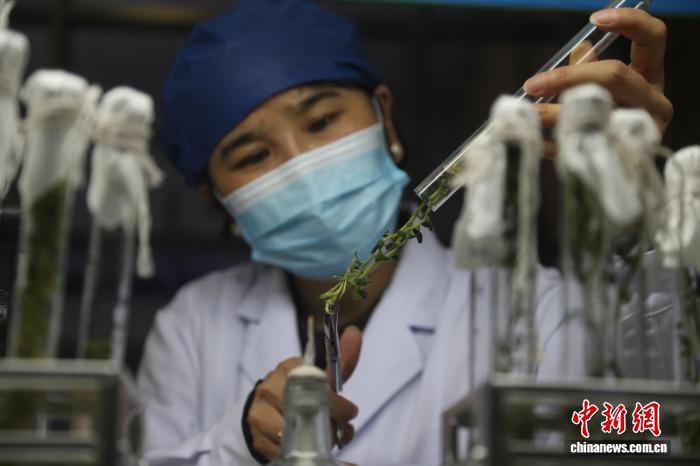
国家区域性马铃薯良种繁育基地年育微型薯300万粒
Zhong Guo Xin Wen Wang· 2025-11-27 23:35
Core Viewpoint - The article highlights the agricultural advancements in Huzhu County, Qinghai Province, focusing on the production of disease-free potato seedlings and the integration of technology and industry to enhance agricultural output [2][3][5][6][8][9][11] Group 1: Agricultural Production - Huzhu County serves as a national regional breeding base for high-quality potato varieties [2][3][5][6][8][9][11] - The county annually breeds 3 million micro-potatoes and produces 15,000 tons of quality seeds [2][3][5][6][8][9][11] - The quality seed potatoes support 100,000 acres of farmland in Qinghai Province [2][3][5][6][8][9][11] Group 2: Technological Innovation - The agricultural technology promotion center employs innovative techniques in the cultivation of disease-free potato seedlings [2][3][5][6][8][9][11] - The integration of technology and industry is emphasized as a key factor in enhancing agricultural productivity [2][3][5][6][8][9][11]