
创新

Search documents
读懂创新中国的底气与朝气(编辑手记)
Ren Min Ri Bao· 2026-01-05 22:29
一组数字,标注着新时代创新创造的活力:2025年,我国在全球创新指数排名中首次跻身前十,是10多 年来创新力提升最快的经济体之一。 创新的底气,有足够的底盘支撑。全球规模最大的研发人员队伍,这是深厚的人才土壤;数量最多的全 球百强科技创新集群,这是多年的科技沉淀。生物制造、量子科技、具身智能、6G……众多领域实现 从量变到质变、从跟跑到领跑的飞跃,为高水平科技自立自强持续注入"加速度"。 有厚积薄发的沉稳底气,更有生生不息的昂扬朝气。从民营企业专家当选院士,到各类经营主体化身创 新主体,科技创新和产业创新深度融合,为经济发展注入蓬勃朝气。放眼将来,建设北京(京津冀)、 上海(长三角)、粤港澳大湾区国际科技创新中心,如同嵌入3个发展"引擎",为培育新质生产力夯实 基础、为推动高质量发展提供动能。 新,一个读懂今日中国的字眼。 科研纪录接连"刷新"、大国重器持续"上新"、传统产业不断"焕新"……社会之日新,源于奔涌之创新。 一个创新的中国,底气丰沛、朝气飞扬。 (文章来源:人民日报) ...
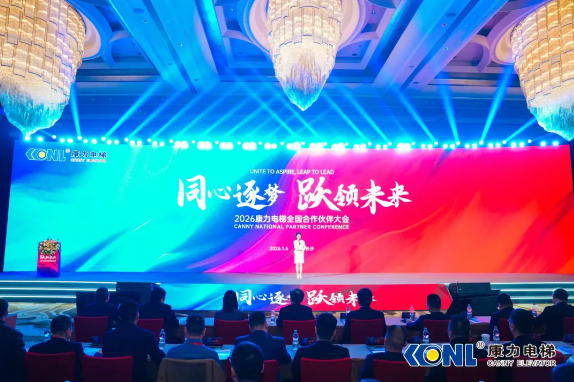
康力电梯2026全国合作伙伴大会成功举行
Zhong Guo Zhi Liang Xin Wen Wang· 2026-01-05 09:27
Core Viewpoint - The 2026 National Partner Conference of Kone Elevator was successfully held in Changsha, Hunan, marking the beginning of a promising year for the company and its partners [1] Group 1: Company Vision and Goals - Kone Elevator's Chairman and President, Zhu Linhao, emphasized the importance of collaboration with partners, stating that their support boosts the company's confidence and momentum [6] - The year 2026 is designated as a year of "mission, struggle, and surpassing," coinciding with the company's 29th anniversary and 16th year since going public, highlighting the ambitious development tasks ahead [8] - The company aims to implement seven key strategies: expanding breadth, widening scope, improving depth, innovating processes, enhancing resilience, increasing efficiency, and ensuring high-quality experiences [8] Group 2: Performance and Strategy - Kone Elevator achieved record-breaking annual performance in 2025, with significant growth in various sectors, including high-value strategic clients and public transportation projects [11] - The company plans to focus on "efficiency improvement and precise delivery" in 2026 to enhance its internal capabilities and support partners in market success [11] - A new partner policy was introduced to strengthen confidence and motivation for continued collaboration and mutual success [11] Group 3: Product Development and Innovation - The Technical Center's Deputy Chief Engineer, Yu Cheng, announced upgraded products including passenger elevators, home elevators, high-speed elevators, and new products like inclined elevators, establishing a comprehensive value empowerment system for partners [11] - Kone Elevator is committed to developing a full-service capability covering mainstream brands in the elevator industry, aiming to meet diverse market demands [12] Group 4: Celebration and Recognition - The conference included a grand appreciation dinner, celebrating the hard work and achievements of 110 partners, fostering camaraderie and collaboration [14] - Hunan is recognized as a core market for Kone, with significant milestone projects established, setting the stage for future achievements [16]


中国城市发展研究院:2025城市高质量发展指数综合分析报告
Sou Hu Cai Jing· 2026-01-05 02:12
Core Insights - The report presents a comprehensive analysis of the "2025 China Urban High-Quality Development Index," highlighting the current state of urban development in China based on six core dimensions: innovation, livability, beauty, resilience, civilization, and wisdom [1][10][12]. Group 1: Evaluation Framework - The evaluation framework consists of a three-tier system covering six core dimensions, with a total of 74 specific indicators selected to assess urban development [12][15]. - The index aims to provide a reliable quantitative basis for policy formulation, regional benchmarking, and development assessment, aligning with the strategic goals set by the Central Urban Work Conference [11][12]. Group 2: Assessment Results - The assessment indicates a pattern of "core city traction and overall improvement," with cities like Beijing, Shanghai, Shenzhen, and Hangzhou ranking high due to their advantages in innovation, digital governance, and economic resilience [17][18]. - Most cities have made significant progress in infrastructure, public services, and living environments, but challenges remain in areas such as cultural heritage, livability, and public service supply [17][18]. Group 3: Regional Development Disparities - There are notable regional disparities in development, with eastern cities leading in innovation and resilience, while central cities lag behind the national average across all dimensions [2][20]. - Western cities exhibit strong ecological advantages but face challenges in innovation and smart development, highlighting a clear distinction in strengths and weaknesses across regions [2][20]. Group 4: Dimension-Specific Insights - **Innovation**: Leading cities like Beijing and Shenzhen show strong innovation ecosystems, but there is uneven regional vitality, with non-core cities struggling to connect innovation resources effectively [22][23]. - **Livability**: Cities such as Beijing and Shanghai excel in public service provision, yet face challenges in housing affordability and employment income disparities [28][29]. - **Beauty**: Cities like Shenzhen and Beijing have made significant strides in pollution reduction and green industry development, but the transition to green living remains a challenge [35][36]. - **Resilience**: The resilience of cities is characterized by strong economic and social components, but infrastructure and environmental resilience are relatively weak, indicating a need for improvement [41][42].


法巴:资金分散投资有机会令中资股受惠,偏好AI与创新相关产业
Jin Rong Jie· 2026-01-05 01:57
本文源自:金融界AI电报 法国巴黎资产管理亚洲/新兴市场及大中华股票投资分析专员宋喆表示,去年MSCI中国指数升近三成, 相信估值修复因素已大致完成,今年会期待企业盈利有更佳回报,现时中资股估值仍相对欧美市场便 宜,加上美联储政策偏鸽,美元走势持续回落,资金分散投资有机会令中资股受惠。他偏好与创新相关 的产业,当中对电动车和电池行业看高一线,预期电动车企出海的趋势会持续,将有更多纯电动车打入 海外市场,整个产业链尚有不少成长动力。此外,他认为,随着Deepseek在去年12月推出新模型,中美 在AI范畴上差距已显著收窄,数据中心的资本开支也较过去几年加大不少。在相关行业中,会较看好 医疗及药品研发板块。 ...
对话周其仁:AI替代不了“你真正的喜欢”
3 6 Ke· 2026-01-05 01:28
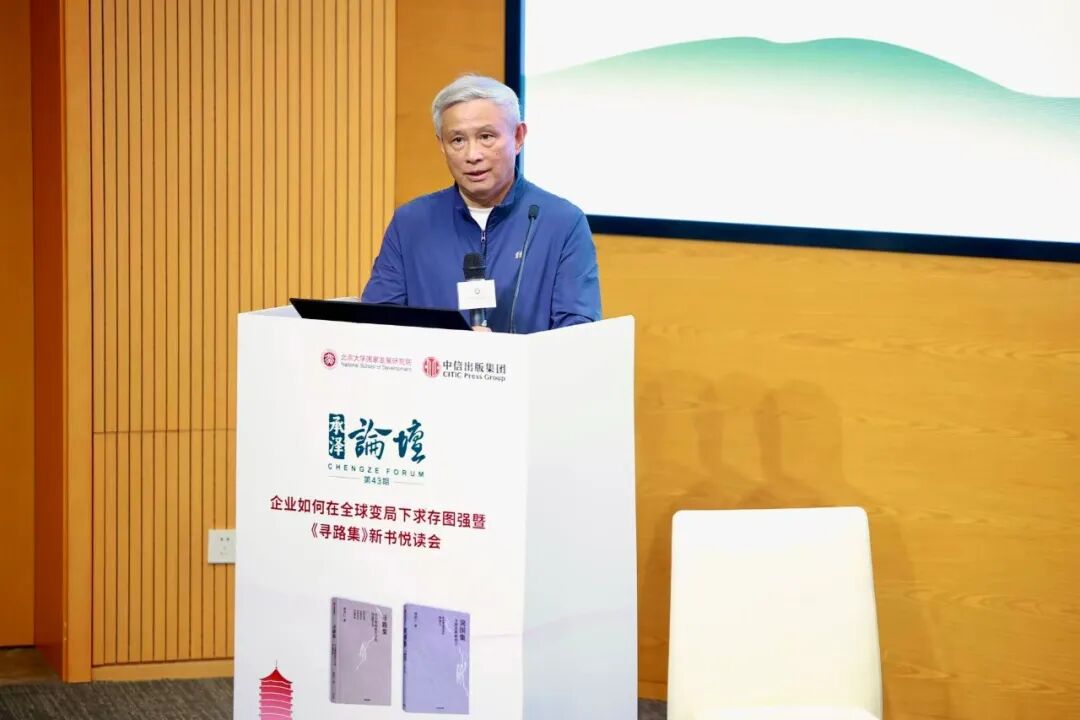
Core Insights - The interview with Professor Zhou Qiren from Peking University highlights his unique approach to economics, emphasizing practical business experiences over abstract theories [1][2] - Zhou believes that companies must navigate their own paths in uncertain environments, advocating for a focus on customer needs rather than merely competing with rivals [4][10] Group 1: Research Methodology - Zhou emphasizes the importance of real-world research, stating that understanding comes from engaging with actual business practices rather than theoretical frameworks [2][4] - He encourages a mindset of inquiry and debate, suggesting that true insights emerge from discussions and challenges to prevailing views [1][4] Group 2: Business Strategies - Zhou's new book, "Seeking Path Collection," discusses various strategies for companies to thrive amidst uncertainty, advising them to adapt based on their specific circumstances [4][6] - He highlights the significance of understanding customer needs and positioning, arguing that many companies fail because they do not prioritize customer insights [10][15] Group 3: Market Competition - Zhou views the current competitive environment, referred to as "卷" (competition), as a double-edged sword, suggesting that while it can drive prices down, it can also lead to unhealthy market practices [4][5] - He warns against focusing solely on competitors, advocating for a customer-centric approach that prioritizes service quality over speed [11][15] Group 4: Global Market Positioning - Zhou argues that companies should not rigidly separate domestic and international markets but should instead seek opportunities based on customer demand globally [19][20] - He notes that many businesses can replicate successful strategies from their home markets in international contexts, emphasizing the need for adaptability [21][20] Group 5: Innovation and Government Role - Zhou critiques the notion that innovation can be mandated by government policies, suggesting that true innovation arises from grassroots efforts and real-world applications [22][24] - He believes that local governments should focus on their unique strengths rather than trying to replicate successful models from other regions [22][25]
牧原股份董事长秦英林:向内求向技术进发 坚守品质守护肉盘子
Zheng Quan Ri Bao Wang· 2026-01-04 13:13
Core Insights - The core message emphasizes the importance of innovation in the face of challenges, as articulated by Qin Yinglin, Chairman of Muyuan Foods, during the 2025 CCTV Financial New Year's Eve event [1]. Group 1: Entrepreneurial Journey - Qin Yinglin's journey in the pig farming industry spans 33 years, highlighting key decisions made during challenging times [2]. - The initial decision to pursue pig farming was driven by financial necessity, leading to a commitment to mastering pig farming techniques [2]. - The company evolved from a small operation with 22 pigs to the world's largest pig farming enterprise, showcasing significant growth and resilience [2]. Group 2: Response to African Swine Fever - In response to the African swine fever outbreak in 2018, the company faced a critical choice between inaction and proactive measures [2]. - The decision to invest in air filtration technology for pig housing resulted in a significant reduction in costs, from over 100 million yuan to approximately 23 million yuan per unit [2]. - This innovation not only protected the company from the disease but also contributed to the recovery of the Chinese pig farming industry [2]. Group 3: Technological Advancements and Future Goals - Muyuan Foods has transitioned from basic pig housing to advanced automated systems, tripling its scale from 2018 to 2021 [3]. - The company aims to achieve the "three good" goals: good pigs, good people, and a good industry, focusing on technological advancements and quality improvement [4]. - Future initiatives include developing smart machinery for easier pig farming, enhancing breeding techniques, and ensuring high-quality pork at affordable prices for consumers [4].

向着中国式现代化宏伟目标勇毅前行——习近平主席二〇二六年新年贺词引发热烈反响
Yang Guang Wang· 2026-01-04 07:35
Group 1 - The New Year speech by President Xi Jinping emphasizes the achievements of the past year and the "14th Five-Year Plan," highlighting the significant progress in China's economic, technological, and defense capabilities [1] - The speech calls for unity and determination among the people to pursue the goal of Chinese-style modernization, encouraging a proactive approach to challenges [1] - The construction of the Pinglu Canal, a key project in the western land-sea new passage, is in its final stages, aiming for completion by 2026, which aligns with the broader vision of enhancing connectivity [2] Group 2 - The speech underscores the importance of innovation in driving high-quality development, positioning China as one of the fastest-growing economies in terms of innovation [2] - The focus on the upcoming 2026 "15th Five-Year Plan" emphasizes the need for solid progress in high-quality development and deepening reforms to achieve common prosperity [3] - The commitment to ecological and green development is highlighted, with initiatives aimed at transforming natural resources into economic benefits, particularly in regions like Inner Mongolia [3]
【丝路话语】回眸2025,奔赴下一程山海
Xin Lang Cai Jing· 2026-01-04 02:26
责任编辑:郭林玉 "新"是2025年的前行引擎。如果说"韧"稳住了基本盘,"新"则打开了增长新空间。这一年"新质生产 力"加速从理论落地,科技新潮驱动发展变革。从人工智能引发全民热议,到人形机器人走向产业前 沿,创新早已跳出小众尖端领域,成为惠及大众的发展动能。创新的活力源于融合,人工智能像水电般 赋能千行百业,智能工厂重塑生产流程,低空经济打开城市立体空间,线上线下、虚拟现实的交织催生 无数新业态。创新的舞台因开放而广阔,国产大模型开源共享,"中国天眼"向全球科学家开放,空间站 开展多国合作,这种开放姿态汇聚全球智慧,让中国贡献融入人类共同知识宝库。文化领域的创新同样 动人,"田埂诗人"用质朴文字打动人心,《哪吒2》以东方美学征服全球票房,微短剧凭中式叙事海外 走红,创新在扎根生活中绽放光彩。 "暖"是2025年的生活底色。发展的终极目标,是让每个人都能感受到心灵的安顿。这一年"敬自己一 杯"等话语流行,藏着人们对过度内卷的平和反思,也是对"必须完美"的社会压力的悄然松绑。大家开 始在奋进间隙停下脚步,学会与自己温柔和解。这份温暖离不开政策的托举,育儿补贴直达快享,多地 探索推广育儿假,这些细微举措实实在在 ...
以梦为马 坦途万里
Xin Lang Cai Jing· 2026-01-02 22:39
Core Insights - The article emphasizes the dynamic evolution of Shenyang, highlighting the interplay between tradition and innovation in shaping the city's future [1][2][3][4][5][6]. Group 1: Industrial Development - Shenyang's manufacturing sector is undergoing a transformation, moving from traditional heavy industries to advanced technologies, with companies like ShenGu and Northern Heavy Industries leading this shift [2]. - The focus is on enhancing technological density and innovation energy, indicating a shift in the definition of "heavy equipment" from physical weight to technological advancement [2]. - The growth in biomedicine and new energy sectors reflects the necessity for collaborative innovation within a supportive ecosystem [2]. Group 2: Cultural and Social Dynamics - The article illustrates the coexistence of tradition and modernity in Shenyang's urban life, where daily activities and cultural heritage intertwine [3]. - The community's evolution includes improvements in public services, such as new elevators in old neighborhoods and integrated community services, enhancing the quality of life [4]. - The narrative emphasizes the importance of citizen engagement in urban development, highlighting the role of individuals in shaping their community [4][5]. Group 3: Urban Planning and Infrastructure - Shenyang's urban planning is characterized by a focus on efficiency and trust, with infrastructure developments like an extended subway network enhancing connectivity [4]. - The integration of green spaces and community parks signifies a shift towards a more holistic approach to urban design, prioritizing quality of life [4]. - The city's strategic vision combines long-term planning with immediate needs, reflecting a balance between growth and community well-being [4]. Group 4: Human Element - The article underscores the central role of individuals in the city's narrative, portraying various community members as integral to Shenyang's identity and progress [5][6]. - The relationship between the city and its inhabitants is described as a mutual creation, where both influence and shape each other [6]. - The vision for Shenyang in 2026 is framed as a collective effort, with every citizen contributing to the city's story through their daily endeavors [6].
【学习贯彻党的二十届四中全会精神】全员创新融入生产实践每个环节
Xin Lang Cai Jing· 2026-01-02 18:29
一直以来,青岛市总工会构建多元激励机制与创新服务体系,通过统筹各类创新平台、优化资源配置, 广泛动员职工投身发展新质生产力的时代浪潮。"十四五"期间,青岛市职工年均取得国家发明专利8000 余项、产生应用型创新成果2万余项。这一系列亮眼数据的背后,是"五位一体"职工创新创造体系的强 力支撑——以全员创新企业、创新工作室、创新班组、创新能手和创新成果为载体,结合"四技五小两 比"等常态化全员创新活动,真正将创新理念融入生产实践的每一个环节。 (来源:工人日报) 本报讯 (记者张嫱 通讯员王子枫)创新,深植于山东青岛的城市基因,更是一代代青岛产业工人砥砺 奋进的鲜明底色。从70多年前纺织女工郝建秀创立的"细纱工作法"响彻全国,到"人民工匠"许振超一次 次刷新集装箱装卸世界纪录,再到如今,大国工匠管益辉团队突破封锁研发出高铁"膝盖"部件,使中国 高铁转向架寿命大幅提升、成本显著降低……这些闪光的成就,串联起青岛从"制造"迈向"智造"的奋进 轨迹,彰显了广大职工身上所迸发的创新伟力。 面向未来,青岛市总贯彻落实全会关于"加快高水平科技自立自强,引领发展新质生产力"的部署要求, 围绕"10+1"创新型产业等重点产业,强 ...