
城乡融合

Search documents
天津发布乡村振兴“成绩单”:综合指数全国前五 农业科技进步贡献率达75%
Zhong Guo Xin Wen Wang· 2025-11-11 02:59
Core Insights - Tianjin ranks fifth in the national rural revitalization development index according to the National Bureau of Statistics' 2024 assessment, showcasing significant progress in agricultural quality and efficiency, rural livability, and stable income growth for farmers [1][3]. Agricultural Development - During the "14th Five-Year Plan" period, Tianjin has constructed and upgraded 1.45 million acres of high-standard farmland, with the proportion of high-standard farmland in permanent basic farmland reaching 82%, an increase of 20 percentage points from the end of the "13th Five-Year Plan" [3]. - Grain production is expected to achieve a "22-year continuous increase," with total output surpassing historical highs and projected to increase by over 1 billion jin compared to the end of the "13th Five-Year Plan" [3]. - The output of facility vegetables now accounts for 55% of the total vegetable output in the city, and the scale of livestock and poultry farming has reached over 90% [3]. Rural Industry Development - Tianjin has advanced industrial integration by creating four national-level advantageous characteristic industrial clusters and three modern agricultural industrial parks, leading to the formation of five hundred billion-level industrial chains and seventeen billion-level industrial chains [4]. - The city has received nearly 80 million tourists in the past two years through the development of key rural tourism areas [4]. - The sales revenue of the "Tianjin Agricultural Boutique" brand has exceeded 10 billion yuan for three consecutive years, enhancing brand recognition and influence [4]. Agricultural Technology and Infrastructure - The agricultural technology progress contribution rate has increased to 75%, with significant advancements in mechanization and smart agriculture [5]. - The comprehensive mechanization rate for crop farming has reached 90.5%, and a national key laboratory for vegetable breeding has been established [5]. - Rural living conditions have improved, with a sanitation toilet coverage rate of 97.9% and over 90% of rural wastewater being treated [5][6]. Economic and Social Development - The per capita disposable income of rural residents is projected to reach 32,715 yuan in 2024, ranking fourth nationally, with the urban-rural income ratio narrowing to 1.76:1 [6]. - Tianjin has established a rural property transaction market system covering all administrative levels, with the Tianjin Agricultural Exchange achieving a transaction volume exceeding 16 billion yuan [6].

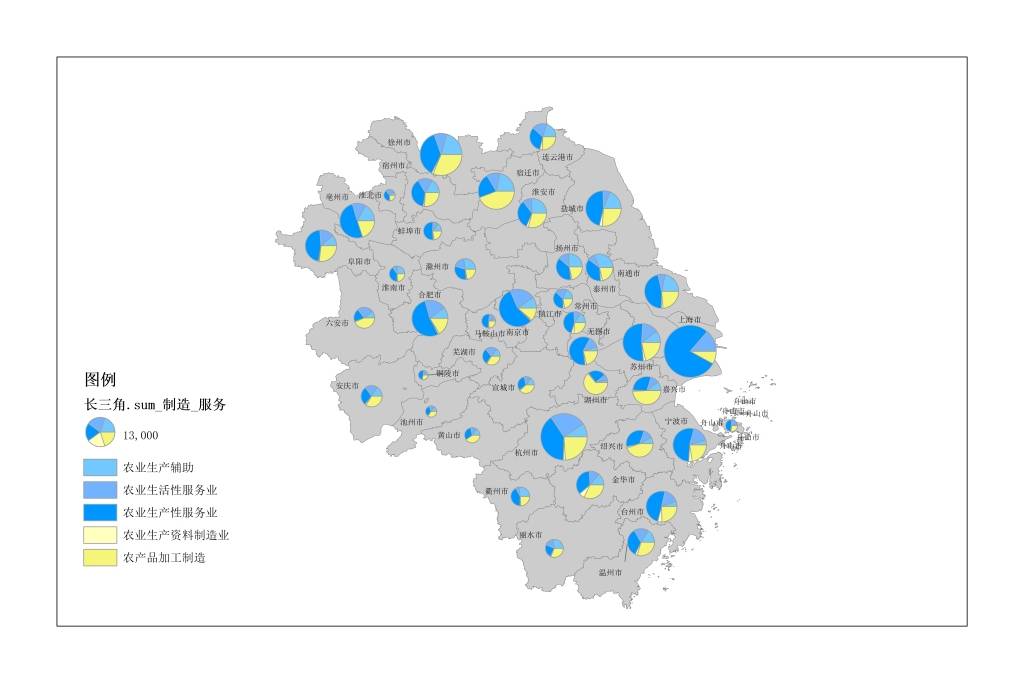
从圈到群:长三角区域一体化战略如何深化
Sou Hu Cai Jing· 2025-11-08 04:46
Core Insights - The release of the "Action Plan for Establishing and Improving the System and Mechanism for the Coordinated Development of Urban Agglomerations" marks a new phase in the integrated development of the Yangtze River Delta, focusing on urban agglomeration and coordinated development as the core driving force [1] Group 1: Urban Agglomeration and Economic Impact - The Yangtze River Delta region has a permanent population of approximately 238 million and a GDP of 33.17 trillion yuan, accounting for 24.6% of the national total [2] - The overall capability of urban agglomerations largely depends on the strength of core cities or urban circles, with stronger central cities attracting more population and fostering a positive cycle [2][3] - The plan emphasizes the need to "unleash and empower" core urban circles to activate the potential of the world-class urban agglomeration [2] Group 2: Industrial Development and Future Trends - There is a need to strengthen the synergy between "productive services and advanced manufacturing," leveraging the complementary relationship between modern services and advanced manufacturing [3] - The evolving consumption patterns led by younger demographics, such as live streaming and short videos, are reshaping the flow dynamics in central cities [3] Group 3: Competition and Integration - The unique structure of the Yangtze River Delta, with its six urban circles and large population, provides a natural environment for orderly competition among different urban circles [4] - The "Action Plan" aims to break down barriers and create a unified market through infrastructure connectivity and unified market rules, enhancing fair competition [4] Group 4: Cross-Department Coordination - Effective cross-department cooperation frameworks in areas like economic statistics and public service guarantees are essential for addressing coordination challenges in urban circle development [5] - The current transportation coordination between cities like Shanghai and Suzhou shows significant room for improvement, indicating a need for better integration [5] Group 5: Urban-Rural Integration - The construction of a unified urban agglomeration includes not only the integration of urban circles but also the collaboration between cities and counties [6] - Strategies for rural integration must consider the varying development levels of counties, focusing on enhancing public services and income levels for residents [6] Group 6: Implementation and Future Directions - The key to advancing integration in the Yangtze River Delta lies in execution, with urban circles serving as engines for coordinating population, land, and industry [9] - Achieving a tangible sense of "urban circle integration" for residents and predictable systems for businesses is crucial for transforming planning into reality [9]
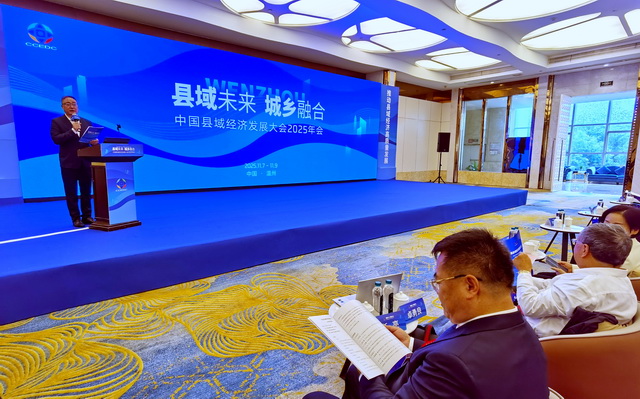
“十五五”县域经济发展如何迈步?多方专家学者支招
Di Yi Cai Jing· 2025-11-08 04:29
Core Viewpoint - The development of county economies during the 14th Five-Year Plan should focus on four key areas: artificial intelligence, urban-rural integration, green transformation, and county governance, emphasizing tailored policies over a one-size-fits-all approach [1][2][4] Group 1: Urban-Rural Integration - County economies are crucial for urban-rural integration, serving as a key engine for consumption and domestic demand [2] - The core of urban-rural integration is the integration of people, promoting the free movement of populations between urban and rural areas [2] - A modern industrial system should be established through deep integration of various industries in rural areas, moving beyond the traditional role of providing raw materials and labor [2][4] Group 2: Economic and Industrial Development - Counties should leverage their resource endowments and comparative advantages to develop suitable industries, including traditional and new sectors [3][5] - The integration of secondary and tertiary industries is essential for creating competitive and recognizable county industrial brands [4][5] - Counties should focus on attracting urban industries, capital, and talent while also connecting with rural industries to promote comprehensive development [5][8] Group 3: Infrastructure and Public Services - Enhancing public service attributes in counties is vital for economic development, requiring policies that facilitate the flow of resources such as land, capital, and talent [4][8] - The establishment of a conducive living and working environment is crucial, with improvements in rural infrastructure and public service accessibility [8] Group 4: Future Opportunities - The county economy faces new challenges and opportunities, including digital economy growth and rural revitalization [2][7] - The focus should be on cultivating specialized and innovative industrial clusters, extending agricultural processing chains, and developing new business models that integrate agriculture, e-commerce, and tourism [8]
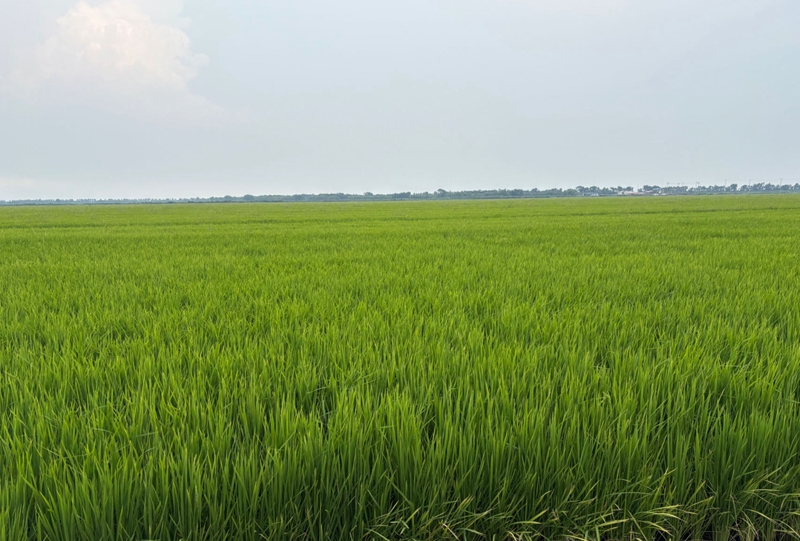
从“城市附属”到城乡融合 在津门探寻撬动都市农业升级的金融支点
Jin Rong Shi Bao· 2025-11-06 03:42
Core Viewpoint - Tianjin is focusing on the development of urban agriculture, leveraging its unique advantages and addressing the growing demand for high-quality agricultural products in the Beijing-Tianjin-Hebei urban agglomeration, which has over 35 million residents [1] Group 1: Urban Agriculture Development - Tianjin is the only province among seven major grain sales areas to receive an excellent rating in farmland protection assessments, ensuring a nearly 70% self-sufficiency rate in staple food production [1] - The city has launched a comprehensive action plan for rural revitalization, emphasizing the creation of a modern urban agriculture upgrade version as a primary focus [1] - Urban agriculture is increasingly seen as integral to urban-rural integration, requiring financial support to facilitate its development [1] Group 2: Financial Innovations - Tianjin Rural Commercial Bank has introduced the "Agricultural Land Certification Loan" to address financing challenges faced by new agricultural operators, allowing them to apply for loans through an online platform [5] - The bank's innovative approach includes sharing land transfer contracts and operational conditions to streamline loan approval processes, significantly reducing the time required for offline investigations [5] - Financial institutions are actively supporting the integration of farmland to enhance agricultural efficiency and improve land utilization [5] Group 3: Agricultural Production and Market Adaptation - In response to limited arable land, there is a push for land consolidation and resource optimization to enhance agricultural productivity [9] - The introduction of modernized greenhouses in villages is aimed at improving crop quality and aligning production with market demands, reflecting a shift towards high-quality agricultural practices [10][11] - Financial support from banks has been crucial in facilitating the establishment of modern agricultural facilities, enabling farmers to adapt to changing consumer preferences and improve their income [10][12]
从“城市附属”到城乡融合
Jin Rong Shi Bao· 2025-11-06 03:05
Core Insights - Tianjin has a strong necessity and relative advantages in developing urban agriculture, driven by the high demand for quality and safe agricultural products from its population of over 35 million in the Beijing-Tianjin-Hebei urban agglomeration [1] - The city is the only one among seven major grain sales areas to receive an excellent rating in land protection assessments, ensuring a nearly 70% self-sufficiency rate in staple food production [1] - The "14th Five-Year Plan" emphasizes modernizing agriculture and rural areas, with a focus on upgrading urban agriculture [1] Financial Support and Innovation - Financial institutions are innovating to support urban agriculture, addressing the mismatch between traditional business models and the needs of new agricultural operators [4][5] - Tianjin Rural Commercial Bank launched the "Land Certificate Loan" to facilitate financing for farmers like Yao Xingyong, who faced funding gaps due to expanded planting [5] - The bank's innovative approach includes using land transfer contracts to streamline loan applications, significantly reducing the time required for approval [5] Agricultural Efficiency and Resource Utilization - High-standard farmland construction projects in Tianjin are supported by long-term loans from agricultural banks, enhancing land efficiency and addressing issues like soil salinization [6][8] - The construction of high-standard farmland has led to the transformation of 6,000 acres, with an additional 1,000 acres of new arable land created [8] - The integration of land resources and the promotion of mechanized farming are essential for improving agricultural productivity in urban areas [11] Modernization and Market Adaptation - Villages are adapting to market demands by modernizing agricultural practices, such as the establishment of standard planting gardens and advanced greenhouse facilities [12][13] - Financial support from banks has been crucial in enabling these transformations, with loans provided for infrastructure improvements and long-term agricultural projects [12][13] - The focus on high-quality agricultural products aligns with changing consumer preferences, leading to increased market recognition and sales through online platforms and community group purchases [13]

山东政商要情(10.27—11.2)
Sou Hu Cai Jing· 2025-11-03 09:30
Economic Performance - In the first three quarters of 2023, Shandong's GDP reached 77,115 billion yuan, growing by 5.6% year-on-year at constant prices [2] - The primary industry added value was 4,825 billion yuan (3.9% growth), the secondary industry 30,150 billion yuan (5.3% growth), and the tertiary industry 42,140 billion yuan (6.1% growth) [2] - Industrial value added for large-scale enterprises grew by 7.8%, with significant contributions from equipment manufacturing (12.0% growth) and specific sectors like automotive (17.0%), railway and shipbuilding (14.9%), and electronics (16.6%) [2] Policy and Development Initiatives - A major project planning and implementation meeting was held to ensure the achievement of economic and social development goals for the year and to support a strong start for the 14th Five-Year Plan [4] - Five key areas for project planning were identified: industrial upgrading, infrastructure, energy transition, urban-rural integration, and improving people's livelihoods [5] Trade and Investment - Jinan's foreign trade import and export reached 2,056.4 billion yuan in the first three quarters, a 28% increase year-on-year, significantly outperforming the provincial average [7] - The city achieved a balanced growth in exports (1,382.6 billion yuan, 24.2% growth) and imports (673.8 billion yuan, 36.5% growth), marking a historical high for the total trade volume [7][8] Conferences and Events - The 4th Confucian Business Conference was held in Jinan, attracting 468 guests from 36 countries, with 45 key projects signed, including 9 foreign investment projects totaling 1.01 billion USD [6] - The 25th Blue Economy International Talent and Industry-Academia-Research Cooperation Conference took place in Qingdao, showcasing innovations in various fields and signing key projects in biotechnology and semiconductors [9]

江苏南京:第二现场观赛之余饱尝“乡”味、畅享“乡”情
Nan Jing Ri Bao· 2025-11-02 01:29
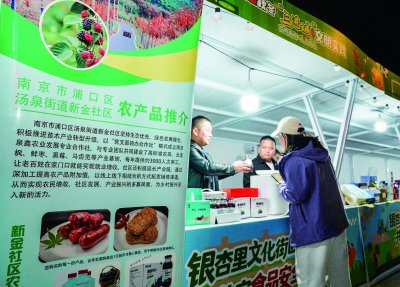
Core Viewpoint - The event "2025 Su Super" final in Nanjing not only showcased intense sports competition but also served as a platform for cultural exchange and promotion of local products through the "Warm Autumn and Winter: Three Entering the City" civil practice activity [1][11]. Group 1: Event Overview - The "2025 Su Super" final took place on November 1 at the Nanjing Olympic Sports Center, featuring a match between Nantong and Taizhou teams, generating significant excitement among fans [1]. - Various second viewing sites across Nanjing allowed fans to engage with the event, creating a vibrant atmosphere with large screens and interactive activities [9][10]. Group 2: Cultural and Economic Activities - The "Warm Autumn and Winter: Three Entering the City" initiative included cultural performances such as Nantong acrobatics and Taizhou Huai opera, alongside a market featuring 60 stalls showcasing local delicacies and handicrafts [2][8]. - Local agricultural products were promoted, with vendors reporting high sales, particularly of items like raw juice and traditional snacks [6][4]. Group 3: Community Engagement - The event highlighted stories of resilience and community spirit, such as the participation of a family selling local products while sharing their journey of overcoming adversity [8]. - Volunteers from local communities played a crucial role in maintaining order and promoting a civilized atmosphere during the event [8]. Group 4: Technological Integration - The event incorporated modern technology, including a drone show that enhanced the viewing experience with dynamic visual displays related to football [10]. Group 5: Future Implications - The successful integration of sports and cultural activities is expected to foster further urban-rural integration and promote tourism, setting a precedent for future events [11].
八大田园经济崛起
投中网· 2025-10-29 06:30
Core Insights - The article discusses the rise of the "rural economy" driven by urban consumers seeking nature and unique experiences, highlighting various innovative business models in rural areas [4][34]. Group 1: Rural Tourism and Experiences - In the first three quarters of 2024, over 4.35 trillion yuan was spent on tourism in China, with rural tourism seeing significant growth, receiving nearly 800 million visitors in the first quarter alone [4]. - The success of "rice field coffee" in the Yangtze River Delta illustrates a shift towards immersive consumption experiences, where urban consumers are willing to pay a premium for unique rural settings [7][8]. - The emergence of rural pet theme parks addresses the growing pet ownership market, providing urban pet owners with the space and services they need while revitalizing rural economies [10][11]. Group 2: Educational and Cultural Experiences - The rise of rural astronomy education programs reflects a shift in consumer demand for deeper, more meaningful experiences, moving beyond traditional sightseeing [13][14]. - The concept of "youth retirement homes" in rural areas offers urban youth a space for relaxation and community, transforming idle rural properties into vibrant living spaces [16][18]. Group 3: Innovative Agricultural Models - The "adopt-a-farm" model allows urban consumers to engage directly with agriculture, promoting a connection to food sources and enhancing the agricultural economy [24][25]. - Creative repurposing of idle rural buildings into cultural spaces not only preserves local heritage but also attracts new economic activities and tourism [26][28]. Group 4: Market Evolution and Consumer Engagement - The transformation of traditional rural markets into integrated online and offline platforms enhances consumer engagement and drives rural brand development [30][32]. - The article emphasizes that rural areas are no longer passive recipients of urban influence but are becoming active contributors to economic and cultural exchanges with cities [34][35].

产业升级 基础设施 能源转型 城乡融合 民生改善 谋划实施重大项目,山东为何聚焦这五大领域
Da Zhong Ri Bao· 2025-10-29 00:51
Core Insights - The meeting held in Shandong on October 28 focuses on the planning and implementation of major projects, which are crucial for regional development quality and future prospects [2][3] - The meeting aims to ensure the achievement of annual economic and social development goals and to lay a solid foundation for the "15th Five-Year Plan" [3][4] Group 1: Key Areas of Focus - The five key areas identified for project planning and implementation are industrial upgrading, infrastructure, energy transition, urban-rural integration, and improvement of people's livelihoods [3][5] - These areas are targeted to address existing shortcomings and enhance growth potential, with a focus on transforming traditional industries and fostering new ones [5][6] Group 2: Strategic Importance - The projects align with national development strategies, such as advancing emerging industries like AI, integrated circuits, and new energy materials, which are essential for Shandong's role in the manufacturing powerhouse strategy [6][7] - The focus on major transportation projects supports the national strategy for the Yellow River basin and enhances the role of the peninsula urban agglomeration [6][7] Group 3: Economic Impact - Major projects are characterized by large investment scales and strong driving effects, directly stimulating demand in related industries [8][9] - These projects not only represent current investment increments but also contribute to future industrial capacity, providing solid support for economic growth [9][10] Group 4: Long-term Transformation - Major projects are key to promoting industrial upgrading, energy transition, and urban-rural integration, addressing both immediate growth needs and long-term structural changes [10][11] - The integration of "investment in material" and "investment in people" is emphasized, ensuring that infrastructure and social services enhance overall economic and social development [11][12]
这场学术会议连续三年在阳西县召开,有何深意?
Nan Fang Nong Cun Bao· 2025-10-27 05:02
Core Points - The article discusses the significance of the "Tangkou Conference" held in Yangxi County, emphasizing its role in promoting high-quality development and rural revitalization in the region [6][10][12] Group 1: Conference Overview - The "2025 Lingnan Academic Forum" took place on October 25-26, focusing on the implementation of the "Hundred-Thousand-Million Project" and promoting coordinated urban-rural development [6][10] - The conference gathered representatives from social science theory, research institutions, government departments, and grassroots organizations to discuss strategies for agricultural modernization and rural development [7][8][9] Group 2: Achievements and Goals - Yangxi County has made significant progress in the "Hundred-Thousand-Million Project," achieving an average annual growth of 9.8% in industrial added value over the past three years [24] - The county aims to establish itself as a key node on the West Coast, focusing on becoming a "Marine Strong County" and enhancing its livability and economic vitality [27][30] Group 3: Practical Applications and Innovations - The conference highlighted the transformation of Tangkou Town from a traditional agricultural area to a "selenium-rich industrial town," showcasing the integration of modern technology with traditional agriculture [70] - The establishment of collaborative platforms between academia and local governance aims to deepen the integration of academic research with policy practice, providing strong academic support for the "Hundred-Thousand-Million Project" [60][63] Group 4: Expert Insights and Recommendations - Experts discussed the importance of balancing public resources between urban and rural areas to promote coordinated socio-economic development [100] - Recommendations included enhancing the flow of resources between urban and rural areas and optimizing land management to support high-quality development [105][108]
