
AI时代

Search documents
上证早知道|摩尔线程,IPO获准注册;免税店政策“升级”,五部门最新发布;超百亿元资金,涌入半导体
Shang Hai Zheng Quan Bao· 2025-10-30 22:55
Group 1 - The China Securities Regulatory Commission approved the initial public offering registration of Moore Threads Technology, aiming to raise 8 billion yuan for its IPO on the Sci-Tech Innovation Board [2][11] - Moore Threads has developed four generations of GPU architecture and offers solutions for intelligent computing across various markets, including government and enterprise sectors [11] - The company is positioned to benefit from the domestic shift towards advanced process technology and the increasing demand for AI chips, indicating a significant market opportunity [11] Group 2 - The Ministry of Finance and other departments announced improvements to the duty-free shop policy, effective from November 1, 2025, to boost consumption and attract foreign visitors [7] - China Duty Free Group, primarily engaged in duty-free retail, is expected to benefit from the expanded product range and increased sales of domestic products in duty-free shops [7] - The recent adjustments to the duty-free shopping policy in Hainan are anticipated to enhance consumer experience and drive growth for domestic brands [7] Group 3 - The semiconductor-themed ETF saw a net subscription of 13.106 billion yuan in October, indicating strong investor interest in the sector [2][23] - Institutional research on the semiconductor industry has surged, with over 1,000 investigations conducted recently, reflecting optimism about advancements in equipment and AI computing power [23] - The domestic semiconductor manufacturing chain is expected to accelerate its self-sufficiency, with a rising domestic production rate anticipated [23] Group 4 - The prices of certain rare earth products have increased, driven by structural demand growth in sectors like electric vehicles and wind power [10] - The demand for neodymium-iron-boron magnets is particularly strong, as they are essential for high-performance electric motors [10] - Companies like Baotou Steel Rare Earth and Northern Rare Earth are positioned to benefit from the integrated development of the rare earth industry [10]
移为通信(300590):新业务布局有望逐步进入收获期
HTSC· 2025-10-29 08:47
Investment Rating - The report maintains an "Accumulate" rating for the company with a target price of 12.58 RMB [5][4]. Core Views - The company is experiencing a revenue decline of 16.06% year-on-year for the first three quarters of 2025, with a net profit decrease of 53.99%, but the third quarter shows signs of recovery with a revenue increase of 2.84% [1][4]. - The company is positioned as a leading provider of wireless IoT devices and solutions, with optimistic prospects in the AI era despite current challenges [1][3][4]. Summary by Sections Financial Performance - For the first three quarters of 2025, the company's revenue was 582 million RMB, and the net profit attributable to the parent company was 62 million RMB [1]. - The gross margin for the first three quarters was 40.65%, down 1.86 percentage points year-on-year, while the third quarter gross margin was 40.07%, down 2.23 percentage points year-on-year [2]. Emerging Business Development - The company has seen significant growth in emerging business areas, with video vehicle networking products achieving 36.66 million RMB in revenue, a 90.44% increase year-on-year [3]. - The company is expanding its animal traceability management products in South America, with a revenue growth of 20.60% year-on-year [3]. - The industrial router products have also shown promising customer expansion, with a revenue increase of 77.54% year-on-year [3]. Future Outlook - The company is expected to benefit from policy changes regarding electric two-wheelers, with products compliant with new national standards set to be shipped in the fourth quarter [3]. - Long-term projections for net profit have been adjusted to 102 million RMB, 128 million RMB, and 159 million RMB for 2025, 2026, and 2027 respectively [4].

中材科技核心业务向好扣非增2.7倍 创新提质年内股价涨1.4倍外资加仓
Chang Jiang Shang Bao· 2025-10-27 02:06
Core Insights - China National Materials Group's listed platform, China National Materials Technology (002080.SZ), has shown a strong recovery in its operating performance, achieving record high revenues in the first three quarters of 2025 [1][3]. Financial Performance - In the first three quarters of 2025, the company reported revenue of approximately 21.7 billion yuan, a year-on-year increase of about 29% [1][3]. - The net profit attributable to shareholders reached 1.48 billion yuan, with a year-on-year growth of 143.24%, while the net profit after deducting non-recurring gains and losses was 1.197 billion yuan, up 269.72% compared to the previous year [3][4]. - The company ended a three-year decline in net profit, marking a significant turnaround [3][4]. Revenue Drivers - The increase in revenue and profit was primarily driven by a rise in the prices of fiberglass products and a growth in sales of wind turbine blade products [1][4]. - The average price of fiberglass products increased by 14% year-on-year, and sales of wind energy products grew by 44% [4][6]. Cash Flow and Investment - The net operating cash flow for the first three quarters was 3.621 billion yuan, reflecting a year-on-year increase of 91.20% [2][5]. - The company is planning a private placement to raise 4.481 billion yuan to enhance high-end production capacity in response to the explosive growth in market demand driven by the AI era [2][6]. Research and Development - R&D investment for the first three quarters of 2025 was 999 million yuan, a year-on-year increase of 16.03% [2][6]. - The company focuses on high-end technology breakthroughs and the development of new production capabilities, particularly in special fibers, composite materials, and new energy materials [6][7]. Market Position and Expansion - China National Materials Technology has established itself as a leader in the domestic wind turbine blade industry, with significant production capacity and a focus on high-end product structures [6][7]. - The company has also made strides in international markets, with production bases in Brazil and Hungary, and is expanding its lithium battery separator business globally [7].

销售暴涨2.5倍!物美“AI新质零售+硬折扣”强势破局,年底调改店将超百家
Sou Hu Cai Jing· 2025-10-25 04:23
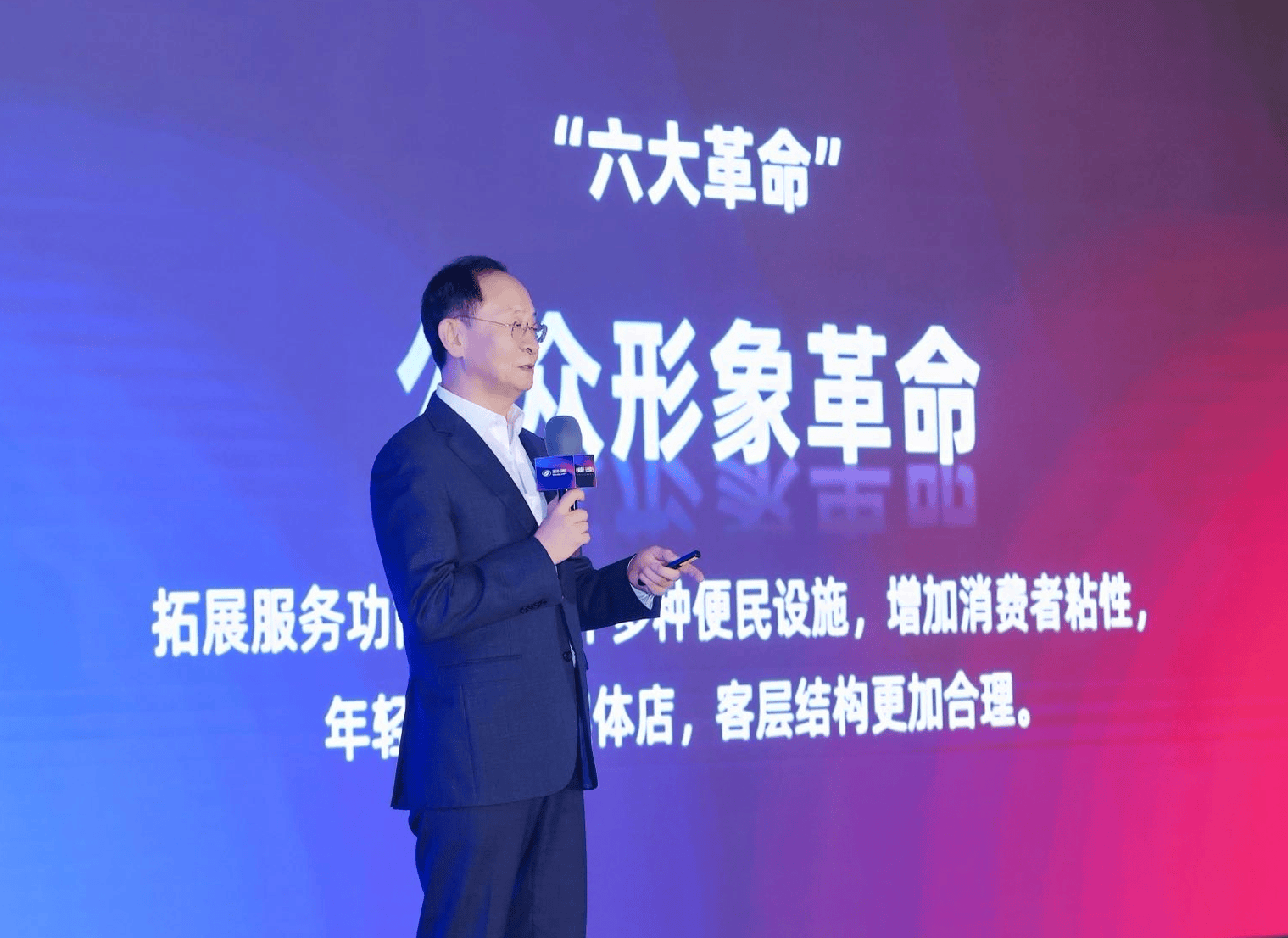
Core Insights - Wumart is focusing on two main strategies: AI new retail and hard discount, as a response to consumer trends and business insights [1][2] - The company has successfully transformed its stores, with daily sales and customer traffic increasing by 50% to 300% after renovations [2][3] AI New Retail - Wumart emphasizes the importance of AI in retail, stating that the industry must be built on AI support [2] - The AI new retail stores have fewer products compared to traditional supermarkets but offer a wider selection with clear pricing and a gross margin of only 19% [2] - The first AI new retail store opened in March has seen daily sales increase by over 2.5 times and transaction frequency rise by nearly 1.5 times [3] Hard Discount Strategy - The "Wumart Super Value" hard discount stores aim to provide high-quality products at the best prices, focusing on customer experience rather than rapid expansion [5][8] - The hard discount model reduces SKU count by over 90%, retaining only the best-performing products that meet daily needs [8] - Wumart plans to gradually expand its hard discount stores, with a target of several hundred locations in the future [8] Omnichannel Approach - Wumart is integrating online and offline services, enhancing the shopping experience for consumers [4] - The company aims to provide a consistent product offering across channels and improve delivery quality and speed [4] Overall Transformation - Wumart's transformation efforts, including the six major revolutions in categories and public image, are expected to enhance its competitiveness in the retail sector [8]

【研选行业+公司】光模块行业新锐,分析师看好公司享AI时代发展机遇
第一财经· 2025-10-24 12:09
Group 1 - The core viewpoint of the article emphasizes the importance of selecting valuable research reports and understanding market trends to seize investment opportunities [1] - The optical module industry is highlighted as a new rising sector, focusing on telecom and data communication optical module business, with the capability of mass production of high-speed optical devices ranging from 100G to 800G. Analysts are optimistic about the company's potential to benefit from the AI era, projecting a net profit growth of 330% over three years [1] - FRC technology is noted for its revolutionary impact on the nuclear fusion landscape, with costs reduced to only 1/10 and power output increased by 100 times. This presents significant investment opportunities in the power supply and capacitor sectors [1]

倒计时4天 | CPCA Show Plus 2025 展商名单、展馆布局图发布
半导体芯闻· 2025-10-24 10:34
Core Viewpoint - The "2025 Electronic Semiconductor Industry Innovation Development Summit and International Electronic Circuits (GBA) Exhibition" is set to take place from October 28 to 30, 2025, at the Shenzhen International Convention and Exhibition Center, showcasing over 300 companies and featuring nearly 20 concurrent events, promising significant industry insights and opportunities [1]. Event Details - The event will include a grand opening ceremony and various forums focusing on PCB technology, AI-driven innovations, and the enhancement of electronic circuit reliability [19][20]. - The exhibition aims to gather industry leaders and stakeholders to discuss advancements and innovations in the semiconductor and electronic circuit sectors [18][20]. Participating Companies - A diverse range of exhibitors will participate, including companies like AbleTek, Accutech, and JLC Group, showcasing their latest technologies and products [6][8][11]. - The event will feature both local and international companies, highlighting the global nature of the semiconductor industry [3][9]. Concurrent Activities - The schedule includes multiple forums such as the China-Japan Electronic Circuits Autumn Convention and discussions on low-altitude economy and commercial aerospace development [19][20]. - Keynote speeches and panel discussions will address current trends and future directions in the semiconductor industry [18][19].

比利时买家广交会“赶场”:百万订单背后的“中国供应链执着”
第一财经网· 2025-10-24 04:29
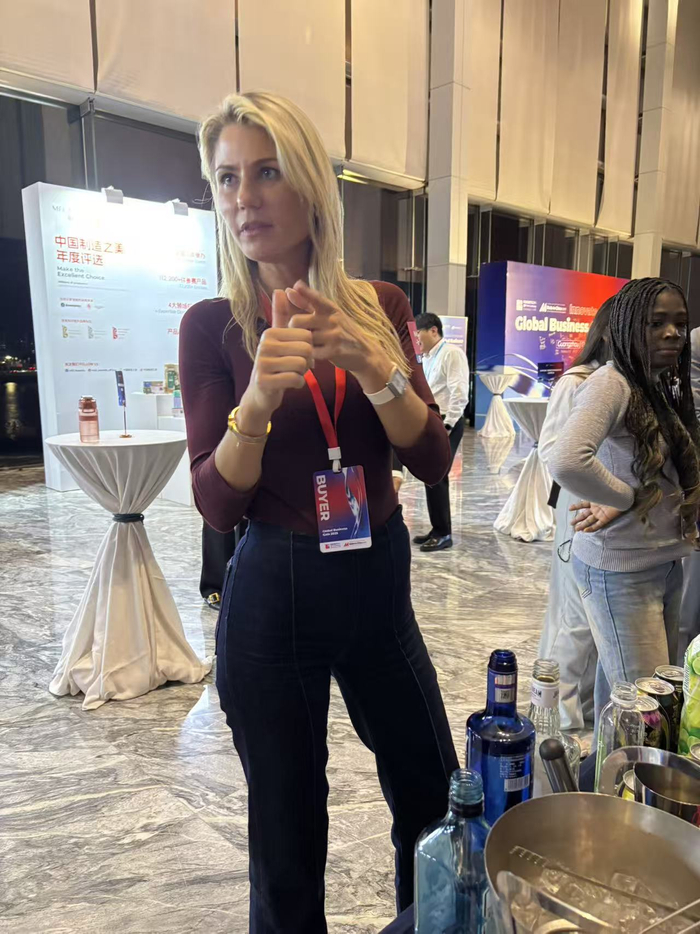
Core Insights - The 138th "China Import and Export Fair" (Canton Fair) is attracting international buyers, highlighting the ongoing appeal of the Chinese supply chain despite global trade fluctuations [2][3] - Buyers like Benedicte Toumpsin emphasize the advantages of Chinese suppliers, including customization capabilities and a wide range of product options [3][4] Group 1: Buyer Insights - International buyers, such as Toumpsin, are actively participating in multiple trade events, indicating a strong commitment to sourcing from China [3] - Toumpsin plans to purchase over $1 million worth of goods from China annually, focusing on bulk orders with diverse product options to meet consumer preferences [4] - The demand for high-value products, particularly those with CE certification, is increasing in the European market, driving buyers to seek innovative electronic and beauty products [4] Group 2: Competitive Landscape - Emerging markets like Vietnam are developing their manufacturing sectors, but buyers still prefer Chinese suppliers due to better logistics and a wider variety of products [5] - The ability of Chinese manufacturers to produce a diverse range of goods, especially in electronics and home products, remains a significant competitive advantage [5] - The transportation infrastructure and the concentration of similar factories in regions like Guangzhou enhance the attractiveness of the Chinese supply chain for international buyers [5]
e签宝创始人金宏洲:聚水潭上市是saas行业回归新实证
Sou Hu Cai Jing· 2025-10-23 13:03
Group 1 - JuShuiTan has officially listed on the Hong Kong stock market, with its stock price surging 24% on the first day of trading, resulting in a market capitalization exceeding HKD 16.1 billion, which exceeded expectations [1] - The CEO of eSign, Jin Hongzhou, emphasizes that the Chinese SaaS industry is returning to value, with leading SaaS companies like Kingdee and Beisen seeing stock price increases of over 200% this year, indicating strong market performance [1] - Jin Hongzhou reflects on the cyclical nature of the SaaS industry, noting that while many startups fade away, only a few will emerge as winners, especially in the current AI era, which is witnessing a new wave of entrepreneurial activity [1] Group 2 - Entrepreneurs are advised to focus on product quality and solid operations rather than merely catering to investors, as the principle of "survival of the fittest" applies [2] - Investors are encouraged to identify and invest in companies that are genuinely well-managed and to grow alongside them, as the market rewards those with the ability to recognize true value [2]
柯洁“怒批”儿童AI编程课,对家长是一个提醒
Xin Jing Bao· 2025-10-23 09:39
Group 1 - The core viewpoint is that many children's AI programming courses are considered a "tax on intelligence" and may not be beneficial for children, as stated by Go champion Ke Jie [1][2] - Ke Jie emphasizes that if he had children, he would not allow them to engage with AI at a young age, suggesting that foundational skills like language should be prioritized instead [1][2] - The debate among parents is divided, with some agreeing with Ke Jie while others believe that such courses provide a constructive outlet for children, especially to avoid excessive gaming [1][2] Group 2 - The article highlights that children's programming training should not be a universal trend but rather a choice based on individual family and child circumstances, warning against blind participation [2] - There are numerous issues within the children's programming training sector, including unlicensed institutions, exaggerated claims about course benefits, and difficulties in obtaining refunds [2] - Ke Jie's comments reflect a broader concern regarding the chaotic state of children's programming training and serve as a reminder for parents to approach these decisions with caution [2] Group 3 - Many parents believe that early exposure to AI is necessary to keep up with the times, but the article argues that the rapid evolution of knowledge and technology may render such learning obsolete [3] - The focus should shift from merely learning AI skills to developing children's overall capabilities and thinking skills, emphasizing the importance of parental involvement in fostering good habits and cognitive development [3] - The article calls for a change in parenting perspectives, urging parents to avoid the misconception that more learning is always better, as this can burden children and hinder their personal growth [3]
江西威尔高电子股份有限公司2025年第三季度报告
Shang Hai Zheng Quan Bao· 2025-10-22 18:34
Core Points - The company has announced the successful completion of the first vesting period for its 2024 restricted stock incentive plan, allowing 9 eligible participants to receive a total of 66,873 shares at a price of 18.67 yuan per share [11][32][39] - The company has also decided to cancel 1,049,127 shares from the incentive plan due to the departure of 10 participants and performance criteria not being met [24][30][36] Financial Data - The third quarter financial report has not been audited, and the company confirms that there are no adjustments or restatements of previous financial data [3][9] - The company has reported that its Thai factory has achieved profitability in the first half of the year and plans to expand its capacity to 100,000 square meters per month by the end of 2025 [6][41] Incentive Plan Details - The 2024 restricted stock incentive plan includes a total of 1,230,000 shares initially granted to 19 participants, with a vesting price of 18.67 yuan per share [25][31] - The plan allows for a maximum of 20% of the total stock to be reserved for future grants, with specific performance targets set for each fiscal year [19][54] Approval Process - The company has followed the necessary approval procedures for the incentive plan, including board meetings and shareholder approvals [27][29][53] - Legal opinions have been obtained to ensure compliance with regulations regarding the incentive plan [35][38]