
能源转型

Search documents
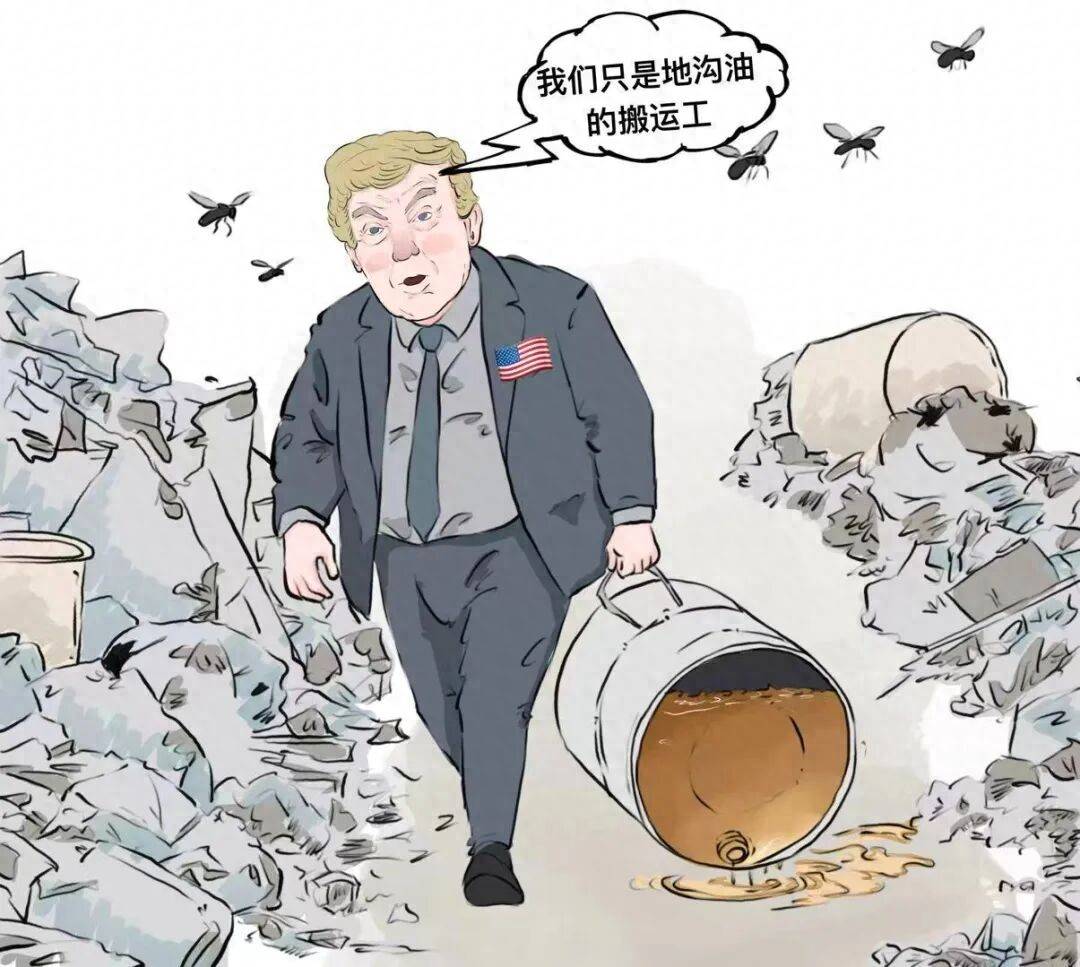
气急败坏!特朗普又盯上东大这个,这次全网都笑了
Sou Hu Cai Jing· 2025-10-16 03:03
Group 1 - The core argument highlights the potential impact of Trump's proposed trade measures against China on the U.S. biofuel industry, particularly regarding the import of used cooking oil (UCO) [1][3] - In the first eight months of 2024, 384,000 tons of Chinese UCO accounted for 65% of U.S. imports, with an expected total of 1.27 million tons for the year, crucial for 72 U.S. biofuel plants [3] - The U.S. generates approximately 600,000 tons of waste oil annually, which is insufficient to meet domestic demand, emphasizing the reliance on Chinese UCO for achieving carbon reduction targets [3] Group 2 - The global supply chain challenges are exacerbated by the EU's increased demand for UCO, with a gap of 2 million tons due to Indonesia's export restrictions [5] - China's efficient waste oil recovery system can convert 10 million tons of UCO annually, while the U.S. faces higher recovery costs due to its fragmented restaurant structure [5] - The U.S. biofuel industry is struggling to source UCO globally, with significant competition for available supplies [5] Group 3 - Trump's suggestion to replace UCO with soy oil is economically unfeasible, as soy oil production costs are 2.3 times higher than UCO, and the transition would take 18 months [7] - Historical parallels are drawn to the 19th-century British Corn Laws, illustrating the potential economic consequences of protectionist measures on the U.S. sustainable aviation fuel (SAF) industry [8] Group 4 - Workers in Wisconsin's biodiesel plants are expressing concerns over raw material shortages, which have reduced production capacity utilization to 61% [10] - The importance of raw material security in the context of green energy transition is emphasized, with UCO exports from China contributing significantly to carbon reduction efforts [10] Group 5 - The article warns against the dangers of weaponizing energy supply chains, citing historical examples of trade conflicts leading to systemic failures [12] - The U.S. remains heavily reliant on China for soybean purchases, with an expected procurement of 32 million tons in 2024, countering claims of intentional trade disruptions [12]

山西:系列路演推动科技成果加速迈向“生产线”
Ke Ji Ri Bao· 2025-10-16 01:29
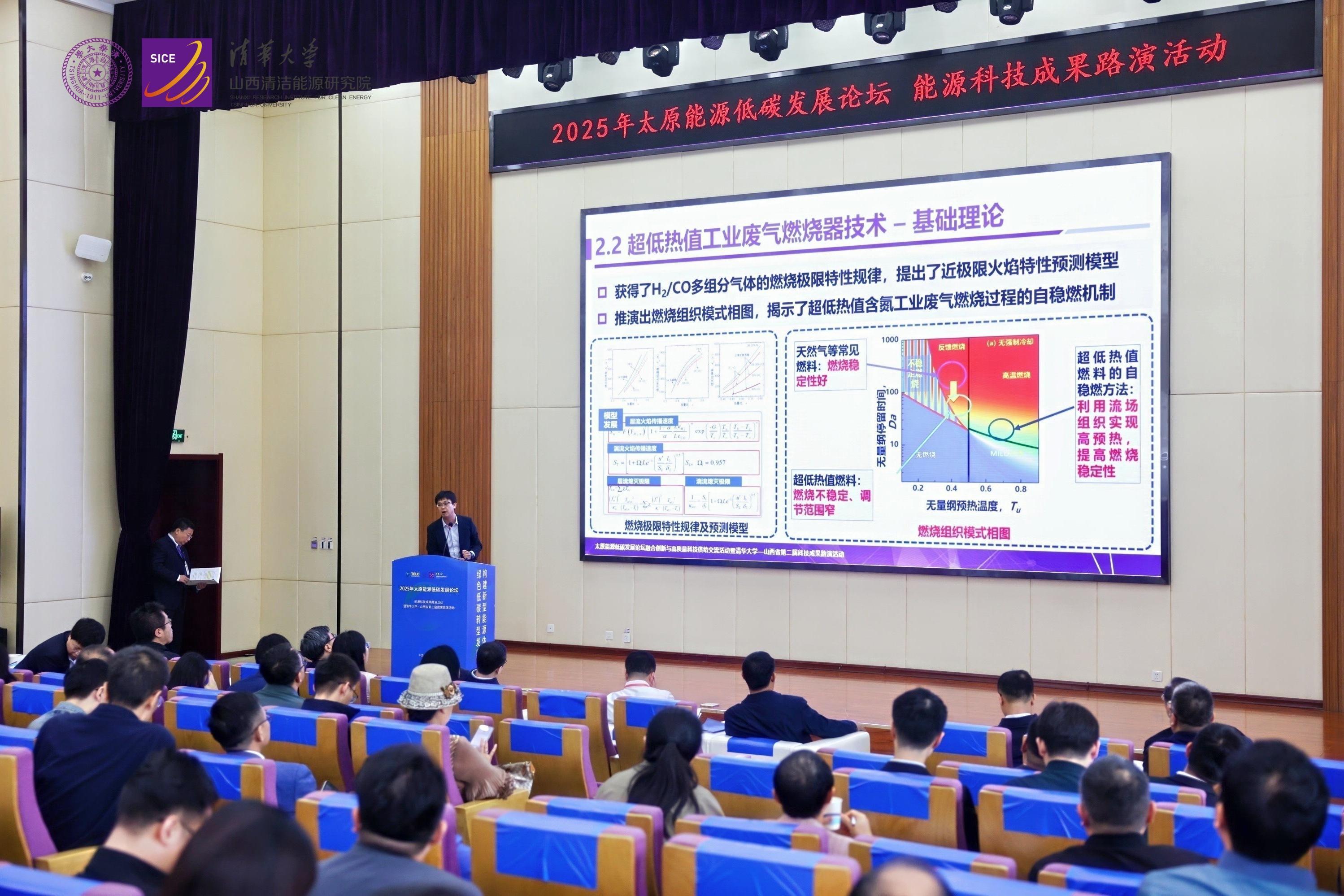
Core Insights - Shanxi Province is accelerating agricultural technology innovation and transformation, with recent events showcasing 8 market-potential technological achievements, totaling 5.7 million yuan in contracts, including a new apple variety valued at 2 million yuan [1] - The provincial government is actively promoting technology transfer as a bridge between scientific innovation and industrial development, focusing on key areas such as low-carbon energy transition and advanced manufacturing [2] - A new ecosystem for technology transfer is being established, integrating government, academia, research institutions, and financial entities to enhance the efficiency of technology commercialization [4][5] Group 1: Technology Transfer Events - Recent technology roadshows in Shanxi have successfully connected research outcomes with market needs, facilitating partnerships and funding opportunities for various projects [6][7] - The "first use, then pay" model was introduced to reduce risks associated with technology transfer, enhancing collaboration confidence among enterprises [8][9] Group 2: Collaboration and Partnerships - The events have attracted participation from universities, research institutes, and local enterprises, fostering a collaborative environment for technology application and commercialization [2][4] - Specific projects, such as the "intelligent reconstruction of industrial measurement and control networks," have already initiated preliminary cooperation agreements with key manufacturing enterprises [6] Group 3: Government Initiatives - The Shanxi Provincial Science and Technology Department is prioritizing technology transfer in its strategic initiatives, aiming to create a robust support system for innovation and industrial integration [5][9] - The government is focused on building a favorable ecosystem that encourages innovation and supports the transition of high-quality technological achievements from laboratories to production lines [9]
制裁中国“食用油”?,美报复恐自食其果
Sou Hu Cai Jing· 2025-10-16 00:37
Core Points - The article discusses the escalating trade tensions between the U.S. and China, particularly focusing on the U.S. response to China's export restrictions on rare earths and other products [1][3] - President Trump has threatened to impose a 100% tariff on Chinese goods and hinted at retaliatory measures against Chinese imports, particularly targeting used cooking oil (UCO) [1][3] Group 1: U.S.-China Trade Relations - The U.S. is considering retaliatory actions against China for halting imports of American soybeans, which has led to a significant drop in soybean prices in the U.S. [1][3] - Trump has accused China of deliberately stopping U.S. soybean imports and suggested that the U.S. could stop purchasing Chinese cooking oil as a countermeasure [3] Group 2: Used Cooking Oil (UCO) Market - China is a major supplier of used cooking oil to the U.S., with the U.S. accounting for 43% of China's UCO exports in 2024 [3] - The demand for UCO in the U.S. has surged due to the Biden administration's push for green transportation, which relies on UCO for biofuel production [3] Group 3: Implications of Trade Actions - Economists question the effectiveness of targeting Chinese cooking oil, noting that Europe is also a significant buyer of Chinese UCO, with exports to Europe increasing by 45% year-on-year in the first nine months of 2024 [5] - Cutting off UCO supplies from China could adversely affect U.S. domestic reduction plans and energy transition efforts, potentially leading to higher costs for biofuel production [5]

打通能源动脉 点亮万家灯火 央企谱写能源转型“中国方案”
Zhong Guo Zheng Quan Bao· 2025-10-15 22:25
Core Insights - Central enterprises in China are actively participating in the energy transition, contributing to the construction of a green energy network that supports high-quality economic development [1][11] - The "Ningdian into Xiang" project is a key initiative under the national "14th Five-Year Plan," facilitating the transmission of green electricity from Ningxia to Hunan [2][4] - Major energy projects across the country are being developed, including the integration of wind, solar, and thermal energy in Gansu and Xinjiang, enhancing energy supply capabilities in various regions [3][4] Group 1: Energy Infrastructure Development - The Ningxia Tengger Desert solar power base has delivered over 900 million kilowatt-hours of green electricity to Hunan as of September 25, 2023 [2] - The "electricity highway" can transmit over 36 billion kilowatt-hours of green energy annually, significantly alleviating power shortages in Hunan [2] - The construction of multiple energy corridors is underway, including the Huaneng Longdong Energy Base and the China Three Gorges Corporation's hydropower stations, which will enhance energy supply to various provinces [3][4] Group 2: Technological Innovations - Central enterprises are driving technological advancements, such as the development of a 26-megawatt offshore wind turbine by Dongfang Electric Group, setting new global records [5][6] - The turbine's components are fully sourced from domestic suppliers, ensuring a self-sufficient supply chain [6] - Breakthroughs in core technologies, such as laser-etched silicon steel and digital control systems for nuclear power plants, are enhancing energy efficiency and safety [7][8] Group 3: Impact on Daily Life - The expansion of charging infrastructure for electric vehicles is transforming urban energy consumption patterns, with Beijing Petroleum operating 114 charging stations [9][10] - The Southern Power Grid has established over 15,700 charging stations, achieving full coverage in rural areas [10] - Various projects, such as the photovoltaic power station in Sichuan, are integrating renewable energy with local industries, providing sustainable income for communities [10]
央企谱写能源转型“中国方案”
Zhong Guo Zheng Quan Bao· 2025-10-15 20:15
Core Insights - Central enterprises in China are actively participating in the energy transition, contributing to the construction of a green energy network that supports high-quality economic development [1][2][3] Group 1: Energy Infrastructure Development - The "Ningdian into Xiang" project has delivered over 900 million kilowatt-hours of green electricity to Hunan as of September 25, 2023, with the project officially starting on June 29, 2023 [1] - The national grid has built a vast transmission network with a cross-province capacity exceeding 370 million kilowatts, a 30% increase from the end of the 13th Five-Year Plan [3] - The Huaneng Longdong Energy Base is set to begin operations in October 2023, capable of transmitting over 36 billion kilowatt-hours of green electricity annually to Shandong [2] Group 2: Technological Innovations - The world's largest 26-megawatt offshore wind turbine, developed by Dongfang Electric Group, has set new records for single-unit capacity and rotor diameter, enhancing global offshore wind power standards [4] - China Baowu's Baosteel has developed laser-etched silicon steel that could save 90 billion kilowatt-hours annually if applied to existing transformers, equivalent to creating another Three Gorges Dam [5] - The digital control system at the Daya Bay Nuclear Power Base has been upgraded to a fully digital integrated control system, ensuring zero-defect operation [5] Group 3: Renewable Energy Integration - Beijing Petroleum has established 114 charging stations, significantly expanding its electric vehicle charging network in just two years [6] - The Southern Power Grid has built 15,700 charging stations, achieving full coverage of charging guns in 4,785 townships, facilitating electric vehicle accessibility [7] - China National Offshore Oil Corporation is enhancing the green energy system on Weizhou Island, contributing over 54 million kilowatt-hours of clean energy annually [7]
卡特彼勒:从 “重型机械巨头” 到 “人工智能生力军” 的转型
美股研究社· 2025-10-15 11:48
Core Insights - Caterpillar is undergoing a strategic transformation from a traditional cyclical heavy equipment manufacturer to a comprehensive provider of energy, infrastructure, and technology solutions for the digital age [1] - The transformation is driven by three main factors: increased global infrastructure investment, rising demand for mining equipment due to energy transition, and the growing number of data centers that rely on high-reliability backup power [1][5] - The company has shifted from being a cyclical stock to a more resilient business model, with over one-third of total revenue coming from its service and dealer network, providing stable cash flow and high-quality earnings [1][10] Financial Performance - The energy and transportation segment is the highest revenue and profit-generating business for Caterpillar, with a 7% year-over-year sales increase in Q2 2024 and a 28% surge in power generation sales [5] - The total unfilled orders have reached $37.5 billion, indicating strong demand and future revenue potential [5][10] - The company has signed long-term agreements with major hyperscale data center operators and plans to enhance capacity and production efficiency by the end of 2026 [6] Business Segments - In the construction segment, Q2 sales declined mainly due to reduced dealer inventory rather than weak end-user demand, with end-user sales still growing by approximately 2% year-over-year [11] - The resource segment is experiencing slight short-term fluctuations, but orders for large mining trucks are increasing, supported by rising metal demand driven by energy transition [11] - The service and dealer network contributes over one-third of revenue, enhancing profitability, customer loyalty, and stability against cyclical fluctuations [11][12] Strategic Initiatives - The acquisition of RPMGlobal, a software provider covering the entire mining lifecycle, is strategically significant for enhancing digital capabilities in asset management and fleet management [14] - The acquisition is expected to complete regulatory approval by Q1 2026, while the company continues to access capital markets under favorable terms [15] Valuation and Market Performance - Caterpillar's stock price is above its peers, reflecting its value proposition, including record unfilled orders, structural positioning in the data center power sector, stable dividends, and improved earnings quality from service business growth [18] - The current price-to-earnings (P/E) ratio exceeds 27, while the industry average is around 22, indicating a reasonable valuation given the company's higher profit margins and robust service business [18] - The stock has seen a 200% increase over the past five years, with a high probability of continued price appreciation in the medium to long term [19][21] Conclusion - The combination of rigorous cash management, infrastructure investment, energy transition, and AI-driven demand positions Caterpillar favorably for future growth [24] - The company is expected to maintain a strong "quality growth" trend, with the potential for further price increases based on its solid financial standing [24]


银河期货原油现货市场日报-20251015
Yin He Qi Huo· 2025-10-15 08:47
大宗商品研究所 原油研发报告 原油日报 2025 年 10 月 15 日 | | | 原油现货市场日报 | | --- | --- | --- | | | | 2025.10.15 三艘驶往日照港的超级油轮目前正寻找替代泊位,此前美国对这个处理 | | | | 中国约十分之一石油进口的码头实施了制裁。根据彭博社汇编的船舶跟踪数据,其中两艘 | | | | 载量高达200万桶的超大型原油运输船正将上海附近的宁波舟山港作为目的地。第三艘正 | | | 贸易物流 | 驶往中国北方的天津。 | | 研究员: | | 2025.10.14 俄罗斯海上原油运量在过去四周攀升至28个月新高,这主要受产量增长和 | | 童川 | | 乌克兰对炼油厂发动袭击的影响,导致原油供应被迫转向出口终端。彭博汇编的船舶跟踪 | | 期货从业证号: | | 数据显示,截至10月12日,港口四周平均每日出货量为374万桶,为2023年6月以来最 | | F3071222 | | 高水平。 | | 投资咨询从业证号: | | 2025.10.15 乌克兰地区州长拉迪·哈比罗夫在Telegram上表示,尽管多次遭到乌克兰 | | Z001701 ...
阿联酋代表团参加G20能源转型工作组第四次会议
Shang Wu Bu Wang Zhan· 2025-10-15 03:14
Core Points - The UAE delegation participated in the G20 Energy Transition Working Group (ETWG 4) meeting held in South Africa on October 9, reaffirming its commitment to multilateral cooperation and promoting global efforts to build a more sustainable and inclusive energy system [1] - The UAE representatives also engaged in side events focused on creating demand for sustainable fuels, as well as attending the G20 Ministerial Meeting on Nuclear Energy [1]
万亿蓝海争夺战:中国光伏“卷”到中东、北非
3 6 Ke· 2025-10-15 02:04
Group 1: Core Insights - The Chinese photovoltaic industry is rapidly expanding in the Middle East and North Africa (MENA), with a 99% increase in exports to the region expected in 2024, totaling 28.79 GW, of which Saudi Arabia alone will account for 16.55 GW [1] - Major Chinese companies are investing heavily in local production facilities, such as the 6.85 billion USD solar glass factory in Egypt by Qibin Group and a 17.55 billion CNY solar glass production line by China Southern Glass Group [1][2] - Chinese enterprises have secured over 70% of project shares in MENA, with significant contributions to local employment and technology transfer [2] Group 2: Technological Synergy - The synergy between photovoltaic and energy storage sectors is evident, with a 183% year-on-year increase in overseas energy storage orders from Chinese companies, reaching 180 GWh [3] - Companies like LONGi Green Energy and Tongwei Co. are diversifying into energy storage, enhancing their competitive edge in the MENA market [3][4] - Localized production enhances supply chain efficiency, with companies like TCL Zhonghuan and South Glass Group establishing complementary facilities in the region [4] Group 3: Trade Dynamics - The US-China trade war has prompted Chinese renewable energy companies to establish MENA as a strategic export hub, leveraging free trade agreements to mitigate tariff impacts [6][7] - The zero-tariff policy in Egypt's Suez Canal Economic Zone allows Chinese products to be exported to Europe at reduced costs, enhancing competitiveness [6] - The share of Chinese energy storage products exported through MENA has increased to 19%, up 8 percentage points from the previous year [7] Group 4: Future Outlook - By 2030, MENA's photovoltaic installed capacity is projected to reach between 84 GW and 180 GW, with Chinese companies like LONGi and Sungrow leading in market share and technological advancements [8] - The next phase of competition will focus on technology and ecosystem development, with innovations such as LONGi's high-efficiency solar modules and integrated energy solutions from Sungrow [8] - Chinese standards in photovoltaic construction and green certification are being promoted in MENA, establishing a technological foothold for Chinese companies in the region [8][9]
AI赋能能源变革:技术生态如何重塑传统能源格局
3 6 Ke· 2025-10-15 02:03
Core Insights - The energy industry is undergoing unprecedented transformation driven by dual goals of carbon neutrality and digital transformation, with artificial intelligence (AI) emerging as a key engine for high-quality development [1][4] Group 1: Challenges and Necessity of AI Empowerment - Traditional energy sectors face high operational costs, safety management difficulties, and low resource coordination efficiency, particularly in the power system where renewable energy capacity is growing but operational challenges remain [2][3] - The transition pain points focus on three main areas: the contradiction between efficiency and cost, the need for upgraded safety and resilience, and the challenges faced by new business models like virtual power plants [2][3] Group 2: Investment Trends and Innovations - Global energy transition investments are projected to exceed $2 trillion in 2024, marking a doubling since 2020, with significant investments in electrified transportation, renewable energy, and grid infrastructure [4][5] - China is identified as a core engine for this growth, contributing $134 billion, driven by strong performance in renewable energy, storage, and nuclear sectors [4] Group 3: Future Landscape of Energy Intelligence - The integration of AI into energy systems is expected to lead to full-chain intelligence, enhancing renewable energy consumption capacity by over 15% by 2030 [7][8] - The future energy system will feature integrated coordination of distributed energy resources, carbon management, and a collaborative ecosystem supported by technologies like blockchain and AI [7][8]
