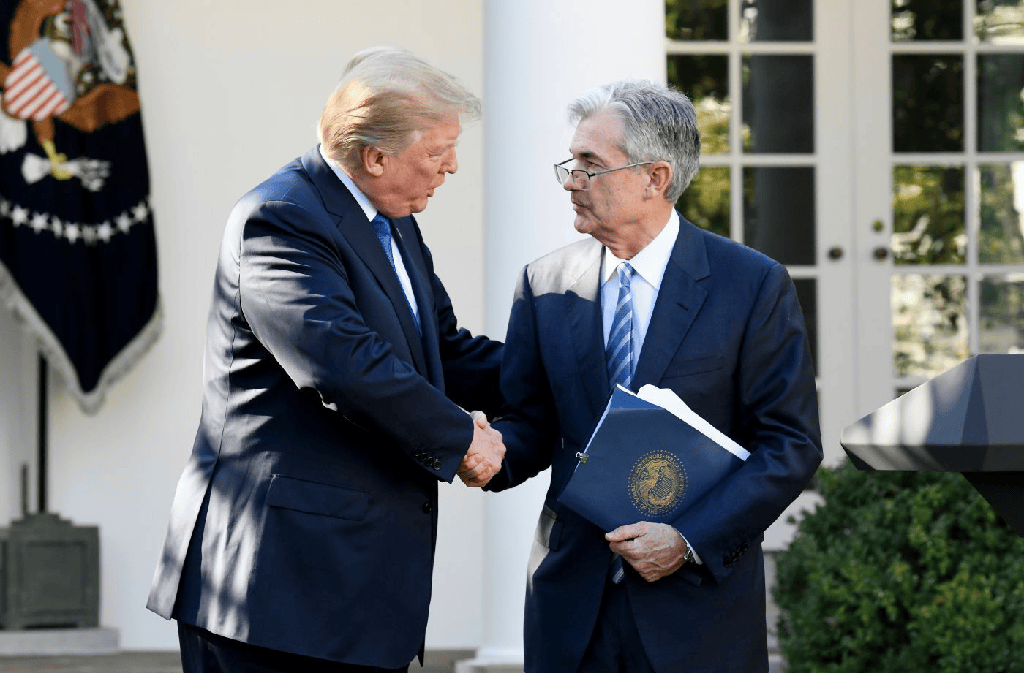
美联储独立性

Search documents
美联储主席热门人选布拉德:关税不会导致通胀,已和贝森特交谈
Jin Shi Shu Ju· 2025-08-13 00:54
Group 1 - Former St. Louis Fed President Brad discussed his recent conversation with Treasury Secretary Mnuchin regarding the search for a new Fed Chair, expressing his willingness to advance in any way desired [2] - President Trump is a vocal critic of current Fed Chair Powell, whose term lasts until mid-May next year, and is looking for a successor who aligns with his views on interest rate cuts [2] - Mnuchin is compiling a list of candidates that includes NEC Director Hassett, former Fed Governor Warsh, current Fed Governor Waller, and former President Bush's economic advisor Summers [2] Group 2 - Brad supports lowering interest rates, stating that tariffs do not lead to inflation but have slowed the economy this year, predicting that the Fed will adopt this view [2][3] - He emphasized the importance of preparing for success in the role of Fed Chair, aiming for low and stable inflation while respecting the Fed's independence under the Federal Reserve Act [3] - White House Economic Council Chair Milan refuted the belief that tariffs would lead to long-term higher prices, stating there is no evidence of inflation caused by tariffs [3][4] Group 3 - Following the release of the CPI report showing a July inflation rate of 2.7%, which is above the Fed's 2% target but slightly below Wall Street expectations, Brad predicted that the FOMC would begin cutting rates in September, potentially reducing the benchmark rate by a full percentage point within the next year [3] - Both Milan and Brad highlighted the importance of Fed independence, especially in light of Trump's public criticisms of policymakers for not cutting rates [4] - Trump reiterated his demand for a 3 percentage point rate cut, criticizing Powell for being "late" in his decisions, while Brad acknowledged Trump's right to his opinion based on his experience in the real estate market [4]
就在刚刚 美国财长贝森特宣布了
Sou Hu Cai Jing· 2025-08-12 16:16
Group 1 - The core viewpoint of the article highlights the concerns regarding the Treasury Secretary's comments on the selection criteria for the next Federal Reserve Chair, suggesting a potential challenge to the Fed's independence [1] - The article discusses the need for the new Fed Chair to redefine the Fed's functions, indicating that its current mission has expanded beyond monetary policy to include broader economic responsibilities [1] - The emphasis on "forward-looking thinking" by the Treasury Secretary raises questions about the balance between relying on historical data and anticipating future economic changes, which could lead to decision-making risks [1] Group 2 - The article reflects the U.S. government's expectations and pressures on the Federal Reserve to adapt its strategies in a rapidly changing global economic landscape [1] - It raises concerns about the potential blurring of the Fed's focus on monetary policy if it takes on too many economic functions, which could expose it to political pressures [1] - The discussion points to the challenge of balancing independence and flexibility for the Federal Reserve in addressing complex economic issues in the future [1]

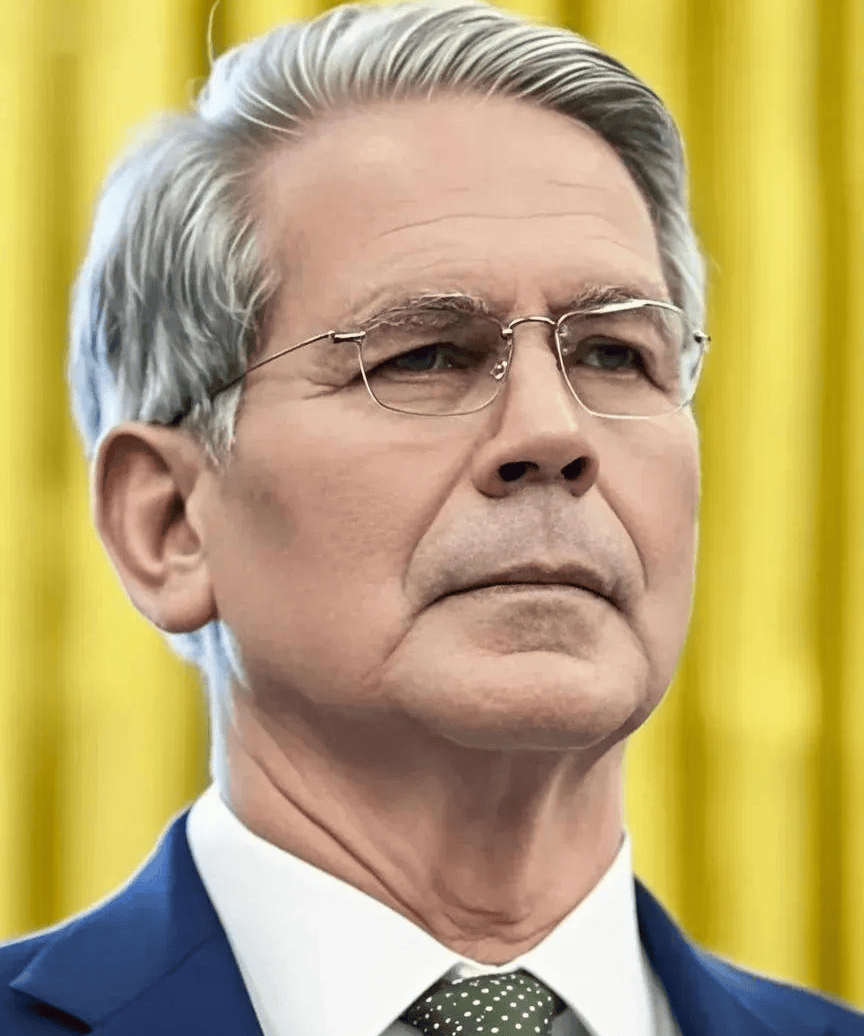
圣路易斯联储前总裁布拉德表示,(关于接任美联储主席职位的可能性)上周与贝森特进行了交谈
Xin Hua Cai Jing· 2025-08-12 13:43
圣路易斯联储前总裁布拉德表示,(关于接任美联储主席职位的可能性)上周与贝森特进行了交谈。如 果美联储的目标是稳定的较低通胀率,且美联储独立性得到尊重,愿意接受美联储主席一职。 (文章来源:新华财经) ...
研客专栏 | 一波未平一波又起,怎么看后市金价走势
对冲研投· 2025-08-12 12:16
Core Viewpoint - The recent fluctuations in the gold market are attributed to a combination of geopolitical tensions, trade tariff developments, and monetary policy discussions, highlighting gold's multifaceted nature as a commodity, financial asset, and currency [5]. Commodity Attributes - The impact of tariffs on gold prices has become more pronounced, particularly due to the U.S. imposing a new "reciprocal tariff" of 39% on Swiss gold bars, which led to a temporary halt in gold shipments from Swiss refineries to the U.S. [7] - A subsequent reversal occurred when the White House announced an exemption for imported gold bars from tariffs, causing a significant drop in the New York-London gold premium, although it remained above normal levels, indicating ongoing market uncertainty [7]. Financial Attributes - The market has experienced fluctuating sentiments regarding U.S.-Russia relations, with optimism about potential talks being tempered by President Trump's comments, reflecting the complexities of geopolitical dynamics and their influence on risk sentiment [9]. - The ongoing conflict in Ukraine and central bank gold purchases are contributing to a shift away from globalization, with the likelihood of immediate peace agreements being low due to competing interests among major powers [9]. Monetary Attributes - The independence of the Federal Reserve is not expected to be a major market driver in the short term, as current Chairman Powell's term is nearing its end, and the selection of a new chair will take time [11]. - A potential risk lies in the upcoming FOMC meeting, where a rate cut could lead to the reintroduction of interest-bearing Treasury issuance, possibly pushing 10-year U.S. Treasury yields towards 5%, which would exert downward pressure on gold prices [11]. Market Outlook - Despite short-term expectations of geopolitical easing and tariff exemptions boosting risk sentiment, the trends of de-globalization and weakening dollar credibility persist, making the gold-silver ratio at 85-90 more attractive for long positions compared to high-priced gold [13].

顶住特朗普5次施压后,美联储终于要“投降”了
Xin Jing Bao· 2025-08-12 07:25
Group 1 - The Federal Reserve has decided to maintain the federal funds rate target range at 4.25% to 4.5% during the meeting on July 30, 2025, despite increasing pressure for a rate cut [2][3] - The shift towards a dovish stance among Federal Reserve officials has become more pronounced, with predictions of potential rate cuts in September [2][3][4] - The disappointing non-farm payroll data for July, which showed only 73,000 new jobs added compared to the expected 115,000, has raised concerns about the strength of the U.S. economy [3][4] Group 2 - President Trump has intensified pressure on the Federal Reserve, including the dismissal of the Labor Department's statistics chief, which has contributed to market uncertainty regarding economic prospects [4][5] - The appointment of Stephen Milan, a close Trump ally, to the Federal Reserve Board is expected to influence the Fed's decision-making process, potentially increasing the likelihood of rate cuts [6][7] - The anticipated rate cuts may benefit traditional industries with high debt levels, such as real estate, but the overall impact remains uncertain due to conflicting economic policies [8][9]
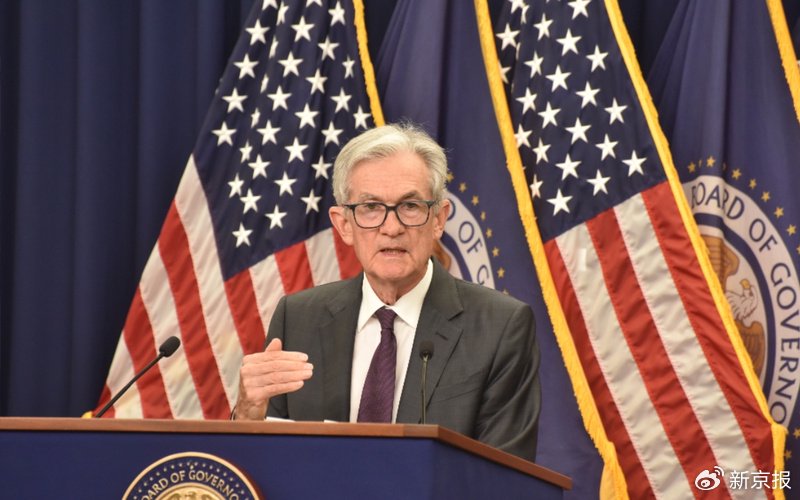
顶住特朗普5次施压后,美联储终于要“投降”了 | 京酿馆
Sou Hu Cai Jing· 2025-08-12 04:17
Group 1 - The Federal Reserve has decided to maintain the federal funds rate target range at 4.25% to 4.5% during the meeting on July 30, 2025, despite increasing pressure for a rate cut [2][3] - Following the meeting, there has been a significant shift towards dovish sentiment, with key figures like Waller and Daly suggesting multiple rate cuts in the near future [2][3][4] - The CME FedWatch Tool indicates a 91.5% probability of a rate cut in the September meeting, reflecting a growing consensus among market participants [2][3] Group 2 - The disappointing non-farm payroll data for July, which showed only 73,000 new jobs added against an expectation of 115,000, has raised concerns about the strength of the U.S. economy [3][4] - The downward revision of job numbers for May and June by a total of 258,000 further exacerbates the situation, leading to an average of only 35,000 new jobs over the past three months [3][4] - Trump's recent actions, including the dismissal of the Labor Department's statistics chief, have intensified scrutiny on economic data and contributed to a perception of economic instability [3][4] Group 3 - The Federal Reserve's dual mandate of promoting maximum employment and maintaining price stability is under pressure due to the recent poor employment data [4][5] - The increasing difficulty for the Federal Reserve to maintain its independence is a significant factor influencing its potential policy shift [5][6] - Trump's ongoing pressure on the Federal Reserve, including personal attacks on Chairman Powell, has created a politically charged environment that may affect future monetary policy decisions [6][8] Group 4 - The potential for rate cuts could benefit high-debt traditional industries like real estate and highly leveraged innovative companies, but the overall impact remains uncertain [9][10] - The U.S. Treasury's projected interest payments on national debt for 2024 are expected to reach $882 billion, which exceeds military spending, highlighting the fiscal challenges ahead [9] - The recent nomination of Stephen Milan to the Federal Reserve Board may increase the likelihood of politically influenced decision-making within the Fed [8][10]
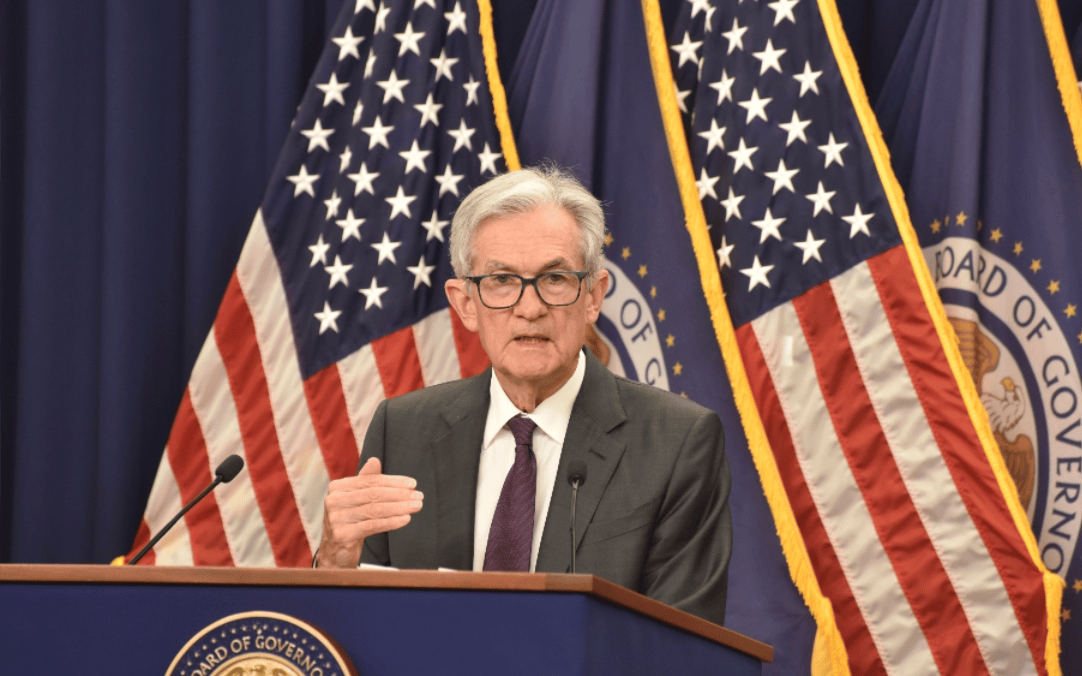
美联储独立性受疑美元承压
Jin Tou Wang· 2025-08-12 04:08
Core Viewpoint - The article discusses the impact of political developments on the US dollar, particularly in light of recent weak employment data and President Trump's actions regarding labor officials and Federal Reserve appointments, raising concerns about the Fed's independence [1] Group 1: Economic Indicators - The US dollar index is currently at 98.47, with a slight decline of 0.03% from an opening price of 98.51 [1] - Following weak non-farm employment data, market expectations for a rate cut by the Federal Reserve have surged, with the probability of a 25 basis point cut in September rising from 48% to 91% within a week [1] - Cumulative expectations for rate cuts by the end of the year have reached 60 basis points [1] Group 2: Market Reactions - The political intervention in monetary policy has intensified market bets on aggressive easing, as traditional economic indicators alone would have already strengthened such expectations [1] - Analysts warn that continued erosion of the Fed's independence could lead to a long-term trust crisis in the market, complicating the pricing environment for the US dollar [1] Group 3: Technical Analysis - The dollar index is stabilizing above the 50-day moving average of 98.1886, indicating a slight short-term bullish momentum [1] - However, the 100-day moving average at 99.4597 and the 200-day moving average at 103.1420 present resistance levels, suggesting that the dollar has not fully reversed its medium to long-term downtrend [1]
中经评论:美国降息之争走向何方
Jing Ji Ri Bao· 2025-08-12 00:01
Group 1 - The ongoing conflict between the U.S. government and the Federal Reserve regarding interest rate cuts has escalated from policy disagreements to a broader struggle over economic governance, impacting global markets [1] - The U.S. government is under significant pressure to push for interest rate cuts due to rising fiscal burdens, with projected interest payments on federal debt reaching approximately $1.1 trillion for the fiscal year 2024 [1] - Political motivations are driving the urgency for rate cuts, as the current administration seeks to stimulate the economy ahead of the 2026 midterm elections [1][5] Group 2 - The contradiction in the U.S. strategy of imposing tariffs while advocating for interest rate cuts poses challenges, as high inflation complicates the feasibility of lowering rates [2] - The Federal Reserve remains cautious about cutting rates due to persistent inflation, with the core PCE price index rising to 2.8% in June, exceeding expectations [2] - Employment data has shown signs of deterioration, with the unemployment rate rising in July and previous job growth figures being revised downward, indicating a cooling labor market [3] Group 3 - Recent personnel changes within the Labor Department and the Federal Reserve may influence the voting dynamics on interest rate decisions, potentially facilitating a rate cut [3][4] - The Federal Reserve's independence is emphasized, as it resists political pressure, maintaining that it cannot compromise its credibility without risking capital flight and rising long-term interest rates [2][4] - The ongoing struggle between the U.S. government and the Federal Reserve reflects deeper issues within the U.S. economic governance model, highlighting the unsustainability of a debt-driven growth approach [5]
特朗普施压美联储相当于打开“潘多拉魔盒”
Sou Hu Cai Jing· 2025-08-11 16:53
Core Viewpoint - The article discusses the increasing pressure from President Trump on Federal Reserve Chairman Jerome Powell, particularly through the nomination of a "shadow chairman" and scrutiny of the Fed's renovation project, raising concerns about the independence of the Federal Reserve [1][2][4]. Group 1: Political Pressure on the Federal Reserve - President Trump has intensified his criticism of Powell and is exploring ways to exert more control over the Federal Reserve, including the potential removal of the "60-vote rule" in the Senate [1][3][4]. - Trump's visit to the Federal Reserve and focus on the renovation project may signal a push for more regulatory oversight and reform of the Fed's operations [2][4]. - The administration's narrative suggests that previous interest rate decisions by the Fed were politically motivated, aiming to assist Democratic candidates [2][4]. Group 2: Potential Reforms and Implications - If Trump successfully abolishes the "60-vote rule," it could allow for significant changes in how the Federal Reserve operates, including altering the composition of its board and potentially undermining its independence [3][4]. - Historical precedents show that presidential interference in Fed policy has occurred before, but Trump's approach is unprecedented in its intensity and frequency [6][7]. Group 3: Market Reactions and Investor Strategies - Investors are advised to prepare for potential interest rate cuts, with expectations of a maximum of 50 basis points before Powell's departure, followed by more significant cuts starting in June [9]. - The divergence in monetary policy between the Federal Reserve and the European Central Bank presents trading opportunities, particularly as a more dovish Fed could lead to a decline in the dollar's value [9]. - The uncertainty surrounding the new Fed chair's stance could lead to volatility in U.S. equity markets, depending on whether the new chair maintains the Fed's independence or succumbs to political pressures [9].
如果炒掉鲍威尔,特朗普会任命谁为美联储主席?
Sou Hu Cai Jing· 2025-08-11 08:59
这几个月来,围绕特朗普和鲍威尔之间的争吵一直没有停止。作为在特朗普第一任期被任命的美联储主席,鲍威尔拒绝特朗普大幅降息的要求而 遭到后者的严厉批评和大肆攻击,特朗普认为,鲍威尔让美国损失了"一大笔钱",继续要求美联储将利率下调"一个点"。 按道理说,美国总统是有权力解雇美联储主席的。在一百多年前美国国会成立美联储的时候就有规定,美联储理事和主席只能"因正当理由"才能 被解职,避免美联储被政治压力而左右。 就目前的情况而言,特朗普及其团队并没有明确的证据证明有正当的理由去解雇鲍威尔。因此,他们开始拿美联储总部25亿美元的翻新工程找茬 说事,表示鲍威尔在处理这个工程上有不当的行为。参议院银行委员会民主党领袖伊丽莎白·沃伦讽刺道:"特朗普最初试图胁迫鲍威尔的尝试失 败后,他和国会共和党人突然决定调查美联储在大楼翻修上的支出。" 虽然也有很多共和党人认为解雇鲍威尔是一个正确的选择,但是特朗普还是难免受到共和党内部的阻力,毕竟鲍威尔本人也是一个共和党人。一 些国会共和党人公开表示,解雇鲍威尔将是一个错误。如果特朗普解雇鲍威尔,美联储可能会失去对政治影响的独立性,并给美国经济的基础注 入不确定性。 特朗普和鲍威尔(右) ...