
成本控制

Search documents
大秦铁路:公司坚持薪酬总额与经济效益相适应、薪酬水平与行业薪酬水平相适应的原则
Zheng Quan Ri Bao Wang· 2026-01-15 11:43
Core Viewpoint - Daqin Railway (601006) disclosed that the number of retired employees for which the company and its main subsidiaries will bear costs in the 2024 annual report is 62,978, highlighting the company's commitment to managing retirement-related expenses and labor costs effectively [1] Group 1: Retirement Costs - The company will incur costs related to retired employees, including one-time rewards for parents of only children and holiday benefits [1] - The total number of retired employees for which the company is responsible is 62,978 [1] Group 2: Compensation Strategy - The company adheres to principles that align total compensation with economic performance and industry standards to maintain market competitiveness [1] - There is a focus on controlling reasonable growth in compensation levels [1] Group 3: Labor Organization Reform - The company plans to deepen labor organization reforms to control total employment based on production and operational changes [1] - The aim is to achieve effective control over labor costs [1] Group 4: Land Acquisition - Land acquisition is seen as beneficial for controlling operational costs and mitigating risks associated with rising rental prices due to land appreciation [1] - This strategy supports compliance with real estate registration regulations and enhances the integrity of the company's assets [1] - It aims to improve the alignment of property rights with land use rights, thereby enhancing the company's operational independence [1]

美股异动丨渤健盘前涨超1% 高盛看好Leqembi与研发管线支撑增收增利结构性变革
Ge Long Hui· 2026-01-15 09:53
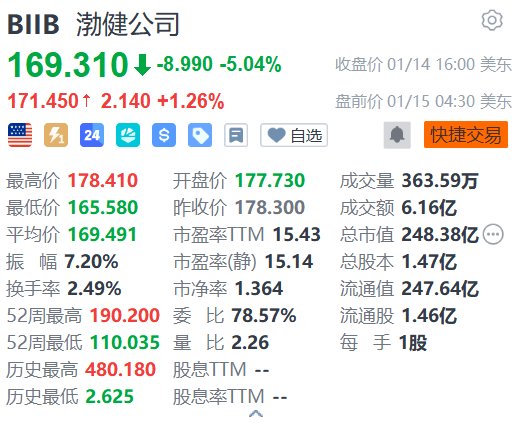
Group 1 - The core viewpoint of the article is that Goldman Sachs has upgraded Biogen Inc. (BIIB.US) to a "Buy" rating with a target price of $225 after meeting with the company's management, who emphasized a cultural shift towards research and development and cost control to counteract the decline in its multiple sclerosis business and drive growth [1][1][1] - Goldman Sachs believes that Biogen is poised for a turning point this year, driven by catalysts in its research pipeline and the Leqembi product, along with strict cost control and a strategic focus on developing early-stage rare disease and/or immunology assets [1][1][1] Group 2 - Biogen's pre-market stock price increased by 1.26% to $171.45, following the positive news from Goldman Sachs [1][1] - The company's recent stock performance shows a closing price of $169.31, down 5.04%, with a trading volume of 3.6359 million shares [1][1] - Biogen's total market capitalization is approximately $24.838 billion, with a price-to-earnings ratio of 15.14 and a price-to-book ratio of 1.364 [1][1]


29年创造204倍收益的传奇企业家,巴菲特:在怎么经营公司这件事上,他教我的比任何人都多
聪明投资者· 2026-01-15 07:03
Core Insights - Warren Buffett regards Tom Murphy as one of the most influential figures in his life, particularly in business management, stating that Murphy taught him more than anyone else [2][3] - Tom Murphy, former CEO of Capital Cities/ABC, is recognized for his exceptional management skills and is considered a mentor to Buffett in management practices [3][10] - Murphy's leadership led to the transformation of Capital Cities into a multi-billion dollar media conglomerate, achieving a remarkable 204-fold return over 29 years [16][19] Group 1: Tom Murphy's Influence - Buffett learned emotional restraint and rational decision-making from Murphy, who advised him to take time before reacting to criticism [2] - Murphy's management style focused on inspiring individuals to perform at their best without resorting to excessive work hours or micromanagement [2][3] - Murphy's legacy is highlighted by his ability to create a decentralized management structure that empowered employees [14][15] Group 2: Capital Cities/ABC's Growth - Under Murphy's leadership, Capital Cities expanded significantly through strategic acquisitions, including the notable purchase of ABC in 1986 [9][10] - The acquisition of ABC was a landmark deal, marking the largest media merger at the time, with a total cost of $35 billion [9][10] - Murphy's focus on core business operations and cost control was pivotal in enhancing the company's profitability [8][11] Group 3: Management Philosophy - Murphy emphasized hiring the best talent and granting them autonomy, which fostered a culture of responsibility and innovation within the company [14][15] - His approach to cost management included practical measures, such as reducing unnecessary expenses and streamlining operations [12][13] - The decentralized management philosophy allowed regional managers to operate with significant independence, contributing to the company's overall success [14][15] Group 4: Investment Success - Buffett's investment in Capital Cities/ABC was one of his largest, amounting to $5.17 billion, reflecting his trust in Murphy's management capabilities [10] - The merger resulted in a significant increase in profitability, with projections indicating a potential annual profit of $3.25 billion post-acquisition [11] - Murphy's ability to control costs and improve cash flow was instrumental in achieving a high operating profit margin for the merged entity [11][12]

Jewett-Cameron Trading Co Ltd(JCTC) - 2026 Q1 - Earnings Call Transcript
2026-01-14 22:32
Financial Data and Key Metrics Changes - Revenue for Q1 2026 was $8.3 million, a decrease of 7% compared to $9.3 million in Q1 2025 [13] - Gross operating profit margins were negative 12.5% in Q1 2026, down from positive 18.3% in Q1 2025, primarily due to $2.2 million in additional inventory write-downs [15] - Net loss for Q1 2026 was $3.9 million or negative $1.12 per share, compared to a net loss of $658,000 or negative $0.19 per share in Q1 2025 [17] Business Line Data and Key Metrics Changes - Sales in the core metal fence business increased slightly year-over-year despite challenges, indicating resilience [14] - The Greenwood industrial wood business saw a 45% increase in sales, driven by demand from municipalities and new customers [14] - Decreased sales were noted in lumber and PET products due to market conditions and customer program changes [15] Market Data and Key Metrics Changes - The company faced ongoing challenges from tariffs and negative consumer sentiment, impacting purchasing behavior [11] - The operational environment remains uncertain, with weak consumer sentiment affecting discretionary spending [11] Company Strategy and Development Direction - The company aims to exit fiscal 2026 with a sustainable business model focused on core product categories and operational efficiency [12] - There is a strong emphasis on the metal fencing business as a competitive advantage and a primary focus for capital allocation and innovation [7] - Initiatives to streamline operations and reduce costs are ongoing, with a target to reduce annual operating expenses by $1 million to $3 million [9] Management's Comments on Operating Environment and Future Outlook - Management acknowledges the challenges faced in Q1 but expresses optimism about long-term growth potential, particularly in the metal fencing business [4][7] - The company is making progress in pricing alignment with customers to improve margins, despite the difficulties posed by tariff volatility [16] - Future strategies include monetizing non-core assets and exploring partnerships to strengthen liquidity [10][21] Other Important Information - The company has amended its lending agreement to increase borrowing capacity, providing additional flexibility for operational realignment [19] - Inventory balance decreased to $13.5 million from $15.9 million, with an increased allowance for inventory reflecting market value adjustments [18] Q&A Session Summary Question: Can you expand upon the renegotiated pricing agreements you've entered into? - Management reported successful negotiations for price increases to minimize margin erosion due to tariffs, with implementation beginning in Q1 of fiscal 2026 [24] Question: Can you provide a general breakdown of your inventory by product category? - Management indicated that metal fencing remains the highest velocity inventory, while some PET inventory is slow-moving, with efforts ongoing to move excess lumber inventory [25]
Jewett-Cameron Trading Co Ltd(JCTC) - 2026 Q1 - Earnings Call Transcript
2026-01-14 22:32
Financial Data and Key Metrics Changes - Revenue for Q1 2026 was $8.3 million, a decrease of 7% compared to $9.3 million in Q1 2025 [13] - Gross operating profit margins were negative 12.5% in Q1 2026, down from positive 18.3% in Q1 2025, primarily due to $2.2 million in additional inventory write-downs [15] - Net loss for Q1 2026 was $3.9 million, or negative $1.12 per share, compared to a net loss of $658,000, or negative $0.19 per share in Q1 2025 [17] Business Line Data and Key Metrics Changes - Sales in the core metal fence business increased slightly year-over-year, despite challenges from tariffs and negative consumer sentiment [14] - The Greenwood industrial wood business saw a 45% increase in sales, driven by demand from municipalities and the addition of a new non-transit industrial customer [14] - Sales of lumber and Pet products decreased, leading to initiatives to sell off excess inventory due to challenging market conditions [15] Market Data and Key Metrics Changes - The company faced ongoing headwinds from tariffs and weak consumer sentiment, impacting purchasing behavior across the market [11] - The company is actively working to monetize non-core assets and evaluate strategic partnerships to strengthen its market position [10] Company Strategy and Development Direction - The company aims to exit fiscal 2026 with a sustainable business model focused on its strongest product categories and operational efficiency [12] - There is a strong emphasis on the metal fencing business as a primary focus for operations, capital allocation, and innovation efforts [7] - The company is working to align costs with pricing to improve margins and has successfully renegotiated agreements with most customers [8] Management's Comments on Operating Environment and Future Outlook - Management acknowledges the challenges faced in Q1 but believes that positive developments will become evident in future quarters [6] - The company is committed to reducing annual operating expenses by $1 million to $3 million and aims to streamline operations [9] - Management expresses optimism about the long-term growth potential of the metal fencing business as global trade conditions stabilize [7] Other Important Information - The company has amended its lending agreement to increase borrowing capacity, providing additional flexibility for operational realignment [19] - Inventory balance as of November 30, 2025, was $13.5 million, down from $15.9 million at the end of August [17] Q&A Session Summary Question: Can you expand upon the renegotiated pricing agreements you've entered into? - Management reported successful negotiations for new pricing to minimize margin erosion from increased tariffs, with implementation beginning in Q1 of fiscal 2026 [24] Question: Can you provide a general breakdown of your inventory by product category? - Management indicated that metal fencing remains the highest velocity inventory, while some Pet inventory has been slow-moving [25]
车圈大佬预警!存储芯片、金属、电池价格全在涨!车企怎么办?|人民智行
Zheng Quan Shi Bao Wang· 2026-01-14 03:13
Core Insights - The automotive industry is facing unprecedented supply chain cost pressures due to rising prices of memory chips, metals, and batteries, which are significantly impacting manufacturing costs [1][4][10] - A predicted shortage of memory chips could lead to a supply satisfaction rate of less than 50% in 2026, exacerbating the cost challenges for automakers [2][8] - The competition for resources between the automotive sector and emerging industries like AI and energy storage is intensifying, leading to a resource squeeze on traditional manufacturing [4][11] Memory Chip Price Surge - The global DRAM market is experiencing its strongest price increase in history, with prices for DDR4 and DDR5 rising by 200-300% since last year [2][5] - High-end smart electric vehicles require significant storage, with demand for memory chips expected to reach TB levels, increasing costs per vehicle by hundreds to thousands of yuan [3][6] Impact of Metal Prices - Prices for key metals such as copper, silver, and lithium have been rising, contributing to increased costs in electric vehicle production [3][7] - The use of copper in electric vehicles is significantly higher than in traditional fuel vehicles, amplifying the cost impact [3][10] Supply Chain Challenges - Automakers are struggling to balance supply chain resilience with cost control, leading to potential price increases, configuration adjustments, and delivery delays [1][10] - The competition for high-end storage capacity is skewed in favor of AI companies, which are securing a majority of DRAM production capacity, leaving traditional industries with limited resources [5][6] Long-term Outlook - The supply chain crisis is expected to persist for 3-5 years, with automakers currently absorbing cost pressures without passing them on to consumers [8][10] - There is a growing recognition of the need for supply chain diversification and domestic production capabilities in the semiconductor industry [12][11] Strategic Responses - Automakers are exploring strategies such as long-term supply agreements and partnerships with local suppliers to mitigate risks associated with rising costs [11][12] - The industry may see a shift towards vertical integration, with companies considering in-house production of critical components like batteries and chips [12]


政策影响下的多晶硅:波折前行,前景仍在
Guo Xin Qi Huo· 2026-01-13 11:03
Report Industry Investment Rating - Not provided in the content Core Viewpoints of the Report - In the short term, the "rush to export" market caused by the adjustment of the export tax - rebate policy boosts market confidence and improves the extremely sluggish demand in the off - season. The increase in component exports from January to March will drive the growth of polysilicon demand. But if enterprises do not actively cut production to digest inventory, polysilicon prices will face significant downward pressure in the medium and long term [2][21]. - In the long run, cost control and technological optimization are the core competitiveness of enterprises and key variables affecting the long - term trend of polysilicon futures. As the industry returns to a market - oriented competition order, the supply - demand pattern will shift from "oversupply and high inventory" to a healthy state, and the futures price will more accurately reflect the real value of the industry [3][21]. Summary by Relevant Catalogs Policy Influence - Since May 2025, rumors and measures related to polysilicon capacity storage have dominated the sentiment and price trend of polysilicon futures, showing characteristics of "expected - driven rise - regulatory cooling and shock - policy reversal and sharp decline". The establishment of the capacity integration and acquisition platform "Guanghe Qiancheng" in December 2025 drove the futures price to a high of 61,985 yuan/ton on December 17. However, subsequent regulatory interventions, including the market supervision department's约谈 of leading enterprises in January 2026, reversed the policy expectation, causing a sharp decline in the futures price [4]. Current Situation of the Polysilicon Industry - From January 2023 to December 2025, the polysilicon industry's over - supply is a long - term problem with periodic adjustments. The mismatch between production expansion and demand, and the subsequent supply rebound after industry adjustment, have led to continuous over - supply. The industry's high inventory, reaching 32,234 tons for polysilicon enterprises and over 500,000 tons in the industrial chain by 2026, will suppress prices in the first half of 2026 [7][9]. - Before 2024, the photovoltaic industry chain had high profitability. After 2024, intensified competition led to profit decline. In the second half of 2025, profits concentrated in the polysilicon segment, while downstream segments suffered losses. The anti - monopoly约谈 in January 2026 will reshape the profit distribution logic, promoting a return to market - oriented rationality [10][13]. Cancellation of Export Tax Rebates - From April 1, 2026, the 13% VAT export tax - rebate rate for photovoltaic products will be zeroed, and the tax - rebate rate for power batteries will be gradually reduced to zero. Before April 1, a "rush to export" is likely to occur. It is estimated that the demand for polysilicon may increase by 1 - 1.5 tons per month, and the oversupply may be reduced to less than 10,000 tons. However, after April, the demand will face pressure, and enterprises need to cut production [16][18]. Polysilicon Futures - In the short term, the "rush to export" will drive polysilicon demand growth. But without production cuts, prices will face downward pressure in the medium and long term. In the long run, cost control and technological optimization will drive the industry to a more balanced state, and the futures price will better reflect the real value of the industry [21].
广信材料:公司通过自制树脂产能的投产可有效降低原材料采购成本及运输费用
Zheng Quan Ri Bao Wang· 2026-01-13 09:09
Group 1 - The core viewpoint of the article is that Guangxin Materials (300537) has initiated the production of self-made resin, which is expected to effectively reduce raw material procurement costs and transportation expenses [1] - The company has not provided specific numerical forecasts regarding the extent of cost reduction and gross profit improvement, as these will depend on actual production and operational conditions [1]

高成本时代,烘焙店的“生存保卫战”该怎么打?
东京烘焙职业人· 2026-01-13 08:33
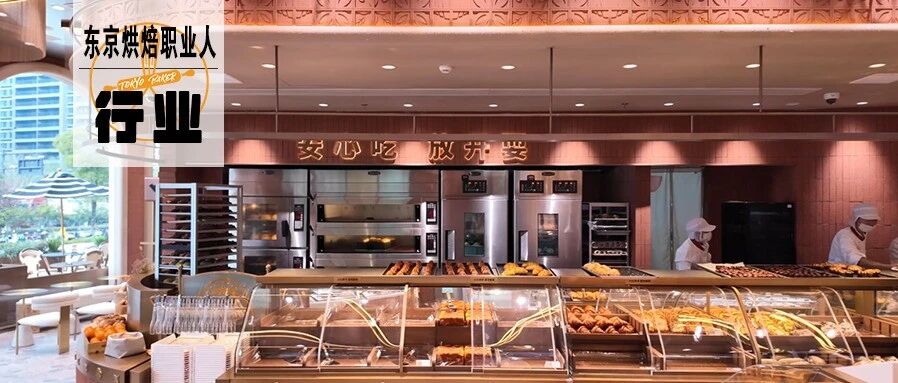
Core Viewpoint - The new social security regulations have significantly increased operational costs for bakery owners, leading to concerns about profitability and sustainability in the industry [1][5]. Cost Challenges - Bakery owners are facing rising costs from ingredients, labor, and utilities, making it difficult to maintain profitability [5][8]. - The focus on cost-cutting measures often overlooks the importance of efficient equipment, such as ovens, which can significantly impact operational costs [8][30]. Equipment Efficiency - The choice of oven is critical; inefficient ovens can lead to substantial hidden costs in electricity bills [8][16]. - The Korean-style oven AIR can reduce baking time by 20%, leading to lower energy consumption and improved product quality, which enhances customer satisfaction and repeat purchases [11][21]. Cost Control Philosophy - Establishing a cost control philosophy is essential for bakery owners to survive in a competitive environment, ensuring every expense is justified [13][30]. - Investing in high-efficiency equipment may have a higher initial cost but can lead to significant savings in energy, labor, and maintenance over time [26][30]. Balancing Act - Modern bakeries must balance cost, quality, efficiency, and creativity to thrive in a high-cost environment [28][30]. - Consistency in product quality is crucial for customer retention, and operational efficiency can help bakeries navigate economic challenges [33].
港股异动 | 紫金矿业(02899)涨超3% 公司LCE单位成本指引目标普遍下调
智通财经网· 2026-01-13 03:38
该行续指,与之前指引相比,紫金矿业的碳酸锂当量(LCE)成本目标普遍下调。随着产量朝着12万吨的 产能扩大,管理层预计整体成本将通过提高营运效率而下降。 瑞银发布研报称,紫金矿业管理层较早前完成换届,该团队主要由过去10到20年期间,在紫金内部晋升 的高级管理人员组成。在并购方面,公司会优先考虑具有强大经济价值和内部收益率的项目,偏好在紫 金的技术专业知识能发挥额外价值的棕地或成熟营运。 智通财经APP获悉,紫金矿业(02899)涨超3%,截至发稿,涨2.8%,报40.36港元,成交额14.12亿港元。 ...
