
人民币国际化

Search documents
数字人民币领域,又传好消息
Sou Hu Cai Jing· 2025-09-14 00:22
Core Points - The National Internet Information Office has drafted the "Regulations on Promoting and Standardizing the Application of Electronic Documents" to enhance the digitalization of goods trade and transportation, reduce logistics costs, and protect the legal rights of parties involved in electronic document activities [1][3] Group 1: Electronic Document Regulations - The draft encourages institutions and enterprises in goods trade, logistics, and finance to recognize and use electronic documents to improve digital application levels and enhance industry efficiency [3] - It promotes collaboration among enterprises, research institutions, industry organizations, and public service institutions in areas such as technological innovation and risk prevention related to electronic documents [3] - The relevant authorities will strengthen the standard-setting work in the electronic document field and encourage participation from industry associations and enterprises in the formulation of national and industry standards [3][4] Group 2: Digital Currency Developments - Financial institutions are encouraged to explore the use of digital RMB and other new payment methods for cross-border payments under the premise of legal compliance and risk control [2][3] - Recent developments in digital RMB include the successful implementation of the first bilateral cross-border settlement using digital RMB in Chongqing, marking a significant financial innovation [6] - The Beijing branch of China Merchants Bank has successfully executed a cross-border remittance business using digital RMB, amounting to 2.1 billion yuan, showcasing the efficiency and cost-effectiveness of digital currency in cross-border transactions [7] Group 3: Sports Consumption and Digital RMB - The State Council has issued opinions to optimize sports consumption payment services and expand the application scenarios of digital RMB in the sports industry [2][7] - Initiatives include issuing digital RMB sports consumption red packets and implementing prepayment fund management solutions using digital RMB to mitigate risks in prepayment consumption [7]



刚刚,利好来了!
券商中国· 2025-09-13 15:07
Core Viewpoint - The article highlights the recent developments in the digital renminbi sector, particularly focusing on the promotion and regulation of electronic documents to enhance digitalization in trade and logistics, while also encouraging the use of digital renminbi for cross-border payments [1][2][3]. Group 1: Regulatory Developments - The National Internet Information Office has drafted the "Regulations on the Promotion and Standardization of Electronic Document Applications" to solicit public opinions, aiming to enhance the digitalization of trade and logistics [1][3]. - Financial institutions are encouraged to explore the use of digital renminbi for cross-border payments under a compliant and risk-controlled framework [2][3]. Group 2: Recent Achievements in Digital Renminbi - Chongqing has successfully executed its first bilateral cross-border settlement using digital renminbi, marking a significant milestone in the digital currency's application [6]. - The Beijing branch of China Merchants Bank has completed a cross-border remittance transaction using a digital renminbi wallet, amounting to 2.1 billion yuan, showcasing the innovative use of the mBridge platform for cross-border payments [7]. Group 3: Encouragement for Technological Collaboration - The article emphasizes the need for collaboration among enterprises, research institutions, and public service organizations to innovate in electronic document technology and share practical experiences [3][4]. - It encourages the establishment of reliable electronic document systems that ensure traceability, security, and compliance with national standards [4][5]. Group 4: Expansion of Digital Renminbi Applications - The State Council has issued guidelines to enhance sports consumption, promoting the use of digital renminbi in sports-related transactions and encouraging local initiatives to issue digital currency sports consumption vouchers [7].

美联储投下“深水炸弹”,人民币变盘,美专家:两种资产将崩溃
Sou Hu Cai Jing· 2025-09-13 08:13
Group 1 - The article discusses the looming financial storm in the U.S. as the Federal Reserve's independence is questioned, which could lead to a devaluation of the dollar [2][10] - Concerns are raised about the potential consequences of the Federal Reserve lowering interest rates, which could trigger a collapse in certain asset classes [2][12] - The article highlights the recent bilateral currency swap agreements between the People's Bank of China and several European central banks, indicating a significant step towards the internationalization of the renminbi [3][5] Group 2 - The currency swap agreements amount to 350 billion renminbi, equivalent to 45 billion euros, 150 billion renminbi, or 17 billion Swiss francs, and 40 billion renminbi, or 1.9 trillion Hungarian forints [5] - The article notes that the U.S. federal debt has surpassed 7 trillion dollars, with projections indicating it could reach 150 trillion dollars in 30 years [5] - The potential for a 1% decrease in interest rates could save the U.S. government hundreds of billions in annual interest payments, while historically, rate cuts have led to stock market increases [8][12] Group 3 - The article mentions that the market is almost certain that the Federal Reserve will lower rates in September, with a significant chance of a 50 basis point cut [12] - Concerns about the Federal Reserve's independence have led to a weakening of the dollar, benefiting the renminbi and potentially leading to a rapid appreciation of Chinese assets [12][14] - The weakening dollar is prompting a shift in global capital towards Chinese assets, as they are seen as undervalued [14][16]

深圳金融史,一个波澜壮阔的中国金融改革奇迹
首席商业评论· 2025-09-13 03:58
Core Viewpoint - Shenzhen has transformed from a financial desert in 1979 to one of China's three major financial centers by 2024, showcasing a remarkable journey of financial reform and innovation [5][8]. Group 1: Initial Creation and Exploration (1979-1990) - Shenzhen was designated as a "test field" for economic reform in 1979, leading to the establishment of the first foreign bank branch in China and the birth of national banks like China Merchants Bank [9]. - The first stock in New China was issued in 1983, marking the beginning of the capital market, with significant events like the public offering of Shenzhen Development Bank in 1987 [9]. - The emergence of non-bank financial institutions, such as Ping An Insurance in 1988, laid the groundwork for future financial giants [9]. Group 2: Leap and Growth (1990-2004) - The establishment of the Shenzhen Stock Exchange in December 1990 marked a significant leap in Shenzhen's financial history, providing direct financing channels for enterprises [10]. - By the end of 2004, the Shenzhen Stock Exchange had 536 listed companies with a total market value of 1.1 trillion yuan and an annual trading volume of 1.6 trillion yuan [10]. - Shenzhen became a hub for venture capital, with over 20 billion yuan invested in more than 100 projects by 2004 [10]. Group 3: Adjustment and Transformation (2004-2019) - The introduction of the SME Board in 2004 provided a dedicated platform for small and medium enterprises, with over 327 companies listed and more than 300 billion yuan raised by 2009 [12]. - The launch of the ChiNext in 2009 focused on innovative and growth-oriented enterprises, leading to a surge in the number of listed companies from 28 to nearly 800 by 2019 [12]. - The establishment of Qianhai as a financial innovation zone in 2010 facilitated cross-border financial services, with over 52,000 financial enterprises registered by 2019 [16]. Group 4: Elevation and Leadership (2019-Present) - Shenzhen's financial sector has been elevated under national strategies, with over 400 companies listed on the ChiNext through a registration system by 2025, raising over 500 billion yuan [18]. - The total number of companies on the Shenzhen main board is expected to approach 1,600 by mid-2025, with a market value nearing 40 trillion yuan [18]. - The implementation of the "Cross-Border Wealth Management Connect" in 2024 has seen significant participation from banks and a substantial increase in cross-border transactions [19]. Group 5: Achievements and Strengths - By the end of 2024, Shenzhen's financial institutions held deposits of 135.78 trillion yuan and loans of 94.83 trillion yuan, with total banking assets reaching 13.57 trillion yuan [21]. - The Shenzhen Stock Exchange had 2,852 listed companies with a market capitalization of 33.04 trillion yuan, ranking it among the top globally [21][23]. - The insurance sector reported premium income of 195.82 billion yuan in 2024, with total assets of 7.3 trillion yuan [25]. Group 6: Reflection and Future Outlook - Over 45 years, Shenzhen has evolved from a financial desert to a global financial technology leader, with significant achievements in various financial sectors [34]. - The city's success is attributed to its innovative spirit, close ties between finance and the real economy, and a highly market-oriented system [34]. - Looking ahead, Shenzhen's financial industry is poised for further growth and innovation, building on its past successes [34].




中国光大银行以更实举措服务高水平对外开放
Sou Hu Cai Jing· 2025-09-12 23:57
Group 1 - The global political and economic landscape is rapidly evolving since 2025, with increasing trade barriers and deep restructuring of supply chains [1] - China Everbright Bank is committed to serving the country's high-level opening-up with competitive overseas business, focusing on green finance and sustainable development [1] - In the first half of 2025, the bank's overseas institutions embedded ESG principles into the entire process of credit, investment, and risk control, achieving significant milestones in green loans and bonds [1] Group 2 - The bank actively supports high-level opening-up by aligning cross-border financial services with national strategic initiatives, such as the Guangdong-Hong Kong-Macao Greater Bay Area [2] - In the first half of 2025, the Hong Kong branch facilitated a loan of 100 million HKD for infrastructure projects, enhancing regional integration [2] - The establishment of RMB interbank accounts in multiple overseas branches has effectively expanded cross-border RMB financing channels, contributing to the internationalization of the RMB [2] Group 3 - The bank is enhancing cross-border financial service solutions to meet the needs of enterprises going abroad, focusing on key sectors like infrastructure, energy transition, and digital economy [3] - The "Sunshine Easy Exchange" product system has been improved to better cater to the financing needs of enterprises in the Belt and Road Initiative [3] - As of June 2025, the bank provided a cross-border direct loan balance of 16.14 billion CNY, with approximately 4.03 billion CNY in loans to countries along the Belt and Road [3]

帮主郑重:8月金融数据暗藏玄机!M2增速放缓,这些信号股民必须看懂
Sou Hu Cai Jing· 2025-09-12 22:38
Group 1: Monetary Policy and Economic Indicators - M2 growth rate decreased to 8.8% with a total balance of 331.98 trillion yuan, indicating a tightening of liquidity in the market [3] - Corporate medium to long-term loans increased by 7.38 trillion yuan in the first eight months, suggesting strong investment in sectors like manufacturing and technology [3] - Household deposits surged by 9.77 trillion yuan, reflecting a conservative outlook on future income and a lack of consumer confidence [4] Group 2: Interest Rates and Borrowing Costs - Interbank borrowing rates and repurchase rates hit new lows at 1.4% and 1.41% respectively, reducing borrowing costs for businesses [5] - High-debt industries, such as real estate, may benefit from lower interest rates, potentially alleviating financial pressures [6] - Technology companies are encouraged to borrow for innovation due to lower interest rates, particularly in sectors like semiconductor equipment and AI [7] Group 3: Cross-Border Transactions and Currency - Cross-border RMB settlement reached 1.47 trillion yuan, with goods trade accounting for 1.11 trillion yuan, indicating accelerated RMB internationalization [8] - The growth in cross-border trade along the Belt and Road Initiative may benefit companies involved in construction machinery and infrastructure materials [8] - Companies involved in the development of the CIPS system, such as Sifang Jingchuang and Shenzhou Information, are likely to see stable stock performance [8] Group 4: Foreign Investment and Market Sentiment - Foreign exchange reserves reached 3.322 trillion USD, the highest in recent years, reflecting international confidence in the Chinese economy [9] - Northbound capital inflows exceeded 50 billion yuan in August, primarily targeting leading consumer and technology stocks [9] - The increase in foreign exchange reserves may lead to greater currency volatility, necessitating hedging strategies for those holding foreign assets [9] Group 5: Investment Opportunities and Risks - Opportunities identified include manufacturing and technology sectors, supported by a 7.38 trillion yuan increase in corporate loans [10] - The green economy is highlighted as a potential growth area, with a 29.5% increase in carbon trading volume [10] - Risks include the sluggish recovery in the real estate sector, with only a 1.08 trillion yuan increase in household long-term loans [11] - A liquidity trap is indicated by M1 growth at 6%, suggesting businesses are hesitant to spend, which could lead to market stagnation [12]

为人民币离岸市场提供稳定流动性 央行优化人民币跨境同业融资业务管理
Shang Hai Zheng Quan Bao· 2025-09-12 18:42
Core Viewpoint - The People's Bank of China (PBOC) has released a draft notice to unify the framework for cross-border interbank financing in RMB, aiming to stabilize liquidity expectations in the offshore RMB market [1][2]. Summary by Sections Policy Transparency and Rules - The draft notice aims to enhance the transparency and regulatory framework of cross-border interbank financing policies, which includes various forms of RMB funding between domestic banks and foreign institutions [1][2]. - It supports domestic banks in autonomously conducting business within a net lending limit, thereby reducing concerns over ambiguous business rules and encouraging banks to expand their operations [2]. Balancing Development and Safety - The notice emphasizes macro-prudential management of cross-border capital flows to ensure the orderly outflow of onshore RMB while meeting reasonable cross-border RMB usage demands [3]. - It shifts from a piecemeal rule-making approach to a unified management framework for RMB cross-border interbank financing, addressing previous issues of unclear rules and lack of comprehensive management [3][4]. Risk Management and Adjustment Mechanisms - The notice introduces a counter-cyclical adjustment mechanism, with initial risk management factors set at 0.06 and macro-prudential adjustment parameters at 1, allowing the PBOC to adjust these parameters as needed [3]. - It establishes a unified upper limit for net lending in RMB cross-border interbank financing, enabling the PBOC to manage liquidity provision to offshore markets effectively [4].
关于「通证化」:一场外滩大会带来的随想
Hua Er Jie Jian Wen· 2025-09-12 13:35
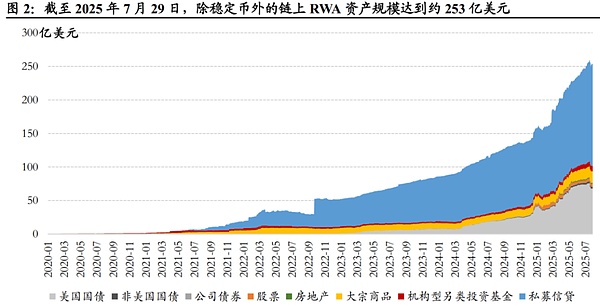
Group 1 - The World Gold Council has proposed a plan to launch a physical gold-backed digital token in London, aiming to transform the trading, settlement, and collateralization of gold, injecting new vitality into the $930 billion global physical gold trading center [2][3] - The exploration of tokenized assets is seen as the largest experiment in Real-world Assets (RWA) tokenization to date, sparking discussions on the collision between tradition and innovation [2][3] - The Hong Kong government has released a policy statement encouraging RWA development, aiming to establish Hong Kong as a digital asset hub, with several licensed institutions already exploring tokenized products [3][12] Group 2 - The global RWA market has seen significant growth, increasing from $5 million in 2022 to $25.5 billion by July 2025, indicating a fivefold increase in three years [8] - The current focus of tokenization remains on financial assets, but the true mission should be to support real industries rather than merely enhancing financial assets [4][5] - Regulatory frameworks are being established globally to ensure compliance and safety in the tokenization of assets, with various regions adopting different approaches to manage risks associated with digital assets [11][12] Group 3 - The development of tokenized assets is driven by the continuous pursuit of transaction efficiency, which is essential for economic growth [7][8] - The introduction of AI-driven smart contracts, termed "Agentic Contracts," represents a technological evolution that could enhance the efficiency and compliance of tokenized asset management [5][6] - The long-term vision for the token economy emphasizes the need for a balance between innovation and risk management, ensuring that the industry can sustain growth while maintaining stability [14][15]
人民币跨境同业融资新规征求意见 离岸市场流动性有“新保障”
Di Yi Cai Jing· 2025-09-12 13:27
Core Viewpoint - The People's Bank of China (PBOC) has drafted a notice to support domestic banks in conducting RMB cross-border interbank financing, aiming to enhance the development of the offshore RMB market and provide stable liquidity [1][2]. Group 1: Policy Objectives - The notice reflects a clear direction of balancing high-quality development with high-level security, supporting banks to meet market demand for RMB cross-border interbank financing [1][2]. - It aims to provide stable liquidity to the offshore market, promoting the use of RMB across borders, as RMB has become the largest settlement currency for China's foreign trade [2][3]. Group 2: Market Context - The RMB internationalization process has progressed steadily, with RMB becoming the second-largest trade financing currency globally, and the cross-border payment amount expected to reach 64 trillion yuan in 2024 [2]. - The demand for RMB liquidity in the offshore market has significantly increased, driven by the willingness of foreign entities to hold and use RMB [2]. Group 3: Management Framework - The notice integrates the previously separate management of RMB cross-border interbank financing into a unified framework, addressing issues of unclear rules and lack of transparency [3][4]. - It establishes a comprehensive management system that covers various types of RMB cross-border interbank financing, ensuring both innovation and regulatory compliance [4]. Group 4: Risk Management - The notice links the net outflow limit for banks to their Tier 1 capital, promoting a risk-neutral approach among financial institutions [5]. - A counter-cyclical adjustment mechanism is introduced to manage cross-border capital flows, allowing the PBOC to adjust parameters to stabilize RMB liquidity provision to foreign markets [6].
人民币跨境同业融资新规征求意见,离岸市场流动性有“新保障”
Di Yi Cai Jing· 2025-09-12 12:56
Core Viewpoint - The People's Bank of China (PBOC) has drafted a notice to support domestic banks in conducting RMB cross-border interbank financing, aiming to enhance the offshore RMB market and ensure stable liquidity provision [1][2]. Group 1: Policy Objectives - The notice reflects a clear direction towards balancing high-quality development with high-level security, allowing banks to meet market demands while promoting the use of RMB across borders [1][2]. - It aims to provide stable liquidity to the offshore market, which is crucial for the internationalization of the RMB, as evidenced by RMB becoming the largest settlement currency for China's external payments and the second-largest trade financing currency globally [2]. Group 2: Management Framework - The new regulations will unify the management of RMB cross-border interbank financing, addressing previous issues of unclear rules and lack of transparency in the management of outbound financing [3][4]. - The notice covers various types of RMB cross-border interbank financing, shifting from a product-specific rule-making approach to a more comprehensive framework that emphasizes substantive debt relationships [4]. Group 3: Risk Management - The notice links the net outbound balance of banks to their Tier 1 capital, promoting a principle of "doing business according to capital capacity," which encourages a risk-neutral mindset among financial institutions [5]. - A counter-cyclical adjustment mechanism will be introduced to manage cross-border capital flows, allowing the PBOC to adjust parameters to stabilize RMB liquidity provision to offshore markets [6].