
即时零售

Search documents
外卖大战中,花8.95元买一瓶葡萄酒!价格被压榨,市场何去何从?
Sou Hu Cai Jing· 2025-07-11 09:24
Core Insights - The fierce competition between Taobao Flash and Meituan has led to significant discounts and promotions in the food delivery sector, with both platforms investing heavily in attracting users [2][4] - Taobao Flash achieved over 200 million daily active users, while Meituan processed 120 million orders in a single day, indicating a surge in consumer engagement [4] - The price of certain products, such as wine, has drastically decreased, with some being sold for as low as 8.95 yuan, raising questions about sustainability and quality in the market [5][9] Group 1: Market Dynamics - The competition has intensified in the instant retail sector, particularly for food and beverage items, with a focus on ready-to-eat meals and packaged products like wine [9] - The trend of lower prices and increased accessibility may encourage more consumers to try wine, despite concerns about quality and supply chain integrity [9][10] - The shift in consumer behavior towards immediate gratification is reshaping the retail landscape, with a growing preference for on-demand purchases rather than stockpiling [10][12] Group 2: Economic Context - The current economic climate has led to a cautious consumer mindset, where low prices serve as effective marketing tools to stimulate demand [12][13] - The historical context of the wine market in China reflects a transition from high-profit margins during economic booms to a focus on efficiency and competitive pricing during downturns [13][15] - The future of the wine market may hinge on achieving a balance between reasonable profits and consumer choice, as the industry navigates through economic cycles [15]

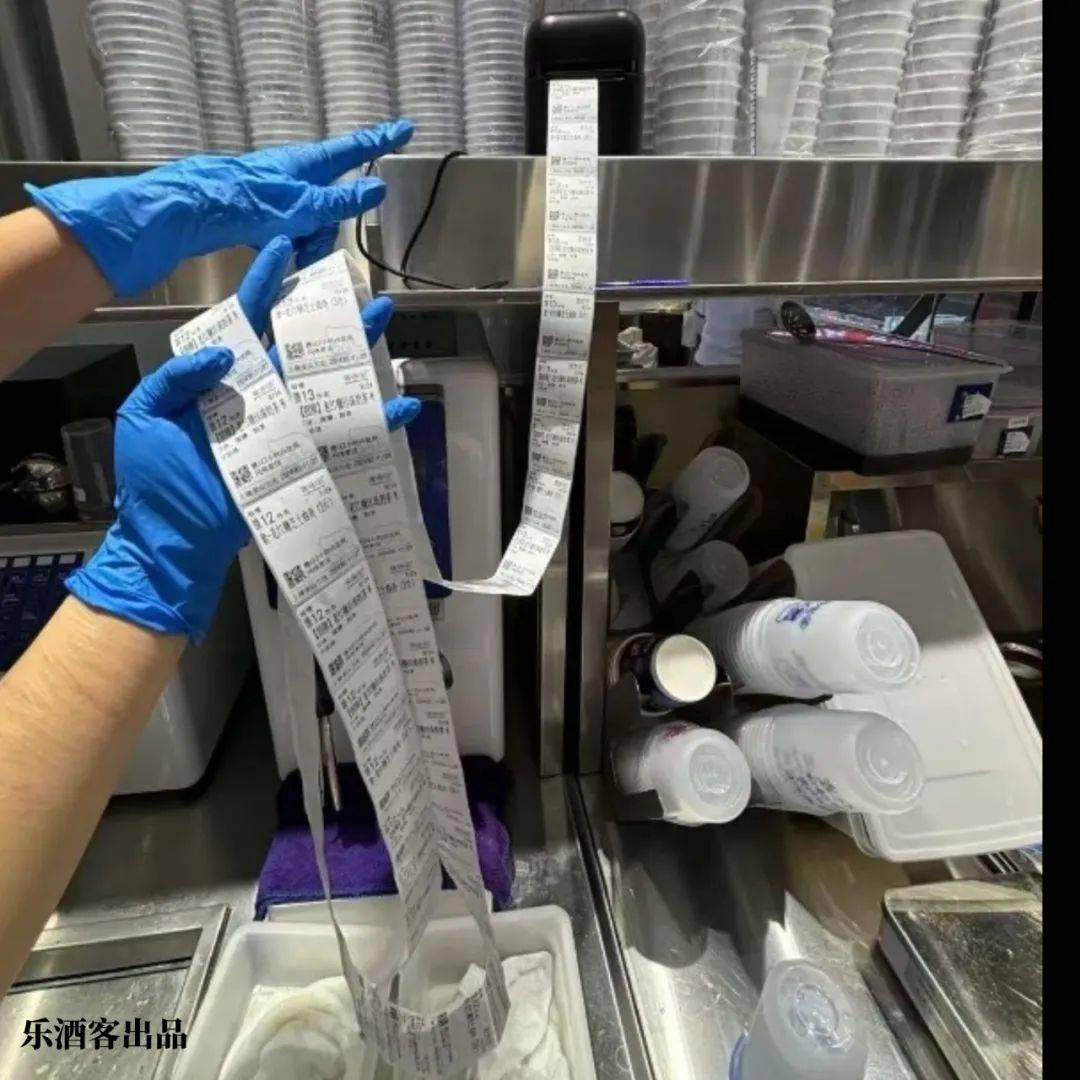
外卖史上最激昂24小时:2亿「天量」订单的诞生|深氪
36氪· 2025-07-11 07:35
Core Viewpoint - The article discusses the intense competition between Alibaba's Taobao and Meituan in the food delivery and instant retail sectors, highlighting a significant battle on July 5, where Taobao launched a major offensive against Meituan, aiming to increase its market share in both food delivery and retail orders [6][8][24]. Group 1: Taobao's Strategy and Actions - On July 5, Taobao's flash purchase service aimed to achieve 70 million orders, competing directly with Meituan's usual daily order volume of around 90 million [7][19]. - Taobao's flash purchase received a substantial investment of 50 billion yuan, enabling it to aggressively pursue market share in the food delivery sector [7][8]. - The ambition of Taobao's flash purchase is to elevate retail order volumes alongside food delivery, integrating near-field e-commerce with traditional e-commerce [8][22]. Group 2: Meituan's Response - Meituan's leadership quickly mobilized its team in response to Taobao's aggressive strategy, with a focus on maintaining its market share and countering Taobao's subsidies [18][19]. - Meituan's strategy included significant subsidies to both consumers and delivery personnel, aiming to retain customer loyalty and order volume amidst the competitive pressure [20][21]. - The competition led to a record-breaking day for both platforms, with Meituan reporting over 1.2 billion orders and Taobao exceeding 80 million orders on the same day [26][28]. Group 3: Market Dynamics and Implications - The competition between Taobao and Meituan reflects a broader trend in the instant retail market, where both companies are striving to capture consumer demand through aggressive marketing and operational strategies [22][31]. - The article notes that the combined order volume of 200 million on that day indicates a significant shift in consumer behavior and market dynamics, with both companies willing to incur substantial losses to gain market share [28][29]. - The ongoing battle is expected to reshape the landscape of instant retail, with both companies aiming to establish themselves as leaders in this rapidly evolving sector [24][34].



外卖史上最激昂24小时:2亿天量订单的诞生|深氪
36氪未来消费· 2025-07-11 06:58
Core Viewpoint - The article discusses the intense competition between Alibaba's Taobao and Meituan in the food delivery market, highlighting a significant battle on July 5, where Taobao launched a major offensive against Meituan, aiming to increase its market share in both food and retail delivery [7][9][28]. Group 1: Competitive Strategies - Taobao's strategy involved a well-planned operation to increase order volume, with internal estimates predicting 70 million orders for the day, while Meituan's usual daily order volume is around 90 million [8][12]. - The launch of Taobao's "Flash Purchase" service was a critical move, integrating delivery capabilities from Ele.me and aiming to capture a larger share of the retail market alongside food delivery [15][27]. - Meituan responded quickly to Taobao's aggressive tactics, mobilizing its resources and increasing subsidies to maintain its market position, indicating a fierce competitive environment [21][22]. Group 2: Market Dynamics - The competition intensified due to the entry of JD.com into the food delivery space, which disrupted the existing balance between Meituan and Ele.me, prompting both companies to react strategically [12][13]. - The article notes that the battle on July 5 resulted in a combined order volume of 200 million across the industry, showcasing the high demand and operational capacity of both platforms [30][32]. - The pressure on delivery capacity was evident, with reports of significant delays and operational challenges faced by both companies as they attempted to fulfill the surge in orders [23][31]. Group 3: Financial Implications - The intense competition led to substantial financial losses for both companies, with estimates suggesting over 1 billion in losses on that day alone, highlighting the unsustainable nature of such aggressive subsidy strategies [32][36]. - Meituan's historical profit margins were challenged as the competition escalated, with the need to balance between maintaining order volume and ensuring profitability becoming increasingly complex [32][35]. Group 4: Future Outlook - The article suggests that while Meituan's dominance in food delivery may not be immediately threatened, the rise of Taobao's Flash Purchase could reshape the narrative in the instant retail sector, indicating a potential shift in market dynamics [28][36]. - Both companies are expected to continue their aggressive strategies, with Taobao aiming to establish a "Super Saturday" event to drive sales, while Meituan seeks to achieve higher order peaks during the summer season [38][39].

京东健康,究竟是刘强东手里一张什么牌?
Sou Hu Cai Jing· 2025-07-11 04:11
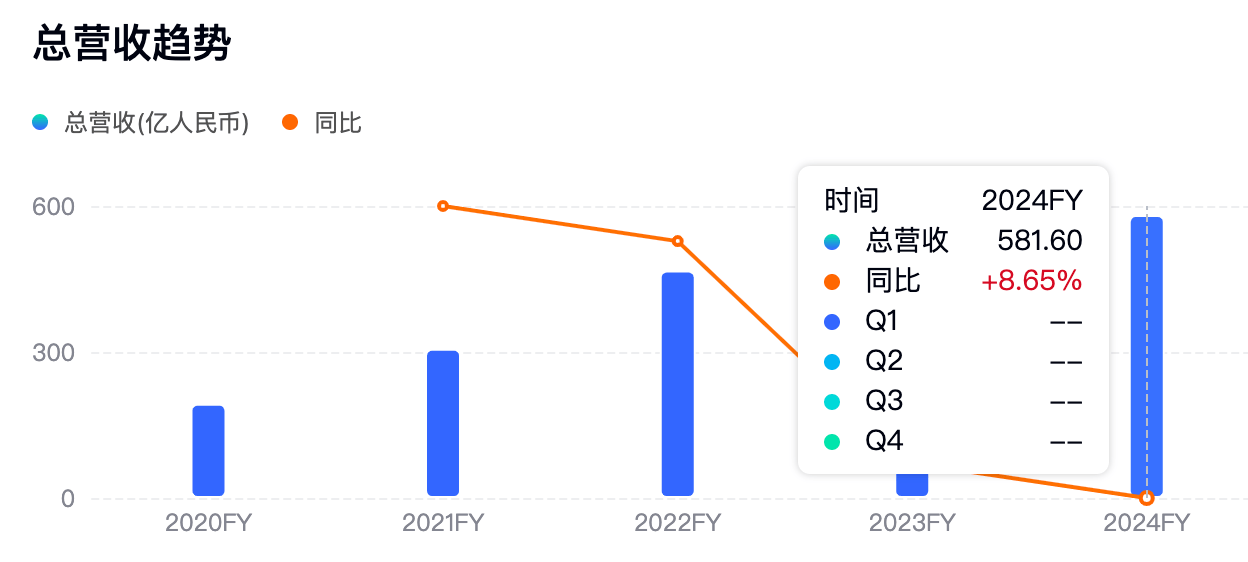
Core Insights - JD Health is gaining significant attention from Liu Qiangdong and Xu Ran, especially following the recent 618 shopping festival, where it showcased its marketing strategies prominently [1][5] - The company reported a total revenue of 58.16 billion in 2024, with a profit of 4.157 billion, marking a 94% increase compared to 2023 [1][5] - JD Health is positioned as the leader in the B2C pharmaceutical market, outperforming Alibaba Health, which is projected to generate 30.598 billion in revenue for the 2025 fiscal year [5][8] Group 1: Market Position and Growth - JD Health's market capitalization is over 100 billion HKD, approximately one-third of JD Group's total market value [5] - The company achieved a growth rate of 25.5% in the first quarter of 2023, driven by the online medical insurance payment initiative [8] - The B2C pharmaceutical e-commerce market reached sales of 66.3 billion in 2023, with a growth rate of 15.3% [12] Group 2: Competitive Landscape - The online pharmaceutical market is highly competitive, with JD Health, Meituan, and Ele.me vying for market share [11][12] - Meituan currently holds a 70% market share in the national O2O pharmaceutical sector, posing a challenge for JD Health [17] - JD Health's "Buy Medicine Fast" initiative aims to capture the online medical insurance market, with a focus on rapid delivery and quality service [15][11] Group 3: Future Opportunities - The integration of AI and health consumption trends presents new opportunities for JD Health, particularly in personalized health products and services [4][18] - The company is exploring the potential of AI models to enhance its service offerings, including AI nutritionists and medical assistants [18][20] - The demand for weight management products has surged, with JD Health reporting a threefold increase in sales for weight loss medications [26][28] Group 4: Strategic Focus - JD Health is focusing on expanding its product offerings beyond pharmaceuticals to include health and wellness products, aligning with the growing trend of preventive healthcare [23][24] - The company aims to leverage its expertise in e-commerce to support local pharmaceutical companies and enhance its market presence [26][28] - The market is optimistic about JD Health's future, with a projected price-to-earnings ratio of nearly 30 times based on its 2024 net profit [29]
中国超市百强榜单出炉:永辉跌出前三,胖东来暴涨 76%,9000 亿背后藏着行业大分化
3 6 Ke· 2025-07-11 03:53
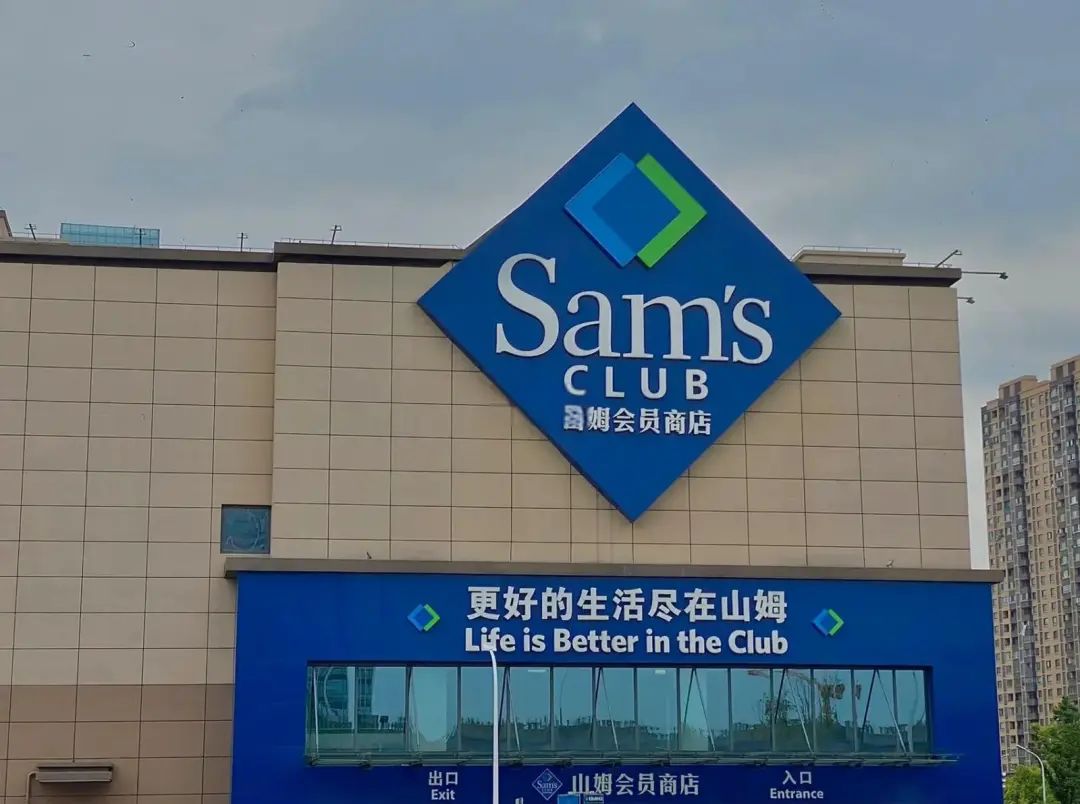
Core Insights - The "2024 China Supermarket TOP100" list shows a slight increase in sales to approximately 900 billion yuan, up 0.3% year-on-year, while the total number of stores decreased by 9.8% to 25,200 stores, indicating challenges in the retail market and a trend towards industry differentiation [1][2][32]. Group 1: Top Enterprises - Walmart (China) continues to lead the list with a sales figure of 158.84 billion yuan, a 19.6% increase from 2023, supported by its strong global supply chain and efficient logistics [4][12]. - The second position is held by Dalian Wanda (RT-Mart) with sales of 76.41 billion yuan, showing a slight growth of 0.3% [2][12]. - Hema (Alibaba's new retail brand) ranks third with sales of 75 billion yuan, achieving a 10% year-on-year growth, reflecting its successful online-offline integration strategy [2][12]. Group 2: Industry Trends - The competition among mid-tier enterprises is intensifying, with some achieving rapid growth through innovative business models while others struggle due to poor management [8][18]. - The digital transformation of supermarkets is advancing, with companies like Walmart and Hema leveraging big data and IoT for improved efficiency and customer experience [31][32]. - The market is witnessing a "Matthew Effect," where top enterprises are gaining more market share, with the top 10 companies accounting for 66.6% of the total sales of the TOP100 list [15][32]. Group 3: Regional Insights - The East China region remains a key battleground for supermarkets, with strong demand for fresh and healthy products driving supply chain upgrades [30]. - The South China region is emerging as a hotspot for community-based enterprises like Qian Dama, which focuses on fresh produce and local consumer needs [30]. Group 4: Future Outlook - The industry is expected to see three major trends: a focus on quality and experience upgrades, deeper digital integration, and accelerated consolidation, with smaller players at risk of being eliminated if they cannot establish competitive advantages [31][32].


阿里、京东、美团杀入新战场
Sou Hu Cai Jing· 2025-07-11 01:37
Core Viewpoint - The takeaway from the article is that the food delivery battle has entered a new phase, characterized by significant competition and strategic shifts among major players like Meituan, Alibaba, and JD.com in the instant retail sector. Group 1: Market Dynamics - Meituan announced that its daily order volume for instant retail has surpassed 120 million, with over 100 million in food delivery orders [1] - Taobao Shanguo reported a daily order volume exceeding 80 million, with non-food orders surpassing 13 million, and over 200 million active users on the platform [1] - JD.com launched the "Double Hundred Plan" to support quality food merchants through a comprehensive service system aimed at sustaining online business growth [1] Group 2: Subsidy Strategies - Taobao Shanguo initiated a large-scale subsidy plan of 50 billion yuan to strengthen its competitive position in instant retail [3] - Meituan is also increasing its delivery subsidies, offering a long-term coupon package valued at 600 yuan for just 9.9 yuan [3] Group 3: Offline Expansion - The article emphasizes that offline supermarket and front warehouse construction are crucial for enhancing delivery efficiency, with major players accelerating their offline strategies [3] - Hema, as a leader in new retail, has opened over 430 stores and plans to open nearly 100 more by 2025 [3][12] - JD.com’s 7Fresh has rapidly expanded, with plans to achieve full coverage in Beijing by the end of the year [4][12] Group 4: Business Models and Strategies - Hema's CEO has implemented a dual-driven strategy focusing on Hema Fresh and Hema NB to maximize market share and profitability [7][8] - JD.com’s 7Fresh employs a unique "1+N" business model, combining large central stores with smaller satellite stores to enhance delivery efficiency and reduce operational costs [15] - Meituan is restarting its offline supermarket business to enhance market competitiveness and user loyalty [6][18] Group 5: Future Outlook - The competition in instant retail will hinge on the integration of online and offline resources, supply chain efficiency, and the ability to offer a diverse range of high-quality products and services [18]


朴朴超市冲刺港股IPO:区域盈利模型能否支撑全国化野心?
Sou Hu Cai Jing· 2025-07-11 00:19
Core Insights - Instant retail is experiencing a reversal, with Meituan's recent transformation announcement leading to increased market interest [1] - The front warehouse model, previously criticized, has shown resilience from 2022 to 2025, as major players adjust their strategies, creating a more complex industry landscape [1] Group 1: Company Strategy - Pupu Supermarket has established a differentiated hardware layout, with over 400 large front warehouses in 9 cities, each covering an area of 800-1000 square meters and maintaining 6000-8000 SKUs, providing a competitive edge over peers like Dingdong Maicai [3] - The product structure of Pupu is shifting from a focus on fresh produce, which has decreased from 60% to 50%, with plans to further reduce it to 45% in the next three years, aiming to enhance profitability through higher-margin products [4] - Pupu has launched its private label "Yuci," with over 750 SKUs by October 2024, targeting a 15% sales contribution by year-end, although it still lags behind competitors like Hema in terms of product value [7] Group 2: Market Position and Competition - Pupu's conservative expansion strategy is evident, having only entered 9 cities primarily within the familiar "Fuzhou-Xiamen economic circle," while competitors are rapidly expanding their market presence [8] - The competitive landscape is intensifying, with giants like Meituan, Taobao (Ele.me), and JD.com setting new standards for delivery times, making "30-minute delivery" the industry norm [10] - Pupu faces increasing pressure as competitors leverage capital, traffic, and technology to expand aggressively, threatening its localized service advantages [10] Group 3: Future Outlook - Pupu is reportedly preparing for an IPO in Hong Kong, indicating a critical juncture in its development, with a vision to transform every location into a convenient and affordable city [11] - The company is at a strategic crossroads, needing to balance cautious expansion with the need to keep pace with industry trends, as it navigates the challenges of maintaining its unique offerings while responding to competitive pressures [13]
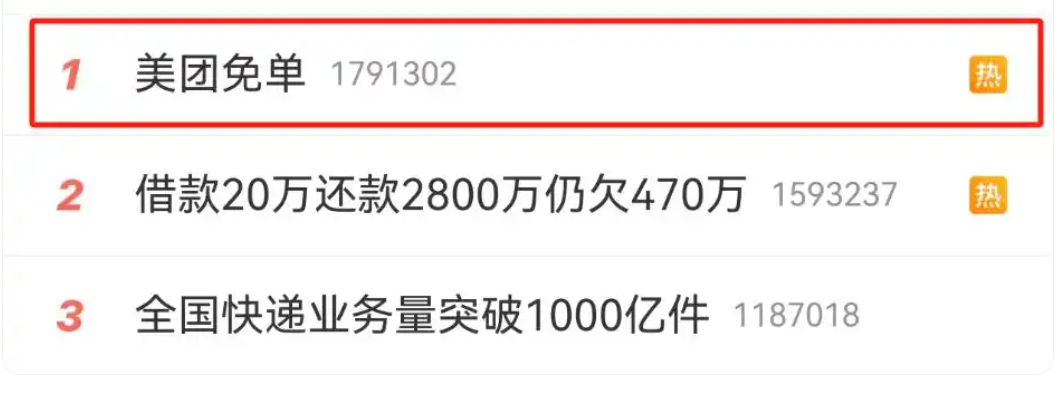
美团免单冲上热搜榜首!外卖补贴“大战”又升级
Zheng Quan Shi Bao Wang· 2025-07-10 23:54
Group 1 - The topic of "Meituan Free Order" has surged to the top of trending searches, indicating an escalation in the subsidy competition among food delivery platforms [1][3] - Several chain restaurant brands have announced collaborations with Meituan to launch free order promotional activities starting July 11, requiring users to log in to Meituan to access these benefits [3] - The ongoing subsidy competition among major platforms is stimulating consumer enthusiasm and expanding instant retail business, but raises concerns about long-term sustainability and profitability for some merchants [3] Group 2 - Meituan and Taobao Flash Sale issued significant discount coupons over the weekend of July 5-6, leading to a surge in order volume, with Meituan reporting over 1.2 billion orders on July 5 [4] - Taobao Flash Sale and Ele.me announced a combined daily order count exceeding 80 million, with over 2 billion active users on Taobao Flash Sale [4] - The first week of the 500 billion subsidy program saw a significant increase in business for many restaurant brands, with 95% of peak performances coming from regional chain brands [4] Group 3 - JD.com has launched its "Double Hundred Plan," committing over 10 billion yuan to support brands achieving significant sales milestones, while also implementing a 10 billion yuan consumer subsidy [5] - JD.com’s daily order volume has surpassed 25 million, capturing over 31% of the national food delivery market share, and approximately 45% in the quality delivery segment [5] - The overall daily order volume in China's food delivery market is estimated to be between 80 million and 90 million [5]
1919直供升级变革 酒类即时零售竞争加剧
Zhong Guo Jing Ying Bao· 2025-07-10 14:46
Core Insights - The era of relying on price differences from famous liquor brands is over, and the trend of low-margin, high-volume sales will dominate the retail channels in the future [1] - The penetration rate of instant retail in the liquor market is currently about 1%, with a market size of nearly 20 billion yuan, expected to reach 6% penetration and over 100 billion yuan by 2027 [1] - The future competitive landscape in instant retail will focus on enhancing supply chain efficiency, deep integration between liquor companies and platforms, and localized market services [1][4] Company Developments - 1919 Group is undergoing significant changes, including the potential elimination of 1,500 franchise stores by the end of the year to ensure the quality of franchisees and consumer experience [2] - The company is transitioning from a traditional B2C/O2O model to an F2B2C model, shifting its profit model from "price differences on famous liquor" to "strategic branding" [2] - 1919 has launched a new business format called "1919 Liquor Life Hall," which combines various sales strategies to enhance customer experience and operational efficiency [1][2] Market Trends - Instant retail is entering a period of rapid growth, with projections indicating that the market size for instant retail will reach approximately 780 billion yuan in 2024, growing over 20% year-on-year [3] - The instant retail penetration rate in Sichuan is expected to reach 10%, significantly higher than the average of about 3% in other provinces [3] - The mixed business model is becoming mainstream in the liquor retail industry, with instant retail accounting for 12% of the market share [3] Consumer Behavior - The growth of instant retail in liquor is driven by the demand for "immediate consumption" among younger consumers, who prefer convenience and quick access to products [4][5] - Nighttime orders account for over 35% of liquor sales in instant retail, indicating a shift in consumer behavior towards spontaneous purchases during non-business hours [5] - New consumption scenarios, such as camping and gifting during holidays, are expanding the market for instant retail in liquor [5]
暑期催热运动用品“即需即买”,美团闪购:多类运动户外用品销量大增
Feng Huang Wang· 2025-07-10 14:25
Group 1 - The core viewpoint highlights the surge in demand for outdoor sports equipment and apparel during the summer, with instant retail becoming the mainstream choice for consumers [1][2] - Instant retail has seen significant growth, with sales of running shoes, sports T-shirts, and basketball shoes increasing over 200% year-on-year since June, while swimming and cycling products have also seen over 100% growth [1][2] - Major brands like Decathlon have experienced substantial sales increases, with swimming gear sales doubling and sun protection clothing sales increasing by 30 times during promotional events [1][3] Group 2 - The convenience of instant retail has been particularly beneficial during holiday seasons, with children's and father's day sales seeing a 70% increase in product quantity and nearly 60% increase in transaction value for sports apparel [2] - Recent sporting events have further fueled consumer enthusiasm for sports, with significant sales growth in related products, such as a 120% increase in ball-related goods and a doubling of swimming gear sales in Jiangsu province [2] - Decathlon has partnered with Meituan to launch seasonal activities and services, resulting in nearly 200% year-on-year growth in overall sales during promotional periods [3][4] Group 3 - The trend of purchasing larger items through instant retail is on the rise, with Decathlon's children's bicycles seeing a tenfold increase in sales during the first month of availability on Meituan [4] - Meituan's instant delivery services for larger sports equipment ensure safe and timely delivery, making it easier for consumers to purchase these items [4] - The collaboration between major sports retailers and Meituan is expected to continue driving growth, with Decathlon projected to achieve record order volumes in 2024 and further doubling sales by 2025 [4]