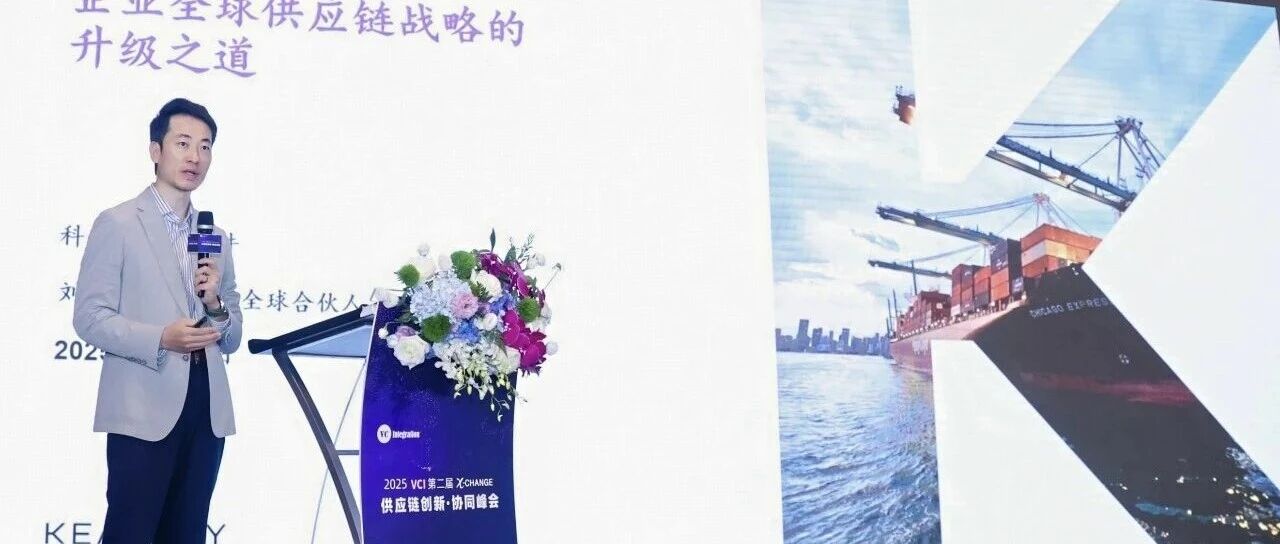
智能化

Search documents
中国低速电动“小”车海外开启顺风局
Zhong Guo Qi Che Bao Wang· 2025-09-26 01:36
Core Insights - The low-speed electric vehicle market is experiencing significant growth in regions such as Southeast Asia, Africa, the Middle East, and Europe, with companies like Reading Auto Group planning to establish manufacturing plants in Pakistan [2][4] - The global low-speed electric vehicle market is projected to exceed $8.78 billion in sales by 2024, with a 23.65% year-on-year increase in China's new energy vehicle exports in Q1 2025, where low-speed electric vehicles contributed over 40% of the growth [2][4] Market Demand and Consumer Preferences - In developing countries, urban residents, individual entrepreneurs, and commuters are becoming the main consumers of low-speed electric vehicles due to their affordability and suitability for local travel needs [4][5] - Low-speed electric vehicles are favored for their compact size, making them ideal for navigating congested urban areas and providing convenient parking options [4][5] - The vehicles are equipped with features such as air conditioning and can carry up to 500 kg, making them practical for families and small businesses [3][4] Regional Market Dynamics - Southeast Asia, Africa, and even some developed countries like Germany and the UK show strong demand for low-speed electric vehicles, driven by factors such as environmental concerns and practicality [5][6] - In Europe, low-speed electric vehicles are gaining popularity among both young and elderly consumers, with specific designs catering to the needs of older adults [5][6] Policy Support and Regulatory Environment - The success of low-speed electric vehicles in international markets is supported by favorable policies, such as the EU's lenient regulations and tax incentives in countries like Thailand and Vietnam [7][9] - The EU has defined low-speed vehicles as "light four-wheel vehicles" and has established a supportive market environment, including dedicated lanes and purchase subsidies [8][9] Technological Advancements and Product Features - Chinese manufacturers are enhancing the performance and features of low-speed electric vehicles, including the integration of advanced safety systems and various battery types to meet local regulations [10][12] - Export models are equipped with features like L2-level driver assistance, air conditioning, and safety airbags, which are becoming standard [10][11] Competitive Landscape and Future Trends - The competition in the low-speed electric vehicle market is intensifying, with companies focusing on product quality, design, and compliance with local regulations to capture market share [13][14] - Chinese manufacturers are transitioning from merely selling products to building ecosystems, including local manufacturing and partnerships with local distributors [15][16] - The emphasis on technology, such as electric and intelligent features, is becoming a key competitive factor in the global market [16]


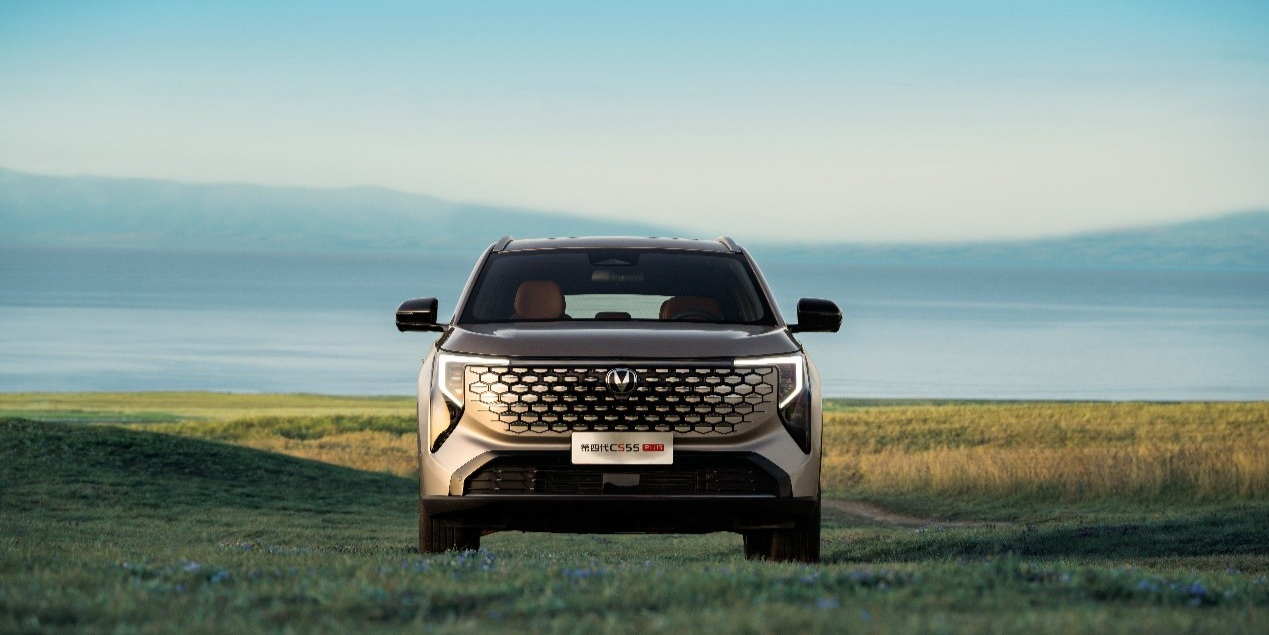
长安第四代CS55PLUS:把高快领航打入10万元以内
Jing Ji Guan Cha Wang· 2025-09-26 01:29
Core Insights - Changan Automobile is accelerating the intelligent upgrade of its fuel vehicle product line, launching the fourth generation CS55PLUS with a starting price of 78,900 yuan, making advanced features accessible below 100,000 yuan [2][3] - The CS55PLUS has sold over 1 million units globally since its debut in 2017, highlighting its significance in Changan's product lineup [2][5] Intelligent Features - The fourth generation CS55PLUS integrates advanced technologies such as AI voice models, a dual-screen setup with 14.6-inch and 10.25-inch displays, and various smart connectivity features, positioning it as the only intelligent SUV under 100,000 yuan capable of integrated driving and parking functions [3] - The vehicle's NCA intelligent driving assistance includes unique features like lane change assistance and adaptive speed control, enhancing its operational capabilities in various driving scenarios [3] Market Positioning - The rapid iteration of the CS55 series, with four generations in eight years, underscores its global positioning and importance within Changan's offerings, showcasing the company's advancements in intelligent cockpit, driving assistance, and safety technologies [5]

威海|威海力促产业发展向高向智向绿
Da Zhong Ri Bao· 2025-09-26 00:45
Core Insights - The article highlights the transformation of industries in Weihai towards high-end, intelligent, and green development, driven by technological innovation and new business models [1][5]. Group 1: Technological Advancements - Shandong Haomai Heavy Equipment Co., Ltd. is constructing a large module for offshore oil and gas facilities, valued over 100 million yuan, weighing 2,500 tons and standing 20 meters tall [2]. - The company has shifted from a decentralized assembly process to a centralized construction method, significantly improving efficiency and reducing space occupation [2]. - Haomai has invested in technological upgrades, enhancing precision in production through new equipment and developing digital management systems for the entire production process [2]. Group 2: Industrial Growth - Weihai has implemented 698 industrial transformation projects with investments over 5 million yuan from January to July, showing a year-on-year increase of 12.7% [3]. - The advanced manufacturing sector in Weihai is rapidly evolving, with high-tech industries accounting for 73% of the industrial output value last year, the highest in the province [5]. - From January to August this year, the industrial added value in Weihai grew by 7.7%, and the profit margin for industrial enterprises ranked first in the province for the first seven months [5]. Group 3: New Business Models - The Pinzun Intelligent Manufacturing Industrial Park in Wengdong District is customizing production spaces based on client needs, with a focus on green and low-carbon enterprises [4]. - The industrial park follows a "first attract investment, then build" model, ensuring that facilities meet specific requirements for power and water usage [4]. - Over 90% of the enterprises in the industrial park utilize automated and intelligent production methods, with full delivery expected by October [4].
共同续写“安徽制造”的精彩故事 ——二〇二五世界制造业大会侧记
Ren Min Ri Bao· 2025-09-25 21:49
Core Insights - The 2025 World Manufacturing Conference was held in Hefei, Anhui from September 20 to 23, showcasing the province's transformation from a traditional agricultural base to a new industrial powerhouse [1][2] - The conference gathered over 40 countries' officials, entrepreneurs, and scholars to discuss the latest achievements in technology and industry transformation, exploring new trends and opportunities for high-quality development in global manufacturing [1][2] - Slovakia was the guest country at this year's conference, highlighting its industrial similarities with Anhui, particularly in the automotive and machinery sectors [2] Group 1 - The conference emphasized the importance of openness, innovation, and deep cooperation as key success factors for industrial development, as noted by Christian Wulff, honorary chairman of the Global SME Alliance [1] - High-end, intelligent, and green manufacturing are identified as essential pathways for China's manufacturing industry to achieve high-quality development, according to Zhou Ji, an academician of the Chinese Academy of Engineering [2] - The conference had over 50% of attendees as foreign guests, reflecting China's increasing openness to global collaboration [2] Group 2 - Digitalization is transforming the relationship between companies, turning them into innovative partners rather than mere buyers and sellers, as stated by Christoph Ahlhaus, president of the German Federal Association of Small and Medium-Sized Enterprises [3] - Chery Group's chairman, Yin Tongyue, shared insights on the importance of localization for successful international expansion, emphasizing sustainable development and deep collaboration with local enterprises [3] - The conference highlighted not only technological empowerment and industrial connectivity but also Anhui's commitment to promoting cooperation and driving future innovation through openness [3]
天岳先进:长晶炉已实现国产化
Ju Chao Zi Xun· 2025-09-25 16:38
Group 1 - The company Tianyue Advanced (688234.SH) has achieved the localization of its main production equipment, the crystal growth furnace, with the design of the thermal field, control software, and assembly being completed independently by the company, marking it as a core technology [1] - The company emphasizes the intelligent and automated construction of its production facilities, exemplified by its Shanghai production base, which was designed as a smart factory equipped with high-performance intelligent devices and continuously optimized through AI and digital technologies [3] - The company utilizes information systems for real-time analysis, monitoring, and early warning of production quality, achieving comprehensive informatization in process control, information collection, and operational aspects [3] Group 2 - The company has deployed robotic systems and intelligent device units to automate the operation control and management of the main production equipment, the crystal growth furnace, laying a foundation for increasing capacity, reducing costs, and ensuring product quality [3]

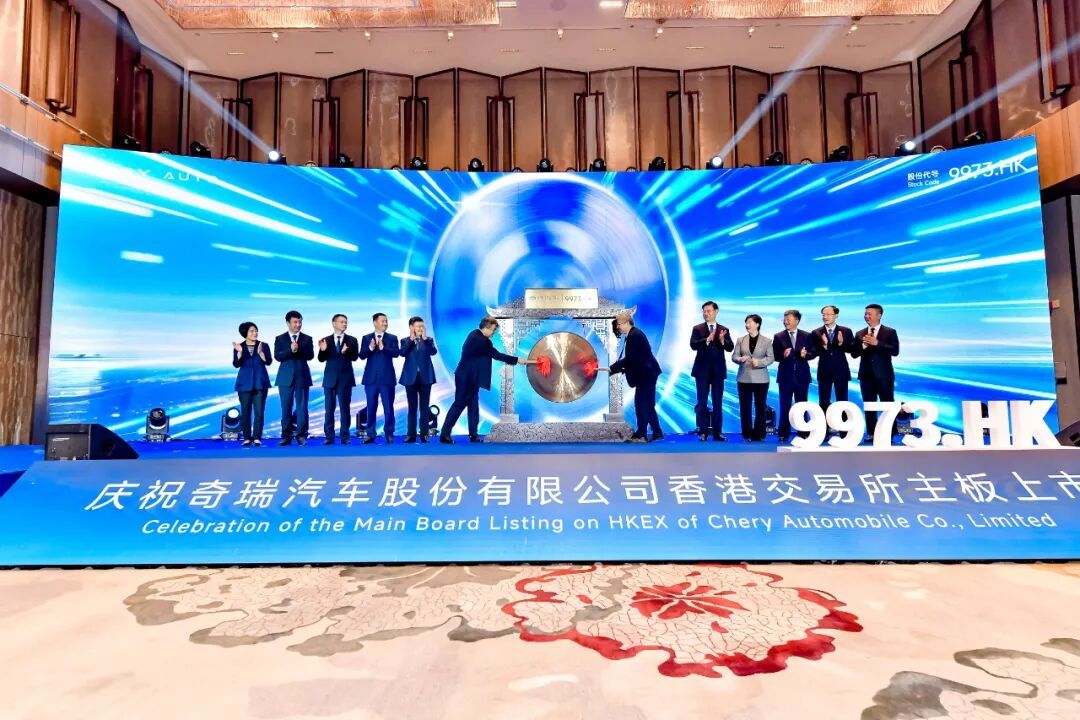
评论丨21年数度“折戟”,奇瑞为何此时敲开港交所大门?
Mei Ri Jing Ji Xin Wen· 2025-09-25 13:02
Core Viewpoint - Chery Automobile successfully completed its IPO on the Hong Kong Stock Exchange, raising approximately HKD 9.145 billion, marking the largest IPO for a car company in the Hong Kong market in 2025, with an initial price increase of over 13% on the first day [1][6] Group 1: IPO Journey - Chery's IPO journey began in 2004 but faced multiple setbacks, including complex equity relationships with SAIC Motor Corporation that delayed its plans [3][4] - In 2009, Chery sold 20% of its shares for CNY 2.9 billion, signaling a potential preparation for an IPO, but the plan was postponed in 2011 due to "related party transaction issues" [4] - Attempts to list Chery New Energy through a backdoor listing in 2016 failed due to the complexity of the proposal and unclear policies regarding new energy vehicles [4][5] Group 2: Recent Developments - The successful IPO in 2025 was facilitated by Chery's improved financial performance, with revenues exceeding CNY 269.9 billion and net profits reaching CNY 14.3 billion in 2024 [6] - Chery restructured its equity and organizational framework, introducing diverse investors and establishing a domestic business unit to enhance strategic focus and resource integration [6][7] - The company launched the "Yaoguang 2025" strategy to strengthen its position in the new energy sector and partnered with Huawei to enhance its smart vehicle offerings [6][7] Group 3: Market Reception and Future Challenges - The IPO attracted 13 cornerstone investors who collectively subscribed for USD 587 million, indicating strong market confidence in Chery's dual strategy of technology and international expansion [7] - Despite the successful listing, challenges remain, including the fact that new energy revenue accounts for less than 30% of total income and reliance on external partnerships for smart technology [7][8] - The company plans to allocate 35% of the raised funds for developing various passenger vehicles, 25% for next-generation automotive technologies, and 20% for global expansion, aiming to leverage capital for a "smart breakthrough" and "global upgrade" [7][8]
上海电气多维展现硬核实力,赋能新型工业化
Zhong Guo Xin Wen Wang· 2025-09-25 10:59
Group 1 - The 25th China International Industry Fair (CIIF) opened, attracting nearly 3,000 companies from 28 countries and regions, showcasing around 300 global debuts and nearly 200 Chinese premieres [1] - The theme of this year's CIIF is "Industrial New Quality, Boundless Intelligent Manufacturing," focusing on high-end, intelligent, and green transformation in manufacturing [3][4] - Shanghai Electric presented its latest technological achievements and solutions in new power systems and integrated high-end equipment, emphasizing its comprehensive industrial ecosystem [3][4] Group 2 - The green low-carbon development in the industrial sector is a significant trend, with Shanghai Electric actively engaging in hydrogen, ammonia, and methanol energy fields, providing a full-chain solution from green electricity to methanol synthesis [6][7] - The Taonan project by Shanghai Electric is the first in China to achieve large-scale commercial operation of green methanol, integrating core technologies and receiving EU ISCC certification [6][7] - Shanghai Electric's green fuel business includes plans for hydrogen production, green methanol, green ammonia, and sustainable aviation fuel (SAF), indicating a broad application prospect [7] Group 3 - The new technological revolution, driven by AI, big data, IoT, and cloud computing, is accelerating the evolution of new industrialization [8] - Shanghai Electric showcased integrated high-end equipment and intelligent manufacturing solutions, targeting large manufacturing, large industry, and large cities [8][9] - The exhibition featured various intelligent robots and high-precision grinding centers, highlighting Shanghai Electric's capabilities in the industrial mother machine sector [9]

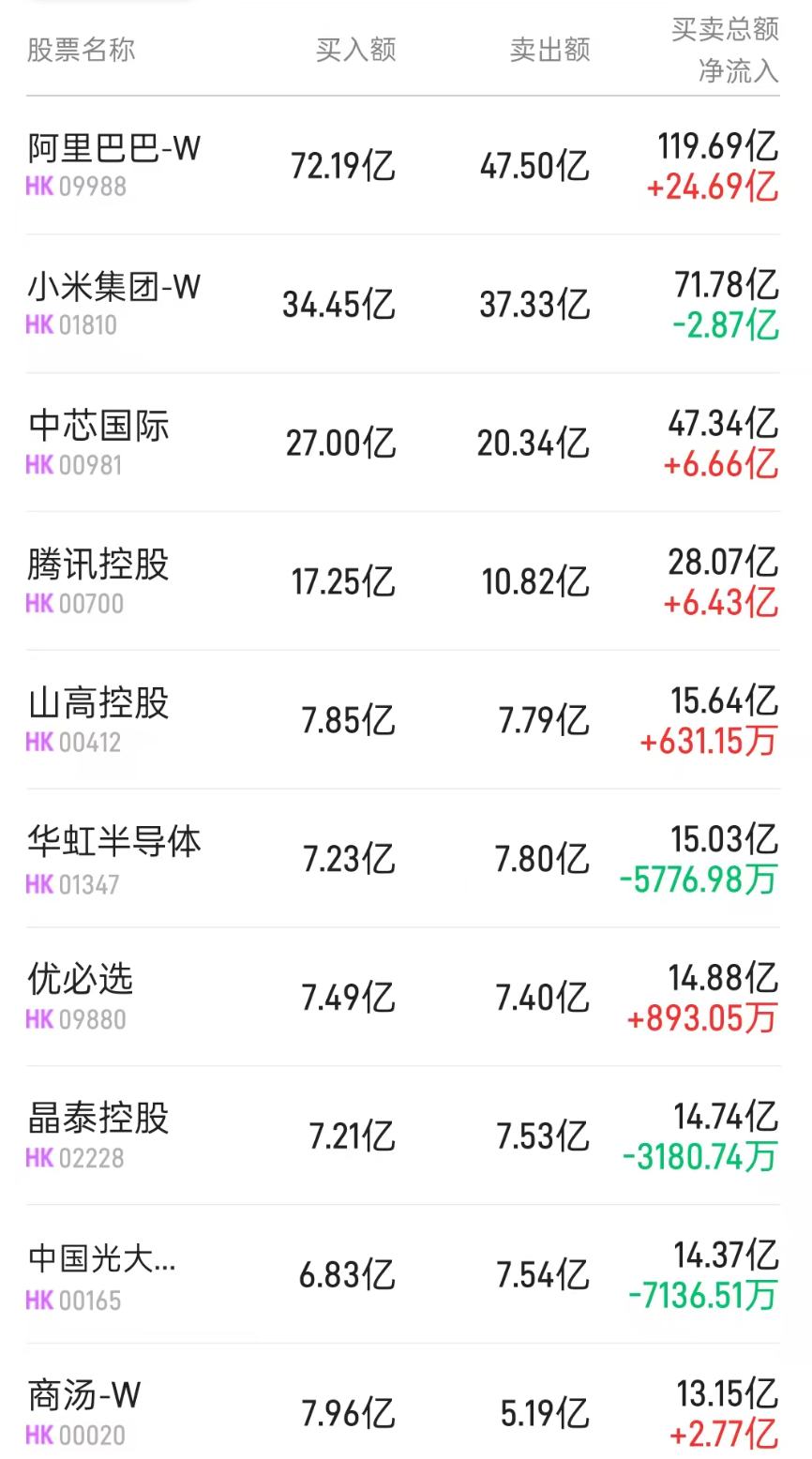
北水动向|北水成交净买入110.46亿 北水热捧AI产业链 继续抢筹阿里超46亿港元
Zhi Tong Cai Jing· 2025-09-25 10:07
智通财经APP获悉,9月25日港股市场,北水成交净买入110.46亿港元,其中港股通(沪)成交净买入48.3亿港元,港股通(深) 成交净买入62.16亿港元。 北水净买入最多的个股是阿里巴巴-W(09988)、腾讯(00700)、中芯国际(00981)。北水净买入最多的个股是小米集团- W(01810)、中国光大控股(00165)。 | 股票名称 | 买入额 | 卖出额 | 买卖总额 | | --- | --- | --- | --- | | | | | 净流入 | | 阿里巴巴-W | 72.19 乙 | 47.50 亿 | 119.69亿 | | HK 09988 | | | +24.691Z+ | | 小米集团-W | 34.45 乙 | 37.33 乙 | 71.78亿 | | HK 01810 | | | -2.87 Z- | | 中芯国际 | 27.00亿 | 20.34 Z | 47.34亿 | | HK 00981 | | | +6.6616 | | 腾讯控股 | 17.25 亿 | 10.82 乙 | 28.07亿 | | HK 00700 | | | +6.43 Z | | 山高控股 | ...



天岳先进:公司主要生产设备长晶炉已实现国产化
Mei Ri Jing Ji Xin Wen· 2025-09-25 09:45
Core Viewpoint - The company has achieved domestic production of its 12-inch crystal growth furnace, emphasizing its core technology and ongoing R&D efforts [1] Group 1: Production and Technology - The company has fully localized the production of its crystal growth furnace, including the design of the thermal field, control software, and assembly [1] - Continuous R&D is a key focus for the company, highlighting its commitment to innovation in core technologies [1] Group 2: Smart Manufacturing - The Shanghai production base is designed as a smart factory, equipped with high-performance and intelligent equipment [1] - The company utilizes AI and digital technologies to continuously optimize production processes, including real-time quality analysis, monitoring, and early warning systems [1] - Automation in the operation and management of the crystal growth furnace is achieved through the deployment of robotic systems and intelligent device units [1]
科尔尼《全球供应链战略报告》重磅发布 (上):洞察全球供应链的十大趋势与挑战
科尔尼管理咨询· 2025-09-25 09:41
Core Insights - The article discusses the transformation of global supply chains from a focus on efficiency and cost to resilience, efficiency optimization, and sustainable development due to geopolitical tensions, technological advancements, and climate crises [3][31]. Group 1: Key Issues in Global Supply Chains - Four core issues are identified in the current global supply chain landscape: structural issues, risk control issues, efficiency issues, and sustainability issues [4][5]. - Structural issues are driven by geopolitical tensions leading to a shift from globalization to regionalization, increasing trade costs and necessitating fundamental adjustments in supply chain layouts [5][10]. - Risk control issues highlight the normalization of vulnerabilities and disruptions, with a significant increase in supply chain interruption events, leading to substantial revenue losses for companies [6][10]. - Efficiency issues arise from rising operational costs and declining collaboration efficiency within supply chains, exacerbated by regionalization and fragmentation [7][10]. - Sustainability issues are characterized by increased pressure for green transformation and compliance costs, as regulations evolve into market entry barriers [8][10]. Group 2: Trends and Challenges - The article outlines ten trends and challenges that are reshaping supply chain dynamics and competitive rules globally [9][10]. - Trend 1 emphasizes the shift towards regionalization and shorter supply chains, with global trade growth entering a plateau phase [10][13]. - Trend 2 discusses the restructuring of value chains within economic regions, with different countries assuming new roles in the value chain [16][18]. - Trend 3 highlights the imbalance in labor and capacity layouts, leading to labor shortages and mismatched production capabilities in emerging markets [18][19]. - Trend 4 focuses on the structural upgrade of Chinese enterprises going abroad, transitioning from traditional exports to more complex models [19][21]. - Trend 5 addresses the increasing uncertainty in global economic policies, which has become a new norm for supply chains [21][23]. - Trend 6 outlines the compounded risks facing global supply chains, including trade policy impacts and labor shortages, leading to systemic disruptions [23][25]. - Trend 7 discusses the dual-edged effects of digitalization and automation technologies on supply chains, enhancing efficiency while introducing new risks [25][26]. - Trend 8 presents the rise of flexible supply chains to adapt to rapid market changes and mitigate risks [26][27]. - Trend 9 highlights the pressures of green transformation and compliance costs as ESG standards become stringent market requirements [27][28]. - Trend 10 points out the differentiation and complexity of ESG standards across regions, creating compliance barriers for businesses [28][30]. Conclusion - The article concludes that the global supply chain is undergoing a critical transformation, necessitating a strategic upgrade for companies to navigate the intertwined challenges and trends effectively [31][32].