
共同富裕

Search documents
民政部、金监总局出手 慈善信托“阳光化”升级
2 1 Shi Ji Jing Ji Bao Dao· 2026-01-15 13:34
Core Viewpoint - The introduction of the "Charity Trust Information Disclosure Measures" by the Ministry of Civil Affairs and the National Financial Regulatory Administration aims to enhance the transparency and operational efficiency of charity trusts in China, thereby promoting the development of the charity sector and supporting common prosperity [1][3][4]. Group 1: Importance of the Measures - Charity trusts are a crucial part of China's charity sector, playing a significant role in expanding the scale of charity and enhancing public participation [1]. - The new measures are expected to boost the confidence of trustors in charity trusts and increase social credibility, which will further leverage the institutional advantages of charity trusts [1][4]. - The measures are seen as a vital institutional supply for the high-quality development of charity in the new era [1][3]. Group 2: Key Provisions of the Measures - The measures consist of 26 articles that clarify the subjects and channels for information disclosure, detail the content of information to be disclosed, and strengthen the supervision of information disclosure [3][4]. - The measures enhance the operability and transparency of charity trust information disclosure, addressing the long-standing issue of the "black box" in the industry [4][6]. - The primary trustee is designated as the first responsible party for information disclosure, which resolves previous ambiguities regarding disclosure responsibilities among multiple trustees [6][7]. Group 3: Impact on Charity Resources - The measures provide an "important key" to unlock more charity resources by aligning the charitable intentions of donors with public service needs [5]. - By ensuring precise management and traceability of charity trust funds, the measures are expected to convert more social wealth into public resources, contributing to common prosperity [5]. Group 4: Regulatory Framework - The measures establish a unified standard for information disclosure among trust companies, promoting healthy competition and preventing the phenomenon of "bad money driving out good" [7]. - The measures require timely disclosure of information within 20 working days, ensuring that the public can access comprehensive and timely information about charity trust operations [8][9]. - The measures encourage public and media involvement in reporting violations of information disclosure, creating a multi-faceted supervision system [9]. Group 5: Future Implications - The measures are anticipated to pave the way for the practical implementation of tax incentives for charity trusts, addressing the challenges in verifying the public welfare attributes and flow of funds [9][10]. - The establishment of a standardized and traceable data disclosure system will facilitate regulatory oversight, potentially unlocking tax benefits that have been long awaited in the charity trust sector [9][10]. - There are suggestions for further policies to promote the development of charity trusts, including a national property registration system and the implementation of tax incentives [10].


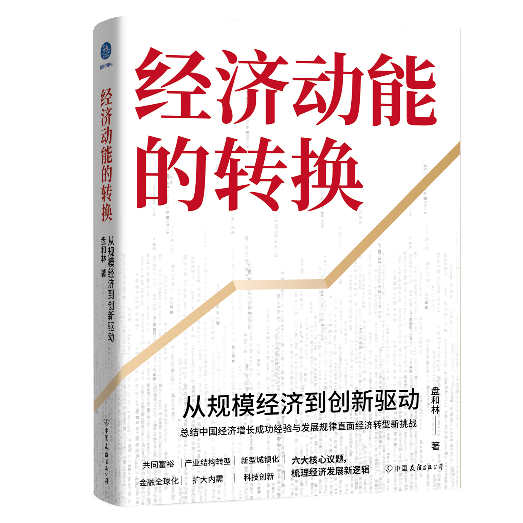
解码中国经济转型的底层逻辑《经济动能的转换:从规模经济到创新驱动》| 商业高研院
Xin Lang Cai Jing· 2026-01-15 13:17
Core Viewpoint - The book "Economic Dynamics Transformation: From Scale Economy to Innovation-Driven" by Professor Pan Helin provides a comprehensive analysis of China's economic evolution over 47 years, utilizing a three-dimensional framework of "Old Logic - New Challenges - New Logic" to dissect the transition from a weak economy to a global powerhouse [2][6]. Group 1: Old Economic Logic - The first part of the book reviews the old logic of China's economic growth, identifying six interrelated factors: distribution system reform, scale economy, land finance, financial leverage, globalization, and the internet economy, which collectively fueled rapid growth over the past four decades [2][3]. Group 2: New Challenges - The middle section highlights the deep-seated contradictions that have emerged alongside the growth miracle, such as the imbalance in the distribution system, urbanization bottlenecks, and external pressures from de-globalization and intensified technological competition, which pose significant challenges to economic transformation [2][3][4]. Group 3: New Economic Logic - The final part introduces six new logics for future economic development, emphasizing that the transformation of economic dynamics is not a complete rejection of the old logic but an iterative upgrade based on historical lessons. Key proposals include optimizing the redistribution system to address wealth disparity and enhancing labor compensation through industrial upgrades and vocational education [3][4]. Group 4: Practical Solutions - The book suggests practical solutions to structural contradictions, such as establishing labor-capital negotiation mechanisms through industry associations to combat irrational competition and promoting a "city cluster + unified market" approach for urbanization [4][5]. Group 5: Financial Globalization and Innovation - It advocates for a shift in China's financial sector from a focus on "monetization and capitalization" to "global capital competition," enhancing the influence of the RMB in global distribution systems. Additionally, it emphasizes the importance of a dual mechanism of market-driven incentives and government guidance to foster innovation [4][5]. Group 6: Overall Significance - The book is noted for its clear logical structure and rigorous economic analysis, making it a valuable resource for understanding China's economic transformation. It balances historical depth with practical relevance, providing insights for policymakers, entrepreneurs, and investors [5][6][7].
绿色消费积分:撬动消费活力 助力共同富裕的制度创新
Yang Shi Wang· 2026-01-15 10:16
Core Viewpoint - The transformation of the consumption points system is crucial in the context of promoting common prosperity and stimulating domestic demand, evolving from simple marketing tools to key drivers of consumption vitality and value distribution [1] Group 1: Differences Between Ordinary and Green Consumption Points - Ordinary commercial points are primarily marketing incentives controlled by businesses, while green consumption points are contribution value certificates that allow all participants in the consumption value chain to share benefits based on their contributions [2] - Green consumption points are rooted in the "Two Mountains" concept and are guided by national-level research and top-level policy documents, emphasizing the quantification of consumer behavior and data value [1][2] Group 2: Distribution Logic - Ordinary commercial points provide one-way benefits from businesses to consumers, which may not sustain long-term consumption enthusiasm, whereas green consumption points create a dual-driven distribution system that quantifies consumer participation in the circulation process [2] - The principle of "who contributes data, who enjoys data value" allows consumers to share in the value generated by businesses, creating a closed-loop logic that stimulates consumption [2] Group 3: Governance Model - The governance of green consumption points is based on a multi-party collaborative ecosystem involving government regulation, industry self-discipline, corporate execution, consumer supervision, and third-party custody [3] - The establishment of a dedicated third-party account for value funds ensures risk isolation and stable value redemption, addressing consumer concerns [3] Group 4: Strategic Implications - The fundamental difference between ordinary and green consumption points lies in their adherence to the logic of "value co-creation and benefit sharing," which aligns with macro strategies to promote consumption and common prosperity [3] - As the green consumption points system continues to improve, its role in enhancing livelihoods and empowering development will become increasingly significant, injecting strong momentum into the construction of a new development pattern [3]
2026年中国股市如何“稳稳地幸福”?这场大会给出关键答案
新浪财经· 2026-01-15 09:32
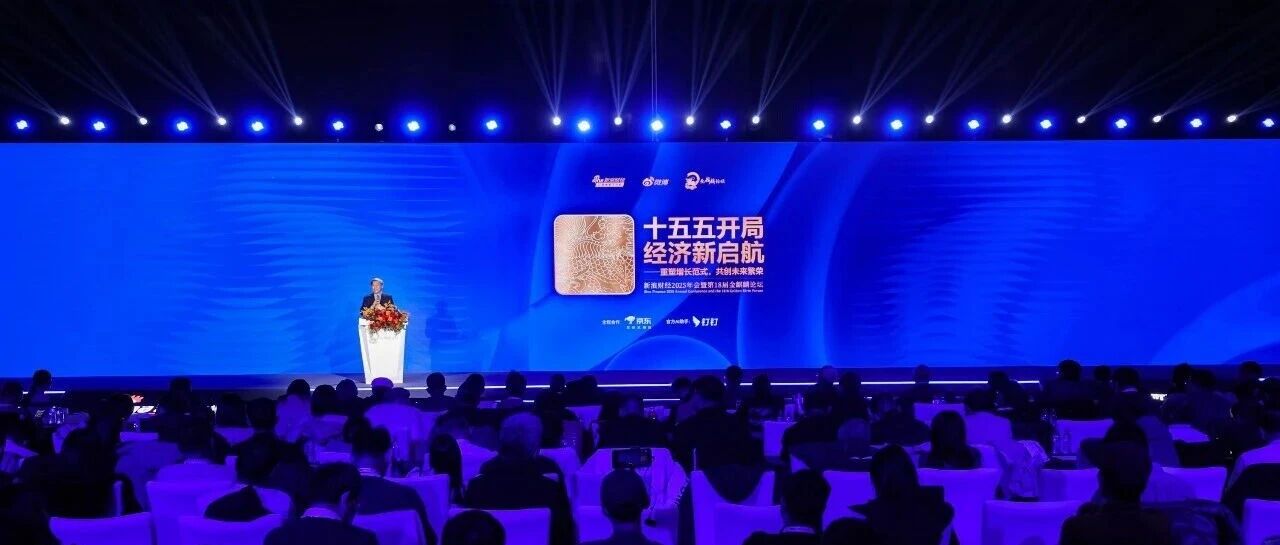
Group 1 - The core theme of the forum is "Fifteen Five Start, Economic New Voyage - Reshaping Growth Paradigms, Co-creating Future Prosperity" [2] - Key speakers include prominent figures such as Sina Finance CEO Deng Qingxu and various economists and researchers discussing the development of the capital market [2][5] - The forum emphasizes the importance of collaboration among government, enterprises, capital markets, and media to activate new growth drivers through technological, institutional, and model innovations [5] Group 2 - Deng Qingxu highlights that 2025 was a year of steady progress for China's economy amidst global challenges, showcasing resilience and vitality [5] - The "Zhima AI" system developed by Sina Finance is positioned as an essential tool for investors, providing comprehensive monitoring and analysis of financial events [5] - Liu Shijin discusses the need for a balanced import-export strategy to sustain domestic consumption and suggests that the appreciation of the RMB will have long-term benefits for productivity and competitive advantage [9][7] Group 3 - Liu Shangxi emphasizes that addressing the issues faced by farmers is crucial for achieving common prosperity in China, highlighting the need for reforms to improve their social status and opportunities [12][15] - Li Daokui expresses optimism about the stock market, suggesting that the transition to a modern development-oriented government is essential for high-quality economic growth [16][18] - Li Ling discusses the importance of a health-centered development paradigm, advocating for a new health industry that could surpass the real estate sector in scale [20][22] Group 4 - Wu Xiaoqiu predicts a positive growth trend for China's capital market in 2026, attributing recent market improvements to systematic reforms and increased transparency [23][25] - He advises investors to view market downturns as opportunities for entry, emphasizing the importance of long-term trends over short-term volatility [26] - He also notes that the current influx of funds into the market must be balanced with the quality and performance of listed companies to ensure sustainable growth [30] Group 5 - He Qiang highlights the successful efforts of the China Securities Regulatory Commission in attracting long-term funds to the market, which has contributed to recent market rallies [28][29] - Liu Shuwei attributes the stock market's rise to economic cycles and improved business environments due to anti-corruption measures [31][34] - Xia Chun predicts that Hong Kong may become the second-largest international financial center, driven by the gradual appreciation of the RMB and the awakening of global investors to China's industrial achievements [36][38] Group 6 - Shen Junfeng discusses the transformation of household asset allocation, noting a shift from savings to stock investments as real estate's dominance wanes [40] - He emphasizes the importance of ETFs in long-term asset management and encourages investors to adopt a rational approach to market participation [40]
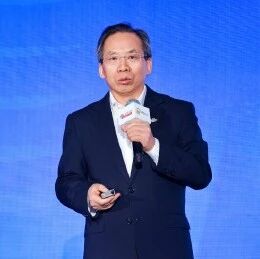
刘尚希:AI“抢饭碗”或成现实?社会必须为每个人的基本生活“兜底”!
新浪财经· 2026-01-15 09:32
Core Viewpoint - The article emphasizes the concept of "common prosperity" as a new development paradigm for China, highlighting the need for a shift from material wealth distribution to human development and capability enhancement [3][4][6]. Group 1: Common Prosperity as a New Paradigm - Common prosperity is framed as a theoretical challenge that requires a transformation in development paradigms, focusing on human capabilities rather than just material wealth [3][6]. - The article argues that reducing income disparity is essential for expanding domestic demand, linking it to the enhancement of individual capabilities and opportunities [3][4]. Group 2: Human-Centric Development - The central government has shifted its focus towards investing in people alongside material investments, reflecting a deeper understanding of development that prioritizes human needs [4][6]. - The article stresses that addressing disparities in knowledge, skills, and opportunities is crucial for achieving common prosperity, as these disparities are often systemic and not merely individual [3][6]. Group 3: Efficiency and Fairness - The relationship between efficiency and fairness is re-evaluated, proposing a "fusion theory" that suggests enhancing human capabilities can simultaneously improve efficiency and promote fairness [7][8]. - The article highlights the importance of setting fair expectations for distribution, emphasizing that perceived opportunities for wealth distribution are as significant as actual outcomes [8][9]. Group 4: Ensuring Basic Fairness - To ensure basic fairness, the article identifies four essential areas: nutrition, education, health, and housing, which need to be addressed to prevent widening disparities [9][10]. - It argues that while acknowledging existing disparities, the focus should be on encouraging innovation and rewarding creative contributions rather than merely labor [9][10]. Group 5: Challenges in Achieving Common Prosperity - The article outlines three major challenges in addressing the farmer issue, which is pivotal for achieving common prosperity: the dual market economy, social identity barriers, and the dual ownership system [10][11]. - It emphasizes the need for a paradigm shift from wealth accumulation to knowledge accumulation, advocating for a combination of investments in both material and human capital [11][12].
中央经济工作会议在北京举行 习近平李克强作重要讲话
Xin Hua She· 2026-01-15 09:07
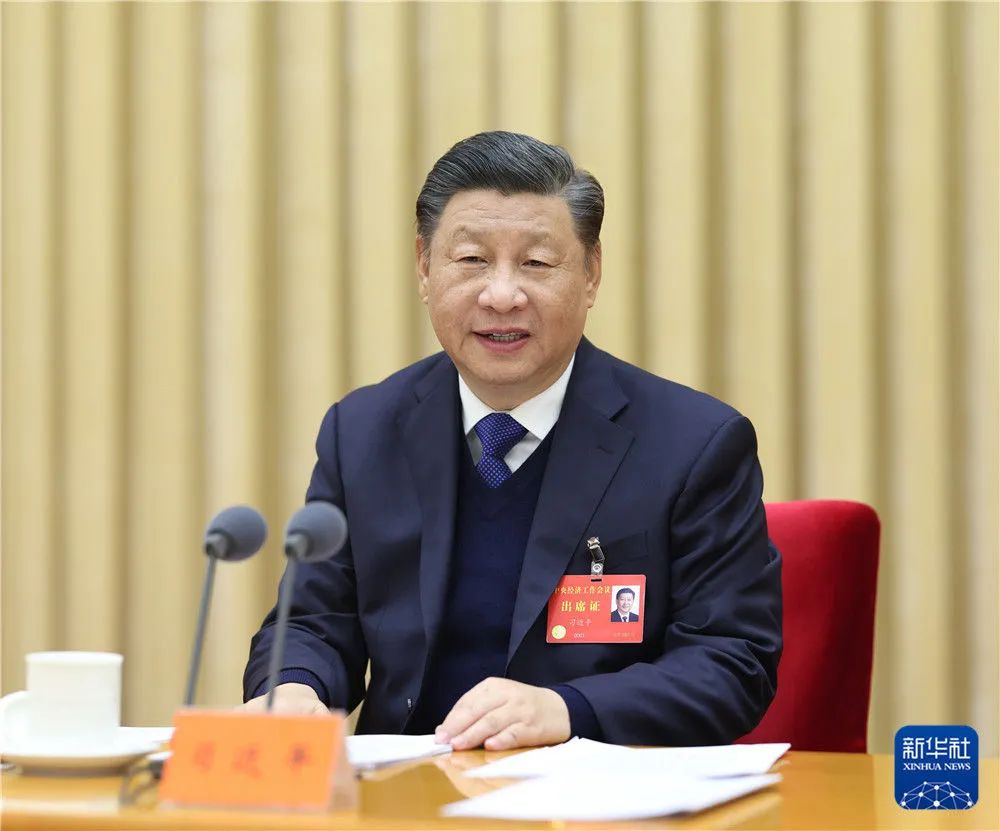
原标题:中央经济工作会议在北京举行 习近平李克强作重要讲话 栗战书汪洋王沪宁赵乐际韩正出席会议 12月8日至10日,中央经济工作会议在北京举行。中共中央总书记、国家主席、中央军委主席习近平出席会议并发表重要讲话。新华社记者 王 晔 摄 会议认为,今年是党和国家历史上具有里程碑意义的一年。我们隆重庆祝中国共产党成立一百周年,实现第一个百年奋斗目标,开启向第二个 百年奋斗目标进军新征程,沉着应对百年变局和世纪疫情,构建新发展格局迈出新步伐,高质量发展取得新成效,实现了"十四五"良好开局。 我国经济发展和疫情防控保持全球领先地位,国家战略科技力量加快壮大,产业链韧性得到提升,改革开放向纵深推进,民生保障有力有效, 生态文明建设持续推进。这些成绩的取得,是以习近平同志为核心的党中央坚强领导的结果,是全党全国各族人民勠力同心、艰苦奋斗的结 果。 会议指出,在充分肯定成绩的同时,必须看到我国经济发展面临需求收缩、供给冲击、预期转弱三重压力。世纪疫情冲击下,百年变局加速演 进,外部环境更趋复杂严峻和不确定。我们既要正视困难,又要坚定信心。我国经济韧性强,长期向好的基本面不会改变。无论国际风云如何 变幻,我们都要坚定不移做好 ...
2026年中国股市如何“稳稳地幸福”?这场大会给出关键答案
Xin Lang Cai Jing· 2026-01-15 08:23
Group 1: Forum Overview - The "Sina Finance 2025 Annual Conference and the 18th Golden Unicorn Forum" will be held on January 15, 2026, in Beijing, focusing on the theme "Starting the 15th Five-Year Plan, New Economic Voyage - Reshaping Growth Paradigms, Co-creating Future Prosperity" [1][35] - Key speakers include Sina Finance CEO Deng Qingxu, Liu Shijin, Liu Shangxi, Li Daokui, and Li Ling, who will present their insights during the main forum [1][35] Group 2: Economic Insights - Deng Qingxu emphasized the need to reshape growth paradigms through technological, institutional, and model innovations to activate new development momentum [4][39] - Liu Shijin highlighted that China's strong export performance amidst a challenging international environment reflects improvements in technological and industrial competitiveness [5][42] - Liu Shijin also suggested implementing a balanced trade strategy to enhance imports and promote the use of the RMB in international settlements [5][42] Group 3: Consumer and Market Dynamics - Liu Shijin pointed out that China's consumption as a percentage of GDP is approximately 20 percentage points lower than the global average, indicating a structural gap that needs to be addressed for China to become a major consumer market [8][43] - Liu Shangxi discussed the importance of addressing rural issues as a key to achieving common prosperity, emphasizing the need for a paradigm shift in development [9][44] Group 4: Capital Market Perspectives - Wu Xiaoqiu expressed optimism about the future growth of China's capital market, attributing recent positive developments to systematic reforms across various sectors [18][55] - He noted that the capital market's growth is driven by both reform logic and industrial structure transformation logic, making its future promising [18][55] - He also mentioned that the market's performance in 2026 is expected to be strong, with short-term fluctuations presenting good entry opportunities for investors [18][55] Group 5: Health Industry Insights - Li Ling discussed the significant potential of the new health industry, which could surpass the real estate sector in scale, emphasizing the need for a shift from a disease-centered to a health-centered approach in healthcare [15][50] - She highlighted the importance of preventive measures and the integration of various health-related sectors to form a comprehensive health industry [15][50] Group 6: Investment Strategies - Summer proposed constructing two "wealth pyramids" for asset allocation, focusing on a balanced approach between low-risk and high-risk assets [28][66] - He also predicted that Hong Kong could potentially replace London as the second-largest international financial center within the next five to ten years [28][63]
从散到聚 从静到活 从富到暖——东营探路共富乡村的三重变奏
Da Zhong Ri Bao· 2026-01-15 03:37
Core Insights - The article highlights the ongoing efforts in Dongying to achieve "common prosperity" through innovative organizational structures and community collaboration [1][11] - The focus is on transforming the economic landscape of rural areas by leveraging local resources, enhancing productivity, and improving living standards [8][10] Group 1: Organizational Innovation - The establishment of "joint construction" companies has allowed multiple villages to collaborate, leading to cost savings and increased production value, exemplified by the "Juxian Aquatic Products" company [2][3] - Dongying has created 188 joint construction areas covering 985 administrative villages, fostering a cooperative environment that enhances economic resilience [3] - The shift from individual village management to collaborative regional planning has resulted in significant economic benefits, such as increased income from joint projects [3][4] Group 2: Resource Integration - A new rural property trading platform has been established to activate dormant assets, generating over 700 million yuan for local communities through the utilization of idle resources [5] - The integration of urban and rural resources has led to the establishment of partnerships between 347 villages and 325 enterprises, facilitating joint projects that enhance local economies [6][7] - Technological advancements in agriculture, such as IoT applications, have improved production efficiency and expanded market reach for local products [7] Group 3: Economic Impact - The income disparity between urban and rural residents has decreased significantly, with the urban-rural income ratio dropping from 2.39 in 2024 to 2.08 in the first three quarters of 2025 [8] - Employment opportunities have expanded, with over 5,000 individuals finding jobs through local "common prosperity workshops," contributing to direct income increases [8][9] - The implementation of labor remuneration programs has provided substantial financial support to local communities, enhancing overall economic stability [8][10] Group 4: Social Welfare and Community Development - The article emphasizes the importance of social welfare initiatives, such as educational support and healthcare for vulnerable populations, which have been funded through collective economic growth [10] - Community engagement in economic activities has fostered a sense of ownership among residents, transforming them from passive observers to active participants in local development [10][11] - The long-term commitment of local leaders and external support has been crucial in sustaining these development efforts, ensuring that no one is left behind in the pursuit of common prosperity [9][11]
刘尚希最新演讲:在多劳多得基础上要鼓励创新竞争,提倡创新者多得
Xin Lang Cai Jing· 2026-01-15 03:01
Group 1 - The core theme of the forum is "New Growth Paradigm and Shared Prosperity" focusing on the concept of common prosperity as a new development paradigm for China [1][11] - Common prosperity is viewed as a theoretical challenge that requires a shift in development paradigms, emphasizing human development over mere material wealth [3][14] - The discussion highlights the need to reduce income disparities and expand domestic demand, linking these goals to the enhancement of individual capabilities and addressing systemic issues [3][4][14] Group 2 - The concept of common prosperity challenges traditional development paradigms, suggesting that wealth accumulation should be linked to knowledge and capability enhancement rather than just material wealth [5][16] - The relationship between efficiency and equity is explored, proposing a new integration that enhances both aspects through human development [6][17] - The need for a bottom-line fairness approach is emphasized, advocating for a focus on basic needs such as nutrition, education, health, and housing to prevent widening disparities [19][20] Group 3 - The forum addresses the dual structure of the economy, particularly the urban-rural divide, and the need for reforms to bridge this gap [8][20] - The challenges faced by farmers, who constitute a significant portion of the population, are identified as critical to achieving common prosperity [20] - The discussion includes the necessity of transforming the ownership structure from a focus on property rights to one centered on usage rights, particularly in the context of digitalization and economic financialization [20][21]
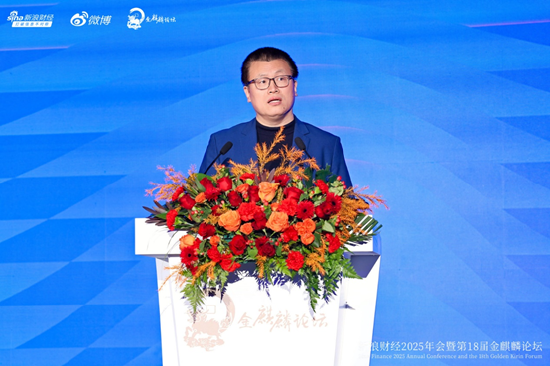
刘尚希:缩小贫富差距应在底线公平上做文章,防止两极分化为创造性破坏兜底
Xin Lang Cai Jing· 2026-01-15 02:44
Core Viewpoint - The forum emphasizes the need for a transformation in development paradigms to achieve common prosperity, which is a fundamental characteristic of Chinese-style modernization, differing from Western modernization [1][3][7]. Group 1: Common Prosperity - Common prosperity is identified as a complex issue in human civilization that requires a shift in development paradigms [3][7]. - Short-term efforts to reduce distribution gaps focus on material aspects, while long-term efforts should address human capabilities, as disparities in income, wealth, and consumption stem from differences in knowledge and skills among groups [3][7]. - The issue of common prosperity is fundamentally a human issue, necessitating a shift in traditional thinking to consider human factors [3][7]. Group 2: Distribution Expectations - The need to reshape distribution expectations is highlighted, focusing on the relationship between outcome fairness and opportunity fairness [4][9]. - It is essential to ensure basic living standards for individuals who may lose jobs due to technological advancements like robotics and artificial intelligence [3][7]. - The agricultural population remains a significant aspect of China's social structure, making the issues faced by farmers crucial for achieving common prosperity [3][7]. Group 3: Transformation of Development Paradigms - Three key points for transforming development paradigms are proposed: 1. Theoretical Logic: Shift from wealth accumulation to knowledge accumulation, integrating investments in both material and human capital for comprehensive development [4][8]. 2. Practical Logic: Empower individuals and foster creativity to build an innovative and socially mobile system [4][9]. 3. Breaking the Urban-Rural Dual Structure: Promote integrated urban-rural development through new urbanization, reshaping social, economic, and regional structures based on effort and contribution [4][9].