
能源转型

Search documents
金银比翼同比飞!美联储降息预期、避险加投资需求引发新一轮贵金属狂潮?
第一财经· 2025-09-23 04:50
2025.09. 23 本文字数:3022,阅读时长大约5分钟 作者 | 第一财经 后歆桐 封面图来源 | 新华社 美联储降息预期、避险需求叠加投资热情,推动金价在今日(23日)亚太交易时段再创3749.27美 元/盎司的历史新高。白银也连续上涨三日,逼近44美元/盎司的逾14年新高。市场正密切关注白银能 否突破1980年1月的历史收盘高点48.70美元/盎司。 金银比翼同飞之际,以大宗商品全球主管马克西米利安·莱顿(Maximilian Layton)为首的花旗策略 师团队预测,"在美联储新鸽派领导层在2026年5~6月上任的前景、美国实际利率下降及美元承压的 推动下,黄金和白银的牛市行情将进一步扩大,并最终在2026年延伸至铜和铝领域。" 美联储上周降息25个基点后,上周五黄金交易所交易基金(ETF)持有量以三年多来最快的速度增 长。美元指数周一下跌0.36%,回吐了上周五全部涨幅,结束三连涨。由于黄金以美元计价,美元的 疲软使得持有其他货币的投资者购买黄金的成本降低,从而扩大了全球范围内的需求。 金价又又又创新高,开启长牛模式 金价今日微涨至3749.27美元/盎司,此前两个交易日连续上涨。 本轮金价上 ...


真打脸!欧盟喊话制裁“俄气”,8个成员国却悄悄给普京送钱!
Sou Hu Cai Jing· 2025-09-23 04:48
沿海国家的情况也不乐观。虽然西班牙、荷兰等国具备接收液化天然气(LNG)的条件,但能源结构的调整绝非易事。就像一辆高速行驶的列车,急刹车必然 导致翻车。目前欧盟对俄气依赖度已从50%降至20%,这个看似漂亮的数字背后,是各国在电网稳定、工业生产和民生保障之间的艰难取舍。 欧洲嘴上喊着要摆脱对俄能源依赖,为何仍有八国在悄悄进口天然气? 表面上看,这似乎是个自打脸面的矛盾现象,但细究之下,却折射出欧洲能源转型的复杂现实。目前,包括比利时、法国、希腊在内的八个欧盟国家,仍在 通过管道接收俄罗斯天然气。这背后究竟隐藏着怎样的无奈? 地理因素首当其冲。像斯洛伐克、匈牙利这样的内陆国家,其天然气供应完全依赖现有的管道网络。特别是土耳其溪管道,已成为俄气输欧的最后一条直通 动脉。一旦切断,这些国家将面临无气可用的窘境——就像突然被拔掉电源的机器,整个能源系统可能瞬间瘫痪。 更耐人寻味的是,欧盟委员会至今无法提供完整的终端用户数据。这意味着我们无从知晓这些俄气最终流向了哪些工厂、哪些家庭。这种数据黑洞,恰恰暴 露出欧洲能源供应链的混乱现状。 欧盟不是没有尝试过强硬手段。今年初关于全面禁运俄气的讨论,就因匈牙利等国的强烈反对而 ...
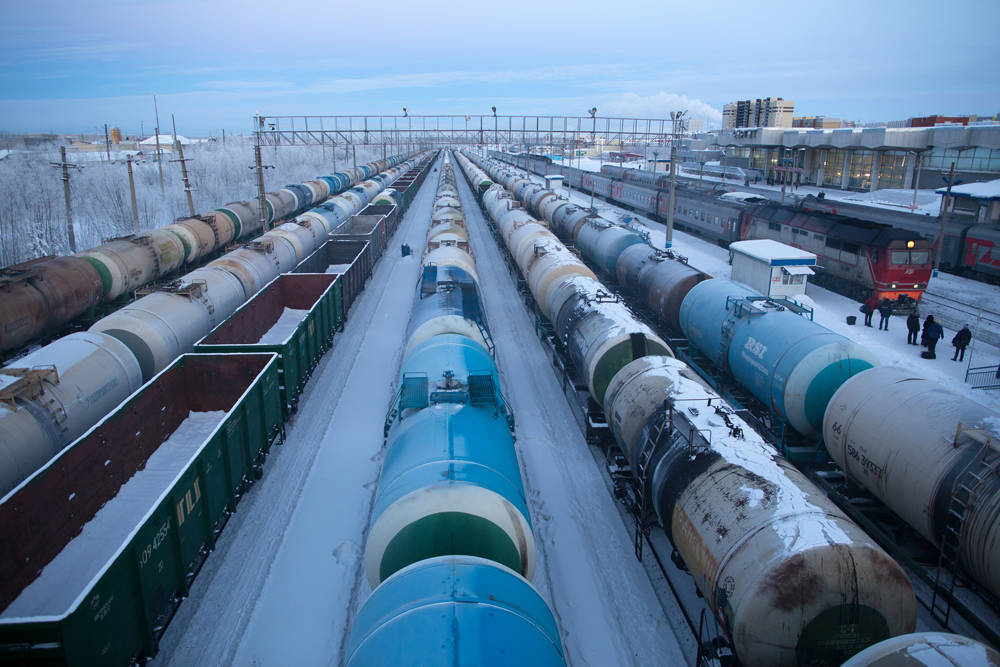
特朗普没对中国做的事,欧盟准备做了,为打击俄能源扬言制裁中企
Sou Hu Cai Jing· 2025-09-23 04:48
Group 1 - The EU has introduced a new round of sanctions against Russia, including an early ban on Russian LNG, which will now take effect in January 2024 instead of December 2027. This has unexpectedly included 12 Chinese companies in the sanctions list, impacting energy trade and digital assets [1] - The EU's internal divisions on sanctions against Russia are evident, with countries like Hungary seeking exemptions and financial support in exchange for compliance, highlighting the tension between political correctness and economic interests [2] - The EU's strong stance is influenced by the US, with a recent energy cooperation agreement aiming for $750 billion in energy imports from the US over three years, despite the current import levels being significantly lower [5] Group 2 - The EU has accused Chinese companies of two main offenses: rerouting Russian energy through third countries and providing cryptocurrency services. However, this selective enforcement raises questions, especially since Indian companies involved in similar activities have not faced sanctions [6] - The effectiveness of the EU sanctions is questioned, as they may not achieve the intended goals, particularly in light of the ongoing energy transition and the paradox of relying on US fossil fuels while aiming for carbon neutrality [8][11] - China's energy market dynamics are shifting, with Russia redirecting its energy exports to Asia and maintaining its global market share, while US LNG exports to Europe have increased significantly from 38% in 2021 to 54% in 2022 [13]
欧盟弃俄LNG提速!全球气市过剩帮了忙,俄已转投亚洲?
Sou Hu Cai Jing· 2025-09-23 04:11
Core Viewpoint - The European Commission announced a significant decision to ban imports of Russian liquefied natural gas (LNG) starting January 1, 2027, which is a year earlier than previously planned under the RePowerEU energy transition plan [1][2]. Group 1: Impact on LNG Supply - The ban will directly affect 15% of the EU's LNG supply, with Russia being the second-largest supplier after the United States [2]. - EU member states currently pay between €500 million to €700 million monthly for Russian LNG [2]. Group 2: Geopolitical Considerations - The decision is influenced by the United States, which has an agreement with the EU to purchase $750 billion worth of fossil fuels over three years [4]. - Ongoing geopolitical tensions, including recent incidents involving Russian drones and missile attacks, have heightened the urgency for the EU to cut energy ties with Russia [4]. Group 3: Future Energy Landscape - The ban includes a flexible clause that could allow for the lifting of sanctions if the Russia-Ukraine conflict ends, but the EU is committed to reshaping its energy landscape away from Russian sources [6]. - The EU has already made progress in reducing reliance on Russian energy, having fully stopped coal imports and implemented oil sanctions for most member states [6]. Group 4: Market Reactions and Challenges - Following the announcement of the ban, TTF natural gas futures rose by 5%, indicating market volatility during the transition period [7]. - The proposal requires unanimous approval from all 27 EU member states, making negotiations more complex compared to previous agreements that required only a qualified majority [7].

金银比翼同比飞!美联储降息预期、避险加投资需求引发新一轮贵金属狂潮?
Di Yi Cai Jing· 2025-09-23 04:08
更多分析师加入看多更多贵金属行列。 美联储降息预期、避险需求叠加投资热情,推动金价在今日(23日)亚太交易时段再创3749.27美元/盎司的历史 新高。白银也连续上涨三日,逼近44美元/盎司的逾14年新高。市场正密切关注白银能否突破1980年1月的历史收 盘高点48.70美元/盎司。 金银比翼同飞之际,以大宗商品全球主管马克西米利安·莱顿(Maximilian Layton)为首德花旗策略师团队预 测,"在美联储新鸽派领导层在2026年5~6月上任的前景、美国实际利率下降及美元承压的推动下,黄金和白银的 牛市行情将进一步扩大,并最终在2026年延伸至铜和铝领域。" 金价又又又创新高,开启长牛模式 金价今日微涨至3749.27美元/盎司,此前两个交易日连续上涨。 本轮金价上涨最直接的引擎,无疑来自于市场对美联储将进一步降息的强烈预期。虽然美联储主席鲍威尔仍强调 未来降息路径将保持谨慎,但市场仍预计美联储未来将大幅降息。 瑞士宝盛新世纪思维研究主管曼克(Carsten Menke)在降息前后对一财记者表示,过去几周,货币政策无疑是投 资需求增加的主要推动力,短线交易员与市场跟风者担心自己会错过这一波上涨,进一步推 ...

【英文】EMBER:中国能源转型评论2025
Sou Hu Cai Jing· 2025-09-23 03:17
Core Insights - The report "EMBER: China Energy Transition Review 2025" analyzes China's clean energy transition, highlighting its significant impact on global energy dynamics and fossil fuel usage [1][5][9]. Group 1: Domestic Energy Transition Achievements - In 2024, clean energy sources like wind and solar accounted for 84% of the increase in electricity demand, with fossil fuel generation decreasing by 2% in the first half of 2025 [11][23]. - By 2023, electricity represented 32% of total final energy consumption in China, surpassing the 24% levels seen in Europe and the US, with electricity becoming the primary energy source in the industrial sector [12][26]. - The total installed capacity of wind and solar reached 1,408 GW by 2024, exceeding coal capacity for the first time in early 2025 [33][57]. Group 2: Drivers of the Energy Transition - The transition is driven by a combination of policy initiatives and economic factors, with the clean energy sector contributing approximately 13.6 trillion RMB (about $1.9 trillion) to the economy in 2024, representing about 10% of GDP [2][28]. - Chinese companies lead global clean energy patent applications, accounting for 75% of the total, which has facilitated significant cost reductions in technologies such as wind and solar [14][28]. - The "1 + N" policy framework supports the dual carbon goals, emphasizing the establishment of a clean energy system before phasing out fossil fuel facilities [2][27]. Group 3: Global Implications of China's Energy Transition - China's advancements in clean energy technologies are enabling emerging markets to leapfrog traditional energy systems, with 25% of these markets surpassing the US in electrification levels [14][22]. - In 2024, China exported 242 GW of solar energy, with half directed towards emerging markets, and electric vehicle exports accounted for 41% of total automotive exports in the first five months of 2025 [2][22]. - The decline in China's fossil fuel consumption, which fell by 1.7% from 2015 to 2023, is expected to contribute to a structural decline in global fossil fuel demand by 2030 [12][41].

英国炼油时代式微
Zhong Guo Hua Gong Bao· 2025-09-23 03:00
Group 1 - The UK refining industry is experiencing its most significant contraction in decades, with the closure of the Grangemouth refinery and the bankruptcy of the Lindsey refinery, leaving only four major refineries operational in the UK [1] - The UK refineries primarily process light, low-sulfur crude oil, focusing on gasoline production, but the shift towards diesel vehicles and the rise of foreign refined oil production have led to a diesel shortage in the UK [1] - The UK is projected to import 624,000 barrels per day of clean fuels in 2024, with 265,000 barrels per day of diesel primarily sourced from the US, Saudi Arabia, the Netherlands, and Belgium, further undermining the profitability of domestic refineries [1] Group 2 - The slow pace of the UK's energy transition may provide some breathing room for domestic refineries, as high electric vehicle costs and geopolitical influences on battery materials could lead consumers to retain their diesel vehicles longer than anticipated [2] - If demand for diesel does not decline as quickly as expected, there may still be a viable future for the UK refining industry, although aggressive promotion of electric vehicles could lead to the eventual closure of domestic refineries [2]
英国炼油时代式微
Zhong Guo Hua Gong Bao· 2025-09-23 02:51
Group 1 - The UK refining industry is experiencing its most significant contraction in decades, with the closure of the Grangemouth refinery and the bankruptcy of the Lindsey refinery, leaving only four major refineries operational in the UK [1] - The UK refining sector primarily processes light, low-sulfur crude oil, focusing on gasoline production, but is facing challenges due to a shift towards diesel vehicles and increasing imports of diesel fuel [1] - The UK’s net-zero strategy aims to phase out new petrol and diesel car sales by 2030, putting additional pressure on domestic refineries and raising concerns about their viability [1] Group 2 - The slower-than-expected energy transition in the UK may provide some breathing room for refineries, as high electric vehicle costs and geopolitical influences on battery materials could lead consumers to retain diesel vehicles longer than anticipated [2] - If demand for diesel does not decline as quickly as expected, the UK refining industry may still have a chance for survival, although forced electrification could lead to the closure of remaining refineries [2]
油气板块上半年业绩分化显著
Zhong Guo Hua Gong Bao· 2025-09-23 02:44
Core Insights - The petrochemical industry in China faced a decline in both revenue and profit in the first half of the year, with total revenue of 5.1077 trillion yuan, down 4.93% year-on-year, and net profit of 270 billion yuan, down 10.28% [1] - The oil and gas sector's performance was impacted by falling international oil prices, with WTI and Brent crude oil prices decreasing from Q1 to Q2 [1] - The oil service sector showed resilience and growth despite overall sector challenges, benefiting from stable long-term demand [1][6] Oil and Gas Exploration - The "Big Three" oil companies reported a collective revenue of 3.0668 trillion yuan, down 8.64%, and a net profit of 175 billion yuan, down 14.23% [2] - The companies are focusing on internal optimization and external transformation to maintain operational resilience, increasing exploration and development investments [2] - They are also actively pursuing renewable energy initiatives, with significant investments in wind, solar, and hydrogen energy projects [2][3] Refining Sector - The refining sector faced dual pressures from raw material costs and product demand, with 30 key refining enterprises reporting a revenue of 548.44 billion yuan, down 6.17%, and a net profit of 10.057 billion yuan, down 14.47% [4] - The sector is expected to see a slowdown in capacity growth, with a focus on eliminating inefficient production capacity by 2025 [5][6] Oil Service Sector - The oil service sector experienced growth, with 17 companies reporting a revenue of 121.681 billion yuan, up 3.73%, and a net profit of 5.688 billion yuan, up 3.78% [6] - Increased capital expenditure in upstream oil and gas exploration is expected to support the oil service sector's growth [6] - Chinese oil service companies have secured significant contracts in the Middle East, indicating strong international demand [7]
助力能源转型 校企协同共研锌溴液流电池储能技术
Ren Min Wang· 2025-09-23 02:19
Core Insights - The 2025 China Flow Battery Energy Storage Conference and Exhibition (CFE2025) commenced in Wuhan, focusing on advancements in flow battery technology and its industrialization pathways [1] - Junan Energy, a leading company in zinc-bromine flow battery industrialization, showcased its core technology that ensures safety and longevity, with a cycle life of 10,000 times and a lifespan exceeding 20 years [1] - The global energy transition is accelerating, with energy storage technology becoming a crucial link between renewable and traditional energy sources, supported by national policies emphasizing long-duration energy storage [1] Company Developments - Junan Energy has achieved full-chain industrialization from materials to systems through a collaboration with Wuhan University of Technology, which includes a demonstration project integrating photovoltaic generation, zinc-bromine flow battery storage, and charging stations [2] - The company has developed a product matrix covering large-scale storage, commercial storage, and household storage, with ongoing research aimed at reducing size and costs for broader applications in various sectors [2]