
智能化

Search documents
A股钢铁板块迎政策利好
Zheng Quan Ri Bao· 2025-09-22 16:15
Core Viewpoint - The "Steel Industry Growth Stabilization Work Plan (2025-2026)" aims for an average annual growth of around 4% in the steel industry's added value, focusing on quality improvement and balanced market supply and demand [1][2]. Group 1: Industry Challenges and Goals - The steel industry faces significant downward pressure, with profits in 2024 projected at 66.29 billion yuan, a decrease of 42.6% year-on-year [1]. - The plan addresses the main contradictions of excessive supply and insufficient effective demand, proposing ten specific measures across five areas [1][2]. Group 2: Strategic Directions - The plan emphasizes supply-side management and demand-side expansion, encouraging companies to enhance high-end product supply capabilities and promote quality upgrades [2]. - It advocates for precise control of production capacity and classification management to eliminate outdated capacity and optimize industry structure [2]. Group 3: Company Initiatives - Companies like Jiugang Hongxing and Baosteel are focusing on high-end product development and low-carbon metallurgy technologies, respectively, to align with the plan's goals [4]. - Nanjing Steel is leveraging AI and big data technologies to enhance operational efficiency and product development [5]. Group 4: Market Opportunities - The plan indicates that companies prioritizing high-end products, green technologies, and smart manufacturing will benefit from policy incentives and market expansion [5]. - Long-term trends suggest that industry concentration and high-quality development will be essential, with leading companies gaining competitive advantages [5].
中国经济样本观察·企业样本篇|蓝晓科技:从实验室到高原盐湖 小颗粒“吸附”创新大市场
Sou Hu Cai Jing· 2025-09-22 13:42
Group 1 - The article highlights the innovative technology of small white particles that can purify water, enhance metal resource purity, and refine industrial materials through adsorption separation [1] - The lithium resource landscape in China shifted around 2010, with a heavy reliance on imports from Australia and South America, while domestic lithium extraction technology was still developing [3] - Blue Sky Technology, established in 2001, has focused on polymer material adsorption separation technology and has successfully navigated market challenges [4] Group 2 - Starting from a 50-square-meter incubator, Blue Sky Technology has developed into a technology enterprise with a market value exceeding 20 billion yuan, providing products and services globally [6] - The growth of Blue Sky Technology represents a broader trend in China's manufacturing sector towards high-end, intelligent, and green transformation [8]


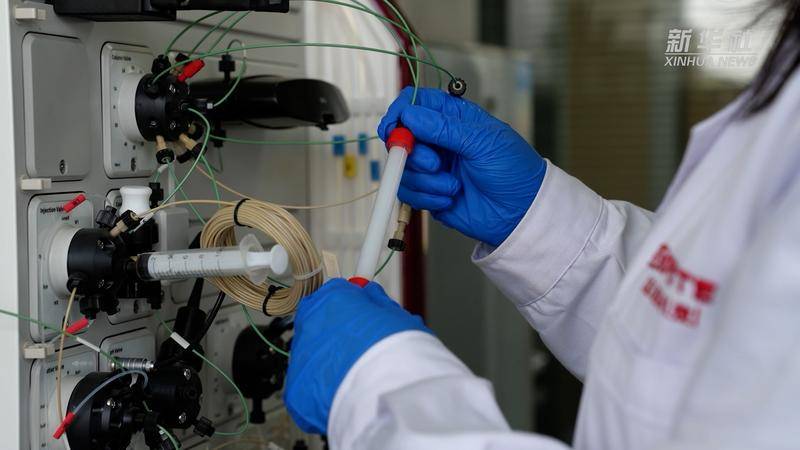
中国经济样本观察·企业样本篇丨蓝晓科技:从实验室到高原盐湖 小颗粒“吸附”创新大市场
Xin Hua Wang· 2025-09-22 13:11
Core Viewpoint - The article highlights the growth and innovation of Xi'an Blue Sky Technology New Materials Co., Ltd. (Blue Sky Technology) in the field of polymer materials adsorption and separation technology, showcasing its role in China's transition towards high-end, intelligent, and green manufacturing [1][3][4]. Group 1: Company Development - Blue Sky Technology was established in 2001 and has focused on the research and application of polymer materials adsorption and separation technology [1]. - The company started from a 50-square-meter incubator and has grown into a technology enterprise with a market value exceeding 20 billion yuan, providing products and services globally [4]. Group 2: Industry Context - Prior to 2010, China relied heavily on lithium resource imports from Australia and South America, with domestic salt lake lithium extraction technology being underdeveloped [1]. - The market perceived Chinese salt lake lithium resources as having low concentration and high impurities, making large-scale development challenging [1]. - Driven by market demand and resource value, Blue Sky Technology embarked on a technological journey lasting over a decade to overcome these challenges [1].
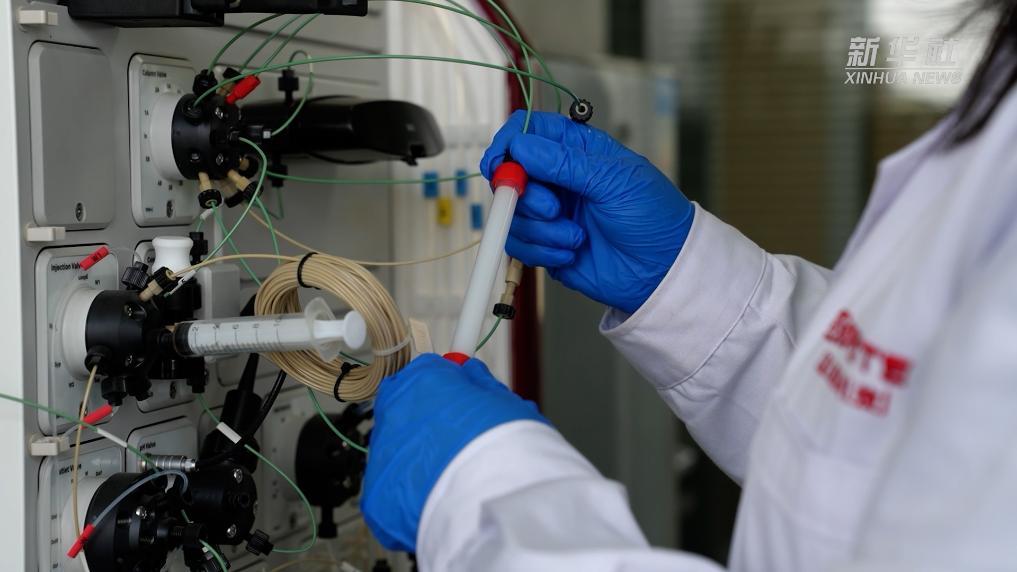
巴菲特转身背后:新能源赛道的港股机会在哪?
Sou Hu Cai Jing· 2025-09-22 11:53
Core Viewpoint - Warren Buffett has completely divested his shares in BYD, marking the end of an investment era for Berkshire Hathaway in the company, which raises questions about BYD's future performance in the market [2][10][17]. Investment and Financial Performance - Berkshire Hathaway initially purchased 225 million shares of BYD at a cost of $232 million, averaging $1.03 per share, equivalent to approximately HKD 8.01 [10]. - The fair value of BYD investments held by Berkshire Energy surged from the second half of 2020, driven by BYD's stock price increase, which was influenced by the broader market conditions and the rise of the new energy vehicle sector [4][8]. - BYD's stock price experienced a significant leap in 2022 after the company ceased production of fuel vehicles and focused entirely on new energy vehicles, indicating a strong market shift [8][9]. Market Competition and Sales Performance - In the first eight months of 2025, BYD maintained its position as the top-selling electric vehicle manufacturer in China, with cumulative sales of 2.195 million units, a year-on-year increase of 5.5% [11][12]. - Despite leading in sales, BYD's growth rate is lower than the overall market and competitors like Geely, which saw a 62.1% increase in sales during the same period [11][12]. - In August 2025, BYD's sales reached 310,000 units, but this represented an 18.3% year-on-year decline, indicating potential challenges in maintaining growth amidst increasing competition [12][13]. Industry Outlook and Challenges - The new energy vehicle market in China is projected to face a slowdown as government incentives, such as tax exemptions, are set to expire, which may stabilize the rapid growth seen in recent years [12]. - Competitors like Geely and Changan are aggressively pursuing market share, with Geely's new energy transition yielding significant results [12][13]. - BYD's long accounts payable cycle poses a potential liquidity risk, as the company may struggle to meet short-term financial obligations if payment terms are tightened [15][16]. Financial Metrics and Comparisons - BYD's overall gross margin for the first half of 2025 was 18.01%, with the automotive segment achieving a gross margin of 20.35%, although there was a decline in the second quarter [14]. - In comparison, other emerging players like Xpeng and Li Auto have shown improved gross margins, indicating a competitive edge in financial performance [14]. - The recent initiative by the China Automobile Association to standardize payment terms could enhance supplier relationships for BYD, but the company must address its high accounts payable turnover days to avoid cash flow issues [14][15]. Conclusion - Buffett's exit from BYD signals a pivotal moment for the company and the broader electric vehicle market, as competition intensifies and the industry transitions from explosive growth to a more differentiated competitive landscape [17]. - The emergence of new players with strong financial health and innovative capabilities suggests a shift in market dynamics, necessitating a reevaluation of investment strategies within the sector [17][18].


普莱得签订7亿元战略采购协议,携手国际巨头共拓全球锂电工具市场
Quan Jing Wang· 2025-09-22 10:56
Core Viewpoint - The company has signed a strategic procurement agreement worth 700 million yuan with a renowned international electric tool brand, aiming to expand its presence in the global lithium battery tool market over the next five years [1][2]. Company Summary - The strategic cooperation with the international brand (referred to as "Company Y") is expected to provide stable growth in orders, enhance revenue and global market share, and improve brand reputation [2]. - The company aims to leverage its technological capabilities and manufacturing strength to strengthen market influence and core competitiveness, aspiring to become an indispensable long-term strategic partner for leading global brands [2]. - As of the first half of 2025, the company's foreign market revenue accounted for 70.23% of total revenue, with significant growth in the European market [4]. Industry Summary - The global tools market has surpassed 100 billion dollars, with hand tools and power tools accounting for approximately 30% and 38% respectively [2]. - The electric tools market is experiencing growth driven by advancements in lithium battery technology, with a shift towards cordless electric tools becoming mainstream [3]. - The domestic electric tools market is projected to grow by 15% year-on-year in 2024, reaching 33.04 billion yuan, with an expected compound annual growth rate (CAGR) of 5.5% from 2025 to 2029 [3]. - The company’s core products include lithium battery tools such as heat guns, electric spray guns, vacuum cleaners, and electric nail guns, which are widely used in various sectors [3].
国家体育总局:推动运动促进健康事业高质量发展 激发产业发展活力
智通财经网· 2025-09-22 10:12
Core Viewpoint - The National Sports Administration has issued guidelines to promote a high-quality development of sports for health, aiming to establish a comprehensive service system by 2030 that is government-led, socially collaborative, and universally shared [1][6]. Group 1: Overall Requirements - The guidelines emphasize the importance of integrating sports and health, enhancing public health levels, and promoting scientific fitness as a conscious lifestyle among the populace [5][6]. - The approach includes prioritizing prevention, utilizing new technologies, and fostering a collaborative model involving various sectors [5][6]. Group 2: Building a Health Promotion Service System - The guidelines advocate for the promotion of health concepts and scientific fitness knowledge to enhance public awareness [8]. - It encourages innovative methods to provide diverse health services throughout the life cycle, including fitness assessments and personalized exercise prescriptions [9]. Group 3: Investment and Infrastructure Development - Local governments are urged to plan and establish health promotion service institutions based on regional characteristics and needs [10]. - The guidelines support the development of multi-functional fitness facilities and the integration of health services with existing medical and community resources [10]. Group 4: Focus on Key Demographics - Special attention is given to the health needs of the elderly, children, and women, promoting tailored fitness programs and preventive measures [11]. - The guidelines highlight the importance of creating supportive environments in workplaces to mitigate health risks associated with sedentary lifestyles [11]. Group 5: Support Systems for Health Promotion - The guidelines call for the establishment of collaborative mechanisms across various sectors to enhance resource allocation and service delivery [12]. - It emphasizes the need for a skilled workforce in health promotion, advocating for training and certification standards [14]. Group 6: Research and Technological Innovation - The guidelines propose the creation of a technology innovation platform to support research in health promotion and exercise prescription [15]. - It encourages the application of scientific research outcomes to improve public health services and fitness programs [15]. Group 7: Digital and Intelligent Upgrades - The guidelines promote the digital transformation of health services, utilizing big data and AI to enhance service quality and accessibility [16]. - It emphasizes the importance of data management and privacy protection in the implementation of health services [16]. Group 8: Industry Development - The guidelines aim to leverage sports for health as a driving force for the sports industry, encouraging innovation and collaboration between enterprises and research institutions [17]. - It supports the development of health-related products and services that meet public demand, positioning the health promotion industry as a new economic growth area [17]. Group 9: Organizational Support - Local sports authorities are tasked with establishing collaborative mechanisms with various departments to enhance policy implementation and public engagement [18]. - The guidelines stress the importance of public awareness campaigns to promote successful health promotion practices and experiences [18].
十九载坚守 推动商用车行业技术跃迁
Zhong Guo Qi Che Bao Wang· 2025-09-22 09:10
Core Viewpoint - The commercial vehicle industry in China is undergoing a significant transformation towards high-quality development, driven by technological innovation and market demands, as evidenced by the ongoing commercial vehicle testing activities in Chongqing [1][4][7]. Group 1: Industry Overview - The commercial vehicle sector is a crucial component of China's economy and logistics, with a strong emphasis on self-innovation and rapid growth in production and sales [3][4]. - In August, commercial vehicle production and sales reached 315,000 and 316,000 units respectively, marking a month-on-month increase of 5.9% and 3.4%, and a year-on-year increase of 16.4% and 16.3% [3]. - From January to August, the total production and sales of commercial vehicles were 2.713 million and 2.744 million units, reflecting a year-on-year growth of 7.1% and 5.2% [3]. Group 2: Testing Activities - The 2026 China Commercial Vehicle Product Testing event, organized by China Automotive News and the China Automotive Engineering Research Institute, has become a significant platform for evaluating and promoting commercial vehicles in the country [1][4]. - The testing procedures have been upgraded to align with the trends of intelligence, connectivity, and electrification in the commercial vehicle industry [4][5]. - The testing aims to scientifically evaluate products, promote advanced technologies, and guide the industry towards safer, more efficient, greener, and smarter vehicles [4][5]. Group 3: Technological Advancements - The commercial vehicle industry is experiencing a triple transformation involving intelligent, energy, and technological revolutions, with companies increasingly focusing on enhancing product performance and technological capabilities [5][6]. - The testing has shown significant improvements in vehicle technology, manufacturing processes, and user experience, with many vehicles narrowing the performance gap with imported models [5][6]. - The emphasis on electric, intelligent, and connected vehicles is growing, with advancements in information communication technology and artificial intelligence becoming more evident [5][6]. Group 4: Future Outlook - The commercial vehicle testing activities serve as a platform for companies to assess their product developments and strategize for future technological advancements [7][8]. - The industry is poised for a historical opportunity to leapfrog in the global market, with the testing activities playing a dual role as a catalyst and benchmark for progress [7][8]. - The commitment to continuous improvement and innovation is essential for the commercial vehicle sector to achieve global competitiveness and recognition [8].

高精度、智能化与多场景融合驱动环境分析技术发展
仪器信息网· 2025-09-22 08:55
Core Viewpoint - The environmental analysis instrument industry is accelerating towards smart, high-precision, and domestically produced developments, driven by multi-technology integration that promotes real-time monitoring and dynamic control [4]. Group 1: Industry Development - The industry is in a critical development phase characterized by rapid technological iteration, deepening application scenarios, and is moving towards smart, high-precision, and domestically produced solutions [2]. - Traditional technologies such as chromatography, mass spectrometry, and spectroscopy are enhancing detection efficiency and adaptability through "hybridization" and "miniaturization" [2]. - The integration of sensor technology and AI algorithms is expanding the coverage of environmental analysis and transforming monitoring from "post-event detection" to "real-time warning and dynamic control" [2]. Group 2: Event Highlights - The 21st Beijing Conference on Analytical Testing (BCEIA 2025) was successfully held, featuring discussions on cutting-edge topics in environmental analysis and health, including the analysis of arsenic, new pollutants, and the application of AI in environmental big data [3]. - Notable scientists and researchers participated in the forum, focusing on key issues such as the rapid detection of perfluorinated compounds and the environmental behavior of micro-nano particles [3]. Group 3: Product Innovations - Companies showcased advanced products at the exhibition, including over 40 star products from 聚光科技, covering the complete analysis process from sample preparation to final detection [5]. - 雪迪龙 presented cutting-edge devices such as portable mass spectrometers and Fourier-transform infrared spectrometers, demonstrating innovations in high-end scientific instrument development [5]. - The environmental analysis field is evolving towards high precision, automation, intelligence, and portability, with products like the BRUKER MGA series achieving ppb to ppt level detection capabilities [39].

奇瑞汽车港股上市在即 拟发行2.97亿股H股
Xi Niu Cai Jing· 2025-09-22 08:04
Core Viewpoint - Chery Automobile has officially launched its Hong Kong IPO, aiming to issue 297.4 million H-shares with a price range of HKD 27.75 to HKD 30.75, potentially raising up to HKD 91.45 billion (approximately USD 12 billion) [2][4] Group 1: IPO Details - The IPO is set to be listed on the Hong Kong Stock Exchange on September 25, with the stock code "09973" [2] - The investor lineup for the IPO includes notable institutions such as Hillhouse Capital, Mixed Reform Fund, and Jinglin Capital, with total subscriptions amounting to approximately USD 587 million (HKD 45.725 billion) [4] - The net proceeds from the fundraising are estimated to be around HKD 84.41 billion, allocated as follows: 35% for R&D of various passenger vehicles, 25% for next-generation vehicle and advanced technology development, 20% for overseas market expansion, 10% for upgrading production facilities in Wuhu, Anhui, and the remaining 10% for working capital [4] Group 2: Company Performance - Chery Automobile's revenue is projected to grow from CNY 92.618 billion in 2022 to CNY 269.897 billion in 2024, with a compound annual growth rate (CAGR) of 70.7% [5] - Net profit is expected to increase from CNY 5.806 billion to CNY 14.334 billion during the same period, reflecting a CAGR of 57.1% [5] - In 2024, Chery's global sales are anticipated to exceed 2.6039 million units, with exports accounting for 1.1446 million units, representing 44% of total sales [5] Group 3: Challenges and Strategic Focus - As of September 30, 2024, Chery's debt-to-asset ratio stands at 88.64%, with net current liabilities of CNY 3.401 billion [6] - The company's accounts payable surged from CNY 51.708 billion in 2022 to CNY 89.803 billion [6] - Chery's gross margin has declined from 16.0% in 2023 to 13.5% in 2024, further dropping to 12.4% in Q1 2025, indicating a divergence between profit quality and scale growth [6] - The company plans to invest heavily in R&D, particularly in smart driving and new energy technologies, to close the technological gap with competitors like BYD and Geely [6] - Chery aims to establish three new factories in Europe and Southeast Asia over the next three years, increasing its overseas sales proportion to 50% [6]

流浪地球2真实再现!采矿现场上演“科幻大片”
Jin Rong Shi Bao· 2025-09-22 07:49
Group 1: Industry Trends - The mining industry is rapidly adopting autonomous vehicles, including unmanned trucks and excavators, supported by advanced intelligent systems [1][2] - The penetration rate of new energy heavy trucks is expected to reach nearly 25% by 2025, necessitating the development of new control systems [1] - The demand for innovation in the industry is increasing as companies transition to digital and intelligent operations [1] Group 2: Company Overview - Hawe China, established in 2004, is a significant player in the hydraulic system market, holding a 40% global market share in hydraulic cylinders [2][3] - The company has successfully developed a smart control system that has been sold in dozens of countries and is compatible with major manufacturers' unmanned mining trucks [2] - Hawe China's growth is attributed to the favorable Chinese market environment and the efficiency of its manufacturing operations compared to its European counterparts [3] Group 3: Regional Development - The Guangling Economic Development Zone has played a crucial role in supporting Hawe China's growth by attracting European manufacturing companies and creating a complete industrial chain [3][4] - The zone is set to establish a Jiangsu provincial-level "China-Europe Yangzhou Intelligent Manufacturing Industrial Park" focusing on high-end equipment manufacturing and related industries [3][4] Group 4: Strategic Transformation - Hawe China is transitioning from a traditional manufacturing model to a more digital, intelligent, and high-quality development approach [4][5] - The company exemplifies the shift from European manufacturing serving China to Chinese manufacturing serving the global market [5][6]