产学研用协同

Search documents
五部门:加强人才队伍建设促进数据领域产学研用协同
Zhong Guo Zheng Quan Bao· 2025-12-02 20:22
Group 1 - The core objective of the recent policy is to strengthen the construction of data element disciplines and the digital talent workforce, promoting the integration of education, talent, industry, and innovation in the data field [1][2] - The policy emphasizes optimizing the setting of academic disciplines related to data elements, encouraging universities and data enterprises to participate in the development of relevant programs such as data science and digital economy [1][2] - A talent cultivation mechanism that connects undergraduate, master's, and doctoral programs in data-related fields will be established, with vocational schools adjusting their programs based on industry needs [1][2] Group 2 - The policy aims to accelerate research on major issues related to the market-oriented allocation of data elements, focusing on key topics such as data ownership, pricing, and transactions [2] - It encourages the construction of typical application scenarios to promote deep integration of technological and industrial innovation in the data field, with enterprises playing a leading role [2][3] - The establishment of a data element industry-education integration innovation platform is proposed, relying on leading universities to foster interdisciplinary research teams and enhance the quality of research outcomes [3] Group 3 - The policy outlines the need for a collaborative environment among government, industry, academia, and research institutions to cultivate digital talent effectively [3] - It encourages the development of joint technology patents and the sharing of intellectual property benefits to accelerate the commercialization of technology [2][3] - The establishment of a regular working contact mechanism among relevant departments is emphasized to strengthen the organization and promotion of data element discipline construction and digital talent development [3]
五部门就加强数据要素学科专业和人才队伍建设提出意见
Bei Jing Ri Bao Ke Hu Duan· 2025-12-02 08:07
Core Viewpoint - The document outlines a comprehensive strategy to enhance the construction of data element disciplines and the development of digital talent, emphasizing the importance of aligning educational initiatives with national strategic needs and industry demands [1][2]. Group 1: Strengthening Data Element Disciplines - The education and data management departments are encouraged to optimize the establishment of data-related disciplines, supporting the development of programs in data science, digital economy, and management [2]. - A talent cultivation mechanism that connects undergraduate, master's, and doctoral levels in data-related fields is to be established [2]. - Vocational schools are urged to adjust their data-related programs dynamically based on industry needs, including new courses in data collection, cleaning, compliance, and operations [2]. Group 2: Promoting Vocational Education in Data Industry - A collaborative ecosystem for vocational education in the data industry is to be developed, involving government, industry guidance, and enterprise participation [4]. - The establishment of a national data vocational education teaching guidance committee is proposed to enhance the quality of education [4]. - Encouragement for data companies to participate in vocational education, including the creation of practical training bases within schools [4][5]. Group 3: Supporting Academic Research in Data Field - The document emphasizes the need for building academic communities and fostering a digital talent pipeline in the data field [6]. - It calls for the establishment of high-level academic journals and platforms for data research to facilitate the dissemination of quality research outcomes [6]. - Research should focus on critical issues such as data marketization, property rights, and the application of emerging technologies like AI and blockchain [6][7]. Group 4: Facilitating Industry-Academia Collaboration - The creation of typical application scenarios for data technology innovation and industry collaboration is encouraged [8]. - Support for the establishment of specialized colleges in collaboration with enterprises and research institutions to enhance practical training [8][9]. - The document advocates for the development of innovation platforms that integrate education and industry, fostering interdisciplinary research teams [9]. Group 5: Implementation and Monitoring - The National Data Bureau, in collaboration with relevant ministries, will strengthen the organization and implementation of these initiatives, ensuring effective monitoring and evaluation of outcomes [10].
上海住建领域拥抱AI “云工大模型”等十佳案例集中亮相
Zhong Guo Xin Wen Wang· 2025-11-22 11:27
Core Insights - The conference themed "Innovation in Science and Technology Leading Smart City Construction" showcased the integration of AI in urban construction, highlighting projects like the "Cloud Engineering Model" AI service platform and the "Tianchan" construction robot system as exemplary cases [1][2] Group 1: Conference Overview - The event was part of the 2025 World Cities Day series and was organized by the Shanghai Municipal Housing and Urban-Rural Development Administration, attended by over 260 representatives from various sectors [1] - Keynote speeches and discussions focused on cutting-edge topics such as lifeline engineering, smart city digital twins, generative AI, and intelligent construction [1] Group 2: AI Innovations and Applications - The "Cloud Engineering Model" is recognized as China's first AI MaaS system for the construction industry, while the "Tianchan" robot system emphasizes collaborative operations among multiple robots [2] - AI technologies demonstrated significant potential in enhancing design efficiency and ensuring construction safety and quality through applications like CAD drawing intelligent analysis and autonomous driving models for shield tunneling [2] Group 3: Collaborative Efforts and Future Initiatives - Agreements were signed between the Shanghai Municipal Housing and Urban-Rural Development Administration and several universities and research institutes to deepen collaboration in sustainable urban development and green low-carbon initiatives [2] - The conference also launched the second batch of the Shanghai Municipal Housing and Urban-Rural Development Administration's technology innovation platform and announced key research projects for 2025 [2][3]
从科研成果到产业落地,盐碱地开发步入高质量发展新阶段
Qi Lu Wan Bao Wang· 2025-10-23 02:52
Core Insights - The transformation in the agricultural high-tech zone (农高区) from theoretical research to practical applications in saline-alkali land management has been significant over the past four years, with tangible products now available in the market [1][2] - The collaboration between enterprises and research institutions has led to the successful commercialization of health products derived from salt-tolerant plants, marking a successful integration of research and industry [1][2] Group 1 - The National Agricultural Product Processing Industry Technology Innovation Alliance and the National Food and Drug Homologous Industry Technology Innovation Alliance have provided over 20 million yuan in funding for research on saline-alkali land resources [2] - Collaborative efforts with local enterprises and research institutions have resulted in products that have already been launched, with some individual products achieving sales exceeding one million yuan [2] - The successful integration of scientific research and market needs has been highlighted as a key factor in achieving both scientific and market value [2] Group 2 - The core driving force for the success of the Dongying Agricultural High-tech Zone is identified as technology, supported by institutions such as the Chinese Academy of Agricultural Sciences and Shandong Agricultural University [2] - Future breakthroughs are contingent upon increased investment in fundamental research, which is essential for continuous innovation in the industry [2]
盐城射阳合德镇:科技为笔绘产业新卷 奋战百亿园区
Yang Zi Wan Bao Wang· 2025-10-15 15:31
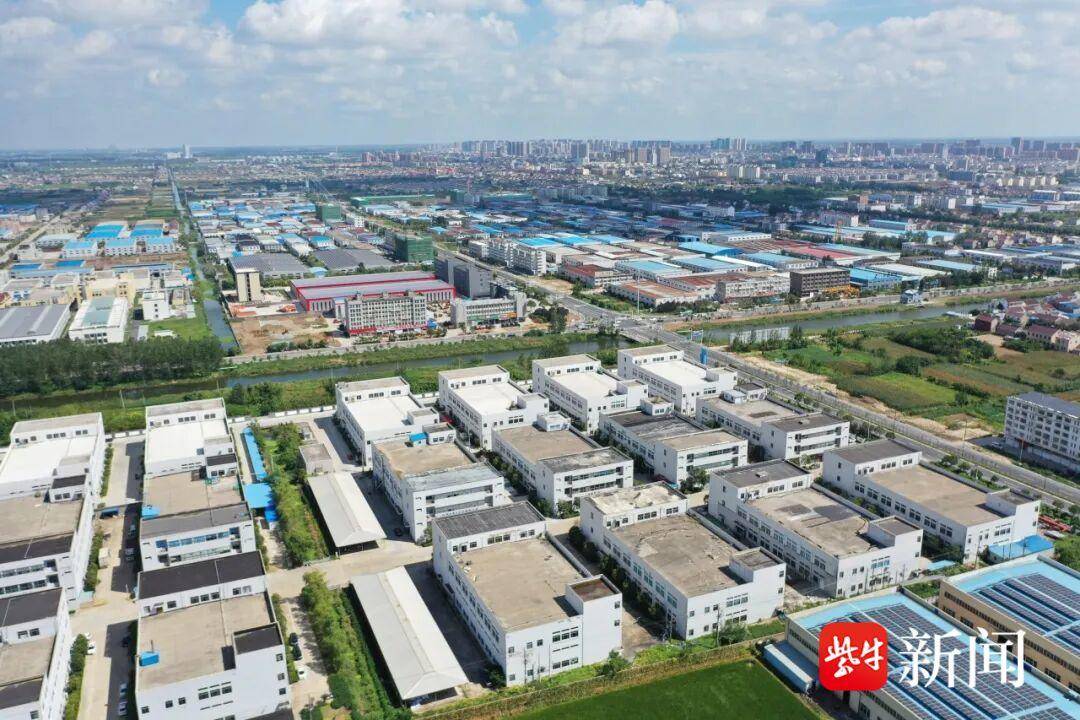
Core Viewpoint - The article emphasizes the role of technological innovation as a core engine for the transformation and upgrading of the industry in Hede Town, Sheyang County, aiming to achieve the goal of becoming a "strong industrial town" through various precise measures that promote deep integration of technology and industry, injecting strong momentum into the region's high-quality economic development [1] Group 1: Collaborative Innovation Platform - Hede Town focuses on the "collaborative path of industry-university-research-application," constructing a multi-level innovation carrier matrix. It has established strategic partnerships with universities and research institutions, resulting in 106 collaborative projects and a technical transaction volume exceeding 1 billion yuan [3] Group 2: Policy and Technical Empowerment - The town has implemented targeted R&D innovation support policies to encourage enterprises to collaborate with universities and research institutions on new products and technologies. The local government has invested 20 million yuan to establish four public processing and technical service centers, effectively reducing the costs of digital transformation for enterprises. In 2024, the town expects to add 19 national high-tech enterprises and 95 national technology-based SMEs [5] Group 3: Cultivating Innovative Market Entities - Hede Town is not only promoting the independent innovation of existing enterprises but also attracting and nurturing innovative talent and teams. Initiatives include attracting doctoral teams and university student teams to the park for innovation and entrepreneurship. The establishment of a collaborative innovation center in Suzhou exemplifies a "flywheel economy" model, facilitating cross-regional innovation collaboration and supporting local industrial upgrades [7]

医疗内卷突围:就在上海交大医健未来领军人才!10期开学倒计时
思宇MedTech· 2025-08-17 00:10
Core Insights - The article emphasizes the importance of innovation in the medical technology sector, particularly in China, and aims to connect clinical practices, capital, channels, and regulations to drive high-quality development in the industry [1]. Group 1: Medical Ecosystem and Innovation - The Shanghai Jiao Tong University School of Medicine is highlighted as a key player in fostering medical innovation and providing strong academic support and clinical resources for entrepreneurs [9][8]. - The establishment of the first incubation fund for alumni in the medical field aims to lead early-stage investments in medical technology, enhancing the ecosystem [8]. - The article discusses the unique value of the medical and health ecosystem, which integrates various stakeholders including research institutions, hospitals, and investment funds [10][29]. Group 2: Entrepreneurial Mindset and Strategic Development - The curriculum focuses on developing an entrepreneurial mindset, helping participants navigate complex market conditions and make informed strategic decisions [13][12]. - The "Value Engine Methodology" is introduced as a framework for fostering strategic thinking, innovation capabilities, and leadership skills among entrepreneurs [14][9]. - The program includes modules on industry trends, strategic execution, and business model design, aimed at equipping participants with the necessary tools to thrive in the medical industry [18][24]. Group 3: Industry Trends and Challenges - The article outlines the current challenges and trends in the medical industry, emphasizing the need for adaptability and strategic foresight in a rapidly changing environment [11][22]. - It discusses the implications of macroeconomic factors on the medical sector and the importance of understanding underlying growth logic [22]. - The curriculum also addresses specific areas such as the aging economy, consumer healthcare trends, and the integration of new technologies in medical applications [28][25].
山东打造人工影响天气领域无人机产学研用协同的低空经济气象场景
Qi Lu Wan Bao· 2025-07-11 12:10
Group 1 - The Shandong provincial government is promoting the "Sky City" initiative to establish a new benchmark for the low-altitude industry, focusing on the application of drones in meteorology [1] - The provincial meteorological bureau highlighted four key areas where drones can significantly enhance meteorological applications, including weather observation, ecological meteorology, artificial weather modification, and emergency meteorological services [2][3] Group 2 - In the field of weather observation, drones can overcome traditional equipment limitations, allowing for vertical and three-dimensional observation of phenomena like fog [2] - Drones equipped with spectral imaging and lidar can conduct collaborative observations of ecosystems, improving the accuracy of satellite remote sensing products [2] - The establishment of a joint laboratory for drone technology in artificial weather modification aims to foster collaboration between government, enterprises, and research institutions [3] - The Shandong low-altitude flight meteorological service platform has been developed to support various low-altitude flight scenarios, including the civil drone test flight base in Binzhou [3] - Future plans include enhancing cooperation between meteorological departments and enterprises to develop more advanced low-altitude equipment for meteorological applications [4]
民企成国自然基金“出题人”:把“各干各的”变成“产学研用协同”
Zhong Guo Qing Nian Bao· 2025-07-10 13:21
Group 1 - The establishment of the Private Enterprise Innovation Development Joint Fund marks a significant shift in how private enterprises can engage in basic research, allowing them to participate as "problem setters" in national scientific research [2][3] - The fund has a total investment of 429 million yuan over three years, with an average funding intensity of approximately 2.2 million yuan per project [1][2] - The fund aims to create a collaborative ecosystem that integrates enterprise needs with scientific research capabilities, significantly reducing the cost of research collaboration for companies [3][4] Group 2 - The focus on private enterprises, particularly in the pharmaceutical sector, is due to their rapid development and strong demand for innovation, despite their relatively limited scale and research foundation [4][5] - The initiative encourages private enterprises to increase their investment in basic research, thereby enhancing their core competitiveness and contributing to national economic and social development [2][5] - The fund is expected to facilitate a more effective allocation of innovative resources, aligning them with market demands and fostering a closer integration of scientific research and industrial application [3][4]


招商证券响应政策部署,深化国民金融素养培育
券商中国· 2025-06-18 10:13
Core Viewpoint - The article emphasizes the importance of enhancing national financial literacy through investor education initiatives, particularly in collaboration with educational institutions and regulatory bodies [1][6]. Group 1: Collaboration with Educational Institutions - The company has developed a comprehensive teaching model in partnership with universities, focusing on a "knowledge + skills + career" approach to financial education [2]. - A "five-in-one" investor education cooperation mechanism has been established, involving collaboration with regulatory bodies, exchanges, industry associations, and universities to create tailored courses [4]. - The company has launched various educational programs, including the "招商期货杯" training camp, which integrates knowledge teaching, simulated trading, and field visits to connect professional knowledge with market practice [4]. Group 2: Youth Financial Education - The company is committed to financial literacy education for young people, exemplified by the "Wealth Navigator" training camp aimed at middle and primary school students, which includes engaging courses and role-playing activities [5]. - A school-based financial curriculum has been developed in collaboration with local schools, incorporating original reading materials and creative competitions to instill financial awareness from an early age [5]. Group 3: Recognition and Future Plans - The company's educational initiatives have received recognition from regulatory bodies and educational institutions, winning awards for investor education activities and original educational materials [6]. - Future plans include building a comprehensive educational ecosystem that spans from youth to professionals, focusing on collaborative efforts to enhance national financial literacy and contribute to the development of a strong financial nation [6].

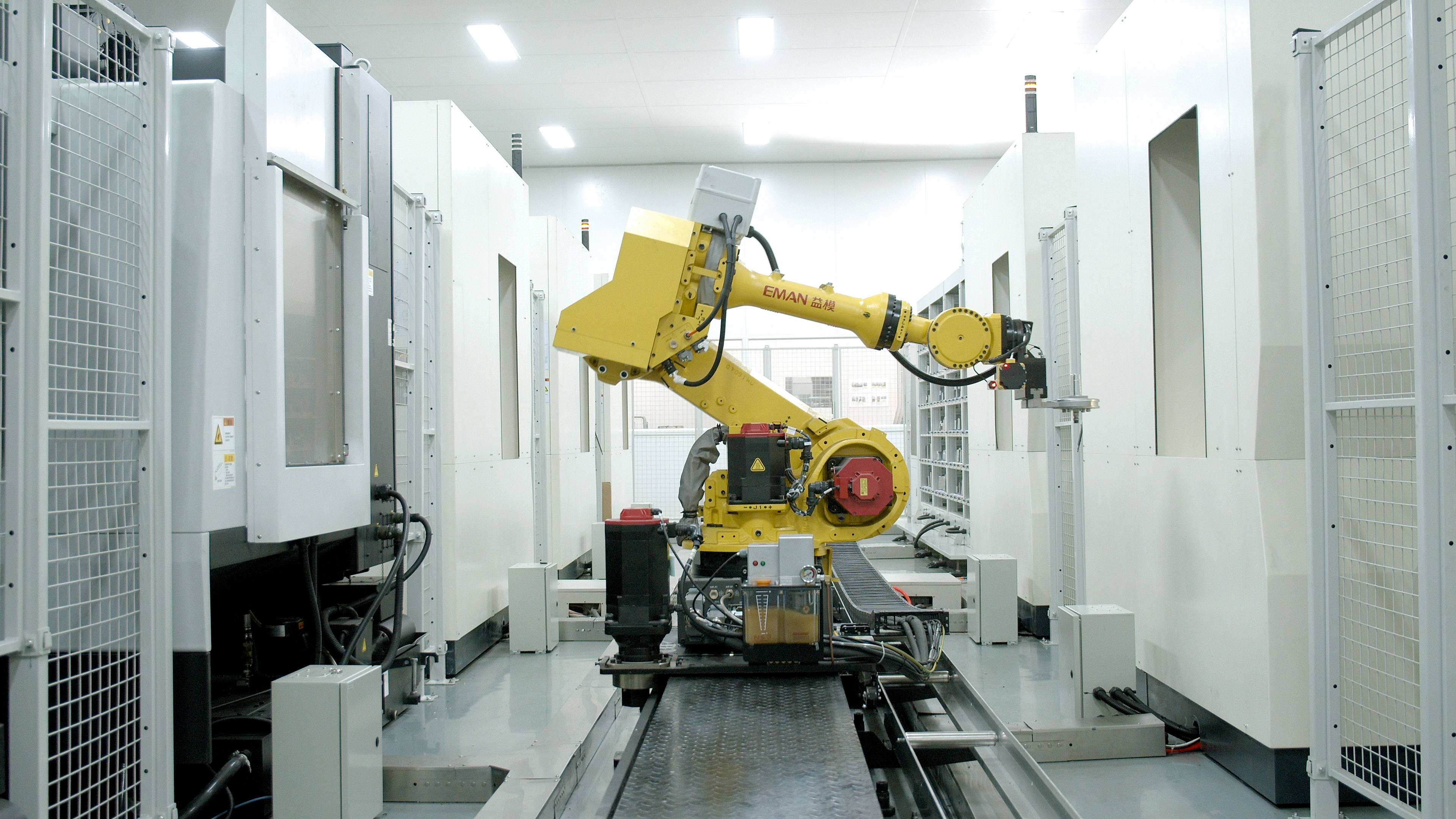
发源在汉高校 扎根工业现场 一批工业软件企业集聚武汉
Chang Jiang Ri Bao· 2025-06-13 00:56
Core Insights - Wuhan is emerging as a hub for industrial software development, with companies like Tianyu Software, Kaimu Software, and Yimo Technology breaking the long-standing foreign monopoly in fields such as CAD and MES, contributing significantly to the domestic industrial software landscape [1][8] - The upcoming Software Innovation Development Conference will feature the inaugural Yujia Mountain Forum, aimed at enhancing the "soft power" of high-end manufacturing [1] Group 1: Industrial Software Landscape - Over 50 industrial software companies are based in Wuhan, with 80% of them founded by teams or alumni from local universities [3][9] - Yimo Technology has developed a digital production management system for the mold industry, achieving over 50% market share in its category and even exceeding 80% in certain segments [8] Group 2: Educational and Research Contributions - The National Intelligent Design and CNC Technology Innovation Center at Huazhong University of Science and Technology is fostering collaboration between students and industrial software companies, addressing real-world manufacturing challenges [10][14] - The historical context of CAD development in Wuhan dates back to the 1980s, with significant contributions from alumni who established foundational research centers that have led to the growth of industrial software enterprises [14][15] Group 3: Future Prospects - There is a growing interest among teams from Wuhan universities in applying intelligent robotics, digital twins, and AI models to industrial scenarios, indicating a forward-looking approach to industrial software innovation [16]