
创新药对外授权

Search documents
小摩:内地医疗行业回调提供入市机会 偏好生物科技及CXO
智通财经网· 2025-12-19 06:13
Core Viewpoint - The healthcare sector in mainland China has experienced a pullback due to the results of national medical insurance drug price negotiations and subsequent profit-taking, but the fundamentals remain unchanged, presenting a good entry opportunity for 2026 [1] Group 1: Industry Outlook - The trend of innovative drug licensing is expected to continue, with multiple potential targets and drug forms anticipated to bring new licensing opportunities next year [1] - Key global Phase III clinical data readings for these licensed assets will be crucial for market sentiment and warrant close attention [1] - Geopolitical concerns regarding China's pharmaceutical R&D outsourcing industry (CXO) have peaked, and a stable medical policy environment in China is expected to continue supporting innovation [1] Group 2: Market Recovery - A more moderate drug procurement policy is expected to drive a recovery in the medical device and diagnostics sectors [1] Group 3: Stock Preferences - The company prefers biotechnology and CXO stocks, with top picks including Innovent Biologics (01801), Kelun-Biotech (06990), WuXi AppTec H-shares (02359), WuXi AppTec A-shares (603259.SH), and WuXi Biologics (02268) [1] - The target price for Innovent Biologics has been slightly raised from HKD 110 to HKD 111, maintaining a "Buy" rating, while the target price for WuXi Biologics has increased from HKD 74 to HKD 82, also with a "Buy" rating [1]

三生制药拟分拆脱发治疗领域附属公司蔓迪国际赴港上市
Xin Jing Bao· 2025-11-25 12:05
Core Viewpoint - Recently, 3SBio announced the proposal to spin off its subsidiary Mandi International for independent listing on the Hong Kong Stock Exchange, with 3SBio holding 87.16% of Mandi's shares, and after the spin-off, 3SBio will not retain any interests in Mandi [1][5] Group 1: Company Overview - Mandi International was established in 1997 as Zhejiang Wansheng Pharmaceutical Co., Ltd., and launched China's first 5% minoxidil product in 2001, filling a gap in the domestic hair loss treatment market [1][2] - Mandi International's revenue is primarily dependent on the Mandi product series, which includes 5% minoxidil solutions and shampoos, contributing over 90% of its revenue [3][4] Group 2: Market Potential - The hair health management market in China has expanded from 19.8 billion yuan in 2018 to an estimated 52.7 billion yuan in 2024, with a projected compound annual growth rate (CAGR) of 11.3% from 2024 to 2035 [2] - Over 339 million people in China are affected by hair loss, with more than 60% of them under the age of 35 [2] Group 3: Financial Performance - Mandi International's revenue from 2022 to 2024 is projected to grow from 982 million yuan to 1.455 billion yuan, with a CAGR of 21.7%, and net profits are expected to rise from 202 million yuan to 390 million yuan [3] - In the first half of 2025, Mandi International achieved revenue of 743 million yuan, a year-on-year increase of approximately 20.2% [3] Group 4: Product Development - Mandi International launched the second-generation minoxidil product, Mandi 5% minoxidil foam, which saw rapid sales growth, generating 307 million yuan in 2024 and 283 million yuan in the first half of 2025 [4] - The company has a pipeline of products under development, including treatments for acne, obesity, and vitiligo, although these contribute less to current revenue [4] Group 5: Strategic Rationale for Spin-off - The spin-off is expected to provide multiple commercial benefits, including enhanced value transparency, independent financing platforms, and optimized management responsibilities, which will improve decision-making and market responsiveness [5]
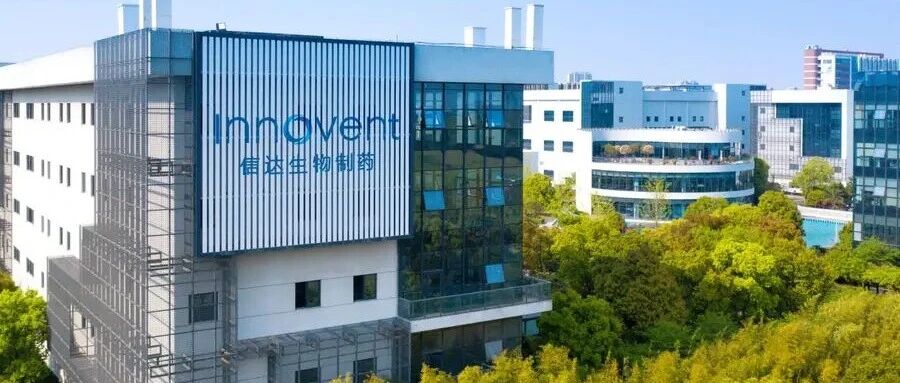
信达生物达成百亿美元BD 股价为何下行?
BambooWorks· 2025-10-30 02:26
Core Insights - The article discusses a historic business development agreement between Innovent Biologics and Takeda Pharmaceutical, valued at $11.4 billion, setting a record for single-license deals in China's innovative drug sector [1][2]. - Despite the significant deal, the market reaction has been lukewarm, with Innovent's stock price declining after the announcement, reflecting broader valuation pressures in the biopharmaceutical sector [2][6]. Summary by Sections Agreement Details - Innovent Biologics has entered a global strategic collaboration with Takeda involving three investigational products, with a total deal value of $11.4 billion, including a $1.2 billion upfront payment [2][4]. - The upfront payment includes a $100 million strategic equity investment from Takeda, priced at a 20% premium to the average closing price over the previous 30 trading days [2]. Product Pipeline - The most significant asset in this deal is IBI363, a first-in-class PD-1/IL-2 bispecific antibody fusion protein, which is currently in multiple registration clinical trials, including a global Phase III trial for small cell lung cancer [4][6]. - Innovent has adopted a "Co-Co" model for IBI363, sharing global development costs with Takeda at a ratio of 60% for Takeda and 40% for Innovent, allowing for joint commercialization in the U.S. market [4][6]. Market Concerns - There are concerns regarding the "Co-Co" model, as Innovent will still bear 40% of the overseas development costs, which may lead to significant cash outflows compared to a traditional licensing model [6]. - However, this model allows Innovent to participate deeply in global clinical trial design and execution, which is crucial for its long-term growth strategy [6]. Financial Performance - Innovent reported a revenue of 5.95 billion yuan for the first half of 2025, a 50.6% year-on-year increase, with a net profit of 834 million yuan, indicating improving cash flow [7]. - The company's current price-to-sales ratio is approximately 11 times, compared to 7.5 times for another major player, BeiGene, suggesting a premium valuation for Innovent [7].

医药行业周报:创新药对外授权节奏有望恢复-20251019
Huaxin Securities· 2025-10-19 13:45
Investment Rating - The report maintains a "Recommended" investment rating for the pharmaceutical industry [1] Core Insights - The rhythm of licensing-out for innovative drugs is expected to recover, with China's innovative advantages continuing to be maintained. As of August 2025, China has reached 93 licensing-out transactions, accounting for 32% of global transactions, with a total upfront payment of $4.3 billion and a total amount of $84.8 billion, both exceeding last year's totals and likely to set a new high in nearly a decade [2] - The ESMO conference is highlighted for the release of key Phase III clinical data, which will significantly impact future treatment trends. Notable results from Chinese innovative drugs are expected to be presented [3] - Breakthroughs in small nucleic acid drugs for chronic diseases such as hypertension and dyslipidemia are noted, with significant partnerships and potential milestone payments indicating a broad commercial outlook [4] - The trend towards oral autoimmune drugs is gaining attention, with major pharmaceutical companies showing interest in oral peptide drugs, indicating a shift in treatment approaches for autoimmune diseases [5] Summary by Sections 1. Pharmaceutical Market Tracking - The pharmaceutical industry has underperformed compared to the CSI 300 index, with a recent weekly decline of 3.65% and a monthly decline of 6.10%, ranking 21st and 24th respectively among 31 industry indices [21][22] 2. Pharmaceutical Sector Trends and Valuation - The pharmaceutical sector's recent performance shows a 6.10% decline over the past month, underperforming the CSI 300 index by 5.29 percentage points. The sector's current PE ratio is 38.08, above the historical average of 31.32 [41][45] 3. Recent Research Achievements - The report outlines various recent research achievements by the team, including deep reports on the growth of the blood products industry and the potential of GLP-1 drugs in chronic disease management [50] 4. Important Industry Policies and News - Recent policies include the National Healthcare Security Administration's push for instant settlement reforms and pilot programs for traditional Chinese medicine payment models, indicating a shift towards more efficient healthcare financing [53][54]
8亿美元首付款后又收2.5亿美元里程碑,百利天恒抗癌药Iza-bren已兑现“天量价值”
Xin Lang Zheng Quan· 2025-10-12 15:13
Core Insights - The recent milestone payment of $250 million from Bristol-Myers Squibb (BMS) to Sichuan Baili Tianheng Pharmaceutical Co., Ltd. (Baili Tianheng) marks a significant achievement in the domestic innovative drug sector, particularly for antibody-drug conjugates (ADCs) [1][2] - This payment is the largest single milestone payment disclosed for an ADC asset from a Chinese innovative pharmaceutical company, highlighting the successful progress of the drug's clinical trials and its promising efficacy [1][2] Group 1 - Baili Tianheng's subsidiary, SystImmune, Inc., is set to receive the $250 million payment, which is part of a collaboration agreement with BMS that includes a total potential transaction value of up to $8.4 billion [1][2] - The collaboration involves multiple global key registration studies, including late-stage trials for triple-negative breast cancer and advanced non-small cell lung cancer [2] - The partnership has overcome initial skepticism regarding BMS's history of returning products, as evidenced by the successful progression of the collaboration and the recent milestone payment [2] Group 2 - The agreement includes an initial payment of $800 million and two additional milestone payments of $250 million each, with potential additional payments reaching up to $7.1 billion based on development, registration, and sales milestones [2] - As of now, Baili Tianheng has effectively realized significant value from the Iza-bren project, even before its market launch, due to the substantial upfront and milestone payments received [2]

恒瑞医药9月签两笔BD大单 两年半投148亿研发盈利151亿
Chang Jiang Shang Bao· 2025-09-26 02:24
Core Viewpoint - Heng Rui Medicine has successfully signed a business development agreement with Glenmark Specialty S.A, allowing the licensing of its innovative drug SHR-A1811 for a total potential value of up to $11.11 billion, marking a significant step in the company's global market expansion strategy [1][2]. Group 1: Business Development Agreements - On September 24, Heng Rui Medicine announced a licensing agreement with Glenmark for its proprietary innovative drug SHR-A1811, which includes an upfront payment of $18 million and potential milestone payments totaling up to $10.93 billion [2]. - In September alone, Heng Rui Medicine has completed two licensing agreements with a total potential value of approximately $21.99 billion [4]. - The company has also signed a licensing agreement with Braveheart Bio for its small molecule inhibitor HRS-1893, which includes a $65 million upfront payment and potential milestone payments of up to $10.13 billion [3]. Group 2: Financial Performance - For the first half of 2025, Heng Rui Medicine reported a revenue of 15.76 billion yuan, a year-on-year increase of 15.88%, with a net profit of 4.45 billion yuan, reflecting a growth of 29.67% [5]. - The innovative drug sales and licensing revenue accounted for 60.66% of the company's total revenue, with sales revenue from innovative drugs reaching 7.57 billion yuan [6]. - The company has invested significantly in research and development, with total R&D expenses amounting to 14.76 billion yuan over the past two and a half years [6].

第11批集采文件发布;我国创新药上半年对外授权近660亿美元
2 1 Shi Ji Jing Ji Bao Dao· 2025-09-22 00:25
Policy Developments - The National Healthcare Security Administration (NHSA) released the 11th batch of national drug centralized procurement documents, emphasizing principles of "stabilizing clinical use, ensuring quality, preventing collusion, and countering internal competition" [2] - The new procurement strategy optimizes "anchor prices" by not simply selecting the lowest bid but using the higher value between the average of "comparable unit prices" and the lowest "comparable unit price" at 50% [2] Drug and Device Approvals - Fosun Pharma announced that its subsidiary, Fuhong Hanlin, received EU approval for two drugs, BILDYOS® and BILPREVDA®, for treating osteoporosis in high-risk patients [4] - Renfu Pharma's subsidiary received a tentative FDA approval for Oxcarbazepine extended-release tablets, aimed at treating partial seizures in patients aged 6 and above, with a total R&D investment of approximately 15 million RMB [5] Capital Markets - LuKang Pharmaceutical plans to acquire a 1.9231% stake in Shandong Lukang Hecheng Pharmaceutical Co., with the final amount to be determined through bidding [7] - GE Healthcare responded to rumors about selling its Chinese business, stating its commitment to providing high-quality medical services in China [8] Industry Events - The NHSA announced the interim results of expert reviews for the 2025 National Basic Medical Insurance Directory and commercial insurance innovative drug directory adjustments [10][11] - In the first half of 2025, China's innovative drug licensing transactions reached nearly $66 billion, indicating a significant increase in international recognition and commercial value of Chinese innovative drugs [12] - The National Medical Products Administration established a review center in the Beijing-Tianjin-Hebei region to enhance drug and medical device evaluation services [13] - Approximately 100 rare disease drugs have been included in the basic medical insurance directory, covering 42 types of rare diseases [14]


我国创新药上半年对外授权近660亿美元
Yang Shi Xin Wen· 2025-09-19 08:46
Core Insights - The National Medical Products Administration (NMPA) of China has approved 56 innovative drugs in 2025, including 18 biopharmaceuticals, marking a significant advancement in the field of biomedicine [1][2] - Biopharmaceuticals are at the forefront of the contemporary biomedicine technology revolution, providing new treatment possibilities for major and rare diseases [1] - The average review time for clinical trials of innovative drugs has significantly decreased, from 175 working days in 2017 to 50 working days in 2024, and the review time for drug listing applications has reduced from 420 working days to 235 working days in the same period [1] Summary by Categories Innovative Drug Approvals - In 2025, 56 innovative drugs have been approved in China, with 18 being biopharmaceuticals, including the first stem cell therapy product and the first gene therapy product for hemophilia [1] - In 2024, 48 innovative drugs were approved, with biopharmaceuticals accounting for 22 of them, representing 45.8% of the total [1] Clinical Trial and Review Efficiency - The NMPA has accelerated the approval process for urgently needed and innovative products, significantly reducing the average review time for clinical trials and drug applications [1] Research and Development Landscape - China has 2,400 advanced therapy drugs in the research pipeline, indicating a substantial increase in R&D activity [2] - China has been elected as a member of the International Council for Harmonisation (ICH) three times, implementing 71 ICH guidelines, which enhances the synchronization of drug development and approval processes [2] - The total amount of innovative drug licensing transactions from China in the first half of 2025 reached nearly $66 billion, surpassing the total of $51.9 billion for the entire year of 2024 [2]
生物药资产爆发后 中国创新医疗器械何时迎来DeepSeek一刻
Di Yi Cai Jing· 2025-09-13 09:50
Core Insights - China's innovative biopharmaceuticals have gained global attention, with over $66 billion in licensing deals in the first half of the year, showcasing a significant moment for Chinese biomedicine [1] - The innovative medical device sector in China has not yet reached a similar level of global recognition, raising questions about whether the success of innovative drugs can be replicated in medical devices [1] Group 1: Development of Innovative Medical Devices - The Chinese cardiovascular medical device sector has historically relied on imports, leading to high costs, but there is now a push for affordable, innovative solutions [2] - The establishment of the CCI medical innovation platform has led to the incubation of over 50 innovative medical devices and the filing of more than 1,000 patents [2] - Despite the approval of 269 innovative medical devices during the "14th Five-Year Plan" period, the global intellectual property (IP) presence of these devices remains limited compared to innovative drugs [3] Group 2: Challenges in Global Market Recognition - The late start of China's innovative medical devices and a reliance on imitation rather than original thinking pose significant challenges for global market acceptance [3] - The innovation ecosystem for medical devices in China is still maturing, with a need for improved capital and commercialization capabilities [3] - Early-stage licensing deals for medical devices often do not attract high valuations, contrasting sharply with the multi-billion dollar deals seen in innovative pharmaceuticals [3] Group 3: Barriers to Innovation and Licensing - The path to innovation in medical devices differs significantly from pharmaceuticals, with small innovations often facing intellectual property challenges [4] - High costs associated with clinical registration and certification hinder the ability of Chinese medical devices to attract international partnerships [4] - The prevalence of similar products in the market leads to intense price competition, making it difficult for truly innovative products to stand out [4][5] Group 4: Future Outlook - There is optimism that as more original medical technologies emerge from China, the potential for globally recognized products will increase [5] - The manufacturing advantages of China could play a crucial role in the future success of its innovative medical devices on the global stage [5] - The industry must differentiate between genuine innovation and superficial changes to foster a thriving environment for medical device innovation [5]

深度|生物药资产爆发后,中国创新医疗器械何时迎来DeepSeek一刻
Di Yi Cai Jing· 2025-09-13 09:44
Core Insights - China's innovative medical devices face significant challenges in gaining global market recognition, unlike the successful international licensing of innovative drugs [1][3] - The development of innovative medical devices in China is still in its early stages, primarily relying on imitation rather than original innovation [3][4] - The innovation ecosystem for medical devices in China is not yet mature, with a need for improved capital and commercialization capabilities [3][4] Group 1: Current State of Innovation - In the first half of the year, China's innovative biopharmaceuticals attracted global attention with licensing deals amounting to nearly $66 billion [1] - The Chinese cardiovascular intervention medical devices have historically depended on imports, leading to high costs, but there is a growing push for affordable domestic alternatives [2] - The number of approved innovative medical devices (269) during the 14th Five-Year Plan period is comparable to that of innovative drugs (210) [3] Group 2: Challenges in Global Market Entry - The path to international licensing for innovative medical devices differs significantly from that of drugs, with many devices facing high costs and regulatory hurdles [4][5] - The lack of original innovative products leads to severe homogenization in the market, making it difficult for truly innovative products to compete [5] - Cross-border giants are hesitant to license early-stage medical devices unless there is a clear expectation of regulatory approval, which is a costly process for domestic innovators [4][5] Group 3: Future Outlook - Despite current challenges, there is optimism that China's innovative medical devices will eventually gain global traction as more original technologies emerge [5] - The potential for global first-in-class products exists, similar to advancements seen in antibody-drug conjugates and bispecific antibodies [5] - The industry must differentiate between genuine innovation and superficial changes to foster a thriving environment for medical device innovation in China [5]