刺激消费

Search documents
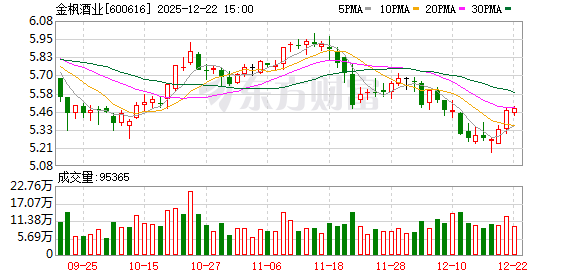
金枫酒业:公司高度重视国家扩大内需、刺激消费的政策导向
Zheng Quan Ri Bao· 2025-12-22 13:56
Core Viewpoint - The company emphasizes its commitment to leveraging national policies aimed at expanding domestic demand and stimulating consumption, focusing on optimizing product layout and enhancing profitability through cost reduction and channel optimization [2] Group 1 - The company will actively seize opportunities related to national policies and continuously optimize its product layout [2] - The focus will be on core business operations, aiming to solidify the foundation for growth through cost reduction and efficiency improvements [2] - The company plans to enhance its profitability while concentrating on product innovation and expanding its market presence [2]


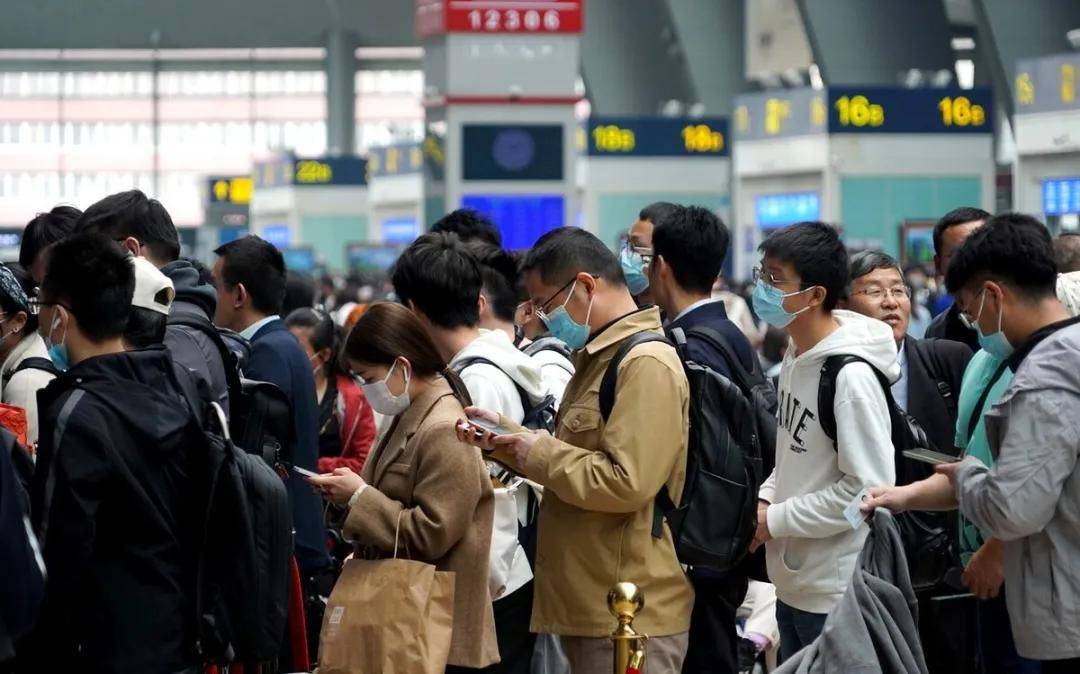
专家说出了大实话:老百姓没钱了,为啥还要刺激消费?
Sou Hu Cai Jing· 2025-11-18 03:37
Core Viewpoint - The domestic consumption market in China is struggling, leading to economic slowdown, despite various stimulus measures being implemented by local governments and banks to encourage spending [2][4][5]. Group 1: Current Economic Situation - The consumption market has been weak, causing difficulties for businesses and potential layoffs for workers, which in turn affects overall economic growth [2]. - Local governments are issuing consumption vouchers and providing subsidies for home appliances to stimulate spending [2]. - Banks have lowered deposit interest rates to historical lows, encouraging people to spend or invest rather than save [4]. Group 2: Consumer Behavior and Challenges - Despite various stimulus efforts, consumer enthusiasm remains low, with many individuals choosing to save rather than spend due to financial insecurity [5]. - A significant portion of the population, approximately 5.6 billion people, have no savings in banks, indicating a lack of disposable income [5][7]. - The wealth distribution is highly uneven, with only 2% of depositors holding 80% of total savings, leaving the majority with limited financial resources [7][16]. Group 3: Recommendations for Stimulating Consumption - To effectively stimulate consumption, it is essential to increase household incomes through equitable wealth distribution and improved wage standards [12]. - Reducing the financial burdens related to housing, education, and healthcare can alleviate consumer anxiety and encourage spending [14]. - Addressing income inequality and promoting a more balanced social structure can enhance overall consumer confidence and spending capacity [16].

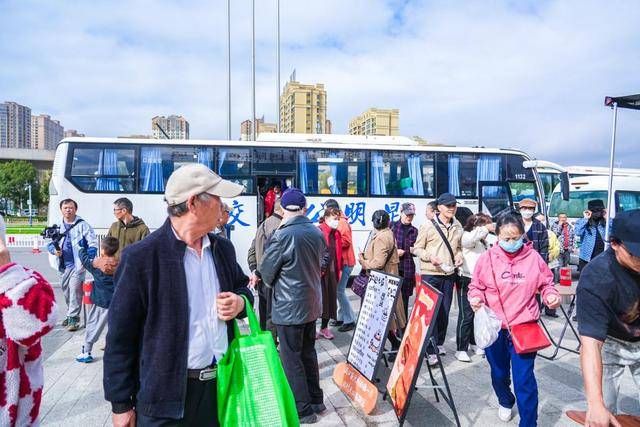
俊发本周派发2300万现金消费券,业主免费乘大巴买爆新螺蛳湾
Sou Hu Cai Jing· 2025-11-08 15:09
Core Viewpoint - The "New Luoshu Bay Super Purchase" event, featuring 23 million yuan in cash consumption vouchers, successfully ignited consumer enthusiasm in Kunming, transforming the area into a vibrant shopping destination [5][15][17]. Group 1: Event Overview - The event attracted homeowners from various Kunming neighborhoods, with 17 shuttle buses bringing them to the venue, creating a lively atmosphere [3][5]. - The consumption vouchers are straightforward, with no complex rules, allowing for 100% real deductions, which significantly boosted consumer willingness to spend [5][7]. Group 2: Consumer Engagement - The event saw long queues at nearly a hundred shops in the area, indicating a strong consumer response, with some stores reporting sales of nearly a thousand sets in just one hour [5][11]. - Homeowners actively participated in shopping, utilizing the vouchers to make purchases without spending any cash, demonstrating the effectiveness of the voucher system [9][11]. Group 3: Business Impact - The initiative has led to a noticeable increase in foot traffic, with some stores experiencing three times their usual customer volume, highlighting the positive impact on local businesses [11]. - The cash vouchers were fully pre-deposited into a designated bank account to ensure merchant confidence, further encouraging participation from local businesses [9]. Group 4: Future Plans - The company plans to distribute a total of 30 million yuan in cash consumption vouchers before the Spring Festival and aims to continue this initiative with a minimum of 150 million yuan over the next five years to stimulate consumption and enhance market vitality [17].
扩大内需,刺激消费,其实就是五件事
Sou Hu Cai Jing· 2025-11-08 06:47
Group 1 - The core viewpoint emphasizes the importance of expanding domestic demand and stimulating consumption through various measures [1][2][3] Group 2 - Gradually increase rural elderly pensions to improve living standards and reduce the financial burden on their children, which in turn can enhance consumption [1] - Raise the minimum wage level, as the current increase has lagged behind the national GDP growth, negatively impacting the lower-income population [1] - Increase childbirth subsidies and invest in social childcare institutions to encourage higher birth rates, with a focus on enhancing financial support for families [1] Group 3 - Gradually expand the proportion of villas and low-density communities to improve living standards, particularly in areas with low population density, which can lead to increased purchases of household goods [2] Group 4 - Increase people's rest time by enforcing stricter regulations on overtime work, ensuring weekends off, and implementing paid annual leave, with advanced regions setting an example [3]
老百姓没钱了为啥还要刺激消费?
Sou Hu Cai Jing· 2025-11-04 19:31
Group 1 - The core argument is that the government aims to stimulate consumer spending to drive economic growth, as low consumer spending leads to a vicious cycle of reduced income and further decreased spending [1][10] - The current economic situation shows that many households are financially constrained, with 5.6 billion people having empty bank accounts and 90% of families having savings of less than 100,000 yuan [3][5] - The government is not merely pushing for increased spending but is trying to create an environment where consumers feel confident to spend by addressing their financial concerns [7][10] Group 2 - The government is implementing measures such as lowering deposit interest rates to encourage spending by making money feel less valuable, thus prompting consumers to spend rather than save [5][8] - Issuing consumption vouchers is intended to provide consumers with a sense of financial security, making them feel that their purchases are worthwhile [5][10] - The government recognizes that simply providing financial incentives is insufficient; it is focusing on improving income, social security, and reducing living costs to enhance consumers' spending capacity [10][11] Group 3 - The ultimate goal is to increase consumption growth rates to 5-6% and raise the proportion of final consumption in GDP to over 60%, which requires a multifaceted approach beyond just issuing consumption vouchers [10] - The shift in government strategy emphasizes enhancing consumer capability rather than just stimulating short-term spending, aiming for a healthier and more sustainable economy [10][11] - The government seeks to create a consumer environment where individuals feel they have the financial means and confidence to spend, thus revitalizing the consumption market [11]
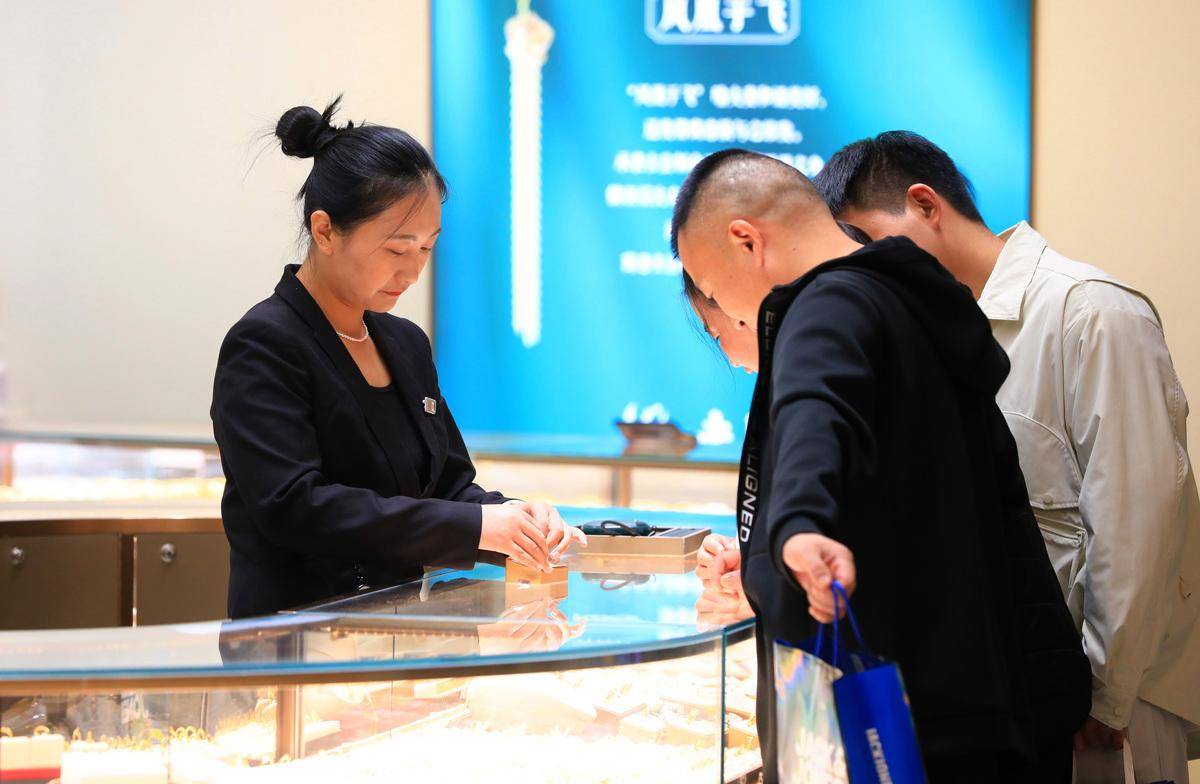
从商家的促销说起
Sou Hu Cai Jing· 2025-11-03 14:10
Group 1 - The prevalence of promotions indicates a developed commercial environment but also suggests a decline in consumer purchasing power [1][3] - Online shopping festivals initially generated high transaction volumes but have since seen a decline, with increased returns and consumer skepticism about pricing strategies [3][4] - Businesses often manipulate prices by raising them before sales events and then advertising discounts, leading to consumer confusion and a lack of rational purchasing behavior [3][4] Group 2 - Offline retailers also employ similar tactics, using free giveaways to attract customers, but ultimately, consumer decisions are driven by perceived value and price [4][6] - Economic growth relies on stimulating consumer spending, which requires both affordable goods and sufficient disposable income among consumers [6][8] - The burden of housing and car loans has constrained young consumers' spending power, leading to a cautious approach to consumption despite potential income [6][8] Group 3 - To effectively stimulate consumption, there is a need for lower prices and higher wages across various sectors, rather than superficial subsidies that may lead to price inflation [6][8] - The current economic strategy should focus on direct financial support to consumers, similar to practices in developed capitalist countries, rather than relying solely on promotional tactics [6][8]

补贴“宴席消费”,也要避免助长摆酒敛财之风 | 封面评论
Sou Hu Cai Jing· 2025-09-10 06:42
Group 1 - The core viewpoint of the article is the introduction of the "2025 Shaoxing City Consumption Promotion Policy," which includes 15 measures aimed at stimulating consumption, particularly in the restaurant sector [3] - The policy provides subsidies for dining consumption, specifically for groups of five tables or more with a total expenditure of 10,000 yuan or more, with a maximum subsidy of 5,000 yuan based on the tax-inclusive sales invoice [3] - Shaoxing aims to expand domestic demand and stimulate consumption, with a focus on the restaurant sector, which has previously utilized consumption vouchers to drive customer traffic [3] Group 2 - "Banquet consumption" refers to large-scale dining events, which have a significant impact on the consumption of food and beverages, and targeted subsidies for such events could yield substantial economic benefits [4] - The policy aims to address the recovery of large hotels and banquet venues that have not yet fully bounced back, thereby promoting large-scale restaurant consumption [4] - The initiative to subsidize banquet consumption is expected to benefit not only the restaurant industry but also related sectors such as wedding planning, entertainment, and decoration, thereby creating broader economic activity and employment opportunities [4]

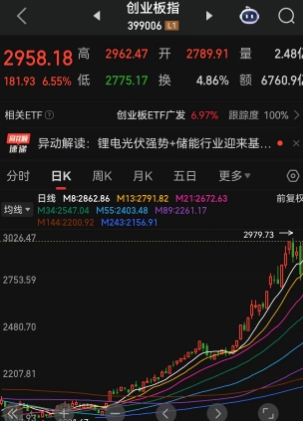
A股突发!近10年首次出现,创业板指大涨6.55%,在大跌超4%下第二天“反包”成功,顶级游资和机构资金大手笔操作不断,资金端、产业端利好消息传来-股票-金融界
Jin Rong Jie· 2025-09-05 09:11
Market Performance - The ChiNext Index experienced a significant rebound, rising 6.55% after a previous drop of 4.25%, successfully reversing the trend [1] - The index surpassed key levels of 2800 and 2900 points, reaching as high as 2962 points, just shy of its recent peak of 2979.73 [1] - Overall, the Shanghai Composite Index increased by 1.24% to 3812.51 points, while the Shenzhen Component Index rose by 3.89% to 12590.56 points, with over 4800 stocks gaining [1] Sector Highlights - Key sectors driving the A-share market included solid-state batteries, photovoltaics, CPO, and third-generation semiconductors, with nearly 30 stocks in the solid-state battery sector hitting the daily limit [2] - CPO concept stocks, particularly Shenghong Technology, reached a historical high with a limit-up performance [2] Commodity Market - The commodity futures market saw a strong rebound, with polysilicon prices hitting a new high, increasing by 9% to surpass 56,000 [4] - Other commodities such as coking coal, glass, and焦炭 also experienced significant price increases, with coking coal rising over 6% and glass nearly 5% [4] Monetary Policy - The People's Bank of China announced a 1 trillion yuan reverse repurchase operation to maintain liquidity in the banking system, with a focus on a three-month term [5] - The central bank's actions are seen as a response to recent liquidity concerns, with over 22,731 billion yuan in reverse repos maturing in the first week of September [5] Industry Policies - The Ministry of Industry and Information Technology and the State Administration for Market Regulation released a plan to promote stable growth in the electronic information manufacturing industry, aiming to eliminate "involution" competition and foster high-quality development in sectors like photovoltaics [6] - Upcoming policies are expected to stimulate consumption, focusing on enhancing service supply and promoting high-quality tourism and internet services [6] Institutional Activity - Top institutional investors and funds were active in the market, with significant buying in leading stocks such as the solid-state battery company, Xian Dao Intelligent, and CPO leader Shenghong Technology [7][9] - Notable transactions included a net purchase of 7.44 billion yuan by a deep stock connect special seat for Xian Dao Intelligent [7] Market Outlook - Analysts suggest that the market is in a revaluation phase, with expectations of a "slow bull" trend despite potential short-term volatility [10]


王小鲁:不赞成刺激消费的提法
Sou Hu Cai Jing· 2025-08-29 05:19
Group 1 - Current consumer demand is weak, with final consumption accounting for only 53% of GDP and household consumption at 37%, indicating a serious underconsumption issue [1] - Private investment is stagnant due to concerns over a fair competitive environment and insufficient confidence in future prospects among private enterprises [1][2] - Structural monetary and credit policies aim to support the real economy and improve financing conditions for small and micro enterprises, but often fail to be effective due to systemic issues [1][2] Group 2 - The financial market remains dominated by state-owned banks, making it difficult for small enterprises to secure loans, despite many being financially sound [2] - The rise of internet finance and big data analysis offers potential solutions to reduce loan risks for small enterprises, but regulatory frameworks need to be improved [2] - A more open financial market is necessary, along with fair competition principles to ensure equitable treatment of all enterprises [2][3] Group 3 - The transition from a planned economy to a market economy has highlighted the importance of fair competition for efficiency and motivation for development [3] - Recent trends show that monopolistic state-owned enterprises are seeing profit increases while competitive private enterprises are struggling, indicating an unfair competitive landscape [3][5] Group 4 - The disparity in operating conditions between monopolistic state-owned enterprises and competitive small enterprises is significant, with state-owned enterprises holding a disproportionate share of assets and liabilities [6] - The profitability of state-owned enterprises is primarily concentrated in monopolistic sectors, while competitive sectors still see lower efficiency compared to private enterprises [6] Group 5 - The current economic environment negatively impacts employment, which in turn affects consumer spending, making the health of the private economy crucial for overall economic growth [6][7] - Stimulating consumption is ineffective if consumers lack the ability or confidence to spend; addressing underlying issues such as unemployment and social security is essential [7][8] Group 6 - Active fiscal policies should focus on addressing long-standing social issues rather than merely increasing government investment in potentially inefficient projects [8][9] - Prioritizing spending on social welfare can lead to improved consumer confidence and spending, ultimately driving economic growth [9]

发钱了,背后是什么信号?
大胡子说房· 2025-08-16 05:11
Core Viewpoint - The newly introduced childcare subsidy aims to stimulate birth rates and consumer spending, but its actual impact may be limited due to the relatively small amount of financial support compared to the overall costs of raising a child [5][10]. Group 1: Childcare Subsidy Details - Starting from January 1, 2025, a subsidy of 3,600 yuan per child per year will be provided for children under three years old, amounting to a total of 10,800 yuan over three years [1][2]. - For the period of 2022-2024, approximately 28.12 million births are expected to receive varying levels of subsidies, with a total subsidy scale estimated at 85.4 billion yuan [2]. - The total subsidy scale for 2025 is projected to be around 34.7 billion yuan, based on an estimated 9.6 million newborns [2]. Group 2: Financial Implications - The total subsidy amount for this year is estimated to be around 120 billion yuan [3]. - If the birth rate remains stable over the next decade, the total subsidy scale could reach approximately 347 billion yuan [4]. - The financial burden of the subsidy is relatively small compared to the non-tax revenue increase of state-owned financial institutions, which saw a year-on-year increase of 369.8 billion yuan in just one month [4]. Group 3: Effectiveness of the Subsidy - The subsidy is unlikely to significantly stimulate birth rates, as the financial support does not cover the substantial costs associated with raising a child [5][6]. - Historical data from countries with similar subsidy programs indicate that financial incentives alone have not effectively reversed declining birth rates [7][8]. - The impact on consumer spending may also be limited, as the subsidy primarily covers essential expenses for young children, leaving little for discretionary spending [9][10]. Group 4: Symbolic Significance - The introduction of a nationwide childcare subsidy represents a shift towards universal welfare, as it includes all children rather than just those from families with multiple children [10]. - The long-term nature of the subsidy suggests that it may continue to evolve, potentially increasing in amount over time [11][12]. - The policy could pave the way for broader financial stimulus measures, including direct cash transfers to residents, which may further influence asset prices and economic conditions [13][14].