
单边保护主义

Search documents
美国发现一个“秘密”:每次对华加征关税,中国就去找非洲,为何
Sou Hu Cai Jing· 2025-09-16 07:08
Group 1 - The trade war between the US and China escalated significantly starting in 2018, with the US imposing tariffs on $34 billion worth of Chinese goods, primarily targeting industrial products [2] - By 2019, the US expanded tariffs to $200 billion worth of Chinese goods at a rate of 10%, while China retaliated with tariffs on $60 billion worth of US goods [2] - In 2024, the trade conflict intensified again, with the US imposing an additional 10% tariff on all Chinese imports on the first day of Trump's return to the White House [5] Group 2 - The agricultural sector in the US has faced severe challenges due to the trade war, with a 20% drop in purchases from China, leading to a loss of $12 billion [9] - In 2024, bankruptcy filings among US farms surged by 55%, particularly affecting the Midwest [9] - The average American household incurs an additional $2,000 in living costs annually due to tariffs, which is estimated to slow GDP growth by 0.6 percentage points [10] Group 3 - China has demonstrated strategic resilience by diversifying its import channels, with imports from Brazil and Russia reaching $80 billion in the first half of 2025 [12] - Despite a 25% decrease in exports to the US, China's overall exports grew by 6% due to the Belt and Road Initiative [12] - Trade with Africa has significantly increased, with trade volume surpassing 2 trillion yuan in 2024, marking a 14.2% annual growth since 2000 [14] Group 4 - The trade war has historical parallels to the Smoot-Hawley Tariff Act of 1930, which led to a significant contraction in global trade [16] - The US agricultural sector has faced $27 billion in losses, prompting warnings of bankruptcy from agricultural associations [16] - In contrast, China's proactive global market strategies have allowed it to maintain a GDP growth rate of over 5% in 2025 [16] Group 5 - China's exports to Africa surged by 25.9% in the first eight months of 2025, with electric vehicle sales doubling [17] - African agricultural products are filling the gap left by US imports, with a 50% annual growth rate in imports from Africa [17] - China is aiding African nations in transforming idle farmland into productive agricultural areas, fostering mutual benefits [17] Group 6 - The ongoing trade conflict highlights the dangers of unilateral protectionism and the advantages of a diversified global strategy [18] - China's deep engagement in the African market has not only mitigated the impacts of the trade war but also created new growth opportunities [18] - As US farmers struggle under the weight of tariffs, China's cooperation with Africa is establishing a new foundation for future trade dynamics [18]

后悔已经晚了!中国重锤加拿大之后,全球超160国接到中方通知
Sou Hu Cai Jing· 2025-08-19 12:25
Group 1 - China has filed a complaint against Canada at the WTO regarding import restrictions on steel and other products, indicating a significant escalation in trade tensions [1][13] - Canada has imposed a 100% tariff on electric vehicles imported from China, alongside targeted measures against the Chinese steel and aluminum industries, reflecting a strategic economic confrontation [4][9] - The Canadian government's steel tariff measures, which include a 25% direct tariff and strict import quotas, are seen as a violation of international trade rules and a part of a broader U.S. strategy to contain China [5][7] Group 2 - China's response to Canada's actions has been swift and severe, with significant retaliatory measures including high anti-dumping duties on Canadian canola, leading to a loss of approximately $2 billion in market value for Canadian exports [15][17] - The impact of these trade restrictions has severely affected Canadian agricultural exports, including canola, seafood, pork, and peas, resulting in price drops and financial distress for Canadian farmers [19][21] - The economic relationship between Canada and the U.S. has been strained, with Canada facing a trade surplus with the U.S. while simultaneously dealing with high tariffs and pressures on key industries [23][24] Group 3 - The Canadian economy is experiencing significant challenges, with a rising unemployment rate of 7.4% and GDP growth slowing to 1.2%, largely due to the decline in agriculture and manufacturing sectors [29][32] - The Canadian government is struggling to find effective solutions to the economic fallout from its trade policies, with attempts to negotiate with Southeast Asian countries yielding little progress [31][32]

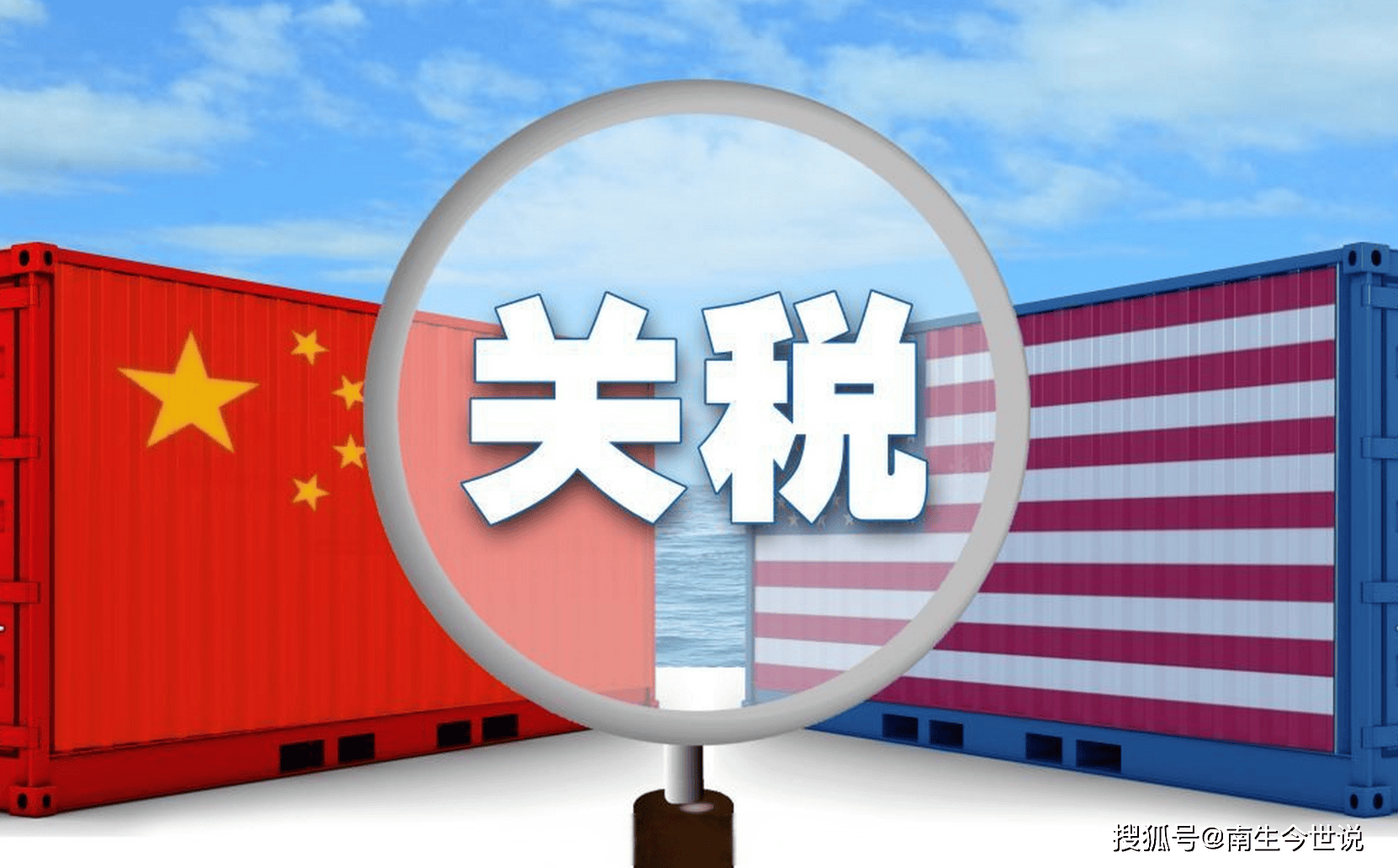
多次对抗后,中国、美国对“对方的商品”究竟征收多少关税呢?
Sou Hu Cai Jing· 2025-08-12 13:16
Group 1 - The article discusses the complexities of the US-China tariff situation, highlighting the misleading narratives surrounding the percentage of tariffs imposed by each country [1][3] - Prior to Trump's presidency, the average tariffs were 3.1% for the US on Chinese goods and 8% for China on US goods, reflecting a common trend where developing countries have higher tariffs than developed ones [3] - By the beginning of Biden's administration in 2021, the US had an average tariff rate of 19.3% on Chinese goods, while China imposed approximately 20.7% on US products [3][4] Group 2 - Trump's second term saw an increase of 20% tariffs related to the fentanyl issue, with a total of 30% tariffs imposed, although only 10% were actually collected [4][6] - The weighted average tariff for US goods exported to China is estimated to be between 45% and 50%, indicating significant costs for importers and consumers in both countries [5][6] - The article emphasizes that high tariffs lead to a trade war that ultimately harms both nations, reinforcing the idea that there are no winners in such conflicts [8][9] Group 3 - The strategic implications of the tariff war are significant, as it serves as a geopolitical weapon rather than just a trade policy tool, indicating a shift in how tariffs are perceived and utilized [10] - The ongoing nature of the tariff battle suggests that companies must prepare for a long-term high-tariff environment, as the situation remains unpredictable [9][10] - The article concludes that unilateral protectionism cannot halt the natural progression of industrial development and globalization, with China focusing on building a self-sufficient supply chain [8][10]
特朗普终于得偿所愿?关税大棒正式砸下,美国内一片哀嚎!中国这次也被盯上了?
Sou Hu Cai Jing· 2025-08-11 07:40
Group 1 - The average tariff rate in the U.S. has risen to 18.3%, marking a significant increase from 2%-3% earlier this year, indicating a shift towards unilateral protectionism [3][4] - The tariffs have resulted in substantial financial losses for companies, with Apple reporting an $800 million loss in Q2 and an expected additional $1.1 billion in Q3 due to tariffs [4] - Consumers are increasingly concerned about inflation, with one-year inflation expectations rising to 3.1% and three-year expectations remaining at 3% [2][3] Group 2 - There is a growing caution regarding the job market, with the likelihood of unemployment in the next year increasing by 0.4 percentage points to 14.4% [3] - The tariffs are causing structural damage to the U.S. manufacturing sector, with the potential to weaken investment and employment or drive inflation higher [6] - The U.S. Treasury Secretary has threatened secondary tariffs on countries purchasing sanctioned Russian oil, particularly targeting China, which could face 100% punitive tariffs [6][8] Group 3 - The ongoing trade tensions and tariff increases are accelerating the global process of "de-dollarization," posing risks to the post-World War II global economic order [8] - China's significant control over rare earth production is a critical factor in the trade negotiations, highlighting the strategic vulnerabilities of U.S. high-end manufacturing [8] - The rhetoric from Chinese officials emphasizes that there are no winners in a tariff war, suggesting a long-term perspective on the consequences of these trade policies [8]

中美关税战胜负已分,美国国内有明白人,甩出证据砸在特朗普脸上
Sou Hu Cai Jing· 2025-08-09 10:15
Core Viewpoint - The article concludes that China has emerged victorious in the recent trade war initiated by the Trump administration, as evidenced by economic growth rates and the impact of tariffs on both countries [3][7][13]. Economic Performance - In the first half of the year, China's economy grew by an average of 5.3%, while the U.S. economy only grew by 1.25% [3]. - The trade war has resulted in higher production costs in the U.S., limiting American exports [5]. Trade Dynamics - The U.S. has delayed the implementation of tariffs, which has allowed China to recover its trade exports to the U.S. [5]. - The tariffs imposed on Southeast Asian countries by the U.S. range from 19% to 40%, prompting some manufacturers to reconsider relocating back to China [5][7]. Global Trade Relationships - Many countries are recognizing China as a stable and reliable trade partner, leading to strengthened economic ties with China [7]. - The trade war has inadvertently enhanced China's economic position while weakening the U.S.'s influence [9][13]. Technological Advancements - China has surpassed the U.S. in several advanced technology sectors, including solar cells, electric vehicles, and drones [8]. Policy Critique - The article criticizes the Trump administration's policies as ineffective, arguing that they have not only failed to achieve their intended goals but have also strengthened China's global position [9][13].
巴西总统卢拉怒批特朗普:关税威胁极不负责任,金砖国家联手反击!
Sou Hu Cai Jing· 2025-07-08 16:39
Group 1 - Brazilian President Lula criticized US President Trump's tariff threats as "irresponsible" during the BRICS summit, emphasizing that each country is the master of its own fate [1] - Trump announced a 10% tariff on countries supporting anti-American policies, which Lula responded to by stating that other countries could retaliate equally [1] - The BRICS summit's declaration directly addressed unilateral protectionism, with measures including de-dollarization and forming alliances to counter US dominance [1] Group 2 - Trump's tariff threats extend to Japan and South Korea, with a 25% tariff set to take effect, indicating a broader impact on global trade relationships [2] - The potential economic consequences of Trump's tariffs include a 1.2% contraction in US GDP and a rise in unemployment to 6%, alongside significant impacts on companies like Boeing and Ford [1]

只给中国30天,欧盟要求解决稀土问题,却收到了商务部的加税通知
Sou Hu Cai Jing· 2025-07-02 03:57
Group 1 - European companies are facing a "very, very serious" shortage of rare earth magnets, prompting the EU ambassador to call for urgent resolution from China [1] - The shortage stems from China's export controls on key minerals, including rare earth magnets, implemented in response to U.S. tariffs [1] - China's rare earth magnet exports have significantly declined, disrupting global automotive and high-tech supply chains, with European firms expressing the most concern [1] Group 2 - The EU's contradictory stance towards China is evident, as it attempts to engage in trade while simultaneously portraying China as a common threat with the U.S. [2] - In 2024, the EU plans to impose tariffs on Chinese electric vehicles, highlighting the ongoing tensions despite the need for cooperation [2] - The EU's actions, such as excluding Chinese products from public procurement, reflect a protectionist approach that undermines economic dialogue [5] Group 3 - The trade dynamics reveal a significant trade surplus for China with the EU, which increased by nearly 23% in the first five months of the year, reaching a record $117 billion [7] - The EU's current predicament is a result of its strategic double standards, seeking concessions from China while maintaining pressure [7] - A genuine "fair competition environment" requires mutual respect and equal rules, rather than unilateral demands from the EU [7]
欧盟中国商会声明:坚决反对!
券商中国· 2025-06-21 04:45
Core Viewpoint - The EU Chamber of Commerce in China strongly opposes the EU's restrictions on Chinese companies participating in public procurement for medical devices, expressing serious concerns about the impact of this market distortion on China-EU investment relations [1][2]. Group 1 - The EU Commission, on June 20, excluded Chinese companies from participating in EU public procurement projects for medical devices valued over 5 million euros, requiring that products and components from China not exceed 50% [1]. - The EU Chamber criticizes the EU's unilateral protectionist measures and the discriminatory practices against Chinese companies, stating that the conclusions of the EU's investigation under the "International Procurement Instrument" are not fair [1]. - The statement emphasizes that the EU's actions represent blatant discrimination against Chinese enterprises and products, raising serious concerns about the impact on China-EU medical device trade and investment relations [1]. Group 2 - The EU Chamber calls for the EU to immediately cease its erroneous practices and provide a fair, just, and non-discriminatory business environment for Chinese medical device companies [2].

欧盟中国商会声明:反对欧委会IPI下排除中企参与医疗器械公共采购
news flash· 2025-06-21 01:21
Core Viewpoint - The European Union Chamber of Commerce in China opposes the European Commission's decision to exclude Chinese companies from participating in public procurement for medical devices under the International Procurement Instrument (IPI) [1] Group 1: EU Commission's Decision - On June 20, the European Commission announced the exclusion of Chinese companies from public procurement related to the IPI, stating that products and components from China must not exceed 50% in winning bids [1] - The EU Chamber criticizes this unilateral protectionist measure and claims it is an unfair discriminatory action against Chinese enterprises [1] Group 2: Chamber's Response - The EU Chamber argues that the findings of the IPI investigation are not fair, asserting that the conclusion regarding the exclusion or discrimination of EU-manufactured medical devices in China's public procurement market does not reflect reality [1] - The Chamber expresses disappointment over the EU's hasty unilateral measures, especially given the ongoing discussions between China and the EU regarding the Government Procurement Agreement (GPA) and public procurement issues [1] Group 3: Call for Fair Treatment - The EU Chamber condemns the discriminatory and exclusionary measures against Chinese products and suppliers, emphasizing the negative impact on trade and investment relations between China and the EU in the medical field [1] - The Chamber urges the EU to immediately cease these erroneous practices and provide a fair, just, and non-discriminatory business environment for Chinese companies in the medical sector in Europe [1]
王毅会见出席中非合作论坛成果落实协调人部长级会议的非洲多国外长
Xin Hua She· 2025-06-11 15:23
Group 1 - The core viewpoint emphasizes China's commitment to enhancing cooperation with African nations and expanding market access to benefit African people directly [1][2][3] - China supports South Africa in fulfilling its G20 presidency responsibilities and aims to strengthen practical cooperation across various fields [1][2] - The establishment of a comprehensive strategic partnership with Djibouti and Ghana highlights China's focus on multilateralism and opposition to unilateralism [2][3] Group 2 - The announcement of a 100% zero-tariff policy for African products is expected to create significant opportunities for African countries [3][4] - China expresses willingness to deepen cooperation with Nigeria and other nations, focusing on mutual respect and support [3][4] - The importance of strategic communication and mutual cooperation is reiterated in discussions with Ethiopia, aiming for early achievements from summit outcomes [4]