
去风险

Search documents
27国要对华加税30%?法国打响第一枪,美财长一句话定义中美关系
Sou Hu Cai Jing· 2026-02-15 03:42
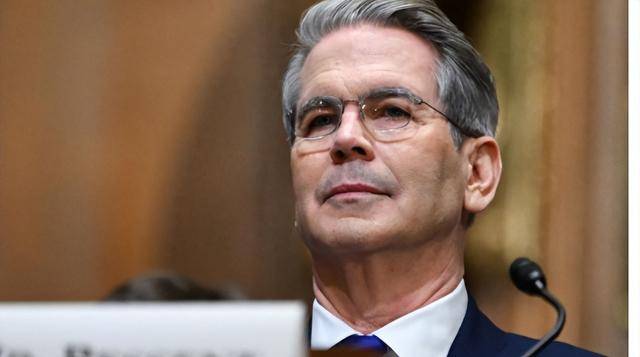
2026年2月9日,作为欧盟的双引擎之一,法国突然发布了一份重磅政府报告,令整个国际市场震动。这份报告的语气可以说是强硬无比,内容也让人难以置 信:为了扭转与中国之间巨大的贸易逆差,法国建议欧盟27个成员国对中国商品加征30%的关税。这还不是全部,法国人甚至提出了一个震撼金融界的提 议:要么加税,要么就让欧元对人民币贬值20%到30%。换句话说,法国试图通过人为制造一场汇率风暴,迫使人民币升值,从而削弱中国制造的竞争力。 这一招是不是听着有些耳熟?没错,稍微懂点历史的朋友一定会发现,这不正是广场协议的翻版吗?美国当年通过这一手将日本压得喘不过气,今天法国把 这套旧剧本从废纸堆里捡了出来,只不过这次主角换成了中国。然而,当法国高喊加税,甚至在BFM电视台上惊呼令人震惊的时候,地球另一端的巴西圣 保罗,美国财政部长贝森特却轻描淡写地说了一句让全球都无法理解的话。 当被问及中美关系时,贝森特这位曾为特朗普政府提供财政支持的财神爷,笑着说:我们正处在一个非常舒适的位置。一边是法国歇斯底里地要求掀桌子, 一边是美国悠闲地称舒适。这两大西方强国为何突然间唱起了对台戏?背后到底藏着怎样的博弈和逻辑? 现在,让我们来看看淡定 ...

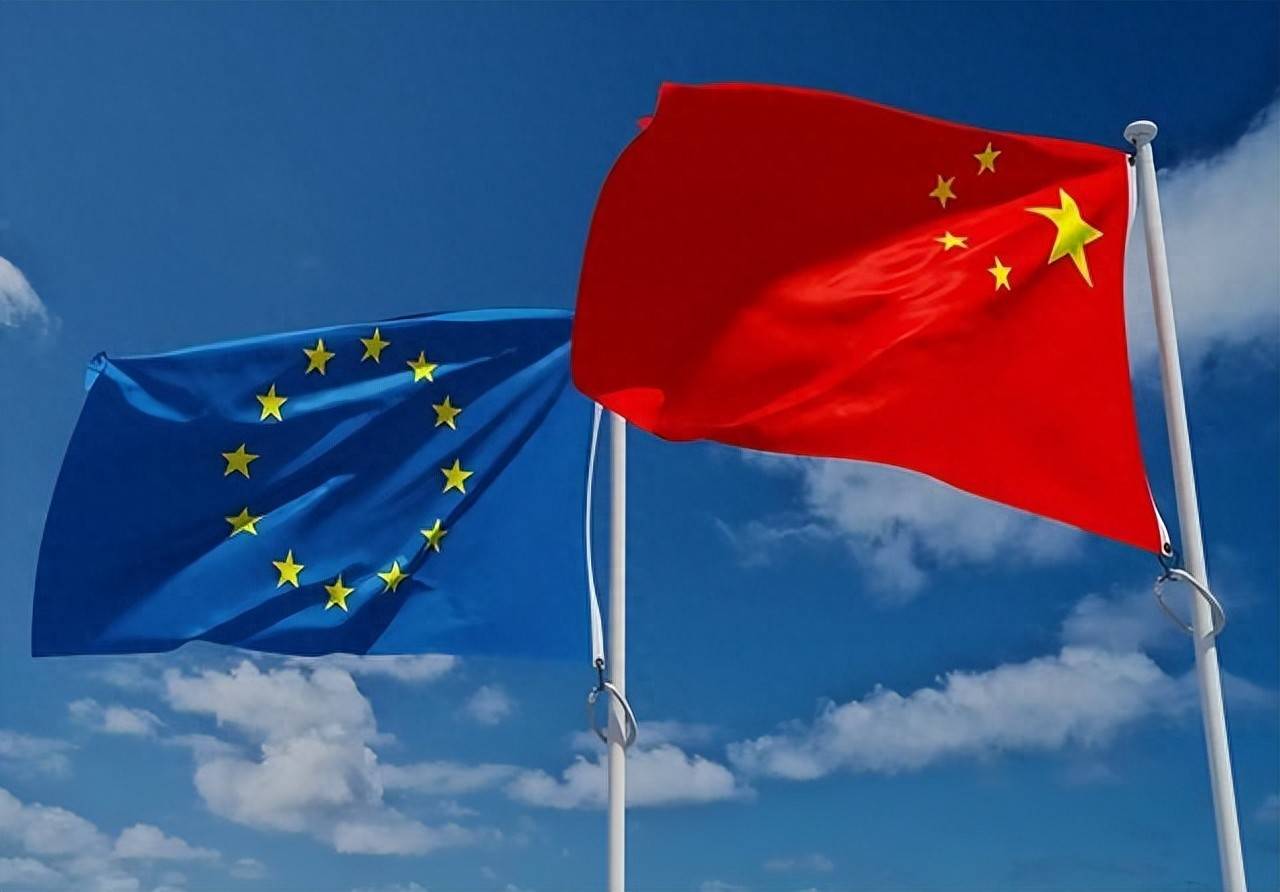
27国要对我们加税30%?法国打响第一枪,美财长一句话定义中美关系
Sou Hu Cai Jing· 2026-02-14 04:41
Group 1 - France has proposed a significant government report suggesting that EU member states impose a 30% tariff on Chinese goods to address the trade deficit with China [2][10] - The report indicates that 55% of manufacturing output in the EU faces direct competition from China, with Germany at 70% and France at 36% [10][12] - The proposed tariffs are seen as a desperate measure to level the playing field, as Chinese products have a cost advantage of approximately 30% [12][14] Group 2 - The report reflects France's panic over its industrial decline, as it attempts to unify EU member states against China, despite differing interests among countries like Germany [15][18] - The U.S. Treasury Secretary's comments about being in a "comfortable position" regarding U.S.-China relations suggest a shift in strategy, moving from aggressive confrontation to a more pragmatic approach [20][22] - The U.S. has recognized that a hardline approach against China has not yielded the desired results, leading to a focus on "de-risking" rather than complete decoupling [24][26] Group 3 - France's proposal to manipulate the euro's value against the yuan is reminiscent of the 1985 Plaza Accord, which aimed to address trade imbalances through currency intervention [30][31] - The differences between China and Japan during the Plaza Accord era highlight China's current economic independence and robust domestic market, making such proposals less feasible [33][35] - The report indicates that France's protectionist measures may not effectively address the underlying issues of industrial competitiveness and could lead to further economic challenges [35][37]
去风险情绪骤升,流动性挤压下贵金属遭“踩踏式”抛售
Sou Hu Cai Jing· 2026-02-13 00:00
Group 1 - The global financial market is experiencing a "de-risking" sentiment, leading to a sell-off in precious metals, particularly gold, silver, and copper, as investors seek liquidity amid falling tech stocks in the US [1][2] - Gold prices saw a maximum intraday drop of 4.1%, while silver plummeted by 11%, and copper prices fell by 2.9%, before slightly rebounding from their lows [1][2] - Market volatility is characterized by a rapid clearing of risk assets, with even traditionally safe-haven assets like gold being sold off due to urgent liquidity needs [1][2] Group 2 - The strong upward momentum in precious metals since the beginning of 2024 was abruptly halted on January 29, when gold recorded its largest single-day drop in over a decade, and silver its largest historical drop [2] - Analysts suggest that the recent sharp decline does not necessarily indicate a sustained downward trend for gold, but it does increase the likelihood of high volatility in the short term [2] - Institutional perspectives indicate that the recent sell-off is driven by algorithmic trading and systematic strategies, particularly after key price levels were breached [2] Group 3 - In the silver market, the dynamics of the options market have amplified volatility, with active trading in call options for the iShares Silver Trust contributing to selling pressure [3] - Traders are closely monitoring upcoming US economic data, especially core inflation indicators, to assess the Federal Reserve's interest rate trajectory, as lower borrowing costs typically benefit non-yielding precious metals [3] - As of the close of US markets, spot gold fell by 3.15% to $4922.3 per ounce, while silver dropped over 10% to $75.31 per ounce, alongside declines in platinum and palladium, with a slight increase in the US dollar index [3]
去风险情绪骤升 流动性挤压下贵金属遭“踩踏式”抛售
智通财经网· 2026-02-12 22:37
全球金融市场突发"去风险"情绪,贵金属遭遇抛售。受美股科技股大跌及流动性需求上升影响,黄金价 格一度重挫,白银与铜同步暴跌,部分交易员为弥补股票仓位亏损而抛售金属资产,另有资金转向美国 国债避险。 智通财经APP获悉,数据显示,金价盘中最大跌幅达4.1%,白银一度暴跌11%,伦敦金属交易所铜价下 跌2.9%,随后均自低位小幅反弹。MKS PAMP SA的Nicky Shiels表示,市场波动来得"又快又猛",明显 呈现风险资产出清的特征;在极端市场压力下,即便是黄金这样的避险资产,也可能因投资者急需流动 性而被抛售。 市场人士指出,周四金银的部分跌幅也与获利了结有关。此前一轮疯狂上涨在一定程度上由投机性买盘 推动,短线资金在风险情绪逆转时集中撤离。Saxo Bank大宗商品策略师Ole Hansen表示,黄金和白银 的交易仍高度依赖情绪与动量,在这种剧烈波动的交易日里往往表现承压。 回顾走势,自2024年以来贵金属的强劲涨势在上月明显加速,动量资金推动金银价格接连刷新高点。但 这一势头在1月29日戛然而止,当天金价录得十余年来最大单日跌幅,白银则创下历史最大跌幅。此 后,两种金属在缺乏新催化剂的情况下维持区间 ...
3天已过,中方公布黄金储备,美财长紧急踩刹车:不希望中美脱钩
Sou Hu Cai Jing· 2026-02-12 07:46
«——【·前言·】——» 我国持续减持美债的同时扩大黄金储备,这背后的原因是什么?释放了怎样的信号?怎么来看贝森 特"不希望与中国脱钩"这句话? 2月10号,美国财政部长贝森特就中美关系进行最新表态,他直言,"当前的美中关系处于一个相当舒适 的位置,我们将会是竞争对手,但我们不希望与中国'脱钩',不过确实需要'去风险'"。怎么来看他的这 番最新表态?应该说,这是美国在对华战略上从极端对抗转向可控竞争、务实博弈的明确信号,算是在 一定程度上承认了中美经济深度绑定、脱钩代价不可承受。 «——【·中方亮底牌·】——» 憋了整整三天,中方这边刚一甩出最新黄金储备的数据,整个美方阵营就炸开了锅,美国财政部长贝森 特更是连缓冲的时间都没留,连夜紧急踩下对华博弈的"刹车键",公开喊话表态——美方压根不希望中 美两国彻底脱钩。 可能很多人还没get到中方这波操作的分量,中国央行近期正式披露的黄金储备数据显示,截至2026年1 月末,我国黄金储备已达到7419万盎司,这已经是中方连续第15个月稳步增持黄金资产。千万别觉得这 只是简单的资产调整,这背后藏着的,是中方应对全球金融风险、夯实自身经济底气的硬实力,更是给 全球市场释放 ...
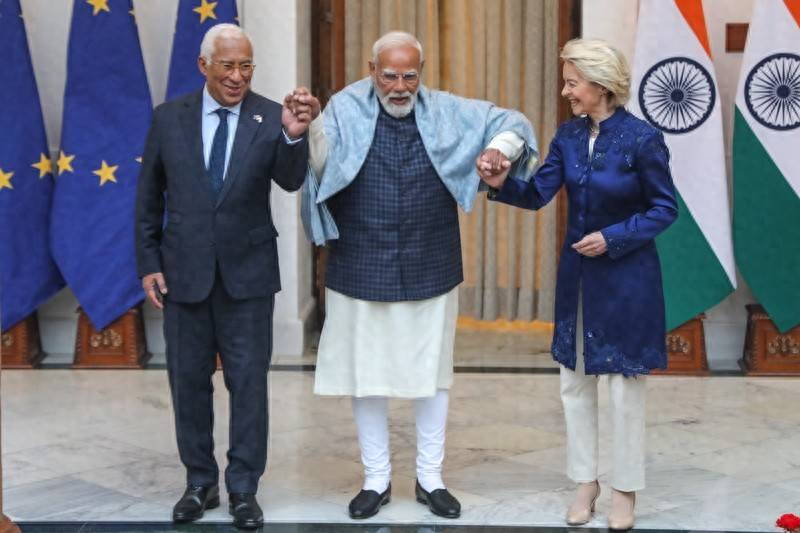
中国成最大输家?欧盟印度签订自贸协定,德媒:中国将损失数千亿
Sou Hu Cai Jing· 2026-02-11 14:51
Core Viewpoint - The recent trade agreement between India and the EU, described as the most significant in 20 years, poses challenges for China, but the country is well-positioned to adapt and seize new opportunities in the global market [3][6][8]. Group 1: Trade Agreement Details - The India-EU trade agreement, finalized after nearly 20 years of negotiations, aims to reduce tariffs on a wide range of products, with over 96% of Indian exports to the EU expected to see significant tariff reductions [6][8]. - The automotive sector will experience a drastic reduction in tariffs, with India's current 110% tariff on imported cars expected to drop to 10% over several years [6][8]. Group 2: Implications for China - German media predicts that China could lose several hundred billion euros over the next decade due to this agreement, as India's lower labor costs and tariff advantages may allow it to capture market share in textiles, electronics, and automotive sectors [8][10]. - Despite these predictions, China's manufacturing capabilities, supply chain efficiency, and established global market presence provide a strong defense against potential losses [10][18]. Group 3: Competitive Landscape - India's manufacturing sector is still developing, and while it has the potential to grow, it faces challenges in achieving the same level of efficiency and quality as China [11][13]. - The EU's desire to diversify its supply chains and reduce reliance on China may not lead to an immediate shift, as the complexities of global supply chains make it difficult for any single country to dominate [16][18]. Group 4: Strategic Recommendations - The trade agreement serves as a wake-up call for China to focus on innovation and upgrading its manufacturing capabilities, moving towards high-end design and brand services to maintain its competitive edge [18][20]. - Long-term success will depend on China's ability to innovate and optimize its supply chain, rather than relying solely on low-cost production [20].
多国拟磋商建立关键矿产联盟
Guo Ji Jin Rong Bao· 2026-02-02 12:16
Group 1 - The upcoming ministerial meeting in Washington will involve officials from the US, EU, UK, Japan, Australia, and New Zealand discussing the establishment of a strategic alliance around critical minerals, with participation from Canada, India, South Korea, Mexico, and Argentina [1] - This summit is viewed as a significant step towards repairing transatlantic partnerships and is aimed at reducing reliance on China for critical minerals, particularly rare earth resources essential for modern manufacturing [1] - The US State Department emphasized the importance of strengthening cooperation on critical mineral supply chains for the US economy, national security, technological leadership, and building a resilient energy future [1] Group 2 - EU officials express a desire for a more stable cooperation framework with the US on strategic issues like critical minerals, moving away from past tensions over tariffs [2] - Australia has announced a strategic mineral reserve worth AUD 1.2 billion, focusing on key minerals susceptible to supply disruptions, including antimony and gallium [2] - The EU is expected to urge the US to eliminate recently introduced tariffs on global steel derivatives during the meeting, which could impact various products including aluminum doors and offshore wind turbines [2] Group 3 - The first steel derivatives tariff list was published last August, with a second list potentially covering up to 700 products still pending [3] - EU officials criticize the US for its ongoing threats of new tariffs based on various reasons, calling for an end to such practices [3]
德央行行长鼓吹给中国“划红线”,专家:“既想合作又要防范”,欧洲心态复杂
Huan Qiu Shi Bao· 2026-01-26 22:48
"德国当前对华采取的是一种双向且矛盾的政策:既认可对华经贸往来对自身经济和产业的重要性,又 持续推动对华'去风险',将产业政策安全化、政治化,呈现出'既想合作又要防范'的复杂心态。"郑春荣 补充说。 "德国权衡中国工业扩张的利弊。""德国之声"日前刊登的一篇报道称,德国机械设备制造业联合会的奥 利弗·瓦克表示,如今中国已在诸多领域实现发展目标,成为德国的强劲竞争对手。"2018年,中国机械 制造商向欧盟出口的货物价值达200亿欧元;到2024年,这一数字已升至400亿欧元,今年有望达到500 亿欧元。"他向"德国之声"透露,德国对华机械出口额目前仍高于中国对德出口额。 "德国之声"称,不少专家、行业领袖认为,中德、中欧合作依然能够互利共赢。纽约荣鼎集团的布勒努 瓦表示,中国企业曾从西方技术转移中大幅受益,如今欧洲亦可从中汲取经验,通过自身市场吸引投 资、构建本地价值链、促进技术交流。 【环球时报报道 记者 丁雅栀】德国央行行长约阿希姆·纳格尔近日在接受德国媒体采访时表示,欧洲必 须更好地保护关键产业"免受中国竞争冲击",并为中国划定不可逾越的"红线"。这番言论持续在欧洲政 商界引发广泛讨论。26日接受《环球时 ...
美加速沦为全球“去风险”防范对象
Jing Ji Ri Bao· 2026-01-23 22:19
Group 1 - The United States sent a high-level, large-scale delegation to the World Economic Forum 2026, demonstrating a commitment to "America First" and showing a lack of respect for other countries, including those in Europe, highlighting the widening rift in global cooperation [1][2] - The U.S. has weaponized tariffs as a tool to pressure other nations, accelerating its status as a target for global "de-risking" measures, especially after the "reciprocal tariffs" impact experienced in 2025 [1][2] - The European Union, in response to U.S. trade policies, signed a free trade agreement with the Southern Common Market (Mercosur), creating one of the largest free trade areas globally, which signals a shift towards fair trade and cooperation rather than tariffs [2][3] Group 2 - The theme of the forum, "the spirit of dialogue," was undermined by the U.S. actions, which included criticizing other countries' green transitions as "fraud," thereby diminishing the focus on environmental issues during the event [3][4] - The global green transition is at a critical stage, with significant declines in the cost of renewable energy, yet investment in green development remains weak due to slow economic recovery and fiscal pressures [3][4] - The U.S. praised the North Sea's oil resources while criticizing the UK for restricting access to these resources, raising concerns about U.S. intentions and straining the U.S.-UK alliance [4]
欧盟将中国企业彻底排除出欧洲移动通信网络?外交部回应
Guan Cha Zhe Wang· 2026-01-21 10:01
Core Viewpoint - The European Commission has proposed a new cybersecurity policy package aimed at eliminating components and equipment from "high-risk" countries in critical infrastructure sectors, which is perceived as a politically motivated move to exclude Chinese companies from the European telecommunications market [1][2]. Group 1: Policy Implications - The new measures will apply to 18 "critical areas," including telecommunications, power supply, water systems, and medical devices, with a mandatory phase-out period of 36 months for mobile operators to eliminate components from the "high-risk supplier" list [2]. - The proposal follows a history of restrictions on "high-risk suppliers," with the EU previously implementing a 5G security "toolbox" in 2020 and the U.S. banning new telecommunications equipment from Chinese companies in 2022 [3]. Group 2: Economic Impact - The Chinese government has expressed serious concerns, stating that such actions violate market principles and fair competition rules, and could lead to significant economic costs for the EU, hindering local digital network industry development [1][2]. - The Chinese government emphasizes that the removal of Chinese telecommunications equipment has already resulted in substantial economic losses for certain countries [1].
