双循环格局

Search documents
南海千帆渡 开放向未来——海南自由贸易港封关启新程
Zheng Quan Shi Bao Wang· 2025-12-17 23:39
(更多报道见A5版~A7版) (原标题:南海千帆渡 开放向未来——海南自由贸易港封关启新程) 证券时报记者 吴少龙 12月18日,海南自由贸易港正式启动全岛封关运作。这是我国坚定不移扩大高水平对外开放、推动建设 开放型世界经济的标志性举措。作为承载国家战略的开放前沿,海南自贸港以"零关税、低税率、简税 制"为核心,在制度创新、外资集聚、国际合作、智慧监管等方面多点突破,书写着中国与世界共享发 展机遇的新篇章。 制度集成创新是自贸港建设的核心引擎。截至目前,海南已培育21批173项制度集成创新案例,82项获 国家认可、37项向全国推广。从全国首张跨境服务贸易负面清单到省级营商环境建设厅的首创,从"土 地超市"到全域"禁塑"制度,一系列突破性举措构建起系统完备的开放制度体系,为封关运作筑牢根 基。封关后,海南将持续推动政策贯通叠加,对标国际高水平经贸规则,在运行机制、监管模式等方面 深化创新,形成更多具有全国示范意义的制度成果。 开放红利的持续释放吸引全球资源加速集聚。2020年至2024年,海南实际使用外资达1667亿元,年均增 长15.8%,176个国家和地区在琼投资;与40个境外自贸区(港)建立伙伴关系,2 ...
南海千帆渡 开放向未来 ——海南自由贸易港封关启新程
Zheng Quan Shi Bao· 2025-12-17 19:26
12月18日,海南自由贸易港正式启动全岛封关运作。这是我国坚定不移扩大高水平对外开放、推动建设 开放型世界经济的标志性举措。作为承载国家战略的开放前沿,海南自贸港以"零关税、低税率、简税 制"为核心,在制度创新、外资集聚、国际合作、智慧监管等方面多点突破,书写着中国与世界共享发 展机遇的新篇章。 制度集成创新是自贸港建设的核心引擎。截至目前,海南已培育21批173项制度集成创新案例,82项获 国家认可、37项向全国推广。从全国首张跨境服务贸易负面清单到省级营商环境建设厅的首创,从"土 地超市"到全域"禁塑"制度,一系列突破性举措构建起系统完备的开放制度体系,为封关运作筑牢根 基。封关后,海南将持续推动政策贯通叠加,对标国际高水平经贸规则,在运行机制、监管模式等方面 深化创新,形成更多具有全国示范意义的制度成果。 开放红利的持续释放吸引全球资源加速集聚。2020年至2024年,海南实际使用外资达1667亿元,年均增 长15.8%,176个国家和地区在琼投资;与40个境外自贸区(港)建立伙伴关系,2024年贸易进出口总额较 2020年增长2倍。封关后,"零关税"商品税目占比从21%大幅提升至74%,6637个税目 ...
外贸创纪录,CPI企稳回升,经济工作会议后的拐点何时来?
首席商业评论· 2025-12-13 10:55
Core Viewpoint - The article discusses the implications of the recent economic work conference in China, highlighting the focus on domestic demand and structural reforms to stimulate economic growth, with an optimistic outlook for the economy in the coming years [3][5]. Economic Growth Predictions - The World Bank has adjusted its forecast for China's economic growth, predicting a rate of 4.9% in 2025 and 4.4% in 2026, both up by 0.4 percentage points from previous estimates [3]. - The emphasis on domestic demand as a driver of growth aligns with the signals from the economic work conference, which prioritizes building a strong domestic market [5]. Trade Performance - China achieved a record trade surplus of $1 trillion in the first 11 months of the year, despite a significant drop in exports to the U.S. by 18.3% [6][8]. - Exports to Europe, Southeast Asia, and Africa increased by 8.9%, 14.6%, and 27.2% respectively, indicating a successful shift in export structure [8]. - The systematic upgrade of China's manufacturing capabilities has been a key driver of this export growth, contributing nearly 45% to the increase in exports over the past five years [10]. Fiscal and Monetary Policy - The economic work conference emphasized a "loose monetary policy," focusing on lowering interest rates and easing credit conditions to stimulate economic recovery [12]. - A more proactive fiscal policy is expected, with a projected fiscal deficit rate of around 4% for 2026, maintaining the same level as in 2025 [15]. - The conference highlighted the importance of fiscal policy in supporting economic recovery, particularly in addressing local government financial challenges and funding infrastructure projects [15][17]. Economic Indicators and Consumer Impact - The Consumer Price Index (CPI) rose by 0.7% year-on-year in November, indicating a potential economic recovery and signaling a possible turning point for the economy [21]. - The anticipated easing of mortgage rates due to loose monetary policy may alleviate repayment pressures for homebuyers, while consumer spending could benefit from reduced restrictions and potential subsidies [21][23]. - Support for new infrastructure, renewable energy, and high-end manufacturing is expected to create numerous skilled job opportunities, enhancing stability for small and medium enterprises [23].


消费回流初步显现 免税行业焕发新活力
Sou Hu Cai Jing· 2025-12-12 09:05
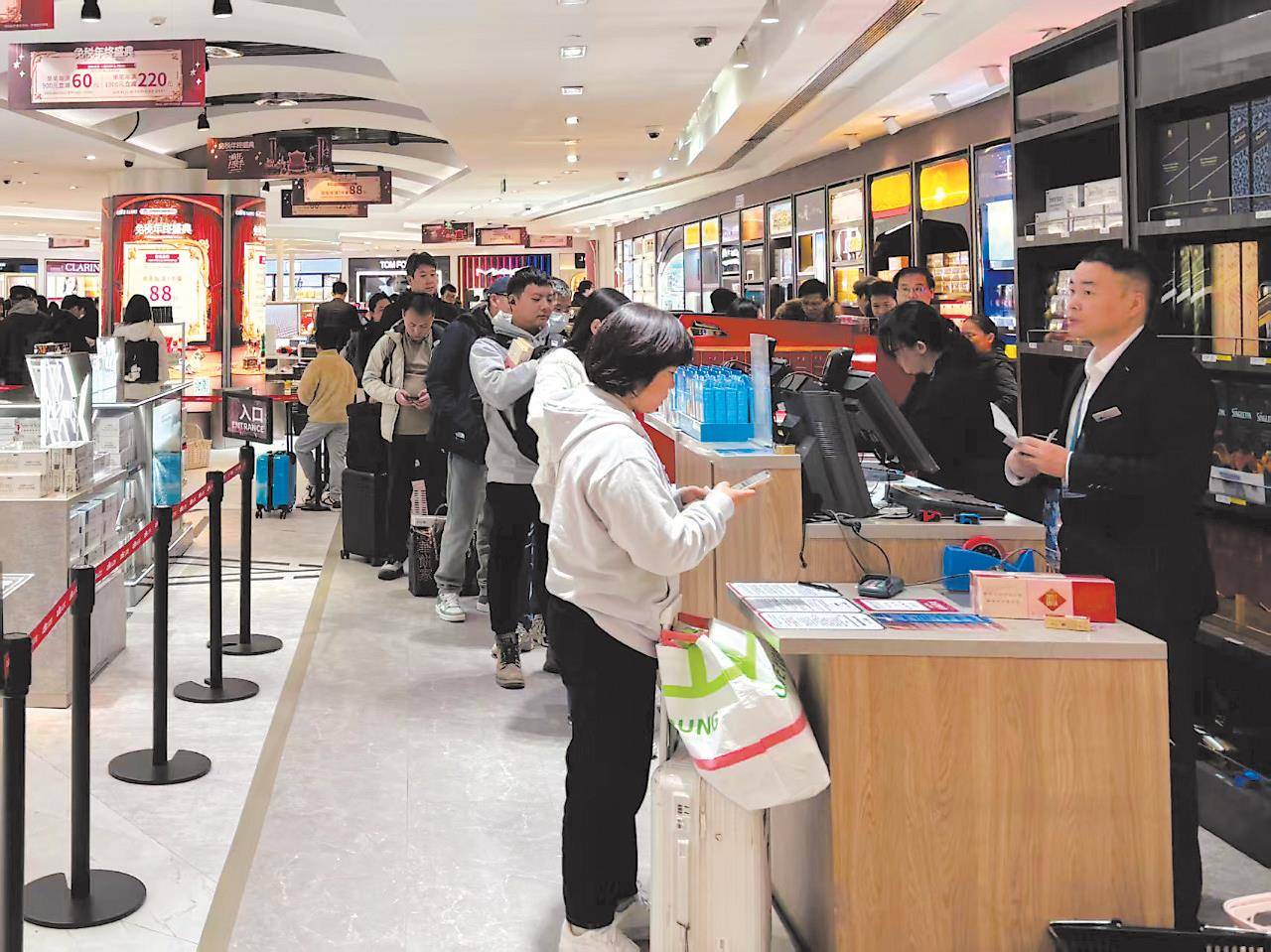
Core Viewpoint - The recent policy issued by multiple Chinese government departments aims to enhance the duty-free shop framework to stimulate consumption and attract foreign spending, with significant changes set to take effect from November 1, 2025 [1][2]. Policy Implementation and Effects - The policy aims to optimize the management of domestic tax refunds and support the sales of domestic products in duty-free shops, thereby encouraging the inclusion of culturally significant Chinese products [2][3]. - The expansion of duty-free product categories now includes popular items such as mobile phones, mini drones, and sports goods, enhancing shopping options for travelers [2][3]. - The policy is expected to drive significant consumption recovery through tax incentives and management innovations, benefiting both domestic brands and the overall market [2][3]. Market Dynamics - The opening of the first city duty-free shops in Tianjin and Xi'an marks a significant milestone, allowing for greater market autonomy and consumer choice [3][8]. - The new duty-free shops are designed to incorporate local cultural elements, enhancing the shopping experience and attracting more visitors [8][9]. - The Tianjin city duty-free shop is strategically located in popular tourist areas, aiming to become a key hub for international consumer spending in northern China [9][10]. Performance Metrics - The first month of the upgraded Hainan offshore duty-free policy saw sales reach 2.38 billion yuan, a 27.1% increase year-on-year, indicating a positive initial impact on consumer behavior [5]. - The introduction of new product categories, such as portable musical instruments and small household appliances, aligns with evolving consumer preferences for diverse and personalized shopping experiences [6][7]. Regulatory Enhancements - The policy simplifies the approval processes for duty-free shops, enhancing operational efficiency and allowing local governments to tailor shop layouts to regional needs [3][7]. - The implementation of a comprehensive regulatory framework aims to ensure the smooth operation of the duty-free industry while maximizing the benefits of the new policies [7].
告别内卷式降本?“十五五”物流行业的升级新路径
Lian He Zi Xin· 2025-11-24 14:54
Investment Rating - The report does not explicitly state an investment rating for the logistics industry, but emphasizes a strategic shift towards high-quality development and cost reduction during the "14th Five-Year Plan" period [4][12]. Core Insights - The logistics industry is positioned as a key link in the supply chain, with its strategic value elevated under the new development pattern of "dual circulation" [4][12]. - The focus during the "15th Five-Year Plan" will be on reducing costs, improving quality, and expanding market space through multi-dimensional empowerment and structural upgrades [5][12]. Summary by Sections Cost Reduction - The logistics industry faces significant challenges in cost efficiency, primarily due to structural shortcomings and a tendency towards "involutionary cost reduction" [5]. - The report highlights that the ratio of total social logistics costs to GDP is expected to decrease to 14.1% by 2024, down from 14.7% in 2020, indicating a cumulative decline of 0.6 percentage points [6]. - The "Action Plan" aims for this ratio to reach approximately 13.5% by 2027, providing a clear path for cost reduction [6][7]. Capability Enhancement - The logistics sector currently exhibits a lack of comprehensive service capabilities, with a significant number of companies focusing on traditional services rather than high-end solutions [8][9]. - The report identifies three key areas for capability enhancement: digitalization, green transformation, and resilience [9]. - By 2024, the penetration rate of new energy logistics vehicles is projected to exceed 1.5 million units, accounting for 35% of urban delivery vehicles [9][10]. Market Expansion - The report outlines multiple market opportunities for the logistics industry, emphasizing the expansion of rural logistics and the integration with manufacturing and modern agriculture [11]. - The international market is also highlighted, with a focus on enhancing cross-border logistics capabilities and supporting the construction of logistics hubs [11]. - New growth areas such as low-altitude logistics, cold chain logistics, and emergency logistics are emerging as significant opportunities for the industry [11].
融入大局天地宽 ——第八届进博会港澳台参展企业扫描
Jing Ji Ri Bao· 2025-11-15 22:42
Core Insights - The eighth China International Import Expo (CIIE) has significantly boosted global trade, with a record participation of 380 Hong Kong enterprises, 43 small and medium-sized enterprises from Macau, and 23 Taiwanese enterprises, showcasing both scale and quality [1] Group 1: Transformation of Hong Kong, Macau, and Taiwan Enterprises - Hong Kong, Macau, and Taiwan enterprises are evolving from merely selling products to creating ecosystems, reflecting their precise understanding of the mainland market's needs [2] - Companies like Shaiqu Technology have developed innovative products such as a translation assistant that generates 27 foreign languages in real-time, indicating a shift towards more sophisticated offerings [2] - The health consumption upgrade has opened vast opportunities for related industries, with companies like Little Master Holdings reporting over 100% sales growth compared to the previous year [2][3] Group 2: Regional Cooperation and Global Linkage - Macau's Flower Wine Factory has established a partnership with a Chongqing company, leveraging local production capabilities and brand advantages to expand into overseas markets [4] - As a key platform for Sino-Portuguese trade, Macau plays an irreplaceable role in facilitating economic exchanges between mainland China and Portuguese-speaking countries [4] - Companies like Gao Bo International Trade are transitioning from mere agents to hubs for resource integration and market expansion, supported by initiatives like the China-Portugal Fund [4] Group 3: Policy Support and Financial Services - The "Hong Kong: The Preferred Platform for Mainland Enterprises Going Global" promotion highlighted Hong Kong's strategic role in facilitating high-level foreign trade and investment cooperation [5] - Hong Kong's unique advantages in currency exchange and legal frameworks position it as a critical hub for offshore RMB business, providing financial and legal support for mainland enterprises [5][6] - Financial institutions like HSBC and Standard Chartered are focusing on solutions for small and medium-sized enterprises facing challenges in cross-border transactions and financing [7]
134.9万亿GDP背后:中国经济“稳”与“进”的核心密码
Sou Hu Cai Jing· 2025-11-14 08:37
Core Insights - In 2024, China's GDP is projected to exceed 134.9 trillion yuan, maintaining its position as the world's second-largest economy for five consecutive years, contributing over 30% to global economic growth [2] - The resilience of the Chinese economy is attributed to the systematic advantages of the socialist system, strategic innovation-driven initiatives, and the deep logic of reform and opening up [2] Group 1: Stability Foundations - The leadership of the Communist Party provides fundamental guarantees for long-term economic stability through top-level design and policy continuity, with a GDP growth target of 5% for 2024 reflecting effective policy determination [2][4] - A coordinated policy system of "fiscal + monetary + industrial" has been established, with 3.9 trillion yuan in new special bonds and a 1 trillion yuan long-term special government bond aimed at new infrastructure and livelihood sectors [2][4] - The socialist market economy's advantages are evident in key areas, with state-owned enterprise reforms leading to a 25% revenue share from strategic emerging industries and private investment growth rebounding to 6.8% in 2024 [4] Group 2: Momentum for Progress - Technological breakthroughs are leading to industrial leaps, with quantum computing advancements and a projected production of over 13 million new energy vehicles in 2024, alongside a 40% increase in investment in future industries [5][6] - Supply-side reforms are enhancing internal dynamics, with manufacturing investment growing by 7% and high-tech manufacturing value-added increasing by 8.9% [6] - The open economy is deepening the dual circulation pattern, with total import and export volume reaching 43.85 trillion yuan and foreign direct investment in high-tech industries accounting for 42% of total foreign investment [7] Group 3: Challenges and Solutions - Structural contradictions remain, with real estate development investment declining by 8.5% and an increasing pension gap due to demographic changes, necessitating innovative solutions in pension finance [8] - External pressures include geopolitical risks in critical sectors and a need for market diversification as major economies face prolonged low PMI readings [8] - High institutional costs persist, with a 2.3 percentage point loan interest rate gap between state-owned and private enterprises, and over 300 market access restrictions being cleared in 2024 [9] Group 4: Future Outlook - The implementation of a "new type of national system 2.0" aims to establish a 200 billion yuan future industry fund to tackle over 10 critical technologies [10] - Aiming for a 22% share of non-fossil energy consumption and the commercialization of carbon capture technology, the goal is to create 100 zero-carbon parks with green bond issuance targeting 2 trillion yuan [11] - The income gap is expected to narrow to 2.15, with the middle-income group expanding to 500 million people and over 90% coverage of digital rural areas [12]

仙乐健康:前三季度归母净利润同比增长8.53% 内外市场协同发力
Zhong Zheng Wang· 2025-10-28 14:37
Core Insights - Xianle Health reported a revenue of 3.291 billion yuan and a net profit of 260 million yuan for the first three quarters of 2025, marking year-on-year growth of 7.96% and 8.53% respectively, with Q3 showing even stronger growth rates of 18.11% in revenue and 16.20% in net profit [1][2] Domestic Market Performance - The company effectively adapted to new consumption trends, achieving over 20% growth in revenue and order volume in the Chinese market during Q3, with new consumption clients contributing to more than half of the revenue [1] - Key channels such as MCN, private domain, cross-border e-commerce, and new retail collaborated to drive growth, with revenue from MCN and private domain clients increasing by over 60% [1] - The company focused on young consumers and the rising female market, with core product categories and formulations seeing revenue growth of over 60% and 50% respectively [1] - The strategic focus on major clients led to a nearly 30% year-on-year revenue growth from strategic key accounts [1] Innovation and Product Development - Continuous technological innovation is evident with the introduction of new products like XtraGummy high-efficiency soft candies and the approval of three new licenses for calcium emulsions [1] - New business initiatives such as the JsRight.AI nutritionist mini-program and a pet nutrition series are progressing steadily [1] Overseas Market Performance - The overseas market showed resilience with a more than 20% year-on-year growth in the Americas export business, maintaining stable gross margins [2] - The European market performed exceptionally well, with revenue increasing by over 35%, aided by collaborations with well-known retailers and emerging brands [2] - The company is accelerating its presence in the Asia-Pacific and emerging markets, with plans for a soft capsule business in Australia and New Zealand by 2026 and a new production facility in Thailand expected to produce 2.4 billion nutritional soft candies annually by 2027 [2] Innovation and Smart Manufacturing - The company is enhancing its core competitiveness through innovation and smart manufacturing, including a partnership with Memory Tensor Technology to establish an AI R&D hub [2] - A joint innovation fund has been set up to focus on three major research directions to deepen industry chain collaboration [2] - The opening of the Shantou smart logistics center has improved inventory efficiency by 70%, and the construction of "dark factories" is accelerating to strengthen industrial resilience [2] Future Outlook - Xianle Health aims to deepen its dual circulation strategy of "domestic new consumption + overseas diversified growth," leveraging technological innovation and smart manufacturing as key drivers to become a global leader in nutritional technology [2]

一旦陷入经济内循环,什么“最值钱”?3个行业或将真正受益?
Sou Hu Cai Jing· 2025-10-20 13:16
Core Viewpoint - The focus on domestic economic circulation has intensified due to the impact of US-China trade tensions and the global pandemic, leading to a strategic shift towards enhancing domestic production, consumption, and circulation to stabilize the economy [2][4]. Group 1: Economic Contributions - From 2020 to 2025, domestic demand has contributed an average of 86.4% to economic growth, with consumer spending accounting for 56.2% of this contribution, indicating a significant shift towards internal circulation [2][4]. - In the first half of 2025, the total retail sales of consumer goods increased by 3.4% year-on-year, with online retail sales rising by 7.7%, demonstrating the effectiveness of policies promoting domestic consumption [6]. Group 2: Agricultural Sector - The agricultural sector is positioned as a key beneficiary of the domestic circulation strategy, with the government promoting local production to ensure food security and reduce reliance on imports [8][12]. - By 2024, the planting area for soybeans is expected to expand to 12 million acres, increasing the self-sufficiency rate from 15% to 16%, reflecting a focus on enhancing domestic agricultural capabilities [8][12]. - The income of farmers has increased by over 7% due to the shift towards domestic sales, supported by government subsidies for agricultural machinery [8][12]. Group 3: Digital Economy and Self-Media - The self-media sector has seen explosive growth, with short video users exceeding 1 billion in 2023 and advertising revenue projected to reach hundreds of billions by 2024, driven by increased domestic consumption [10][12]. - The government's regulations on foreign content have encouraged the production of local cultural content, leading to a 30% increase in viewership for domestic animations in 2022 [10][12]. Group 4: Retail Industry - The retail industry has emerged as a direct winner from the domestic circulation strategy, with online retail sales reaching 11 trillion yuan in 2020 and accounting for over 25% of total consumption by 2023 [12][14]. - The government has implemented measures such as consumption vouchers and trade-in programs, which are expected to drive sales by 1.1 trillion yuan in 2025 [12][14]. - The retail sector is enhancing supply chain efficiency through digitalization, contributing to a growth rate exceeding 4% in 2024 [12][14]. Group 5: Overall Economic Outlook - By 2025, the total retail sales of consumer goods are projected to exceed 50 trillion yuan, with domestic demand contributing over 80% to economic growth [14]. - The interconnection of agriculture, self-media, and retail sectors is crucial for stimulating demand and ensuring stable economic development, benefiting both consumers and businesses [14].

广交会如约再启 “老牌展会”诚意为何越来越足?
Yang Shi Xin Wen Ke Hu Duan· 2025-10-17 02:51
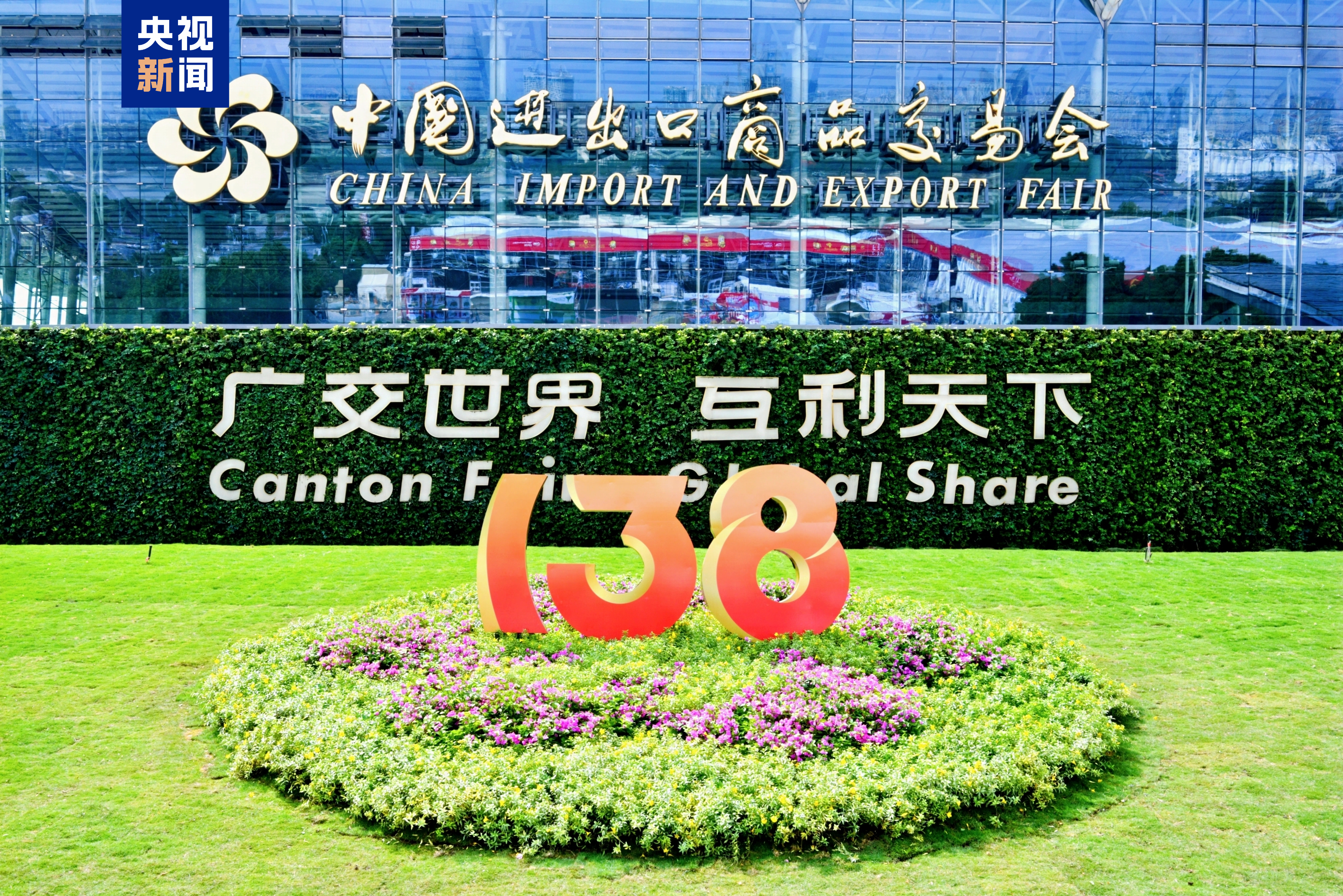
Group 1 - The 138th Canton Fair has set historical records with an exhibition area of 1.55 million square meters, a total of 74,600 booths, and over 32,000 participating companies, indicating strong international trade resilience [1][3] - Approximately 3,600 companies are making their debut at this year's fair, showcasing the enduring attractiveness of the Chinese market despite fluctuating international economic conditions [1] - The fair has seen a 14.1% year-on-year increase in pre-registered buyers from 217 export markets, with notable growth from the EU, the US, and Belt and Road countries [3][5] Group 2 - The Guangdong province's foreign trade data shows a total import and export value of 62,070.4 billion yuan in the first eight months of the year, reflecting a 4.2% year-on-year growth [8] - The first Guangdong Quality Products Exhibition, which took place a month prior, generated nearly 7 billion yuan in sales over three days, indicating a successful integration of domestic and foreign trade [8] - Guangdong's proactive approach to open its economy is evident in the establishment of a dual circulation model, enhancing its market resilience and attractiveness [8][9] Group 3 - The latest foreign trade data for Guangdong reveals a total of 7.02 trillion yuan in imports and exports for the first three quarters, a 3.8% increase year-on-year, accounting for 20.9% of the national total [12] - The fair has introduced a smart medical area and showcased 353,000 smart products, highlighting the ongoing transformation towards digital and intelligent solutions in foreign trade [12] - High-tech product exports, including electronic information and advanced equipment, have seen significant growth, with increases of 14.5%, 22.3%, and 31% respectively [12] Group 4 - The number of registered business entities in Guangdong has surpassed 20 million, with a net increase of 953,100 entities, representing a 5% growth [13] - The digital economy sector has seen a substantial rise, with 167,600 new digital economy enterprises, marking a 25.41% year-on-year increase [13] - The concurrent success of the Canton Fair and the Bay Area Semiconductor Industry Expo reflects a commitment to openness and collaboration in the face of global challenges [13]