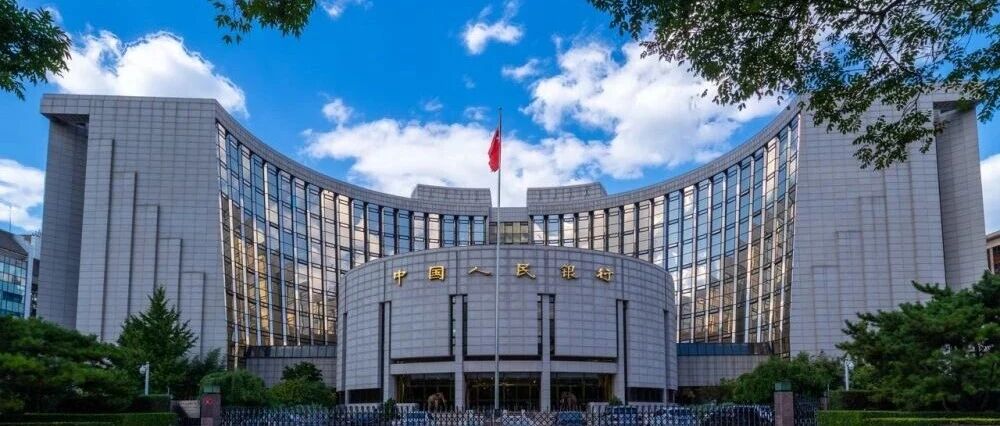
双支柱体系

Search documents
瑞达期货国债期货日报-20251103
Rui Da Qi Huo· 2025-11-03 09:20
Report Investment Rating - No investment rating information is provided in the report. Core Viewpoints - Economic fundamentals' continuous recovery and the implementation of expansionary fiscal policies require a low - interest - rate environment. The market generally expects the central bank to purchase medium - and short - term bonds, which may lead to a decline in short - term interest rates and potentially drive long - term rates down. However, the potential upward pressure on long - term rates due to a rise in risk appetite should be watched out for. It is recommended to buy on dips with a light position [2]. Summary by Relevant Catalogs 1. Futures Market - **Futures Prices and Volumes**: T, TF, TS, and TL are the main contracts of 10 - year, 5 - year, 2 - year, and ultra - long - term (TL) treasury bond futures respectively. T's closing price rose 0.01% to 108.680, with a trading volume of 65,902 (down 276). TF's closing price fell 0.01% to 106.050, with a trading volume of 52,682 (up 1,537). TS's closing price fell 0.03% to 102.516, with a trading volume of 24,640 (down 6,201). TL's closing price fell 0.11% to 116.510, with a trading volume of 98,827 (down 4,923) [2]. - **Futures Spreads**: Most spreads showed changes. For example, the TL2512 - 2603 spread was 0.24 (down 0.02), and the T12 - TL12 spread was - 7.83 (up 0.17) [2]. - **Futures Positions**: T's main position increased by 1,313 to 243,868. TF's main position increased by 1,862 to 151,286. TS's main position decreased by 1,209 to 71,166. TL's main position decreased by 4,976 to 137,774 [2]. 2. Cash Bond Market - **CTD Bonds**: The net prices of some CTD bonds changed. For example, the net price of 220017.IB (4y) rose 0.0332 to 106.7458, while the net price of 250018.IB (4y) fell 0.0417 to 99.0955 [2]. - **Active Treasury Bonds**: Yields of active treasury bonds showed different trends. The 1 - year yield remained unchanged at 1.38%, the 3 - year yield remained unchanged at 1.41%, the 5 - year yield rose 0.75bp to 1.53%, the 7 - year yield fell 0.75bp to 1.63%, and the 10 - year yield fell 1.00bp to 1.7925% [2]. 3. Interest Rates - **Short - term Interest Rates**: Most short - term interest rates declined. The overnight silver - pledged repo rate fell 3.99bp to 1.3101%, and the 7 - day silver - pledged repo rate fell 6.00bp to 1.4000% [2]. - **LPR Rates**: The 1 - year and 5 - year LPR rates remained unchanged at 3.00% and 3.5% respectively [2]. 4. Open Market Operations - The central bank conducted reverse - repurchase operations. The issuance scale was 783 billion yuan, the maturity scale was 3373 billion yuan, and the net withdrawal was 2590 billion yuan. The interest rate was 1.4% for 7 - day operations [2]. 5. Industry News - In October, China's manufacturing PMI was 49%, down 0.8 percentage points from the previous month. The non - manufacturing PMI was 50.1%, up 0.1 percentage points from the previous month. The composite PMI output index was 50%, down 0.6 percentage points from the previous month [2]. - The central bank governor detailed the main tasks of the "dual - pillar system". The finance minister proposed measures for the "15th Five - Year Plan" period, including using special bonds and ultra - long - term special treasury bonds, optimizing income distribution, and dealing with local government debt [2]. 6. Key Data to Watch - On November 3 at 23:00, the US October ISM manufacturing PMI will be released. On November 5 at 21:15, the US October ADP employment data (in ten thousand people) will be released [3].

宝城期货资讯早班车-20251103
Bao Cheng Qi Huo· 2025-11-03 03:15
Report Industry Investment Rating No relevant content provided. Core Viewpoints of the Report - The report comprehensively presents macro - economic data, commodity investment trends, financial news, and stock market information. It shows that the economy has both positive and negative factors, such as the mixed performance of PMI data, the upward trend of some metal prices, and the complex situation in the energy and agricultural markets. At the same time, various policy regulations and market reforms are also underway, which will have an impact on different sectors [1][2][5][16]. Summary by Directory Macro Data Overview - In Q3 2025, GDP growth at constant prices was 4.8% year - on - year, lower than the previous quarter's 5.2%. In October 2025, the manufacturing PMI was 49%, down 0.8 percentage points from the previous month, while the non - manufacturing PMI was 50.1%, up 0.1 percentage points from the previous month [1]. - In September 2025, M1 and M2 growth rates were 7.2% and 8.4% year - on - year respectively, with M1 significantly higher than the previous year's - 3.3%. The CPI was - 0.3% year - on - year, and the PPI was - 2.3% year - on - year [1]. - In September 2025, exports and imports increased by 8.3% and 7.4% year - on - year respectively, showing strong foreign trade performance [1]. Commodity Investment Reference Comprehensive - In October 2025, China's official manufacturing PMI declined, while the non - manufacturing PMI entered the expansion range. In 2026, the export quota management of phosphate rock and silver will be suspended, and export license management will be implemented [2]. - The soybean meal and corn series option contracts of the Dalian Commodity Exchange will be listed for trading on February 2, 2026. The China Futures Association has issued the "Futures Market - Making Transaction Business Management Rules" [2]. - The Ministry of Finance and the State Tax Administration have issued a gold tax policy, exempting value - added tax for standard gold transactions on the Shanghai Gold Exchange and the Shanghai Futures Exchange under certain conditions [3]. Metals - London's basic metals mostly rose. Due to the tight supply of copper ore and the Fed's interest - rate cut cycle, copper prices are on an upward trend. The price of LME copper has reached a record high [5]. - In Q3 2025, the global gold demand reached 1313 tons, a 3% year - on - year increase, and the demand value soared 44% to $146 billion, both hitting single - quarter records [5]. - As of October 30, 2025, the aluminum, tin, and nickel inventories in the London Metal Exchange reached new highs, while the lead inventory reached a new low [6]. Coal, Coke, Steel, and Minerals - In the first three quarters of 2025, China's steel production and consumption continued to decline, with the decline in consumption greater than that in production. The average CSPI in the first three quarters was 93.6 points, a 9.64% year - on - year decrease [7]. - As of October 27, 2025, the coal inventory of national unified - regulated power plants was 2.2 billion tons, sufficient for over 35 days. The underground gas storage has completed the annual gas injection task [8]. Energy and Chemicals - The main contract of US crude oil rose. OPEC + members are inclined to slightly increase oil production in December. Turkey's refineries are buying more non - Russian oil [10]. - In October 2025, Russia's pipeline natural gas exports to Europe increased by 5% month - on - month, and its LNG exports in October increased by 21% [10]. Agricultural Products - In October 2025, Ukraine's grain exports decreased from 3.7 million tons in October 2024 to 2.5 million tons. The US Department of Agriculture will release multiple key agricultural reports in November [13][14]. - Poland will maintain the import ban on some Ukrainian agricultural products [14]. Financial News Compilation Open Market - On October 31, 2025, the central bank conducted 355.1 billion yuan of 7 - day reverse repurchase operations, with a net investment of 187.1 billion yuan on that day. This week, 2.068 trillion yuan of reverse repurchases will mature [15]. Important News and Information - The central bank governor proposed to optimize the basic currency issuance mechanism and the intermediate variables of monetary policy. The finance minister pointed out that during the "15th Five - Year Plan" period, special bonds and ultra - long - term special treasury bonds will be used to boost consumption and resolve local government debt [16][17]. - The National Development and Reform Commission allocated 200 billion yuan of new special bond quotas from the 500 billion yuan local government debt balance limit. The National Bureau of Statistics released the October PMI data [17]. - The CSRC and the Asset Management Association of China solicited opinions on the guidelines for the performance comparison benchmarks of public funds, aiming to standardize the performance comparison benchmarks of public funds [18]. Bond Market Summary - The sentiment in the inter - bank bond market was positive, with long - term bonds performing better. The prices of treasury bond futures rose, and the yields of secondary and perpetual bonds declined [23]. - In the exchange bond market, some bonds such as "23 Tai Cai Yuan" rose significantly, while some bonds such as "25 Gong Tou 1A" fell [24]. Foreign Exchange Market Express - The on - shore RMB against the US dollar closed at 7.1135 on October 31, 2025, down 28 basis points from the previous trading day. The US dollar index rose 0.18% [28]. Research Report Highlights - Xingzheng Fixed - Income analyzed the convertible bond holdings of fixed - income + funds in Q3 2025, indicating that the proportion of convertible bonds held by public funds continued to reach new highs, but the overall position of fixed - income + products decreased [29]. - CITIC Securities believed that the expansion of the pilot area for pension wealth management products to the whole country will promote the improvement of the multi - level pension insurance system [29]. Stock Market Important News - After the Shanghai Composite Index exceeded 4000 points, the A - share market fluctuated and adjusted last week. Institutions suggest investors start to layout low - valued sectors with expected profit recovery [33]. - As of October 31, 2025, 5446 domestic listed companies disclosed their Q3 reports, with a total operating income of 53.46 trillion yuan and a net profit of 4.7 trillion yuan, a year - on - year increase of 1.36% and 5.5% respectively [33]. - Many foreign - funded public funds have performed well this year, and fund managers are still optimistic about the allocation value of high - quality technology, manufacturing, and resource - related assets in the fourth quarter [34][35]
商务部回应安世半导体相关问题
证券时报· 2025-11-01 02:21
Core Viewpoint - The Chinese government emphasizes the importance of maintaining stability in global supply chains and expresses concern over the Dutch government's interference in corporate affairs, which has contributed to current disruptions [2]. Group 1: Government Response - The Chinese Ministry of Commerce has previously addressed concerns regarding Anshi Semiconductor and welcomes companies facing difficulties to reach out for assistance [2]. - The Ministry will consider the actual circumstances of companies and may grant exemptions for exports that meet certain conditions [2]. Group 2: Industry Impact - The interference by the Dutch government is highlighted as a factor leading to chaos in the global supply chain, indicating potential risks for companies operating internationally [2].


陆家嘴财经早餐2025年11月1日星期六
Wind万得· 2025-10-31 22:34
Group 1 - The U.S. Treasury Secretary indicated that a U.S.-China trade agreement could be signed as early as next week, with China expressing willingness to work with the U.S. to implement the consensus reached by the two heads of state [1] - The public fund industry in China, valued at over 36 trillion yuan, is undergoing significant reforms, including guidelines for performance benchmarks that may lead to reduced compensation for fund managers whose long-term performance falls below benchmarks [1] Group 2 - The State Council is focusing on deepening reforms in key areas and expanding institutional openness, aiming to enhance market access and optimize regulatory frameworks for factor markets [2] - The People's Bank of China is working on optimizing the monetary policy framework and addressing market "herding effects," while also preparing policy tools to respond to macroeconomic and financial market fluctuations [2] - The Ministry of Finance plans to utilize special bonds and long-term government bonds effectively to encourage private capital participation in major projects and improve income distribution [2] Group 3 - The National Development and Reform Commission announced that 2 trillion yuan of the 5 trillion yuan local government debt limit will be allocated for new special bonds to support investment in certain provinces [3] - China's manufacturing PMI for October was reported at 49%, a decrease of 0.8 percentage points from the previous month, while the non-manufacturing PMI rose slightly to 50.1 [3] - A new action plan for smart city development aims to establish over 50 fully digital transformation cities by the end of 2027 [3] Group 4 - The China Securities Regulatory Commission (CSRC) is emphasizing the need for a more inclusive and adaptable capital market system during the 14th Five-Year Plan period, including reforms in the Sci-Tech Innovation Board and the Growth Enterprise Market [5] - The CSRC has taken a strict stance against misinformation in the capital market, reinforcing a "zero tolerance" policy towards false information dissemination [5] - A-shares experienced a decline, with the Shanghai Composite Index closing down 0.81% at 3954.79 points, while small-cap stocks saw a rebound [6] Group 5 - The Hong Kong Hang Seng Index closed down 1.43%, with technology stocks continuing to struggle, while healthcare stocks performed well [6] - The Shanghai Stock Exchange reported a year-on-year increase in net profit for listed companies in Q3, with significant growth in mergers and acquisitions since the introduction of new policies [6] - The Hong Kong Stock Exchange announced an expansion of the "Southbound ETF Connect" list, increasing the number of ETFs available for trading [7] Group 6 - The Ministry of Housing and Urban-Rural Development is reforming the real estate development and sales system to prevent delivery risks and protect buyers' rights [10] - The top 100 real estate companies in China reported a sales amount of 253 billion yuan in October, reflecting a year-on-year decrease of 41.9% [10] - The China Automotive Dealers Association reported an increase in the inventory warning index for October, indicating improved conditions in the automotive circulation industry [11]



张陆、武飞、张洪章领命出征!
证券时报· 2025-10-31 14:48
Core Viewpoint - The Shenzhou-21 manned spaceflight mission has officially commenced with the launch ceremony held at the Jiuquan Satellite Launch Center, featuring astronauts Zhang Lu, Wu Fei, and Zhang Hongzhang [2]. Group 1 - The launch ceremony took place on the evening of October 31, marking the beginning of the Shenzhou-21 mission [2]. - The astronauts selected for the mission are Zhang Lu, Wu Fei, and Zhang Hongzhang [2].

潘功胜最新发文 详解“双支柱体系”主要任务
Zheng Quan Shi Bao· 2025-10-31 06:54
Core Viewpoint - The article emphasizes the importance of constructing a scientific and robust monetary policy system and a comprehensive macro-prudential management system to better combine currency stability and financial stability, which is crucial for supporting the construction of a financial powerhouse [1][6]. Monetary Policy System - The monetary policy system is described as the "first pillar" and is relatively mature, focusing on optimizing the base currency issuance mechanism and maintaining reasonable growth in financial totals [1][3]. - There is a need to enhance the role of central bank policy rates, narrow the width of the short-term interest rate corridor, and improve the transmission from central bank policy rates to market benchmark rates [3][4]. - The system aims to achieve a dynamic balance among currency stability, economic growth, full employment, and international balance of payments [3][4]. Macro-Prudential Management System - The macro-prudential management system is referred to as the "second pillar," which requires gradual improvement and close coordination with monetary policy [1][2]. - It aims to observe, assess, and respond to financial risks from a macro, counter-cyclical, and contagion perspective, preventing systemic financial risks that could disrupt macro stability [6][7]. - Key tasks include strengthening the monitoring and assessment of systemic financial risks, implementing risk prevention measures in critical areas, and enriching the policy toolbox for macro-prudential management [6][7][8]. Policy Tools and Framework - The article highlights the need to enrich the policy toolbox for macro-prudential management, focusing on areas such as systemically important financial institutions, broad credit, real estate finance, and cross-border capital flows [2][5][7]. - A standardized and systematic framework for macro-prudential monitoring and assessment is essential to identify and evaluate representative risks and weaknesses [6][7]. - The construction of a financial stability guarantee system is crucial, emphasizing the importance of corporate governance and risk management within financial institutions [8].
潘功胜最新发文!详解“双支柱体系”主要任务
券商中国· 2025-10-31 06:44
Core Viewpoint - The article emphasizes the importance of constructing a scientific and robust monetary policy system and a comprehensive macro-prudential management system to better combine currency stability and financial stability, which is crucial for supporting the construction of a financial powerhouse [1][2]. Summary by Sections Monetary Policy System - The monetary policy system is described as the "first pillar" and is relatively mature, while macro-prudential management, the "second pillar," requires gradual improvement and close coordination with monetary policy [1]. - Key tasks for constructing a robust monetary policy system include optimizing the mechanism for basic currency issuance, maintaining reasonable growth in financial totals, and enhancing the role of central bank policy rates [3][4]. - The article outlines five main aspects to advance the monetary policy system: 1. Optimize the basic currency issuance mechanism and maintain adequate liquidity in the banking system to meet the financing needs of the real economy [3]. 2. Improve the market-oriented interest rate formation and transmission mechanism, narrowing the width of the short-term interest rate corridor [4]. 3. Develop a structural monetary policy tool system to address structural contradictions in the economy [4]. 4. Enhance the RMB exchange rate formation mechanism to maintain exchange rate flexibility and prevent excessive fluctuations [4]. 5. Ensure smooth transmission of monetary policy and improve the effectiveness of policy implementation [5]. Macro-Prudential Management System - The macro-prudential management system aims to observe, assess, and respond to financial risks from a macro and counter-cyclical perspective, preventing systemic financial risks that could disrupt macro stability [6]. - Key tasks for constructing a comprehensive macro-prudential management system include: 1. Strengthening the monitoring and assessment of systemic financial risks through a standardized framework [6]. 2. Implementing risk prevention measures in key areas to prevent significant fluctuations in critical sectors from impacting economic development [7]. 3. Enriching the policy toolbox for macro-prudential management, focusing on areas like systemically important financial institutions and cross-border capital flows [7]. 4. Building a financial stability guarantee system that enhances corporate governance and risk management in financial institutions [8]. 5. Strengthening financial security capabilities in line with the level of openness, promoting the internationalization of the RMB, and participating in global financial governance [8].

潘功胜最新发文,详解“双支柱体系”主要任务
Zheng Quan Shi Bao· 2025-10-31 06:07
Core Viewpoint - The article emphasizes the importance of constructing a scientific and robust monetary policy system and a comprehensive macro-prudential management system to better combine currency stability and financial stability, which is crucial for supporting the construction of a financial powerhouse [1][5]. Monetary Policy System - The monetary policy system is described as the "first pillar" and is relatively mature, while macro-prudential management, as the "second pillar," requires gradual improvement and close coordination with monetary policy [1]. - Key tasks for the monetary policy system include optimizing the base currency issuance mechanism, maintaining reasonable growth in financial totals, and enhancing the role of central bank policy rates [3][4]. - The need to establish a market-oriented interest rate formation, regulation, and transmission mechanism is highlighted, aiming to narrow the width of the short-term interest rate corridor and improve the quality of loan market quotation rates (LPR) [3][4]. Macro-Prudential Management System - The macro-prudential management system aims to observe, assess, and respond to financial risks from a macro, counter-cyclical, and contagion perspective, preventing the accumulation of financial risks and avoiding systemic financial crises [5][6]. - Key tasks include strengthening the monitoring and assessment of systemic financial risks, establishing a standardized macro-prudential monitoring framework, and focusing on critical areas such as systemically important financial institutions and cross-border capital flows [6][7]. - The article stresses the importance of developing a comprehensive toolbox for macro-prudential management, which includes policies for various sectors like real estate finance and cross-border capital flows, to respond effectively to macroeconomic and financial market fluctuations [7][8]. Financial Stability Assurance - The construction of a financial stability assurance system is essential, which involves strengthening corporate governance and risk management of financial institutions, enhancing daily supervision, and establishing early correction mechanisms for financial risks [8]. - The article calls for a coordinated approach among macro-prudential management, micro-prudential regulation, and behavioral supervision to form a collective effort in preventing financial risks [8].
潘功胜最新发文,详解“双支柱体系”主要任务
证券时报· 2025-10-31 06:05
Core Viewpoint - The article emphasizes the importance of constructing a scientific and robust monetary policy system and a comprehensive macro-prudential management system to better combine currency stability and financial stability, which is crucial for supporting the construction of a financial powerhouse [1][2]. Summary by Sections Monetary Policy System - The monetary policy system aims to dynamically achieve an optimal combination of currency stability, economic growth, full employment, and balance of international payments, thereby promoting financial stability from the source [4]. - Key tasks for constructing this system include: - Optimizing the mechanism for basic currency issuance and monetary policy intermediaries to maintain reasonable growth in financial totals [4]. - Establishing a market-oriented interest rate formation, regulation, and transmission mechanism, enhancing the role of central bank policy rates, and narrowing the width of the short-term interest rate corridor [4]. - Improving the structural monetary policy tool system to address structural contradictions in economic operations [5]. - Continuously improving the RMB exchange rate formation mechanism to maintain exchange rate flexibility and support effective monetary policy implementation [5]. - Ensuring smooth transmission of monetary policy by enhancing the effectiveness of policy implementation and coordination with fiscal and industrial policies [5]. Macro-Prudential Management System - The macro-prudential management system aims to observe, assess, and respond to financial risks from a macro, counter-cyclical, and contagion perspective, taking appropriate measures to prevent systemic financial risks [7]. - Key tasks for this system include: - Strengthening the monitoring and assessment of systemic financial risks through a standardized and systematic framework [8]. - Implementing comprehensive risk prevention measures in key areas to prevent significant fluctuations in critical sectors from impacting high-quality economic and financial development [8]. - Enriching the policy toolbox for macro-prudential management based on monitoring and analysis results [9]. - Building a financial stability guarantee system by enhancing corporate governance and risk management of financial institutions [9]. - Strengthening financial security capabilities in line with the level of openness, promoting orderly financial service industry and market reforms [10].