咖啡文化

Search documents
每120人就有1家咖啡店!“中国咖啡第一镇”,在海南万宁
Sou Hu Cai Jing· 2025-11-06 11:12
Core Viewpoint - Hainan Wanning Xinglong is recognized as "China's Coffee Capital," with a rich history of coffee cultivation and unique processing techniques that have developed since the 1950s [1] Group 1: Historical Background - The coffee story in Xinglong began in the 1950s when over 10,000 returnees from 21 countries settled in the area, bringing coffee seeds, cultivation techniques, and drinking habits from Southeast Asia [1] - The establishment of China's first coffee factory occurred in Xinglong, marking a significant milestone in the local coffee industry [1] Group 2: Unique Processing Techniques - Returnees introduced distinctive coffee processing methods, creatively incorporating butter and sugar during the roasting process, resulting in a unique flavor profile described as "fragrant but not strong, rich but not bitter" [1] - This processing technique blends Southeast Asian methods with Hainan's local characteristics, leading to the creation of "Xinglong Overseas Chinese Traditional Flavor Coffee" [1] Group 3: Current Industry Landscape - Today, the small town of approximately 36,000 residents boasts nearly 300 coffee shops, indicating a thriving coffee culture and industry [1]
星巴克中国业务重新出发,成败几何?
日经中文网· 2025-11-05 02:54
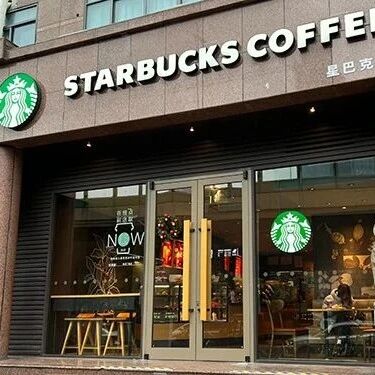
Core Viewpoint - Starbucks is selling 60% of its Chinese business to local investment fund Boyu Capital amid increasing competition from domestic brands like Luckin Coffee, aiming to restructure its operations in China with a new joint venture valued at $4 billion [1][3]. Group 1: Starbucks' Market Position - Starbucks opened its first store in China in 1999, promoting coffee culture in a market where coffee was not yet popular [4][5]. - Starbucks was once the leading coffee chain in China but has now fallen to third place in terms of store count, with approximately 7,828 stores compared to Luckin Coffee's 26,117 and Koole's over 13,000 [6][8]. Group 2: Competitive Landscape - The rise of consumer price sensitivity has led to increased competition from local brands like Luckin Coffee, which offers lower prices (e.g., Starbucks' Americano starts at 27 yuan, while Luckin's can be as low as 14 yuan with coupons) [5][8]. - Consumers are increasingly viewing Starbucks as a luxury brand, leading to a shift towards more affordable local coffee chains [5][8]. Group 3: Future Plans and Strategies - Boyu Capital plans to leverage its experience to enhance Starbucks' brand image and expand into untapped markets, aiming to increase the number of stores in China from 8,000 to 20,000 [3]. - Starbucks has initiated strategies to attract customers, such as lowering prices on tea beverages and allowing students to use stores as study spaces, providing free power and water [10].



喫咖啡去 筹备两年 “咖啡文化特展”昨在上海历史博物馆开幕
Jie Fang Ri Bao· 2025-10-31 01:45
Core Insights - The exhibition "Let's Go! Coffee Culture Exhibition" showcases the evolution of coffee culture in Shanghai over the past century, highlighting its transformation from an imported product to a city emblem [1] - The exhibition features 182 items, with 79 being displayed for the first time, and is divided into three main sections focusing on the global history of coffee, its impact on urban socialization, and its connection to local life in Shanghai [1] - According to the "2025 China Urban Coffee Development Report," Shanghai leads the nation with 9,115 coffee shops projected for 2024 [1] Group 1 - The exhibition is held at the Shanghai History Museum and has been in preparation for two years [1] - The fifth Square Coffee Carnival will take place from October 30 to November 2, featuring over 90 booths and various emerging brands [1] - 777cafe, a boutique coffee shop, emphasizes the social aspect of coffee, serving around 50-60 customers daily in a small space [1] Group 2 - The exhibition also highlights the "Coffee + Public Welfare" and "Coffee + Environmental Protection" models, showcasing items made from recycled coffee grounds, including public benches featuring artwork by children with autism [2]
深圳核心城区咖啡馆密度超越上海
21世纪经济报道· 2025-10-19 23:50
Core Viewpoint - Shenzhen is rapidly emerging as a new coffee capital in China, driven by a young population, strong supply chains, and a culture of innovation, leading to a significant upgrade in coffee consumption patterns [1][26]. Group 1: Coffee Market Dynamics - Shenzhen has the highest number of coffee-related enterprises in China, totaling 9,926, and boasts a density of 2.23 coffee shops per square kilometer in its core urban areas [3]. - The city has seen a qualitative leap in coffee consumption, with local brands like Gee Coffee Roasters and Ten Days emerging alongside global giants like Starbucks [3][4]. - The coffee culture in Shenzhen is characterized by a fast-paced consumer experience, with long queues at grab-and-go coffee windows and events like coffee festivals attracting significant participation [3][4]. Group 2: Consumer Behavior and Trends - Shenzhen's coffee consumers have rapidly evolved from instant coffee drinkers to seeking high-quality, specialty coffee within a span of less than 30 years [4]. - The demand for unique and innovative coffee experiences is evident, with local brands introducing creative products like "fruit coffee" and utilizing new techniques such as "rotary steaming" for milk [7][8]. - A significant portion of consumers (82.5%) drink coffee primarily for its energizing effects, indicating a strong demand for functional beverages [12]. Group 3: Industry Growth and Future Potential - The coffee industry in Shenzhen is projected to grow from a current market size of 47.64 billion yuan to 178 billion yuan over the next five years, indicating a lucrative market opportunity [10]. - The city is leveraging its manufacturing capabilities and technological innovations to become a hub for coffee equipment production, including the development of coffee robots and automated machines [8][10]. - The influx of young talent and diverse consumer preferences in Shenzhen positions it as an ideal testing ground for new coffee products and experiences [17][19]. Group 4: Cultural and Economic Factors - Shenzhen's coffee scene is supported by a vibrant cultural atmosphere, with initiatives like the "Coffee Life Week" attracting numerous brands and consumers, enhancing the local coffee culture [13][15]. - The city's strategic location as a trade hub facilitates access to a variety of coffee beans from around the world, further enriching the local coffee offerings [18][19]. - The integration of coffee culture into Shenzhen's innovation ecosystem is seen as a way to foster creativity and collaboration among professionals [18][24]. Group 5: Challenges and Opportunities - Despite its rapid growth, Shenzhen's coffee culture is still developing, lacking established national brands and deep consumer knowledge about specialty coffee [24][25]. - The city is focusing on building a robust coffee culture through educational initiatives and diverse consumption experiences to attract a broader demographic [24][25]. - Establishing local coffee evaluation standards could enhance the city's competitiveness in the global coffee market, aligning with consumer preferences [25].

今年我国冰雪产业规模将突破万亿元;1至8月国内咖啡机销量同比激增75.6% | 消费早参
Mei Ri Jing Ji Xin Wen· 2025-10-19 23:18
Group 1: Ice and Snow Industry - The scale of China's ice and snow industry is expected to exceed 1 trillion yuan, reaching 10,053 billion yuan by 2025, driven by rapid growth in ice and snow consumption [1] - As of April 2025, there will be 79 indoor ski resorts in China, an increase of 20 from the previous year, representing a growth rate of 33.9%, with 16 more under construction [1] - By 2030, the ice and snow industry is projected to surpass 1.5 trillion yuan, indicating a shift from short-term benefits from the Winter Olympics to long-term consumer-driven growth [1] Group 2: Salia's Performance in China - Salia reported a revenue of approximately 12.149 billion yuan (256.714 billion yen) for the fiscal year 2024-2025, marking a year-on-year increase of 14.3% [2] - In the Chinese market, Salia's revenue reached about 3.358 billion yuan, with a growth of over 6% [2] - The company expanded its store count in China by 82 to a total of 497, achieving a nearly 20% growth rate [2] Group 3: Lao Pu Gold's Price Adjustment - Lao Pu Gold announced its third price adjustment of the year, effective October 26, with details to be confirmed by actual pricing [3] - The company's stock price rose by 3.11% to 828.5 HKD on the announcement day, with a total market capitalization of 143.1 billion HKD [3] - The repeated price adjustments reflect both the rising international gold prices and the trend of gold becoming a luxury item in the new consumption context [3] Group 4: Coffee Machine Market Growth - Domestic coffee machine sales in China surged by 75.6% year-on-year, reaching 1.683 million units from January to August 2025 [4] - The coffee machine market is projected to reach 10.6 billion yuan by 2029, with an expected annual compound growth rate of 28% [4] - The growth is driven by government subsidies and the upgrading of consumption among younger consumers, indicating a deeper penetration of coffee culture into Chinese households [4]
今年我国冰雪产业规模将突破万亿元;1至8月国内咖啡机销量同比激增75.6%
Mei Ri Jing Ji Xin Wen· 2025-10-19 23:13
Group 1: Ice and Snow Industry - The scale of China's ice and snow industry is expected to exceed 1 trillion yuan, reaching 10,053 billion yuan by 2025, indicating a shift from short-term benefits of the Winter Olympics to long-term consumer-driven growth [1] - As of April 2025, there will be 79 indoor ski resorts in China, an increase of 20 from the previous year, representing a growth rate of 33.9%, with 16 more under construction [1] - By 2030, the ice and snow industry is projected to surpass 1.5 trillion yuan, highlighting the potential for growth in equipment manufacturing, tourism, and event operations [1] Group 2: Salia's Performance in China - Salia reported a revenue of approximately 12.149 billion yuan (256.714 billion yen) for the fiscal year 2024-2025, marking a year-on-year increase of 14.3% [2] - In the Chinese market, Salia's revenue reached about 3.358 billion yuan, with a growth of over 6% [2] - The company expanded its store count in China by 82 to a total of 497, achieving a nearly 20% growth rate [2] Group 3: Lao Pu Gold's Price Adjustment - Lao Pu Gold announced its third price adjustment of the year, effective October 26, with the details to be confirmed by actual pricing [3] - The company's stock price rose by 3.11% to 828.5 HKD on the announcement day, with a total market capitalization of 143.1 billion HKD [3] - The repeated price adjustments reflect both the rising international gold prices and the trend of gold becoming a luxury item in the new consumption context [3] Group 4: Coffee Machine Market Growth - Domestic coffee machine sales in China surged by 75.6% year-on-year, totaling 1.683 million units from January to August 2025 [4] - The coffee machine market is projected to reach 10.6 billion yuan by 2029, with an expected annual compound growth rate of 28% [4] - The growth is driven by government subsidies and the upgrading of consumption among younger consumers, indicating a deeper penetration of coffee culture into Chinese households [4]

星巴克是什么时候没了肉桂粉的
Hu Xiu· 2025-08-25 03:33
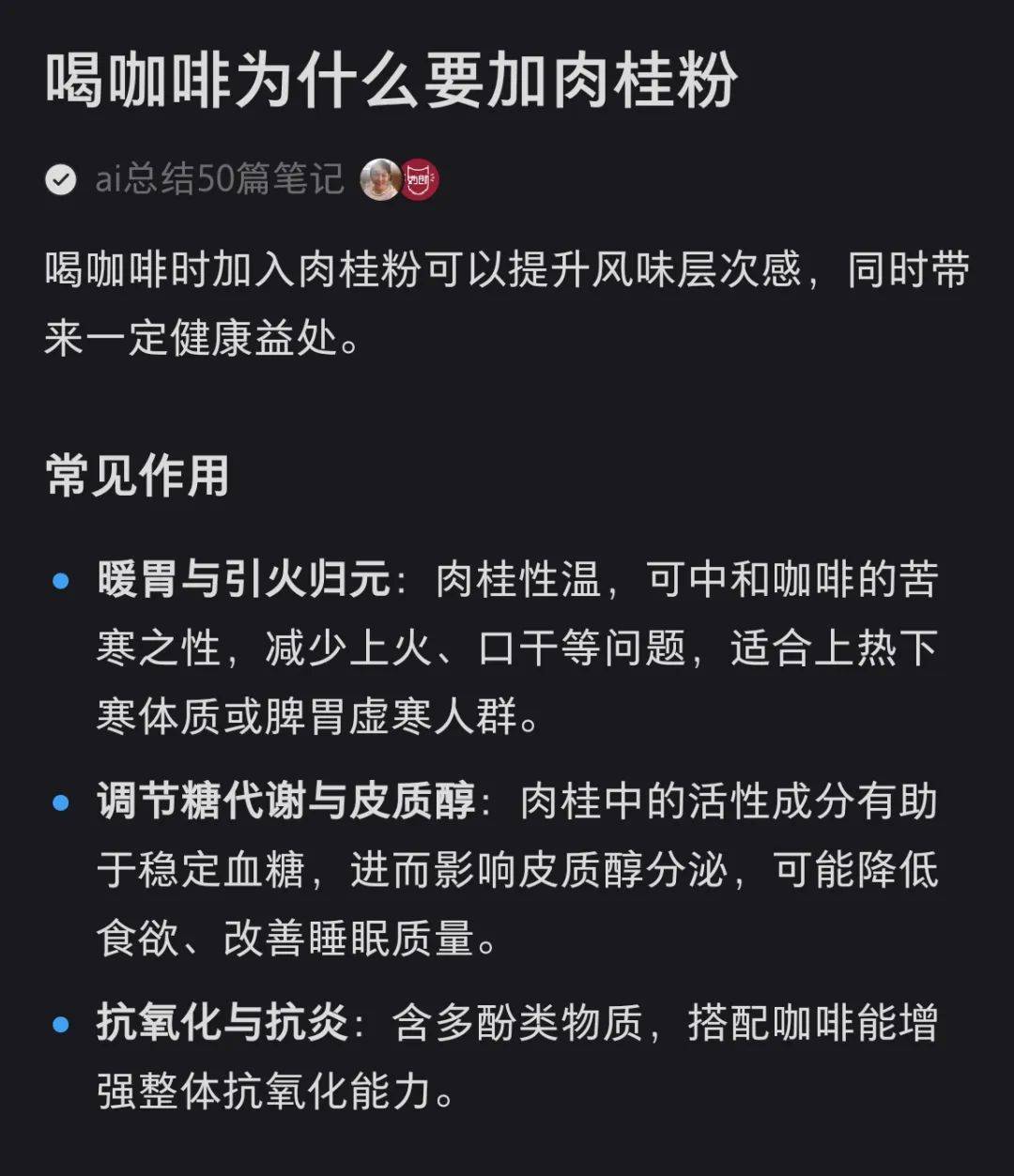
Group 1 - The article discusses the evolution of coffee culture in China, highlighting the shift from traditional coffee experiences to a more commercialized and fast-paced consumption model [12][13][14] - Starbucks has historically been a significant player in the Chinese coffee market, but its dominance is being challenged by new entrants like Luckin Coffee, which offers lower prices and a different consumer experience [13][14][15] - The disappearance of traditional coffee accompaniments, such as cinnamon powder, reflects changing consumer preferences and the commercialization of coffee culture in China [6][14][20] Group 2 - The rise of various coffee brands and the increasing competition in the market have led to a dilution of Starbucks' unique offerings, as consumers prioritize convenience and price over quality [14][15] - The article notes that the coffee market in China is becoming increasingly saturated, with many brands vying for consumer attention, leading to a more fragmented market [19] - The changing landscape of coffee consumption is paralleled by trends in other beverage markets, such as tea, indicating a broader shift in consumer habits and preferences [16][19]
西部“小透明”省会,凭啥跟上海争咖位?
Mei Ri Jing Ji Xin Wen· 2025-08-19 13:55
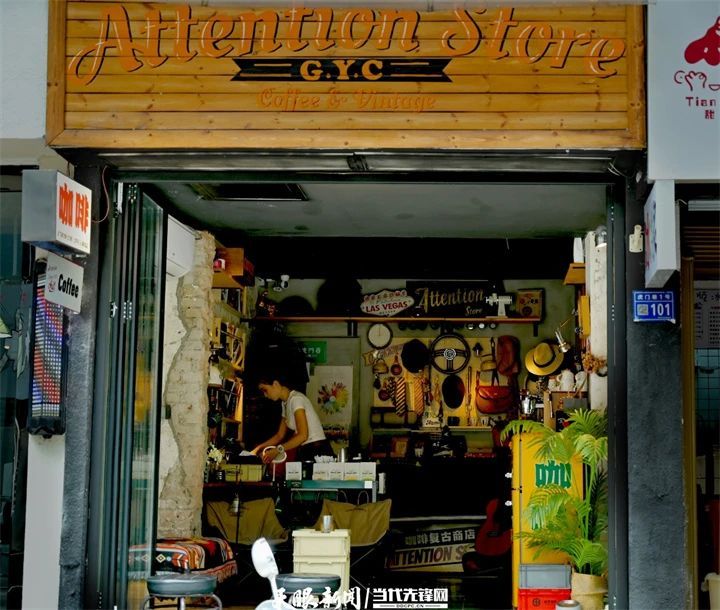
Core Viewpoint - Guiyang is emerging as a significant player in the coffee industry, aiming to become a nationally influential coffee consumption destination and cultural experience city through comprehensive support for coffee industry development [1][2]. Group 1: Industry Development - Guiyang's government has initiated a series of meetings to emphasize the importance of developing the coffee industry, aiming for a full-chain approach to strengthen and expand the sector [2][7]. - The city has over 3,000 coffee shops, making it the city with the highest coffee shop density in China, surpassing even Shanghai [2][3]. - Guiyang is home to numerous award-winning baristas, contributing to its reputation as a "champion coffee gathering place" [3][4]. Group 2: Cultural Integration - The local coffee culture has expanded beyond young consumers to all age groups, supported by a favorable climate and a relaxed lifestyle [6][12]. - Coffee has transcended its beverage status to become a vital element in connecting tourism resources, driving industrial innovation, and shaping the city's brand [6][8]. - The city is integrating coffee with tourism by establishing coffee-themed stations at popular tourist spots and developing coffee tourism routes [8][9]. Group 3: Economic Impact - The coffee industry is seen as a means to enhance urban vitality, promote youth employment, and inject fashion and energy into the city [13][14]. - Guiyang's population growth, particularly among young people, is contributing to the coffee industry's expansion, with the city attracting a significant number of college graduates [12][13]. - The establishment of the Guiyang Coffee Industry College aims to provide talent and intellectual support for local coffee businesses, promoting high-quality development in the sector [9].
人挤人的暑假,这座云南小城避暑也避世
3 6 Ke· 2025-08-12 03:53
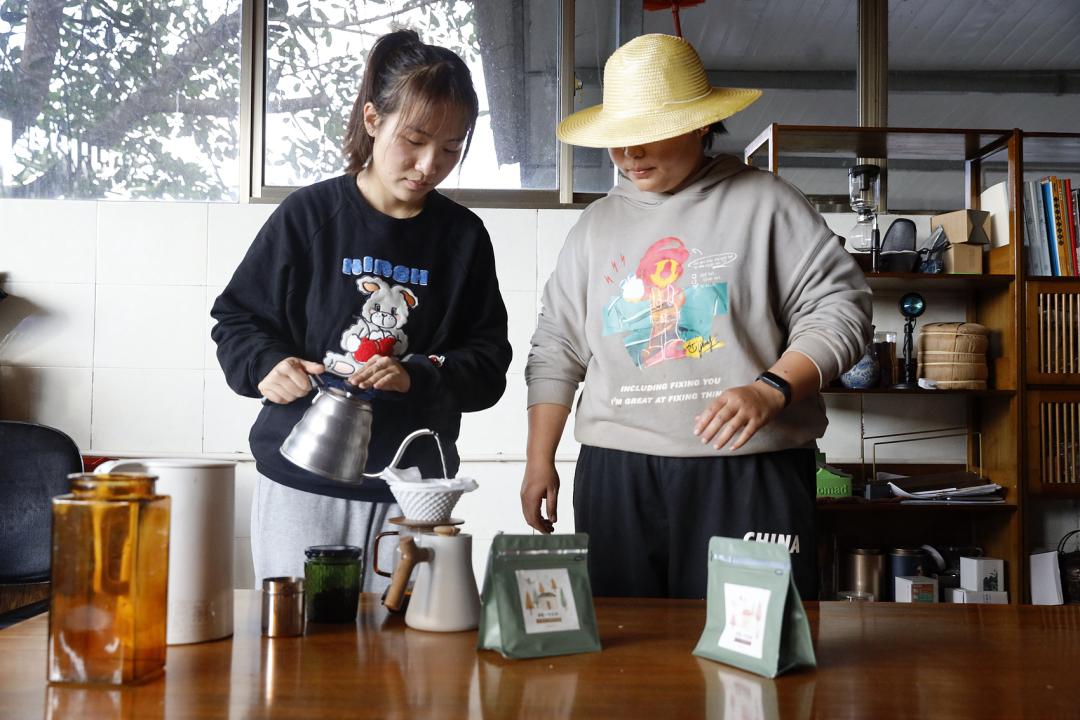
Group 1: Overview of Pu'er - Pu'er is a lesser-known city in Yunnan, China, recognized for its lush mountains, tea, and coffee, making it an ideal summer retreat [1] - The region is famous for Pu'er tea, with historical references dating back to the Tang Dynasty, and it was officially named during the Ming Dynasty [2][3] Group 2: Tea Industry - As of early 2025, Pu'er tea garden area is projected to reach 2.21 million acres, with the most famous Jingmai Mountain housing the largest and best-preserved ancient tea garden [3] - The local tea culture is deeply rooted, with opportunities for visitors to experience tea picking and processing firsthand [3] Group 3: Coffee Industry - Pu'er is also a major coffee-producing area in China, with suitable climate and altitude for coffee cultivation, making it the largest coffee-growing region in the country [4][5] - The introduction of coffee farming began in 1956, and by 1982, significant successes in coffee cultivation were reported [4] Group 4: Tourism and Experience - Coffee plantations in Pu'er offer experiential tourism, allowing visitors to learn about coffee culture and production processes [5][7] - Popular coffee shops and plantations have emerged, contributing to the local economy and attracting tourists [7] Group 5: Natural Environment - Pu'er is characterized by a mild climate with an average annual temperature of 19.5°C, making it a "green oasis" with rich biodiversity [8] - The region is home to the well-preserved Tea Horse Road, a historical trade route, and the Sun River Forest Park, known for its diverse flora and fauna [8] Group 6: Local Cuisine - The region is also known for its rich variety of mushrooms, with local delicacies featuring unique dishes like sour rice noodles and rice noodles with thick sauces [9]
贵阳咖啡摘冠后,贵州菜为何能站稳北上广?
3 6 Ke· 2025-08-04 06:09
Group 1: Coffee Industry in Guiyang - Guiyang is emerging as a significant player in the coffee industry, with over 3,000 coffee shops, making it one of the cities with the highest coffee shop density in China, averaging one shop per 2,000 residents [8][9] - The local coffee culture emphasizes quality and innovation, with baristas creating unique drinks that incorporate local flavors, such as "Bitter Herb Americano" and "Wood Ginger Special," showcasing the region's culinary creativity [11][29] - Guiyang's coffee scene has gained national recognition, with local barista Peng Jinyang winning the World Coffee Brewing Championship in May 2025, marking a significant achievement for the city [11][13] Group 2: Culinary Scene and Guizhou Cuisine - Guizhou cuisine is rapidly gaining popularity, with new brands expanding into major cities, often requiring long wait times for customers, indicating a strong demand for local flavors [16][31] - The unique flavor profile of Guizhou cuisine, characterized by its "spicy, sour, and fresh" elements, is attracting attention, with dishes like sour soup and spicy crispy fish becoming increasingly popular [17][23] - The culinary landscape in Guizhou is marked by a blend of traditional and modern influences, with new bistro concepts combining local ingredients with contemporary dining experiences, appealing to younger consumers [20][26] Group 3: Market Dynamics and Consumer Behavior - The coffee and culinary markets in Guiyang are characterized by a competitive yet vibrant ecosystem, where local consumers are willing to spend on quality experiences, ranking second nationally in the willingness to spend on self-indulgence [13][24] - The slower pace of life in Guiyang allows residents to explore diverse food options, leading to a culture of culinary discovery that values unique and authentic dining experiences [24][26] - Despite the growth of Guizhou cuisine, challenges remain in achieving scalability, with over 99% of local brands having five or fewer outlets, indicating a need for strategic expansion [31][33]