垂直一体化

Search documents
港股上市再进一步 牧原股份求解国际化
Bei Jing Shang Bao· 2025-12-07 15:41
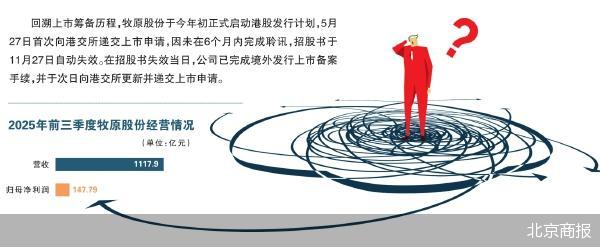
Core Viewpoint - Muyuan Foods (牧原股份) is advancing its Hong Kong IPO to enhance its global market credibility and visibility, with a focus on international expansion and technological development in the livestock industry [3][4]. Group 1: IPO and Fundraising - Muyuan Foods plans to issue up to 546 million overseas ordinary shares to raise funds for expanding overseas markets and enhancing technology research and development [3]. - The company aims to complete the IPO process to improve its credibility in global markets, with the issuance itself being deemed more important than the fundraising scale [3]. Group 2: International Expansion Strategy - The company has shifted from a light-asset model to establishing overseas factories, with a significant investment of approximately 3.2 billion yuan in a high-tech breeding project in Vietnam [4]. - Muyuan Foods' internationalization strategy is supported by its vertically integrated model, which has established it as the world's largest pork producer by production capacity and output since 2021 [4]. Group 3: Financial Performance and Industry Context - In the first three quarters of this year, Muyuan Foods reported revenue of 111.79 billion yuan, a year-on-year increase of 15.52%, while net profit attributable to shareholders was 14.779 billion yuan, up 41.01% [5]. - However, the company faced challenges in Q3, with revenue declining by 11.48% to 35.327 billion yuan and net profit dropping by 55.98% to 4.249 billion yuan due to low pork prices [5]. - The company's total liabilities have remained above 100 billion yuan since 2021, reaching 100.3 billion yuan with a debt-to-asset ratio of 55.5% as of Q3 this year [5].


港股上市再进一步,牧原股份求解国际化
Bei Jing Shang Bao· 2025-12-07 12:37
Core Viewpoint - Muyuan Foods is progressing with its Hong Kong Stock Exchange (HKEX) listing, having recently undergone a listing hearing for its application [1] Group 1: Listing Progress - Muyuan Foods officially initiated its Hong Kong IPO plan in early 2025, submitting its application on May 27, but the prospectus automatically lapsed on November 27 due to not completing the hearing within six months [3] - The company plans to issue up to 546 million overseas ordinary shares, with funds aimed at expanding overseas markets and enhancing technology research and development across the entire industry chain [3] - The primary goal of the HKEX listing is to accelerate internationalization, with the company emphasizing that completing the issuance is more important than the financing scale itself [3] Group 2: Internationalization Strategy - Muyuan Foods' international expansion began in 2024, focusing on a light-asset technology output model, such as collaborating with BAF Vietnam Agricultural Co., Ltd. to provide technical services [4] - In September, the company signed a second-phase agreement with BAF to invest approximately 3.2 billion yuan in a high-tech breeding project in Vietnam, which will include a feed factory [4] - Transitioning from light-asset output to overseas factory construction is seen as a way to better control the supply chain and enhance competitiveness in local markets [4] Group 3: Financial Performance and Industry Context - For the first three quarters of 2025, Muyuan Foods reported revenue of 111.79 billion yuan, a year-on-year increase of 15.52%, while net profit attributable to shareholders was 14.779 billion yuan, up 41.01% [5] - However, the company faced challenges in Q3, with revenue declining by 11.48% year-on-year to 35.327 billion yuan and net profit down 55.98% to 4.249 billion yuan due to low pork prices [5] - The company's total liabilities have remained above 100 billion yuan since 2021, reaching 100.3 billion yuan with a debt-to-asset ratio of 55.5% as of Q3 2025 [5] - The cyclical nature of pork prices is a global issue, and Muyuan Foods aims to mitigate this through multi-regional layouts, potentially stabilizing profits by embedding overseas factories into local consumption systems [5]
航油“巨无霸”真的要来了!
经济观察报· 2025-11-29 07:30
Core Viewpoint - The relative stability of the Chinese aviation fuel market has been disrupted, initiating a transformation led by industry giants that aims to reshape the rules and landscape of the sector [1][6]. Restructuring Announcement - On October 30, 2025, China Aviation Oil (Singapore) Corporation Limited announced that its controlling shareholder, China Aviation Oil Group, is undergoing a restructuring with another enterprise group [2][8]. - The restructuring involves comprehensive integration of assets, channels, and personnel, marking a significant shift from mere capital cooperation to a full industry chain reconstruction [3][4]. Market Dynamics and Reactions - The restructuring has prompted swift and complex reactions from various enterprises within the industry, with concerns about pricing power and supply stability being paramount among aviation companies and smaller refining firms [6][10]. - The restructuring aims to create a "super supply chain" that integrates distribution networks and refining capabilities, potentially enhancing efficiency from refining to refueling [9][10]. Competitive Landscape - The merger of China Aviation Oil Group and a major energy enterprise could significantly alter the competitive landscape of the domestic aviation fuel market, focusing on efficiency improvements across the entire supply chain [5][11]. - The restructuring is expected to elevate competition from channel-based to efficiency and cost-based competition across the entire industry chain [10][11]. Industry Structure and Market Share - Historically, the aviation fuel market in China has been characterized by a stable structure dominated by state-owned giants, with China Aviation Oil Group acting as a key intermediary [13][14]. - China Aviation Oil Group holds approximately 40% of the market share in the distribution and terminal service segments, while state-owned enterprises like Sinopec and PetroChina dominate the production side with about 81% market share [14]. Future Opportunities and Challenges - The restructuring is anticipated to create both pressures and opportunities for smaller players in the market, as they may face challenges in maintaining market share against a newly formed giant [14][21]. - The focus on sustainable aviation fuel (SAF) is emerging as a critical area, with China Aviation Oil Group actively investing in SAF production to align with future regulatory requirements [20][21]. Strategic Adjustments - Companies within the industry are reassessing their strategies in light of the restructuring, with some exploring partnerships or alternative supply channels to mitigate risks associated with the potential dominance of the new entity [16][18]. - The restructuring is seen as a catalyst for a new wave of differentiation and consolidation within the aviation fuel market, prompting companies to adapt to the evolving competitive landscape [11][21].

算力碳排何解?BCIGroup创始人居静:垂直一体化是关键
2 1 Shi Ji Jing Ji Bao Dao· 2025-11-21 09:03
Core Viewpoint - The article discusses the intersection of AI, energy demands, and climate change, emphasizing the need for integrated solutions to support sustainable development in the computing power industry, particularly in the context of the COP30 conference [1][3]. Group 1: AI and Energy Demand - The computing power industry is experiencing exponential growth, particularly in large model training and AI services, leading to significant and sustained increases in energy demand [3]. - Clean energy is expected to become a standard requirement for computing power infrastructure due to the collective demand for reduced carbon intensity from society, climate governance responsibilities, and end-users [3]. Group 2: Vertical Integration Model - BCI Group's "Daitong Model" focuses on vertical integration, combining green energy supply, large-scale zero-carbon parks, prefabricated equipment modules, and bare-metal computing power to enhance industry capabilities [4]. - The integration of energy parks and equipment can lead to hundreds of billions of kilowatt-hours of renewable energy consumption and significant carbon reduction over a 25-year period [4]. Group 3: Zero-Carbon Parks - True zero-carbon parks require more than just purchasing green electricity; they must achieve carbon balance through energy growth, distribution, and recycling [7]. - BCI Group's approach includes establishing a green electricity park that ensures physical consumption and long-term dispatchability of power through local renewable energy sources [7]. Group 4: Policy and Market Dynamics - The current policy environment is pushing for an 80% green electricity share in new data centers, with green certificates being crucial for promoting renewable energy marketization [9]. - BCI Group aims to enhance the green certificate mechanism and actively participate in international standards development to facilitate the recognition of green certificates globally [9].
零跑:“领跑” 势头遇阻,如何血路突围?
3 6 Ke· 2025-11-19 00:19
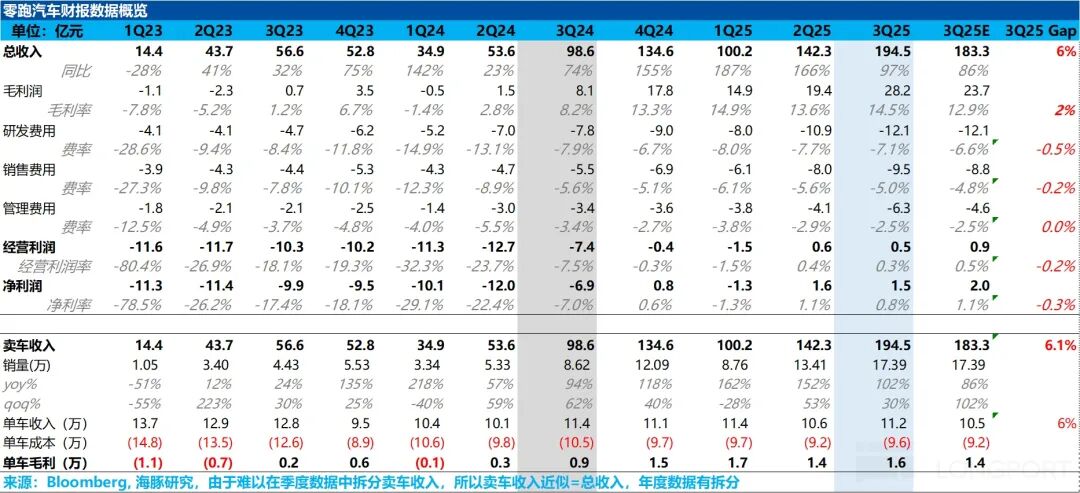
Core Viewpoint - Leap Motor's Q3 2025 financial report shows mixed results, with revenue exceeding expectations but net profit declining due to increased expenses [1][4]. Revenue Performance - Total revenue for Q3 reached 19.45 billion, significantly surpassing market expectations of 18.33 billion, primarily due to the recognition of 2.5 billion in carbon credit income and a rebound in vehicle selling prices [1][4]. - The average selling price of vehicles increased to 112,000, up by 6,000 from the previous quarter, contrary to market expectations of a decline [1][4]. Profitability Metrics - The vehicle gross margin rose by 0.9 percentage points to 14.5%, exceeding the market expectation of 12.9%, driven by higher selling prices, carbon credit income, and economies of scale [1][4]. - Despite the positive gross margin, net profit fell to 150 million, below the market expectation of 200 million, due to increased operating expenses [2][4]. Expense Analysis - R&D expenses increased to 1.2 billion, reflecting ongoing investments in smart technology and channel expansion [1][2]. - Selling expenses rose to 950 million, exceeding market expectations, as the company expanded its retail channels and increased marketing efforts [2][4]. Future Outlook - For Q4 and 2026, the company aims for a gross margin of 14%-15% and a net profit of 500-1,000 million for the full year 2025, with projected sales of 580,000 to 650,000 vehicles [5][6]. - The company is implementing promotional strategies to boost sales, including cash subsidies on various models, and anticipates Q4 sales to reach 218,000 vehicles, a 25% increase from the previous quarter [6][4]. Competitive Positioning - Leap Motor's strategy focuses on high vertical integration and self-sourcing, aiming to enhance cost advantages and offer high-value models to price-sensitive consumers [9]. - The partnership with Stellantis is expected to strengthen Leap Motor's overseas expansion, leveraging Stellantis's brand and distribution channels in Europe [9].
北交所万里行|驾驭新材料填补行业空白,镍基材料远航精密
Xin Jing Bao· 2025-11-18 08:18
Core Insights - Jiangsu Yuanhang Precision Alloy Technology Co., Ltd. is a leading enterprise in China's nickel-based new materials industry, specializing in precision nickel-based conductor materials for various applications [2][3]. Financial Performance - In the first three quarters of this year, the company achieved a record high revenue of 769 million yuan, representing a year-on-year growth of 26.71%. The net profit attributable to shareholders reached 40.99 million yuan, with a 7.81% increase after deducting non-recurring items [3]. Market Opportunities - The growth in demand for nickel-based conductor materials and precision structural components is driven by increased penetration of electric vehicles, rapid development of the energy storage market, and opportunities arising from the hydrogen energy industry [3][6]. Technological Advancements - The company has established significant technological advantages through collaborations with multiple battery manufacturers on next-generation battery technologies. This positions the company for long-term growth in the electric vehicle and energy storage battery markets [6][7]. R&D Investment - In the first three quarters, the company invested 27.32 million yuan in R&D, a 24.53% increase year-on-year. The company holds a total of 91 patents, including 14 invention patents, establishing a solid technological barrier [7]. Strategic Focus - The company aims to enhance its competitiveness across the entire industry chain, focusing on capital investment in established projects, improving production efficiency, and expanding core product capacity [6][8]. Market Positioning - Since its listing on the Beijing Stock Exchange in November 2022, the company has seen improvements in governance, brand influence, and fundraising efforts, which have positively impacted its market presence and operational quality [9][10]. Investor Relations - The company emphasizes stable and sustainable dividend policies, having implemented cash dividends consistently since its listing. The controlling shareholder plans to increase their stake in 2024, boosting investor confidence [10]. Future Outlook - The company is committed to a "vertical integration" strategy, focusing on capital investment and technological innovation to solidify its leading position in the precision nickel-based materials sector while actively expanding downstream applications [8][10].
稳健医疗:投资20亿元建设全棉水刺无纺布生产基地项目
Sou Hu Cai Jing· 2025-11-12 11:36
Project Overview - The investment scale for the project is approximately 2 billion yuan [2] - The project will cover an area of about 1,000 acres and aims to establish a production base for 20,000 tons of spunlace non-woven fabric and spunlace cotton annually [2] - The construction will be carried out in two phases, with the first phase expected to commence production in September 2028 and the second phase in 2033 [2] Strategic Significance - The project aims to enhance the supply chain layout for all-cotton products, ensuring controllable costs, supply chain, and technology [2] - It aligns with the company's "vertical integration" strategy, which is intended to build a long-term competitive moat [2] Financial Impact - The project is expected to have a construction cycle that will not significantly adversely affect the company's current financial status and operating results [1][2] - Funding sources include self-owned funds and self-raised funds [2] Regulatory Considerations - The project is subject to approval from government departments, which may introduce uncertainties regarding investment benefits and construction progress [2]
民银国际:首予晶苑国际(02232)“买入”评级 目标价8.6港元
智通财经网· 2025-11-11 09:12
Group 1 - The core viewpoint of the report is that Minyin International initiates coverage on Crystal International (02232) with a "Buy" rating and a target price of HKD 8.6, projecting revenue growth from 2025E to 2027E at 27.4 billion, 30.0 billion, and 33.0 billion respectively, with year-on-year growth rates of +10.8%, +9.5%, and +10.2% [1] - The report highlights that the company's gross profit margins are expected to be 19.9%, 20.1%, and 20.2% for the same period, with net profit attributable to shareholders projected at 2.3 billion, 2.6 billion, and 2.9 billion, reflecting year-on-year growth of +14.7%, +12.8%, and +11.1% [1] - The main growth drivers identified are the expansion of core customer share and category benefits, with leisure, sports, and denim being the top three categories, accounting for 28%, 25%, and 21% of revenue in the first half of 2025 [1] Group 2 - The sports category is leading growth, with a compound annual growth rate (CAGR) of 18% from 2019 to 2024, significantly increasing market share with clients like Adidas and Lululemon [1] - The denim category benefits from the retro trend, with the company being a key supplier for Levi's, A&F, and GAP, while knitwear and underwear categories are steadily growing through innovative products [1] - The company operates over 20 factories in Southeast Asia and China, with approximately 85% of its production capacity overseas, predominantly in Vietnam, which accounts for about 60% [2] Group 3 - As of June 30, 2025, the company has 79,000 employees, an increase of 9,000 compared to the same period last year, with a focus on improving labor efficiency in the second half of the year [2] - Since 2021, the company has been enhancing vertical integration through acquisitions and self-built fabric factories, expecting a self-supply rate of leisure and sports fabrics to reach about 20% by 2025, indicating potential for improved long-term profitability [2]
财说| 卖得越多亏得越多,晶澳科技短期偿债承压
Xin Lang Cai Jing· 2025-11-06 00:08
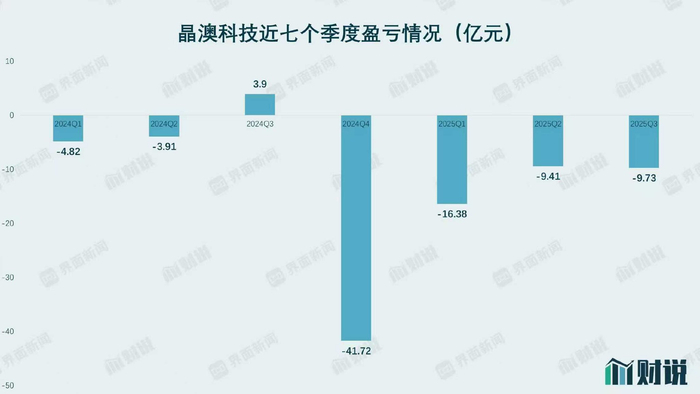
Core Viewpoint - JinkoSolar is facing significant challenges due to substantial losses, high debt pressure, and risks associated with expansion plans, raising concerns about its financial stability and operational strategy [1][2][4]. Financial Performance - For the first three quarters of 2025, JinkoSolar reported a total revenue of 36.809 billion yuan, a year-on-year decline of 32.27%, and a net loss attributable to shareholders of 3.553 billion yuan, which is over six times larger than the loss of 484 million yuan in the same period last year [2][4]. - The company has experienced six consecutive quarters of losses, with a gross margin of -2.6% in the first three quarters of 2025, indicating a situation where increased sales lead to greater losses [6][15]. Debt Situation - As of the end of Q3 2025, JinkoSolar's debt-to-asset ratio reached 77.9%, the highest since its listing, up from 72.15% in the same period of 2024 [6][8]. - The company has a total interest-bearing debt of 39.8 billion yuan, which is 1.72 times its net assets, indicating a high leverage situation [8][12]. - The short-term debt pressure is significant, with 12.2 billion yuan in short-term loans and non-current liabilities due within one year, accounting for over 30% of total debt [8][12]. Expansion Plans - Despite the financial difficulties, JinkoSolar plans to invest 3.957 billion yuan in a project in Oman to produce 6GW of high-efficiency solar cells and 3GW of high-power solar modules, which represents 17% of the company's net assets as of Q3 2025 [9][11]. - The rationale behind this expansion is to optimize overseas production capacity and respond to changes in the international trade environment, although it raises concerns about cash flow pressure and potential funding risks [9][11]. Accounts Receivable and Asset Quality - JinkoSolar's accounts receivable and notes receivable reached a historical high of 9.5 billion yuan, with a turnover period of 69 days, significantly longer than the 45 days in the same period of 2024 [11][12]. - The company has recognized asset impairment provisions of 323 million yuan and credit impairment losses of 126 million yuan, totaling 449 million yuan, which exacerbates the overall loss [11][12]. Market Valuation - JinkoSolar's market valuation remains low, with a price-to-book ratio of 2.1, below 75% of the past decade, indicating a lack of investor confidence [17][18]. - The company's continuous losses, high debt levels, and questionable expansion strategy have led to a decline in its attractiveness to investors compared to peers in the industry [14][17].

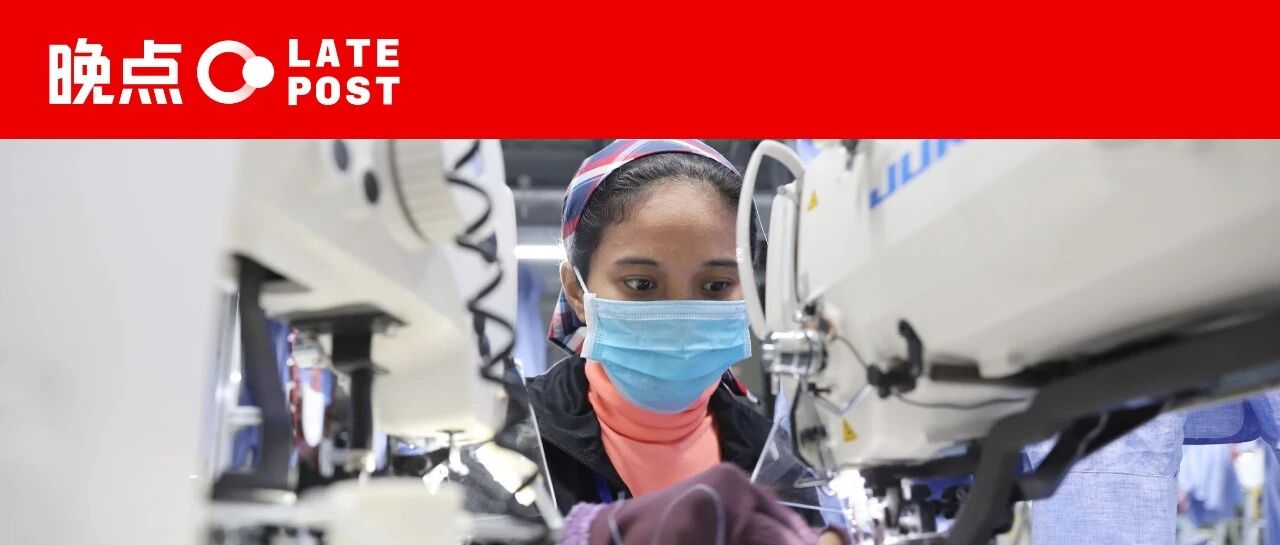
纺织代工龙头的又一次周期下注,申洲国际在赌什么?
晚点LatePost· 2025-09-29 03:55
Core Viewpoint - The article focuses on the growth logic and investment value of Shenzhou International, emphasizing its unique profit structure and competitive advantages in the textile industry [4][6][28]. Group 1: Growth Logic - Shenzhou International has demonstrated a strong growth trajectory, supported by its ability to manage cost pressures across the textile supply chain, rather than solely relying on profit margins [4][6]. - The company has maintained a profit structure of approximately 30% gross margin and 20% net margin, significantly higher than industry peers, which typically operate at around 20% gross margin and 10% net margin [6][11]. - The vertical integration of its business model and a high proportion of sportswear clients have been key factors in sustaining its superior profit structure [11][12]. Group 2: Competitive Advantages - Shenzhou's early entry into upstream fabric production and its strategic focus on sportswear have created significant barriers to entry for competitors, such as Crystal International, which has struggled to replicate these advantages despite its long-standing presence in the industry [12][13]. - The company has effectively leveraged its relationships with major clients like Nike and Adidas, which account for a substantial portion of its revenue, to enhance its market position [24][25]. - Shenzhou's ability to internalize cost pressures and improve operational efficiency has allowed it to maintain competitive pricing, which is attractive to brand clients [25][26]. Group 3: Market Dynamics - The global textile industry has experienced significant shifts, with sportswear's market share increasing from approximately 5%-7% in the late 1980s to around 21% by 2024, indicating a growing trend that Shenzhou is well-positioned to capitalize on [17][18]. - The company has faced challenges in maintaining profit margins due to rising raw material costs and market fluctuations, but it has shown resilience by adapting its operational strategies [26][32]. - As the industry evolves, Shenzhou's focus on diversifying its client base and expanding its product offerings will be crucial for sustaining growth and mitigating risks associated with client concentration [27][29].