
基础设施REITs

Search documents
政策聚力 为民间投资蓄能提质
Zheng Quan Ri Bao· 2026-01-11 17:08
Group 1 - Private investment is a crucial support for stabilizing growth, adjusting structure, and promoting employment, with policies aimed at expanding the scale and improving the quality of private investment by 2026 [1][2] - The State Council's meeting on January 9 proposed several measures to support private investment, including interest subsidies for small and micro enterprises, a special guarantee plan for private investment, and mechanisms to reduce financing costs [1][4] - Local governments, such as Jiangxi and Guizhou, have introduced policies to promote high-quality development of private investment, aligning with the State Council's measures to stimulate private investment vitality [1][2] Group 2 - Data from the National Development and Reform Commission indicates that private project investment, excluding real estate, grew by 2.1% year-on-year in the first three quarters of 2025, with infrastructure and manufacturing investments increasing by 7% and 3.2% respectively [2][6] - The "Several Measures" aim to enhance private investment by addressing entry barriers, unblocking obstacles, and strengthening guarantees, particularly in innovation and infrastructure [2][4] - The financial sector plays a key role in promoting private investment, with policies facilitating financing for technology companies and encouraging the issuance of real estate investment trusts (REITs) in infrastructure [6][7] Group 3 - The commercial aerospace sector is experiencing rapid development, with private companies like Beijing Ziwei Yutong Technology achieving significant milestones, including successful rocket launches and financing rounds [3][4] - The government is encouraging private capital participation in key areas such as smart transportation and infrastructure, aiming to break down industry barriers and enhance innovation [4][6] - Financial mechanisms, including zero-interest loans and local government subsidies, are being utilized to leverage private capital for industrialization and infrastructure projects [7][8]
重点城市土地市场热度回升,核心区域受热捧
Sou Hu Cai Jing· 2026-01-08 15:39
Core Insights - The report indicates a rebound in land supply transactions in key cities, with high premium competition for core area plots due to their scarcity, while suburban and non-core areas see more transactions at base prices [2][10] - Real estate companies are focusing more on core assets and adopting a cautious approach towards non-core areas, leading to a stable yet increasingly differentiated market [10] Land Supply and Transactions - From November 17 to December 14, 2025, six key cities had 210 land plots available for bidding, with a starting price of 48.32 billion yuan, reflecting a 32.01% month-on-month increase and covering an area of 6.1211 million square meters [3] - During the same period, 167 plots were successfully sold across these cities, with a total transaction value of 56.644 billion yuan, marking a 27% increase in transaction value and a 17% increase in land area sold [6][10] Regional Analysis - In Beijing, 13 plots were listed, including 3 residential plots with a total area of 151,900 square meters and a starting price of 8.925 billion yuan [5] - Shanghai had 11 plots listed, primarily industrial, with a total area of 297,900 square meters and a starting price of 633 million yuan [5] - Guangzhou proposed 39 plots, including 7 residential plots with a total planned area of 516,700 square meters and a starting price of 10.281 billion yuan [5] - Chengdu announced 79 plots, with 22 residential plots concentrated in the Shuangliu District, covering a total area of 129,600 square meters and a starting price of 2.427 billion yuan [6] Transaction Trends - In Beijing, 12 plots were sold, with a total area of 315,900 square meters and a total transaction price of 11.219 billion yuan, mostly at base prices [7] - Shanghai saw 14 plots sold, totaling 297,800 square meters and 10.79 billion yuan, with most transactions at base prices except for one plot [8] - In Guangzhou, 4 residential plots were sold, totaling 2.283 billion yuan, primarily at base prices [9] - Shenzhen had 12 plots sold, with 3 residential plots showing a clear divide in pricing between core and non-core areas [9] Policy and Market Dynamics - Recent central government initiatives emphasize urban renewal and the integration of urban and rural development, aiming for high-quality real estate development [11] - Local governments are innovating policies and market operations to drive urban renewal, with examples from Chongqing and Shanghai showcasing successful models [12] - The issuance of urban renewal REITs is expected to attract more social capital, enhancing the financing channels for revitalizing existing assets [13]

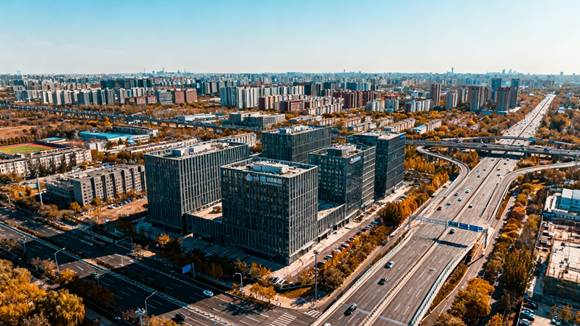
更加侧重“促消费、调结构”公募REITs市场向商业不动产领域扩容
Sou Hu Cai Jing· 2026-01-06 10:56
Core Viewpoint - The article discusses the expansion of China's public REITs market into the commercial real estate sector, marking a significant shift towards a dual development phase alongside infrastructure REITs, effective from December 31, 2025 [1][5]. Group 1: Regulatory Framework - The China Securities Regulatory Commission (CSRC) has established a "1+3+N" policy framework for commercial real estate REITs, which includes one announcement, three notifications, and 17 supporting rules from various financial institutions [3]. - The new rules aim to enhance the adaptability and inclusiveness of the regulatory framework while ensuring strict management and compliance [3][4]. Group 2: Market Development Strategy - The introduction of commercial real estate REITs is not merely an asset type expansion but a strategic move to align with the distinct characteristics of commercial real estate and infrastructure, enhancing the overall effectiveness of REITs in capital markets [5]. - The regulatory approach will focus on a parallel development strategy for commercial real estate and infrastructure REITs, aiming to deepen the market's service to the real economy [6]. Group 3: Project Selection and Quality Control - The regulatory authorities will prioritize high-quality projects and maintain a cautious approach in the initial phase of the commercial real estate REITs pilot, emphasizing compliance and risk management [7]. - There will be a focus on core urban areas and mature commercial real estate projects, particularly those owned by listed companies, state-owned enterprises, and reputable private firms [7][8]. Group 4: Responsibilities of Intermediaries - Intermediary institutions will bear significant responsibility in the REITs process, ensuring due diligence and compliance with high standards in their operations [8]. - The regulatory framework will enforce strict oversight of the REITs approval and registration processes, promoting transparency and accountability [8].

公募REITs市场向商业不动产领域扩容
Zhong Guo Zheng Quan Bao· 2026-01-05 20:05
Core Viewpoint - The announcement by the China Securities Regulatory Commission (CSRC) regarding the pilot launch of commercial real estate investment trusts (REITs) marks a significant expansion of China's public REITs market from infrastructure to commercial real estate, indicating a new phase of parallel development between commercial real estate and infrastructure REITs [1][2][3] Group 1: Regulatory Framework - The CSRC has established a "1+3+N" policy framework for commercial real estate REITs, which includes one announcement, one notice, two working regulations, and 17 supporting rules from various institutions [1][2] - The new rules aim to adaptively optimize management while maintaining strict oversight, reflecting a targeted approach to different types of REITs [1][2] Group 2: Market Development Strategy - The announcement outlines four key areas for advancing REITs, including improving work mechanisms, accelerating market system construction, optimizing review processes, and enhancing regulatory frameworks to ensure market stability [2][3] - The introduction of commercial real estate REITs signifies a shift towards a more mature market that encompasses all asset classes, enhancing the breadth and depth of REITs in serving the real economy [2][3] Group 3: Project Selection and Quality Control - Regulatory authorities will focus on selecting high-quality projects that align with national policy and demonstrate significant social benefits, particularly in core urban areas and economically active regions [4][5] - There will be a strong emphasis on the responsibilities of intermediary institutions to ensure compliance and quality control throughout the REITs process, including due diligence and information disclosure [4][5]
商业不动产REITs明确“1+3+N”政策框架 试点初期坚持质量优先
Shang Hai Zheng Quan Bao· 2026-01-04 20:25
Core Viewpoint - The launch of the commercial real estate REITs pilot program marks a new phase in China's REITs market, transitioning towards a mature direction of "parallel development of commercial real estate and infrastructure" [1][7]. Group 1: Policy Framework - The regulatory framework for commercial real estate REITs is defined as "1+3+N", where "1" refers to the announcement, "3" includes three key documents, and "N" represents 17 supporting rules from various regulatory bodies [2]. - The announcement serves as a foundational document, clarifying core institutional arrangements for commercial real estate REITs, including product definitions, fund registration, operational management requirements, and regulatory responsibilities [2]. Group 2: Supporting Rules - The supporting rules systematically refine the entry standards for REITs, focusing on compliance, financial, asset evaluation, and fund operation requirements [3]. - A more market-oriented mechanism is established, linking yield requirements to risk-free interest rates and ensuring that recovered funds comply with national macro policies and regulations [3]. - The rules promote market expansion by allowing asset combinations with similar operational characteristics and reducing the time for post-IPO fundraising applications to six months [3]. Group 3: Review Mechanism and Risk Management - The feedback timeline for initial reviews has been shortened from 30 to 20 working days, and guidelines for drafting prospectuses have been introduced to align with REITs characteristics [4]. - The pilot program emphasizes high-quality project selection, focusing on projects that align with national policies and demonstrate stable operational performance [6]. - Regulatory bodies will enhance supervision and risk monitoring, ensuring compliance and addressing any violations promptly [6]. Group 4: Market Development - The pilot program signifies a shift towards a comprehensive REITs market, integrating commercial real estate and infrastructure, each serving distinct economic functions [7][8]. - Infrastructure REITs are expected to stabilize the economy and address shortfalls, while commercial real estate REITs will focus on promoting consumption and structural adjustments, closely tied to economic cycles [8].
多地发力部署高质量开展城市更新
Zhong Guo Zheng Quan Bao· 2025-12-29 21:13
Core Viewpoint - The recent national housing and urban-rural construction work conference emphasizes the importance of high-quality urban renewal as a key task for modernizing urban development, with a focus on optimizing urban structure and enhancing living quality [1][2]. Group 1: Urban Renewal as a Driver for Investment - Urban renewal is expected to become an investment-driven engine, with the government focusing on revitalizing existing land through urban renewal and village renovations to stabilize the real estate market [2]. - High-quality urban renewal, particularly in transforming urban villages, provides new development scenarios for the real estate market, combining inventory reduction with the improvement of housing security systems [2]. Group 2: Sustainable Financing Mechanisms - Establishing a sustainable financing model is crucial for high-quality urban renewal, with government bonds currently being a primary funding source for urban renewal projects [3]. - The government is encouraged to create a multi-faceted financing mechanism involving government guidance, market operations, and societal participation to support urban renewal projects [3]. Group 3: Integration of Quality Living Standards - Urban renewal aims to enhance residents' quality of life, with initiatives like the reconstruction of old buildings to modern standards being highlighted as successful examples [4]. - The Ministry of Housing and Urban-Rural Development emphasizes the integration of "four good" constructions—good houses, good communities, good neighborhoods, and good urban areas—into urban renewal efforts [4]. Group 4: Innovative Commercial and Investment Strategies - There is a call for innovative commercial facility operation mechanisms to stimulate consumer demand and enhance investment effectiveness in urban renewal projects [5]. - Projects with stable revenue, such as parking facilities and cultural tourism sites, are suggested to explore issuing project revenue bonds to ensure financial sustainability [5].
专题回顾 | 2025公募REITs发展现状与趋势
克而瑞地产研究· 2025-12-25 08:50
Group 1 - The core viewpoint of the article is that the Chinese public REITs are entering a new era, which may assist real estate companies in completing their strategic transformation [1] - The government continues to support the development of public REITs in 2025, with a positive market response [1][27] - The 782 document introduces four innovations to promote the normalization of public REITs development, focusing on expanding the asset scope and accelerating the approval and issuance of REITs [1][27] Group 2 - The asset scope has been expanded to include new types such as railways, ports, ultra-high voltage transmission, communication towers, market-oriented rental housing, cultural tourism, specialized markets, and elderly care facilities [3][4] - The expansion support mechanism has been optimized, simplifying the application process for newly acquired projects and allowing cross-regional integration of existing assets [3][4] - The 782 document emphasizes the importance of project quality, prioritizing applications for high-quality projects that contribute to national strategic goals [4] Group 3 - Over 87% of the listed public REITs reported profits in the first half of 2025, with stable returns [7][27] - By October 21, 2025, a total of 415.38 billion yuan has been raised for public REITs, with more listings expected by the end of the year [7][27] - The total scale of listed public REITs in China has reached 2,075.72 billion yuan [7] Group 4 - Eight real estate companies have issued public REITs, primarily in the consumer infrastructure sector [16][17] - China Resources REIT is expected to expand by over 5 billion yuan annually, providing a development model for the industry [18] - The listing of CapitaLand REIT serves as a test case for foreign institutions participating in the Chinese REITs market [18] Group 5 - State-owned enterprises are actively exploring public REITs, leveraging policy benefits to transform their roles [20][21] - Private enterprises also have opportunities to participate in public REITs, with a focus on owning quality properties [23] - Public REITs enhance the commercial independence of real estate companies and optimize liquidity to support transformation and upgrading [23][24]

房地产行业2025年11月月报-20251221
Bank of China Securities· 2025-12-21 06:07
房地产行业|证券研究报告—行业月报 2025 年 12 月 21 日 强于大市 房地产行业 2025 年 11 月月报 11 月新房成交同比降幅扩大,二手房成交同比降幅收窄;中央经济 工作会议指出"稳地产、去库存",预期 26 年地产政策空间打开 核心观点 【新房成交】 【二手房成交】 【新房库存与去化】 【土地市场】 【房企】 【政策】 【板块收益】 11 月新房成交面积环比由正转负、同比降幅扩大。11 月 40 城新房成交面积环比-6.8%,同比-40.7%,同比降幅较 10 月扩大 13.9pct,1-11 月累计同比-11.5%。我们认为,影响居民购房能力及购房意愿的收入与就业预期尚未根本性扭转,市场信心仍然不 足,叠加去年 12 月销售的基数也相对较高,全年地产市场压力很难缓解。 从各能级城市来看,11 月一、二、三四线城市新房成交面积同比降幅均扩大。1)一线城市:11 月新房成交面积环比+4.5%,同比-43.5%, 同比降幅较 10 月扩大 5.2pct;1-11 月累计同比-13.8%。具体来看,11 月北京新房成交面积环比-34%,同比-54%;上海环比+31%,同比- 22%;广州环比-1 ...




深耕优质地块 | 2025年12月房地产企业新增土地储备报告
Sou Hu Cai Jing· 2025-12-18 13:33
Core Insights - The real estate market is experiencing a cautious shift in land acquisition strategies among companies, focusing on high-quality land parcels rather than blind expansion [5][9][11] - The supply of residential land in first, second, and third-tier cities has shown a significant month-on-month recovery, although year-on-year comparisons remain weak [14][16][20] - The issuance of special bonds for land acquisition is accelerating, providing a positive signal to the market and enhancing confidence in economic development [19][20] Group 1: Land Acquisition Trends - The top 50 real estate companies added a total of 309.49 million square meters of land in November, reflecting a month-on-month increase of 6.8% [5][9] - Leading companies in land acquisition include China Overseas Land, China Merchants Shekou, and Poly Developments, with respective land reserves of 467.46 million square meters, 386.71 million square meters, and 373.95 million square meters [11][12] - The total land acquisition amount for the top companies from January to November reached 880.2 billion yuan for China Overseas Land, 625.9 billion yuan for China Resources Land, and 597 billion yuan for Poly Developments [11][12] Group 2: Land Supply and Pricing - In the reporting period, 1,833 residential land plots were supplied across first, second, and third-tier cities, with a total planned construction area of 131.34 million square meters, marking a month-on-month increase of 149.72% [14][16] - The starting floor price for supplied land was 3,167 yuan per square meter, reflecting a month-on-month decrease of 9.69% [14][16] - The average transaction price for residential land in first, second, and third-tier cities was 4,165.2 yuan per square meter, with a month-on-month decrease of 6.43% [20][22] Group 3: Market Dynamics and Special Bonds - The issuance of special bonds for land acquisition has increased significantly, with a net issuance of 655.19 billion yuan in November, including 492.19 billion yuan for new special bonds [19][20] - The market is witnessing a cautious approach from companies towards non-core areas, focusing instead on mature regions with solid data support [5][9][11] - The overall land market remains in an adjustment phase, with varying recovery rates across different city tiers, indicating a need for more positive factors to support market heat [23][25]

同庆楼:始终密切关注基础设施REITs政策为酒店行业带来的发展机遇
Zheng Quan Ri Bao Zhi Sheng· 2025-12-17 11:43
Core Viewpoint - The company is actively exploring opportunities in the hotel industry brought by infrastructure REITs policies and has initiated relevant strategies to enhance its asset management and operational efficiency [1] Group 1: Strategic Initiatives - The company plans to promote the REITs operation of existing heavy assets to unlock the value of quality assets [1] - The company is adopting a customized leasing property operation model for some projects of Fumao Hotel, effectively reducing heavy asset investment [1] - The company has signed a management project in Huzhou, successfully implementing its first light asset operation case [1] Group 2: Future Outlook - The company aims to accelerate project layout in the Yangtze River Delta and core cities through three models: heavy asset REITs, customized leasing, and entrusted management, further enhancing management efficiency [1]
