
房地产行业转型

Search documents
如果不出意外,2026年楼市或将已经翻篇,3个信号已经出现!
Sou Hu Cai Jing· 2026-01-14 17:15
Core Viewpoint - The Chinese real estate industry is undergoing a profound transformation, shifting from extensive expansion to high-quality development, driven by policy direction, market logic, and the transformation of industry participants [1][5][14]. Group 1: Signals Indicating Market Transformation - Supply-side reforms are being implemented, with the central economic work conference emphasizing "controlling increment, reducing inventory, and optimizing supply," indicating fundamental changes in land supply, project approval, and development pace [1][5]. - The transition from development to operation is underway, as the "white list" system for real estate financing focuses more on project quality rather than just scale, transforming real estate companies from mere builders to urban operators [3][10]. - The shift from incremental expansion to improving existing stock will be key in 2026, with resources directed towards the renovation of old neighborhoods and enhancing urban functions and community services [3][8]. Group 2: Underlying Changes in Policy, Market, and Model - Policy changes reflect a shift from "restricting purchases" to "optimizing supply," with the importance of the stock market being elevated. The encouragement of acquiring existing housing for affordable housing is a significant policy shift [5][12]. - Market dynamics are changing, with the real estate market size myth and the "high turnover" model collapsing. By 2025, the sales area of commercial housing is expected to return to 2009 levels, with transaction amounts halved compared to peak levels [6][10]. - The industry is moving away from high debt and high turnover models towards high-quality development, with a focus on product quality. Urban renewal is becoming a critical focus, with plans for systematic improvements in urban functions and living quality [8][14]. Group 3: Implications for Market Participants - For ordinary homebuyers, the market will return to its residential nature, with investment and speculative demands being suppressed, leading to a greater focus on housing quality and community amenities [10][12]. - Developers will need to shift from high-leverage, rapid turnover business models to emphasizing product innovation, service enhancement, and risk management, focusing on quality over scale [10][14]. - The transformation indicates a fundamental restructuring of the real estate role, from being an economic growth engine to a stabilizer for social welfare, with differentiated policies expected across various cities [12][14].


2519亿绿城华东换帅,上海项目去化待解
2 1 Shi Ji Jing Ji Bao Dao· 2026-01-14 06:04
Group 1 - The core point of the article is the leadership change in Greentown China’s East China region, with Pan Siyuan taking over from Lai Shengchang, indicating a strategic move to enhance product strength and regional experience amid increasing competition in the Shanghai market [1][3][4] - Pan Siyuan, born in 1986, has a successful track record in the Zhejiang region, particularly with the Fengqi Chaoming project, which achieved a sales volume of 6 billion yuan in 2025, showcasing his capability in high-end residential development [3][4] - The leadership change is seen as part of Greentown's broader organizational restructuring aimed at adapting to market changes and enhancing operational efficiency, with a focus on high-quality project management [4][5] Group 2 - The Shanghai real estate market is experiencing structural differentiation, with high-end properties priced above 30 million yuan making up nearly 60% of transactions in major cities, while ordinary high-end projects face slower sales [2][3] - Greentown's current projects, such as the Yilu in the Beicai area, are under pressure, with a low sales rate of less than 50% for recent offerings, highlighting the challenges in achieving sales targets in a competitive market [2][3] - The company secured a high-priced land parcel in Hongkou at a record price of 12.66 million yuan per square meter, raising concerns about balancing project pricing and sales performance [2][3] Group 3 - Greentown's sales target for 2025 is set at 251.9 billion yuan, with significant contributions from self-invested projects and construction management, indicating a strong market position [4][5] - The East China region is crucial for Greentown, contributing over 40% of the total sales from self-invested projects, emphasizing its importance in the company's overall strategy [4] - The company is focusing on precise investments and efficient operations to navigate the ongoing market transition, aiming for a balance between short-term survival and long-term growth [5]
告别高周转,房地产开始做起慢生意
Xi Niu Cai Jing· 2026-01-13 07:20
Core Viewpoint - The real estate industry in China is transitioning from a "high turnover" model characterized by rapid land acquisition and construction to a "slow business" model that emphasizes quality, operational resilience, and deep understanding of customer needs [2][3][12]. Group 1: Industry Transition - The industry is moving away from the "456" high turnover model, which relied on high leverage and rapid expansion, towards a long-term strategy focused on low leverage and operational excellence [3][12]. - By 2025, the real estate sector is expected to face a debt maturity of approximately 525.7 billion yuan, indicating a significant increase in financial pressure [3]. - The market is shifting from new development to stock competition, where the ability to manage projects throughout their lifecycle is becoming crucial [3][12]. Group 2: Characteristics of "Slow" Companies - "Slow" companies like Hejing Chuangzhan, Binhai Group, and Chenjia Development are emerging as benchmarks in the industry due to their careful financial strategies and focus on high-end products in core cities [2][9]. - These companies prioritize product quality and service over rapid expansion, leading to unique offerings that meet market demands [9][11]. - The operational strategies of these firms include localized product design and a focus on understanding the values of new-generation consumers [3][11]. Group 3: Financial Performance and Business Models - Hejing Chuangzhan's commercial segment is projected to contribute 2.2 billion HKD in revenue in the first half of 2025, accounting for over one-third of the company's total revenue [6]. - The company has successfully implemented a "light asset" model, with commercial project management accounting for over 70% of new projects in 2025 [6][11]. - The "Mian" brand of Hejing Chuangzhan has achieved a gross margin of 39% in the first half of 2025, surpassing the industry average, demonstrating the effectiveness of its operational strategies [10]. Group 4: Market Dynamics and Future Outlook - The industry is evolving towards a comprehensive model that balances development, operation, and service, moving beyond mere construction and sales [5][12]. - The focus on quality living and sustainable urban development is becoming increasingly important, aligning with the broader goal of enhancing the quality of life for residents [12][13]. - As the market transitions, companies that can provide high-quality living products and create long-term value in urban operations will be better positioned for success [17].
房地产:中国房企发展与转型——迈向资产管理
2026-01-12 01:40
Summary of Conference Call on Real Estate Industry and Company Transformation Industry Overview - The report focuses on the transformation of the real estate industry in China towards asset management, driven by ongoing policy changes emphasizing high-quality housing development and operational real estate business [2][4] - The industry is at a dual turning point of urbanization and financial market development, with a consensus on the need for real estate companies to explore asset management as a necessary direction [4][5] Key Insights - **Historical Context**: The transformation of real estate companies into asset management firms has been primarily driven by financial deepening over the past 40 years, particularly in Western economies, while Asian markets are still in the early stages of this transition [3][10] - **China's Position**: China is expected to see a significant shift in real estate focus from traditional development to asset management, especially during the 14th Five-Year Plan period, which is anticipated to be crucial for institutional development [4][49] - **Challenges**: The pace of transformation in China's real estate sector is slower than expected, with companies facing challenges in their ability to adapt [5][49] Financial Dynamics - The report highlights that the real estate sector's contribution to GDP has been declining, with a shift towards financial mechanisms and asset management becoming more prominent [10][11] - The debt accumulation in the real estate sector has been manageable, but fluctuations in debt levels and asset prices have historically led to economic volatility [11][12] Structural Changes - The report discusses the need for a comprehensive process of transformation, including organizational restructuring and capability enhancement, as companies move from traditional development to asset management [4][19] - The emergence of new asset types in the REITs market, such as logistics and data centers, reflects the evolving landscape of real estate investment [14][28] Comparative Analysis - **International Examples**: The report draws comparisons between the evolution of real estate companies in the U.S., Japan, and Singapore, noting that U.S. firms have successfully transitioned to asset management platforms, while Japanese firms remain more conservative and focused on domestic markets [25][39] - **East vs. West**: There are significant differences in the development stages of real estate companies between East Asian and Western markets, with East Asian firms often maintaining a mixed business model while Western firms tend to specialize [20][23] Future Outlook - The report anticipates that the future of the real estate market in China will focus on managing existing assets and enhancing the quality of new developments, with urban renewal becoming a key area of opportunity [50][51] - The balance between rental and purchase markets is expected to shift, leading to a more stable housing market and potentially higher asset prices [51][52] Risks and Considerations - The report warns of potential risks associated with the slow pace of transformation and the challenges posed by existing market structures and regulatory environments [5][49] - It emphasizes the importance of developing a robust asset management framework to navigate the complexities of the evolving real estate landscape in China [49][50]
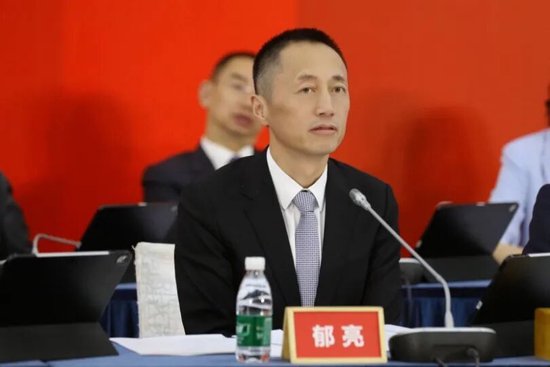
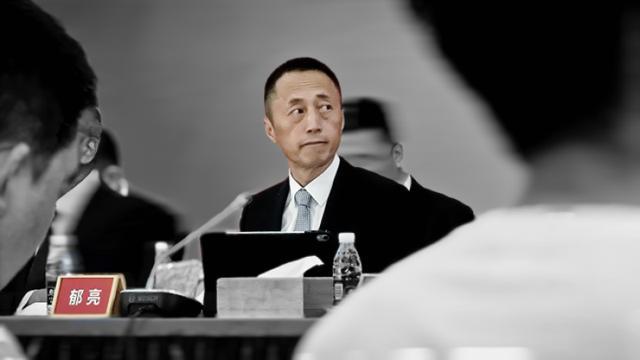
郁亮正式谢幕,留给万科的时间不多了
Xin Lang Cai Jing· 2026-01-10 03:08
Core Viewpoint - The resignation of Yu Liang marks the end of an era for Vanke and symbolizes the decline of the golden age of China's real estate industry [6][10][17]. Company Summary - On January 8, Vanke announced that Yu Liang, the company's executive vice president and board member, submitted his resignation due to reaching retirement age, effective immediately [3][14]. - Yu Liang joined Vanke in 1990 and served for 36 years, but his departure is seen as a reflection of the broader challenges facing the real estate sector in China [5][16]. - Vanke stated that Yu's resignation would not affect the company's normal operations and that there were no disagreements between him and the board [5][16]. Industry Summary - Yu Liang was one of the first to recognize the turning point in the real estate industry, predicting a shift from a "golden age" to a "silver age" as early as 2012, and later referring to the current state as the "black iron age" [7][19]. - As of September 2025, Vanke's total interest-bearing debt reached 362.9 billion yuan, a record high, with over 150 billion yuan due within a year, while available cash was only around 60 billion yuan [8][19]. - Vanke faced a significant default risk, with two medium-term notes totaling 5.7 billion yuan failing to secure an extension, leading to downgrades by international rating agencies [8][19]. - The real estate market has cooled significantly, with difficulties in selling land and properties, and banks tightening lending, impacting even established companies like Vanke [20]. - The management structure at Vanke has changed, with new leadership from Shenzhen state-owned enterprises, indicating a shift away from the previous management style [9][20]. - The era of high leverage and rapid turnover in the real estate sector has ended, with the current market conditions posing severe challenges for companies to sustain operations [20][22].

知名房产巨头陷财务危机!市值蒸发500亿,千亿债务压顶难翻身
Sou Hu Cai Jing· 2026-01-09 15:25
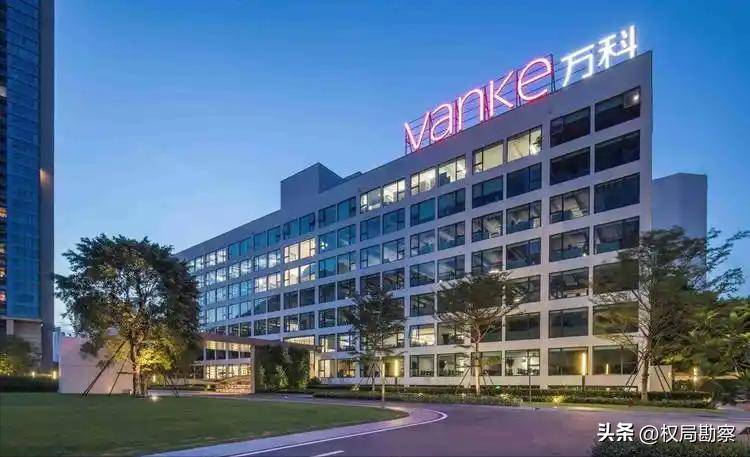
在房地产行业深度调整的当下,曾经的行业标杆万科,正遭遇前所未有的财务寒冬。 从股债市场的剧烈震荡到债券展期方案的接连碰壁,从千亿债务的层层压顶到股权被冻结的连锁反应。 这家房企巨头的困境,不仅牵动着资本市场的神经,更折射出整个行业在转型期的阵痛与迷茫。 2025年12月万科的财务危机正式浮出水面。一笔规模20亿元的债券22万科MTN004原定12月15日到期兑付,为了缓解资金压力,万科此前提出了将这笔债务 延期一年偿还的方案。 也就是把本金和利息的支付时间都推迟到2026年12月15日,但这个方案遭到了债权人的集体反对,在第一次持有人会议上零票支持,76.7%的投票权都投了 反对票。 之后债权人也提出了两个补充方案,核心要求就是万科必须找深圳地铁这样有实力的国企做担保,而且到期的利息得按时支付,不能跟着本金一起延期。 即便如此,最被看好的补充方案也只获得了83.4%的支持率,距离通过所需的90%支持率仍有差距。 更糟糕的是,紧随其后的另一笔37亿元债券22万科MTN005的展期方案也同样失败,两笔合计57亿元的债务陷入实质性违约。 股价方面,万科A在12月2日收盘时仅为5.2元,市值缩水到620.4亿元,相比 ...
与城共进 行稳致远!龙湖荣膺2025年贵阳商品房销售榜首
Sou Hu Cai Jing· 2026-01-09 10:51
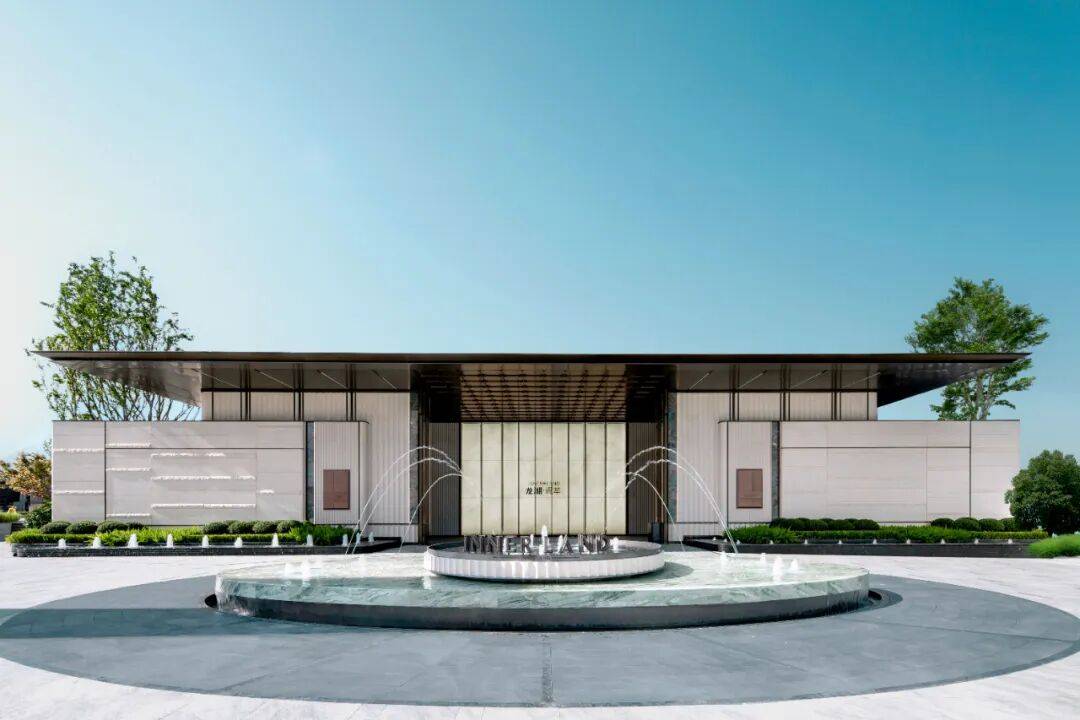
Core Viewpoint - The Chinese real estate industry is entering a critical transformation phase in 2025, focusing on stabilizing the market through demand stimulation, supply optimization, and financial collaboration, with various policy measures aimed at promoting high-quality development aligned with public welfare [1] Group 1: Industry Policies and Trends - The central government emphasizes the need for a sustained effort to stabilize the real estate market, with policies targeting demand enhancement and supply optimization [1] - Guizhou Province and Guiyang City are actively implementing policies to support the real estate sector, injecting strong momentum for stable development [3] - The focus on "good housing" construction is a key strategy for transforming the real estate industry, with specific guidelines issued for high-quality residential design [5] Group 2: Company Performance and Strategy - Longfor Group has capitalized on policy opportunities, achieving approximately 2.11 billion yuan in sales in Guiyang, leading the city's real estate market [3] - The company has delivered over 13,000 homes in eight years, with more than 2,000 homes delivered in 2025 alone, reflecting high customer satisfaction [3] - Longfor's projects, such as Longfor Lingfeng and Longfor Shunshanfu, have received market acclaim, with significant sales figures in the luxury segment [5][9] Group 3: Market Dynamics and Consumer Demand - Guiyang's policies include measures to stabilize the market, such as reducing the down payment for first-time homebuyers to 15% and providing tax incentives, effectively lowering housing costs [9] - Longfor's projects have seen strong sales, benefiting from the policy environment and appealing to quality-seeking buyers, achieving higher average transaction prices than the market average [9] - The company's commitment to community engagement through initiatives like "Dragon People Festival" enhances customer loyalty and community culture [5] Group 4: Future Outlook - The real estate industry is expected to continue focusing on stable progress and high-quality development in 2026, with Longfor Group aiming to strengthen its role in residential development and asset management [11] - Longfor is positioned to contribute to urban renewal and improve living standards in Guiyang, aligning with national and local policy directions [11]

36年万科路,敲钟人郁亮谢幕
Hua Xia Shi Bao· 2026-01-09 09:40
Core Viewpoint - The retirement of Yu Liang marks the end of an era for Vanke, reflecting his significant contributions to the company's growth and the evolution of the Chinese real estate industry [2][11][13]. Group 1: Career Development and Contributions - Yu Liang joined Vanke at the age of 25 and spent 36 years with the company, transitioning from a financial officer to a key leader in a billion-dollar enterprise [2][3]. - His early contributions included leading the successful issuance of B shares in 1993, raising 4.5 billion HKD, which alleviated Vanke's funding challenges and laid the groundwork for national expansion [3][4]. - Under his leadership, Vanke's revenue grew significantly, with a 28% year-on-year increase following the resolution of a major corporate governance conflict in 1994 [4]. Group 2: Strategic Initiatives and Growth - In 2004, Yu Liang introduced the ambitious "Ten-Year 100 Billion Plan," which was initially met with skepticism but ultimately led to Vanke achieving over 1,000 billion in sales by 2010, making it the first Chinese real estate company to reach this milestone [5][6]. - The implementation of the "5986 model" facilitated rapid growth, resulting in sales increasing from 91.6 billion in 2004 to over 1,000 billion by 2010, showcasing Vanke's effective management strategies [5][6]. - By 2020, Vanke achieved a record contract sales amount of 704.15 billion, with a net profit of 41.516 billion, demonstrating the success of its diversified business model [8][9]. Group 3: Industry Position and Future Outlook - Yu Liang's foresight in predicting the end of the "golden era" of real estate in 2014 led to a strategic shift towards becoming a "city service provider," diversifying into logistics, commercial, and long-term rental markets [7][8]. - Despite facing challenges in the post-2020 market downturn, Vanke's diversified strategy and risk management measures helped stabilize its operations [9]. - Yu Liang's departure signifies a transition for Vanke, but his strategic vision and operational principles will continue to influence the company's future direction [10][12][13].
国资补位落定,金地闯过债务关后,销售腰斩下转型出路何在?
Hua Xia Shi Bao· 2026-01-09 00:51
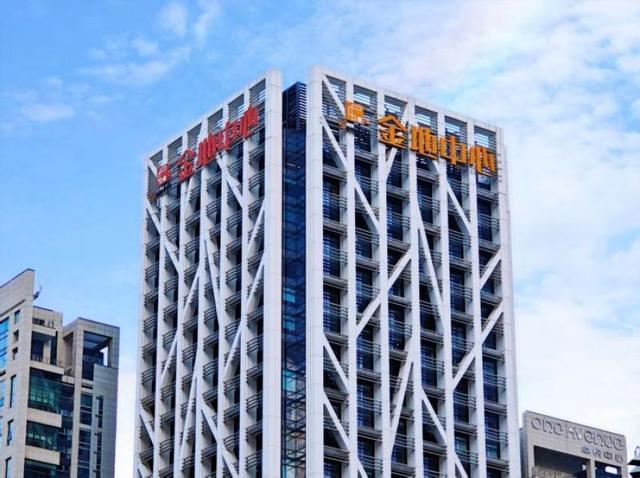
金地集团总部 黄指南/摄 本报记者 张蓓 见习记者 黄指南 深圳报道 季彤离任后,金地悬空的国资代表席位画上句点。 1月7日,金地集团(600383.SH)公告披露,经股东单位推荐与董事会提名委员会审查,福田投资控股 有限公司(下称:福田投控)董事长杨宇球将补选进入金地第十届董事会,填补季彤因工作变动离任后 悬空的国资代表席位。 从治理逻辑来看,补位本在外界预期之内。作为金地第二大股东,福田投控向来以核心管理层派驻保障 股东话语权,杨宇球兼具国资体系深耕背景与企业管理经验,成为派驻代表完全契合市场化治理惯例。 而意料之外的是补位调整形成的时间差差异。接近公司治理层面的知情人士向本报记者透露,与万科较 快完成管理层迭代的核心分野在于股东层级与程序顺位的不同。 据他分析,万科此前的股东代表调整,源于第一大股东更迭,相关前置程序已在股东层面完成闭环,为 标的公司人事衔接扫清障碍;而金地此次补位的主导方为第二大股东,且股东方内部管理层调整先行落 地,标的公司需待股东方核心人选正式就位后,方可启动内部提名、审查与补选全流程,程序顺位差异 客观上导致了人事衔接的时间差。 全域换防收官 当房地产行业的调整进入深水区,人事变 ...

中金:房地产行业发展与转型迈向资产管理
Di Yi Cai Jing· 2026-01-09 00:20
Group 1 - The core viewpoint of the article emphasizes the ongoing policy focus on transforming the real estate industry towards new models [1] - From the perspective of enterprises, the high-quality development of housing business and the increasing focus on operational real estate is a fundamental trend [1] - There is a growing consensus on building new capabilities and ecosystems around the keyword "asset management" [1]