
新零售

Search documents
江南布衣(03306.HK):兑现高质量增长且持续高分红
Ge Long Hui· 2026-03-03 19:53
Core Viewpoint - The company reported a revenue of 3.38 billion RMB for FY26H1, reflecting a 7% year-on-year increase, with positive growth across various brands and channels [1][2] Revenue Breakdown - JNBY brand generated 1.86 billion RMB, accounting for 55% of total revenue, with a 6% increase year-on-year [1] - The brand "Suxie" contributed 390 million RMB, representing 12% of total revenue, with a slight increase of 0.4% [1] - Children's segment revenue was 495 million RMB, making up 15% of total revenue, with a 4% increase [1] - The "Less" brand generated 390 million RMB, also 12% of total revenue, with a notable 16% increase [1] - Revenue from self-operated stores was 1.2 billion RMB, accounting for 35% of total revenue, with a 6% increase [1] - Revenue from distributors was 1.4 billion RMB, representing 43% of total revenue, with a marginal increase of 0.3% [1] - Online revenue reached 750 million RMB, making up 22% of total revenue, with a significant 25% increase [1] Profitability Metrics - The company achieved a gross profit of 2.246 billion RMB for FY26H1, marking a 9.2% year-on-year increase, with a gross margin of 66.5% [2] - JNBY's gross margin stood at 69.4%, while "Suxie" had a gross margin of 67.5%, and the children's segment had a gross margin of 60% [2] - The gross margin for self-operated stores was 74%, for distributors it was 61%, and for online sales it was 66% [2] - The net profit for FY26H1 was 680 million RMB, reflecting a 12% year-on-year increase [2] Dividend and Future Outlook - The company declared an interim dividend of 0.52 HKD per share (approximately 0.47 RMB) [2] - The company remains optimistic about future growth through self-incubation and acquisitions, aiming to enhance brand and product portfolio [2] - Plans include leveraging internet technology to strengthen retail networks and improve customer engagement through innovative marketing strategies [2] - The company emphasizes a mission of "art exploration, beautiful life" and aims to build a century-old brand with a clear set of corporate values [2] Earnings Forecast - Based on FY26H1 performance, the company adjusted its earnings forecast for FY26-28, expecting revenues of 6.1 billion RMB, 6.7 billion RMB, and 7.2 billion RMB respectively [2] - Projected net profits for FY26-28 are 980 million RMB, 1.08 billion RMB, and 1.16 billion RMB respectively [2] - Expected EPS for FY26-28 are 1.9 RMB, 2.1 RMB, and 2.2 RMB, with corresponding PE ratios of 10x, 9x, and 9x [2]
广东发布春节消费增值税发票数据 家电零售日均销售收入增长超137%
Nan Fang Ri Bao Wang Luo Ban· 2026-02-28 02:34
Group 1 - The core viewpoint highlights the positive impact of various policies and cultural activities on the consumption market in Guangdong during the Spring Festival, leading to a sustained economic growth trend [1] Group 2 - Upgrading consumer goods showed significant growth, with daily sales revenue of household appliances like robotic vacuum cleaners increasing by 137.9%, communication devices like smartphones by 53.1%, and new energy vehicles by 46.8%, indicating a clear trend of consumer upgrading [1] - The comprehensive retail sales revenue in the province grew by 51.7% year-on-year, with offline department stores and supermarkets seeing increases of 141.7% and 48.6% respectively. New retail models such as vending machines and mobile stalls experienced sales revenue surges of 12.2 times and 3.5 times respectively, while online retail sales grew by 75.7% [1] - The demand for clothing during the Spring Festival saw a concentrated release, with retail sales of pastries and bread increasing by 1.3 times and grain and oil by 11.0%. Retail sales of clothing, textiles, and knitted goods rose by 1.5 times and 2.6% respectively [1] Group 3 - Cultural and tourism consumption continued to rise, with traditional cultural activities significantly boosting related sales, leading to a 9-fold increase in sales revenue from cultural relics and intangible cultural heritage, and increases of 37.6% and 326.9% in museum and memorial sales respectively [2] - The dining and accommodation sectors experienced quality upgrades, with unique homestays and Cantonese cuisine attracting many tourists. Sales revenue for homestay services and budget chain hotels grew by 52.6% and 42.8% respectively, while the restaurant industry saw a revenue increase of 48.1% [2]
2026家居行业十大趋势落地指南:借势破局,小程序链接全域增长
Sou Hu Cai Jing· 2026-02-26 09:00
Core Insights - The Chinese home furnishing industry is at a critical transition point in 2026, with declining new home demand, a shift towards renovation, the full implementation of new retail, and the emergence of smart and green standards as entry barriers [1] Group 1: Key Trends - Embrace new solid wood and segmented scenarios to avoid price wars [2] - New retail has transitioned from exploration to consensus, requiring a full integration of online and offline channels [4] - Smart functionality is now a basic competitive requirement, with AI adaptive mattresses and smart sofas becoming mainstream [5] - Clear channel differentiation is emerging, with large stores and community small shops coexisting [5] - Mid-sized businesses must focus on core competencies and local service capabilities to navigate industry pressures [5] - The renovation market is expected to dominate, with a projected consumption scale exceeding 2.5 trillion yuan by 2025 [5] Group 2: Strategic Recommendations - Transition from a passive store model to proactive customer acquisition using digital tools [7] - Utilize the home furnishing supply chain mini-program to build local cross-industry alliances, enhancing resource connectivity [8] - Focus on aligning products with trends, emphasizing new solid wood, smart green, and lightweight renovation products [11] - Transform channels by abandoning pure store models and leveraging digital tools to expand customer reach [11] - Strengthen localized services such as installation, measurement, and after-sales support to enhance customer retention [11] Group 3: Action Plan for 2026 - Align product offerings with market trends by focusing on efficient SKUs [9] - Fully transform channels by building local alliances through the home furnishing supply chain mini-program [11] - Reinforce service capabilities to create barriers against competition and ensure repeat purchases [11]


盒马2026年开店计划揭秘:冲击千亿,至少开300家
东京烘焙职业人· 2026-02-26 08:33
Core Viewpoint - The article highlights that 2025 is a transformative year for the retail industry, with Hema achieving significant growth and expansion, including entering 40 new cities and opening over 200 new stores, while focusing on core consumer needs and health-oriented products [5][6]. Group 1: Business Performance - Hema's overall GMV exceeded 75 billion yuan in the 2025 fiscal year, marking its first year of positive adjusted EBITA, with projections suggesting GMV could surpass 100 billion yuan by the end of March 2026 [5][6]. - The company plans to open nearly 100 new Hema Fresh stores and over 200 new Super Hema stores in 2026, aiming for a total of over 1,100 stores across all formats [8][10]. Group 2: Strategic Expansion - Hema's dual business strategy, combining Hema Fresh and Super Hema, is designed to drive growth through a "high-end focus + market penetration" approach, targeting both first-tier and potential second-tier cities [6][8]. - The company aims to enhance its supply chain and operational efficiency to support the differentiated growth of its two core business formats [6][11]. Group 3: Challenges Ahead - Hema faces challenges in supply chain depth and product selection adaptability, particularly in lower-tier markets where consumer price sensitivity is higher [12][15]. - The company must also address risks related to franchise management and quality control as it expands its franchise model, ensuring that product quality remains consistent across all locations [16][18]. - Increased competition in the retail sector, particularly from other major players like Meituan and JD, necessitates that Hema continuously enhance its market presence and customer experience [18][20]. Group 4: Future Outlook - Hema's future growth will depend on its ability to overcome current challenges and develop a retail capability that balances efficiency, quality, and consumer value [21]. - The company is positioned at a new starting point in 2026, with a focus on deepening value and addressing its operational shortcomings to sustain its competitive edge in the evolving retail landscape [21].

小方制药方之光:打造家庭健康守护品牌
Shang Hai Zheng Quan Bao· 2026-02-25 17:32
Core Insights - The article highlights the strategic transformation of Xiaofang Pharmaceutical, focusing on its innovative approach in the external medicine sector and its plans for future growth [3][4][8] Product Development - Xiaofang Pharmaceutical has over 60 products in categories such as digestive, skin, and ENT, with core products like Kexai Lu and Lugan Stone Wash ranking in the top three nationally [4] - The company emphasizes the importance of aesthetics and user experience in product design, moving away from traditional packaging to incorporate modern design elements [4][5] - The company has introduced personalized designs for its products, such as gender-specific versions of Kexai Lu, and has improved usability with patented designs for better safety and efficiency [4][5] New Retail Strategy - Xiaofang Pharmaceutical is leveraging a new retail model to enhance product sales, utilizing platforms like Meituan, Taobao, and JD Health to reach consumers effectively [6] - The company’s Kexai Lu product is currently the most popular in its category on Meituan, indicating strong online demand [6] - To address supply chain challenges, the company has partnered with Jiuzhoutong Group to improve distribution and market coverage [6][7] Industrial Layout - The company is developing a smart factory that integrates intelligent warehousing, manufacturing, and user experience areas, aiming to create a comprehensive health service system [7] - The factory will focus on producing a wide range of products and enhancing user engagement through various applications and scenarios [7] Long-term Development - Xiaofang Pharmaceutical aims to strengthen its core competencies in external medicine while pursuing innovation and breakthroughs in research and development [8] - The company has established partnerships for developing new drugs, including a collaborative project for a novel treatment for hair loss [8] - Approximately 50% of Xiaofang's products are included in the national medical insurance directory, reflecting its commitment to quality and accessibility [8]

从私域到社区,一家新锐电商的新零售解法
晚点LatePost· 2026-02-24 08:24
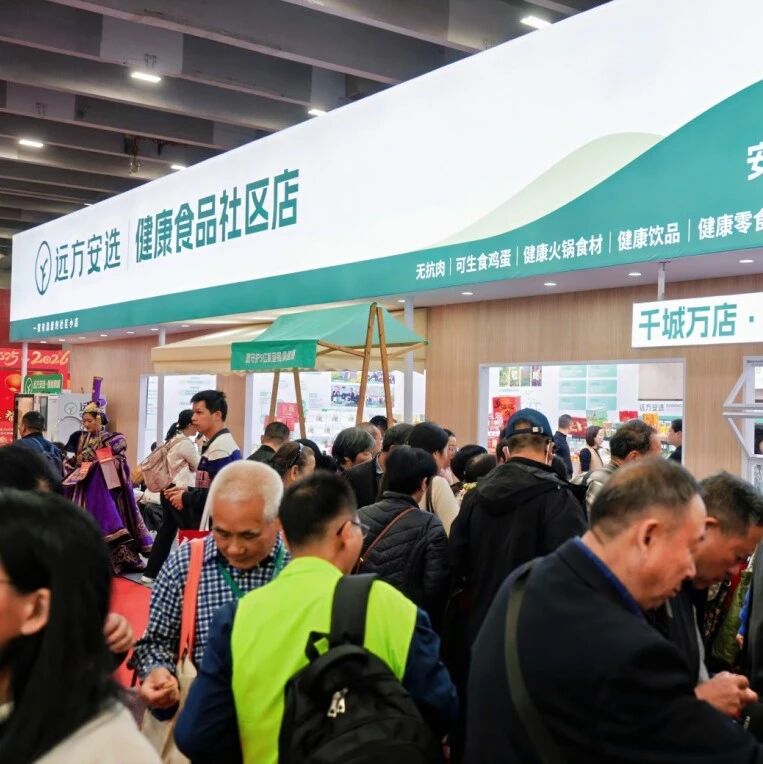
Core Viewpoint - The article discusses the innovative approach of Yuanfang Haowu, a Guangzhou-based e-commerce platform, which is entering the community group buying sector while major competitors are retreating, focusing on integrating online and offline retail to empower small businesses and enhance consumer trust [4][10]. Group 1: Company Overview - Yuanfang Haowu was established in 2021 and has rapidly grown, partnering with over 1,700 brands and accumulating more than 2.2 million members by February 2026 [4][6]. - The platform operates over 12,000 authorized stores, representing a new retail model that combines offline retail with an online marketplace [4][6]. Group 2: Market Context - The domestic e-commerce industry is facing intense competition, with rising costs for public traffic and increasing marketing expenditures for merchants [5]. - Trust issues among consumers, merchants, and platforms have escalated, prompting Yuanfang Haowu to explore a new retail solution that redefines the relationships between supply, channels, and demand [5][9]. Group 3: Business Model - Yuanfang Haowu employs a "StobtoC" model, where super suppliers provide goods to small channel merchants, who then serve end consumers [6][9]. - The company emphasizes quality control, with rigorous product selection standards, including third-party testing and regular quality checks, to build consumer trust [7][9]. Group 4: Consumer Engagement - The platform's membership model has led to a 40% repurchase rate among members, with average monthly spending exceeding 1,000 yuan [7][9]. - Membership growth has been explosive, increasing from 20,000 to nearly 200,000 within two years, enhancing the platform's bargaining power with suppliers [7][9]. Group 5: Supplier Relations - Yuanfang Haowu offers favorable terms to suppliers, such as T+0 settlement and no advertising fees, which reduces their costs and risks [8][9]. - The platform's approach encourages suppliers to collaborate on exclusive products, improving quality and price competitiveness [8][9]. Group 6: Community Group Buying - In June 2025, Yuanfang Haowu announced its entry into community group buying, aiming to leverage its supply chain and online operations to address the challenges faced by small businesses [10][13]. - The company plans to empower community store owners by providing them with e-commerce strategies and product offerings that can drive sales [10][12]. Group 7: Innovation in Sales - The introduction of community store broadcasting in August 2025 allows local stores to benefit from live streaming sales, enhancing efficiency and reducing costs [11][12]. - This model enables store owners to diversify their income streams while meeting local consumer needs effectively [12][14]. Group 8: Future Outlook - Yuanfang Haowu aims to promote a model where each store can operate multiple revenue streams, including community group buying, retail, and local services [13][14]. - The company is focused on integrating online and offline operations to build trust with consumers and enhance brand loyalty [13][14].
千亿超市巨头陨落,市值蒸发840亿,皆因转型时,兄弟内斗分家?
Sou Hu Cai Jing· 2026-02-17 08:31
Core Viewpoint - Yonghui Supermarket, once a leading player in the retail industry with a market value peaking at 117.9 billion yuan, has faced significant challenges leading to a drastic decline in its market value to 33.94 billion yuan, losing nearly 84 billion yuan in value due to various operational and competitive pressures [3][19]. Company Overview - Yonghui Supermarket operates over 1,200 stores across 16 provinces in China, maintaining a strong market presence [1]. - The company was listed on the Shanghai Stock Exchange in November 2013, experiencing a five-year growth period where its market value exceeded 117.9 billion yuan [3][14]. Historical Background - The founders, Zhang Xuanning and Zhang Xuansong, started their entrepreneurial journey in the 1990s as beer distributors before transitioning into the supermarket industry in the mid-1990s [4][11]. - The first Yonghui Supermarket was established in 1998, focusing on fresh produce and quickly gaining popularity among consumers [12]. Business Model and Strategy - Yonghui Supermarket initially thrived by emphasizing fresh products and a clean shopping environment, becoming a model for government-promoted agricultural reforms [12][14]. - The company adopted a strategy of combining fresh food with other retail offerings, which helped build consumer trust and brand recognition [12]. Challenges and Decline - The rise of e-commerce platforms like JD.com and Tmall has significantly impacted Yonghui's market share, as the company struggled to adapt to the changing retail landscape [14][16]. - Attempts to enter the online market through initiatives like Yonghui Weidian and partnerships with JD.com did not yield the expected results, leading to further operational difficulties [16][17]. - Internal conflicts between the founders regarding the company's direction contributed to a split in management and strategy, further complicating the company's recovery efforts [17][19]. Financial Performance - As of the latest reports, Yonghui Supermarket's net profit for Q3 2021 was -2.178 billion yuan, reflecting a significant decline compared to previous periods [9]. - The company's market value has plummeted from a peak of 117.9 billion yuan to 33.94 billion yuan, indicating a loss of nearly 84 billion yuan [3][19].

差点退出中国的山姆「亲爹」,彻底开窍了
36氪· 2026-02-14 04:14
Core Viewpoint - Walmart has successfully transformed its business model in China, emerging as a competitive player in the retail market by adopting strategies from its subsidiary Sam's Club, leading to a significant increase in customer traffic and sales [5][10][38]. Group 1: Walmart's Market Performance - Walmart's market capitalization surpassed $1 trillion, making it the first retail giant to achieve this milestone [7]. - Over the past year, Walmart's stock price increased by approximately 26%, with a ten-year cumulative growth of nearly 468% [8]. - The company has seen a resurgence in customer interest, particularly among younger consumers, who now frequent Walmart for its competitive pricing and product offerings [15][25]. Group 2: Strategic Changes and Adaptations - Walmart's transformation involved a strategic shift to adopt Sam's Club's operational and product selection strategies, effectively creating a "no membership fee Sam's" model [38][60]. - The introduction of the new private label "Wojixian" has been pivotal, with the team eliminating 80% of underperforming SKUs and focusing on high-demand products [41][44]. - The company has reduced the size of its stores from over 10,000 square meters to between 2,000 and 5,000 square meters, emphasizing efficiency and community convenience [50][54]. Group 3: Consumer Engagement and Pricing Strategy - Walmart has effectively targeted the pain points of consumers who desire Sam's Club products without the membership fee, creating a "Sam's alternative" section in stores [56][60]. - The implementation of a tasting culture in stores, similar to Sam's, has enhanced customer experience and engagement, allowing consumers to sample products before purchasing [58][73]. - Competitive pricing strategies have made Walmart an attractive option for budget-conscious consumers, with prices significantly lower than those at Sam's Club [16][46]. Group 4: Comparison with Competitors - While Walmart has successfully adapted and thrived, competitors like Yonghui Supermarket have struggled with their transformation efforts, leading to significant financial losses [62][64]. - The key difference lies in Walmart's ability to leverage its existing supply chain and operational strengths, while Yonghui has failed to effectively implement changes that resonate with consumer needs [76][79]. - Walmart's strategic focus on product quality, pricing, and customer experience has allowed it to reclaim its position in the retail market, contrasting with Yonghui's challenges [81][82].


天津共创共赢新零售有限公司成立,注册资本500万人民币
Sou Hu Cai Jing· 2026-02-13 01:10
Core Viewpoint - Tianjin Gongchuang Gongying New Retail Co., Ltd. has been established with a registered capital of 5 million RMB, fully owned by Tianjin Yingtai Enterprise Management Co., Ltd. [1] Company Summary - Company Name: Tianjin Gongchuang Gongying New Retail Co., Ltd. [1] - Legal Representative: Yue Min [1] - Registered Capital: 5 million RMB [1] - Shareholder: Tianjin Yingtai Enterprise Management Co., Ltd. holds 100% [1] - Business Scope: Includes internet sales (excluding licensed goods), food sales (only pre-packaged food), enterprise management, marketing planning, technical services, development, consulting, communication, transfer, promotion, and information consulting services (excluding licensed information consulting services) [1] - Company Type: Limited liability company (sole proprietorship) [1] - Business Duration: From February 12, 2026, to indefinite [1] - Registration Authority: Tianjin Wuqing District Market Supervision Administration [1] Industry Summary - Industry Classification: Scientific research and technical services; technology promotion and application services; technical promotion services [1] - Address: Room 201, No. 28 Hongrui Road, Jingjin E-commerce Industrial Park, Wuqing District, Tianjin [1]
小方制药:积极拥抱新零售 以迭代创新铸就核心竞争力
Zhong Guo Zheng Quan Bao· 2026-02-12 20:27
Core Insights - The article highlights the success of Xiaofang Pharmaceutical in the family-oriented external medicine sector, emphasizing its innovative product iterations and marketing strategies to enhance user retention and drive sales growth [1][2][3] Group 1: Product Development and Innovation - Xiaofang Pharmaceutical has focused on continuous product iteration and marketing innovation, launching the W-type Kaisi Lu with a unique packaging design to improve medication effectiveness [2] - The company has developed multiple new sub-brands and products, including Xinlong Hongtun and Long Yidian, targeting specific health needs such as oral ulcers and throat inflammation [2][3] - The company is also working on a new traditional Chinese medicine for hair loss, in collaboration with Shanghai Skin Disease Hospital, aiming to enter a promising market [3] Group 2: E-commerce and New Retail Strategy - Xiaofang Pharmaceutical has embraced the new retail trend, establishing partnerships with major e-commerce platforms like Alibaba Health and JD Health to enhance product visibility and sales [3][4] - The company utilizes Kaisi Lu as a "traffic entry point" for online sales, achieving over 300 million annual exposures on a single platform, and employs cross-selling strategies to promote related products [4][5] - The company is implementing a digital inventory monitoring system to prevent stockouts and ensure timely product availability, enhancing customer satisfaction [5] Group 3: Supply Chain and Operational Efficiency - Xiaofang Pharmaceutical is advancing towards a fully digital supply chain, aiming for real-time responses and efficient inventory management to meet consumer demands [5][6] - The company is constructing a smart factory for external medicine production, focusing on automation and efficiency to support growing production needs [6][7] - The company plans to implement a "dual-wheel drive" strategy, focusing on both technological innovation in drug development and enhancing market access through digital tools [7]