
智慧治理

Search documents
守护一湖安澜的山水答卷
Zhong Guo Zi Ran Zi Yuan Bao· 2026-01-07 04:17
Core Viewpoint - The article highlights the successful ecological restoration and governance of the Dongting Lake area, showcasing a comprehensive approach that integrates various ecological elements over a span of 4.5 million square kilometers, revitalizing the region's ecological balance and beauty [3][4][19]. Group 1: Systematic Governance - The governance of ecological protection has shifted from fragmented efforts to a coordinated system, breaking down administrative barriers and enhancing collaboration among various departments [5][6][7]. - A "7+3" high-level coordination mechanism has been established, involving seven provincial departments and three lakeside cities, ensuring effective decision-making and implementation [5][6]. - The establishment of integrated command centers at county levels has unified responsibilities and resources for ecological governance, leading to more effective outcomes [6][7]. Group 2: Technological Empowerment - The Dongting Lake project has entered a new phase of smart governance supported by big data, IoT, and AI, enhancing real-time monitoring and data sharing [9][10][11]. - A comprehensive monitoring system integrates various technologies to provide a holistic view of the ecological environment, enabling proactive risk management [11][12]. - Innovative technologies have been applied in ecological restoration, such as 3D laser scanning and drone-assisted pest control, significantly improving restoration efficiency [11][12]. Group 3: Comprehensive Treatment - The project adopts a holistic approach to address ecological issues, focusing on integrated protection and restoration of "mountains, waters, forests, fields, lakes, grass, and sand" [13][14]. - Specific measures have been implemented for soil and water conservation, including the restoration of 128 historical mining sites, leading to a significant increase in vegetation coverage [14][15]. - Agricultural practices have been transformed to reduce pollution, promoting eco-friendly farming methods that enhance biodiversity and improve crop yields [15][16]. Group 4: Value Realization - The project aims to convert ecological advantages into economic benefits, with initiatives in eco-tourism and sustainable agriculture generating significant revenue [17][18]. - The integration of cultural heritage with ecological restoration has attracted millions of tourists, contributing to local economies [17][18]. - The establishment of a market for ecological products is being explored, allowing for the monetization of environmental services and fostering a cycle of protection and economic benefit [18][19].

从通信营销电话乱象到快递计重“向上取整”,这些民生问题解决得如何?
Xin Hua She· 2025-12-30 09:13
Group 1: Communication Marketing Issues - The article discusses the improvement in the regulation of marketing practices by telecom operators, following reports of misleading marketing and hidden charges [4][5] - The three major telecom operators have implemented measures to standardize marketing practices, including the use of official calling numbers and transparent communication of service details [5] - Complaints related to marketing practices have decreased, with a reported 10.1% of telecom user complaints in Q3 being marketing-related, down 1.3 percentage points from Q1 [5] Group 2: Vehicle Inspection Regulations - The article highlights the collaboration between different regions to address issues of cross-province vehicle inspections, where vehicles failing inspections in one province could pass in another [6][7] - Following the report, local authorities conducted investigations and implemented stricter regulations on vehicle inspection agencies, leading to penalties and operational suspensions for non-compliant entities [6] - New guidelines have been introduced to enhance the regulatory framework for vehicle emissions testing, emphasizing the need for inter-agency cooperation and the use of technology in monitoring [7][8] Group 3: Express Delivery Weight Measurement - The article addresses the issue of express delivery companies charging based on rounded-up weights, with reports of packages weighing 2.1 kg being charged as 3 kg [9][10] - The State Post Bureau has initiated a review of weight measurement practices, leading to some companies adjusting their pricing rules to comply with national standards [9] - Despite improvements, some companies still engage in rounding up weights, indicating a need for stricter enforcement of the new regulations [9][10] Group 4: Natural Cave Protection - The article reports on the restoration efforts for natural caves that have been damaged, highlighting local government actions to clean up and protect these environments [11][12] - Measures include the construction of protective barriers and regular monitoring to prevent further damage, as well as the establishment of a long-term protection mechanism for cave resources [11] - Experts suggest the need for comprehensive legal frameworks and the use of technology to enhance cave protection efforts [12] Group 5: Online Live Streaming Regulations - The article discusses the regulatory actions taken to address issues in the group broadcasting sector of online live streaming, including the removal of low-quality content and the establishment of stricter guidelines [13][14] - Platforms have been encouraged to implement a governance model that combines technology and user feedback to improve content quality and protect user interests [14] - Despite improvements, challenges remain regarding the working conditions of streamers, indicating a need for ongoing attention to labor rights in the industry [15]
中新网:构建现代水网体系 菏泽走出人水和谐新路径
Shui Li Bu Wang Zhan· 2025-12-22 06:56
Core Viewpoint - Heze City is actively promoting the integration of water safety, water ecology, and water economy to enhance the comprehensive benefits of its modern water network [1] Group 1: Urban and Rural Water Supply Integration - The supply project in Juye County utilizes a 38-kilometer underground pipeline to draw high-quality Yellow River water, benefiting 875 natural villages and covering a rural population of 846,900 [2] - By the end of 2025, the city aims to achieve a large-scale water supply rate of 99.78%, with all villages connected to the Yellow River water supply project, except for four villages due to management policy restrictions [3] Group 2: Comprehensive Benefits of Water Resources - The investment of 450 million yuan in the comprehensive management of the Lao Zhu River has transformed it into a scenic area, enhancing both ecological and economic benefits [4] - The county's art industry, supported by the river's resources, employs over 20,000 people and is projected to generate an annual output value of 2 billion yuan from the creation of over 1.5 million artworks in 2024 [4] Group 3: Modern Water Network Construction - The city has implemented a digital monitoring platform for river and lake management, utilizing drone technology for efficient inspections and data collection [6] - Since the initiation of the modern water network construction, the city has built nine major diversion gates and 21 plain reservoirs, enhancing water resource allocation and disaster prevention capabilities [6]
管理变服务 治理变“智”理——郑州闯出智慧高效城市治理新路
He Nan Ri Bao· 2025-12-17 23:48
Core Viewpoint - Zhengzhou is implementing a community governance model that integrates party leadership, grid management, and big data to enhance social governance and improve community living conditions [1][2][3][4] Group 1: Community Governance Initiatives - The Henan Fangji Community transformed from a neglected area into a well-managed space through the involvement of local party members and residents [1] - Zhengzhou has established a "ten ones" governance system that utilizes the "Party Building + Grid + Big Data" model to create a comprehensive governance network [1] - The city has divided into 47,000 micro-grids, with 4,728 dedicated grids in key locations such as business districts and schools, promoting community engagement [1] Group 2: Integration of Party and Community Services - The Xin Yuan Community has integrated party work with property management, leading to a significant reduction in complaints and increased resident satisfaction [2] - Zhengzhou is fostering the establishment of party organizations within various sectors, including logistics and transportation, to enhance community governance [2] - The city has created 39,400 grid party organizations, connecting with 16,000 social organizations and 21,000 grassroots organizations [2] Group 3: Smart Governance and Technology Integration - Zhengzhou is advancing smart governance by integrating various networks, including governance, emergency response, and economic operation, to create a comprehensive urban management system [3] - The Pingdeng Street Community utilizes a 3D model and IoT devices to monitor community dynamics, enhancing real-time governance capabilities [3] - Residents can report issues and access services through the "Zhenghao Ban" app, streamlining community interactions [3] Group 4: Recognition and Achievements - Zhengzhou's innovative governance model has been recognized with the Urban Governance Award at the 2024 "World Smart City Awards - China" [4]
提升治理效能 建设美好城市
Ren Min Ri Bao· 2025-12-11 22:11
Core Viewpoint - The conference emphasized the need for modern urban governance to evolve from a focus on construction to a model that prioritizes continuous operation and management, integrating various social entities to enhance urban quality and livability [1][2]. Group 1: Urban Development Strategies - Urban high-quality development should transition from "single function" to "human-centered scenarios," highlighting the importance of ongoing management and operation [1]. - The path to urban high-quality development is seen as diverse and integrated, requiring operational thinking to combine spatial, ecological, and industrial resources [1][2]. - The shift from "incremental construction" to "stock activation" is a key challenge in urban governance, focusing on how to activate dormant resources and achieve "shared value" [2]. Group 2: Collaborative Models and Innovations - Poly Development introduced the "All-Domain Scenic City Service" model, which encompasses planning, operation, governance, and ecology, aiming for synergy between urban and scenic functions [2]. - A strategic partnership signing ceremony was held, involving Poly Property and various organizations, to promote an open, collaborative, and win-win industrial ecosystem based on planning, operation, and governance [2]. - The establishment of a smart urban joint laboratory by Poly City Construction Service Co., Ltd. and the Shenzhen Original Metaverse Research Institute aims to support the development and implementation of smart governance technologies for urban digital transformation [2]. Group 3: Policy and Community Engagement - There is a shift from policy guidance to social participation, focusing on enhancing services and creating value, with an emphasis on inclusive development and citizen satisfaction as benchmarks for urban construction [3]. - The modern urban construction landscape is evolving into a tangible reality that prioritizes stock utilization, shared resources, and vitality stimulation [3].

纳入170名房东二房东 “楼长职业化”如何破解治理难题
Nan Fang Du Shi Bao· 2025-12-09 13:47
Core Insights - The "One Building, One Leader" project in Longhua Street aims to enhance community governance by professionalizing building leaders, addressing complex local issues, and improving resident engagement [2][3][4] Group 1: Project Overview - The project has successfully engaged over 240 building leaders in the community, focusing on a professional governance model that includes landlords and property managers [2][3] - The initiative is particularly relevant in the Qingshan community, which has a high turnover of residents, primarily due to its proximity to the Foxconn factory [3][4] Group 2: Training and Development - Initial training sessions target community governance challenges, emphasizing conflict resolution and interpersonal skills through role-playing scenarios [3][4] - The project includes a structured approach to building leader responsibilities, linking their performance to community safety and service quality [4][5] Group 3: Digital Empowerment - The "Smart Building Leader" app enhances governance efficiency by allowing leaders to report issues and manage tasks digitally, creating a seamless workflow [6][7] - Since the app's launch, over 430 community issues have been resolved quickly, demonstrating the effectiveness of digital tools in local governance [6][7] Group 4: Incentives and Community Engagement - A points-based incentive system encourages building leaders to participate actively in community activities, with monthly recognition for outstanding contributions [7] - The project has expanded the grassroots governance team, integrating over 100 professional building leaders into the community management framework [7][8] Group 5: Broader Implications - The success of the "One Building, One Leader" model in Qingshan is part of a larger trend in Longhua District, where similar governance innovations are being implemented across various communities [8][9] - The approach fosters a collaborative environment among residents, building leaders, and local authorities, enhancing overall community safety and engagement [9][10]
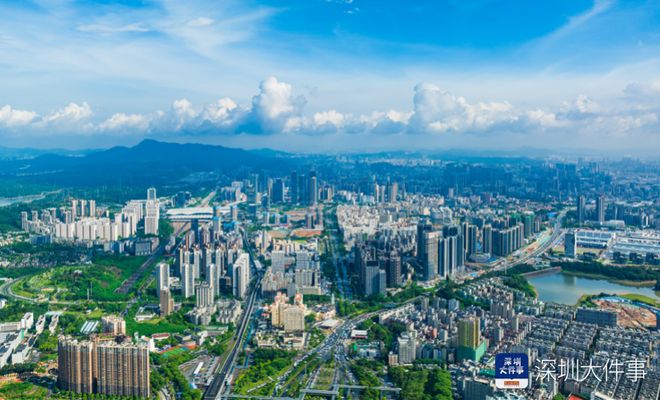
数字化赋能智慧监管 绘就营商环境与生态保护“双赢”答卷
Yang Zi Wan Bao Wang· 2025-12-05 08:07
Core Insights - The article highlights the efforts of Yangzhou's Ecological Environment Bureau in promoting high-quality development through digital reform, focusing on the standardization, precision, and intelligence of enterprise-related administrative inspections [1] Group 1: Digital Governance and Transparency - Yangzhou's Ecological Environment Bureau has taken the lead in innovating regulatory practices by integrating ecological environment resources into a unified administrative inspection service platform, creating a comprehensive digital regulatory system [2] - The platform enables online reporting of inspection plans, intelligent distribution, generation of unique "administrative inspection codes," and real-time recording of inspection results, enhancing transparency and breaking down information barriers [3] Group 2: Innovative Enforcement Models - The bureau has implemented a "guidance-based inspection" mechanism, focusing on hazard identification and professional guidance during inspections, which helps businesses rectify issues without disrupting their operations [4] - Non-inspection activities related to ecological environment management are now strictly regulated, allowing businesses to concentrate on production and development without additional burdens from unnecessary inspections [4] Group 3: Reducing Burdens and Enhancing Efficiency - The bureau has consolidated enforcement resources and initiated cross-departmental joint inspections, merging 317 inspection tasks and participating in 183 joint inspections to minimize redundant checks [5] - The frequency of enterprise inspections has decreased by over 45% year-on-year, significantly reducing operational disruptions for businesses and fostering a more vibrant development environment [5] - Future plans include further optimizing the platform's functionalities and enhancing collaborative regulatory efficiency to improve ecological quality and create a better legal business environment [5]
长沙建成全市综治中心网络 ,矛盾纠纷化解“最多跑一地”
Chang Sha Wan Bao· 2025-12-01 02:50
Core Viewpoint - The establishment of the Social Governance Comprehensive Service Center in Changsha has transformed the way citizens resolve disputes, providing a one-stop solution that enhances efficiency and accessibility for the public [1][2]. Group 1: Service Integration - The Changsha County Comprehensive Service Center integrates various services including legal consultation, labor arbitration, and conflict resolution, allowing citizens to address their issues in one location rather than multiple departments [2][3]. - The center has streamlined the process for citizens, enabling them to resolve disputes with minimal effort, effectively reducing the need for multiple visits to different agencies [2][3]. Group 2: Digital Transformation - The center utilizes digital platforms to provide 24/7 legal consultation services, significantly improving response times to citizen inquiries, with an average response time of just 6 seconds [3]. - Advanced technologies, including artificial intelligence, are employed to offer personalized legal advice, making legal assistance more accessible and efficient for the public [3]. Group 3: Proactive Risk Management - The center focuses on early intervention in disputes to prevent escalation, implementing a system of regular follow-ups on resolved cases to ensure compliance and address any emerging issues [4][5]. - A structured approach to monitoring and analyzing data allows for proactive identification of potential conflicts, enhancing the overall effectiveness of dispute resolution efforts [5]. Group 4: Systematic Governance - The comprehensive service centers are part of a broader initiative to standardize governance practices across Changsha, ensuring that all levels of government work collaboratively to manage social issues effectively [5]. - The centers emphasize a community-based approach, with personnel actively engaging with residents to identify and address conflicts before they escalate [5].
把城市治理做细、做实、做优
Xin Hua Wang· 2025-10-21 12:05
Core Insights - The article emphasizes the need for a shift in urban development focus from "expanding scale" to "optimizing existing resources" in response to the challenges posed by rapid urbanization and urban governance issues [1][2][3] Urbanization and Governance - Since the reform and opening up, China's urbanization rate has increased from 17.92% in 1978 to 67% in 2024, driven by infrastructure and real estate development [1] - Urban governance has lagged behind urbanization, leading to issues such as congestion and pollution, necessitating a modernized governance approach [1][2] Central Urban Work Conference - The Central Urban Work Conference held on July 14-15 in Beijing marked a significant step in addressing urban governance, with a focus on enhancing governance capabilities [1][2] - The subsequent release of the "Opinions on Promoting High-Quality Urban Development" highlights the importance of improving urban governance systems and promoting smart and refined governance [1][2] Collaborative Governance - Collaborative governance aims to unify departmental collaboration and local governance, treating the city as a whole to address systemic issues effectively [3] - The "Opinions" propose a coordinated mechanism led by government officials to enhance collaboration among various departments and social entities [3] Smart Governance - Smart governance focuses on using data to improve processes and enhance capabilities, addressing issues like fragmented data and ineffective decision-making [4] - Key strategies include establishing a unified digital infrastructure, re-engineering processes based on real urban challenges, and ensuring data governance and security [4] Refined Governance - Refined governance emphasizes meticulous management, requiring patience and a long-term perspective to address citizens' immediate concerns [6] - It involves detailed systems and processes to ensure accountability and measurable outcomes, optimizing resource allocation for urban development [6]

杭州都市圈也有成长的烦恼 “十五五”要做四篇文章 | 都市圈2.0
Di Yi Cai Jing· 2025-10-15 15:00
Core Insights - The Hangzhou Metropolitan Area has been officially recognized as a national-level metropolitan area, marking a significant milestone in its development since its inception in 2007 [1] Group 1: Development and Achievements - The metropolitan area covers approximately 22,000 square kilometers and has a resident population of 26.939 million, with its collaborative scope extending to neighboring regions [1] - The area has shown strong innovation and entrepreneurial vitality, with over 90% of R&D funding coming from enterprises, and 63 companies from the four cities of Hangzhou, Huzhou, Jiaxing, and Shaoxing making it to the top 500 private enterprises in China for 2025, accounting for 12.6% of the national total and 58.87% of Zhejiang Province [2] - The Hangzhou Metropolitan Area is focusing on building a digital smart ecosystem, enhancing collaboration across various fields, and promoting the "dual city" narrative of Hangzhou and Ningbo [2] Group 2: Challenges and Areas for Improvement - The metropolitan area faces challenges in factor capacity and aggregation efficiency, with per capita GDP significantly lower than that of major global cities like Tokyo and New York [3] - There is a need for breakthroughs in innovation capabilities and openness, as the area lags behind in R&D intensity and international connectivity [3] - The industrial radiation and driving capacity are still lacking, particularly outside the digital economy, with fewer leading enterprises in strategic emerging industries like biomedicine and high-end manufacturing [3] - The commuting network requires further enhancement, despite significant progress in metro construction and intercity railways [3][4] Group 3: Future Strategies - The metropolitan area aims to optimize its system by integrating with the Yangtze River Delta and other metropolitan areas, enhancing internal spatial and network structures [5] - There is a focus on innovation enhancement by connecting with high-level original innovation resources from cities like Shanghai and Nanjing, particularly in emerging fields such as digital economy and artificial intelligence [5][6] - Smart governance will be a priority, leveraging the "city brain" concept to improve urban management [6] - The area will also emphasize green and livable development, aiming to create a harmonious urban-rural community and enhance the local cultural tourism brand [6]