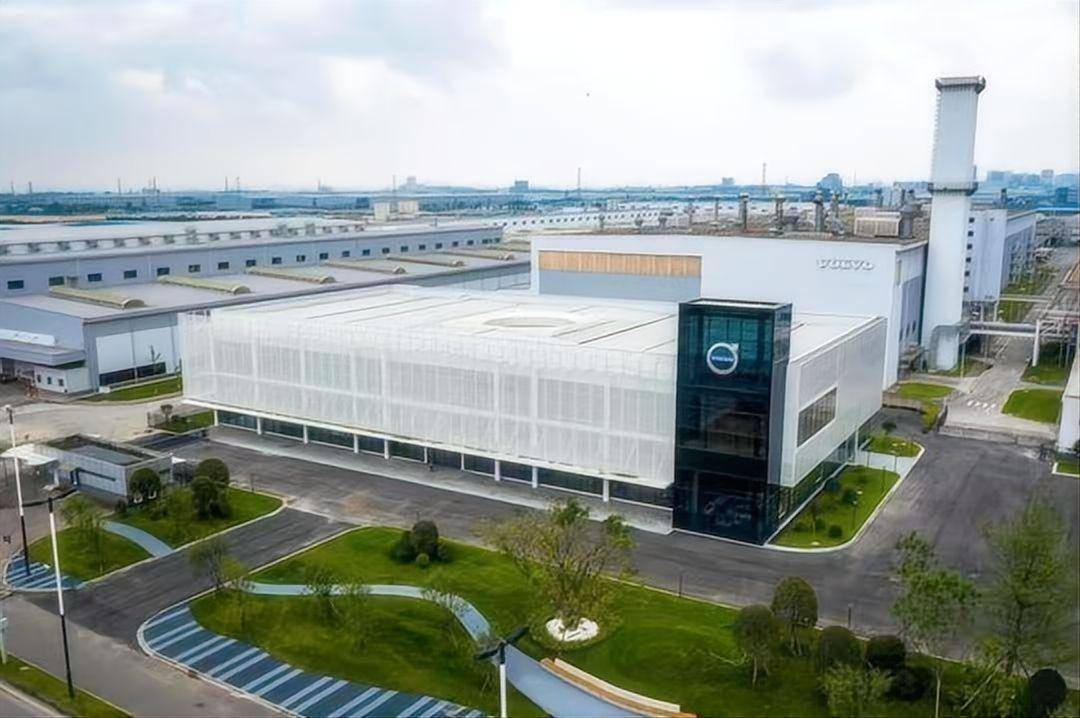
本土化策略

Search documents
中国区换帅背后,通用汽车在回血
Zhong Guo Neng Yuan Wang· 2025-11-13 03:14
Core Insights - General Motors (GM) announced significant personnel changes aimed at supporting the recovery of its China operations and enhancing global export growth [1][2] Group 1: Personnel Changes - Steve Hill, the current Senior Vice President and President of GM China, will take on the newly created role of Senior Vice President of Global Export and Retail Innovation starting December 1 [1][2] - John Roth, the current Global Vice President of Cadillac, will succeed Hill as the head of GM China [1][2] - These changes are seen as strategic moves to bolster GM's performance in the Chinese market and improve global export capabilities [1][3] Group 2: Performance in China - Under Hill's leadership, GM China achieved profitability for four consecutive quarters, marking a significant turnaround after nearly a decade of declining sales [2][4] - In the first three quarters of 2023, GM's sales in China reached approximately 1.4 million units, a year-on-year increase of 9.7%, with Q3 sales alone at around 470,000 units, up 10.1% [2][4] - The company has successfully reestablished growth momentum in the Chinese market, which is crucial for its overall recovery [2][4] Group 3: Financial Performance - GM's financial reports indicate a strong recovery in the Chinese market, with net revenue of $6.1 billion in Q3 2025, a year-on-year increase of 35.56% [4][6] - The company reported a net profit margin of 2.3% in China, reflecting improved profitability quality [4][6] - Despite a 57% year-on-year decline in global net profit to $1.3 billion due to one-time restructuring costs, the positive performance in China contributed to a surge in GM's stock price following the earnings report [6]

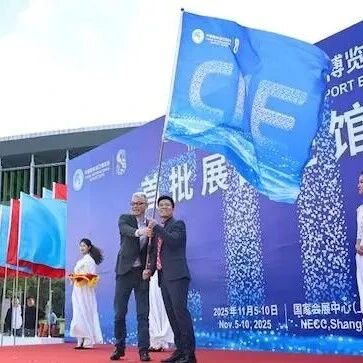
专为进博而来,跨国企业“CEO天团”再聚首
第一财经· 2025-11-05 08:08
Core Viewpoint - The article emphasizes the expanding "spillover effect" of the China International Import Expo (CIIE), showcasing China's commitment to high-level opening-up and providing global opportunities for multinational companies [3]. Group 1: Multinational Companies' Perspectives - Roy Van Den Hurk, CEO of New Zealand's Fonterra, expresses optimism about China's market potential despite a slowdown in economic growth, highlighting the benefits Fonterra has gained from the CIIE [5]. - ConocoPhillips' global vice president, Hu Kaicheng, notes that the CIIE has provided a high-level platform for foreign companies to showcase their business advantages and deepen cooperation in China [6]. - Michelin's CFO, Yves Chapot, describes the CIIE as a key venue for multinational companies to understand market trends and opportunities in China, particularly in sectors like new energy vehicles and sustainable development [7]. Group 2: Economic Cooperation and Trade - A U.S. soybean farmer at the CIIE mentions improvements in trade relations with China, indicating a desire to strengthen cooperation amid previous tariff impacts [11]. - The Zambian representative highlights the growing economic cooperation with China, with a double-digit growth in bilateral trade expected in 2024, reflecting China's status as a major foreign investor in Zambia [11][12]. - The article notes that South Africa exports 90% of its macadamia nuts to China, showcasing the significant market opportunities for African products in China [12]. Group 3: CIIE Participation and Growth - The CIIE this year features over 36.7 million square meters of exhibition space, with participation from over 4,000 companies across 138 countries, marking a historical high in both exhibition area and number of participating companies [9]. - Companies from 123 Belt and Road Initiative countries are participating, with a 23.1% increase in representation from the least developed countries [13].

年轻人又爱上无印良品(MUJI)了
3 6 Ke· 2025-09-30 02:43
Core Insights - MUJI has experienced a significant resurgence in the Chinese market, with a 127.5% year-on-year profit increase in East Asia, driven by a successful product launch and effective social media engagement [1][2] - The brand's long-term strategy has shifted towards localization and a focus on essential daily products, which has resonated well with consumers [5][10] Group 1: Market Performance - MUJI's performance in China has rebounded after three years of decline, with continuous profit growth for ten consecutive months [1] - The Chinese market accounts for approximately 20% of MUJI's total revenue, with over 400 stores in the region [1][3] Group 2: Brand Strategy - MUJI's initial high-end positioning in China was effective but faced increasing competition from local brands offering similar styles at lower prices [3][4] - The brand's recent self-revolution includes price adjustments, localization of products, and supply chain improvements, which have contributed to its recovery [2][5] Group 3: Product Development - MUJI has expanded its product offerings, particularly in high-frequency consumer goods such as food, personal care, and cleaning products, with about 70% of these items developed locally [9][10] - The introduction of the "MUJI 500" store format, featuring products priced around 25 RMB, marks a strategic move to compete directly with local brands [6] Group 4: Consumer Engagement - The brand has adopted a "scene-driven" retail approach, encouraging one-stop shopping experiences by grouping related products together [10] - MUJI's marketing strategy emphasizes the value of local sourcing and consumer education, enhancing the shopping experience and fostering brand loyalty [10][11]
年轻人又爱上无印良品(MUJI)了
36氪未来消费· 2025-09-29 09:25
Core Insights - MUJI has experienced a significant resurgence in the Chinese market, with a 127.5% year-on-year profit increase in the East Asia region, following three years of sluggish performance [3][5] - The brand's strategy shift towards localized products and pricing adjustments has contributed to its recovery, contrasting with the decline of competitors like Miniso and NetEase Yanxuan [5][9] Market Performance - MUJI's Chinese market accounts for approximately 20% of the group's total revenue, with over 400 stores in mainland China [4] - The brand's revenue and profit have seen continuous growth for ten consecutive months, indicating a successful turnaround [3] Brand Strategy - Initially, MUJI adopted a premium positioning strategy in China, similar to Uniqlo, which appealed to consumers seeking quality and design [7] - Despite initial success, the brand faced increased competition and began implementing price reductions from 2014, which did not yield the expected sales growth [8] Product and Pricing Adjustments - In 2022, MUJI shifted from direct price cuts to a more nuanced approach, focusing on essential goods like food and daily necessities, while also changing the sales model for larger furniture items [9][10] - The introduction of the "MUJI 500" store format, with products priced around 25 RMB, marks a significant move towards catering to local market demands [10] Localization Efforts - Under the leadership of President Sadafumi Takamatsu, MUJI has emphasized local product development, with about 70% of its grocery and food items now tailored to Chinese consumer preferences [14] - The brand has also expanded its product range to include more everyday essentials, enhancing its appeal to local consumers [14][15] Retail Innovation - MUJI has experimented with innovative retail concepts, such as farm-themed stores and restaurants, to connect with local consumers and promote the value of supporting local farmers [15] - The brand's merchandising strategy encourages one-stop shopping experiences, increasing the likelihood of additional purchases [15][16] Conclusion - MUJI's journey from peak to trough and back highlights the necessity for mid-range brands to continuously adapt and innovate in response to market dynamics and consumer preferences [16]

10月份已售罄 特斯拉Model Y L新订单交付时间排至11月份
Zheng Quan Shi Bao Wang· 2025-09-11 21:51
Group 1 - Tesla's Model Y L delivery timeline has changed, with expected deliveries now set for November, indicating that October's inventory has sold out [1] - The Model Y L, launched on August 19, is priced starting at 339,000 yuan and features an all-wheel drive system with a range of 751 kilometers under CLTC conditions, a 0-100 km/h acceleration time of 4.5 seconds, and a top speed of 201 km/h [2] - The Model Y L aims to cater to the Chinese market's preference for larger, family-oriented vehicles, and is seen as a strategy to boost sales [2] Group 2 - Since its launch, the Model Y L has reportedly received 120,000 orders, averaging nearly 10,000 orders per day, although some industry insiders suggest this figure may be exaggerated [2] - On September 1, Tesla announced a price reduction of 10,000 yuan for the Model 3 Long Range Rear-Wheel Drive version, bringing its price down to 259,500 yuan [3] - Tesla introduced the Megablock energy storage system on September 9, which is designed to simplify installation and reduce connection points by 78%, with deliveries expected to start in the second half of 2026 [3]

特斯拉Model Y L新订单交付时间排至11月份
中国基金报· 2025-09-11 16:18
Core Viewpoint - Tesla's Model Y L delivery timeline has changed, indicating strong demand and a potential sales boost in the Chinese market [2][3][7] Group 1: Model Y L Launch and Sales - Tesla's Model Y L was launched on August 19, with a starting price of 339,000 yuan, featuring all-wheel drive and a range of 751 km under CLTC conditions [6] - The Model Y L has sold out for October, with expected deliveries now pushed to November, reflecting high consumer interest [3][7] - Reports indicate that 120,000 units of Model Y L have been ordered since its launch, averaging nearly 10,000 orders per day, although some industry insiders suggest this figure may be exaggerated [7] Group 2: Model 3 Long Range Version - Tesla also released the Model 3 Long Range Rear-Wheel Drive version on August 12, with a range of 830 km and a starting price of 269,500 yuan [7] - Less than a month after its release, the Model 3 Long Range saw a price reduction of 10,000 yuan, bringing the new price to 259,500 yuan [7] Group 3: Energy Storage Developments - Tesla introduced the Megablock energy storage system on September 9, which is designed to simplify installation and reduce connection points by 78%, with deliveries expected to start in the second half of 2026 [8]
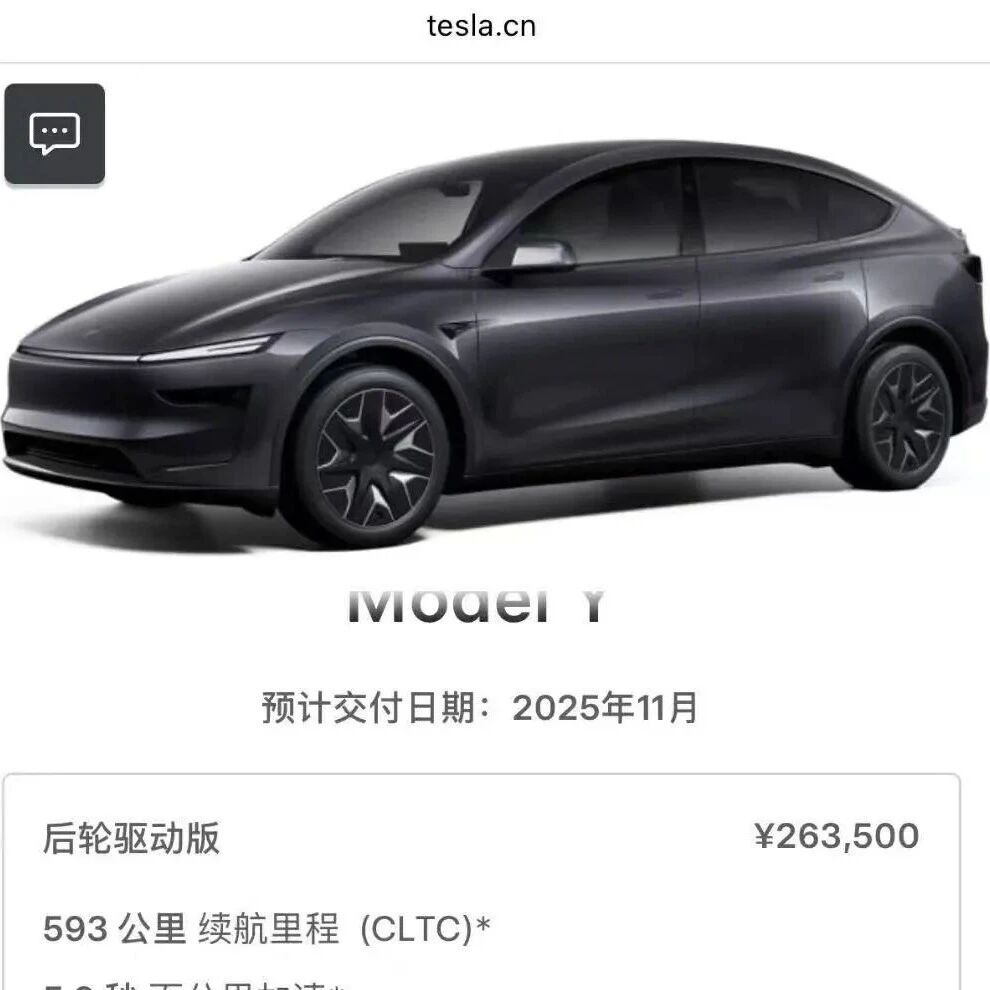
合资车企陷流量焦虑,有销售称“每人每天必须拉30个公号关注”
Di Yi Cai Jing· 2025-09-01 09:20
Core Insights - The article highlights the urgency of joint venture car manufacturers to adapt to market changes, particularly in the context of electric and intelligent vehicle trends, as they face increasing competition from domestic brands [1][4][5] Group 1: Market Dynamics - Joint venture car manufacturers are experiencing "flow anxiety" and are actively seeking consumer attention through innovative marketing strategies at events like the Chengdu Auto Show [1][4] - The competition landscape has shifted, with leading domestic brands surpassing second-tier foreign brands, putting pressure on joint ventures to enhance their market presence [4][5] Group 2: Product Development and Strategy - Volkswagen Anhui plans to launch two sedans and one SUV in 2026, with the ID. EVO concept car representing a significant step in their electric vehicle strategy [2] - The increasing penetration of electric vehicles has led to a focus on intelligent features, with 90% of consumers willing to pay extra for advanced driving services [2][3] Group 3: Sales and Pricing Strategies - Some joint venture brands have begun to see a recovery in sales due to localized strategies and a fixed pricing model, which has led to a steady increase in orders for fuel vehicles [5][6] - The implementation of a "one-price" strategy by companies like SAIC-GM aims to enhance price transparency and improve service quality through dealer assessments [5][6] Group 4: Innovation and R&D - Joint venture manufacturers are breaking away from traditional models, with companies like GAC Toyota and Dongfeng Nissan leveraging local resources to accelerate their R&D processes [6] - The future success of foreign brands in the electric vehicle market will depend on their ability to adapt strategies and potentially sacrifice short-term profits to maintain market share [6]
第四次进入中国市场,Forever 21能否破局?
Sou Hu Cai Jing· 2025-08-30 07:15
Group 1 - Forever 21 is making a fourth return to the Chinese market, with plans to upgrade its business strategy and launch the 2025 autumn/winter collection [1][3] - The brand has experienced a tumultuous history in China, with three previous entries and exits, highlighting challenges in market positioning and digital transformation [3][4] - Authentic Brands Group has acquired Forever 21 and is implementing a global brand licensing model to maintain its influence while focusing on digital-first strategies [3][4] Group 2 - A partnership with Shanghai Chengdi Trading Co. has been established to enhance Forever 21's operations in China, covering production, sales, and marketing across various channels [4] - The brand aims to connect with consumers in both the Chinese and American markets, emphasizing affordable pricing and individual expression to resonate with the new generation of fashion consumers [4][5] - Forever 21 is collaborating with the classic IP "Smurfs" for its autumn/winter collection, focusing on localized strategies in product design, pricing, and marketing [5]
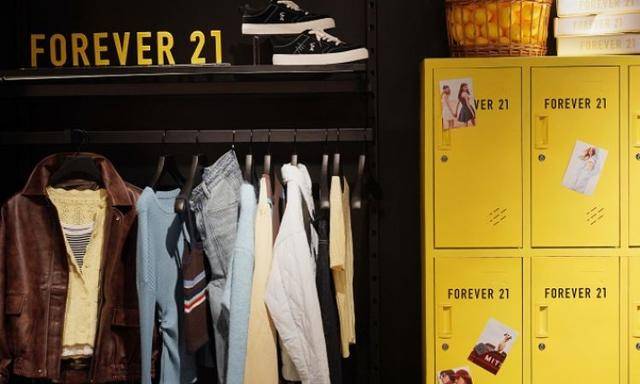
从阿迪达斯本土化实践看行业破局
Sou Hu Cai Jing· 2025-08-20 03:33
Core Insights - The core viewpoint of the article emphasizes that localization for international brands in China has shifted from being an option to a necessity for survival, as demonstrated by Adidas's successful localization strategy that focuses on talent incubation and cultural integration [1][3]. Group 1: Adidas Localization Practices - Adidas's localization is not merely about product modification but involves deep "creative localization" and "talent localization," along with channel adjustments and product innovation to reverse market decline [3]. - The core strategy focuses on "talent" and "culture" to activate local dynamics, with the A.C.E. (ADIDAS CREATOR EXPERIENCE) project serving as a key initiative to build competitiveness through talent and cultural integration [3][4]. - Talent incubation involves creating a closed-loop system for practical experience and retention, allowing young Chinese designers to participate in real product development, which aligns designs with local consumer needs [3][4]. Group 2: Cultural Integration - Cultural integration is about embedding local elements into products, making them the "soul" of the offerings rather than superficial decorations, as seen in various product designs that reflect Chinese culture and sports spirit [4][6]. - The integration of local culture into product functionality and design logic has led to successful products that resonate with consumers, such as the "Wuxia-style fencing shoes" that combine cultural themes with athletic performance [4][6]. Group 3: Market Adaptation and Performance - Adidas has optimized its channel strategy by closing underperforming stores in major cities while expanding in lower-tier cities, resulting in a 14% growth in wholesale channels and an 11% increase in DTC channels in 2024 [6]. - The proportion of locally designed products has exceeded 80%, with significant revenue growth in non-YEEZY product lines, indicating the commercial value of local design [6]. - In 2024, Adidas's Greater China revenue reached €3.46 billion, a 10.3% year-on-year increase, with Q4 revenue growing by 16.1%, showcasing a rebound in performance and improved brand perception [6]. Group 4: Lessons and Strategic Insights - The experience of Adidas provides three key takeaways for both international and local brands: the importance of local talent, the need for genuine cultural integration, and the commitment to long-term strategies rather than short-term tactics [7][8]. - Brands should focus on local creative talent to ensure products meet market demands, moving beyond superficial localization efforts that fail to resonate with consumers [9][10]. - Long-term investment in local talent and culture is essential for building a stable market presence and consumer trust, as demonstrated by Adidas's 20 years of commitment to the Chinese market [12][13].


沃尔沃二季度净亏损75亿克朗,北美市场策略调整应对挑战
Sou Hu Cai Jing· 2025-07-18 09:46
Financial Performance - In Q2 2025, Volvo reported a revenue of 93.5 billion SEK and an operating profit of 2.9 billion SEK, but faced a net loss of 7.51 billion SEK [1] - In comparison, Q2 2024 saw a revenue of 101.5 billion SEK and an operating profit of 8.2 billion SEK, with net profit figures not disclosed [1] Sales Data - Global retail sales in Q2 2024 reached 205,400 units, marking a 15% year-on-year increase, with electric vehicle sales up by 43% [3] - However, in Q2 2025, global sales declined to 181,600 units, with pure electric vehicle sales dropping by 26% year-on-year [3] Loss Analysis - The significant loss in Q2 2025 was primarily attributed to financial impairment adjustments related to the EX90 and ES90 platforms, resulting in an asset impairment of 11.4 billion SEK and restructuring costs of 1.4 billion SEK [3] - The company cited macroeconomic uncertainty, tariff policies, and increasing market competition as ongoing pressures on production and profitability [3] Strategic Responses - Volvo has implemented several measures to address current challenges, including reducing product offerings, pausing sales of certain models in the U.S., and discontinuing models like the S60 and S90 [3] - The company has also adjusted its asset valuations, particularly for the EX90 model, with a provision for impairment of 11.4 billion SEK [3] - Future product planning includes the introduction of a mid-size SUV, the XC60, expected to begin production by the end of 2026 [3] Market Focus - The CEO of Volvo emphasized the importance of localization strategies in the Chinese market, advocating for a deeper understanding of local consumer needs rather than simply replicating European products [4]