
注销式回购

Search documents
回购100亿元至少注销70亿元 美的回报股东的“作业”值得抄
Mei Ri Jing Ji Xin Wen· 2025-12-09 09:12
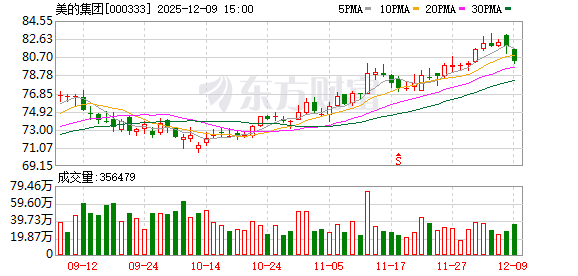
Core Viewpoint - Midea Group has successfully completed a share buyback of 10 billion yuan, acquiring 135 million A-shares, with 95 million shares to be canceled, representing 1.24% of the total share capital before cancellation [2] Group 1: Share Buyback Details - The total amount of share buybacks in the A-share market this year exceeded 140 billion yuan, with Midea Group accounting for approximately 11.55 billion yuan [2] - Midea Group's share buyback has positively impacted shareholder returns, with its stock price reaching a new high since February 19, 2021, just a few percentage points away from its historical peak [2] Group 2: Characteristics and Implications of Share Buybacks - Share buybacks are a significant method for companies to return value to shareholders, as they reduce the number of circulating shares, directly impacting stock prices and improving market liquidity [2] - The effectiveness of share buybacks is enhanced by the company's sincerity and commitment, with Midea Group's 10 billion yuan buyback serving as a reference for other companies [2] Group 3: Trends and Recommendations in Share Buybacks - The China Securities Regulatory Commission has encouraged companies to adopt "cancellation-style buybacks" to enhance investor returns [3] - Many companies utilize share buybacks for stock incentive plans or market value management rather than cancellation, which may not create long-term value for shareholders [3] - Companies should focus on timely and cancellation-style buybacks, emphasizing genuine performance and investor commitment rather than reacting to external pressures [4]


今年以来A股公司积极回购股份
Zheng Quan Ri Bao· 2025-12-05 16:35
Group 1 - A total of 497 listed companies have announced share repurchase plans in 2023, with notable announcements from companies like Fenghuo Communication Technology Co., Ltd. and Tibet Qizheng Tibetan Medicine Co., Ltd. on December 5 [1] - The structure of share repurchases this year shows a shift from traditional sectors like consumer and finance to hard technology fields such as new energy, high-end manufacturing, and biomedicine, aligning with national strategic directions [1] - There is a significant increase in share repurchases among private small and medium-sized companies, which are using buybacks for market value management and optimizing their equity structure [1] Group 2 - The most common purposes for share repurchases mentioned in company announcements include employee stock ownership plans and capital reduction through share cancellation [1] - The popularity of cancellation-style repurchases is attributed to a combination of policy guidance and internal corporate needs, enhancing earnings per share and return on equity while signaling confidence in company value to investors [1] - The support from the repurchase and increase loan policy is a key factor driving companies to actively engage in share buybacks [1] Group 3 - The stock repurchase and increase loan policy is evolving from a temporary tool to a normalized mechanism, reflecting a necessary step towards the maturity of the A-share market [2] - This evolution is characterized by scale expansion, improved terms, and continuous enhancement of implementation mechanisms, meeting the demand for long-term tools for market value management [2] - Experts suggest strengthening information disclosure requirements to ensure transparency regarding the purposes, funding arrangements, and execution progress of repurchases [2]
A股上市公司回购积极性提升 年内回购金额创下近五年新高
Zheng Quan Ri Bao Wang· 2025-11-19 14:00
Group 1 - The enthusiasm for stock buybacks among A-share listed companies has significantly increased this year, with a total buyback amount reaching 155.88 billion yuan, marking a five-year high [1] - As of November 19, 462 A-share listed companies have announced 509 buyback plans this year, with 128 plans aimed at reducing registered capital, representing 25.14%, an increase from 17.36% in the same period last year [1] - Major companies like CATL and Midea Group have announced substantial buyback plans, indicating a trend of normalizing buybacks as a key measure for market value management [2][3] Group 2 - The proportion of cancellation buybacks is steadily increasing, which is seen as a way to enhance earnings per share and boost market confidence [4] - Recent examples include Yabao Pharmaceutical completing a buyback of 8 million shares at an average price of 6.52 yuan per share, totaling 52.15 million yuan [4] - Experts suggest that the increase in cancellation buybacks is supported by improved profitability and liquidity of listed companies [4] Group 3 - Recommendations to enhance the proportion of cancellation buybacks include regulatory guidance, tax incentives, and improving the process for canceling shares [5] - There is a call for better market awareness and understanding of the value of cancellation buybacks [5]




千言万语,不如一张回购的股票
3 6 Ke· 2025-11-11 11:30
Core Insights - The article discusses the significance of stock buybacks as a method for companies to return value to shareholders, highlighting examples from Berkshire Hathaway's investments in American Express and Apple, which have benefited from substantial buybacks over the years [1][2][3] - It emphasizes the trend of companies adopting buybacks as a regular practice to enhance shareholder equity, particularly in the context of the U.S. stock market and its recovery post-2008 financial crisis [3][11] Group 1: Stock Buybacks and Their Impact - Stock buybacks have become a mainstream method for companies to distribute profits to shareholders, with projections indicating that the total buyback amount for major U.S. companies could exceed $1.1 trillion in 2025 [3] - Berkshire Hathaway's investment in American Express saw its ownership stake increase from 11.2% to 22% due to the company's consistent buyback strategy [1] - Apple has engaged in nearly $700 billion in buybacks over the past decade, significantly boosting shareholder returns through dividends and stock price appreciation [2][15] Group 2: Chinese Market Context - The Chinese market is undergoing a value reassessment, with regulatory bodies encouraging companies to adopt buyback strategies to protect and reward investors [3] - Companies like Tencent and Beike have initiated substantial buyback programs, with Beike reporting a 38.3% increase in buyback amounts year-over-year, reaching $280 million in Q3 2022 [5][10] - Beike's buyback strategy is seen as a signal of confidence in its long-term value, despite challenges in the real estate sector [5][10] Group 3: Market Sentiment and Company Performance - The article discusses how buybacks can serve as a "trust vote" from companies to shareholders, especially during market downturns, helping to stabilize stock prices and restore confidence [8][9] - Tencent's buyback efforts, amounting to approximately HKD 187.6 billion from 2022 to 2024, have contributed to a recovery in its market valuation, demonstrating the effectiveness of this strategy [9][10] - The performance of companies like Beike and Tencent during challenging market conditions illustrates the importance of maintaining shareholder trust through proactive financial strategies [10][20] Group 4: Future Outlook and Strategic Shifts - Companies are increasingly viewing buybacks as a regular tool for enhancing shareholder value, as seen with Nvidia's announcement of a $25 billion buyback plan amid its significant stock price increase [11][12] - The article highlights the cyclical nature of industries, suggesting that companies with strong fundamentals can leverage buybacks to emerge stronger during market recoveries [20][21] - Beike's strategic pivot towards a technology-driven service platform reflects a broader trend among companies to adapt to changing market dynamics while maintaining core business strengths [17][20]



前三季度回购排名港股前列,贝壳吸引多家长线投资机构增持
市值风云· 2025-11-10 13:17
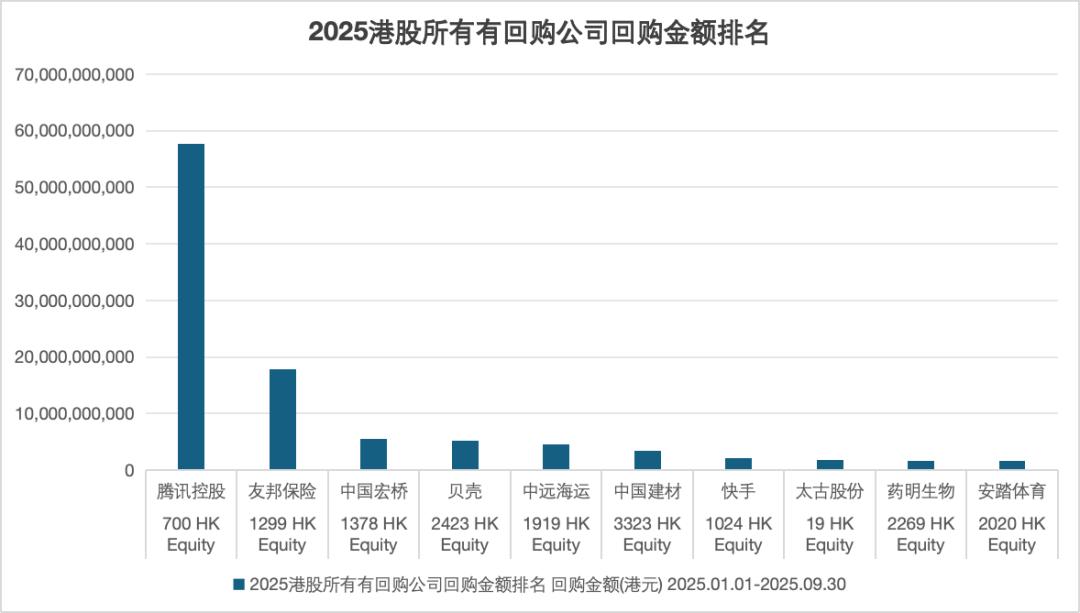
Core Viewpoint - The article emphasizes the significance of Beike's "cancellation-based repurchase" strategy, which is seen as a more advanced form of shareholder return compared to traditional stock buybacks, especially in the context of the current market environment and the company's robust financial performance [4][18][23]. Group 1: Market Performance and Support - The Hong Kong stock market has shown strong performance in 2023, with the Hang Seng Index up over 29% and the Hang Seng Tech Index up over 30% as of November 4 [3]. - A major driver of this performance has been the substantial inflow of southbound funds, totaling over 1.27 trillion HKD, marking a historical high for annual net inflows [3][4]. - Additionally, 239 Hong Kong-listed companies have engaged in stock buybacks, with a total repurchase amount reaching 1,461.89 billion HKD, contributing to market confidence [4]. Group 2: Beike's Financial Performance - Beike's Q3 2025 results reflect a resilient business model, with a total transaction volume (GTV) of 7,367 billion RMB and a net income of 231 billion RMB, showing a year-on-year growth of 2.1% [6]. - The adjusted net profit for Q3 was 12.86 billion RMB, exceeding Bloomberg's consensus estimates [6]. - The company's non-real estate transaction business has seen a historic increase in revenue contribution, reaching 45% of total revenue, indicating successful diversification [6]. Group 3: Business Segments and Growth - The home decoration and furnishing segment generated 43 billion RMB in Q3, with a profit margin of 32% [7]. - The rental service segment experienced significant growth, with revenues of 57 billion RMB, a year-on-year increase of 45.3%, and a profit margin of 8.7% [8]. - Beike's existing home business GTV reached 5,056 billion RMB, a 5.8% increase year-on-year, while new home business GTV was 1,963 billion RMB [9]. Group 4: Cost Control and R&D Investment - Beike demonstrated effective cost control, with operating expenses in Q3 at 43 billion RMB, down 1.8% year-on-year [9]. - The company increased its R&D investment to 6.48 billion RMB in Q3, a 13.2% year-on-year rise, indicating a commitment to innovation [11]. Group 5: Stock Buyback Strategy - Beike's stock buyback in Q3 amounted to 280 million USD, a 38.3% increase year-on-year, marking the highest quarterly buyback in nearly two years [13]. - The total buyback amount for 2025 has increased by 15.7% compared to the same period last year, positioning Beike as one of the top companies in terms of buyback strength in the Hong Kong market [13]. - Since initiating its buyback program in September 2022, Beike has repurchased approximately 2.3 billion USD worth of shares, representing about 11.5% of its total share capital prior to the program [15]. Group 6: Shareholder Value and Market Perception - The management's decision to utilize significant cash reserves for stock buybacks signals a belief that the company's stock is undervalued and reflects confidence in future growth and profitability [16]. - Beike's cancellation-based repurchase strategy is viewed as a more effective way to enhance shareholder value compared to traditional buybacks, as it permanently reduces the total share count [18][20]. - This strategy has attracted long-term institutional investors, including notable firms like Norges Bank Investment Management and Temasek, indicating a positive market perception of Beike's commitment to shareholder returns [21][22].
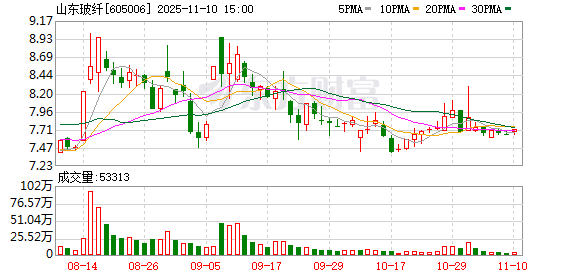
山东玻纤:公司始终专注主业发展
Zheng Quan Ri Bao· 2025-11-10 13:07
Core Viewpoint - Shandong Glass Fiber is considering a cancellation-based share repurchase, taking into account market conditions, funding needs, and shareholder interests, while adhering to regulatory guidelines [2] Group 1 - The company emphasizes a cautious approach to the potential share repurchase, indicating that it will conduct thorough research and analysis before making any decisions [2] - Shandong Glass Fiber is committed to focusing on its core business development and continuously enhancing its profitability and core competitiveness [2] - The company aims to balance its value and market capitalization development, striving to create long-term stable returns for shareholders [2]

年内回购超2500亿元,腾讯、美的等龙头密集出手
2 1 Shi Ji Jing Ji Bao Dao· 2025-11-06 13:57
Core Viewpoint - The trend of share buybacks and capital increases has become a new normal in the capital markets, driven by a bullish stock market and supportive policies [2][4][8]. Group 1: Share Buyback Trends - Over 700 A-share companies have announced buyback plans this year, with a total buyback amount reaching 128.8 billion yuan [2]. - In the Hong Kong market, 241 companies have conducted buybacks, totaling approximately 146.67 billion HKD (about 134.34 billion yuan) [2]. - The combined buyback amount for A-shares and Hong Kong stocks exceeds 250 billion yuan [2]. Group 2: Major Companies Involved - Midea Group has the largest buyback scale, with a total buyback amount of 9.575 billion yuan, accounting for 1.7048% of its total share capital [4]. - Other notable companies include Kweichow Moutai with nearly 6 billion yuan in buybacks, CATL with 4.387 billion yuan, and XCMG with 3.066 billion yuan [4]. Group 3: Policy Support - The People's Bank of China has introduced a stock buyback and capital increase relending program with an initial quota of 300 billion yuan [6]. - As of November 5, 2024, 760 companies have disclosed buyback or capital increase loan support, with a total loan cap of 153.6 billion yuan [7]. Group 4: Hong Kong Market Insights - The top five companies in Hong Kong by buyback amount include Tencent Holdings, HSBC Holdings, and AIA Group, with Tencent leading at 60.97 billion HKD [11]. - The buyback activity in Hong Kong is primarily driven by technology and consumer sectors, similar to the A-share market [10][11]. Group 5: Market Outlook - Analysts expect that the buyback and capital increase activities will continue to rise, positively impacting investor sentiment and market stability [8][14]. - The Hong Kong market is seen as having significant valuation recovery potential, especially in the context of low interest rates and external liquidity [14].

A股港股年内回购规模均破千亿,龙头企业密集出手传递市场信心
2 1 Shi Ji Jing Ji Bao Dao· 2025-11-06 10:36
Group 1 - The core viewpoint of the article highlights the ongoing trend of share buybacks and capital increases in the capital markets, particularly in the A-share and Hong Kong markets, which are experiencing a bullish cycle [2][5] - As of November 5, over 700 A-share companies have announced buyback plans this year, with a total buyback amount reaching 128.8 billion yuan, while 241 Hong Kong companies have conducted buybacks totaling 146.67 billion HKD [2][7] - The buyback enthusiasm is driven by the perception that there is still room for upward valuation of listed companies, with significant participation from consumer, technology, and intelligent manufacturing sectors [3][4] Group 2 - Midea Group leads the A-share buyback scale, having repurchased 130 million shares for a total of 9.575 billion yuan, accounting for 1.7048% of its total share capital [3] - Other notable buybacks include Kweichow Moutai with nearly 6 billion yuan, CATL with 4.387 billion yuan, and XCMG with 3.066 billion yuan [4] - The People's Bank of China has introduced a stock buyback and increase loan program, with an initial quota of 300 billion yuan, which has supported the ongoing buyback activities [5][6] Group 3 - In the Hong Kong market, major companies like Tencent, HSBC, and AIA have also been active in buybacks, with Tencent leading at 60.965 billion HKD [7][8] - The buyback trend in Hong Kong is supported by regulatory changes allowing companies to hold repurchased shares as treasury stock, enhancing buyback efficiency [8] - Analysts predict that the buyback amounts in Hong Kong will remain stable, contributing to market liquidity and investor confidence [9]
股市必读:森马服饰(002563)10月29日董秘有最新回复
Sou Hu Cai Jing· 2025-10-30 00:42
Core Viewpoint - The company is actively engaging with investors regarding its operational strategies and market positioning, particularly in response to the three-child policy and the evolving e-commerce landscape [2][4]. Group 1: Company Operations - The company has implemented an intelligent replenishment system and tools to enhance decision-making efficiency and product availability in stores [2]. - The logistics structure has been adjusted to integrate TOB and TOC operations, focusing on optimizing logistics based on operational needs [2]. - The company has established an IP management system to leverage its brand resources effectively, particularly in the context of the "Guzi economy" [4]. Group 2: Market Performance - As of October 29, 2025, the company's stock closed at 5.25 yuan, reflecting a decrease of 0.76%, with a trading volume of 240,100 shares and a turnover of 126 million yuan [1]. - On the same day, there was a net outflow of 5.27 million yuan from institutional investors, while retail investors saw a net inflow of 6.87 million yuan [5][6].

万和财富早班车-20251029
Vanho Securities· 2025-10-29 01:58
Core Insights - The report emphasizes the importance of proactive investment strategies and highlights the potential for discovering investment opportunities rather than merely relaying information [1] Macro News Summary - The China Securities Regulatory Commission (CSRC) is advocating for listed companies to adopt "cancellation-style repurchase" methods to reward investors [4] - The People's Bank of China is researching the implementation of a one-time personal credit relief policy [4] - The CSRC has introduced measures to protect small and medium investors, further enhancing the investor protection mechanism in the capital market [4] Industry Dynamics - A significant breakthrough in the nuclear fusion sector presents investment opportunities in the industry chain, with related stocks including Xuguang Electronics (600353) and New Wind Power (688663) [5] - Qualcomm's entry into the AI chip market is expected to benefit its partners, with related stocks such as Shunluo Electronics (002138) and Changdian Technology (600584) [5] - China leads globally in wind power generation, with institutions predicting a recovery in profitability for the wind power industry chain, related stocks include Xinqianglian (300850) and Weili Transmission (300904) [5] Company Focus - Jinjian Rice Industry (600127) reported a key breakthrough in its main business profitability in Q3 2025, focusing on brand upgrading and social responsibility [6] - Junsheng Electronics (600699) is pursuing a dual listing ("A+H") to raise funds for automotive intelligence and robotics sectors [6] - Haizheng Pharmaceutical (600267) saw a year-on-year net profit increase of 102.14% in Q3 2025, reflecting the effectiveness of its innovation and internationalization strategies [6] - Tonghua Dongbao (600867) reported over 50% year-on-year revenue growth in the first three quarters, with income from insulin analogs surpassing that from human insulin [6] Market Review and Outlook - On October 28, all three major indices closed lower, with the Shanghai Composite Index dipping by 0.22% and the Shenzhen Component Index by 0.44% [7] - The market is experiencing rapid rotation of hotspots, with significant gains in the Fujian sector and a surge in military industry stocks [7] - The overall market trend remains upward, with expectations for a turning point in A-shares and the economy due to policy stimuli [7] - Investment directions should focus on high-growth sectors such as semiconductors, consumer electronics, AI, robotics, and low-altitude economy, while conservative investors may consider broad-based funds like CSI A500 ETF and CSI 300 ETF [7]