
电池护照

Search documents
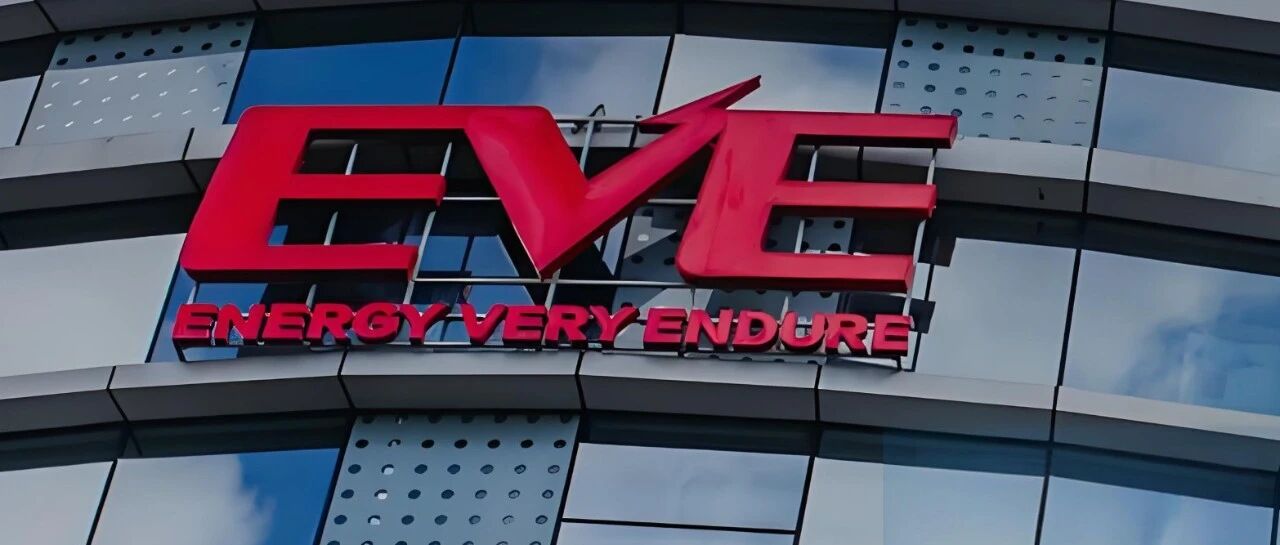
收获季!亿纬锂能接连拿下海外订单
起点锂电· 2025-10-06 09:47
Group 1 - The article highlights the upcoming CINE2025 Solid-State Battery Exhibition and Industry Annual Conference, scheduled for November 6-8, 2025, in Guangzhou, with over 200 exhibitors and 20,000 professional attendees expected [2] - The event will feature the first batch of exhibitors and sponsors, including companies like JinNa Technology, RuTian Technology, and others, indicating strong industry participation [2] - The article discusses the expansion of EVE Energy's overseas operations, including projects in Europe, such as a 500MWh project in Poland and a partnership with TSL Assembly in Central and Eastern Europe [2][3] Group 2 - EVE Energy's Hungarian battery factory has entered the installation and debugging phase, with a planned capacity of 28GWh, primarily producing 46 series cylindrical batteries for BMW [3] - The company has also launched a battery passport in Germany, which assigns an identity to each cell in consumer, power, and storage battery categories [4] - EVE Energy's overseas strategy includes establishing manufacturing bases, bidding for international orders, and technology licensing, with significant investments in Malaysia and Indonesia [5][6] Group 3 - The CLS model (Cooperation, License, Service) is being utilized to navigate trade barriers in North America and Europe, enhancing EVE Energy's global presence [6] - In the first half of 2025, EVE Energy's energy storage battery shipments reached 28.71GWh, a year-on-year increase of 37.02%, with a capacity utilization rate of 87.51% [6] - The company aims to achieve a total capacity exceeding 100GWh by 2026 through collaboration among its facilities in Hungary, Malaysia, and the United States [5][7] Group 4 - EVE Energy has initiated an IPO on the Hong Kong Stock Exchange to support its international expansion and project funding, reflecting a strategic move to enhance its market presence [7] - The article emphasizes the importance of EVE Energy's transition from a battery manufacturer to a global solution provider, highlighting the need for continued focus during this critical phase [7]


电池企业与车企联姻,一场格局重塑与创新效率的双向奔赴
Zhong Guo Qi Che Bao Wang· 2025-09-28 09:13
Core Insights - The joint venture model between core battery suppliers and automotive companies is gaining traction in the automotive industry due to its synergistic effects in scale growth, collaborative innovation, and cost reduction [1][4][6] Joint Ventures and Collaborations - Li Auto and Aoxin Wanda Electronics' subsidiary, Aoxin Wanda Power Technology, have established a 50:50 joint venture named Shandong Li Auto Battery Co., Ltd., focusing on the production and sales of lithium-ion power batteries for electric vehicles [1] - Aoxin Wanda Power is not the first to partner with automotive companies; it has previously collaborated with Dongfeng Group to establish Hubei Dongyu Xinshi New Energy Co., Ltd., marking a significant milestone in their deep cooperation in the power battery sector [4][5] Technological Advancements - Aoxin Wanda Power has made significant technological breakthroughs in collaboration with Renault-Nissan, focusing on high power, long life, and safety in battery technology, which has been integrated into Dongfeng Nissan's products [5] - The establishment of Dongyu Xinshi has led to rapid production capacity growth, supporting Dongfeng's electric vehicle transformation [5][6] Industry Trends - The relationship between automotive companies and core suppliers is evolving from a simple supplier-customer dynamic to a collaborative partnership, emphasizing joint innovation and co-creation [6][9] - Aoxin Wanda Power's Vice President highlighted the importance of understanding both B-end (automakers) and C-end (consumers) needs, indicating a shift in the supplier's role towards a more integrated approach [9][18] Market Performance - Dongfeng Nissan's N7 model achieved a monthly sales record of over 10,000 units, reflecting the successful collaboration with Aoxin Wanda Power, which has been the exclusive battery supplier for this model [10][13] Production Efficiency - The establishment of a smart manufacturing line at Dongyu Xinshi has significantly improved production efficiency and product quality, achieving over 98% improvement compared to traditional automation methods [13][17] - The focus on production efficiency and cost-effectiveness is crucial for the competitiveness of new ultra-fast charging battery projects [17] Sustainable Development - Aoxin Wanda Power is actively participating in the global battery alliance and is involved in the development of battery passport standards, aiming to promote sustainability in the battery industry [18][19] - The company is also contributing to the digital platform for battery ID, enhancing lifecycle traceability and management for automotive companies [19]

全球感知|新能源企业出海 合规经营呼唤 “中外协作”法务模式
Xin Hua Cai Jing· 2025-09-20 06:08
Core Viewpoint - Chinese new energy companies are becoming key players in driving global energy transition, but they must manage risks and ensure compliance to operate successfully in international markets [1][2]. Group 1: Regulatory Compliance - The EU's Battery and Waste Battery Regulation mandates that from February 18, 2027, batteries for light vehicles, electric vehicles, and industrial batteries over 2kWh must have a "battery passport" for market entry [1]. - Compliance with EU regulations in labor, data protection, and corporate governance is crucial for Chinese new energy firms to succeed in Europe [2]. - High compliance costs present opportunities for companies to establish systems that meet EU standards, potentially eliminating weaker competitors [2]. Group 2: Strategic Approaches - Companies can adopt differentiated competition strategies, such as shifting focus from saturated lithium battery markets to niche markets like nickel-hydride batteries [3]. - Small and medium enterprises should prioritize practical compliance by forming "China-foreign cooperation" legal teams and partnering with local law firms with established resources [3]. - A flexible "one country, one policy" strategy is recommended for market entry, adapting to local conditions and investment environments [4]. Group 3: Risk Management - Geopolitical factors, such as the U.S. Inflation Reduction Act, pose significant risks, preventing Chinese battery companies from accessing U.S. clean energy tax credits and placing them at a competitive disadvantage [3]. - Compliance should be integrated into business processes rather than being confined to legal departments, requiring dynamic databases to support regulations like the "battery passport" [4]. - Due diligence on overseas partners is essential to avoid involvement in local corruption or legal issues [4].
格林美:与美国 ASCEND ELEMENTS 签署谅解备忘录
Xin Lang Cai Jing· 2025-09-17 11:32
Core Viewpoint - The company has signed a memorandum of understanding with ASCEND ELEMENTS to leverage their strengths in geopolitics, resources, capital, technology, and operational management to establish a leading lithium battery recycling industry system in Europe [1] Group 1: Partnership and Collaboration - The collaboration aims to build a leading lithium battery recycling system in Europe, including dismantling and black powder manufacturing systems, as well as lithium, nickel, and cobalt resource recovery and battery material remanufacturing systems [1] - The partnership will support the development of the entire lifecycle value chain of new energy in Europe [1] Group 2: Global Expansion and Sustainability - The company will actively explore opportunities for collaboration in the United States to advance lithium-ion battery recycling and engineering battery material production [1] - The initiative aims to promote the implementation of a global battery passport and the green development of new energy [1]

用绿色打破贸易壁垒,亿纬锂能做对了什么?
Zhong Guo Dian Li Bao· 2025-08-19 09:34
Core Viewpoint - The article discusses how EVE Energy Co., Ltd. is navigating the challenges posed by international green trade barriers and carbon regulations, particularly in the lithium battery industry, by implementing green practices and strategies to enhance its competitiveness in global markets [1][2]. Group 1: Green Practices and Compliance - EVE Energy has adopted a "penetrating carbon reduction" approach to ensure compliance with international standards, despite increasing overseas barriers [2][4]. - The company generated 105 million kWh of self-produced green electricity last year and has achieved a green certificate procurement rate of 15% of its total electricity consumption [4]. - EVE Energy is actively calculating the carbon footprint of its products, with plans to assess over 40 products by 2024, and has already received certifications for several products under the new EU battery regulations [4][5]. Group 2: Strategic Goals and Initiatives - EVE Energy has set a more stringent carbon neutrality goal of achieving full operational carbon neutrality by 2030 and core value chain carbon neutrality by 2040, surpassing national targets [5][6]. - The company plans to achieve 100% green electricity usage by 2030 and aims for over 20% of its energy needs to be covered by green certificates by 2025 [5][6]. - EVE Energy is developing a "battery passport" to track the carbon footprint throughout the battery's lifecycle, which is crucial for entering international markets [7][8]. Group 3: Global Expansion and Market Position - EVE Energy is expanding its production bases in Hungary and Malaysia to enhance its resilience through localized production and global sales [7][9]. - The company has seen significant growth in lithium battery exports, with a 28% increase in export volume and a 32% increase in export value in the first quarter [11]. - EVE Energy's flagship cylindrical batteries have gained recognition from major automotive brands, indicating strong market acceptance despite international trade challenges [9][11].

2025年H1,宁德时代的“稳”与“进”
高工锂电· 2025-07-31 09:40
Core Viewpoint - The article highlights the strong performance of CATL in the first half of 2025, showcasing its resilience and strategic positioning in the lithium battery industry despite market challenges [3][4][14]. Financial Performance - In the first half of 2025, CATL reported revenue of 178.886 billion yuan, a year-on-year increase of 7.27%, and a net profit of 30.485 billion yuan, with a growth rate of 33.33% [3]. - The gross profit margin improved to 25.02%, and operating cash flow reached 58.687 billion yuan, indicating strong financial health [3][8]. Industry Position - CATL maintained its position as the leading battery manufacturer, with the highest shipment volume in the domestic market, having equipped approximately 20 million vehicles [8]. - The company also led in energy storage battery shipments and market share, with applications exceeding 2,000 projects [8]. Strategic Initiatives - CATL's R&D expenses reached 10.1 billion yuan, accounting for 5.64% of revenue, reflecting a 17.5% increase year-on-year [6]. - The company is expanding its energy service sector, establishing over 300 "chocolate" battery swap stations across 31 cities, and plans to cover 80% of national trunk transport with a battery swap network [6][12]. Technological Advancements - CATL made significant progress in solid-state battery development, with plans for small-scale production by 2027 and large-scale production by 2030 [4][12]. - The company launched several new battery products, enhancing energy density and performance in both battery and energy storage technologies [10]. Global Expansion - CATL is advancing its global production network, with ongoing projects in Hungary, the USA, Spain, and Indonesia, aimed at mitigating regional market fluctuations [10][11]. - The company is leveraging partnerships and technology licensing to navigate trade barriers and enhance its international footprint [10]. Supply Chain Management - CATL has implemented strategies to manage supply chain volatility, including long-term agreements and resource recycling initiatives, achieving over 95% recovery rates for key metals [10][11]. Capital Operations - The successful listing on the Hong Kong Stock Exchange in May 2025 has broadened CATL's financing channels and strengthened its capital operations [11]. - The company announced a cash dividend plan of 4.573 billion yuan, reflecting confidence in its performance and stabilizing investor expectations [11]. Future Outlook - CATL aims to enhance its production capacity utilization and optimize its battery system capacity, which currently stands at 345 GWh with 235 GWh under construction [13]. - The company plans to deepen collaborations with automakers and mineral companies, and to establish a comprehensive battery lifecycle management system [13]. Conclusion - Overall, CATL's performance in the first half of 2025 reflects a shift in the renewable energy industry towards high-quality development, emphasizing the importance of strategic stability and innovation [14][15].

动力电池回收再利用如何破局
Zhong Guo Qi Che Bao Wang· 2025-07-30 01:13
Core Insights - The battery recycling industry is undergoing significant transformation towards standardization, specialization, and scaling, driven by policy improvements and technological advancements [2] - Despite progress, the industry faces challenges such as chaotic recycling practices, limited secondary utilization, and fluctuating economic viability [2] Industry Development - The number of new energy vehicles in China has reached 36.89 million, with a projected retirement of over 200 GWh of batteries by 2030 [3] - A preliminary battery recycling system has been established, with approximately 15,000 service points set up across the country [3] - Policies promoting the recycling system include a producer responsibility extension framework and financial incentives for "white list" companies [3] Company Initiatives - NIO has developed a Battery as a Service (BaaS) model that includes battery lifecycle monitoring and centralized recycling capabilities, achieving over 98% recovery rate for retired batteries [4] - The company holds nearly 30 GWh of battery assets, setting an example for compliance with producer responsibility regulations [4] Challenges in the Industry - The industry is characterized by a fragmented landscape with over 100,000 battery recycling companies, leading to regulatory difficulties [5] - There are issues with recycling channels and market norms, resulting in limited actual recovery volumes and competition from informal operators [5][6] - Stringent requirements for secondary utilization in sectors like energy storage and electric bicycles are hindering large-scale applications [6] Recommendations for Improvement - Experts suggest enhancing cross-departmental enforcement and establishing a blacklist mechanism to curb industry chaos [7] - A comprehensive lifecycle traceability system is recommended to ensure transparency and accountability in battery recycling [7] - The need for differentiated recycling technology routes for various vehicle types has been emphasized to improve recovery efficiency [9] Technological and Market Innovations - Investment in advanced technologies such as AI and robotics is crucial for improving recycling processes and efficiency [8] - The industry is currently dominated by three recycling models: vehicle manufacturers, battery manufacturers, and third-party recyclers, each with its own advantages and challenges [8]

“一池一码”来了,锂电池编码国家标准11月实施
高工锂电· 2025-06-04 12:48
Group 1 - The 2025 High-Performance Sodium Battery Industry Summit will be held on June 9 in Suzhou, organized by GGII and sponsored by Zhongna Energy [2] - The 2025 High-Performance Solid-State Battery Technology and Application Summit is scheduled for June 10 in Suzhou, organized by GGII and sponsored by Liyuanheng [3] Group 2 - The National Standard for Lithium-Ion Battery Coding (GB/T 45565—2025) was approved on April 25, 2025, and will be implemented on November 1, 2025, requiring each new lithium-ion battery to have a unique identification code [3] - The coding system will cover all product levels from cell to battery system, enabling full lifecycle management and traceability of batteries [3][4] - The coding consists of five parts: enterprise code, product type, battery type, production date, and dynamic serial number, facilitating a shift from post-event accountability to proactive governance [3][4] Group 3 - In the long term, the coding system will create a "digital archive" for batteries, enhancing product quality control and customer service, while meeting transparency requirements from manufacturers and regulators [4] - The coding data will support new services such as battery health monitoring and carbon footprint management [4] - The "One Battery, One Code" initiative aligns with international efforts for a "battery passport," establishing a technical foundation for domestic implementation [4][5] Group 4 - Leading Chinese companies like CATL, Sunwoda, and Envision Energy are advancing their coding systems to align with the GBA battery passport standards [5] - Major battery manufacturers in China have joined the Global Battery Alliance to promote international recognition of the coding system [5] - The "One Battery, One Code" initiative is expected to support national quality traceability and recycling systems, and later connect with battery passport requirements for compliance in the European market [5]

第十七届深圳国际电池技术展开幕,固态电池、快充成产业焦点
Nan Fang Du Shi Bao· 2025-05-16 06:13
Group 1 - The 17th Shenzhen International Battery Technology Exchange Conference (CIBF2025) opened with over 3,200 global companies participating, covering an exhibition area of nearly 300,000 square meters, and is expected to attract over 400,000 professional visitors during the three-day event [1] - The conference focuses on trends such as solid-state batteries, fast charging, green manufacturing, and international standards, emphasizing the competition in the battery industry based on digital intelligence and closed-loop ecosystems [1][3] - Companies like CATL, BYD, and others showcased innovations in energy storage, cell manufacturing, and recycling, with a particular emphasis on high-nickel cathodes and molecular-level material innovations [1] Group 2 - Solid-state batteries emerged as a hot topic, with a report from CITIC Securities predicting global solid-state battery shipments to reach 642.6 GWh by 2030, with a compound annual growth rate exceeding 130% [2] - Hive Energy's CEO highlighted that solid-state batteries and ultra-fast charging are the future directions of battery technology, with the stacking process being the optimal path for mass production [2] - Hive Energy plans to introduce "end fast charging" technology in its mass-produced fast-charging batteries this year, optimizing charging time significantly compared to industry standards [2] Group 3 - The conference also featured over 200 thematic speeches and high-end forums, with reports such as the "Lithium-Ion Battery Industry Blue Book 2024" being released, focusing on emerging topics like energy storage and AI applications [3] - The chairman of the CIBF organizing committee stated that the transition from scale expansion to quality improvement is a critical turning point for China's new energy sector [3] - In the first quarter of 2025, China's newly installed renewable energy capacity reached 76.75 million kilowatts, a year-on-year increase of 21%, indicating the battery industry's role in supporting structural changes [3]

欣旺达副总裁梁锐:保持核心竞争力,企业要将可持续发展从“附加题”升级为“必答题”
第一财经· 2025-04-30 05:58
"可持续发展不仅仅是一个标签或荣誉,而是企业核心竞争力的最高维度。"在4月25日召开的2025企 业可持续发展大会上,欣旺达副总裁兼首席可持续发展官梁锐表示,企业若想在激烈竞争中存活,必 须将ESG从"附加题"升级为"必答题"。 眼下,可持续发展不仅是政策要求,更是未来市场的入场券。为满足欧盟电池法规及客户要求,ESG 管理成为电池企业的重点任务。产业数字化、生态绿色化、经营智能化、资源循环化、业务全球化也 成为中国锂电产业保持全球领先地位的努力方向。 欣旺达以"深刻理解政策趋势,全面满足客户要求,卓越履行社会责任"为指导原则,在行业内率先行 动,通过搭建并实施了一套全面的可持续战略体系,各项评级均稳步提升。2024年,公司被Wind ESG评为AA级,CDP评级为B级,MSCI ESG评级为BBB级。首次荣登《财富》ESG影响力排行榜, 连续2年入选福布斯中国2024年度ESG启发案例,荣登南方周末2023中国企业社会责任榜TOP3。 确立LEAP可持续发展战略 欣旺达专注锂电产业28年,在新能源行业中占据重要席位。梁锐介绍,当前公司公司已发展成为3C 消费类电池领域的隐形冠军;动力电池装机量已跻身全球前十 ...
