
碳积分

Search documents
观车 · 论势 || 期待汽车业纳入碳市场
Zhong Guo Qi Che Bao Wang· 2025-09-10 05:48
Group 1 - The central government aims to accelerate the establishment of a unified national carbon market, targeting coverage of major industrial sectors by 2027 and a comprehensive voluntary emission reduction market by 2030 [1] - By July 2025, the national carbon emission trading market has seen a cumulative transaction volume of 681 million tons and a transaction value of 46.784 billion yuan, with nearly 100% compliance rate among 2,096 key emission units [2] - The introduction of carbon trading is intended to turn carbon emissions into valuable assets for enterprises, promoting sustainable development and profitability [2] Group 2 - The government plans to enhance market vitality by diversifying trading products and expanding trading participants while strengthening market regulation [3] - Currently, the carbon market includes key sectors such as electricity, steel, cement, and aluminum, with ongoing discussions about incorporating the automotive industry into the carbon trading framework [3] - A strategic cooperation agreement has been signed between Hubei Hongtai Group and relevant automotive organizations to develop a carbon emission management system and explore carbon asset development [4] Group 3 - The automotive industry is transitioning from a "dual credit" system to a carbon credit management approach, which may facilitate its inclusion in carbon trading [4] - The shift to carbon credit management requires adjustments in accounting mechanisms and standards, impacting both new energy and traditional fuel vehicles [4] - Successful integration of the automotive sector into the carbon trading market necessitates collaboration with local carbon markets and financial institutions to enhance market activity [4]
西部证券:中企在欧碳积分收入或好于预期 持续看好新能源车出海欧洲
智通财经网· 2025-08-28 01:37
Group 1 - The core viewpoint is that Chinese automakers' carbon credit income in Europe may exceed market expectations due to strict carbon emission requirements, despite a decrease in carbon credit scarcity as new energy penetration increases [1] - The report highlights that Chinese automakers are experiencing rapid growth in plug-in hybrid vehicle sales in Europe, which is expected to continue benefiting during the EU's carbon emission assessment transition period [3] - The collaboration between Chinese automaker Leap Motor and Stellantis illustrates the financial benefits of carbon credits, with Leap Motor's electric vehicles potentially reducing Stellantis' fines by approximately €8,900 per vehicle [1] Group 2 - The report emphasizes that the penetration of new energy vehicles in Europe is driven by various factors, particularly the low penetration rate of B/C class vehicles, which presents significant growth opportunities [2] - It is noted that while luxury brands like Mercedes and BMW have advanced in electrification, affordable brands such as Volkswagen and Renault are expected to outpace the industry average in their electric vehicle growth during this cycle [2] - The report suggests that Chinese automakers with local production capacity in the EU and plans to launch multiple affordable models will experience faster growth, recommending attention to companies like Leap Motor and BYD [3] Group 3 - Investment recommendations include focusing on companies such as Leap Motor, BYD, SAIC Motor, Geely, Xpeng, and NIO for electric vehicle manufacturers [4] - The European new energy vehicle supply chain is suggested to include companies like Weimars, Minth Group, Farah Electronics, Xinrui Technology, and Futech [4]




零跑汽车(09863):销量连创新高,首次半年度盈利
HTSC· 2025-08-21 07:47
Investment Rating - The report maintains a "Buy" rating for the company with a target price of 88.93 HKD [7][8] Core Insights - The company achieved record sales and reported its first half-year profit, with H1 2025 revenue reaching 24.25 billion HKD, a year-on-year increase of 174.15%, and a net profit of 0.33 billion HKD, marking a turnaround from losses [1][2] - The company is expected to maintain high revenue growth from 2025 to 2027, driven by strong sales momentum, competitive models across four major platforms, accelerated overseas market expansion, and strategic partnerships [1][5] Revenue Performance - In Q2 2025, the company sold 134,000 vehicles, a year-on-year increase of 152% and a quarter-on-quarter increase of 53%, with July sales exceeding 50,000 units [2] - The sales structure is improving, with B/C platform vehicles accounting for 57.6% and 24.4% of sales in Q2 2025, while the lower-priced T03 model's share decreased to 18.0% [2] Profitability - The company achieved a gross margin of 14.1% in H1 2025, a year-on-year increase of 13.0 percentage points, and a net profit margin of 1.1% in Q2 2025, reflecting improved cost management and sales structure [3][4] - The report anticipates stable gross margins moving forward, with Q2 2025 net profit expected to continue its upward trend [3] Future Outlook - A strong new vehicle cycle is anticipated in 2025-2026, with multiple new models set to launch across various platforms [4] - The company is expanding its domestic and international presence, with plans to increase its store coverage and accelerate localization efforts in overseas markets [4] - Strategic collaborations and self-manufactured core components are expected to enhance revenue and profitability [4] Earnings Forecast and Valuation - The earnings forecast has been revised upward, with projected sales of 640,000, 1,030,000, and 1,416,000 vehicles for 2025, 2026, and 2027 respectively, reflecting growth rates of 6.69%, 28.75%, and 37.16% [5][12] - Revenue projections for 2025, 2026, and 2027 are set at 74.53 billion, 128.73 billion, and 170.75 billion HKD, with corresponding net profits expected to reach 1.13 billion, 5.24 billion, and 8.25 billion HKD [5][15]

环保新风尚绘就绿色消费新图景
Xin Hua Wang· 2025-08-15 11:54
Core Viewpoint - The articles highlight the growing trend of green consumption in China, driven by initiatives such as carbon footprint labeling, the promotion of the second-hand economy, and technological innovations that facilitate sustainable living practices [1][2][3][4][6]. Group 1: Carbon Footprint and Green Labels - Various regions are implementing carbon footprint labels on products to guide low-carbon consumption, with examples like bamboo kitchenware in Anji showing specific carbon emissions data [1]. - Anji County has introduced carbon footprint labels for bamboo products, aiming to promote low-carbon consumption and help businesses identify carbon reduction opportunities [1]. Group 2: Second-Hand Economy - Chongqing is focusing on developing the second-hand economy as a means to promote green consumption, with a projected transaction scale of 69.75 billion yuan by 2024 and plans for 57 second-hand markets [2]. - The city is also fostering an "Internet + second-hand" model, leading to the emergence of new business formats like live-streaming for second-hand goods [2]. Group 3: Technological Innovations - The Green Life Ecological Platform launched in April 2023 utilizes a points system to encourage sustainable consumption, allowing users to earn rewards that can be redeemed for discounts [3]. - Shanghai's Carbon Inclusive Platform enables users to track their carbon footprint through a personal account, rewarding green behaviors with carbon credits that can be exchanged for benefits [4]. Group 4: Sustainable Lifestyle Practices - The shift towards green consumption is evident in urban lifestyles, with individuals opting for local and seasonal foods, and using reusable containers to minimize waste [6][8]. - The promotion of bamboo products in Anji not only reduces plastic waste but also enhances local cultural identity, with significant reductions in single-use plastic items reported [6][8]. Group 5: Economic Implications - Green consumption is expected to drive the rise of green industries, creating new economic opportunities and reinforcing the importance of sustainable practices in consumer behavior [8].


特斯拉:营收、净利润双降
财联社· 2025-07-23 23:50
Core Viewpoint - Tesla's second-quarter financial results show a significant decline in both revenue and net profit, attributed to falling vehicle sales and reduced carbon credit income [1][2]. Financial Performance - Tesla reported second-quarter revenue of $22.496 billion, a year-on-year decrease of 12%, below market expectations of $22.826 billion [1]. - The net profit for the second quarter was $1.172 billion, down 23% year-on-year, slightly above the market expectation of $1.136 billion [1]. - Adjusted earnings per share were $0.40, also a 23% decline compared to the previous year, with expectations set at $0.42 [1]. Automotive Business - Revenue from Tesla's automotive business was $16.661 billion, reflecting a 16% year-on-year decline, following a 20% drop in the first quarter [2]. - The number of vehicles sold in the second quarter was 384,122, a decrease of 13.5% from 443,956 units sold in the same period last year [4]. Carbon Credit Income - Tesla's income from carbon credits was $439 million, less than half of the $890 million earned in the same quarter last year [2]. - The reduction in carbon credit income is expected to continue due to recent changes in U.S. federal tax laws that eliminate many electric vehicle subsidies and tax credits for the traditional automotive industry [2]. Strategic Adjustments - To attract buyers, Tesla has introduced a series of updates and financing incentives, including upgrades to the popular Model Y and the release of a lower-priced version of the Cybertruck [3]. - The company aims to improve and expand its Robotaxi service, with plans to allow half of the U.S. population access to autonomous ride-hailing by the end of the year [4]. Future Outlook - Tesla is seeking regulatory approval for its Robotaxi service in various states, including California, Nevada, Arizona, and Florida [4]. - The company is also adjusting its plans for the Optimus humanoid robot, aiming for mass production next year and a target annual output of 1 million units within five years [4].

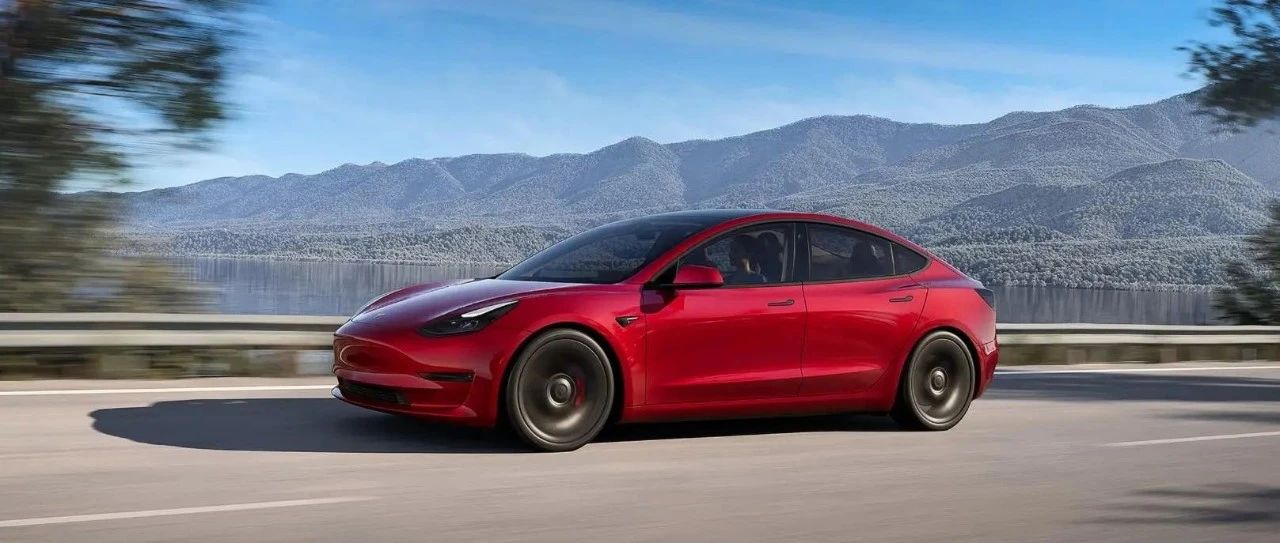
从公交卡到碳市场,上海碳普惠串起绿色生活价值链
Zhong Guo Huan Jing Bao· 2025-07-08 02:01
Core Points - The Shanghai Carbon Benefit platform officially launched on June 25, 2025, allowing citizens to convert carbon reduction from daily green behaviors into digital currency and various rewards [1][14][16] - The platform has gained popularity, with 130,000 users participating in the initial experience phase, demonstrating the public's engagement with low-carbon actions [16][18] - The carbon reduction mechanism aims to make carbon reduction actions visible, measurable, and rewarding, fostering a culture of low-carbon living among citizens [18][23] Group 1: Carbon Benefit Mechanism - The core of the carbon benefit mechanism is to enable various societal entities to see, quantify, and receive rewards for their carbon reduction efforts, thus motivating low-carbon lifestyles [18][19] - The platform integrates multiple daily life scenarios for carbon reduction, including public transport, shared bicycles, and electric vehicles, allowing users to accumulate carbon credits [24][37] - Each gram of carbon reduction corresponds to one carbon credit, which can be exchanged for rewards, enhancing the perceived value of low-carbon actions [16][27] Group 2: Platform Features and Structure - The Shanghai Carbon Benefit system is designed with a focus on individual carbon accounts, supported by a top-down approach that encourages government leadership, public participation, and market operations [23][24] - The platform has established a comprehensive and user-friendly carbon benefit system, addressing challenges such as data silos and limited reward options [19][25] - The carbon credit marketplace allows users to exchange their accumulated credits for a variety of rewards, thus linking individual actions to broader carbon market transactions [26][30] Group 3: Regulatory and Technical Framework - The Shanghai government has implemented a series of regulations and guidelines to ensure the effective operation of the carbon benefit system, including the establishment of legal attributes for carbon credits [32][33] - A standardized methodology for calculating carbon reduction has been developed, ensuring the credibility of carbon credits and facilitating their integration into the carbon market [33][34] - Blockchain technology is utilized to secure data and manage identities, enhancing the reliability and transparency of the carbon benefit platform [35]
为避免被罚,欧洲车企攒了俩碳排放联盟
汽车商业评论· 2025-01-10 13:37
成就新汽车人 视 野 跨 男 球 战 际 E / 推 O 为避免被罚, 欧洲车企攒了俩碳排放联盟 汽车制造商希望在电动汽车销量未如预期增长的情况下避免 碳罚款,保护自身利益 编译 / 钱 亚 光 设计 / 师 超 来源 / w w w. a u t o n e w s. c o m , e u l e r p o o l . c o m , w w w. w i w o . d e "团结就是力量("Unity is strength')"——这一说法对汽车制造商来说已如此亲切,以至于有些制造商决定将其付诸实践。 事实上,他们已开始建立了"碳排放池(CO 2 pooling)"联盟,电动汽车销量较少的公司与电动汽车领先企业"联合",从竞争对手那里购买碳积分,以降 低其总体排放平均值,共同应对欧盟针对二氧化碳排放的罚款。 1月1日,欧盟大幅降低了汽车二氧化碳排放上限,大多数汽车制造商今年需要电动汽车至少占其总销量的 20%,否则将面临巨额罚款。 2021年开始,欧盟为制造商设定了其在欧盟销售车队的二氧化碳排放量上限,迄今为止这一数值为每辆车每公里115.1克二氧化碳,到2025年将降至93.6 克,到2030年 ...


