
能源安全战略

Search documents
石油牌失效?特朗普拿下委内瑞拉5000万桶原油,为何难撼中国能源安全
Sou Hu Cai Jing· 2026-01-08 00:03
Core Viewpoint - The announcement by Trump regarding the agreement for Venezuela to transfer 30 to 50 million barrels of oil to the U.S. has significant geopolitical implications beyond the oil itself [1][3]. Oil Trade Dynamics - The transaction is estimated to involve an amount between $1.8 billion to $3 billion based on current oil prices [1]. - The oil will be sold at market prices, with funds controlled by the U.S. President to benefit both Venezuelan and American people [3]. - Some of the oil may be redirected from previously planned destinations, including China, which has been a key buyer of Venezuelan oil under U.S. sanctions [3]. Changes in Venezuela's Oil Exports - Venezuela's oil export patterns have shifted dramatically over the past decade, with exports to China accounting for over 80% of total exports in early 2024 [4]. - Following the tightening of U.S. sanctions in late 2024, Venezuela's oil exports are projected to decline by approximately 25% in 2025 compared to 2024 [4]. - The discount for Venezuela's main oil type, Merey, has been increasing in China, indicating rising risk costs for Chinese buyers [4]. China's Perspective - The share of Venezuelan oil in China's total imports has drastically decreased, from about 16.6 million tons in 2018 to less than 2 million tons in 2024, representing less than 0.4% of China's annual imports [5]. - China's Foreign Ministry has stated that U.S. demands violate international norms and infringe on Venezuela's sovereignty, emphasizing the normal economic cooperation between the two countries [5]. China's Energy Security Strategy - China's energy security strategy is based on diversification and broad coverage, avoiding reliance on a single source [6]. - China has established significant strategic petroleum reserves and expanded its oil import sources to dozens of countries, with stable supplies from major producers like Russia and Saudi Arabia [6]. - New regulations encouraging private investment in critical energy infrastructure aim to enhance the resilience and risk management of China's energy system [6]. U.S. Considerations - The push for this oil transaction is driven by geopolitical motives rather than just economic needs, as U.S. refineries are traditionally adept at processing Venezuelan heavy crude [7]. - The current global oil market is characterized by oversupply, with the U.S. being a leading oil producer, making the control of Venezuelan oil more about political leverage than energy supply [7]. - The timing of the announcement coincides with Venezuela's economic struggles, where oil remains a crucial source of foreign exchange [7].

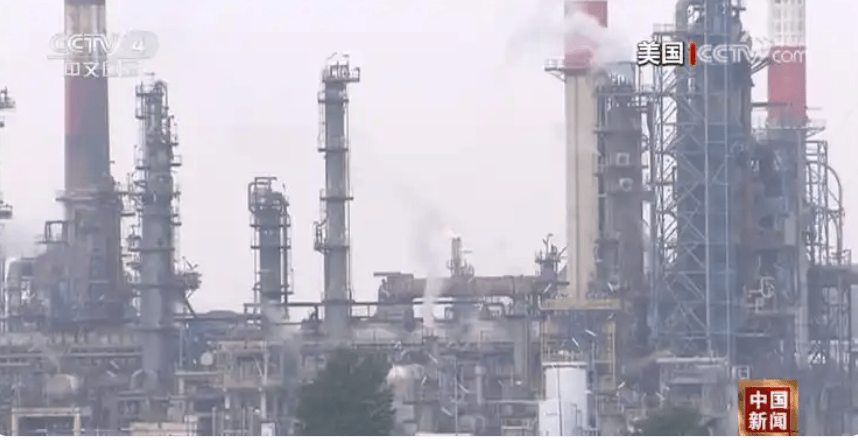
万亿赛道加速成型 绿色甲醇重构能源变革新范式
财联社· 2026-01-07 10:19
Core Viewpoint - The green methanol industry is entering a critical phase of large-scale industrialization, driven by its economic and strategic advantages as a new energy carrier, which is essential for China's energy security and achieving carbon neutrality goals [1][2][7]. Policy Support - Over 70 policy documents have been issued by national ministries and local governments to support the promotion of methanol vehicles, creating a comprehensive policy framework from top-level design to local implementation [2]. - The introduction of the "New Energy Law" in 2025 explicitly supports renewable energy development, indicating ongoing policy incentives for the methanol industry [2]. Economic Advantages - Green methanol shows significant economic benefits, with fuel costs for methanol-hydrogen electric heavy trucks reduced by 32%-52% compared to diesel vehicles, and a 30% savings in purchase costs compared to pure electric vehicles [3]. - The cost of retrofitting methanol refueling stations is only 5% of that for traditional gas stations, leveraging existing infrastructure for energy transition [3]. Technological Innovations - Key technological breakthroughs, such as the development of zero-carbon methanol production and methanol engine efficiency reaching 50.3%, are driving the industrialization of methanol [3]. - The "Yuanchun 001" vessel, the world's first methanol-hydrogen electric dual-use ship, demonstrates the potential for green transformation in water transport, achieving a 42% reduction in energy costs compared to diesel ships [3]. Market Potential - The green methanol market in China is projected to exceed 1 trillion yuan by 2030, encompassing production, storage, transportation, and application sectors [5]. - Investment in wind-solar-hydrogen coupling projects for methanol production is becoming a hotspot, with significant market opportunities in storage and transportation networks [5]. Capital Market Interest - The continuous policy support, technological advancements, and ecosystem development are attracting significant attention from the capital market, with substantial funding rounds completed for methanol-related ventures [4].

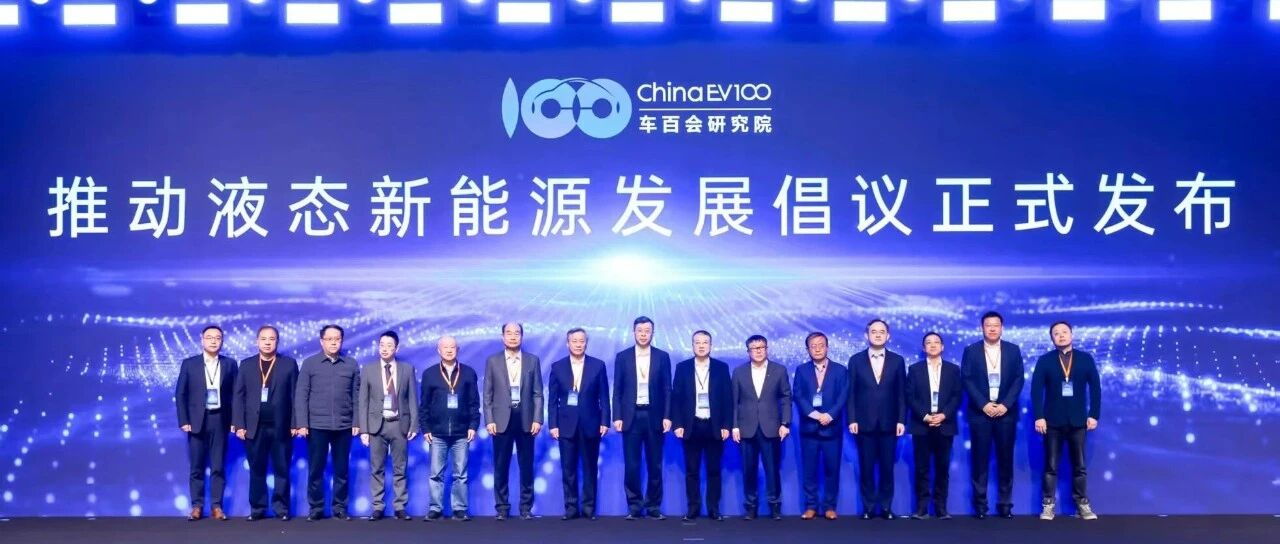
中国神华能源股份有限公司发行股份及支付现金购买资产并募集配套资金暨关联交易报告书(草案)摘要
Xin Lang Cai Jing· 2025-12-19 20:26
Core Viewpoint - China Shenhua Energy Co., Ltd. is undertaking a significant asset acquisition and capital raising transaction to enhance its operational capacity and resource allocation, thereby strengthening its competitive edge in the energy sector [7][8][9]. Transaction Overview - The transaction involves issuing A-shares and cash payments to acquire assets from the controlling shareholder, China Energy Group, and its subsidiary, with a payment structure of 30% in shares and 70% in cash [8][11]. - The total transaction value is adjusted to approximately 133.598 billion yuan after accounting for a post-evaluation capital increase of 4.927 billion yuan [10]. Impact on Company Operations - Post-transaction, China Shenhua's coal reserves will increase by 64.72% to 6.849 billion tons, and its coal production capacity will rise by 56.57% to 512 million tons, significantly enhancing its operational scale [9][15]. - The transaction is expected to improve the company's earnings per share (EPS) to 3.15 yuan for 2024, representing a 6.10% increase, and to 1.54 yuan for the first seven months of 2025, a 4.40% increase [9][15]. Financial Metrics - The total assets of the acquired assets amount to 233.423 billion yuan, with a net profit of 9.428 billion yuan for the year 2024 [8][10]. - The transaction is projected to enhance the company's profitability and asset quality, with no dilution of EPS anticipated [17][26]. Regulatory and Approval Process - The transaction requires approval from various regulatory bodies, including the China Securities Regulatory Commission and the Shanghai Stock Exchange, and has already received preliminary consent from the controlling shareholder [19][20]. - The company has committed to strict compliance with disclosure obligations and fair pricing to protect minority shareholders' interests [21][22]. Shareholder Commitments - The controlling shareholder and senior management have pledged not to sell their shares during the investigation period if any misleading information is found [2][5]. - The company has also established measures to ensure that the transaction does not adversely affect the interests of minority shareholders [21][27].

混改助力,金融赋能金开新能推进多元化能源布局
Zheng Quan Shi Bao· 2025-12-18 18:13
Group 1 - The core viewpoint of the article highlights the transformation of Jin Kai New Energy into a model of "central-local collaboration" in mixed ownership reform, focusing on clean power, low-carbon products, and digital synergy [2] - Since the completion of its restructuring in 2020, the company has divested its traditional retail assets and shifted towards investments, construction, and operation of renewable energy projects such as photovoltaics and wind power, which has led to significant financial recovery and growth [2] - During the 14th Five-Year Plan period, the company raised a total of 45.21 billion yuan through three rounds of targeted issuance and 30 billion yuan through seven phases of green medium-term notes [2] Group 2 - From 2021 to 2024, the company achieved an average return on equity of 10.15%, with total operating revenue reaching 14.77 billion yuan and total profit amounting to 4.13 billion yuan, reflecting compound annual growth rates of 24% and 31% respectively [3] - The company has prioritized shareholder returns through various methods, including share buybacks and cash dividends, with a total dividend payout of 1.11 billion yuan [3] - Looking ahead to the 15th Five-Year Plan, the company aims to align with national carbon neutrality goals and energy security strategies, while establishing a modern corporate governance structure and market-oriented operational mechanisms [3]

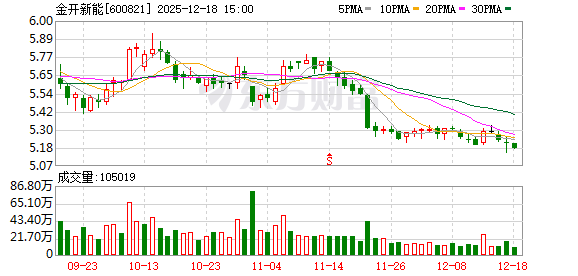
苏盐井神(603299.SH):张兴储气库一期工程已完成2025年度注气任务
Ge Long Hui· 2025-12-12 08:26
Core Viewpoint - The company is making steady progress on its salt cavern energy storage project, aligning with national energy security strategies and addressing the growing energy consumption demand in the Yangtze River Delta region [1] Group 1: Project Updates - The Zhangxing gas storage facility's first phase has completed its gas injection tasks for 2025 and is now preparing for gas extraction [1] - The Guoxin Suyan 600MW compressed air energy storage project is being implemented by Guoxin Group, with the first unit in the debugging phase and the construction of the second unit accelerating [1] Group 2: Strategic Importance - The salt cavern energy storage business is expected to support the company's new manufacturing and renewable energy sectors, contributing to long-term stable returns for shareholders as projects scale up and become operational [1]

国投证券:煤炭业能源保供基石 供需改善推升煤价中枢
智通财经网· 2025-12-09 02:31
Core Viewpoint - Coal will continue to serve as the "ballast" of China's energy system in the long term, supported by ongoing energy security strategies and gradual energy structure transformation [1] Group 1: Coal Price Trends - In 2025, coal prices are expected to show a trend of decline followed by an increase, with high port inventories in the first four months putting downward pressure on prices, while demand recovery in May to August will support prices [2] - The price of coking coal has been rising since July, which has led to multiple price increases in coke [2] Group 2: Supply and Demand Dynamics - Coal supply is expected to improve in 2025 due to a continuous decline in raw coal supply since July, with annual production projected at 4.8 billion tons [3] - The demand for thermal coal is anticipated to recover in the second quarter, with a narrowing decline expected for the year, while non-electric demand remains robust [3] - The supply-demand balance for coking coal is tighter compared to thermal coal, with stable production and reduced imports due to tariffs on U.S. coking coal [3] Group 3: Future Price Outlook - The central price of thermal coal is expected to remain high in 2026, with limited growth potential due to constraints on capacity expansion and regulatory policies [4] - Demand for electricity coal is projected to see slight growth in 2026, while non-electric coal demand may slow down [4] - The coking coal market is expected to maintain a tight balance, with limited imports and stable production, benefiting leading companies through capacity replacement [4] Group 4: Investment Recommendations - Companies with high long-term contract ratios that ensure stable profits include China Shenhua, Shaanxi Coal and Chemical Industry, and China Coal Energy [4] - Companies with cyclical elasticity in thermal coal include Yanzhou Coal Mining, Jinkong Coal Industry, Shanxi Coal International, and Huayang Co., Ltd. [4] - Integrated coal and electricity companies include Xinji Energy, Huaihe Energy, and Shaanxi Energy [4] - Companies with sustainable growth potential include Electric Power Investment Energy [4]
能源保供基石,供需改善推升煤价中枢
Guotou Securities· 2025-12-08 13:31
Investment Rating - The report maintains an investment rating of "Outperform the Market - A" for the coal industry [6]. Core Viewpoints - The coal industry is expected to remain a cornerstone of energy supply in China, with supply-demand dynamics improving and supporting higher coal prices [4]. - In 2025, coal prices are projected to show a trend of decline followed by recovery, driven by seasonal demand and supply constraints [1][12]. - The supply of raw coal has been contracting since July 2025, leading to a tighter supply-demand balance, with an annual production target of approximately 4.8 billion tons [2]. Summary by Sections 1. 2025 Price Review - Thermal coal prices rebounded to new highs in 2025 due to supply constraints and recovering demand [1][16]. - Coking coal prices saw strong increases in the second half of 2025, driven by supply tightening and increased demand from steel production [14]. 2. 2025 Supply and Demand Review - Domestic raw coal supply showed a "high before low" trend, with a total production of 3.57 billion tons from January to September 2025, a year-on-year increase of 2.7% [18]. - The total coal import volume for 2025 is expected to be below 500 million tons, significantly lower than in 2024, with thermal coal imports down by 12.5% [26][32]. - Electricity demand from thermal power is expected to see slight growth in 2026, while non-electric demand from coal chemical industries remains robust [3][48]. 3. 2026 Supply and Demand Outlook - The coal price center is expected to maintain a high level in 2026, with potential for upward movement due to ongoing supply constraints and gradual energy structure transformation [3][4]. - The supply of thermal coal is projected to improve, with a slight increase in demand expected, particularly from the chemical sector [3][70]. 4. Investment Recommendations - The report suggests focusing on companies with high long-term contract ratios for stable profits, such as China Shenhua, Shaanxi Coal, and China Coal Energy [4]. - It also highlights cyclical stocks like Yancoal Energy and Jinzhong Coal, as well as integrated coal-electricity companies like Xinji Energy and Huaihe Energy [4].
中国猛囤全球石油,却对俄油订单减半,中俄之间究竟发生了什么?
Sou Hu Cai Jing· 2025-11-14 15:22
Core Viewpoint - China has significantly increased its oil reserves, with nearly 90% of the global new oil inventory being stored domestically, while reducing imports from Russia by nearly half, raising speculations about the state of Sino-Russian relations and potential U.S. pressure [1][3]. Group 1: Oil Storage and Strategic Considerations - China imported an average of over 11 million barrels of crude oil daily in the first nine months of 2025, with 1 to 1.2 million barrels going directly into reserves instead of refineries, indicating a strategic long-term approach to oil storage [3][5]. - The implementation of the new Energy Law in 2025 mandates strategic oil reserves, prompting significant investments in storage capacity, with current storage capabilities nearing 2 billion barrels and actual reserves estimated at 1.3 billion barrels, sufficient for 106 days of consumption [3][5]. Group 2: Financial and Security Perspectives - The volatility of the U.S. dollar and rising credit risks associated with U.S. debt have led to a decrease in the dollar's share in China's foreign reserves from 72% in 2015 to 59%, alongside a continuous increase in gold holdings [5]. - China's reliance on foreign oil exceeds 70%, necessitating a buffer against supply disruptions, especially amid global geopolitical instability, which has led to strategic oil purchases to ensure energy security [5][9]. Group 3: Changes in Russian Oil Imports - In the first three quarters of 2025, China's imports from Russia decreased by 8.1% year-on-year, with a notable 14.7% drop in the first quarter, equating to a reduction of approximately 400,000 barrels per day [7][9]. - Despite the reduction, Russia remains China's largest oil supplier, accounting for 17.5% of imports, indicating that while there are fluctuations, the foundational relationship remains intact [7][9]. Group 4: Structural Adjustments and Diversification - The decrease in Russian oil imports is attributed to structural adjustments, including U.S. sanctions affecting Russian oil companies and a shift in refinery preferences towards heavier, high-sulfur crude oils, which are more compatible with imports from Malaysia, Canada, and Ecuador [9][11]. - China's strategy emphasizes diversifying oil import sources to mitigate risks, with ongoing discussions about alternative routes for Russian oil through Central Asia, ensuring that the relationship with Russia remains stable despite changes in import volumes [13][19]. Group 5: Evolving Sino-Russian Energy Cooperation - The nature of Sino-Russian energy cooperation is evolving from simple oil and gas exchanges to more integrated partnerships, including joint projects like the Arctic LNG2 project and new transportation routes [15][17]. - The proportion of oil imports from Russia settled in RMB has approached 70%, allowing China to bypass dollar-related risks and enhance transaction transparency [17][19]. Group 6: China's Role in the Global Oil Market - China's proactive oil purchasing strategy has positioned it as a key player in the global oil market, with its buying decisions significantly influencing oil prices, exemplified by the stabilization of prices around $65 per barrel following Chinese purchases [21][22]. - The current approach balances short-term economic interests with long-term energy security, as China seeks to build reserves while diversifying supply sources to reduce potential risks from geopolitical tensions [24][26].
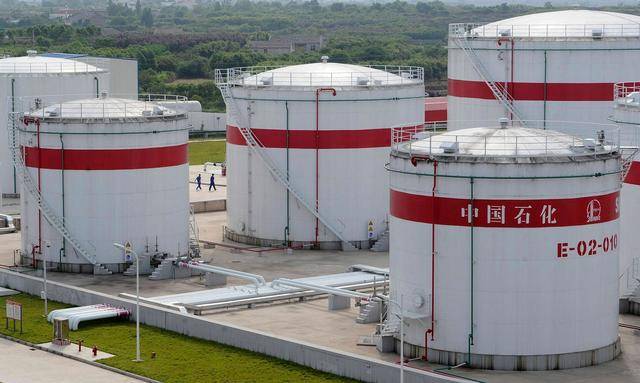
前三季度全区油气产量实现稳中有升
Sou Hu Cai Jing· 2025-11-03 02:48
Core Insights - Inner Mongolia has implemented multiple measures to promote oil and gas reserve increases and production, aligning with the national energy security strategy [1] Oil Production - In the first three quarters, Inner Mongolia produced 2.5 million tons of crude oil, representing a year-on-year increase of 4.2% [1] - The development strategy focuses on stabilizing production in mature oil fields while increasing output in new blocks, particularly in the Erlian and Hailar basins [1] - The Bayannur oil field has seen a significant increase in production, with 903,000 tons of crude oil produced in the first three quarters, marking a 20% year-on-year growth [1] Natural Gas Production - Natural gas production remained stable at 23.94 billion cubic meters in the first three quarters, with no year-on-year change [1] - Inner Mongolia ranks fourth in the country for natural gas production, accounting for 12.3% of the national total, with over 60% of the gas being transported to the Beijing-Tianjin-Hebei region [1] - The development of major gas fields such as Sulige, Daniu, and Dongsheng has been emphasized to enhance efficiency and production quality [1]
“疆煤外运”亿吨目标下的核心载体:ST广物借铁路动脉与四大基地抢占先机
Zheng Quan Shi Bao Wang· 2025-10-26 13:25
Core Viewpoint - ST Guangwu (600603) reported a significant increase in coal transportation volume, indicating strong growth potential in the context of China's energy security strategy and the development of Xinjiang's coal resources [1][2]. Group 1: Company Performance - ST Guangwu's coal transportation volume for January to September 2025 reached 21.08 million tons, a year-on-year increase of 38.95%, accounting for approximately 30% of Xinjiang's total coal transportation [1]. - The company aims to achieve a coal transportation target of 30 million tons for the entire year of 2025, which may be exceeded due to the expansion of transportation capacity and infrastructure [3]. Group 2: Industry Context - Xinjiang's coal resource reserves account for about 40% of the national total, making it a crucial area for energy supply in China, especially under the dual carbon goals and energy security strategies [1]. - The coal production in Xinjiang for January to September 2025 was 40.057 million tons, reflecting a year-on-year growth of 4.1%, significantly outpacing the national growth rate of 2% [1]. - The railway system in Xinjiang is being modernized to enhance transportation efficiency, with coal transportation volume expected to exceed 139 million tons in 2024, marking a historical high [2].
