
自有品牌发展

Search documents
若羽臣、水羊股份的“独家”代理之争
Bei Jing Shang Bao· 2025-12-17 14:00
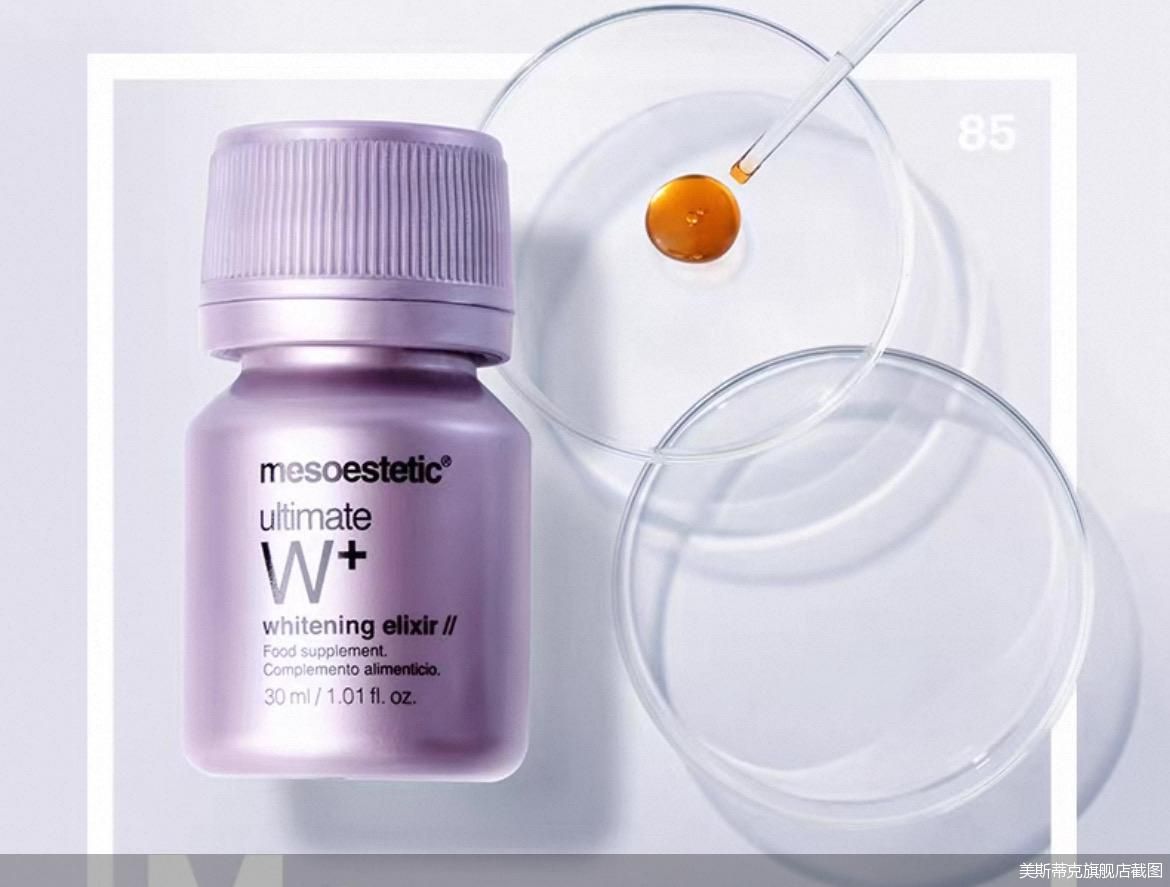
Core Viewpoint - The competition for exclusive agency rights in the oral beauty product market between Ruoyuchen and Shuiyang Co. is intensifying, with both companies claiming to be the exclusive agent for the Spanish brand Mestique in China [1][3][4]. Summary by Sections Agency Rights Dispute - Ruoyuchen claims to be the exclusive agent for Mestique's core oral beauty product line in China, responsible for brand promotion and sales [3][4]. - Shuiyang Co. asserts that it holds the exclusive distribution agreement with Mestique, managing all official online channels in China [3][4]. - The dispute highlights the importance of exclusive agency rights in a market with a significant scale, estimated in the millions [1][3]. Market Potential - The oral beauty product market is experiencing rapid growth, with user numbers exceeding 65 million in 2023, a 28% increase year-on-year [7]. - The demographic of 18-35-year-old women constitutes 72% of the consumer base, indicating a strong market potential [7]. Company Performance - Ruoyuchen has been undergoing a transformation, shifting from brand operation to brand management, which has shown positive results in recent years [5][6]. - Financial data shows Ruoyuchen's revenue growth from 2023 to 2025, with increases of 12.25%, 29.26%, and 85.3% respectively, alongside significant net profit growth [5][6]. Competitive Landscape - The oral beauty market is becoming increasingly competitive, with new entrants like Shiseido and Amorepacific launching their own brands and products [8]. - The presence of various players in the market poses challenges for both Ruoyuchen and Shuiyang Co. in maintaining their market positions [8]. Strategic Directions - Industry experts suggest that developing strong proprietary brands may be a beneficial direction for beauty operators, as seen in Ruoyuchen's recent performance [9].

天虹股份(002419) - 2025年11月27日投资者关系活动记录表
2025-11-28 13:22
Group 1: Supermarket Transformation and Brand Upgrade - The company initiated a deep transformation of its supermarket business in July 2023, focusing on a customer-centric model that emphasizes understanding products and customers [2] - The Sp@ce3.0 store format has undergone iterations from Sp@ce1.0 to Sp@ce3.0, adapting to market changes and consumer behavior [2][3] - The brand upgrade targets two core customer groups: health-conscious families and urban youth seeking lifestyle experiences [2][3] Group 2: Store Performance and Expansion - The upgraded Shenzhen Zhonghang City Junshang store, completed on November 7, 2025, reflects the ongoing evolution from Sp@ce3.0 to 3.x [3] - A total of 9 standardized upgraded stores and 18 operationally optimized stores have been completed, with plans to upgrade over 80% of existing stores in the next three years [3] Group 3: Private Label Development Strategy - The company has shifted its private label strategy from quantity expansion to quality enhancement, establishing a "Good—Better—Best" tiered product management system [4] - The product development process is driven by global consumer data insights, integrated product development (IPD) models, and smart operations for quality and cost control [4] - The company aims to launch multiple strategic products each year with high repurchase rates to create a differentiated competitive advantage [4] Group 4: Compliance and Transparency - The company adhered to relevant regulations during the investor relations activity, ensuring no leakage of undisclosed significant information [5]

汉桑科技:自有品牌布局完善,积极拓展国内渠道与京东线上线下合作
2 1 Shi Ji Jing Ji Bao Dao· 2025-11-28 01:40
Core Insights - The company is focusing on developing its own brands, which include TivoliAudio, Primare, and Platin, although the revenue contribution from these brands is currently low [1] - The company has established a mature overseas team and is simultaneously building domestic operational capabilities to enhance brand development [1] - The collaboration with JD.com has expanded from online sales to offline experiences through JD Mall, aiming to provide high-quality audio solutions and retail services [1]

若羽臣(003010):公司披露双11战报 自有品牌全渠道高增
Xin Lang Cai Jing· 2025-11-28 00:31
Group 1 - The core viewpoint of the articles highlights the significant growth in sales performance for various brands during the Double 11 shopping festival, indicating strong brand power and operational efficiency in the industry [1][2][3] Group 2 - Zhenjia achieved an 80% year-on-year increase in total GMV during Double 11, with notable sales growth across multiple platforms: Tmall (65%), Douyin (102%), JD (135%), and Xiaohongshu (46%) [1] - Multiple products from Zhenjia ranked top in their respective categories, including fragrance laundry liquid and laundry pods, showcasing the effectiveness of their product strategy [1] - Feicui reported a staggering 35-fold year-on-year increase in total GMV, with significant growth on Tmall (over 240% compared to 618) and Douyin (100% increase) [2] - Feicui's key products, such as the anti-aging small purple bottle, achieved top sales rankings across various platforms, indicating strong market acceptance [2] - Nuibay, a new player in the dietary supplement sector, made a strong debut during Double 11, with its products ranking highly in multiple categories on Tmall [2] - The investment outlook for Feicui is positive, with expectations of profit realization next year and continued growth from new brands like Nuibay and Vitaocean [3] - Feicui's profit forecast for next year has been raised to 350 million yuan, reflecting confidence in its performance and brand strength [3]
三季度经营亏损收窄,宝尊电商改革成效初显?
Bei Jing Shang Bao· 2025-11-26 11:44
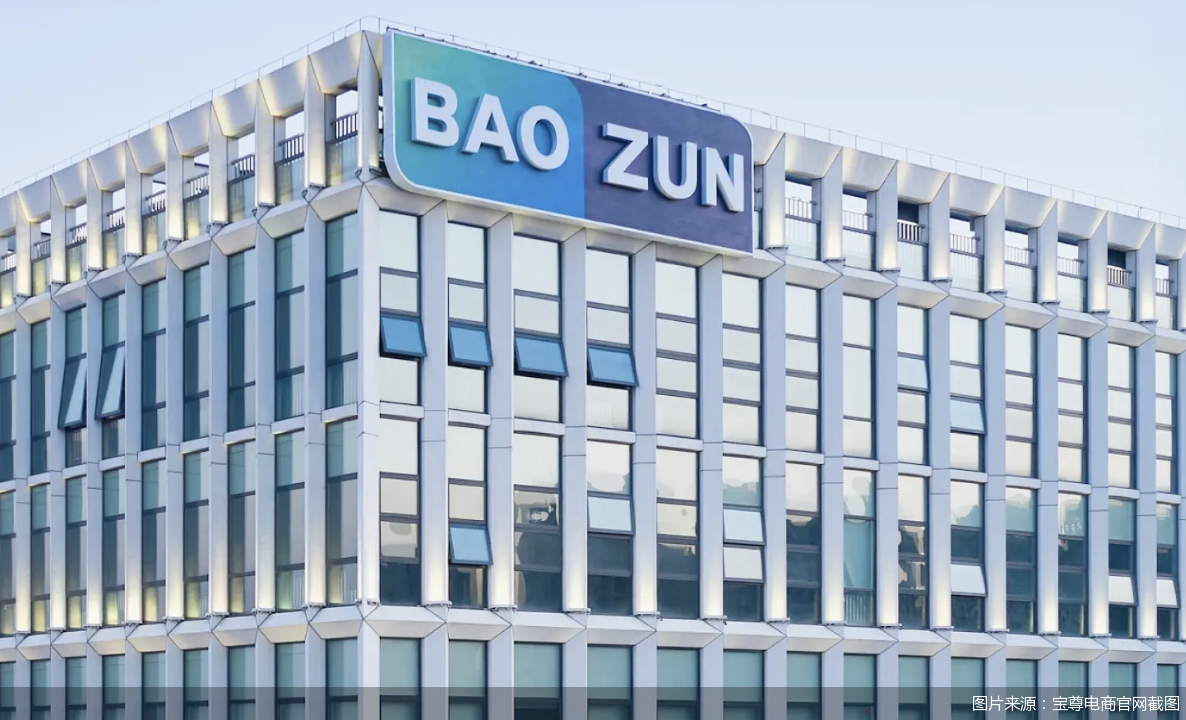
Core Viewpoint - Baozun E-commerce reported a total net revenue of 2.156 billion yuan in Q3, representing a year-on-year growth of 4.8% compared to 2.057 billion yuan in the same period last year. The operating loss significantly narrowed to 10.8 million yuan under non-GAAP standards, indicating progress in the company's strategic transformation [1][3]. Group 1: Financial Performance - In Q3, the e-commerce business revenue grew by 2% to 1.8 billion yuan, while brand management business revenue increased by 20% to 400 million yuan [3]. - Over the past two years, Baozun E-commerce has been operating at a loss, with revenues of 9.396 billion yuan in 2021 (up 6.15%) and a loss of 220 million yuan, followed by 8.401 billion yuan in 2022 (down 10.6%) and a loss of 653 million yuan [3][4]. Group 2: Strategic Transformation - The company has been pushing for reform and transformation, expanding its own brand portfolio. In March 2023, Baozun announced an upgrade of its business layout into three major lines: Baozun E-commerce (BEC), Baozun Brand Management (BBM), and Baozun International (BZI) [3][4]. - In late 2022, Baozun acquired GAP's China business for 40 million USD, and in 2023, it acquired the UK high-end footwear and outdoor brand Hunter, as well as the Chinese operations of the yoga apparel brand Sweaty Betty [4]. Group 3: Market Challenges - Despite initial success in developing its own brands, Baozun E-commerce continues to face challenges in achieving profitability. The fast fashion market in China is highly competitive, with local brands like UR and international brands like Uniqlo, Zara, and H&M intensifying their market presence [5]. - Experts suggest that while Baozun's expertise in online operations can help brands like GAP establish their brand image and drive traffic to physical stores, the long-term development remains to be observed [5].
海马汽车(000572.SZ):当前战略正聚焦于自有品牌发展以及新能源汽车领域开拓
Ge Long Hui A P P· 2025-11-12 08:04
Core Viewpoint - The collaboration between Haima Automobile and XPeng Motors has officially ended as of December 31, 2021, and there are currently no other business associations between the two companies [1]. Group 1 - Haima Automobile is now focusing on the development of its own brand and expanding into the new energy vehicle sector [1].

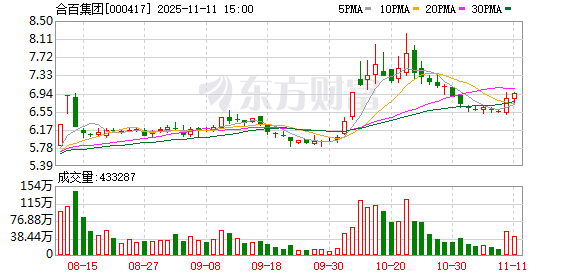
合百集团:合家福自有品牌单品数已达到473个
Mei Ri Jing Ji Xin Wen· 2025-11-12 01:08
Core Insights - The industry is shifting focus towards the development of private label brands, marking the entry into a "private label era" in supermarket competition [2] - The company, Hejiafu Supermarket, is actively exploring the development of its own private label brands, emphasizing quality, health, safety, and affordability [2] Company Developments - Hejiafu Group (000417.SZ) has established a matrix of four private label brands: Hejiafu, Jiao Xiaobai, Rou Xiaobai, and Hejiaxian [2] - As of October, the number of private label SKUs (Stock Keeping Units) under Hejiafu has reached 473, covering various categories including daily chemicals, beverages, grains, and fresh produce [2] - From January to October, sales of private label products have increased by 96.25% year-on-year [2]

乖宝宠物20251106
2025-11-07 01:28
Summary of Guibao Pet's Conference Call Company Overview - **Company**: Guibao Pet - **Industry**: Pet Food and Products Key Points and Arguments Strategic Focus - Guibao Pet's strategic focus is on increasing market share for its own brands, with internal assessments centered on revenue growth while maintaining healthy profit levels [2][6] - The company does not assess profit margin growth but emphasizes revenue growth, implementing incentive plans that balance revenue and reasonable net profit targets to ensure healthy profitability [2][6] Brand and Product Development - The company aims to launch 10%-20% of new SKUs annually, with product introduction strategies dynamically adjusted based on market feedback and operational strategies [2][11] - Guibao Pet prioritizes functional pet food and has postponed entering the prescription pet food market due to strong competition from Royal Canin, believing that large-scale demand for prescription food in China has not yet materialized [2][12] Outsourcing and Manufacturing - The outlook for the contract manufacturing business is pessimistic for Q4 2025 and 2026, as it is not a strategic focus for the company. Despite negative growth in this segment, overall revenue growth remains unaffected [3] - Guibao Pet has a production capacity of 20,000 tons for snacks in Thailand and is establishing a subsidiary in New Zealand, primarily to meet domestic brand production needs rather than responding to U.S. policies [3] Sales Channels and Market Trends - Douyin (TikTok) has been the fastest-growing channel in recent years and is expected to remain a major growth driver in 2026. The company will continue to focus on high-end, high-priced products [4][13] - The profitability of Tmall and Douyin is comparable, while Pinduoduo and JD.com are slightly weaker. The increasing sales proportion from Douyin is expected to enhance the overall profitability of the company's own brands [14] Profitability Expectations - Guibao Pet cannot provide a clear profit margin forecast but indicates that the contract manufacturing business has a stable profit margin of around 10%. However, fluctuations in exchange rates and raw material prices may affect profit margins in 2024 and 2025 [5] - Since 2019, the share of self-owned brands has gradually increased, contributing to a steady rise in overall profit margins [5] Brand Health and Market Goals - The company monitors various internal metrics, including repurchase rates, ROI, customer acquisition rates, and new product launch frequency, to assess brand health beyond market share and profit balance [10] - Guibao Pet's brand goals for the next three years are seen as challenging targets, with a focus on market share growth, although achieving these goals remains uncertain [9] Brand Strategy Adjustments - The company is in the process of divesting mid-to-low-end brands from the Maifudi brand to align with its high-end strategy while retaining these brands to meet specific channel demands [15][16][17] Consumer Perception and Market Response - Guibao Pet has strategies in place to address negative comments about its products during promotional periods, including clarifying facts with relevant professionals and engaging with users who post negative information [18] - The company has not disclosed specific sales data for the Double Eleven shopping festival but expects linear sales growth based on historical performance [19] Future Outlook on Pet Economy - While there is a trend in the dog economy, its market size and growth rate are currently less clear compared to the cat economy. Guibao Pet has no immediate plans for further action in this area [21]
佩蒂股份(300673)季报点评:海外有所拖累 主粮产能落地未来可期
Xin Lang Cai Jing· 2025-11-02 08:48
Core Insights - The company reported a revenue of 1.089 billion yuan for the first three quarters of 2025, a year-on-year decrease of 17.68%, and a net profit attributable to shareholders of 114 million yuan, down 26.62% year-on-year [1] - In Q3 2025, the company achieved a revenue of 361 million yuan, a decline of 24.29% year-on-year, with a net profit of 34.48 million yuan, down 39.35% year-on-year [1] Group 1: Brand and Production Capacity - The company's proprietary brand continues to perform well, with the Jueyan brand experiencing rapid growth in the high-end price segment [2] - New production capacity from the Taizhou and New Zealand factories is expected to contribute to further growth in domestic business [2] Group 2: Financial Performance - The gross profit margin for Q3 2025 was 32.24%, an increase of 1.29 percentage points year-on-year, while the net profit margin was 9.53%, a decrease of 2.54 percentage points year-on-year [2] - Sales expenses for Q3 2025 were 29.68 million yuan, up 19.08% year-on-year, primarily due to the extended promotional period for Double Eleven [2] - Research and development expenses increased by 27.39% year-on-year to 9.80 million yuan [2] Group 3: Profit Forecast and Investment Rating - The company is expected to achieve revenues of 1.632 billion, 1.840 billion, and 2.143 billion yuan for 2025, 2026, and 2027, respectively, with net profits of 163 million, 200 million, and 241 million yuan [3] - Corresponding price-to-earnings ratios are projected to be 25.87, 21.09, and 17.46 times for the respective years [3] - The investment rating is maintained at "Recommended" based on the company's product advantages in the high-end price segment [3]
若羽臣(003010):业绩符合预期,自有品牌增长势能持续强劲
Shenwan Hongyuan Securities· 2025-10-31 12:14
Investment Rating - The report maintains a "Buy" rating for the company, indicating a strong performance relative to the market [7]. Core Insights - The company reported Q3 2025 earnings that met expectations, with significant revenue and profit growth. Q3 revenue reached 819 million yuan, a year-on-year increase of 123.4%, while net profit attributable to shareholders was 33 million yuan, up 73.2% year-on-year [7]. - The self-owned brand segment has become the primary growth driver, with Q3 revenue from self-owned brands reaching 451 million yuan, a staggering increase of 344.5%, marking its first time accounting for over 55% of total revenue [7]. - The brand management business also saw substantial growth, with Q3 revenue of 204 million yuan, up 114.1% year-on-year, and a cumulative revenue of 539 million yuan for the first nine months, reflecting a 71.1% increase [7]. Financial Data and Profit Forecast - Total revenue for 2025 is projected to be 3,232 million yuan, with a year-on-year growth rate of 83.0%. The net profit attributable to shareholders is expected to be 174 million yuan, representing a 65.0% increase [6]. - The gross margin is forecasted to be 50.5% in 2025, with a return on equity (ROE) of 13.0% [6]. - The company has adjusted its profit forecasts upwards, now expecting net profits of 180 million yuan, 350 million yuan, and 520 million yuan for 2025, 2026, and 2027 respectively [7].