
茶旅融合

Search documents
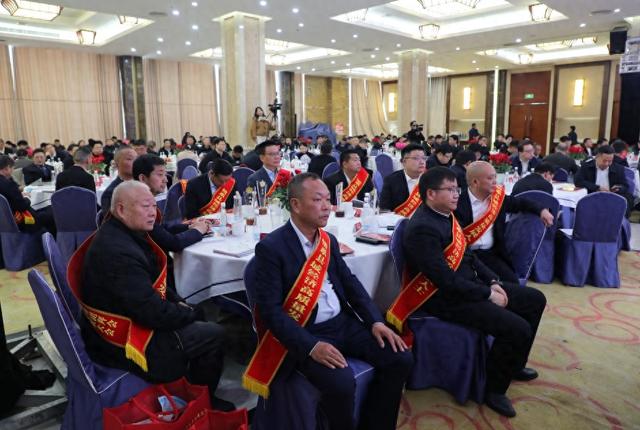
乡音唤归雁 沃土育新机——陕西商南举行2026年新春团拜会暨第五届乡党回乡发展大会
Xin Lang Cai Jing· 2026-02-13 02:50
Group 1 - The core message emphasizes the rapid development and investment potential of Shannan County, highlighting the successful return of entrepreneurs to contribute to local growth [1][5][9] - The 2026 New Year gathering and the fifth Homecoming Development Conference aimed to discuss development strategies and promote the construction of "Four Famous Cities" and "Five Beautiful Shannan" [1][5] - Over 200 participants, including successful entrepreneurs and local business representatives, attended the event to share experiences and discuss investment opportunities [1][5] Group 2 - Entrepreneurs observed six key projects, including the Qinling Spring Tea Industry Park and the Medical and Health Project Industrial Park, showcasing the integration of various industries [3][5] - The Medical and Health Project focuses on a comprehensive service system covering elderly care, medical rehabilitation, and end-of-life care, exploring new paths for integrated healthcare [3][5] - The Shannan Economic Development Zone is home to a biobased new materials project with an investment of 166 million, emphasizing zero emissions and pollution [3][5] Group 3 - The event reinforced the confidence of returning entrepreneurs in investing in their hometown, with plans for a comprehensive logistics park to leverage ecological advantages [5][9] - The county reported a GDP growth rate of over 5.8% annually during the 14th Five-Year Plan period, with significant increases in urban and rural residents' income [9][10] - A total of 243 projects have been planned to enhance infrastructure, social welfare, and ecological governance, supporting the development of Shannan as an attractive investment destination [10] Group 4 - The county aims to create a favorable business environment by implementing policies that support entrepreneurs, including streamlined approval processes and dedicated support for project implementation [10] - A total of 12 high-quality projects with a total investment of 812 million were successfully signed during the event, covering various sectors such as new materials and tourism [7][10] - The county's commitment to fostering a supportive ecosystem for businesses includes optimizing services and recognizing outstanding entrepreneurs [10]

品牌价值超35亿元!这款被“虫”咬过的广东茶,凭什么出圈?
Nan Fang Nong Cun Bao· 2026-02-11 14:03
Core Viewpoint - The article highlights the rising brand value of Zijin tea, which has surpassed 3.5 billion yuan, and its unique production process involving the small green leafhopper, which enhances the tea's flavor and market appeal [6][7]. Industry Overview - The tea industry in Zijin County has seen significant growth, with a total tea garden area of 90,000 acres and a comprehensive industrial output value exceeding 2.5 billion yuan [6]. - Zijin County is recognized as the largest producer of cicada tea in China, attributed to its unique ecological conditions and the presence of the small green leafhopper [19][20]. Ecological Foundation - The region's favorable climate, with a high forest coverage rate of 76.7%, supports the cultivation of high-quality tea [9][10]. - The local tea farmers have adopted organic farming practices to ensure a sustainable environment for the small green leafhopper, which is crucial for the tea's unique flavor [21][23]. Technological Advancements - Research initiatives have led to the development of a planting model that combines soil testing and ecological control of the small green leafhopper, resulting in a 10% increase in cicada tea yield [40][42]. - Collaborations with agricultural research institutions have enhanced the production techniques and quality of Zijin cicada tea [45]. Market Expansion - The brand's recognition has grown significantly, with plans for participation in major tea expos in cities like Hangzhou and Shenzhen, leading to over 12 million yuan in signed contracts with distributors [52][54]. - The promotion of Zijin cicada tea through various media channels has increased its visibility, with social media engagement rising from 11 million to 21 million in a year [64]. Innovative Integration - The county is actively promoting tea tourism, creating themed travel routes that integrate local culture and tea experiences, which have attracted over 291,300 visitors and generated 300 million yuan in tourism revenue [86][87]. - New product development is underway, including tea-infused beverages and snacks, aimed at diversifying consumption scenarios and meeting modern consumer demands [90][92].

广东省推进茶产业高质量发展工作座谈会召开
Nan Fang Ri Bao Wang Luo Ban· 2026-02-11 07:13
Core Viewpoint - The Guangdong tea industry is focusing on high-quality development, aiming to enhance brand influence and market share while promoting local tea culture and increasing farmers' income [1][4]. Group 1: Industry Development - The Guangdong tea industry is set to expand, with projections indicating a tea garden area of 1.7659 million acres and a dry tea production of 203,500 tons by 2025, representing increases of 50.55% and 58.73% respectively compared to 2020 [2]. - Guangdong is recognized as a core hub for tea circulation in China, with a robust online and offline sales system, and is expected to see an increase in online sales proportion by 2025 [3]. Group 2: Brand and Market Strategy - The strategy emphasizes dual efforts in online and offline marketing to enhance brand visibility and market penetration, including participation in trade fairs and creating unique consumer experiences [4]. - Local brands are deeply integrated with Guangdong's unique tea resources, with notable products like the "奶茶爆品" achieving daily sales exceeding 800,000 cups [3]. Group 3: Technological and Cultural Integration - The tea industry is leveraging technology to improve production standards, with initiatives like the establishment of a tea industry research institute and the development of smart tea gardens [5]. - The integration of tea with cultural elements and new consumption trends is being explored, with products like "陈皮+" series being developed to enhance market appeal [7][10]. Group 4: Cross-Industry Collaboration - Companies are encouraged to explore "tea+" cross-industry collaborations, creating products that blend tea with various sectors such as food, health, and culture, thus expanding the market [8][10]. - The focus on storytelling and media engagement is seen as crucial for enhancing brand recognition and driving sales growth [10].
“茶创客”与雨林红茶的出山之路
Hai Nan Ri Bao· 2026-02-09 02:48
Core Insights - The article highlights the journey of Zhou Yujing, a tea farmer from Wuzhishan, who has successfully established a tea plantation and cooperative model that benefits local villagers while emphasizing ecological sustainability and cultural promotion of Hainan's rainforest tea [1][2][3][4] Group 1: Tea Production and Processing - Zhou Yujing's tea plantation utilizes advanced technology for fermentation control, ensuring optimal conditions for producing high-quality red tea [1] - The tea production process involves multiple steps including withering, killing green, rolling, and drying, with strict quality control measures in place [1] Group 2: Community Engagement and Economic Model - Zhou Yujing adopted a "company + cooperative + farmer" model, integrating 38 local households into a cooperative to enhance community wealth [1] - Initial skepticism from villagers was addressed through free technical support and guaranteed purchase agreements, alleviating their concerns [1] Group 3: Market Expansion and Cultural Promotion - Zhou Yujing aims to elevate Hainan rainforest tea's profile beyond local markets by promoting tea culture and integrating tea tourism [3][4] - The tea processing facility has been upgraded with modern equipment, and tea tourism projects have been developed to attract visitors [4] - Participation in domestic and international trade fairs, such as the Hong Kong Food and Trade Expo, is part of the strategy to promote Hainan tea on a global scale [4] Group 4: Future Plans and Export Strategy - Zhou Yujing plans to expand export operations, targeting Southeast Asia and South Asia markets, leveraging the advantages of Hainan's free trade port [4] - Weekly visits from Russian tourists to the tea plantation indicate growing international interest in Hainan's tea culture [4]
(走进中国乡村)茶香飘四海 广西侗寨解锁“绿富”密码
Xin Lang Cai Jing· 2026-02-08 07:09
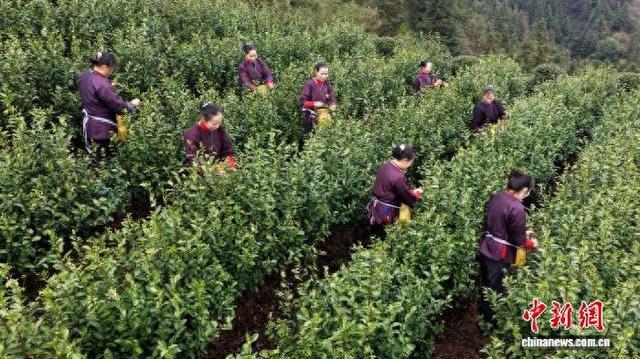
Core Insights - The article highlights the thriving tea industry in Sanjiang Dong Autonomous County, Guangxi, emphasizing the region's unique qualities and cultural integration in tea production [1][3]. Industry Overview - Sanjiang is recognized as an international "golden tea-producing area" with over 2,000 years of history in tea cultivation [3]. - The county has a total tea garden area of 215,000 acres, with approximately 300,000 people involved in the tea industry [5]. - The annual production of dry tea is 21,300 tons, generating a comprehensive annual output value of 8.7 billion yuan [5]. Product Quality and Innovation - Sanjiang's early spring tea is celebrated for its "early, special, fresh, and fragrant" qualities, earning the title of "China's first early spring tea" [3]. - Local tea farmers, like Wu Haipeng, are innovating by introducing superior tea varieties and standardized production processes, enhancing quality through technology [2][3]. Cultural Integration and Tourism - The tea industry is deeply intertwined with local culture, incorporating Dong ethnic music, dance, and traditional tea-making techniques into tourism experiences [5]. - Villages are developing tea tourism, creating demonstration points that combine tea culture with travel, thus promoting both sectors [5]. - The transformation of villages, such as Buan Village, into recognized tourist destinations showcases the potential of tea to drive rural revitalization [5].
(走进中国乡村)浙江安吉“中国白茶第一村” 飘香山野市集
Xin Lang Cai Jing· 2026-02-07 13:32
Core Viewpoint - The development of "Bai Cha Yuan Ye Ji" in Huangdu Village, known as "China's First White Tea Village," represents a successful integration of local culture and tourism, transforming the village's economy through innovative culinary experiences and product offerings [1][2]. Group 1: Economic Transformation - Huangdu Village, once a poverty-stricken area, has leveraged the cultivation of the rare "Bai Ye No. 1" tea variety to improve the livelihoods of its residents, enabling them to build homes and own cars [1]. - The village aims to create a platform for showcasing white tea products and related experiences, including tourism and hospitality, to enhance the economic benefits derived from white tea [1]. Group 2: Collaborative Model - The establishment of "Bai Cha Yuan Ye Ji" is a result of collaboration among local youth, village collective investment, and a digital nomad team, creating a model for rural economic growth and youth engagement [2]. - This collaborative approach allows for the integration of modern aesthetics with local culture, ensuring that the village retains control over development and profits [2]. Group 3: Cultural Experience - Visitors to the market can engage in various activities, such as learning traditional tea-making methods, participating in pottery workshops, and enjoying innovative tea-infused dishes, creating a comprehensive cultural experience [2]. - The initiative aims to shift local tourism from mere sightseeing to immersive vacation experiences, enhancing visitors' understanding of white tea culture [2].
云南德昂族的“一日三盅”为何能留下远方游客?
Guan Cha Zhe Wang· 2026-01-26 10:36
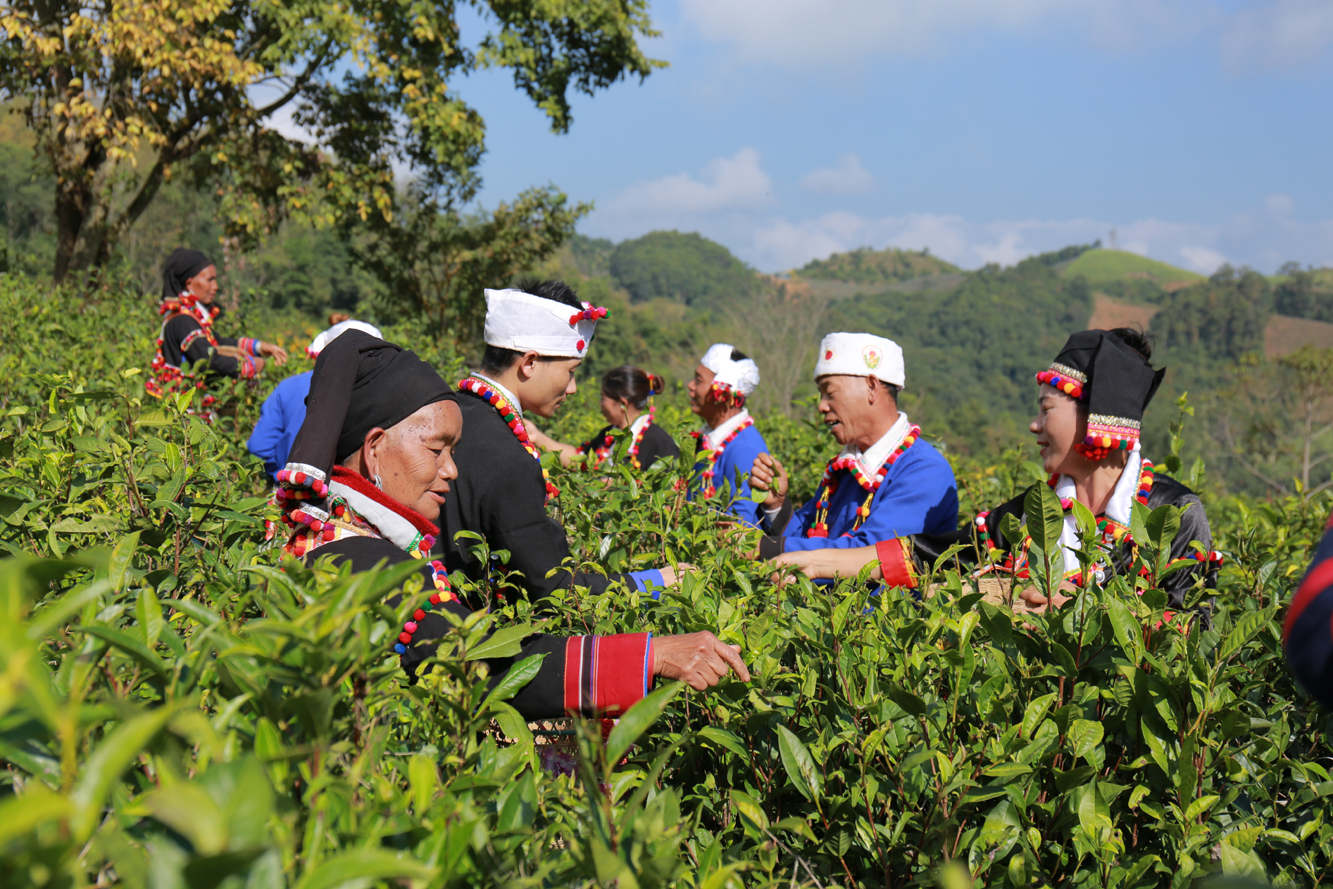
Core Insights - The unique production technique of De'ang sour tea has transcended ordinary beverages, becoming a significant cultural tourism attraction in Yunnan's Dehong Prefecture, providing a window into China's diverse ethnic cultures for both domestic and international tourists [1][2] Group 1: Cultural and Tourism Integration - De'ang sour tea offers an unparalleled cultural immersion experience for travelers eager to explore China's ethnic diversity, with ancient tea gardens and traditional tea-making techniques enhancing the cultural narrative [2] - The local government has successfully integrated sour tea production with tourism, creating a full-chain experience for visitors that includes tea picking, processing, tasting, and consumption [4][5] - The De'ang sour tea is recognized as a "living fossil" of the De'ang ethnic culture, embodying cultural identity and the memory of multi-ethnic integration in western Yunnan [5][9] Group 2: Economic Impact and Growth - By the end of 2025, the tea cultivation area in Dehong is projected to reach 363,300 acres, with an annual production of 554,000 kilograms of De'ang sour tea, reflecting a 12.5% year-on-year growth and an estimated output value of 240 million yuan, accounting for 25.3% of the local economy [5] - The integration of sour tea and tourism has created direct employment opportunities and economic benefits, enhancing local cultural value recognition and increasing the region's cultural and industrial influence [6][14] - In the first eleven months of 2025, Dehong received 118,400 inbound tourists, achieving a tourism expenditure of 935 million yuan, both showing an 8.03% year-on-year increase [11] Group 3: Heritage and Innovation - The De'ang sour tea production technique was included in the national intangible cultural heritage list in 2021 and later recognized by UNESCO, leading to a significant increase in tourism activities and visitor diversity [9][10] - The local industry has evolved from a single tea beverage to a multi-category cultural and creative product matrix, including various tea-related items that attract ongoing visitor engagement [10] - The sustainable development model of "promoting tea through tourism" has been established, emphasizing the importance of cultural heritage while driving economic growth [6][14] Group 4: Future Directions - The future development of De'ang sour tea tourism should focus on integrating traditional and modern lifestyles, particularly appealing to younger consumers through innovative product offerings and experiences [15] - There is potential for further exploration of cultural elements in product design, packaging, and consumption rituals, transforming De'ang sour tea from a protected heritage into a sought-after resource [15][16]
以茶为笔,绘就富民“新画卷”——湄潭“十四五”茶产业高质量发展纪实
Xin Lang Cai Jing· 2026-01-24 09:18
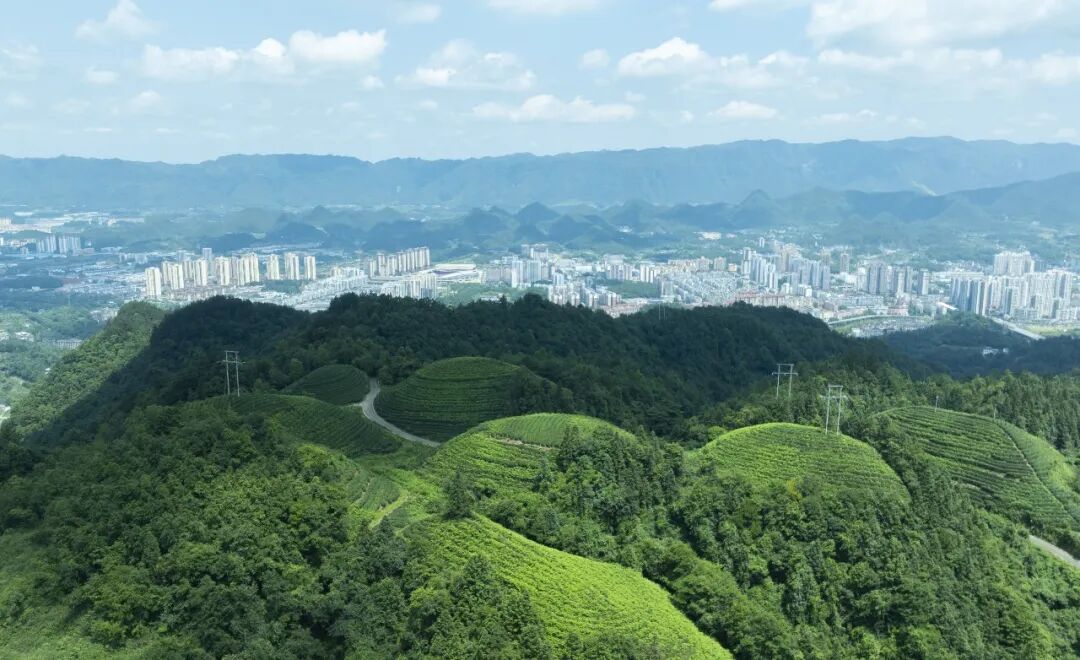
Core Viewpoint - The tea industry in Meitan County has become a significant driver of economic development, with a direct total output value exceeding 34 billion yuan and a comprehensive total output value reaching 85.9 billion yuan during the 14th Five-Year Plan period [3]. Strategic Leadership - Meitan County has positioned the tea industry as its primary and pillar industry, implementing a development strategy focused on "surrounding tea, maximizing tea, and breaking through tea" [3]. - The county has innovated its policy mechanisms, establishing a three-tier collaborative management system and the first "Tea Town Chief" system in the country, along with a dedicated environmental protection court for the tea industry [3]. Ecological Foundation - Meitan is located in the 27° north latitude tea-producing belt, with a forest coverage rate of 67.4% and excellent air quality [4]. - The county has stricter pesticide regulations than national standards, banning 129 types of pesticides and promoting green pest control technologies [4]. Technological Empowerment - Technological innovation is a core driving force for upgrading the tea industry, with rapid detection technologies reducing pesticide residue testing time from hours to minutes [6]. - Digital reforms have been integrated throughout the industry chain, enhancing traceability and reducing management costs through IoT and AI technologies [6]. Brand Building - Brand development is a key focus, with "Meitan Cuiya" and "Zunyi Red" gaining significant influence and forming a complete brand system [7]. - "Zunyi Red" was selected as one of the top 10 regional public brands of Chinese red tea, and "Meitan Cuiya" has a brand value exceeding 4.8 billion yuan [7]. Cross-Industry Innovation - The new tea beverage sector has emerged as a strong growth engine, with production value surpassing 458 million yuan in 2024, marking a 243% increase [9]. - New tea beverage companies have introduced over 120 innovative products, positioning Meitan at the forefront of the new tea beverage market [9]. Cultural Empowerment - Meitan has integrated tea culture with tourism, creating distinctive attractions and ranking its tea culture museum among the top 100 popular museums in Southwest China [10]. Talent Support - The county has developed a unique labor brand, "Meitan Tea Master," and has the highest number of national tea figures in the province [12]. - Local initiatives have successfully increased online retail sales, reaching 343 million yuan in 2024, with a 44% year-on-year growth in 2025 [12]. Wealth Creation - The tea industry serves as the main channel for income generation, with over 350,000 people engaged in tea-related work [13]. - The county has adopted an industrialization model that closely integrates farmers into the industry chain, significantly improving local residents' disposable income [13].
一杯黄山茶的芬芳
Xin Lang Cai Jing· 2026-01-17 04:22
Group 1 - The core viewpoint of the article highlights the integration of technology and traditional tea production in Huangshan, leading to a significant transformation in the tea industry [1][3][4] - The introduction of the Tai Ping Hou Kui geographical indication protection certification trademark has enhanced consumer trust and transparency in the tea market, allowing customers to trace the product's origin easily [1] - Huangshan's tea industry has embraced digitalization, with the establishment of a blockchain platform and a city-level tea industry management platform, which have collectively issued over 2 million special identifiers [1][2] Group 2 - The innovation in tea production is exemplified by the collaboration between Tunxi Tea Kele Biotechnology Co., Ltd. and Zhejiang University, resulting in the development of probiotic tea tablets that quickly became the top-selling product in its category [2] - Huangshan has emerged as a core supply base for new-style tea drinks, collaborating with over 90% of domestic producers and launching more than 100 new tea products and derivatives [2] - The tea industry in Huangshan is not only a product but also a cultural and tourism driver, with various tea-themed tourism routes and experiences attracting over 50,000 visitors since the opening of the "Qi Yi·Qun Fang Zui" tea tourism complex [3] Group 3 - The comprehensive output value of Huangshan's tea industry is projected to exceed 32.1 billion yuan in 2025, reflecting a year-on-year growth of 13% [3] - All districts in Huangshan have been recognized as key tea-producing counties in the country, indicating a robust development of the tea sector across the region [3]
军枞茶业:茶香融酒韵,为乡村振兴赋能
Nan Fang Nong Cun Bao· 2026-01-07 12:36
Core Viewpoint - Junzong Tea Industry integrates tea and wine, leveraging local resources for rural revitalization and innovation in the tea industry [3][4][21]. Group 1: Company Overview - Junzong Tea Industry has been established in Jiangjun Lake Village for 11 years, focusing on single bush tea and combining it with red culture and technological innovation [3][4]. - The company has received multiple certifications, including "National Women's Modern Agricultural Technology Demonstration Base" and "National High-tech Enterprise" [13][14]. Group 2: Product Development - The company has developed a unique tea-wine preparation process using local rice and carbon-roasted single bush tea leaves, resulting in a product that combines the aromas of tea and wine [15][16]. - Research indicates that this product possesses antioxidant properties, marking it as an innovative creation in the tea-wine fusion sector [16]. Group 3: Environmental and Cultural Aspects - The ecological environment of Jiangjun Lake, with an altitude of 500 to 700 meters, provides ideal conditions for the growth of single bush tea, supported by organic farming practices [8][9]. - The historical significance of Jiangjun Lake Village, as a revolutionary base during the land reform period, adds cultural depth to the tea gardens [10][11]. Group 4: Future Plans - Junzong Tea Industry is planning to develop new business models that include "low-altitude economy + tea tourism + research and study + health care," enhancing visitor experiences through tea picking, factory tours, and exploration of historical sites [18][19][20].