规模不经济

Search documents
国际医学披露中报,扣非净利同比下降36%
2 1 Shi Ji Jing Ji Bao Dao· 2025-08-26 10:13
Core Viewpoint - The company is facing significant financial challenges, with declining revenues and net profits, despite attempts to expand its services and adapt to new payment models [1][2][4]. Financial Performance - The company's revenue for the first half of the year was 20.34 billion, a year-on-year decrease of 15.95%, and the net profit was -1.89 billion, down 36.09% [1]. - The Xi'an International Medical Center Hospital reported a revenue of 13.83 billion for the first half of 2025, a decline of 15.37%, with a net loss of 1.13 billion, which is an increase of 44.63% in losses compared to the previous year [2]. - The Xi'an Gaoxin Hospital also experienced a revenue drop of 17.30%, totaling 6.39 billion, with net profit falling by 37.48% to 309.77 million [3]. Business Operations - The company operates two major hospitals, with the Xi'an International Medical Center Hospital being the largest single hospital in the country, yet it struggles to convert its scale into profitability [2][5]. - The outpatient services are growing, with a 7.37% increase in emergency and outpatient visits, reaching 740,500, but inpatient services have declined by 2.80% to 66,000 [2]. - The company has introduced new services, such as a high-end health service department and a senior care facility, but these have not yet improved profitability [1]. Financial Structure - The company faces significant financial pressure, with accounts receivable at 5.94 billion, short-term loans at 8.82 billion, and long-term loans at 25.71 billion [3][6]. - The asset structure shows that fixed assets account for 69.65% of total assets, while cash reserves are only about 4 billion, representing 3.98% of total assets [6][7]. Governance and Management - The company is experiencing internal governance challenges, with recent high-level resignations raising concerns about management stability and strategic direction [8]. - The controlling shareholder has indicated financial strain, with a high percentage of pledged shares, signaling potential liquidity issues [8]. Strategic Challenges - The company is grappling with issues related to business positioning, asset efficiency, debt repayment, and corporate governance, which are critical for overcoming its current operational difficulties [9].

一场风波打碎行业滤镜,百亿巨头难自救?
3 6 Ke· 2025-08-21 03:01
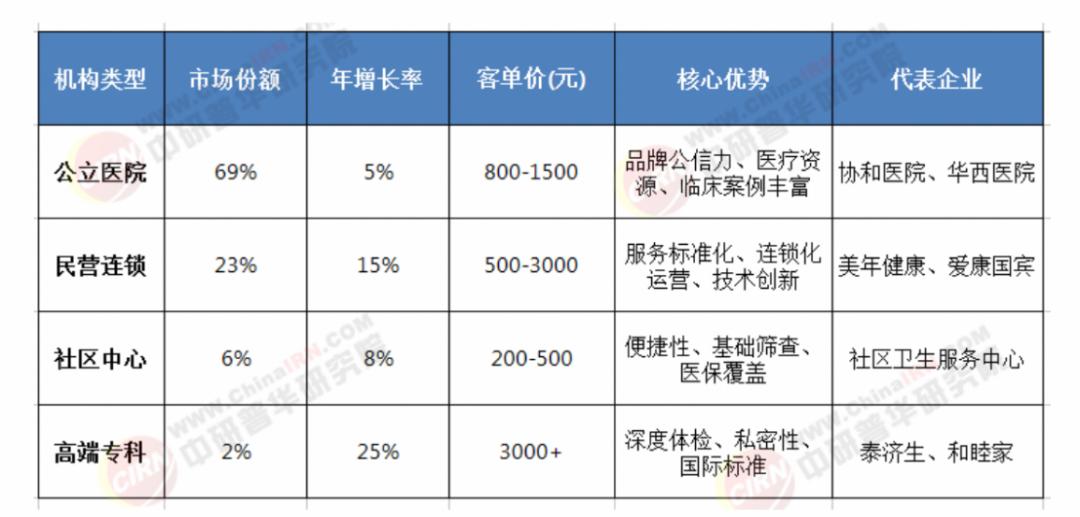
Core Viewpoint - The incident involving lawyer Zhang Xiaoling and Aikang Guobin highlights potential flaws in the business model of private health examination institutions, raising concerns about service quality and report accuracy in the rapidly expanding health examination market in China [1][15]. Market Overview - The health examination market in China reached a scale of 292.2 billion yuan in 2024, expected to exceed 371.1 billion yuan in 2025, and potentially reach 500 billion yuan by 2030, with a compound annual growth rate (CAGR) of 12.5% to 14% [1]. - Public hospitals hold a 69% market share, while private chains like Meinian Health and Aikang occupy 23% [1][2]. Private Examination Institutions - The private examination market is fragmented, with the top three companies holding approximately 30% market share, indicating intense competition and price wars among smaller institutions [3]. - Meinian Health reported a revenue of approximately 10.7 billion yuan in 2024, while Aikang's estimated revenue is around 3 billion yuan based on its operational scale [2]. Business Model Challenges - The rapid expansion of private examination institutions has led to a "scale economy" dilemma, where increased scale does not necessarily translate to improved profitability [4][14]. - Meinian's revenue declined by 1.76% in 2024, marking its first annual revenue drop since its listing, with net profit compressed to levels similar to a decade ago [5][12]. Cost Structure and Profitability - The cost structure of private examination institutions shows a significant portion allocated to fixed costs, with Meinian's annual rent and related expenses reaching approximately 799 million yuan in 2024 [8]. - The direct costs associated with examination services have decreased as a percentage of operating costs, raising concerns about the sustainability of service quality [15][16]. Future Directions - The industry may need to shift focus from mere expansion metrics like store count and client volume to enhancing service quality and client retention [17]. - Collaborations with public hospitals for mutual recognition of examination reports and integrated services may provide a pathway for private institutions to navigate current challenges [17].

汽车圈的草台班子们
Hu Xiu· 2025-07-30 09:51
Core Viewpoint - The automotive industry is characterized by a significant presence of unqualified personnel, leading to inefficiencies and a lack of accountability within companies [3][4][5][6]. Group 1: Industry Structure and Management - The automotive industry employs a large number of individuals, often resulting in a hierarchical management structure that can obscure accountability [4][5]. - The concept of "scale inefficiency" is prevalent, where the size of the company exceeds the management's ability to effectively oversee operations, leading to potential negative outcomes [5][6]. - In a highly specialized environment, individuals often lack the authority to challenge their superiors, resulting in a culture where accountability is diluted [6][7]. Group 2: Media Influence and Professionalism - Automotive media often lacks professionalism, primarily serving the interests of manufacturers through paid content, which undermines independent journalism [8][9]. - The collaboration between automotive companies and media creates a feedback loop that promotes superficial praise rather than critical analysis, contributing to a culture of mediocrity [8][9][10]. - The historical context of media manipulation in the automotive industry reflects a long-standing issue where public perception is shaped by biased reporting rather than factual analysis [9][10].
别逼自己扮“大厂”了,真的会出事
3 6 Ke· 2025-07-21 23:26
Core Insights - The current competitive landscape among major internet companies is intense, with significant financial implications and stock price declines due to aggressive market strategies [2][3][4] - There is a growing recognition that mid-sized companies, or "mid-tier firms," are thriving by focusing on core competencies, maintaining stable cash flows, and avoiding the pitfalls of large-scale operations [1][11][18] Group 1: Major Companies' Challenges - Major companies are engaged in fierce competition, particularly in the food delivery sector, leading to substantial financial losses and stock price drops [2][4] - A notable employee resignation letter from Alibaba highlights internal issues such as strategic inconsistency and management inefficiencies, reflecting broader challenges faced by large firms [3][4] - The concept of "diseases of large companies" is discussed, emphasizing the difficulties in coordination and innovation that arise as companies grow [5][6][10] Group 2: Mid-Tier Companies' Strategies - Mid-tier companies are successfully navigating the market by concentrating on their main business areas and avoiding the distractions of chasing every trend [11][12] - For instance, Ctrip has demonstrated resilience and profitability by focusing on its core OTA business, achieving a 16% growth in Q1 2025 and maintaining a net profit margin of 31% [11][13] - Mid-tier firms are also prioritizing decision-making efficiency by simplifying organizational structures, as seen in Ctrip's shift to a matrix management model [14] Group 3: Innovation and Adaptation - Mid-tier companies are leveraging AI and other technologies to enhance existing business models rather than pursuing overly ambitious technological goals [15][16] - The approach of mid-tier firms is characterized by a focus on practical profitability and manageable growth, contrasting with the often chaotic expansion strategies of larger firms [18] - The article suggests that the future may require a balance between growth and sustainability, with mid-tier firms providing a viable alternative to the traditional "grow big" mentality [18]




别逼自己扮“大厂”了,真的会出事
混沌学园· 2025-07-21 09:48
Core Viewpoint - The article discusses the contrasting fortunes of large internet companies and smaller, more agile firms, suggesting that the latter are thriving by focusing on core competencies and maintaining strong cash flow, while large companies are struggling with internal issues and fierce competition in the market [1][5][36] Group 1: Large Companies' Challenges - The competition among major internet companies has intensified, leading to aggressive price wars and significant financial losses, with a projected total investment of 25 billion yuan in the food delivery sector by major players in Q2 alone [3][4] - Internal issues within large companies are highlighted, including employee dissatisfaction and strategic misalignment, as evidenced by a viral resignation letter from an Alibaba employee criticizing the company's management and innovation challenges [4][6] - The concept of "diseases of large companies" is introduced, indicating that as companies grow, they face coordination problems and inefficiencies that hinder their ability to innovate and adapt [8][9][10] Group 2: The Rise of Mid-Sized Companies - Mid-sized companies, defined as those between startups and large enterprises, are finding success by focusing on their core business areas rather than trying to compete directly with larger firms [20][21] - Examples of successful mid-sized companies like Ctrip demonstrate that maintaining a strong focus on core competencies and efficient cash flow management can lead to sustainable growth, with Ctrip reporting a 16% growth in Q1 2025 and a net profit of 4.3 billion yuan [21][26] - Mid-sized companies are adopting strategies that prioritize business model innovation over technological advancements, allowing them to leverage AI effectively while ensuring profitability [27][28] Group 3: Lessons for Companies - The article emphasizes that mid-sized companies are not merely smaller versions of large firms but are instead following a more pragmatic approach to business, focusing on profitability and manageable organizational structures [31][36] - Companies are advised to avoid blindly mimicking large firms' strategies and instead focus on their unique value propositions and customer needs, promoting a long-term, sustainable growth mindset [34][35] - The need for regular self-assessment is highlighted, encouraging companies to evaluate their management practices and avoid the pitfalls associated with large company dynamics [36]

大兼并时代:中国汽车产业内卷终局推演
芯世相· 2025-06-17 04:12
Core Viewpoint - The article discusses the impending wave of mergers and acquisitions in the Chinese automotive industry, driven by the challenges of "scale diseconomies" and the need for asset restructuring to improve efficiency and profitability [6][24][42]. Group 1: Current Industry Challenges - The automotive industry is facing deep-rooted issues that cannot be resolved merely by shortening payment terms, as this does not address the underlying competitive pressures [5]. - The concept of "scale diseconomies" is prevalent among Chinese car manufacturers, where despite high sales volumes, the efficiency of asset utilization has declined, leading to asset depreciation [14][22]. - The overall gross margin for A-share listed manufacturers reached 15.6% in 2024, the highest in nearly a decade, yet asset turnover ratios have not improved correspondingly, indicating inefficiencies [15][17]. Group 2: Mergers and Acquisitions as a Solution - The article posits that the automotive industry is on the brink of a significant merger wave, as companies seek to address the inefficiencies in their asset structures [24][42]. - Historical examples from Europe and Japan illustrate how mergers and acquisitions have been effective in restructuring and optimizing asset utilization in the automotive sector [31][32]. - The current economic depreciation rate for the automotive industry is estimated at 0.335, indicating that the conditions are ripe for a merger wave, as companies with lower depreciation rates can offer higher valuations [41][42].

大兼并时代:中国汽车产业内卷终局推演
虎嗅APP· 2025-06-13 09:57
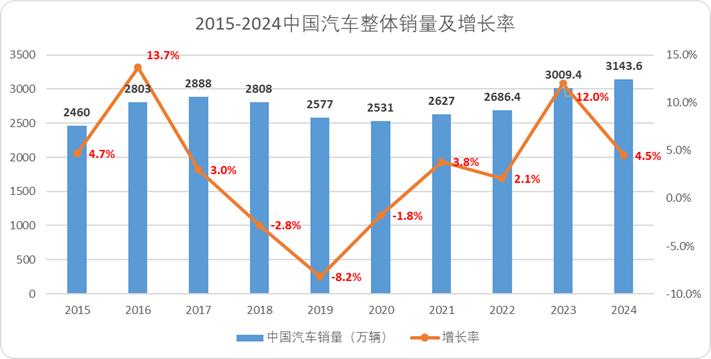
Core Viewpoint - The article discusses the impending wave of mergers and acquisitions in the Chinese automotive industry as a necessary response to the current "scale inefficiency" faced by companies, driven by intense competition and market dynamics [3][18]. Group 1: Current Industry Challenges - The Chinese automotive industry is experiencing a "scale inefficiency" where despite record sales exceeding 30 million units and a growth rate nearing a decade high, the asset turnover ratios have not improved, indicating underlying financial issues [7][10]. - The average gross margin for A-share listed manufacturers reached 15.6% in 2024, the highest in nearly a decade, yet the overall asset turnover rate has declined, suggesting that profits are not translating into efficient asset utilization [8][10]. - The phenomenon of "scale inefficiency" is attributed to excessive capital expenditure without corresponding demand, leading to asset depreciation and underutilization [15][17]. Group 2: Future Outlook and Mergers - The article posits that the automotive industry's current "scale inefficiency" will likely lead to a restructuring of asset scales, with companies needing to either align their profit and asset statements or face further economic challenges [19][20]. - Historical examples from Europe and Japan illustrate how mergers and acquisitions can effectively address redundancy and improve asset value, suggesting that the Chinese automotive industry is on the brink of a similar transformation [22]. - The economic depreciation rate for the automotive industry is projected to be 0.335 in 2024, indicating that the conditions for a merger wave are present, as companies with lower depreciation rates can offer higher premiums in acquisitions [25][26].

大兼并时代:中国汽车产业内卷终局推演
3 6 Ke· 2025-06-13 02:53
Group 1 - The core viewpoint of the article is that the Chinese automotive industry is on the brink of a major consolidation wave, driven by the need to address the inefficiencies and "scale diseconomies" present in the current market environment [1][10][21] - The proposal of a "60-day account period" is seen as a superficial solution that does not address the deeper issues of internal competition and pricing structures within the industry [1][4] - Wang Xia, the president of the chamber of commerce, emphasizes that mergers and acquisitions are a necessary response to the current state of "involution" in the industry, aligning with the analysis that a significant wave of consolidation is inevitable [1][10] Group 2 - The concept of "scale diseconomies" is highlighted, where despite increased sales and profits, the asset turnover ratios of major automotive manufacturers have declined, indicating inefficiencies in capital utilization [4][7][9] - The overall gross profit margin for A-share listed manufacturers reached 15.6% in 2024, the highest in nearly a decade, yet the complaints from industry leaders about profitability seem exaggerated given the sales growth [5][9] - The automotive industry is experiencing a structural transformation, with the economic depreciation rate for the industry reaching 0.335 in 2024, indicating a need for asset restructuring and consolidation [21][20] Group 3 - Historical examples from Europe and Japan illustrate how successful mergers and acquisitions have helped automotive companies optimize their asset utilization and navigate market challenges [16][17] - The article suggests that the current economic conditions and the high economic depreciation rates create a favorable environment for mergers and acquisitions in the automotive sector, similar to past trends in other industries like cement [20][21] - The automotive industry is at a critical juncture where leveraging the current market conditions for consolidation could help alleviate unnecessary competition and improve overall asset value [21][10]
上一批“餐饮王者”,正在被时代抛弃
虎嗅APP· 2025-05-17 14:05
Core Viewpoint - The previous generation of restaurant "kings" in China is facing significant challenges, with many well-known chains experiencing closures and downsizing due to changing market conditions and consumer behavior [1][2]. Group 1: Industry Changes - The rapid growth of the restaurant industry over the past decade is coming to an end, as the economic and demographic advantages that previously supported this growth are diminishing [4][5]. - Consumer behavior is shifting towards more rational spending, leading to a decline in average spending per person in the restaurant sector, which is projected to drop to 39.8 yuan in 2024, a decrease of 6.6% year-on-year [7]. - The mainstream price range for dining has shifted significantly, with the average price for main courses dropping from 90-120 yuan a decade ago to 50-60 yuan today [8][9]. Group 2: Pricing and Competition - The decline in consumer spending has directly impacted the pricing strategies of established restaurant chains, forcing them to reconsider their pricing models [9][10]. - Many chains are engaging in aggressive price wars, but simply lowering prices can lead to a detrimental cycle of reduced profits and quality, especially for larger chains with high fixed costs [11][12]. - The proliferation of shopping centers has diluted customer traffic, increasing competition and operational costs for restaurant brands [12][13]. Group 3: Operational Challenges - Established chains are often burdened by outdated operational models and high overhead costs, which have become unsustainable in the current market environment [14][16]. - There is a pressing need for these chains to optimize their cost structures, as many still operate with a cost model that allocates 30% to food, 30% to labor, and 20% to rent, which is less efficient compared to international standards [17]. - Improving operational efficiency through lean management practices and optimizing resource allocation is crucial for survival [21]. Group 4: Future Strategies - The path forward for established restaurant chains lies in restructuring their business models to enhance resource allocation efficiency and reduce costs [16][17]. - Expanding product lines and diversifying revenue streams through delivery and retail options can provide additional income sources [21].

25户有效户VS400万净资产VS创收6000元:一线券商经纪人的“生死”考核
Mei Ri Jing Ji Xin Wen· 2025-05-13 11:03
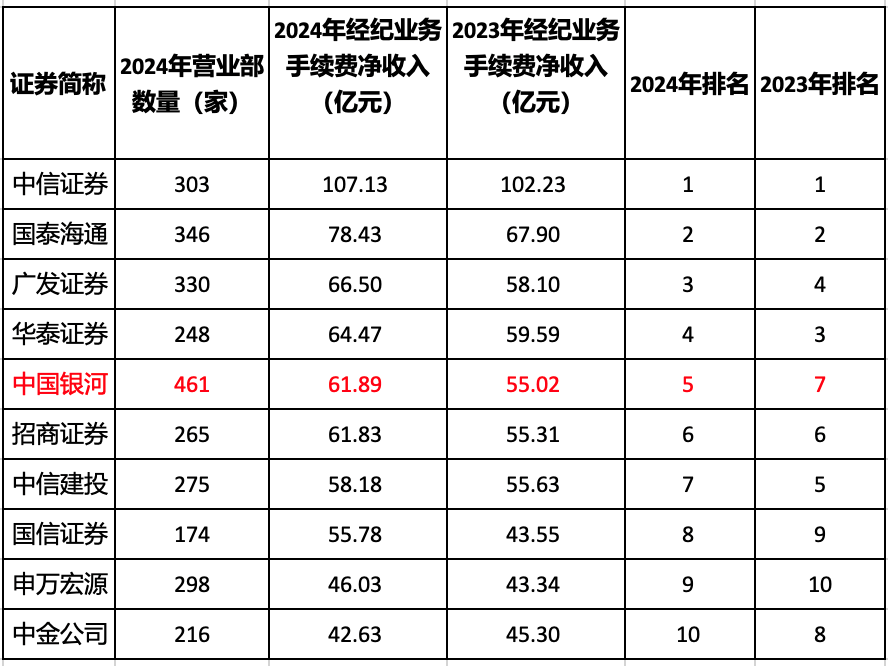
Core Viewpoint - The increasing focus on wealth management by securities firms has intensified competition, leading to heightened performance pressure on brokers, particularly in client acquisition and revenue generation [1][2]. Group 1: Assessment Criteria for Client Managers - The assessment criteria for new client managers at Galaxy Securities during their probation period include acquiring 25 valid clients, achieving a net asset of 4 million RMB, and generating 6,000 RMB in revenue within the first five months [1][3]. - After the probation period, the assessment shifts to annual targets, requiring client managers to meet specific performance metrics based on their tenure [2]. Group 2: Comparison with Industry Standards - Galaxy Securities' criteria emphasize asset scale over revenue generation compared to other firms, with a higher net asset requirement of 4 million RMB in the first five months [3][4]. - Other firms have varying standards, with some requiring a cumulative net asset of 3 million RMB over six months, indicating a competitive landscape with differing benchmarks [4][5]. Group 3: Business Performance and Challenges - Despite having the largest number of branches and a significant annual client growth rate, Galaxy Securities has seen a decline in brokerage revenue, dropping from 8.33 billion RMB in 2021 to 5.50 billion RMB in 2023 [7][8]. - The brokerage revenue for the first half of 2024 was 2.51 billion RMB, maintaining a seventh-place ranking among peers, highlighting a disconnect between client growth and revenue performance [8]. Group 4: Industry Trends and Future Outlook - The wealth management sector is facing challenges such as low commission rates and regulatory pressures, which may lead to a focus on short-term performance at the expense of long-term client relationships [10][11]. - The industry is at a critical juncture, where firms must balance performance metrics with client service quality to avoid potential risks associated with high employee turnover and client dissatisfaction [12].