高科技产业

Search documents
南华金融(00619)附属拟成立合营公司 进军海外先进技术型安防及防暴设备市场
智通财经网· 2025-11-06 12:22
Core Viewpoint - The company has entered into a memorandum of understanding to establish a joint venture in Hong Kong focused on advanced security and anti-riot products, leveraging the growing global demand for such technologies [1][2]. Group 1: Joint Venture Details - The joint venture will be primarily owned by the company's subsidiary, Lihui Investment Limited, and will collaborate with Mr. Zhu Mapao, a major shareholder and director of Beijing Zhong'an Hangxin Technology Co., Ltd [1]. - The joint venture aims to promote and sell security and anti-riot products globally, provide technical support and solutions to overseas clients, and enhance product functionality and quality to meet international market demands [1]. Group 2: Market Potential and Strategic Alignment - The products have diverse applications, including perimeter security, unmanned operations, summit security, and emergency management, indicating a broad market potential as global demand for security and smart management continues to grow [2]. - The establishment of the joint venture aligns with national development strategies, including the promotion of high-tech industries and international cooperation, and aims to leverage Hong Kong's position as a global financial and trade center for the expansion of high-tech products [2]. - The company is also exploring other high-tech projects and emerging industry opportunities, marking a strategic extension into the high-tech and security sectors [2].
皖台共拓产业路:从传统制造向新兴赛道跨越的合作共赢
Xin Hua Wang· 2025-10-31 03:24
Core Insights - The collaboration between Taiwan and Anhui is transitioning from traditional manufacturing to emerging industries, highlighting a win-win partnership in economic development [1][2]. Group 1: Industry Development - Anhui province is evolving from a traditional agricultural base to a technology powerhouse, with significant growth in emerging industries such as new energy vehicles, integrated circuits, and artificial intelligence [1][2]. - By September 2025, Anhui is expected to have approved over 2,500 Taiwan-funded projects, attracting more than $20 billion in direct investments across various sectors [2]. Group 2: Business Expansion - Taiwanese businesses are shifting their focus from traditional sectors like textiles to high-tech industries, with a strong alignment between Taiwan's advantageous industries and Anhui's emerging sectors [2]. - Companies like 联宝 (Lianbao) have expanded their operations in Anhui, moving from producing laptop components to a broader range of products including automotive parts and precision bearings, with annual output exceeding 300 million RMB [2]. Group 3: Entrepreneurial Opportunities - Young Taiwanese entrepreneurs are increasingly establishing businesses in Anhui, drawn by the region's supportive environment and logistical advantages, as exemplified by a semiconductor company founded by three Taiwanese sisters [3][4]. - The local government provides comprehensive support for new businesses, enhancing the confidence of entrepreneurs in the region [3].
莫迪否认放弃俄油进口,还通告全球,绝不将中国稀土卖给美国
Sou Hu Cai Jing· 2025-10-21 07:16
Core Insights - India's strategic decision to continue importing oil from Russia and halt rare earth exports to the US has garnered global attention, challenging previous commitments made by US President Trump [1][11]. Group 1: Oil Imports from Russia - India has significantly increased its crude oil imports from Russia, defying earlier statements from the US and highlighting its need for energy diversification amid geopolitical tensions in the Middle East [5][6]. - The Indian government is enhancing cooperation with Russia by investing in infrastructure projects, such as modernizing the Murmansk port and expanding the Visakhapatnam port's oil handling capacity, which is expected to increase from 30 million tons to 50 million tons by 2025 [8]. - Plans are underway for joint ventures in natural gas processing, including converting pipeline gas into LNG to meet domestic energy needs [10]. Group 2: Rare Earth Export Policy - India has approximately 36 million tons of identified rare earth reserves, accounting for 6% of the global total, and has shifted its export policy to impose stricter controls on rare earth exports to the US [13][14]. - The new policy includes a suspension of primary rare earth exports to the US and a special licensing system for processed rare earth products, limited to countries with which India has signed technology cooperation agreements [13][14]. - This strategic move aims to enhance India's position in the global value chain and support domestic high-tech industries, with plans to invest $5 billion in five national rare earth processing parks by 2030 [19]. Group 3: International Reactions and Global Impact - The US has expressed strong concerns over India's rare earth export restrictions, indicating potential impacts on its renewable energy and semiconductor supply chains, and has placed India on a "critical rare earth supply chain watch list" [23]. - Russia has welcomed India's increased oil imports, viewing it as a strengthening of bilateral strategic ties, while European nations have expressed worries about the stability of global supply chains [25]. - Southeast Asian countries like Vietnam and Indonesia have shown understanding and support for India's energy cooperation, seeing it as a means to alleviate global market tensions [25]. Group 4: Strategic Considerations - India's export restrictions on rare earths are not merely a response to US demands but are driven by long-term strategic considerations, particularly in light of the growing importance of rare earths in high-tech manufacturing and electric vehicles [17]. - The Indian government aims to leverage these strategic moves to bolster its economic development and energy security while navigating complex international relations [27].


澳总理向美推销关键矿产,外媒:澳本土加工能力相对薄弱,需借中国大型精炼厂加工
Huan Qiu Shi Bao· 2025-10-20 22:50
Core Points - Australian Prime Minister Albanese is visiting the White House to seek greater U.S. support for Australia's critical minerals amid China's tightening export controls [1] - Discussions will include nuclear submarines and trade, with a focus on promoting Australia's capabilities in supplying critical minerals for U.S. high-tech manufacturing [1] - Albanese is expected to announce an agreement to strengthen Australia's supply of critical minerals to the U.S. during his two-day visit [1] Group 1 - Australian Treasury Minister Jim Chalmers has been preparing for Albanese's visit, emphasizing Australia's potential as a reliable supplier of critical minerals [2] - Chalmers expressed the desire to maintain stable economic relations with China while increasing cooperation with the U.S. [2] - Australian Ambassador to the U.S. Kevin Rudd highlighted Australia's ability to address the critical mineral supply threats faced by Western economies [2] Group 2 - Rudd noted that Australia could meet 30 to 40 of the 50 designated critical minerals and rare earths needs of the U.S. through investment, particularly in rare earth processing [2] - Despite Australia's strong mining capabilities, there is a relative weakness in domestic processing capacity, with over 90% of Australian lithium being sent to China for processing [2]
柏诚股份筹划购买上海灿实55%股份 股票停牌
Zheng Quan Shi Bao Wang· 2025-09-29 12:01
Core Viewpoint - 柏诚股份 is planning to acquire 55% of Shanghai Canxi Engineering Equipment Co., Ltd. through a combination of share issuance and cash payment, with the stock suspension expected to last no more than five trading days [1] Group 1: Company Overview - 柏诚股份, founded in 1994, specializes in providing integrated cleanroom system solutions for high-tech industries, covering sectors such as semiconductors, new displays, life sciences, and renewable energy [2] - Shanghai Canxi, established in 2012, focuses on manufacturing specialized equipment for the high-end biopharmaceutical industry, offering solutions for monoclonal antibodies, blood products, vaccines, and more [2] Group 2: Financial and Operational Updates - 柏诚股份 has received a bid notification confirming it as the winning bidder for a cleanroom-related project, with a contract value of 325 million yuan (including tax) [2] - The company remains optimistic about the long-term growth potential of the high-tech industry and is actively expanding into data centers and modular business areas while maintaining its operational targets for 2025 [3]
胜宏科技大涨,陈小群接回来了吗
Guo Ji Jin Rong Bao· 2025-09-10 11:25
Group 1 - The core viewpoint of the articles highlights the recent rebound in technology stocks, particularly focusing on the performance of companies like Xinyiseng and Shenghong Technology, which have shown significant price movements after adjustments [1][3][4]. - On September 10, after several days of adjustment, technology stocks including Xinyiseng, Zhongji Xuchuang, and Tianfu Communication experienced a strong opening and rapid price increases, indicating a potential recovery in the tech sector [3][4]. - The trading activity of top investors, such as Chen Xiaoqun, who invested heavily in Shenghong Technology, illustrates the volatility and risks associated with high-stakes trading in the current market environment [4][6]. Group 2 - The Shanghai Composite Index appears to be stabilizing around the 3800-point mark, with recent trading sessions showing minor fluctuations, suggesting a potential consolidation phase [5]. - Key market data from September 10 indicates a mixed performance, with 2,442 stocks rising and 2,769 falling, alongside a significant decrease in trading volume, reflecting cautious sentiment among investors [5]. - Despite the rebound in tech stocks, there remains uncertainty regarding the sustainability of this trend, particularly for previously hyped stocks, which may face significant risks if prices have been driven too high [6].


森松国际绩后涨超14% 医药带动新签订单超预期 高科技产业布局不断完善
Zhi Tong Cai Jing· 2025-08-29 01:57
Core Viewpoint - SenSong International (02155) experienced a significant stock price increase of over 14% following the release of its interim results, indicating market confidence despite a decline in revenue and profit [1] Financial Performance - The company reported revenue of 2.687 billion RMB, a year-on-year decrease of 22.71% [1] - Shareholder profit was 338 million RMB, down 10.15% year-on-year [1] - The performance was in line with market expectations, attributed to a 9-14 month order confirmation cycle and a 23% decline in new orders last year, along with a 10% decrease in backlog orders [1] Order and Market Dynamics - New orders in the pharmaceutical sector reached 4.372 billion RMB, showing a remarkable year-on-year growth of 642%, exceeding expectations [1] - The backlog of orders stood at 10.566 billion RMB, reflecting a year-on-year increase of 20.4%, marking a historical high [1] Industry Trends - The company is advancing in high-tech industries such as AI, semiconductors, and pharmaceuticals [1] - In the pharmaceutical sector, there is a rapid increase in global capacity demand from MNCs and CXOs [1] - The AI sector is expected to see a new growth cycle in modular data centers [1] - The demand for high-end products in the wet electronic chemicals sector is driven by advancements in processes and growth in new energy requirements [1]
“淘金”中国AI科技产业 国际长期资本缘何热衷借道港股基石、定增投资
Jing Ji Guan Cha Wang· 2025-08-12 08:40
Group 1: Investment Trends in Chinese High-Tech Sector - International long-term capital is increasingly interested in investing in China's high-tech sector, with 59% of sovereign funds planning to increase their allocation to Chinese assets over the next five years [1][2] - Temasek, Singapore's sovereign wealth fund, has an investment exposure to Chinese assets of 18%, significantly higher than the 2%-3% allocation in the MSCI global index [1] - Hong Kong's IPO and secondary financing raised over 180 billion HKD in the first half of the year, a 62% year-on-year increase, indicating strong international participation in Chinese tech IPOs [1] Group 2: AI Sector Investment Insights - International long-term capital views leading Chinese AI companies as having strong technological depth and global reach, creating significant investment opportunities [2][5] - The average price-to-sales (P/S) ratio for leading Chinese AI companies is approximately 15, compared to 42 for top US AI firms, indicating that Chinese AI stocks are perceived as undervalued [6] - The rapid improvement in AI capabilities in China, particularly in large-scale multi-task language understanding, is attracting renewed interest from global investors [4] Group 3: Investment Strategies and Preferences - Many international long-term investors prefer participating in Hong Kong's IPOs and private placements rather than venture capital or private equity investments due to smoother exit strategies and better risk management [2][3] - The regulatory environment in Hong Kong, which aligns with international standards while understanding local market rules, makes it an attractive hub for international capital [7] - Investment firms are focusing on the stock selection capabilities of asset managers, as long-term returns are primarily driven by stock selection rather than market timing [8]
钼价高位震荡 金钼股份上半年净利同比预增超100%
Xin Hua Wang· 2025-08-12 05:54
Core Viewpoint - In the context of high volatility in molybdenum prices during the first half of the year, Jinchuan Molybdenum Co., Ltd. reported a significant increase in its performance, with a projected net profit for the first half of 2023 expected to be between 1.33 billion and 1.53 billion yuan, representing a year-on-year increase of approximately 100.01% to 130.09% [1] Group 1: Company Performance - Jinchuan Molybdenum attributes its substantial profit growth to high international molybdenum market prices and effective production organization, product structure optimization, and efficiency improvements [1] - The average price of molybdenum products increased by over 50% year-on-year in the first half of the year, primarily driven by rising demand in the steel sector [2] Group 2: Industry Dynamics - Molybdenum is primarily used as an alloying additive in the steel industry, with about 80% of its application in this sector, making steel demand a key factor influencing molybdenum prices [2] - The steady demand from downstream industries and tight supply conditions have supported strong molybdenum prices, with government investments in steel production further boosting demand [2] - The expansion of molybdenum production capacity is constrained by environmental regulations and carbon neutrality goals, which also supports price stability [2] Group 3: Future Outlook - Jinchuan Molybdenum, as a leading domestic company, is expected to benefit from the growing demand for high-end molybdenum products in high-tech industries, including metal ceramics and nanomaterials [2] - The company possesses rich resource reserves and operates two large open-pit molybdenum mines, with advanced production technology, positioning it well for future growth [3] - Continuous investment in research and development is anticipated to create new competitive advantages for the company [3]


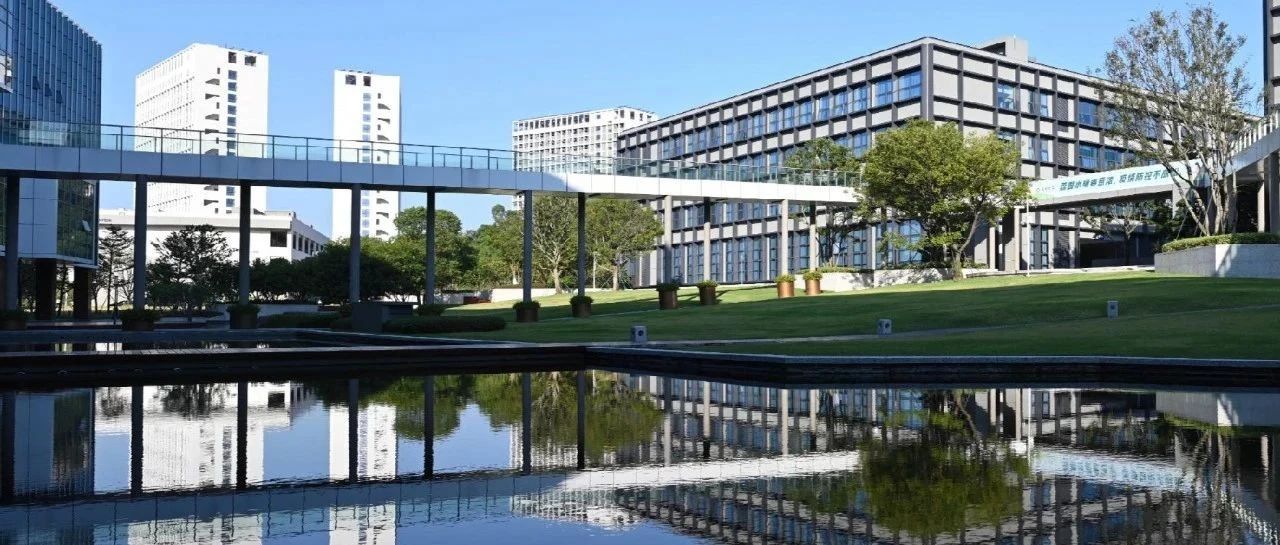
去深圳上大学
经济观察报· 2025-07-11 12:17
Core Viewpoint - Shenzhen has rapidly developed its higher education system over the past decade, transforming from a "university desert" to a city with a growing number of high-quality universities, driven by its economic growth and demand for skilled talent [2][4][22]. Summary by Sections Historical Development - Shenzhen's first university, Shenzhen University, was established in 1983, but the city lagged behind other major cities in higher education resources [5][4]. - Since 2014, Shenzhen has built eight new universities, bringing the total to 17 by 2024, with plans for further expansion [5][20]. Phases of University Development - The development of universities in Shenzhen can be divided into three phases: the initial establishment of Shenzhen University in the 1980s, the cooperative education model in the 2000s, and the recent surge in new universities since 2010 [8][14][20]. - The establishment of Southern University of Science and Technology (SUSTech) in 2010 marked a significant shift towards creating high-level research universities [17][19]. Financial Support and Investment - Shenzhen's education expenditure has seen substantial growth, with 2023 spending exceeding 100 billion yuan, and projections for 2025 to reach 102.06 billion yuan [26][28]. - The city's higher education spending has increased from 1.14 billion yuan in 2012 to an expected 17.81 billion yuan in 2025, reflecting a compound annual growth rate of 21.69% [28][30]. Talent Retention and Economic Alignment - Shenzhen has one of the highest university graduate retention rates in China, with 73.2% of graduates remaining in the city in 2024 [35]. - The universities in Shenzhen focus on aligning their programs with local industry needs, particularly in STEM fields, to ensure that graduates meet the demands of the local economy [36][46]. Future Prospects - The city plans to continue expanding its higher education system, with expectations to establish at least 10 more universities during the 14th and 15th Five-Year Plans, potentially reaching over 30 institutions [44][45]. - Future developments will likely focus on emerging industries such as artificial intelligence, robotics, and renewable energy, ensuring that academic programs support these sectors [46][47].