鲶鱼效应

Search documents
特斯拉推"中国特供"Model Y L,大六座SUV市场将变天?
Jing Ji Guan Cha Wang· 2025-07-25 10:53
Core Insights - Tesla reported disappointing Q2 2025 financial results, with revenue of $22.5 billion, a 12% year-over-year decline, and net profit of $1.17 billion, down 16% [2][5] - Elon Musk acknowledged the poor performance and anticipated more challenges in the upcoming quarters [2] - Tesla's reliance on a few successful models, particularly the Model 3 and Model Y, is being tested due to ongoing performance issues [2][4] Financial Performance - Q2 2025 vehicle deliveries were 384,100 units, a 13.5% year-over-year decrease, marking two consecutive quarters of declining delivery volumes [4] - In the first half of 2025, Tesla delivered 720,800 vehicles, down 13.3% year-over-year [4] - The company's net profit has been declining since 2024, with a 53% drop in 2024 and a 71% drop in Q1 2025 [5] - Gross margin fell from 25.6% in 2023 to 12.5% in Q1 2025 [5] Market Strategy - Tesla is launching the Model Y L, a six-seat luxury SUV specifically designed for the Chinese market, to address declining sales [2][3] - The Model Y L features significant size increases compared to the standard Model Y, with a length increase of 179mm, height increase of 44mm, and a wheelbase increase of 150mm [2] - The expected price for the Model Y L is around 400,000 yuan [2] Competitive Landscape - The large six-seat SUV market is rapidly growing, with a compound annual growth rate exceeding 40% from 2021 to 2024 [7] - In the first half of 2025, leading competitors in the large SUV segment include Li Auto's L6 and L7, with nearly 100,000 and 50,000 units sold, respectively [9] - Analysts suggest that Tesla's entry into this segment could disrupt the existing market dynamics, prompting competitors to enhance their offerings [9][10] Challenges Ahead - Tesla's existing models, particularly the Model 3 and Model Y, are perceived as outdated, leading to declining demand [6] - The company faces significant competition from local brands that have established a strong presence in the large SUV market [8][10] - The success of the Model Y L will depend on its ability to meet the specific needs of family users, including space, comfort, and technological features [8][10]



巨额增资助力 澳门航空能否借势腾飞
Nan Fang Du Shi Bao· 2025-07-18 04:20
Group 1: Capital Increase and Shareholding Structure - Macau Airlines has increased its capital to approximately 2.379 billion MOP, fully subscribed and paid up, marking the second capital injection in five years [1] - The largest shareholder, Air China, holds about 74.94% of the shares, while the Macau SAR government holds approximately 24.08% [1] Group 2: Fleet Update and Operational Challenges - Macau Airlines plans to introduce its fifth Airbus A321neo aircraft, named "Mirror Sea," marking the first new aircraft introduction since July 2021 [2] - The airline has faced operational challenges due to a rare manufacturing defect in engines supplied by Pratt & Whitney, affecting several newly introduced aircraft [2] - As of December 31, 2024, Macau Airlines operates 23 aircraft with an average age of 8.54 years [2] Group 3: Annual Performance and Growth Metrics - For the fiscal year ending December 31, 2024, Macau Airlines reported operational revenue of 3.531 billion MOP, with a net loss of 677 million MOP, marking a significant increase in losses over five consecutive years [3] - Despite the losses, the airline achieved a 49% increase in flight hours and a 56% increase in passenger numbers, carrying 3.21 million passengers [3] - The airline has expanded its route network by adding two new routes to Kuala Lumpur and Taichung [3] Group 4: Regulatory Changes and Market Opening - The recent passage of the Civil Aviation Activities Law indicates the end of Macau Airlines' exclusive operating rights, allowing for more market participants [4] - The new law will take effect on February 1, 2026, transitioning from a monopoly to a licensing system for air transport services [4] - The government plans to gradually increase passenger service licenses while ensuring aviation safety and market stability [4] Group 5: Future Opportunities and Challenges - The opening of the market is expected to stimulate competition, potentially improving service quality and operational efficiency for local airlines [6] - There is a market gap for intercontinental direct flights, which could be filled by new entrants [6] - The expansion of Macau International Airport and the new licensing policy may foster growth in related industries such as air logistics and aircraft leasing [6][7]
富阳创新搭建“跨村任职”实战平台锻造基层头雁队伍
Hang Zhou Ri Bao· 2025-07-08 03:00
Group 1 - The core idea of the news is the innovative "cross-village appointment" model implemented in Fuyang District, which aims to enhance grassroots governance and rural revitalization by sharing resources and experiences among village cadres [1][2] - The establishment of a four-dimensional discussion system involving village committee members, retired cadres, party representatives, and villagers has effectively addressed housing difficulties faced by residents [1] - The "cross-village appointment" initiative allows experienced village leaders to mentor less experienced ones, fostering a collaborative environment that promotes the sharing of successful practices and strategies [1][2] Group 2 - A total of 22 advanced villages have been identified as training villages based on their strong organizational capabilities, economic performance, and effective governance, with their party secretaries serving as mentors for other village cadres [2] - The program has led to increased innovation and motivation among participating cadres, as they learn from each other's experiences and apply new insights to their own villages [2] - The Fuyang District Committee plans to prioritize outstanding trainees for further development opportunities, reinforcing a culture of continuous learning and encouraging proactive engagement in community service [2]
送你一朵小红花——粤黔师生之间的双向奔赴
Nan Fang Nong Cun Bao· 2025-07-03 12:01
Core Viewpoint - The article highlights the transformative impact of a dedicated teacher, Wang Ye, in bridging educational gaps between regions through innovative teaching methods and emotional connections with students [1][72]. Group 1: Teacher's Impact - Wang Ye has significantly influenced students' English learning through creative initiatives, such as integrating music and award ceremonies into her teaching [9][10][11]. - The introduction of a "small red flower" reward system has motivated students to improve their performance, with one student reporting an increase in English scores from 60 to 101 [26][29]. - Wang Ye's teaching methods have led to a notable increase in student engagement and performance, with many students expressing gratitude for her support [62][66]. Group 2: Collaborative Efforts - Wang Ye has fostered a collaborative environment among teachers, sharing resources and encouraging participation in teaching competitions [34][39]. - She has also embraced technology by incorporating AI tools into her teaching, enhancing lesson preparation and student learning outcomes [40][43][44]. - The establishment of a supportive community among educators has resulted in increased morale and a shared commitment to student success [37][39]. Group 3: Parental Involvement - Wang Ye has actively engaged parents through workshops, emphasizing the importance of emotional support in children's education [48][51]. - Parents have reported improved communication with their children and a better understanding of their needs following these sessions [49][50]. - The emotional narratives shared by Wang Ye have strengthened the bond between parents and teachers, fostering a more supportive educational environment [53][56]. Group 4: Student Achievements - The article concludes with the impressive academic results achieved by Wang Ye's students, with many exceeding expectations in their exams [61][62]. - The emotional connection between Wang Ye and her students is highlighted through their expressions of gratitude and the symbolic gifts they presented to her [66][68]. - The overarching theme emphasizes the reciprocal nature of education, where both teachers and students grow through their shared experiences [72][78].

中国技术中心增多背后的棋局
Zhong Guo Qi Che Bao Wang· 2025-06-26 01:24
Core Viewpoint - The establishment of R&D centers by multinational automotive companies in China reflects their commitment to the market and the strategic importance of China in the future mobility ecosystem [2][4][11] Group 1: Trends in R&D Center Establishment - Multinational automotive companies are increasingly setting up and expanding R&D centers in China, with significant investments such as the 69 million yuan for the new Mercedes-Benz Shanghai R&D center [3][6] - Companies like BMW and Volkswagen are enhancing their R&D capabilities in China, focusing on technology co-development and supply chain integration [3][6] - The trend indicates a long-term strategy rather than immediate short-term benefits, as companies aim to deepen their integration into the global R&D network [3][6] Group 2: Market Dynamics and Strategic Importance - Despite declining sales in recent years, companies recognize the potential of the Chinese market, which accounts for a significant portion of their global sales [6][8] - The shift towards electric and intelligent vehicles is driving multinational companies to establish robust R&D frameworks in China, leveraging local resources and expertise [6][7] - The competitive landscape is expected to intensify as multinational companies introduce more tailored products for Chinese consumers, thereby raising the bar for local brands [10][11] Group 3: Collaborative Opportunities and Industry Impact - The establishment of R&D centers allows multinational companies to benefit from China's advanced supply chain and talent pool, reducing development cycles by 25% and lowering trial costs by 40% [8] - Collaborations with local firms in battery, chip, and software sectors are anticipated to enhance the overall ecosystem of the Chinese automotive industry [10][11] - The influx of multinational R&D centers is expected to elevate the technical capabilities and talent reserves within China's automotive sector, fostering long-term growth [10][11]

广发英雄帖!券商频频“海选”高管,“带艺来投”是基本要求
Nan Fang Du Shi Bao· 2025-06-20 14:01
Core Viewpoint - The trend of market-based "sea selection" for hiring executives in the securities industry is gaining popularity, driven by increasing competition and the need for higher professional qualifications among management [2][7]. Group 1: Market Trends - Since June, companies like Chengtong Securities and Guosheng Securities have announced plans to hire executives through market-based selection [2][5]. - The practice of public selection for executives is becoming more common among various securities firms, including Dongguan Securities, Huazheng Securities, and Hengtai Securities [6][7]. Group 2: Hiring Requirements - Guosheng Securities requires candidates to have held senior positions in provincial-level securities firms or equivalent for at least two years [5]. - Chengtong Securities mandates a minimum of 10 years of relevant work experience in securities or fund institutions, with at least 5 years in a leadership role [5]. - Dongguan Securities requires candidates to have over 12 years of experience in related financial sectors and at least 3 years in senior management [5]. Group 3: Reasons for Popularity - The increasing complexity and competitiveness of the financial industry necessitate higher qualifications and capabilities for executives [7]. - Shareholders and stakeholders demand improved governance and performance, prompting firms to seek more qualified leaders [7]. - Market-based recruitment is seen as a more objective method for selecting talent, avoiding the limitations of internal promotions [7]. Group 4: Advantages of External Hiring - Hiring external executives can enhance operational capabilities and improve internal governance, creating a "silver lining effect" [8]. - External hires bring diverse experiences and advanced management practices, injecting new vitality into company governance and development [8][9]. - They can fill gaps in knowledge and skills within the existing management team, improving decision-making and execution capabilities [9]. Group 5: Considerations for External Executives - Cultural integration is crucial for external executives to avoid management conflicts and decision-making obstacles [10]. - Coordinating interests among stakeholders is essential to ensure decisions align with the company's overall interests [10]. - Effective communication and feedback mechanisms are necessary for successful decision execution and governance improvement [10]. Group 6: Impact of New Executives - Companies like Guosheng Securities and Chengtong Securities, which have faced past governance issues, are using external hires to rebuild trust and improve their market image [11]. - External executives can help demonstrate a commitment to resolving past issues and enhancing risk management practices [11].
在职场,不要浪费每一次的竞争机会
3 6 Ke· 2025-06-16 10:32
Group 1 - The article discusses the nature of competition in the workplace, emphasizing the difference between open and closed competition [3][4] - Open competition allows for multiple opportunities and encourages individuals to showcase their strengths, while closed competition is a zero-sum game where one party's gain is another's loss [4][6] - The author argues that a company aiming for long-term development should promote open competition to retain talent and avoid destructive outcomes [6][12] Group 2 - Good competition is described as a means to achieve better work outcomes rather than an end goal, fostering a cycle of positive interaction and improvement [8][10] - The concept of the "prisoner's dilemma" is introduced to illustrate that cooperation often yields better results than malicious competition [9][12] - The article outlines four principles for effective competition: focus on strengths, specialization, inclusivity, and long-term thinking [19][23][25] Group 3 - The article highlights that individuals who misunderstand competition may hinder their career growth and fail to demonstrate their true potential [14][29] - It emphasizes the importance of viewing competition as a continuous process that can lead to personal and professional development [12][27] - The conclusion stresses the need to overcome short-term desires and superficial ambitions in favor of sustainable growth and collaboration [27][30]

朵薇之后,卫生巾市场怎么样了?
21世纪经济报道· 2025-06-10 15:11
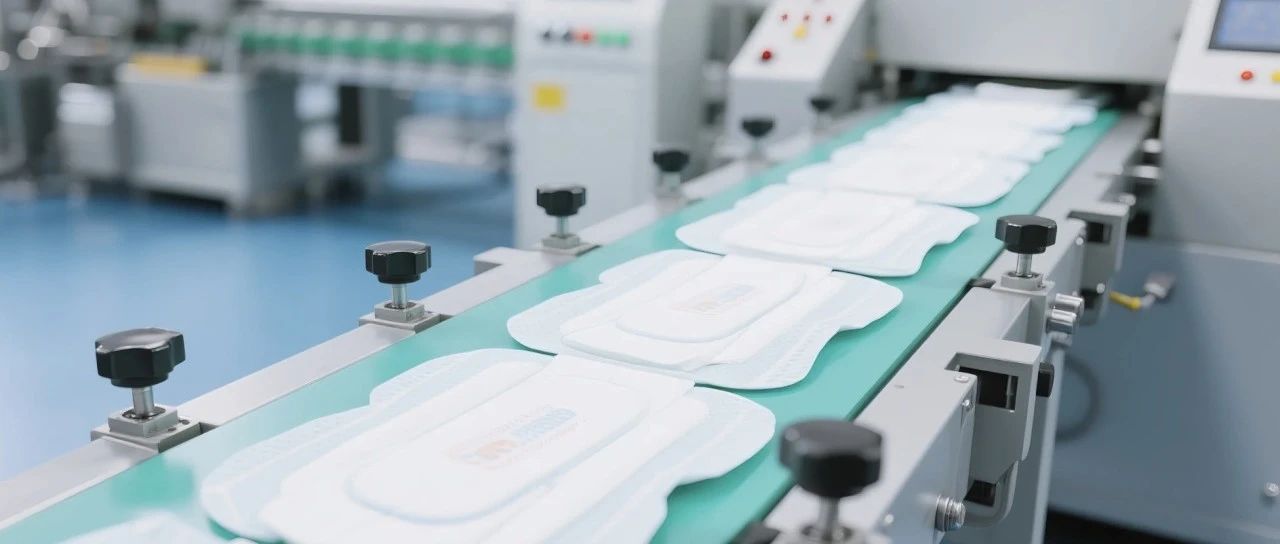
Core Insights - The emergence of Duowei sanitary napkins has disrupted the market, achieving a rapid rise to the top three in just 14 days, challenging established international brands [1][11] - The driving forces behind this success are rooted in extreme transparency and complete control over production, leading to a significant shift in the sanitary napkin market [1][11] Group 1: Duowei's "Hardcore" DNA - Duowei's rise is based on two core strategies: building transparent factories and maintaining 100% self-built production capacity, creating a unique competitive barrier [3] - The concept of a transparent factory serves as a foundation for trust, allowing consumers to monitor the production process and alleviating long-standing anxieties regarding product safety [3][4] - Self-built production enables better quality control and agile market response, with a reported 50% reduction in the average cycle from concept to mass production [4] Group 2: The Catfish Effect - Duowei's success has triggered a significant transformation in the sanitary napkin industry, reshaping trust mechanisms and driving an upgrade in the supply chain [5][6] - The proactive inspection rate for sanitary napkin products surged by 217% in Q2 2025, reflecting the industry's response to the pressure for transparency [6] - The concept of "transparent factories" is becoming a new industry standard, with major players like Dongfang Zhenxuan adopting similar transparency measures [6][7] Group 3: Redefining Standards - The emergence of Duowei has forced the industry to redefine competition rules, shifting focus from marketing and traffic to product safety and reliability [10] - The industry may see a split between "self-built" brands emphasizing deep control and "transparent outsourcing" brands focusing on standard output [10] - Ultimately, the goal of this transformation is to create a more regulated, safe, and trustworthy market environment for consumers [10][11]
雷军,挺住!
Guan Cha Zhe Wang· 2025-06-04 12:18
Core Viewpoint - Xiaomi has made significant strides in self-developed chip technology, showcasing its "玄戒 O1" chip, positioning itself as the fourth global company capable of designing 3nm SoC chips, following Apple, Qualcomm, and MediaTek [1][28]. Group 1: Xiaomi's Development Journey - Xiaomi's journey in chip development has spanned 11 years since the establishment of Pinecone Electronics, contrasting with Huawei's 22-year timeline [1][28]. - The company has leveraged its manufacturing advantages and internet thinking to disrupt high-value markets dominated by Apple and Samsung, creating a "catalyst effect" in the Chinese tech ecosystem [1][12]. - Xiaomi's approach integrates supply chain resources and fosters close partnerships with suppliers, ensuring product quality and stability [12][13]. Group 2: Market Position and Strategy - Xiaomi's strategy emphasizes high cost-performance, targeting young consumers and ordinary families, while Huawei focuses on the mid-to-high-end market with a premium pricing strategy [20][25]. - The competition between Xiaomi and Huawei is not merely adversarial; both companies contribute to a robust consumer electronics ecosystem that drives innovation and product iteration [25][18]. - Xiaomi's expansion into smart home products and other categories reflects its commitment to building a comprehensive smart ecosystem, with over 1 billion connected IoT devices [19][20]. Group 3: Industry Impact and Future Outlook - The collaboration between Xiaomi and Huawei in supporting suppliers like OFILM Group demonstrates their influence and bargaining power within the supply chain [16][18]. - The evolution of the Chinese consumer electronics industry showcases a shift from OEM and imitation to self-branded products, driven by local market demands [18][30]. - The need for more companies like Xiaomi is emphasized, as they play a crucial role in making technological advancements accessible to the general public [30].


京东外卖“首次交卷”:刘强东,真没白忙活!
Xin Lang Ke Ji· 2025-05-14 00:30
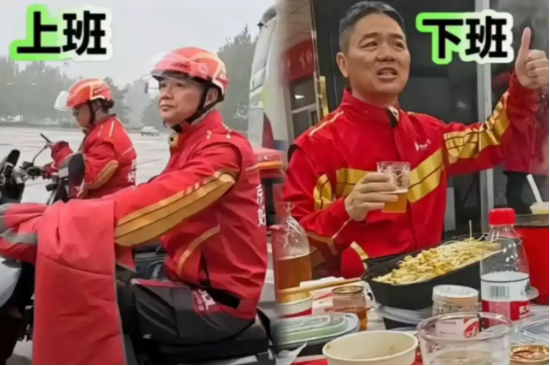
Core Viewpoint - JD Group's Q1 2025 financial results exceeded expectations, with significant growth in revenue and profit, marking the highest year-on-year growth rate in nearly three years [2][3]. Revenue and Profit Growth - In Q1 2025, JD Group reported revenue of 301.1 billion RMB, a year-on-year increase of 15.8%, surpassing market expectations of 289.44 billion RMB [2][3]. - Net profit attributable to ordinary shareholders was 10.9 billion RMB, up 52.7% year-on-year, while non-GAAP net profit was 12.8 billion RMB, an increase of 43.4% [2][3]. Business Segments Performance - JD Retail remains the main growth driver, with revenue of 263.845 billion RMB, a year-on-year increase of 16.3% [5]. - JD Logistics generated approximately 47 billion RMB in revenue, up 11.5% year-on-year, with adjusted net profit of 750 million RMB, reflecting a 13.4% increase [5]. - New business revenue, including the newly launched food delivery service, reached 5.753 billion RMB, a significant year-on-year growth of 18.1% [5][8]. New Business and Food Delivery Service - JD's food delivery service, launched in early 2025, has quickly gained traction, with daily orders expected to exceed 20 million soon [2][7]. - The food delivery segment reported a loss of 1.327 billion RMB in Q1 2025, widening from a loss of 670 million RMB in the same period last year, indicating challenges in profitability despite revenue growth [8][10]. Employee Growth and Human Resource Expenditure - As of March 31, 2025, JD's ecosystem employed approximately 700,000 individuals, with total human resource expenditure reaching 128.8 billion RMB [5][6]. - The workforce increased by about 30,000 in Q1 2025, reflecting ongoing expansion efforts [6]. Market Dynamics and Competitive Strategy - JD's entry into the food delivery market is seen as a significant move against existing competitors like Meituan and Ele.me, with strategies including zero commission for merchants and enhanced benefits for delivery personnel [7][10]. - The company aims to leverage its existing logistics and operational capabilities to create synergies across its business segments, enhancing overall efficiency and customer engagement [11][12].