O2O

Search documents
洗浴行业生变:跨界融合不断与同质化待解
Zhong Guo Jing Ying Bao· 2025-11-30 07:24
Core Insights - The bathing industry is rapidly expanding, with a significant increase in transaction orders and average transaction amounts for new stores, indicating a strong growth trajectory [1][9] - The trend of "bathing+" is reshaping the industry, integrating various services such as dining, entertainment, and accommodation to enhance customer experience [3][5] Industry Expansion - Since 2025, the national bathing service transaction order volume has increased by over 30%, with a 60% year-on-year growth in average transaction amounts for new stores from January to September this year [1][9] - The integration of services like self-service dining and entertainment areas is attracting a diverse customer base, including families and young people [3][4] Market Trends - The rise of the "emotional economy" and O2O (online-to-offline) services is driving the transformation of bathing spaces into "emotional healing spaces," with market sizes exceeding 2 trillion and 3 trillion yuan respectively [4] - Popular combinations in the industry include "bathing + self-service dining," "bathing + hourly rooms/accommodation," and "bathing + KTV/entertainment" [5] Challenges of Homogenization - The industry faces increasing homogenization, with many new bathing centers offering similar features, leading to a sense of familiarity among consumers [6][7] - The competitive landscape is intensifying, with operators needing to differentiate themselves through unique offerings and experiences [7][8] Structural Opportunities - Despite the competitive pressures, there are still structural opportunities in the market, particularly for innovative concepts targeting younger demographics and community health [10][12] - The potential for light-asset operations and partnerships with traditional owners is highlighted as a strategy to mitigate risks while entering the market [10][12] Future Directions - Experts suggest that the bathing industry will evolve towards health-oriented, intelligent, and diversified services, moving from a focus on cleanliness to comprehensive leisure experiences [5][10] - The emphasis on local culture and unique dining experiences is seen as a key differentiator for future success in the industry [8][12]
China's FMCG Market Shows Sustained Resilience
凯度消费者指数· 2025-11-12 03:50
Core Insights - The fast-moving consumer goods (FMCG) market in urban China showed a 2% year-on-year sales growth in the first three quarters of 2025, with beverages leading the growth while dairy products faced challenges [1] - Final consumption expenditure contributed 53.5% to economic growth, driving GDP growth by 2.8 percentage points [2] - Online channels experienced a 7% year-on-year sales growth, with major e-commerce platforms like Douyin and JD.com showing positive performance [10][12] Group 1: FMCG Market Performance - Urban China's FMCG market achieved a 2% year-on-year sales growth in the first three quarters of 2025, with beverages leading the growth [1] - Dairy products faced significant challenges, with declines in both purchase frequency and spend per trip [1] - Lower-tier cities remained key growth engines, with sales in town and county markets growing by 4.1% and 3.6% respectively [1] Group 2: Retailer Performance - Walmart Group's market share increased by 1 percentage point, driven by Sam's Club and community store formats [6] - Hema's overall share increased by 0.4 percentage points, with its ChaoHesuan format driving growth through value-for-money offerings [6] - The SPAR Group achieved significant growth in the East region, with its discount store model becoming a key growth driver [6] Group 3: Discount Store Format - The penetration of discount snack stores exceeded 31% in the first three quarters of 2025, with a notable increase in the West region [7] - Comprehensive discount stores saw a 2.3 percentage points year-on-year increase in penetration, driven by major players expanding their offerings [8] - Wumart Group accelerated its transition to a hard discount format, leveraging its existing store network [9] Group 4: Online Channels - Online channels demonstrated steady performance with a 7% year-on-year sales growth [10] - Douyin's penetration increased by 5.1 percentage points, reaching close to 50%, with significant growth in town-level markets [12] - Xiaohongshu's penetration reached 1.7%, reflecting its unique content community platform's effectiveness [13] Group 5: Private Label Development - Over 48% of Chinese urban households purchased private label products, an increase of 10 percentage points year-on-year [17] - Retailers are enhancing control over product supply chains to optimize costs and improve price advantages for private labels [17] - Traditional supermarkets and online platforms are actively promoting private label development to strengthen consumer loyalty [18]

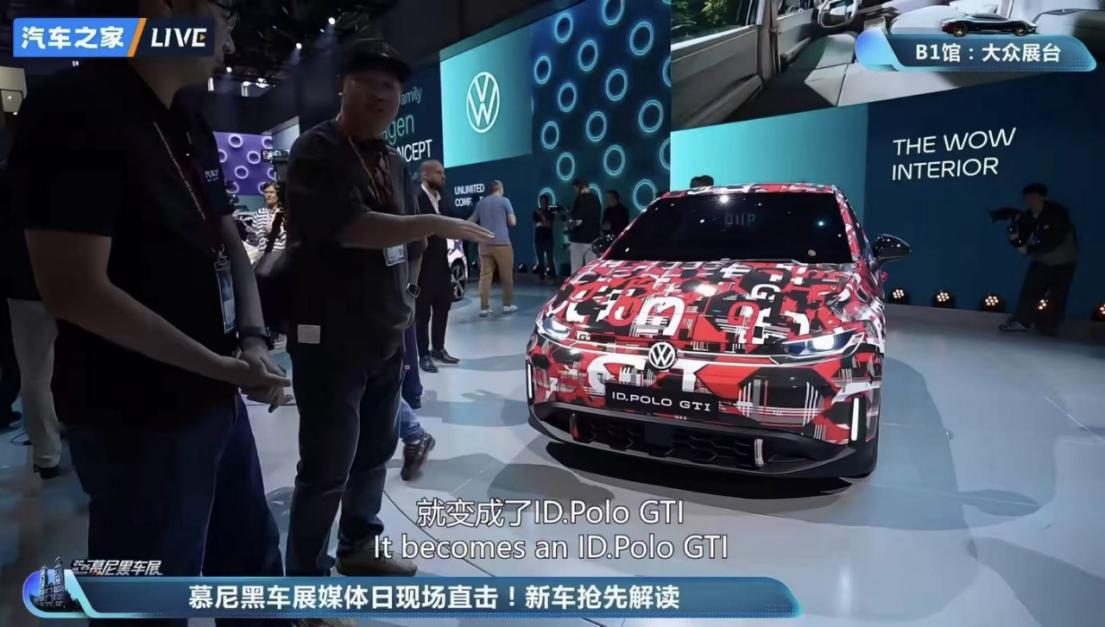
汽车之家(02518)发布2025年Q3财报:AI与O2O双轮驱动 生态布局加速落地
智通财经网· 2025-11-06 09:53
Core Insights - The company reported a total revenue of 1.78 billion RMB for Q3 2025, with an adjusted net profit of 407 million RMB, highlighting a 32.1% year-on-year growth in online marketing and other business revenues, indicating ongoing diversification and service capability enhancement [1] - The CEO emphasized the acceleration of business implementation driven by AI and O2O strategies, with significant progress in content ecology, new energy O2O, and AI technology applications [1] Financial Performance - Total revenue for Q3 2025 was 1.78 billion RMB, with an adjusted net profit of 407 million RMB [1] - Online marketing and other business revenues grew by 32.1% year-on-year [1] Content Ecosystem Development - The company is focusing on building a rich content ecosystem by enhancing both professional depth and broad perspectives, which is crucial for user retention and trust [1] - The establishment of "Zhijia Media MCN" aims to create a creator matrix centered on automotive content, expanding into technology, tourism, and overseas living [4] - As of September 2025, the mobile daily active user count reached 76.56 million, reflecting a 5.1% year-on-year growth [4] O2O Ecosystem Construction - The company is developing an integrated online and offline service ecosystem to cover the entire car purchasing process, from selection to delivery and after-sales [5] - The newly launched "Automobile Home Mall" aims to provide a transparent and convenient digital car purchasing channel, with over 3,000 orders recorded during the trial run [7] AI Technology Integration - AI technology has been deeply integrated into various business segments, with the "AI Assistant" upgraded to enhance user decision-making processes [8] - The company hosted the first Global AI Technology Conference, showcasing advancements in automotive intelligence and reinforcing its industry influence [8] Future Outlook - The company plans to continue its transition from a content-driven platform to an ecosystem-empowering model, focusing on technological investment and optimizing business structures [11]
Autohome Inc. Announces Unaudited Third Quarter 2025 Financial Results
Prnewswire· 2025-11-06 09:30
Core Insights - Autohome Inc. reported its unaudited financial results for Q3 2025, highlighting advancements in AI and O2O strategies, user growth, and revenue increases in its online marketplace [3][4][5]. Financial Performance - Net revenues for Q3 2025 were RMB 1,778.1 million (US$ 249.8 million), a slight increase from RMB 1,774.5 million in Q3 2024 [4][5]. - Net income attributable to Autohome was RMB 436.6 million (US$ 61.3 million), down from RMB 441.3 million in the same period last year [11]. - Adjusted net income (Non-GAAP) was RMB 406.9 million (US$ 57.2 million), compared to RMB 497.2 million in Q3 2024 [15]. Revenue Breakdown - Media services revenues were RMB 298.0 million (US$ 41.9 million), down from RMB 326.0 million in Q3 2024 [6]. - Leads generation services revenues decreased to RMB 663.7 million (US$ 93.2 million) from RMB 830.7 million in the previous year, attributed to a decline in the number of paying dealers [6][7]. - Online marketplace and other revenues increased by 32.1% year-over-year to RMB 816.4 million (US$ 114.7 million) [7]. Cost and Expenses - Cost of revenues rose to RMB 646.0 million (US$ 90.7 million) from RMB 407.7 million in Q3 2024, primarily due to higher transaction costs in lower-tier cities [8]. - Operating expenses decreased to RMB 1,024.5 million (US$ 143.9 million) from RMB 1,352.2 million in the same quarter last year [9]. Profitability Metrics - Operating profit for Q3 2025 was RMB 147.0 million (US$ 20.7 million), compared to RMB 82.6 million in Q3 2024 [10]. - Basic and diluted earnings per share (EPS) were RMB 0.89 (US$ 0.13) in Q3 2025, slightly up from RMB 0.88 and RMB 0.87 in the same period last year [12]. Cash Dividend and Share Repurchase - The board approved a cash dividend of US$ 1.20 per ADS (or US$ 0.30 per ordinary share), totaling approximately RMB 1 billion, to be paid in early 2026 [5][17]. - As of October 31, 2025, the company had repurchased 5,483,238 ADSs for approximately US$ 145.9 million [5]. User Engagement - The average number of mobile daily active users grew by 5.1% year-over-year to reach 76.56 million in September 2025 [3]. Employee Count - As of September 30, 2025, Autohome had 4,259 employees, including 1,206 from TTP Car, Inc. [18]. Cash Position - As of September 30, 2025, the company had cash and cash equivalents and short-term investments totaling RMB 21.89 billion (US$ 3.08 billion) [16].


告别“大而全”,拥抱“小而美”:社区超市的生存法则正在改变!
Sou Hu Cai Jing· 2025-11-04 03:11
Industry Overview - Community supermarkets serve as a modern retail format, typically ranging from several hundred to one thousand square meters, focusing on fresh produce and daily necessities for residents within a 500-meter to 1.5-kilometer radius [1] Market Characteristics - Community supermarkets fill the gap between large supermarkets and convenience stores, addressing consumer needs for shopping convenience and product variety [1] Current Industry Analysis Market Size and Structure - The community supermarket market in China is substantial, remaining robust despite e-commerce challenges, due to its advantage in immediacy [7] - The competitive landscape features three main players: national giants like Yonghui Supermarket and Wumart leveraging supply chain advantages, regional leaders like Jianfu and Xiangjiang Department Store with localized expertise, and internet entrants like Hema and Qixian reshaping industry standards through digital innovation [7] Operational Model Evolution - Key competitive factors include: - High frequency and strong customer loyalty driven by fresh produce and daily necessities [6] - Dependence on geographic location, with success tied to community density and consumer spending power [6] - Limited service radius, primarily catering to residents within walking distance, leading to a fragmented market [6] - High integration of digital platforms, with increasing online order proportions through partnerships with platforms like Meituan and JD Daojia [6] Future Trends - The industry is expected to evolve towards: - Refined and differentiated operations targeting specific consumer groups [10] - Deep integration of supply chains and the rise of private label brands [10] - Enhanced offline experiences combined with online efficiencies [10] - Development of private traffic channels through mini-programs and community operations [10] - Emphasis on green and sustainable practices [10] Challenges and Opportunities Challenges - Profit margin pressures due to high perishability of fresh goods, rising rent and labor costs, and commission fees from online platforms [10] - Intense competition leading to price wars due to minimal differentiation in basic products and services [10] - Shortage of talent skilled in both traditional retail and digital operations [10] Opportunities - Supportive policies promoting community supermarket development [10] - Technological advancements enabling better inventory management and reduced waste [10] - Growing demand for products catering to the elderly and children due to demographic shifts [10] - Potential for expansion in lower-tier cities as consumer spending continues to rise [10] Investment Recommendations - Focus on companies with strong supply chain capabilities, particularly in fresh produce [10] - Identify firms successfully undergoing digital transformation and integrating online and offline operations [10] - Look for market leaders in specific regions or niches [10] - Consider startups specializing in retail technology solutions [10]


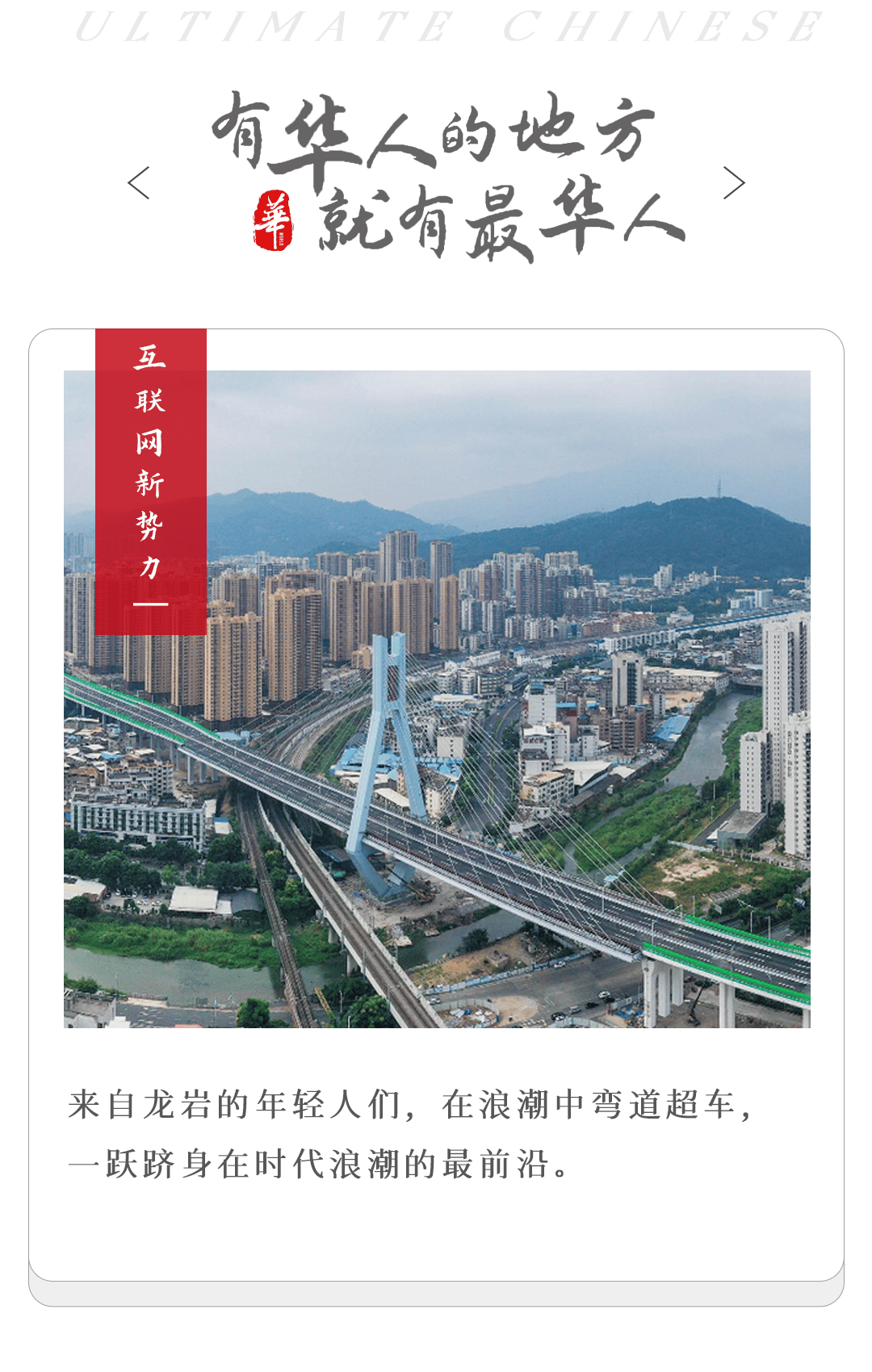
最被低估的福建小城,杀出了“互联网三剑客”
Sou Hu Cai Jing· 2025-10-20 18:35
Core Insights - The article discusses the emergence of the "Longyan Three Heroes" from Longyan, Fujian, who have surpassed traditional internet giants like BAT (Baidu, Alibaba, Tencent) in the mobile internet era [3][30] - It highlights the entrepreneurial journeys of Zhang Yiming (ByteDance), Wang Xing (Meituan), and Fang Sanwen (Xueqiu), emphasizing their backgrounds and the cultural factors contributing to their success [3][30] Group 1: Zhang Yiming's Journey - Zhang Yiming was born in 1983 in a family that encouraged innovation and entrepreneurship, leading him to explore the business world from a young age [3][8] - After several failed ventures, he founded ByteDance in 2012 with a focus on information collection and distribution, leading to the launch of Toutiao and Douyin, which achieved significant user growth [8][10] - Despite initial skepticism from investors, Zhang's approach to algorithm-driven content delivery ultimately led to ByteDance's success and its competition with Tencent [10][13] Group 2: Wang Xing's Path - Wang Xing, born in 1979, was influenced by his family's entrepreneurial background and pursued education at prestigious institutions, which shaped his entrepreneurial mindset [13][15] - After several failed projects, he founded Meituan in 2010, strategically navigating the competitive landscape of group buying and food delivery to establish it as a market leader [19][21] - Meituan's success is attributed to Wang's focus on software development and service upgrades, allowing it to thrive amid fierce competition [19][21] Group 3: Fang Sanwen's Development - Fang Sanwen, the oldest of the "Longyan Three Heroes," transitioned from journalism to the internet sector, founding Xueqiu, which evolved from a content platform to a comprehensive financial community [23][26] - His approach emphasized user-generated content and community engagement, which became key to Xueqiu's growth and success in the financial information space [26][28] Group 4: Cultural and Economic Factors - The success of the "Longyan Three Heroes" is attributed to the Hakka culture, which fosters community support and collaboration among entrepreneurs [30][31] - A strong emphasis on education and continuous learning has been a common trait among these entrepreneurs, contributing to their innovative capabilities [30][31] - The economic conditions in Longyan, characterized by limited traditional resources, have driven a strong entrepreneurial spirit among its youth, leading to a surge in internet-based ventures [30][32]
京东拟跨界英国市场?收购Argos将如何改写中英零售业新格局?
Sou Hu Cai Jing· 2025-09-14 11:46
Group 1 - The core point of the news is the ongoing acquisition talks between Chinese e-commerce giant JD.com and UK retailer Sainsbury's brand Argos, which could lead to one of the largest cross-border mergers in the retail sector, significantly impacting the global retail landscape [1][7]. Group 2 - Argos operates over 800 physical stores, covering more than 90% of the UK's densely populated areas, and maintains a compound annual growth rate of 12% through its unique "inventory as showroom" model [3]. - The acquisition aligns with JD.com's "boundaryless retail" strategy, as Argos's logistics network could reduce JD's delivery time in Europe from an average of 3 days to next-day delivery [3]. - The complementary nature of Argos's core categories, such as home and 3C products, with JD's strengths presents strategic value for the acquisition [3]. Group 3 - Cultural differences, operational integration challenges, and consumer behavior discrepancies pose significant hurdles for the merger, necessitating a "dual brand, dual system" transition plan post-acquisition [5]. - If successful, the acquisition could lead to technological upgrades in Argos stores, enhance JD's international retail brand experience, and serve as a benchmark for the integration of traditional and digital retail [5]. Group 4 - The negotiation has entered the due diligence phase, with three major uncertainties: Sainsbury's acceptance of JD's management retention clause, potential intervention by the UK's Competition and Markets Authority (CMA), and JD's ability to complete system integration within 12 months [7]. - The estimated transaction value is projected to be in the range of £2.5-3 billion, surpassing Amazon's previous record acquisition of Whole Foods at $13.7 billion [7]. - This cross-border merger reflects the restructuring trend of the global retail supply chain in the post-pandemic era, indicating a deepening integration of the UK and Chinese retail markets [7].


京东3C数码服务网络再升级 宿迁十店同庆打造“一站式”焕新体验
Jiang Nan Shi Bao· 2025-09-02 10:40
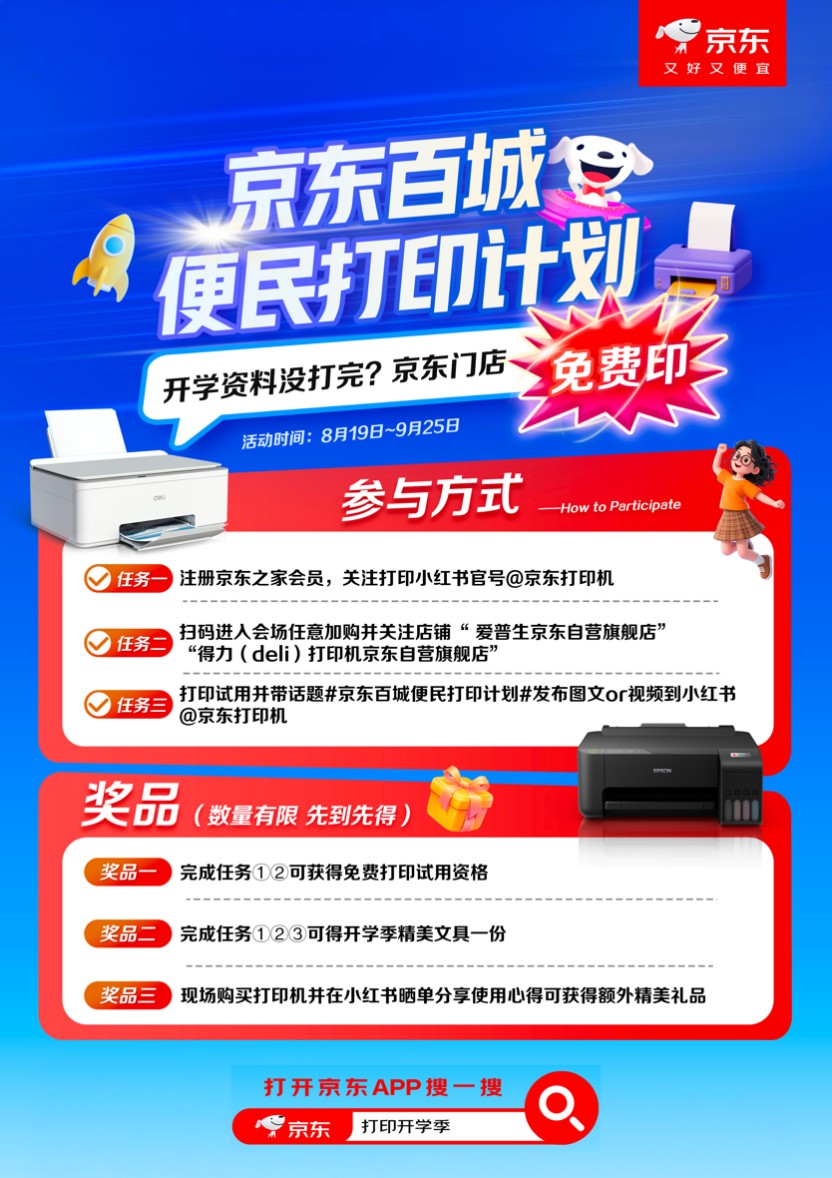
Group 1 - The core event is the launch of a new wave of offline consumption for JD's 3C digital products in Suqian, Jiangsu, featuring ten stores celebrating together and offering a comprehensive digital experience for consumers [1][2] - Consumers can enjoy various promotions, including gifts like sports water bottles and umbrellas, and have the chance to win a "1g gold" prize by becoming store members [1][2] - The stores provide a wide range of 3C digital products catering to different consumer needs, from gaming laptops to smart office devices, enhancing the shopping experience with hands-on interaction [2][3] Group 2 - JD's 3C digital stores emphasize an immersive shopping experience, allowing consumers to see and experience products firsthand, including the latest brand launches available both online and offline [3] - The integration of JD's O2O capabilities enables a "second delivery" service, meeting the urgent demand for quick purchases of essential items like power banks and data cables [3] - Additional community-focused activities include a free printing service and an AI phone experience event, aimed at engaging local residents and enhancing their digital lifestyle [4][6] Group 3 - The promotional activities are designed to attract consumers, with incentives for membership registration and participation in various tasks to earn rewards [5] - The stores are committed to expanding their service network in Suqian, ensuring consumers have access to quality products, professional consultations, and reliable after-sales support [6]
汽车之家-S(02518)2025Q2及中期财报:AI驱动产品创新升级 深化O2O战略落地
智通财经网· 2025-07-31 10:17
Financial Performance - In Q2 2025, the company reported total revenue of 1.76 billion RMB and an adjusted net profit of 476 million RMB [1] - Online marketing and other revenues grew by 20.5% year-on-year [1] Brand Strategy and Content Innovation - The company deepened its brand positioning strategy focusing on "new car premieres" and created a comprehensive content matrix centered around live streaming [1] - The flagship program "New Car Premiere" launched in June achieved over 160 million exposures through a high-density live test drive event [1] International Expansion - During the Hong Kong Auto Show in June, the company showcased its global strategy with a 6-hour bilingual live broadcast [1] - The overseas version of the company's website was launched at the end of June, featuring data on over 1,900 models from 52 Chinese automotive brands [1] User Engagement and Growth - In June, the mobile daily active user count reached 75.74 million, marking an 11.5% year-on-year increase [2] - The company is building a one-stop O2O automotive ecosystem, enhancing the car buying experience through technology [2] New Retail and Service Innovations - The company’s new retail business is focused on creating a transparent car selection process through live streaming and AI-assisted services [2] - The network of the company's service stations and satellite franchise stores has surpassed 200, expanding service coverage [2] Digital Transformation - The company launched five major data science product lines aimed at enhancing marketing efficiency and customer engagement [3] - The new products integrate exclusive data resources and industry-specific analysis models to support partners in improving business performance [3]
20亿元买入,2.4亿元甩卖部分股权!王健林再“割肉”
21世纪经济报道· 2025-07-23 03:45
Core Viewpoint - Wang Jianlin is selling assets again, this time in the internet finance sector with the sale of Kuaiqian Financial [1] Group 1: Transaction Details - On July 22, China Ruyi announced that its wholly-owned subsidiary Shanghai Ruyi Xingchen Enterprise Management Co., Ltd. signed a share transfer agreement to acquire 30% of Kuaiqian Financial for 240 million yuan, payable in three installments, valuing Kuaiqian Financial at approximately 800 million yuan [1] - After the transaction, China Ruyi will become the largest single shareholder of Kuaiqian Financial, but Kuaiqian will not become a subsidiary of China Ruyi [1] Group 2: Background of Kuaiqian Financial - Kuaiqian Financial is primarily owned by Shanghai Wanda Network Financial Services Co., Ltd., which is part of Dalian Wanda Group [2] - Wang Jianlin is the actual controller of Kuaiqian Financial, holding approximately 27% of the shares [3] Group 3: Historical Context - In late 2014, Wanda acquired a controlling stake in Kuaiqian for 315 million USD (approximately 225.7 million yuan), marking Wanda's first acquisition in the internet finance sector [6] - Kuaiqian ranked fourth in transaction volume in 2014, behind UnionPay Business, Alipay, and WeChat Pay, with a transaction volume exceeding 2 trillion yuan [6] - Wanda achieved full ownership of Kuaiqian in 2017, but since 2018, there have been multiple reports of Wanda planning to sell Kuaiqian's payment license, with various potential buyers but no successful transactions [8] Group 4: Value and Risks of Kuaiqian - The core value of Kuaiqian lies not only in its full license qualifications but also in the scarcity of payment licenses and the current policy window [10] - The acquisition allows China Ruyi to obtain national payment qualifications at a low cost and position itself in digital finance and cross-border payment sectors [11] - However, Kuaiqian has faced over 10 million yuan in fines in the past three years, indicating weaknesses in its risk control system, which China Ruyi will need to address [11] - Kuaiqian's revenue is heavily reliant on offline transaction scenarios, which are currently shrinking, raising concerns about future profit growth [11] Group 5: China Ruyi's Background - This is not the first time China Ruyi has acquired assets from Wanda; it has previously acquired 100% of Wanda Investment and indirectly became the actual controller of Wanda Film [13] - China Ruyi, formerly known as Masgar Group, has transitioned from producing television dramas to films and has gained public attention through successful projects [13]