企业数字化转型

Search documents
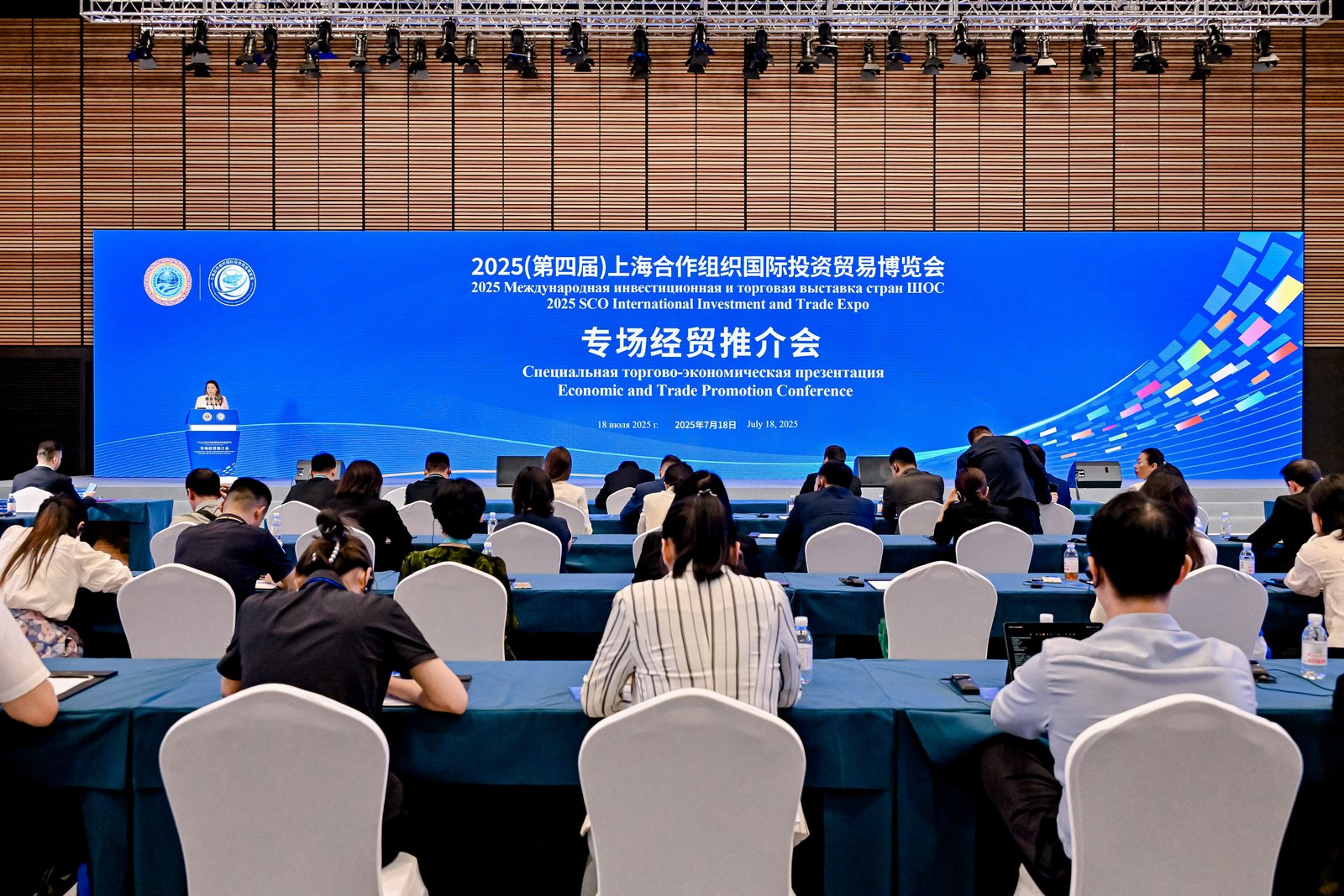
2025上合博览会专场经贸活动启幕,多国共绘合作共赢新图景
Qi Lu Wan Bao· 2025-07-19 05:26
Group 1 - The 2025 Shanghai Cooperation Organization International Investment and Trade Expo focused on economic and trade promotion, gathering representatives from SCO and Belt and Road countries to discuss future cooperation [1] - The SCO Demonstration Zone has established a cooperation system supported by four centers including international logistics and modern trade, training 21,000 students from 43 countries and launching 125 innovative reform results [3] - Representatives from Uzbekistan, Azerbaijan, and Russia discussed investment cooperation opportunities and regulatory alignment, while Kyrgyzstan and Kazakhstan focused on practical cooperation in agriculture and energy [3] Group 2 - The SCO Expo is the largest and highest-level institutional exhibition under the SCO framework, having been held three times, and aims to explore deeper cooperation potential in industrial clusters and innovation [4]

“飞书认证”成招聘新门槛?企业数字化催生人才要求变化
Guan Cha Zhe Wang· 2025-07-18 04:17
Core Insights - The demand for digital skills, particularly proficiency in collaborative tools like Feishu, is becoming a new hiring criterion for companies in the digital transformation era [1][6][7] - Over 200 companies have listed "Feishu Efficiency Certification" as a preferred qualification for over 1,000 job positions [1] - The trend reflects a shift in employee expectations, with candidates increasingly prioritizing companies that utilize digital tools effectively [6][7] Group 1: Digital Skills in Hiring - Companies are increasingly requiring candidates to have skills in using collaborative software, with Feishu being a prominent example [1][6] - Recent job postings from companies like Cha Ba Dao and Xpeng Motors explicitly mention the need for "Feishu Efficiency Certification" [1] - The rise of digital skills as a hiring criterion indicates a significant change in the job market landscape [6] Group 2: Impact of Digital Transformation - The digital transformation process is complex and requires collaboration across various departments within companies [7] - Companies are investing heavily in digital tools, with Feishu hosting 552 competitions and certifying over 42,832 "Feishu Efficiency Pioneers" in the past two years [6] - The case of Cha Ba Dao illustrates how companies can enhance digital capabilities through collaboration with franchisees [6] Group 3: Employee Perspectives - Employees are also adapting to this trend, with some making proficiency in tools like Feishu a condition for job selection [6] - The experience of a former employee highlights how digital skills can lead to career advancement opportunities [6] - The dual selection process between companies and talent is becoming more pronounced in the AI era [7]

彩讯股份20250716
2025-07-16 15:25
Summary of the Conference Call for 彩讯股份 Company Overview - 彩讯股份 started from 139 email service and has evolved to serve large enterprises, currently restructuring its email service based on the HarmonyOS and providing AI assistants in the collaborative office sector, achieving an AI upgrade across its product lines including AI email, Smart Channel AI Box, and cloud big data computing services [2][4] Core Business Lines 1. **Collaborative Office Product Line**: - Initially based on 139 email, now upgraded with HarmonyOS and AI assistants, serving major clients like China Bank and China Mobile [4][6] 2. **Smart Channel**: - Develops next-generation payment tools using AI technology for large state-owned enterprises, providing both B2B and B2C services [4][6] 3. **Cloud Big Data**: - Core supplier for mobile cloud services, forming a computing team capable of handling large-scale computing components [6][11] AI Computing Business - 彩讯股份 has won contracts for top domestic intelligent driving computing projects and is expected to see significant growth in this area in 2025 [7] - The company has launched intelligent customer service and voice interaction products targeting high-frequency demand scenarios in sectors like telecommunications, banking, and aviation [7][10] Competitive Advantages - Deep technical accumulation and expertise in enterprise digital transformation [5][12] - Long-term partnerships with state-owned enterprises, particularly with China Mobile, providing a solid foundation for business operations [12] - Self-developed hardware to reduce costs and enhance network efficiency in cloud computing architecture [9][10] Financial Projections - Expected profit of approximately 280 million yuan in 2025, with a forecast of 370 million yuan in 2026 [3][8] - Anticipated market capitalization of around 20 billion yuan by 2026, driven by revenue from collaborative office products, AI strategic expansion, and cloud big data transformation [3][13] Strategic Layout - Focus on traditional business lines, emerging computing, and AI-related credit warning sectors [12] - Plans for external expansion supported by sufficient financial reserves, particularly in AI applications [7][10] Key Applications and Scenarios - In the computing business, the company is focusing on three main application scenarios: 1. Text-to-video applications with multi-modal and multimedia tools [11] 2. New communication applications based on 5G technology, similar to Apple's iMessage [11] 3. Vehicle-road collaboration projects, including participation in provincial-level autonomous driving platforms [11] Conclusion - 彩讯股份 is positioned for significant growth with a robust product line, strong partnerships, and a clear strategic focus on AI and cloud computing, making it an attractive investment opportunity in the technology sector [8][10]

盘点企业数字化转型的那些既要还要
3 6 Ke· 2025-07-10 02:15
Core Insights - Digital transformation is a critical challenge for companies, often hindered by a lack of unified goals and integration across departments, leading to conflicting priorities and expectations [1] Group 1: Cost and Functionality - Companies often desire powerful digital tools at low costs, leading to unrealistic expectations and potential selection of subpar systems that fail to meet actual business needs [2] - The emphasis on low-cost solutions can result in frequent system failures, data loss, and decreased operational efficiency due to inadequate support and service [2] Group 2: Control and Flexibility - The need for digital systems to provide control over processes and data conflicts with the inherent flexibility required for business adaptability, creating a challenging balance [3] - Overemphasis on control can lead to rigid systems that hinder responsiveness, while excessive flexibility may result in operational chaos and compliance issues [3] Group 3: Cost Reduction and Employee Satisfaction - Companies aim to reduce costs through digital transformation but must also consider employee satisfaction to ensure successful system adoption and avoid resistance [4] - Ignoring employee concerns can lead to decreased morale, reduced efficiency, and potential talent loss, while overly accommodating employees may compromise the cost-saving objectives [4] Group 4: Standardization and Customization - Standardized digital systems facilitate easier implementation and maintenance, but companies also require customization to meet unique operational needs [5][6] - Striking a balance between standardization and customization is crucial; excessive customization can complicate system stability and increase costs [6] Group 5: Service Expectations - Companies often expect free services from software vendors after purchasing digital systems, neglecting the associated costs of implementation and support [7] - This expectation can lead to reduced service quality and hinder the effectiveness of digital systems, impacting the overall transformation process [7] Group 6: Output and Profitability - Internal tech companies face pressure to deliver outputs without ensuring product quality or market readiness, risking reputation and operational effectiveness [8] - This dual pressure can lead to failure in meeting both internal and external demands, damaging the company's image and market position [8] Conclusion - The digital transformation journey is fraught with "both-and" dilemmas, requiring companies to navigate trade-offs between efficiency, cost, risk, and employee experience [9] - Successful transformation relies on finding a balance between control and flexibility, cost and value, standardization and customization, ultimately leading to sustainable digital evolution [9]
企业数字化转型的创新利器:DigitLangPro 语言处理平台
Jiang Nan Shi Bao· 2025-07-08 14:12
Core Insights - The article discusses the transformative pressures and opportunities faced by companies in the digital age, emphasizing the importance of understanding employee needs and optimizing management strategies for successful digital transformation [1] Company Overview - DigitLangPro is an innovative language processing platform developed by Yang Xiaoying, focusing on aiding companies in their digital transformation efforts through advanced natural language processing technology [2] - The platform collects and analyzes internal data and employee feedback to assess engagement levels across different generational employees during crisis responses, identifying needs related to transformation and generating a comprehensive digital transformation index [2] Practical Case Study - Huaji Manufacturing Co., Ltd. faced challenges in employee acceptance of new technologies and intergenerational communication during its digital transformation journey [3] - By implementing DigitLangPro, the company was able to accurately identify participation levels among different age groups, quantify employee needs and expectations, and analyze sentiments regarding the transformation [3] - Post-implementation, employee participation increased by 35%, the accuracy of identifying transformation-related needs reached 88%, and overall transformation efficiency improved by 23% [3] Economic Efficiency Innovation - The application of DigitLangPro at Huaji Manufacturing demonstrated significant economic value, converting employee feedback into quantifiable data for informed decision-making [4] - The platform reduced project implementation cycles by 23% and directly saved 14% in operational costs [4] - The comprehensive transformation index generated allows management to monitor progress in real-time and adjust strategies accordingly, with the index rising from 64 to 81 post-implementation, indicating substantial success in digital transformation [4] Industry Impact - The introduction of DigitLangPro has had a profound impact on the industry, enhancing transformation efficiency and employee satisfaction, allowing companies to stand out in competitive markets [5] - Many companies recognize that digital transformation is not just a technological upgrade but a comprehensive change in management philosophy and employee engagement [5] - The successful application of DigitLangPro serves as a valuable reference for other companies, promoting increased attention and investment in digital transformation across the industry [5] Future Outlook - With the ongoing development of artificial intelligence and big data technologies, DigitLangPro is expected to play a significant role in various sectors [6] - In the financial industry, the platform can assist banks in evaluating customer acceptance of digital services and optimizing product design [6] - In healthcare, it can help hospitals enhance patient satisfaction and streamline service processes, driving deeper digital transformation and contributing to the overall societal digitalization process [6]
黄山市徽州区:加快政策落地 助力企业转型加“数”跑
Sou Hu Cai Jing· 2025-07-08 04:11
Group 1 - The government subsidy funds are significantly boosting the digital transformation projects of enterprises, providing strong momentum for their initiatives [1] - Anhui Xinyuan Technology Co., Ltd. has signed a strategic cooperation agreement with Zhongkong Technology Co., Ltd. to enhance its digital capabilities through advanced digital equipment and cutting-edge technologies [1] - Recently, 22 enterprises in Huizhou District received a total of 6.376 million yuan in the second batch of subsidy funds for digital transformation projects, bringing the cumulative subsidies to 12.752 million yuan [1] Group 2 - Huizhou District plans to continue increasing support for the digital transformation of small and medium-sized enterprises by organizing on-site observations and centralized training to showcase the significant results of digital transformation [2] - The district aims to enhance the sense of gain for enterprises through substantial policy support, creating a ripple effect of transformation across multiple businesses [2] - The Huizhou Economic Development Zone has established 12 provincial-level digital workshops and 3 provincial-level smart factories, with 25 enterprises selected as basic-level smart factories by 2025 [1][2]
软件公司存在的价值是什么?
3 6 Ke· 2025-07-07 03:20
Core Insights - The article discusses the challenges faced by software companies in the context of enterprise digital transformation, highlighting that many leaders feel they are not receiving the expected value from digital initiatives [1][2][3] Group 1: Issues with Software Companies - Many enterprise leaders attribute the lack of value in digital transformation to software companies, believing that software functionality and implementation capabilities are inadequate [1][2] - Software companies often design generic products based on their technical capabilities, leading to a disconnect between promised functionalities and actual implementations [1][2] - There is a prevalent issue of management neglect, where companies view software as a "cure-all" without addressing necessary organizational changes [2][3] Group 2: Market Dynamics - Despite having brand influence and market share, many software companies have seen a decline in reputation due to a shift away from a customer-centric approach, focusing more on business over service [3][4] - Smaller software companies are gaining traction because of their flexibility and ability to respond quickly to client needs, contrasting with larger firms that may take longer to implement changes [4][5] Group 3: Recommendations for Software Companies - Software companies should transition from merely selling products to understanding client needs, avoiding "technical arrogance" [5] - There is a need to enhance service resilience by moving from just delivering functionalities to supporting clients throughout the implementation process [5] - Companies should focus on value creation rather than being driven solely by technology, ensuring they become partners in the digital transformation journey [5]
以科技之力 守护荒漠中的能源“动脉”
Xin Hua Wang· 2025-07-01 09:12
Core Viewpoint - The National Pipeline Group is leveraging advanced technology to enhance the safety and efficiency of oil and gas pipeline operations, particularly through the successful launch of the West-to-East Gas Pipeline Phase IV in challenging environmental conditions [1][10]. Group 1: Technological Advancements - The National Pipeline Group showcases various high-tech equipment at the media open day, emphasizing its role in ensuring the safe operation of oil and gas pipelines [1]. - The company has implemented an intelligent patrol system and a comprehensive management platform for smart pipelines, which includes risk perception, data analysis, and emergency decision-making capabilities [7][9]. - The use of four-legged and humanoid robots in emergency response enhances operational efficiency, allowing for rapid transport of materials and precise tasks in hazardous environments [5]. Group 2: Project Details - The newly launched Gansu-Ningxia section of the West-to-East Gas Pipeline measures 1,162 kilometers and traverses complex geological and environmental conditions [1]. - The Gansu company manages a total of 52 oil and gas pipelines with a combined length of 11,841 kilometers, significantly contributing to energy supply in the region [9]. Group 3: Operational Impact - The company plays a crucial role in ensuring the safe and stable operation of energy supply networks, directly impacting the quality of life for the population by providing essential energy resources [10]. - The Gansu company is actively pursuing digital transformation and the domestic upgrade of key equipment, which enhances operational efficiency and safety [9].

智能体大杀四方,人类工作危在旦夕?
Sou Hu Cai Jing· 2025-06-27 16:46
Group 1 - The core viewpoint is that the integration of intelligent agents and human employees is essential for sustainable business development in the era of rapid technological advancement [1][2][5] - Intelligent agents are becoming the driving force behind digital transformation in enterprises, enhancing operational efficiency and reshaping business processes [2][3] - Intelligent agents excel in repetitive tasks, significantly improving efficiency in data entry and document management, thus reducing labor costs and time [2][3] Group 2 - Intelligent agents possess strong data analysis and predictive capabilities, allowing for personalized customer experiences and improved service efficiency [3][5] - The deployment of large language models within companies can help build a robust internal knowledge system, supporting long-term development [3][11] - A survey by IBM indicates that the proportion of AI-supported workflows is expected to rise from 3% to 25% by the end of 2025, with 70% of executives considering intelligent agents crucial for future development [3][11] Group 3 - Despite the capabilities of intelligent agents, human employees remain irreplaceable in creative tasks and decision-making that involves values and emotions [5][6] - The evolution of job roles due to AI will lead to the emergence of new positions, such as AI strategists and architects, while also transforming existing roles [7][10] - Companies must carefully evaluate the balance between investment and returns when adopting AI technologies, considering both quantitative and qualitative benefits [10][11] Group 4 - The year 2025 is seen as a pivotal year for the commercialization of intelligent agents, with leading Chinese companies actively enhancing their capabilities through large model technologies [11] - Domestic enterprises are focusing on high-value application scenarios such as collaborative office work, customer service, and marketing [11]


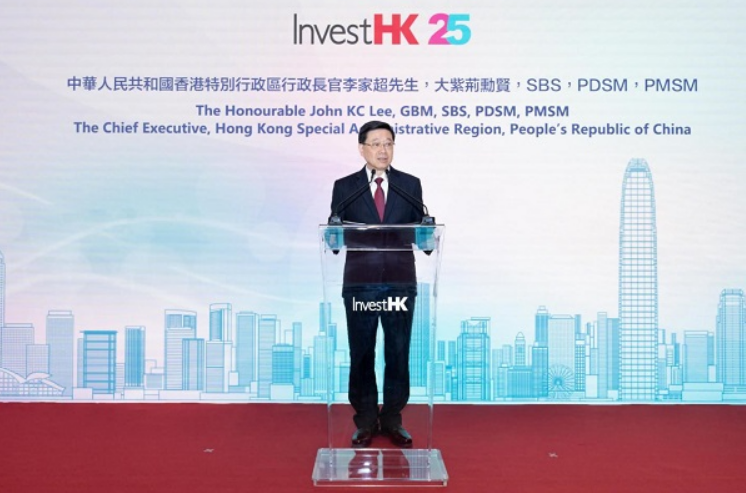
天九企服董事长戈峻受邀出席“国际及内地企业落户香港欢迎会”,特首接见
Zhong Guo Chan Ye Jing Ji Xin Xi Wang· 2025-06-26 03:14
Group 1 - The core viewpoint of the news highlights the recognition of Tianjiu Qifu's role in promoting the integration of traditional and innovative enterprises, as well as its strategic importance in Hong Kong's business landscape [5][7]. - Tianjiu Qifu has facilitated over 15,000 business collaborations and served more than 18,000 innovative enterprises in the past three years, showcasing its effectiveness in resource matching and business growth [7]. - The establishment of Tianjiu Qifu's international headquarters in Hong Kong marks a significant step in its expansion into overseas markets, benefiting from the support of the Hong Kong government and the city's robust financial infrastructure [7][8]. Group 2 - Hong Kong is positioned as an ideal base for Tianjiu Qifu to expand its overseas business, leveraging its status as a global financial center and its close ties with the mainland economy [7]. - The participation in the welcome event reflects the company's commitment to enhancing collaboration with the Hong Kong government and international business leaders, emphasizing Hong Kong's role as a crucial bridge for mainland enterprises to enter global markets [8]. - Tianjiu Qifu aims to assist more mainland enterprises in integrating into international markets and showcasing China's technological innovation and competitive advantages on the global stage [8].