
农文旅融合

Search documents
涟漪漾成浪潮:浙江乡野的进化论与未来式
Xin Lang Cai Jing· 2025-12-23 10:48
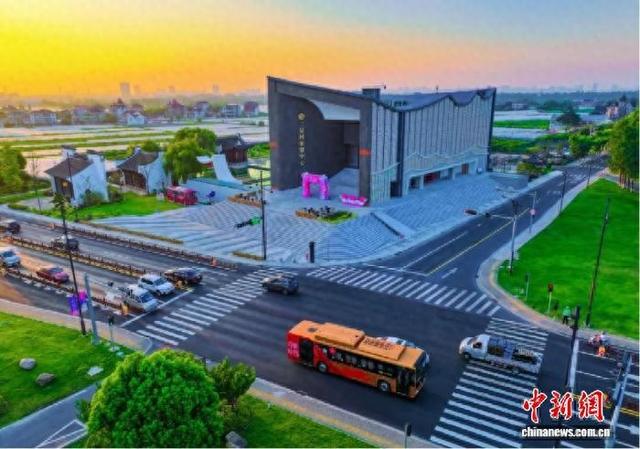
Core Viewpoint - The article discusses the evolution of rural areas in Zhejiang Province, highlighting the "Thousand Villages Demonstration, Ten Thousand Villages Renovation" project and its impact on rural revitalization, emphasizing the integration of urban and rural development and the transformation of rural lifestyles [1][4]. Group 1: Rural Development Initiatives - The "Thousand Villages Project" has significantly improved rural living conditions, transforming villages like Sanxing into attractive development hubs through environmental renovations and modern amenities [1][3]. - The integration of public services in rural areas has enhanced the quality of life, reducing the urban-rural gap and making village living a preferred choice [4][3]. - The establishment of comprehensive service stations in villages has facilitated the flow of goods and services, addressing logistical challenges in rural areas [3][4]. Group 2: Economic Growth and Collaboration - The collaborative development of rural clusters has led to increased income for villagers, with average collective operating income rising by 34.8% and individual income by 28.3% in certain areas [5][6]. - The creation of tourism routes and the promotion of local specialties have attracted visitors and boosted local economies, demonstrating the potential of rural tourism [5][6]. - The agricultural industry in Zhejiang is projected to generate significant economic output, with over 126 agricultural industrial chains expected to reach a total output value of 321.6 billion yuan by the end of 2024, creating jobs for 4.7 million people [8][6]. Group 3: Innovation and New Opportunities - Young entrepreneurs are increasingly engaging in agricultural innovation, transforming traditional farming into a modern and profitable venture, as seen in the case of the "post-95" generation in rural areas [9][11]. - The integration of digital and smart agriculture is attracting new talent to rural areas, fostering a vibrant ecosystem for innovation and entrepreneurship [11][12]. - The shift in perception of rural areas from a fallback option to a dynamic space for growth reflects a fundamental change in the underlying logic of rural development in Zhejiang [12].

藏在田间地头的“生意经”:湖北如何将特色农业转化为经济引擎?
2 1 Shi Ji Jing Ji Bao Dao· 2025-12-23 08:17
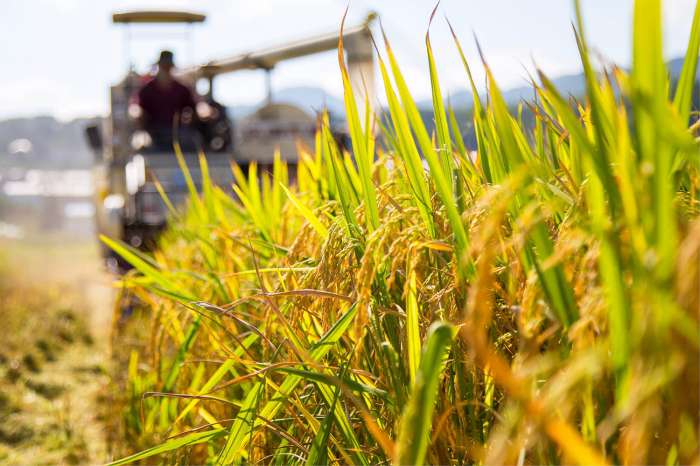
Core Viewpoint - Hubei province is leveraging its rich agricultural resources to create a "golden chain" that connects regional development with global markets, focusing on high-quality agricultural products and innovative practices [1][12]. Agricultural Production - Hubei's total grain production is projected to reach 55.707 billion jin in 2024, maintaining over 50 billion jin for 12 consecutive years, with rapeseed production exceeding 3 million tons for the first time [3]. - The summer grain output for this year is 9.902 billion jin, showing a year-on-year increase of 0.91 billion jin [3]. - The local specialty agricultural products, such as the potential of the small lobster industry and high mountain vegetables, are thriving, contributing to a diversified supply structure [3][4]. Industry Development - The comprehensive output value of the entire small lobster industry in Qianjiang is expected to reach 87 billion yuan, with the brand value of "Qianjiang Lobster" at 52.72 billion yuan, ranking first in the industry for seven consecutive years [4]. - The Enshi selenium tea brand has gained international recognition, with a brand system that includes eight sub-brands, generating significant revenue [4]. - Longyang's high mountain vegetable planting technology is evolving, with plans to establish over 50,000 acres of rain-sheltered vegetable greenhouses by 2025, yielding 1.2 million tons of high-quality vegetables [4]. Employment and Economic Impact - The small lobster industry has created jobs for 220,000 residents in Qianjiang, accounting for about a quarter of the city's population [5]. - In Enshi, a cooperative model has successfully engaged over 600 farmers in vegetable cultivation, achieving an average income of 87,000 yuan per household [5]. Challenges and Solutions - Despite the success, challenges such as insufficient industry driving force and weak brand effects persist [6]. - Hubei is addressing these challenges by strengthening leading enterprises, building brands, and promoting new business formats through policy support and funding [7]. Capital Empowerment - The successful listing of Yihua Konjac on the Beijing Stock Exchange has enabled the company to enhance its production capacity significantly, with a revenue increase of 28.76% and a net profit increase of 64.4% in 2024 [10]. - Hubei's first seed industry stock, Kangnong Seed Industry, has made significant advancements in corn seed technology, with a promotion area of high-protein corn varieties reaching 20 million acres [11]. Future Outlook - Hubei's agricultural sector is transitioning from traditional practices to modern, chain-driven development, with a focus on enhancing brand value and capital infusion [12]. - The continuous improvement of industry chains and value chains is expected to position Hubei's specialty agriculture as a key driver of high-quality regional economic development [12].
第四届程村蚝美食文化宣传周在广东阳江举办
Zhong Guo Jing Ji Wang· 2025-12-23 06:50
Group 1 - The event "Green Beautiful Yangjiang: China's Oyster Capital" aims to promote local oyster cuisine and cultural integration, supporting the development of a modern rural industry system through agriculture, culture, and tourism [1] - The Guangdong Provincial Department of Agriculture and Rural Affairs emphasizes the importance of local specialties and the integration of agriculture with culture and tourism, highlighting the potential for growth in Yangjiang and Yangxi [1] - The event serves as a platform for cultural transmission and innovation, with a focus on enhancing the "China Oyster Capital" brand and improving the livelihoods of local farmers [1] Group 2 - Yangjiang is strategically positioned to better connect with the Greater Bay Area and is focused on developing a modern industrial system, particularly in the oyster industry [2] - The city has established a complete industrial chain for oysters, from breeding to processing and marketing, leading to the highest annual oyster production in Guangdong [2] - The event included the launch of tourism initiatives and the signing of agreements for cultural tourism cooperation and industry investment projects, showcasing Yangjiang's commitment to attracting investment and fostering collaboration [2]
一江两岸阔 发展气象新
Xin Lang Cai Jing· 2025-12-23 04:36
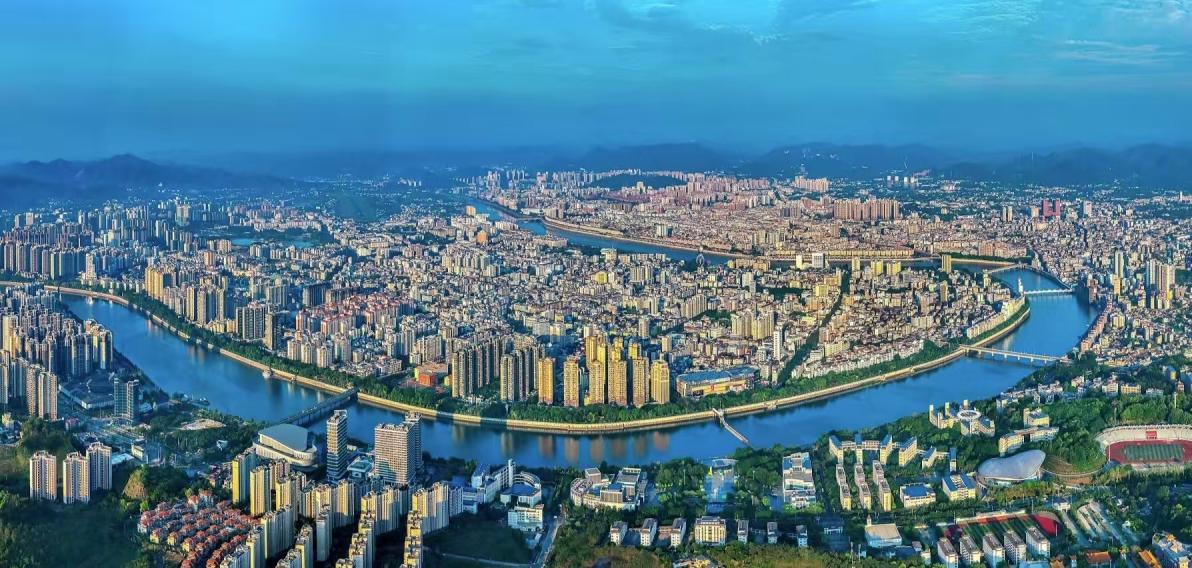
Core Insights - The "Hundred Counties, Thousand Towns, and Ten Thousand Villages High-Quality Development Project" has significantly transformed Meijiang District, leading to industrial prosperity, urban-rural integration, and social collaboration over the past three years [1][4] Economic Development - Meijiang District has achieved a GDP of 324.91 billion yuan in 2024, maintaining the highest total in the city, with a growth rate of 6.5% in 2023 [21] - The average income of collective economies in 81 administrative villages reached 693,800 yuan in 2024, a 57.74% increase from 2022 [21] - The urbanization rate of the resident population increased to 95.51% [1] Industrial Growth - The district has focused on developing five major hundred-billion industries, including electronic information and digital economy, with significant investments from companies like Bomin Electronics and Yinghua Technology [2] - The industrial output value of the Meizhou Economic Development Zone is projected to reach 115.66 billion yuan in 2024, with a tax revenue increase of 104.2% [2] Digital Economy - The transformation of an old school site into the Meijiang Digital BPO Industrial Park has attracted over 10 Fortune 500 companies, generating an annual output value exceeding 10 million yuan [3] - The Qingmei Internet Entrepreneurship Industrial Park has successfully attracted 23 companies through various supportive policies [3] Rural Development - The district has seen the establishment of 119 new enterprises in 2023, ranking first in the city [5] - The agricultural industry has been enhanced, with projects like the Hongxi Smart Fishery Industrial Park generating an annual output of 430 million yuan [5] Urban-Rural Integration - The district has improved public services, including the construction of seven new schools and the addition of 3,450 new student seats [9] - The renovation of old buildings and the development of cultural tourism have revitalized urban areas, making them attractive tourist destinations [20] Community Engagement - The project has fostered community participation, with over 1,100 million yuan raised for rural greening initiatives [11] - The innovative funding model has encouraged collaboration between enterprises, government, and local communities [13] Tourism Development - The district has developed a diverse range of tourism offerings, integrating traditional and modern elements, which has significantly boosted local economies [19][20] - The focus on cultural heritage and natural beauty has positioned Meijiang as a new choice for tourism consumption in the Greater Bay Area [20]
清远“剥衣黄金”闯世界:西牛麻竹笋链动百亿产业
2 1 Shi Ji Jing Ji Bao Dao· 2025-12-23 02:12
Core Viewpoint - The bamboo shoot industry in Yingde has transformed from a low-value raw material market to a high-value, standardized production system, significantly increasing its export and market presence, particularly in Southeast Asia and beyond [1][2][8]. Group 1: Industry Growth and Economic Impact - The export value of the company, Juyuan Zhibao, reached 15 million yuan from January to August this year, marking a 50% increase year-on-year [1]. - By 2025, the total planting area for bamboo shoots in Yingde is expected to reach 863,900 acres, with an annual fresh bamboo shoot output of 1.5353 million tons and an estimated industry output value of 10.965 billion yuan [2]. - The bamboo shoot industry has become a crucial support for rural revitalization, employing nearly 170,000 people in Yingde [2]. Group 2: Standardization and Quality Improvement - The local association has initiated the establishment of eight local group standards, including the "Planting Technical Regulations for Xiniu Bamboo Shoots," to enhance product quality and market competitiveness [3][5]. - The implementation of standardized planting has increased the yield per acre from over 1,000 pounds to 3,000 pounds, achieving a 200% increase [3][4]. Group 3: Processing and Value Addition - The deep processing of bamboo shoots has seen a significant rise, with the output value increasing from 800 million yuan to 2.576 billion yuan between 2022 and 2024, a growth of 222% [7]. - The value of processed bamboo shoots is now 6 to 10 times higher than that of fresh bamboo shoots, showcasing the importance of value addition in the industry [7]. Group 4: Market Expansion and Branding - The region's bamboo shoots have gained recognition as a geographical indication product, with 33 brands, including "Qiaokou" and "Juyuan Zhibao," contributing to a collaborative branding strategy [8]. - The e-commerce sales of bamboo shoot products have surpassed 60 million yuan in 2023, with exports accounting for 92% of total sales [8]. Group 5: Environmental and Innovative Applications - The bamboo industry is expanding into new economic models, such as biodegradable materials for food packaging, with products meeting EU standards and successfully entering international markets [9]. - The integration of agriculture, culture, and tourism is creating new value streams, with projected leisure tourism revenue from the bamboo shoot industry reaching 18.4 million yuan in 2024 [10]. Group 6: Direct Benefits to Farmers - The establishment of a standardized collection network and the implementation of a "quality for price" mechanism have ensured stable and direct benefits for farmers, enhancing their income and livelihood [11].
从“农家乐”到“和美新乡村”:四川农文旅融合的共富新实践
Xin Lang Cai Jing· 2025-12-22 23:28
Core Viewpoint - The article emphasizes the importance of integrating agriculture, culture, and tourism (Agri-Culture-Tourism integration) as a key strategy for rural revitalization and modernization in China, particularly highlighting the successful practices in Sichuan province [1][2]. Group 1: Deep Motivations for Agri-Culture-Tourism Integration - The traditional "farm stay" model has faced challenges such as homogenization and sustainability issues, necessitating a shift towards Agri-Culture-Tourism integration to support comprehensive rural revitalization and farmer prosperity [2]. - Agri-Culture-Tourism integration aims to reshape the multiple values of agriculture and the functions of rural areas by incorporating cultural and tourism elements, transforming rural spaces into holistic living environments [2]. Group 2: Sichuan's Pathways for Innovative Integration - Sichuan has developed various distinctive pathways for Agri-Culture-Tourism integration, including the creative transformation of dormant cultural resources into experiential and consumable products [3][4]. - The use of modern technology, such as AR, enhances visitor experiences by providing interactive and informative content about agricultural practices and local culture [3]. - Community involvement is crucial, with models that connect farmers, cooperatives, and enterprises to ensure that local residents benefit from tourism, fostering a sense of cultural confidence and shared experiences [4]. - Sichuan promotes ecological tourism that aligns with environmental protection, offering high-quality ecological products and services while maintaining ecological integrity [4]. Group 3: Theoretical Insights on Sustainable Development - The foundation of Agri-Culture-Tourism integration lies in maintaining the agricultural base and cultural essence, emphasizing the need for systematic value reconstruction and product development [5][6]. - Establishing a community of shared interests among farmers, local collectives, enterprises, and government is essential for ensuring long-term benefits from the integrated model [6]. - Differentiated development is encouraged, focusing on unique local resources to create an irreplaceable core attraction [6]. - The ultimate goal is to achieve a harmonious new rural landscape characterized by prosperous industries, ecological livability, and effective governance [6]. Group 4: Future Directions for Agri-Culture-Tourism Integration - Future efforts should deepen the integration levels, moving from mere physical combinations to more profound interactions, such as developing rural art festivals and comprehensive agricultural projects [7]. - Expanding cross-sector collaborations with education, health, and outdoor leisure industries is recommended [7]. - Strengthening technological support by incorporating advanced technologies like the metaverse and AI to create immersive experiences is essential [7]. - Promoting equitable wealth distribution among all villagers is crucial for achieving common prosperity [7].
重估茂名:“百千万工程”再造山海之城
2 1 Shi Ji Jing Ji Bao Dao· 2025-12-22 13:27
Group 1: Economic Development and Transformation - Maoming, known as the "Southern Oil City," has historically been one of Guangdong's economically underdeveloped areas, with a GDP of 398.72 billion in 2023 [3] - Over the past three years, Maoming has leveraged the "Hundred Counties, Thousand Towns, and Ten Thousand Villages High-Quality Development Project" to boost its county economy, focusing on local specialties and emerging industries [3][4] - The city has seen a significant increase in agricultural output, with the total agricultural, forestry, animal husbandry, and fishery output value rising from 1,126.29 billion to 1,208.86 billion from 2022 to 2024 [7] Group 2: Agricultural and Tourism Integration - The integration of agriculture, culture, and tourism in Shuanghe Village has attracted over 1 million visitors in 2024, showcasing the potential of rural tourism [2] - The "Xinyi Sanhua Li" regional brand has significantly increased the value of Sanhua Li fruit, with prices reaching 20 yuan per pound, four times that of ordinary fruit [4] - The establishment of the Xinyi City Hejing Agricultural Development Co., Ltd. has facilitated a win-win situation for farmers and the village collective, increasing collective income by approximately 110,000 yuan [4] Group 3: Infrastructure and Investment - Maoming has adopted a model where the government invests in infrastructure, enterprises develop business formats, and the market manages operations, allowing villagers to share in the development benefits [6] - The introduction of the carbon fiber project by Donghua Energy is expected to produce 2,500 tons of high-performance carbon fiber annually, positioning Maoming as a key player in the carbon fiber market [8][10] - The establishment of the "Huanan Titanium Valley" project aims to create the largest titanium material processing base in South China, enhancing the local economy and creating numerous jobs [12][13] Group 4: Urbanization and County Development - Xinyi and Gaozhou have been selected as pilot counties for new urbanization, focusing on optimizing space and enhancing urban quality to attract talent and investment [16][17] - The urbanization rate in Xinyi has increased from 42.16% to 44.26% over three years, indicating a significant population influx and urban development [17] - The establishment of the Foshan (Maoming) Industrial Transfer Cooperation Park has attracted high-quality enterprises, with an expected annual output value exceeding 1 billion [18] Group 5: Strategic Location and Future Opportunities - Maoming's geographical position allows it to serve as a logistics hub connecting the Guangdong-Hong Kong-Macao Greater Bay Area and Hainan Free Trade Port, enhancing its economic potential [23][26] - The completion of the Guangzhan High-Speed Railway has reduced travel time to Guangzhou to 70 minutes, integrating Maoming into the "one-hour living circle" of the Greater Bay Area [23] - The city aims to leverage its strategic location to attract capital, technology, and talent, facilitating industrial upgrades and collaborations [24][28]

山海生“蚝”杰:阳西程村蚝的产业升级与文旅新生
Nan Fang Nong Cun Bao· 2025-12-22 12:35
Core Viewpoint - The event in Yangxi County, showcasing the local oyster industry, highlights the transformation and integration of agriculture, culture, and tourism, emphasizing the growth and market potential of the Chengcun oyster brand [1][5][104]. Industry Development - Yangxi County has established a complete oyster industry chain from breeding to processing and marketing, positioning itself as a national leader in oyster production with the highest annual output in Guangdong [21][25]. - The Chengcun oyster has seen an average annual production growth of 20% since 2022, with processed products like oyster oil and canned oysters transitioning from seasonal to year-round sales [69][70]. Product Innovation - The event featured award-winning oysters, including the "Oyster King," which weighs over four pounds, showcasing the high quality and market appeal of Chengcun oysters [9][10]. - Companies are focusing on value-added products, such as oyster peptides and health drinks, and implementing traceability systems to enhance product quality and consumer trust [54][56]. Tourism Integration - The local government is promoting tourism through culinary experiences, linking the oyster culture with travel itineraries that highlight the region's natural and cultural resources [88][91]. - The integration of agriculture and tourism has led to significant economic benefits for local communities, with projections indicating a 20-fold increase in tourism revenue by 2025 [100][101]. Brand Development - Chengcun oysters have been recognized as a geographical indication product and are part of a national agricultural brand cultivation plan, enhancing their market presence and consumer recognition [70][106]. - The establishment of the "Yangxi Quality" brand for local products marks a shift towards unified branding and quality assurance in the region's agricultural sector [64][66].

惠来打造“山海文明集市” 荔乡非遗亮相北京路
Nan Fang Nong Cun Bao· 2025-12-22 12:02
Core Viewpoint - The "Mountain and Sea Civilization Market" event in Guangzhou aims to promote cultural and consumer integration, showcasing local agricultural and cultural products from Huizhou, particularly focusing on the unique flavors and heritage of the region [2][4]. Group 1: Event Overview - The "Civilization Market" series of activities will take place from December 19 to 28 in the Beijing Road business district of Guangzhou, innovatively expanding the "culture + consumption" space [2]. - The Huizhou exhibition booth features the theme "Mountain and Sea Flavors, Encountering Intangible Cultural Heritage," highlighting local high-quality agricultural products [3]. Group 2: Product Highlights - Huizhou is known as the "Hometown of Lychee," with over 170,000 acres of lychee orchards producing more than 50 varieties, renowned for their vibrant color, fragrance, and sweetness [8]. - The booth showcases traditional intangible cultural heritage products, including nearly 40 items from the century-old brand "Ge Shan Long Ji," such as Jinghai Douji, mung bean cakes, and belly button cakes [10]. - The intangible cultural heritage souvenir "Historical Record Candy" has received multiple honors, including "Top Ten Tourism Souvenirs of Jieyang City" and "Top Ten Network Hot-Selling Agricultural Products of Jieyang City" [11][12]. Group 3: Culinary Innovations - Local enterprises are integrating traditional brewing techniques with unique ingredients like oil mandarin, lychee, and olive to create new vinegar drinks and condiments, revitalizing traditional ingredients for consumers [16][17]. Group 4: Tourism Promotion - The exhibition also promotes a two-day boutique tour route in Huizhou, connecting key cultural heritage sites and scenic spots, including Haijiao Ganquan and Aojiao Fort, while offering local delicacies like fish balls and braised lamb [19][20][21].
更大力度推进“百千万工程”集成式改革 | 市委书记抓乡村振兴(2025.12.15-12.21)
Nan Fang Nong Cun Bao· 2025-12-22 09:31
Core Viewpoint - The article discusses the ongoing efforts in Guangdong Province to implement the "Hundred Counties, Thousand Towns, and Ten Thousand Villages High-Quality Development Project," focusing on rural revitalization through various local initiatives aimed at enhancing economic growth and improving living conditions in rural areas [4][12][18]. Group 1: Local Initiatives - Guangzhou is advancing urban village renovations and accelerating ecological construction to enhance urban quality [5][14]. - Shaoguan is promoting the integration of agriculture and tourism, aiming to create job opportunities close to villagers' homes [6][18]. - Meizhou emphasizes reform to unleash grassroots vitality and expand development space [7][29]. - Shanwei is seeking new development opportunities from the sea, diversifying its marine economy [8][36]. - Zhongshan is planning rural construction with an artistic perspective, developing industries that enrich and empower villages [9][40]. - Jiangmen is advancing provincial pilot projects for agricultural and cultural tourism integration, focusing on specialty economic forests [10][53]. - Maoming is enhancing the entire agricultural chain and promoting industry integration [11][60]. Group 2: Leadership Statements - Guangzhou's Party Secretary emphasizes the need for coordinated urban-rural integration and rapid advancement of the "Hundred Thousand Project" [12][13]. - Shaoguan's Party Secretary highlights the importance of developing leading industries and promoting high-quality development zones [18][20]. - Meizhou's Party Secretary stresses the need for continuous exploration to overcome grassroots development challenges through reform [26][32]. - Shanwei's Party Secretary calls for the development of modern marine ranching and energy industries [34][36]. - Zhongshan's Party Secretary focuses on developing high-end health and wellness industries while enhancing rural aesthetics [40][42]. - Jiangmen's Party Secretary advocates for the development of the forestry economy and the integration of agriculture, culture, and tourism [53][55]. - Maoming's Party Secretary emphasizes the importance of agricultural production management and project construction [61][64]. Group 3: Economic Development Goals - The article outlines various goals, including significant changes within five years and fundamental transformations within ten years, focusing on economic strength and improved living conditions in rural areas [37][71]. - The emphasis is placed on enhancing county and village economic strength through targeted development strategies [72][78]. - The need for ecological advantages to be transformed into economic benefits is highlighted, particularly in areas like Qingyuan [84][86].