
扩大内需战略

Search documents
三部门印发方案,部署15项任务
Sou Hu Cai Jing· 2025-09-23 01:50
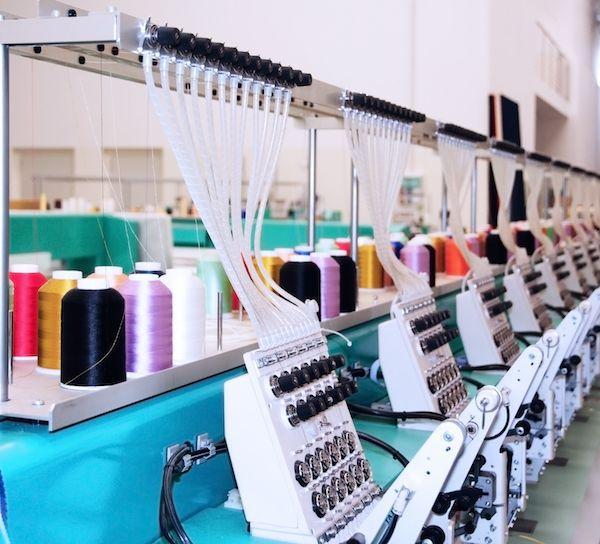
Core Viewpoint - The "Light Industry Stabilization Growth Work Plan (2025-2026)" emphasizes the role of light industry in stabilizing growth, promoting consumption, and benefiting people's livelihoods in China [1][2]. Group 1: Industry Overview - Light industry is a key sector in China's economy, contributing significantly to consumption, exports, and employment, with 140,000 enterprises generating revenue of 23.2 trillion yuan and profits of 1.5 trillion yuan in 2024 [1]. - The light industry accounted for 27.4% of the scale of manufacturing enterprises, 16.7% of profits, and 20.2% of employment, highlighting its importance in the overall manufacturing landscape [1]. Group 2: Strategic Initiatives - The work plan integrates supply-side structural reforms with strategies to expand domestic demand, outlining 15 tasks aimed at enhancing supply, promoting consumption, stabilizing exports, and improving ecological sustainability [2]. - Specific measures include accelerating product innovation, enhancing quality assurance, and fostering brand development to address the imbalances in supply structure and quality issues [2]. Group 3: Export Strategies - The light industry has a significant export volume, nearing 1 trillion USD, representing over 30% of the global market share, but faces challenges due to global economic slowdowns and trade environment deterioration [3]. - The work plan proposes measures to optimize trade structure, support the globalization of leading enterprises, and develop new foreign trade models, including cross-border e-commerce [3]. - It emphasizes the importance of public services, such as establishing comprehensive service ports and enhancing international trade compliance, to support enterprises in navigating global markets [3].
三部门印发方案,部署15项任务——更好发挥轻工业稳增长作用
Ren Min Ri Bao Hai Wai Ban· 2025-09-23 01:30
Core Viewpoint - The "Light Industry Stabilization Growth Work Plan (2025-2026)" emphasizes the role of light industry in stabilizing growth, promoting consumption, and benefiting people's livelihoods in China [1][2]. Group 1: Industry Overview - Light industry is a key sector in China's economy, contributing significantly to consumption, exports, and employment, with 140,000 enterprises generating revenues of 23.2 trillion yuan and profits of 1.5 trillion yuan in 2024 [1]. - The light industry accounts for 27.4% of the scale of manufacturing enterprises, 16.7% of total profits, and employs 1,792 million people, highlighting its importance in the national economy [1]. Group 2: Development Strategy - The work plan integrates supply-side structural reforms with strategies to expand domestic demand, outlining 15 tasks to enhance supply, promote consumption, stabilize exports, and improve ecological sustainability [2]. - Specific measures include accelerating product innovation, enhancing quality assurance, and fostering brand development to address issues such as supply structure imbalance and quality concerns [2]. Group 3: Export Challenges and Solutions - China's light industry exports nearly $1 trillion annually, representing over 30% of the global market share, but faces pressures from weakened global economic growth and adverse trade conditions [3]. - To maintain international competitiveness, the work plan proposes optimizing trade structures, developing new foreign trade models, and strengthening public services to support enterprises in global markets [4].
轻工业两年路线图出炉!三部门发文稳增长,保持国际竞争优势
Hua Xia Shi Bao· 2025-09-21 02:57
Core Insights - The article discusses the "Light Industry Stabilization and Growth Work Plan (2025-2026)" issued by the Ministry of Industry and Information Technology, which aims to stabilize growth, promote consumption, and improve livelihoods in the light industry sector [2][4]. Group 1: Development Goals - The light industry is projected to have 140,000 enterprises by 2024, achieving revenue of 23.2 trillion yuan and profits of 1.5 trillion yuan, contributing to employment for 17.92 million people [3]. - In the first seven months of this year, the light industry saw a 6.7% year-on-year increase in value-added output, with total revenue reaching 13.2 trillion yuan and profits of 760.11 billion yuan [3]. Group 2: Challenges and Solutions - The light industry faces significant pressure on exports and growth, necessitating structural reforms to address supply-demand imbalances [4]. - The Work Plan outlines 15 tasks to enhance supply, promote consumption, stabilize exports, and improve ecological sustainability [4]. Group 3: International Competitiveness - China's light industry maintains a strong international competitive edge, with annual exports nearing 1 trillion USD, accounting for over 30% of the global market [6]. - The article highlights the importance of optimizing trade structures and developing new foreign trade models to sustain international competitiveness [7]. Group 4: Strategic Initiatives - The Work Plan emphasizes the need for product innovation, quality assurance, and brand cultivation to address deep-rooted developmental issues [4]. - It also encourages light industry enterprises to align with international standards and enhance their global presence through strategic partnerships and acquisitions [8].

时代专论丨因地制宜发展新质生产力 实现高质量发展学习《习近平谈治国理政》第五卷
Zhong Yang Ji Wei Guo Jia Jian Wei Wang Zhan· 2025-09-18 00:56
Group 1 - High-quality development is the primary task for building a modern socialist country, as emphasized in the reports of the 19th and 20th National Congresses of the Communist Party of China [2][3] - The concept of "new quality productivity" is essential for promoting high-quality development, characterized by innovation, high technology, and efficiency [7][8] - The focus on expanding domestic demand and modernizing the industrial system is crucial for addressing current economic challenges [3][4] Group 2 - The government aims to implement a series of policies to stimulate economic growth, including fiscal and monetary measures, and support for key demographics such as recent graduates and migrant workers [5][6] - The emphasis on balancing effective markets with proactive government intervention is vital for maintaining economic order [6] - The development of a modern financial system is necessary to support high-quality economic growth and ensure financial stability [17][19] Group 3 - The agricultural sector is identified as foundational for national strength, with a focus on rural revitalization and modernization [11][12] - The construction of a new development pattern that emphasizes domestic circulation is critical for enhancing economic resilience [13][14] - The role of private enterprises in driving economic growth is acknowledged, with calls for improved support and an enabling environment for their development [15][16]
“热搜”上的非凡“十四五”|以旧换新动能足 超大规模市场体量更大
Sou Hu Cai Jing· 2025-09-16 05:35
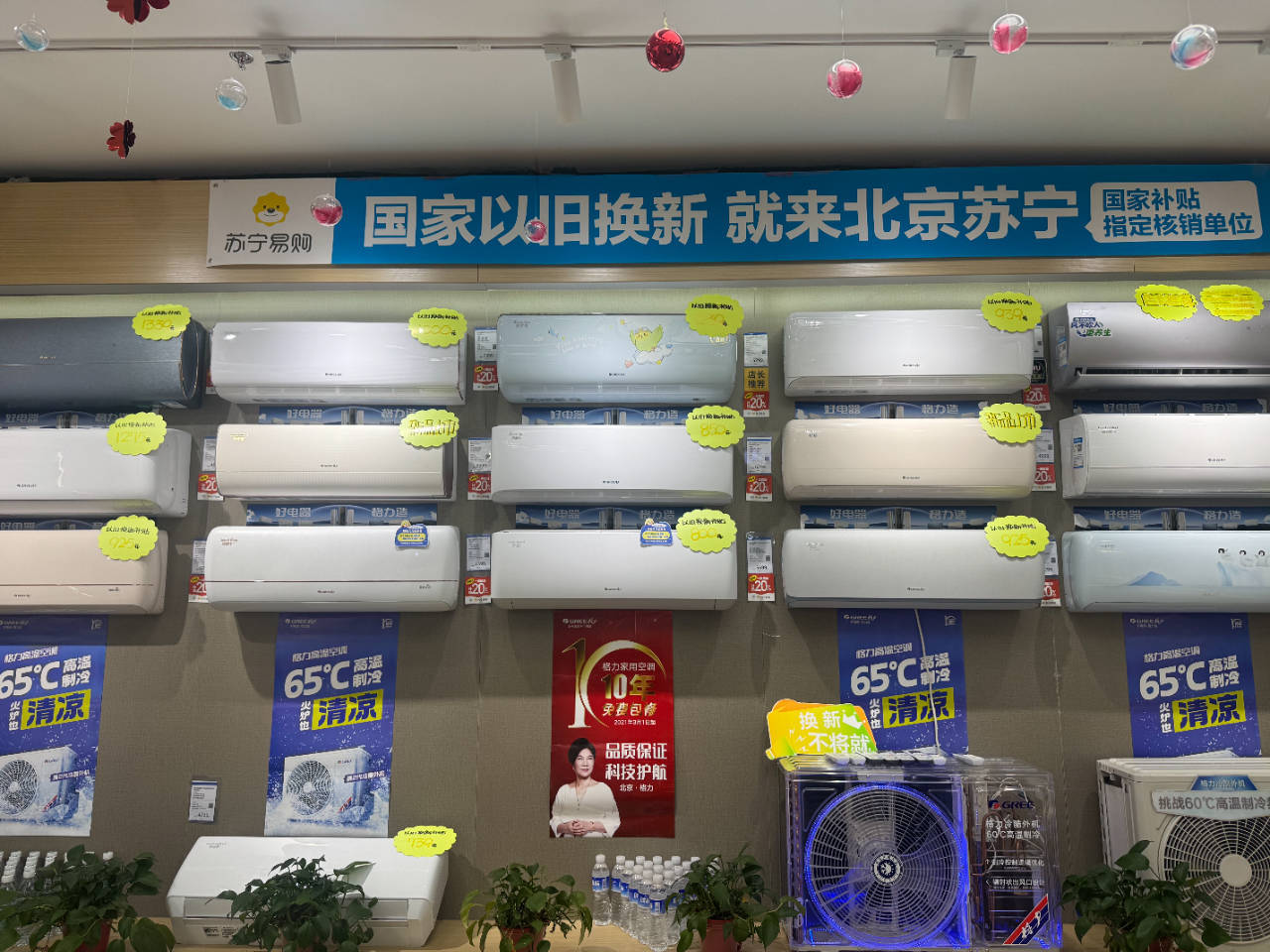
Group 1: Policy Impact on Consumer Market - The "old-for-new" policy has significantly boosted consumer spending, with approximately 4 billion people benefiting from subsidies, leading to a sales increase of 2.9 trillion yuan [1][6][9] - The retail sales of social consumer goods are projected to grow from 39.1 trillion yuan in 2020 to 48.3 trillion yuan in 2024, reflecting an annual growth rate of 5.5% [1][9][10] - The policy has enhanced the green and intelligent levels of the overall consumer market while promoting self-innovation and efficiency improvements in industries [2][5] Group 2: Industry Performance - Sichuan Changhong has upgraded its production line for high-efficiency televisions, achieving a production capacity of over 2,000 units per day, with 70% of its shipments being first-level energy efficiency products [2][5] - Suning.com reported an 81% year-on-year increase in "old-for-new" orders for home appliances, with high-end appliances priced above 8,000 yuan seeing a 96% increase in sales [5][6] - The penetration rate of new energy vehicles reached 50.2% in the first half of the year, with a projected growth of 5.4 times in ownership by 2024 compared to 2020 [6][9] Group 3: Market Dynamics and Future Outlook - The domestic market is characterized by a large scale and significant growth potential, with consumer spending contributing an average of 56.2% to economic growth over the past four years [10][11] - The service consumption sector is also expanding, with service consumption per capita expected to reach 46.1% of total consumption by 2024, contributing 63% to the growth of consumer spending [7][8] - The overall economic growth is projected to reach around 140 trillion yuan this year, with a contribution rate of approximately 30% to global economic growth [10][11]
全国财政科技支出增长34%(权威发布·高质量完成“十四五”规划)
Ren Min Ri Bao· 2025-09-13 09:33
Core Insights - The article highlights the unprecedented fiscal spending intensity during the "14th Five-Year Plan" period, which has significantly supported the development of new productive forces in China [1][2]. Fiscal Strength and Growth - National general public budget revenue is expected to reach 106 trillion yuan, an increase of 17 trillion yuan or approximately 19% compared to the "13th Five-Year Plan" period [2]. - General public budget expenditure is projected to exceed 136 trillion yuan over five years, marking an increase of 26 trillion yuan or 24% from the previous period [2]. - Over 70% of fiscal spending is directed towards the livelihood sector, ensuring that modernization benefits all citizens [2]. Social Welfare and Public Services - The number of participants in basic pension insurance has surpassed 1.07 billion, while those in basic medical insurance has reached 1.327 billion [2]. - The standard for resident medical insurance subsidies has increased from 580 yuan to 700 yuan per person per year, with rural and urban minimum living standards raised by approximately 20% [2][3]. - The scale of equalization transfer payments is set to grow from 1.9 trillion yuan in 2021 to 2.7 trillion yuan by 2025, averaging a 9.6% annual increase [3]. Fiscal Policy and Macro Control - The fiscal deficit ratio has increased from 2.7% to 3.8%, with plans to raise it further to 4% this year [4]. - New local government special bond quotas amount to 19.4 trillion yuan, with over 10 trillion yuan allocated for tax reductions and refunds [4]. - The government has implemented a range of tools, including bonds and tax incentives, to enhance policy effectiveness [4]. Support for Economic Growth - Central fiscal employment support funds have reached 318.6 billion yuan, a 29% increase from the "13th Five-Year Plan" period, contributing to over 50 million new urban jobs [5]. - The government has allocated 3.33 trillion yuan for infrastructure projects, including water conservancy and transportation [5][6]. - Approximately 4.2 trillion yuan has been allocated to support the consumption of new goods, leading to sales exceeding 2.9 trillion yuan [6]. Risk Management and Debt Control - The central government has arranged nearly 50 trillion yuan in transfer payments to local governments to ensure financial stability [7]. - A legal debt management system has been established to address hidden debts, with a focus on reducing existing liabilities [7]. - By the end of 2024, the total government debt is projected to be 92.6 trillion yuan, with a debt-to-GDP ratio of 68.7%, indicating manageable risk levels [7][8].
权威发布·高质量完成“十四五”规划|全国财政科技支出增长34%
Ren Min Ri Bao· 2025-09-13 03:45
Core Insights - The Chinese government has made significant progress in fiscal reform and development during the "14th Five-Year Plan" period, enhancing national fiscal strength and efficiency [1][2]. Fiscal Strength and Public Budget - National general public budget revenue is expected to reach 106 trillion yuan, an increase of 17 trillion yuan or approximately 19% compared to the "13th Five-Year Plan" [2]. - Public budget expenditure is projected to exceed 136 trillion yuan, an increase of 26 trillion yuan or 24% compared to the previous plan [2]. - Over 70% of public budget expenditure is allocated to the livelihood sector, ensuring that modernization benefits all citizens [2]. Social Security and Public Services - The number of participants in basic pension insurance has surpassed 1.07 billion, and those in basic medical insurance has reached 1.327 billion [2]. - The scale of equalization transfer payments is set to grow from 1.9 trillion yuan in 2021 to 2.7 trillion yuan by 2025, with an average annual growth of 9.6% [3]. - Significant investments have been made in education and healthcare, with over 800 billion yuan allocated to enhance medical capabilities [3]. Macroeconomic Control - The fiscal deficit ratio has increased from 2.7% to 3.8%, with further increases planned [4]. - New local government special bond quotas amount to 19.4 trillion yuan, and tax reductions and refunds exceed 1 trillion yuan [4]. Employment and Economic Support - Central fiscal employment support funds have reached 318.6 billion yuan, a 29% increase from the previous plan, contributing to over 50 million new urban jobs [5]. - The government has allocated 4.2 trillion yuan to support consumption, leading to sales exceeding 2.9 trillion yuan [6]. Risk Management - The central government has arranged nearly 50 trillion yuan in transfer payments to local governments to stabilize fiscal operations [7]. - A legal debt management system has been established to address hidden debts, with a focus on reducing interest costs [7]. - By the end of 2024, total government debt is projected to be 92.6 trillion yuan, with a debt-to-GDP ratio of 68.7%, indicating manageable risk levels [7][8].
这场发布会 信息量很大
Shang Hai Zheng Quan Bao· 2025-09-12 12:19
Core Insights - The press conference highlighted the achievements of fiscal reform and development during the "14th Five-Year Plan" period, with a focus on budgetary income and expenditure growth [2][3]. Fiscal Revenue and Expenditure - National general public budget revenue is expected to reach 106 trillion yuan during the "14th Five-Year Plan," an increase of 17 trillion yuan or approximately 19% compared to the "13th Five-Year Plan" [2]. - National general public budget expenditure is projected to exceed 136 trillion yuan over five years, an increase of 26 trillion yuan or 24% compared to the previous plan [2]. Fiscal Policy and Economic Stability - The Ministry of Finance emphasized the importance of balancing risk prevention and economic development, indicating that there is still ample room for fiscal policy to maneuver [3]. - The long-term positive trend of the economy is expected to provide a solid foundation for fiscal operations [3]. Special Government Bonds - The issuance of 500 billion yuan in special government bonds is anticipated to stimulate approximately 6 trillion yuan in credit investment [4]. Tax System Reform - The Ministry of Finance is actively advancing the implementation plan and annual work schedule for deepening the fiscal and tax system reform [5]. Domestic Demand and Consumption - The Ministry plans to innovate fiscal and tax policy tools to stimulate consumption and expand effective investment, aiming to develop domestic demand [6]. - As of August, the government has allocated approximately 420 billion yuan to support the replacement of consumer goods, resulting in over 2.9 trillion yuan in sales [6]. Science and Technology Investment - Fiscal spending on science and technology is expected to reach 5.5 trillion yuan during the "14th Five-Year Plan," a 34% increase from the previous period [7]. - Investment in basic research is projected to total 730 billion yuan, with an average annual growth rate of 12.3% [7]. Debt Management - By mid-2025, over 60% of financing platforms are expected to exit, indicating a significant reduction in hidden debts [9]. - The Ministry of Finance will continue to manage government debt sustainably, focusing on both reducing existing debt and enhancing management practices [9][10]. Financial Integrity - The Ministry of Finance is committed to combating financial fraud to maintain a healthy and orderly market economy [11]. - Over the past two years, the Ministry has conducted quality checks on over 4,600 accounting firms and nearly 1,500 asset appraisal institutions [11].
财政部:打出一系列“组合拳” 更好发挥内需的主动力和稳定锚作用
Sou Hu Cai Jing· 2025-09-12 10:12
Group 1 - The core viewpoint of the news is that the Ministry of Finance is implementing a series of strategies to enhance domestic demand and promote high-quality development during the "14th Five-Year Plan" period [1][4] Group 2 - The Ministry of Finance has allocated 318.6 billion yuan for employment support, a 29% increase compared to the "13th Five-Year Plan," resulting in over 50 million new urban jobs [1] - The government has provided approximately 420 billion yuan for consumer goods replacement programs, leading to over 2.9 trillion yuan in sales [2] - Rural retail sales of consumer goods have increased by 24% since the beginning of the "14th Five-Year Plan" [2] Group 3 - The Ministry of Finance has supported over 30,000 major technical equipment and 190 innovative material products during the "14th Five-Year Plan" [3] - The government has arranged 19.4 trillion yuan in local government special bonds to support 150,000 construction projects [4] - The Ministry of Finance plans to innovate fiscal and tax policy tools to stimulate potential consumption and expand effective investment [4]
财政部:“十四五”时期中央财政安排就业补助资金3186亿元 比“十三五”时期增长29%
Bei Jing Shang Bao· 2025-09-12 09:18
北京商报讯(记者 和岳)9月12日,财政部部长蓝佛安在国新办举行的"高质量完成'十四五'规划"系列 主题新闻发布会上介绍,"十四五"时期,认真落实扩大内需战略,从供需两侧协同发力,打出一系 列"组合拳",推动消费和投资良性互动,更好发挥内需的主动力和稳定锚作用,增强高质量发展内生动 力。突出以就业带动增收,提升消费能力。我们实施稳岗返还、就业补贴等一系列政策,"十四五"时 期,中央财政安排就业补助资金3186亿元,比"十三五"时期增长29%,城镇累计新增就业超过5000万 人。健全社会保障体系,提升养老、医疗、社会救助等保障水平,减轻老百姓的后顾之忧,增强消费底 气。下一步,我们将按照党中央、国务院决策部署,创新运用财税政策工具,激发有潜能的消费,扩大 有效益的投资,开发好内需这座"富矿",发挥好牵引力作用,为高质量发展添动能、增活力。 ...