碳市场

Search documents
碳市场建设绘就路线图
Jing Ji Ri Bao· 2025-08-28 22:15
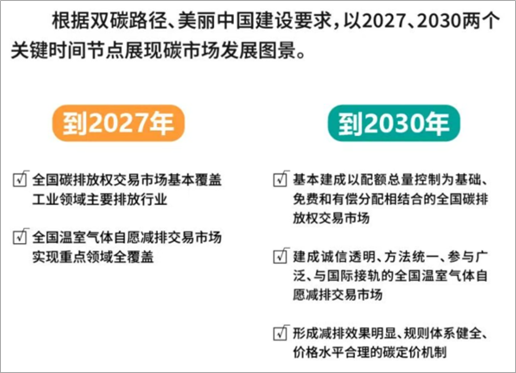
Core Viewpoint - The release of the "Opinions on Promoting Green and Low-Carbon Transition and Strengthening National Carbon Market Construction" marks a significant step in China's carbon market development, providing a clear roadmap and timeline for its long-term growth [1][4]. Carbon Market Construction Achievements - The national carbon market has made notable progress, with a cumulative trading volume of 680 million tons and a total transaction value of 47.41 billion yuan as of August 22, 2025 [2]. - The national carbon emission trading market includes 2,096 key emission units, achieving nearly 100% compliance in quota clearance [2]. - The voluntary carbon market has registered 2.49 million tons of certified voluntary emission reductions, with a transaction value of 21 million yuan [2]. Mid to Long-Term Development Plans - The "Opinions" set ambitious targets for the carbon market, aiming for comprehensive coverage of major industrial sectors by 2027 and a well-established carbon pricing mechanism by 2030 [4]. - The document emphasizes the importance of a transparent and unified regulatory framework for both mandatory and voluntary carbon markets [4][5]. Systematic Approach to Carbon Market Development - The construction of the carbon market involves multiple stakeholders and policy elements, requiring a systematic approach to balance market efficiency and government intervention [7]. - The integration of mandatory and voluntary carbon markets is crucial for enhancing policy synergy and driving green innovation [7]. International Cooperation and Standards - The carbon market is positioned as a tool for international cooperation in green development, with an emphasis on aligning with international standards and enhancing global influence [8].
破解“减排成本高”难题 碳市场建设进入新阶段
Di Yi Cai Jing· 2025-08-28 16:39
Core Viewpoint - The issuance of the "Opinions on Promoting Green and Low-Carbon Transition and Strengthening National Carbon Market Construction" marks a new phase in China's carbon market development, aiming to enhance the green and low-carbon development mechanism and better utilize market mechanisms [1] Group 1: Carbon Market Development - The carbon market serves as a crucial policy tool for addressing climate change and accelerating the green transition of the economy and society [2] - China has established the largest national carbon emissions trading market globally, along with a voluntary greenhouse gas reduction trading market, creating a unique carbon market system [2][3] - The carbon price acts as a "barometer" reflecting the scarcity of carbon emissions resources, guiding capital flow towards low-carbon sectors and technologies [2][3] Group 2: Mechanisms and Flexibility - The carbon market provides a flexible mechanism for achieving greenhouse gas control targets at lower costs, allowing companies to choose compliance paths [3] - The national carbon emissions trading market will accelerate the transition to clean energy in key industries such as electricity, metallurgy, and cement, promoting decarbonization across supply chains [3] Group 3: Market Expansion and Coverage - The national carbon market is expected to cover approximately 70% of the total carbon emissions in major industries like electricity, steel, and cement, driving the development of new green market competitiveness [3] - The construction of a unified national carbon market requires standardized quota management, trading, regulation, and data management to enhance resource allocation efficiency [4] Group 4: Voluntary Emission Reduction Market - The national voluntary greenhouse gas reduction trading market is a vital component of the carbon market system, aimed at creating significant green market opportunities and supporting national contributions to global climate governance [5] - As of now, the voluntary reduction trading market has registered 5,635 accounts and 47 projects, with 23 projects officially registered, amounting to approximately 9.48 million tons of CO2 equivalent verified reductions [5][6] Group 5: Future Directions - The development of the voluntary reduction trading market is still in its early stages, with plans to focus on key technologies for carbon peak and neutrality, and to enrich market products and participants [6]
业绩大幅减亏,全国碳市场发展提速,双良节能迎新机
Zheng Quan Shi Bao Wang· 2025-08-28 12:51
Group 1: Company Performance - Shuangliang Energy reported a significant improvement in its financial performance, achieving an operating income of 4.388 billion yuan and a net loss of 597 million yuan in the first half of 2025, marking a substantial reduction in losses year-on-year [1] - The company is positioned to benefit from the recent policy changes and the recovery of the green industry, indicating a potential turning point for its performance and development [4][5] Group 2: Policy and Market Developments - The release of the "Opinions" document by the Central Committee and the State Council accelerates the path towards China's "dual carbon" goals, establishing a comprehensive framework for the national carbon market [1][5] - The national carbon market has seen a cumulative trading volume of 680 million tons and a transaction value of 47.41 billion yuan as of August 22, 2025, indicating a robust market environment [5] Group 3: Technological Advancements - Shuangliang has made significant progress in the CCUS (Carbon Capture, Utilization, and Storage) technology, developing four energy-saving technologies that showcase its innovation and technical advantages in the field [7] - The company is integrating cutting-edge technologies with mature energy-saving and renewable energy capabilities to create a comprehensive and commercially viable product offering [7][8] Group 4: Strategic Collaborations - A strategic cooperation framework agreement was signed between Shuangliang and Beijing Green Exchange, focusing on green low-carbon methodology development, zero-carbon park/factory construction, and carbon asset management [8][9] - This collaboration is expected to enhance Shuangliang's core competitiveness and brand influence in the zero-carbon park/factory construction sector, driving the entire industry chain towards zero-carbon transformation [9]


破解“减排成本高”难题,碳市场建设进入新阶段
Di Yi Cai Jing· 2025-08-28 12:20
Group 1 - The core viewpoint of the article emphasizes the importance of the newly issued "Opinions" as a guiding document for the construction of a national carbon market in China, marking a new phase in the country's green and low-carbon transition efforts [1][5] - The carbon market is identified as a crucial policy tool for addressing climate change and accelerating the green transformation of the economy, with the establishment of both mandatory and voluntary carbon trading markets [2][5] - The national carbon market aims to reflect the marginal costs of emissions reduction and social value through carbon pricing, guiding capital and resources towards low-carbon technologies and services [2][3] Group 2 - The construction of the carbon market is designed to provide flexible mechanisms for achieving greenhouse gas control targets at lower social costs, allowing companies to choose their compliance paths [3][5] - The national carbon market is expected to accelerate the transition to clean energy and technological innovation in key industries such as electricity, metallurgy, and cement, promoting decarbonization across supply chains [3][5] - The article highlights the need for a unified carbon market with standardized management, trading, and regulatory frameworks to enhance resource allocation efficiency and market potential [6][9] Group 3 - The voluntary carbon market is an essential component of the national carbon market system, aimed at creating significant green market opportunities and supporting national climate goals [8][9] - As of now, the voluntary carbon market has made progress with the establishment of registration and trading systems, and several greenhouse gas reduction projects have been registered, totaling approximately 9.48 million tons of CO2 equivalent [9] - The government plans to focus on key areas for carbon peak and neutrality, developing methodologies for voluntary reduction projects and exploring international pathways for voluntary trading mechanisms [9]
从“起步”到“扩围” 全国碳市场明确路线图
Ren Min Wang· 2025-08-28 01:35
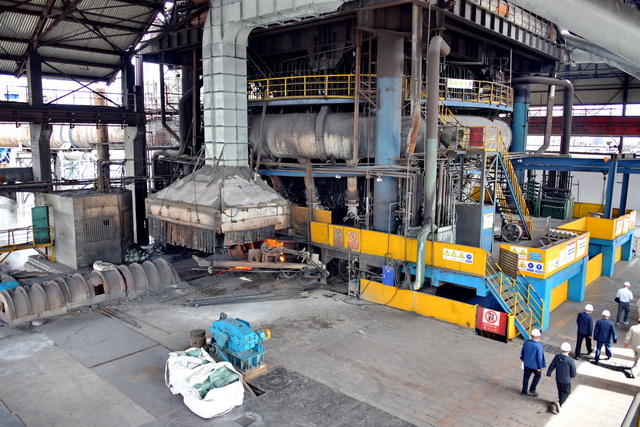
Core Insights - The national carbon market in China has achieved a cumulative trading volume of 680 million tons and a transaction value of 47.41 billion yuan as of August 22 this year, indicating a significant step in utilizing market mechanisms to address climate change and promote green transformation [1] - The recent issuance of the "Opinions on Promoting Green and Low-Carbon Transformation and Strengthening the Construction of the National Carbon Market" outlines a long-term vision for a more effective, vibrant, and internationally influential carbon market [2] Group 1: Market Development - The carbon market is recognized as a crucial policy tool for addressing climate change and facilitating economic transformation [2] - The establishment of both mandatory and voluntary carbon markets in 2021 and 2024 respectively marks a significant evolution in China's carbon market framework [2] - The new policy signals a shift from short-term pilot projects to a long-term, stable mechanism for green and low-carbon transformation [2] Group 2: Regulatory Changes - The Ministry of Ecology and Environment plans to expand the coverage of the mandatory carbon market based on industry development, pollution reduction contributions, and carbon emission characteristics [3] - A transparent carbon emission quota management system will be established, transitioning from intensity control to total control over time [3] - The distribution of quotas will shift from entirely free to a combination of free and paid allocations, gradually increasing the proportion of paid allocations [3] Group 3: Industry Impact - The steel, cement, and aluminum industries will be included in the mandatory carbon market this year, effectively managing over 60% of national carbon emissions [3] - The new regulations will require companies to report greenhouse gas emissions, leading to significant changes in how businesses operate [3] - The carbon market is expected to create opportunities for industries such as energy, high-energy-consuming sectors, new energy vehicles, and green technology services, fostering a positive cycle of internalizing emission costs and enhancing green investments [3] Group 4: International Engagement - The goal of building a more effective and internationally influential carbon market suggests a need for deeper participation in global climate governance [5] - The construction of a unified national market is essential for future international linkages [5] - A systematic approach is necessary to balance the development of mandatory and voluntary markets, as well as to coordinate related policies and market mechanisms [5]
中国碳市场中长期发展的时间表和路线图出炉
Zhong Guo Xin Wen Wang· 2025-08-27 00:26
Core Viewpoint - The recently published "Opinions on Promoting Green and Low-Carbon Transition and Strengthening National Carbon Market Construction" marks the first central document in China's carbon market sector, outlining a roadmap and timeline for the development of the national carbon market [1] Group 1: National Carbon Market Development - The document provides a clear roadmap for building a more effective, vibrant, and internationally influential carbon market, detailing the requirements for establishing a national voluntary greenhouse gas emission reduction trading market [1] - The establishment of both the national carbon emission trading market (mandatory carbon market) and the national voluntary greenhouse gas emission reduction trading market (voluntary carbon market) has been achieved, with both markets complementing each other to form a comprehensive national carbon market system [1] - As of August 22, 2025, the cumulative transaction volume of carbon emission allowances (CEA) in the national carbon market reached 680 million tons, with a total transaction value of 47.41 billion yuan [2] Group 2: Regulatory Framework and Market Expansion - Over 30 regulations and technical standards have been developed, forming a multi-tiered and relatively complete regulatory framework for the carbon market [2] - The coverage of the mandatory carbon market is set to expand, with the steel, cement, and aluminum smelting industries being included this year, effectively managing over 60% of national carbon emissions [2] - The carbon emission allowance management system will be made clear and transparent, transitioning from intensity control to total control over time, with a shift from free allocation to a combination of free and paid allocation [2] Group 3: Financial Instruments and Market Vitality - The introduction of carbon pledge and carbon repurchase systems aims to enhance financing channels for key emission units, activate carbon assets, and reduce financing costs [3] - Financial institutions will be engaged to explore the development of green financial products and services related to carbon emission rights and certified voluntary reduction amounts [2][3] - The Ministry of Ecology and Environment will continue to strengthen the institutional foundation for carbon market construction, ensuring a more effective, vibrant, and internationally influential national carbon market [3]
中央层面明确碳市场路线图 释放哪些信号
Di Yi Cai Jing· 2025-08-26 15:42
Group 1 - The central government has provided a clear roadmap for building a national carbon market, emphasizing its role as a policy tool for controlling greenhouse gas emissions [1][5] - The goal is to establish a nationwide carbon trading market that covers major industrial sectors by 2027 and to create a comprehensive carbon pricing mechanism by 2030 [1][2] - The transition from intensity control to total volume control and from free to paid quotas indicates a stronger regulatory framework for the carbon market, reflecting the true cost of carbon reduction for enterprises [2][3] Group 2 - The current carbon market operates under a free allocation system based on intensity control, but changes are expected during the "14th Five-Year Plan" and "15th Five-Year Plan" periods [2][3] - The introduction of total volume control is crucial for achieving carbon peak targets by 2030, with a shift towards paid quota allocation expected to enhance efficiency and fairness [3][5] - The carbon price has fluctuated, with recent trading at approximately 69.69 yuan per ton, and is anticipated to rise gradually as the market expands and regulations tighten [6][9] Group 3 - The national carbon market consists of two parts: a mandatory trading market for key emitters and a voluntary market for encouraging self-reduction [7] - The recent policy suggests a potential adjustment in the ratio of voluntary reduction credits that can offset carbon emissions, which could impact market prices and trading volumes [7][9] - Financial institutions and enterprises show strong interest in carbon finance, with expectations for new trading products and improved regulations to facilitate carbon asset management [8][9]
中央层面明确碳市场路线图,释放哪些信号
第一财经· 2025-08-26 14:36
Core Viewpoint - The article discusses the recent guidelines issued by the central government regarding the establishment and expansion of a national carbon market, emphasizing the transition from intensity control to total volume control and the shift from free to paid quotas [3][5][8]. Summary by Sections Carbon Market Development - The central government has outlined a clear roadmap for building a national carbon market, aiming for comprehensive coverage of major industrial sectors by 2027 and a fully established trading market by 2030 [3][5]. - The guidelines aim to clarify the role of various participants in the carbon market, addressing previous uncertainties [3]. Transition from Intensity to Total Volume Control - The current system is based on intensity control with free quota distribution linked to production levels, but this will shift to total volume control during the 14th and 15th Five-Year Plans [5][6]. - By 2027, industries with stable carbon emissions will be prioritized for total volume control, with a gradual increase in the proportion of paid quotas [5][6]. Carbon Pricing and Market Dynamics - The national carbon market has seen a price fluctuation, with the closing price at 69.69 yuan per ton, down from an average of 72 yuan per ton [10]. - The carbon price has risen from an initial 48 yuan per ton to a peak of 105 yuan per ton, indicating a trend towards higher prices as the market expands [10]. International Cooperation and Market Integration - The guidelines encourage participation in international carbon market mechanisms and the establishment of standards for global cooperation [12][13]. - There is a potential for Chinese companies to leverage their carbon market experiences in international projects, enhancing China's influence in global carbon markets [12]. Future Directions - The guidelines suggest a need for more high-quality carbon credits and a gradual opening of the market to financial institutions to optimize resource allocation [11][12]. - The focus will be on ensuring that companies do not face excessive costs while promoting effective actions towards emission reduction [11].
中央层面明确碳市场路线图,释放哪些信号
Di Yi Cai Jing· 2025-08-26 12:37
Group 1 - The core viewpoint of the article is that the central government has provided a clear roadmap for the construction of a national carbon market, addressing previous uncertainties and ambiguities in society regarding carbon markets [1][5] - The "Opinions" document outlines that by 2027, the national carbon emission trading market will cover major industrial sectors, and by 2030, a comprehensive carbon pricing mechanism will be established [1][6] - The transition from intensity control to total control and from free to paid quotas indicates a stronger regulatory framework for the national carbon market, reflecting the true cost of carbon reduction for enterprises [2][3] Group 2 - The current carbon market operates under a free allocation system based on intensity control, but significant changes are expected during the "14th Five-Year Plan" period [2][3] - The document emphasizes the importance of total control for managing overall emissions and achieving carbon peak targets by 2030, necessitating the introduction of paid quotas [3][5] - The carbon market's core function is to discover the real price of emissions reductions, with a stable carbon price encouraging investments in reduction technologies [6][10] Group 3 - The national carbon market consists of two parts: a mandatory trading market for key emitters and a voluntary trading market to incentivize self-reduction [7] - The "Opinions" suggest a reasonable determination of the ratio of certified voluntary reduction to offset carbon emission quota compliance, which may impact market prices and transaction volumes [7][10] - There is a growing enthusiasm among financial institutions and enterprises for participating in carbon finance, with the "Opinions" indicating directions for expanding trading products and improving information disclosure [8][9] Group 4 - The current carbon market has not yet connected with international markets, limiting the ability to purchase or sell carbon credits internationally [9][10] - The document highlights the need for international cooperation and mutual recognition of standards, methods, and data in the carbon market [8][10] - The potential for Chinese enterprises to leverage their carbon market experience in overseas projects could enhance China's international influence in carbon markets [8][9]
8月26日|财经热点 A股持续活跃,交易额破历史新高 恒大退市
Sou Hu Cai Jing· 2025-08-26 08:16
Market Performance - Shanghai Composite Index closed at 3883.56 points, up 1.51%, with a trading volume of 3.18 trillion yuan, marking a new high for the year [2] - The rise was driven by increased liquidity from institutional funds, insurance capital, and industrial capital, alongside a recovery in manufacturing sentiment and improved corporate profit expectations [2] Hot Sectors - AI and technology stocks led the market, with significant gains in computing hardware (CPO, GPU), satellite navigation, and industrial internet sectors; Cambrian's stock price reached a new high, nearing Kweichow Moutai as the most expensive stock in A-shares [3] - New energy vehicles and rare earth permanent magnet stocks surged due to policy support and price recovery, while the consumer sector was boosted by expectations for the Mid-Autumn Festival [3] Policy Developments - New housing policies in Shanghai allow unlimited home purchases for eligible families outside the outer ring, with a 15% increase in public housing loan limits to 1.84 million yuan; mortgage rates will no longer differentiate between first and second homes [4] - The national carbon market is accelerating, with plans to cover major industrial emissions by 2027 and establish a carbon pricing mechanism by 2030, supporting financial institutions in carbon pledge financing [4] International Market Signals - Federal Reserve Chair Jerome Powell hinted at potential interest rate cuts, raising market expectations for a 25 basis point cut in September to 91% [5] - The US dollar index initially fell but later recovered, while the offshore yuan briefly rose above 7.15, indicating a spillover of global liquidity easing into Hong Kong stocks and commodities [6] Company Updates - Pinduoduo's Q2 earnings exceeded expectations, with a 7% revenue increase and adjusted net profit of 32.7 billion yuan, leading to a nearly 5% rise in stock price [8] - Notable company issues include the investigation of Yutian Technology's president for insider trading, Jianghuai Automobile's net loss of 773 million yuan in the first half, and China Evergrande's formal delisting from the Hong Kong Stock Exchange with cumulative losses exceeding 800 billion HKD [10] Industry Breakthroughs - The satellite internet sector is set to begin commercial operations with licenses expected to be issued, although full service will take 2-3 years [10] - Nvidia launched a new generation of robot chips, Jetson AGX Thor, with a 6.5 times increase in computing power [11] Additional Market Insights - Anticipated reduction in fuel prices, with a decrease expected to save private car owners 7.5 yuan per full tank of 92-octane gasoline [12] - The ETF market has reached a scale of 4.97 trillion yuan, approaching the 5 trillion yuan milestone [14]