能源安全

Search documents
宝丰能源:固本兴新,实业报国
Zhong Guo Hua Gong Bao· 2025-12-31 03:07
Core Viewpoint - The development of modern coal chemical industry in China during the "14th Five-Year Plan" period has undergone significant industry reshuffling and value reassessment, marking the beginning of a new high-quality development cycle characterized by core technological breakthroughs, green low-carbon transformation, and comprehensive efficiency improvements [1] Group 1: Company Overview - Baofeng Energy Group has established the largest, most complete, and technologically advanced modern coal chemical industry cluster in China during the "14th Five-Year Plan" period, laying a solid foundation for the upcoming "15th Five-Year Plan" [1][5] - The company has successfully transitioned from a follower to a leader in the industry by focusing on its core business and continuous innovation [1] Group 2: Industry Impact - Baofeng Energy's annual production of 3 million tons of olefins in Inner Mongolia is a highlight, achieving five global and three national scale records, which significantly contributes to national energy security by replacing nearly 10 million tons of crude oil imports [4][5] - The coal chemical industry is becoming a cornerstone for ensuring China's energy security, food security, and supply chain stability amid various external pressures [5] Group 3: Technological Advancements - The company has adopted a domestic innovation strategy to overcome "bottleneck" technologies, collaborating with top research institutions and equipment manufacturers to achieve breakthroughs in key equipment and technologies [10][11] - Baofeng Energy has achieved significant milestones in the methanol-to-olefins process, including the world's first industrial application of the new DMTO-III technology at a million-ton scale, enhancing economic viability and competitiveness [11] Group 4: Green Transformation - The company is actively pursuing a dual-driven development path of "AI empowerment + green innovation," integrating renewable energy sources like solar and green hydrogen into its production processes [15][18] - Baofeng Energy's green hydrogen production capacity is projected to reach 3.1 billion standard cubic meters annually, significantly reducing carbon emissions and supporting the transition to a low-carbon economy [18] Group 5: Social Responsibility - Baofeng Energy has created over 7,000 new jobs during the "14th Five-Year Plan" period, contributing to local employment and talent optimization [22] - The company has established the Ningxia Yanbao Charity Foundation, providing substantial educational support to students in need, with cumulative donations exceeding 5.038 billion yuan [22][23]


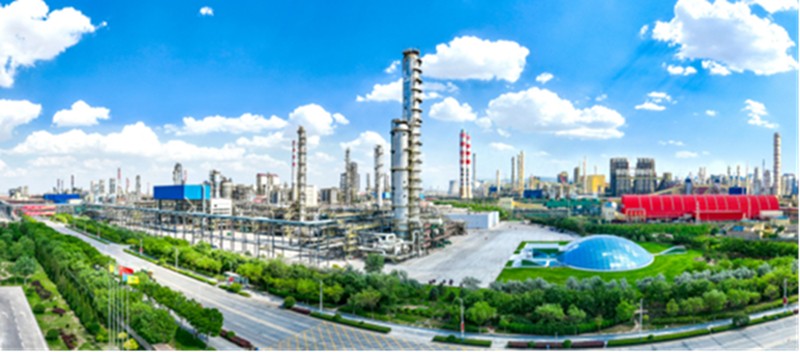
宝丰能源:固本兴新,实业报国
Zhong Guo Hua Gong Bao· 2025-12-31 03:04
Core Viewpoint - The development of modern coal chemical industry in China during the "14th Five-Year Plan" period has undergone significant industry reshuffling and value reassessment, marking the beginning of a new high-quality development cycle characterized by core technological breakthroughs, green low-carbon transformation, and comprehensive efficiency improvements [1][4]. Group 1: Company Overview - Baofeng Energy Group has established the largest, most complete, and technologically advanced modern coal chemical industry cluster in China during the "14th Five-Year Plan" period, laying a solid foundation for the upcoming "15th Five-Year Plan" [1][5]. - The company focuses on "coal-to-oil" and green upgrades, producing high-end chemical materials such as polyethylene and polypropylene, transforming "black" coal into "white" materials through technological innovation [5][6]. Group 2: Industry Impact - Baofeng Energy's annual production of 3 million tons of olefins in Inner Mongolia can replace nearly 10 million tons of crude oil imports, enhancing national energy security and addressing the "bottleneck" in high-end materials [4][7]. - The coal chemical industry is becoming a crucial pillar for ensuring China's energy security, food security, and supply chain stability amid global economic slowdowns and increasing geopolitical tensions [4][5]. Group 3: Technological Innovation - The company has adopted a domestic innovation strategy, collaborating with top research institutions and equipment manufacturers to overcome key technological barriers and achieve industrialization of core equipment [10][11]. - Baofeng Energy has achieved significant breakthroughs in methanol-to-olefins technology, with the world's first million-ton industrial application of the new DMTO-III technology, enhancing project economics and competitiveness [11][12]. Group 4: Green Transformation - The company is actively pursuing a dual-driven development path of "AI empowerment + green innovation," integrating renewable energy sources such as solar and green hydrogen into its production processes [15][17]. - Baofeng Energy's green hydrogen production capacity is planned to reach 3.1 billion standard cubic meters annually, significantly reducing carbon emissions and supporting the transition to a low-carbon economy [17][18]. Group 5: Social Responsibility - Baofeng Energy has created over 7,000 new jobs during the "14th Five-Year Plan" period, contributing to local employment and talent optimization [21][22]. - The company has established the Ningxia Yanbao Charity Foundation, providing substantial educational support to students in need, with cumulative donations exceeding 5.038 billion yuan [21][22].
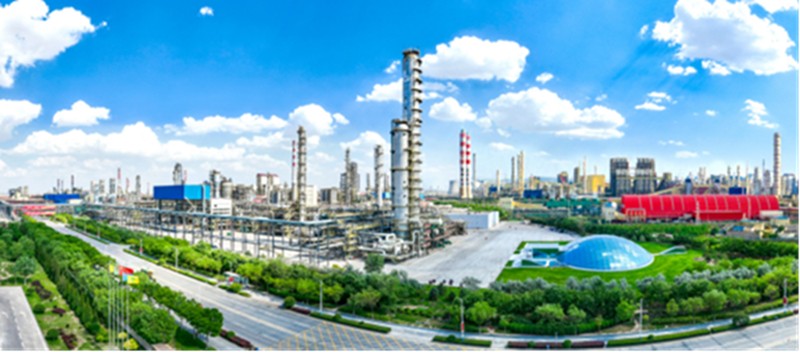
深海逐梦 能源筑基——中国海油“十四五”高质量发展纪实
Zhong Guo Hua Gong Bao· 2025-12-31 02:53
Core Viewpoint - The "14th Five-Year Plan" marks a significant period for China's energy transition, with China National Offshore Oil Corporation (CNOOC) playing a crucial role in ensuring national energy security and advancing towards deep-sea exploration and green transformation [1] Production Growth - CNOOC has achieved a remarkable increase in oil and gas production, with a projected cumulative production of over 40 million tons of oil equivalent from the Bohai Oilfield by 2025, setting a historical record [1] - The company has implemented key technologies such as precise water injection and stable oil control, effectively managing the natural decline rate of mature oil fields, leading to a 33% increase in domestic crude oil production during the "14th Five-Year Plan" [4][5] - In the South China Sea, CNOOC's East South Sea Oilfield has consistently produced over 20 million tons annually, with significant developments in the "Deep Sea No. 1" gas field, increasing peak annual production from 3 billion cubic meters to 4.5 billion cubic meters [5] Exploration Breakthroughs - CNOOC has made substantial progress in oil and gas exploration, with a 27% increase in proven oil reserves and a 75% increase in natural gas reserves compared to the "13th Five-Year Plan" [7] - The company has successfully discovered major oil fields in complex geological structures, including the Bohai Sea and deep-water areas, enhancing its exploration capabilities and contributing to global competitiveness [8][10] Technological Independence - CNOOC has achieved significant advancements in deep-water oil and gas exploration technology, becoming the third country globally capable of independent deep-water resource development [11] - The company has developed the world's first 100,000-ton deep-water semi-submersible production and storage platform, showcasing its technological innovations and contributing to the domestic marine engineering equipment industry [12][13] Regional Empowerment - CNOOC has aligned its investments with national strategies, focusing on key regions such as the Beijing-Tianjin-Hebei area and the Guangdong-Hong Kong-Macao Greater Bay Area, with a 48% increase in total investment for energy layout [16] - The company has played a vital role in ensuring energy supply in various regions, with significant contributions to local economies and the establishment of a collaborative development model between energy and industry [17][18] Green Transformation - CNOOC is committed to green projects, enhancing the clean energy ratio in the Guangdong-Hong Kong-Macao Greater Bay Area and implementing carbon capture and utilization projects [18] - The company has made strides in sustainable energy practices, including the establishment of the first coastal LNG refueling station in Hainan and the production of green methanol from urban waste [18] Future Outlook - Looking ahead, CNOOC aims to continue its focus on technological innovation, green development, and regional collaboration, contributing to national energy security and the transition to a modern energy system [19]

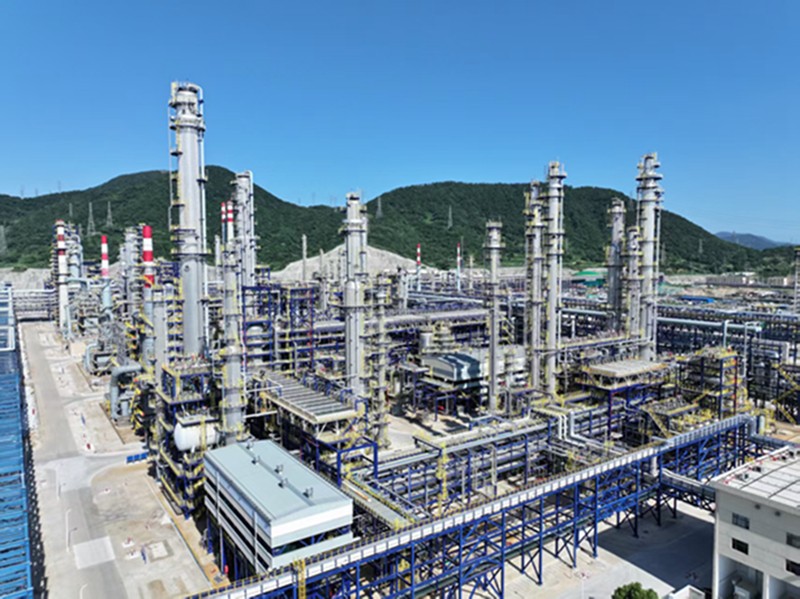
深海逐梦 能源筑基——中国海油“十四五”高质量发展纪实
Zhong Guo Hua Gong Bao· 2025-12-31 02:14
Core Viewpoint - The "14th Five-Year Plan" marks a significant period for China's energy transition, with China National Offshore Oil Corporation (CNOOC) playing a crucial role in ensuring national energy security through technological innovation, regional collaboration, and green transformation [1][20]. Production Growth - CNOOC has achieved a remarkable increase in oil and gas production, with a projected cumulative output of over 40 million tons of oil equivalent from the Bohai Oilfield by 2025, setting a historical record [1][11]. - During the "14th Five-Year Plan," CNOOC's domestic crude oil production increased by 33%, while natural gas production surged by 73%, significantly contributing to national energy security [5][20]. - The company has implemented key technologies to stabilize production in aging oil fields and accelerate the development of new fields, resulting in a 12% improvement in construction efficiency and a 43.2% conversion rate for new production capacity [4][5]. Exploration Breakthroughs - CNOOC has made significant strides in oil and gas exploration, with a 27% increase in proven oil reserves and a 75% increase in natural gas reserves compared to the "13th Five-Year Plan" [8][9]. - The company has successfully discovered major oil fields in complex geological structures, including the Bohai Sea and deep-water areas, enhancing its exploration capabilities and competitiveness [8][9]. - Notable discoveries include the Kaiping South Oilfield and the Hainan deep-water gas field, which have positioned CNOOC as a leader in deep-water exploration [9][11]. Technological Independence - CNOOC has achieved significant advancements in deep-water oil and gas exploration technologies, becoming the third country globally to possess independent development capabilities in this area [12][13]. - The company has developed the world's first 100,000-ton deep-water semi-submersible production and storage platform, showcasing its technological prowess [13][14]. - CNOOC's innovations in LNG storage technology have led to the construction of 18 large-scale LNG tanks, dominating the global market [14]. Regional Empowerment - CNOOC has aligned its investments with national strategies, focusing on key regions such as the Beijing-Tianjin-Hebei area and the Guangdong-Hong Kong-Macau Greater Bay Area, with a 48% increase in total investment for energy projects [17][18]. - The company has played a vital role in ensuring energy supply stability in these regions, contributing to local economic development and industrial upgrades [17][19]. - CNOOC's green projects, such as carbon capture and utilization initiatives, have enhanced the clean energy share in regional energy structures [19]. Future Outlook - Looking ahead, CNOOC aims to continue its commitment to technological innovation, green development, and regional collaboration, contributing to national energy security and the transition to a modern energy system [20].
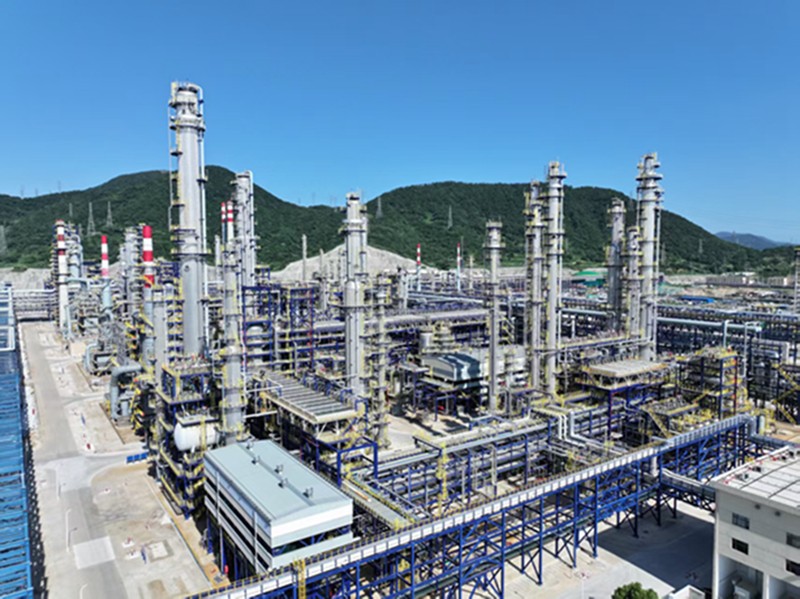
研判2025!中国藻类生物燃料行业背景、产业链全景、发展现状、技术创新及未来发展趋势分析:从示范验证到商业落地,藻基绿能迈向规模化[图]
Chan Ye Xin Xi Wang· 2025-12-31 01:51
Core Insights - Algal biofuels, derived from microalgae, represent a third-generation renewable fuel with significant advantages, including non-food production on marginal land and wastewater, thus avoiding competition with traditional agriculture and offering substantial carbon reduction potential [1][3][6] - The global market for algal biofuels is growing, driven by the need for low-carbon alternatives in hard-to-decarbonize sectors like aviation, with China integrating algal biofuels into its green development strategy through comprehensive policies and technological advancements [1][8] Industry Overview - Algal biofuels are produced from microalgae and macroalgae using various technologies such as oil extraction, fermentation, and gasification, focusing on renewable energy and carbon cycling [2][6] - The industry is characterized by four key features: high non-food yield, low carbon footprint, diverse raw materials, and compatibility with existing fuel systems [3][4] Development Background - The Chinese algal biofuel industry began in the late 1990s, gaining momentum after 2005 with government support, leading to the establishment of a preliminary industrial chain by 2010 [6][7] - Recent policies have emphasized the importance of algal biofuels in achieving energy transition and food security, with multiple strategic documents supporting technological research, market promotion, and industry standards [6][7] Current Industry Status - The global biofuel market is projected to reach $141 billion by 2025 and $257.6 billion by 2034, with a compound annual growth rate (CAGR) of 6.9% from 2025 to 2034, highlighting the increasing demand for advanced biofuels like algal biofuels [8] - In China, the algal biofuel sector is transitioning from demonstration to commercialization, with significant technological breakthroughs in genetic editing, AI cultivation, and magnetic flocculation [8][9] Industry Chain - The algal biofuel industry chain in China includes upstream biomass production, midstream processing, and downstream application, with a focus on producing biofuels and high-value co-products [9][10] - The market is currently dominated by biodiesel, which is compatible with existing infrastructure and has clear policy support, with projections indicating a market size of 1.17 billion yuan by 2025 [10] Future Trends - The industry is expected to evolve through technological breakthroughs, industrial upgrades, and market expansion, focusing on cost reduction and efficiency improvements across the entire value chain [11][12] - The integration of policies and market demand will drive applications into high-end sectors such as aviation and heavy transportation, enhancing international competitiveness through participation in global standards [12][13]



壳牌、英力士在墨西哥湾发现新油气
Zhong Guo Hua Gong Bao· 2025-12-30 06:05
Core Viewpoint - Shell and INEOS Energy have confirmed a new oil and gas discovery in the Nashville exploration well located in the Norphlet deepwater play of the Gulf of Mexico, with Shell holding 79% and INEOS holding 21% working interest [1] Group 1: Discovery Details - The discovery is expected to be tied back to the nearby "Appomattox" production platform jointly owned by Shell and INEOS [1] - INEOS Energy's CEO, David Bucknall, stated that this discovery is a significant milestone for the company's offshore asset portfolio in the U.S. [1] Group 2: Strategic Implications - The discovery represents a positive outcome for INEOS Energy and marks important progress in responsible exploration and development in the resource-rich Gulf of Mexico [1] - The Nashville discovery is anticipated to enhance energy security and provide a reliable supply for many years to come [1]

我国首台全国产商用300兆瓦级重型燃机投运
Yang Shi Xin Wen· 2025-12-29 10:54
Core Viewpoint - The commissioning of the first domestically produced 300 MW heavy-duty gas turbine project in China marks a significant milestone in the country's gas turbine localization industry chain [1] Group 1: Project Overview - The Huadian Wangting Power Plant Phase II Unit 5, located in Suzhou, Jiangsu Province, consists of two 494 MW gas-steam combined cycle units, utilizing the world's first 500 MW hydrogen-cooled generator [1] - Unit 5 is part of the national first batch of gas turbine innovation development demonstration projects [1] Group 2: Energy Production and Environmental Impact - The annual electricity generation capacity of Unit 5 is expected to reach 2.44 billion kWh, sufficient to meet the annual electricity needs of 2.3 million residents [1] - The project will save 200,000 tons of standard coal annually and reduce carbon dioxide emissions by approximately 900,000 tons, providing clean energy support for electricity supply in Jiangsu during the upcoming winter and spring [1] Group 3: Technological Achievements - The project was developed through collaboration between China Huadian and Shanghai Electric, overcoming key technical challenges in core component manufacturing and system autonomy [1] - More than 30 innovative achievements have been generated, achieving self-controllability from core component research and application to overall machine operation and maintenance [1] - This project provides solid equipment support for building a new energy system and ensuring national energy security [1]


美国堵死中国能源路,解放军三航母集结,跨海反制代价多大?
Sou Hu Cai Jing· 2025-12-29 10:16
Group 1 - The core point of the news is that Trump announced the seizure of the Venezuelan oil tanker "Century" along with its cargo of 1.1 billion USD worth of 1.8 million barrels of crude oil, which was originally destined for China, raising international concerns about U.S. intervention in global energy and trade routes [1][3] - The incident highlights significant security risks in global energy and trade transportation, as the U.S. is seen as intervening against China's energy interests [3] - China's crude oil imports from January to September 2025 reached 423 million tons, with a daily consumption exceeding 11 million barrels, indicating that while the seized oil does not significantly impact China's energy imports, it signals a dangerous precedent for U.S. actions against Chinese interests [3] Group 2 - The Chinese military's response may involve providing naval escorts for its oil and trade fleets, suggesting a potential military countermeasure to U.S. actions [3] - The article compares the capabilities of China's aircraft carriers, particularly the Fujian, which is equipped with advanced electromagnetic catapults and can carry a variety of modern aircraft, enhancing China's naval power [5][6] - Despite the potential for a strong naval response, the article notes that the geographical proximity of the U.S. to the incident site would enhance American defensive capabilities, making direct confrontation costly for China [8][10]

2025油气行业交出“十四五”以来最具分量的“安全答卷”
Zhong Guo Neng Yuan Wang· 2025-12-29 04:23
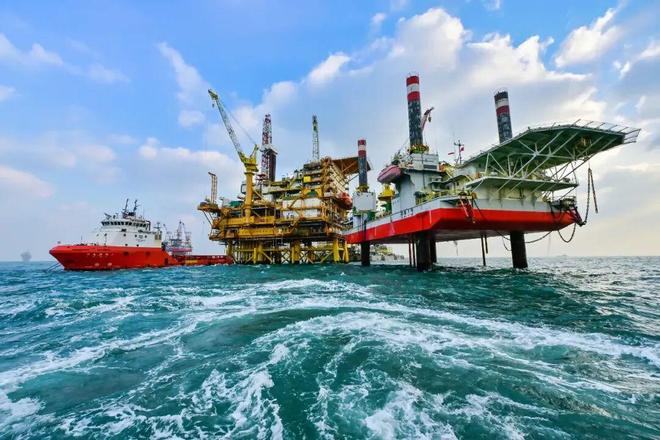
Core Viewpoint - In 2025, China's oil and gas industry is undergoing a multi-dimensional transformation, achieving historical highs in both oil and gas production while transitioning from a traditional energy provider to a materials and systems service provider [1][7]. Group 1: Industry Achievements - The "Seven-Year Action Plan" for increasing oil and gas reserves and production has successfully concluded, marking a significant milestone in energy security [3][4]. - Offshore oil production has significantly contributed to national oil output, with the Bohai Oilfield achieving a historic breakthrough of 40 million tons of oil equivalent, comparable to creating a new "Daqing" in offshore production [3][4]. - The first 10,000-meter exploratory well, "Deep Earth Taka 1," has been drilled, marking a global first in discovering oil and gas at such depths, thus opening new resource reserves [4][5]. Group 2: Technological Advancements - China has developed a complete deep-sea oil and gas development capability, mastering the entire chain from exploration to operation, which allows for independent development of most deep-sea resources [4][5]. - Significant breakthroughs in ultra-deep drilling technology have been achieved, with drilling cycles for deep coalbed gas wells reduced from nearly 100 days to under one month, enhancing resource extraction efficiency [5][6]. - The industry is transitioning from reliance on external technologies to a self-sufficient, technology-driven model, establishing a robust safety defense for energy independence [5][6]. Group 3: Value Transition - The oil and gas industry is at a critical juncture as refined oil consumption peaks, indicating a shift from traditional fuel provision to becoming a key player in industrial materials and stable system services [7][8]. - The role of oil is evolving from merely a fuel source to being integral in high-end manufacturing and supply chain security, with petrochemicals becoming increasingly important [7][8]. - Natural gas is positioned as a crucial stabilizer and regulator in the new power system, especially as renewable energy sources like wind and solar gain prominence [7][8]. Group 4: Future Outlook - The oil and gas industry is set to integrate into the new energy system blueprint, showcasing its potential to adapt and thrive in a changing landscape [8].
2025油气行业交出“十四五”以来最具分量的“安全答卷”
中国能源报· 2025-12-29 03:58
Core Viewpoint - In 2025, the Chinese oil and gas industry is undergoing a profound transformation, achieving historical highs in both oil and gas production while transitioning from a traditional energy provider to a key player in new materials and systems integration [1][7]. Group 1: Industry Achievements - The "Seven-Year Action Plan" has successfully concluded, marking a significant milestone in energy security with record production levels in both oil and gas [3][4]. - Offshore oil production has notably increased, with the Bohai Oilfield achieving a historic output of over 40 million tons of oil equivalent, comparable to creating a new "Daqing" in offshore production [3][4]. - The first 10,000-meter exploratory well, "Deep Earth Taka 1," has been drilled, discovering underground oil and gas resources, thus opening new resource potential [4]. Group 2: Technological Advancements - The industry has made significant breakthroughs in core technologies, establishing a robust technical foundation for energy independence [5]. - The completion of the "Deep Sea No. 1" Phase II project has integrated domestic underwater production systems and deep-water drilling ships, enabling China to independently develop most deep-sea resources [5]. - Innovations in drilling technology have drastically reduced drilling cycles for deep coalbed methane wells from nearly 100 days to under one month, enhancing efficiency [5]. Group 3: Market Transition - The peak in refined oil consumption signifies a shift in the industry, moving from providing fuel to becoming a supplier of industrial materials and stable system services [7][8]. - The role of natural gas has evolved, becoming a crucial stabilizer and regulator in the new power system, especially as the share of wind and solar energy increases [7]. - The oil and gas industry is transforming into an open "symbiotic platform," integrating with renewable energy sources and leveraging digitalization and AI for enhanced operational efficiency [7][8]. Group 4: Future Outlook - The industry is poised to accelerate its integration into the new energy system, showcasing its strength and adaptability in response to evolving energy demands and technological advancements [8].