行业自律

Search documents
吉利杨学良:行业自律是中国汽车产业健康发展的守护神
Guo Ji Jin Rong Bao· 2025-06-08 12:50
Core Viewpoint - The automotive industry in China is facing severe internal competition, which is detrimental to its healthy development, and there is a strong call for industry self-discipline to maintain fair competition [1][2] Group 1: Industry Self-Discipline - Industry self-discipline is deemed essential for the healthy development of the Chinese automotive sector, as highlighted by the senior vice president of Zhejiang Geely Holding Group [1] - Despite signing the "Commitment to Maintain Fair Competition in the Automotive Industry," adherence to these commitments is inconsistent among industry players [1] - The essence of competition in the industry is fundamentally a competition among individuals, and the root of industry chaos lies in the amplification of human flaws [1] Group 2: Legal Framework and Consumer Impact - The legal system must play a crucial role if industry self-discipline fails, ensuring transparency and accountability within the automotive sector [2] - The ongoing internal competition not only harms companies but also negatively impacts consumers, threatening the overall health of the industry [2] - The phenomenon of "involution" is described as a form of self-destructive competition that distorts market mechanisms and disrupts fair competition [2] Group 3: Company Positioning - Geely explicitly opposes involutionary competition and commits to a path of open and healthy competition, focusing on value, technology, quality, service, brand, and corporate ethics [2]

吉利杨学良:行业自律不能全靠人性,法律是自律失灵时的坚实后盾
Xin Lang Cai Jing· 2025-06-07 09:23
Core Viewpoint - Industry self-discipline is crucial for the healthy development of the Chinese automotive industry, and companies are urged to resist vicious competition characterized by "involution" [1][3][5] Summary by Sections Industry Self-Discipline - Yang Xueliang emphasized that self-discipline is the guardian of healthy industry development, despite many companies signing the "Commitment to Maintain Fair Competition in the Automotive Industry" [3][4] - The implementation of this commitment varies among companies, and it should not be merely a formality; companies must fulfill their promises to ensure industry health [3][4] Human Factors in Self-Discipline - The effectiveness of self-discipline is influenced by human nature within companies, where the duality of good and evil can impact corporate behavior [3][4] - A lack of effective constraints can lead to industry chaos, while strict legal enforcement can promote positive behavior [3][4] Legal Framework - If industry self-discipline fails, legal intervention is necessary to ensure transparency and combat illegal activities [4] - Adherence to laws and strict enforcement is essential for orderly industry operations [4] Mutual Supervision and Respect - Companies should supervise and respect each other, as their actions are interconnected with the overall industry interests [4] - Malpractices that harm public interest or mislead consumers damage the industry's reputation and should be addressed [4] Concerns Over Involution - Involution is described as a detrimental form of competition that threatens the automotive industry, and companies should engage in open and healthy competition across various dimensions [5] - Industry leaders have expressed concerns about involution, recognizing it as a barrier to sustainable development [5] Call for Collective Efforts - Yang's call for collective self-discipline reflects the sentiments of many industry stakeholders, aiming to elevate the Chinese automotive industry on a global scale [5]

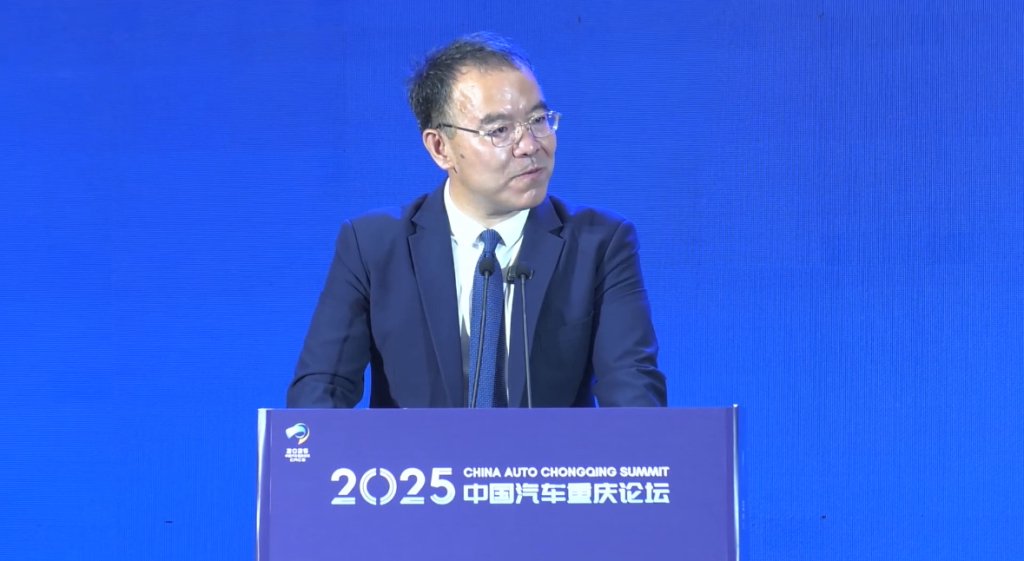
吉利杨学良重庆论坛再谈反内卷:治理行业乱象要从依法合规开始
Zhong Guo Jing Ji Wang· 2025-06-07 08:34
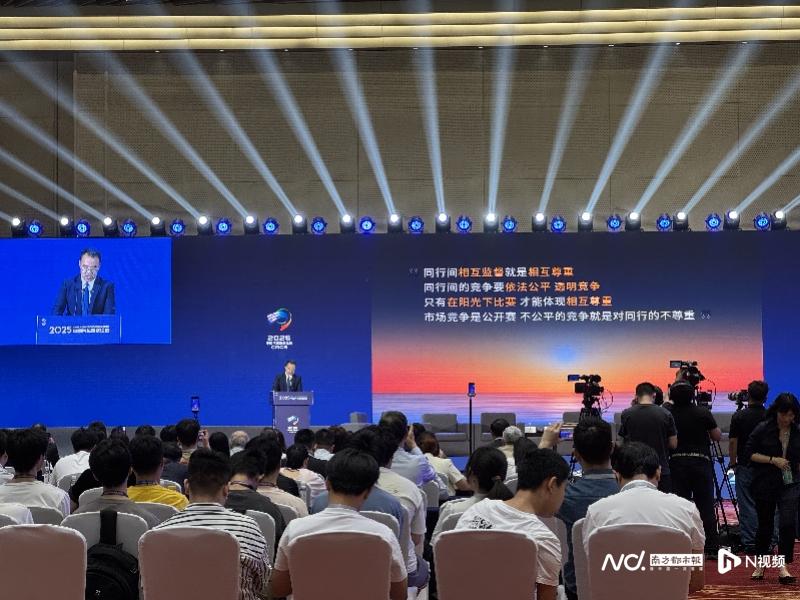
"治理行业乱象要从依法合规开始,有法必依、违法必究、执法必严是保证行业健康发展的良 药。""企业是行业自律的主体,企业不自律行业不可能自律。""内卷不仅威胁到行业的健康发展,消费 者也将深受其害。""同行间相互监督就是相互尊重,同行间的竞争就是建立在依法公平、透明竞争基础 上的比赛,只有在阳光下比赛,才能体现相互尊重,市场竞争就是公开赛。不公平的竞争就是对同行的 不尊重。"在今天上午2025中国汽车重庆论坛汽车产业生态分论坛上,吉利控股集团高级副总裁杨学良 在演讲中火力全开,直指汽车行业的内卷乱象,倡议"行业自律是中国汽车产业健康发展的守护神"。 杨学良表示,对吉利而言,无论行业如何变幻,无论友商如何内卷,吉利永远不搞内卷,永远不做 卷王,永远不搞内卷式恶性竞争。"吉利将坚持走开放式良性竞争的发展道路,坚持合作共赢、外延发 展的市场竞争原则。我们不简单地打价格战,我们要在保持价格优势的前提下,打价值战、技术战、品 质战、服务战、品牌战、企业道德战。" 依法治国应该在汽车行业充分体现 2023年7月,中国汽车工业协会组织16家汽车生产企业签署了《汽车行业维护公平市场秩序承诺 书》指出,坚持遵守行规行约,规范市场 ...
吉利汽车杨学良:加强行业自律 共筑汽车产业健康发展基石
Zheng Quan Ri Bao Zhi Sheng· 2025-06-07 07:42
Core Viewpoint - The automotive industry in China is facing severe internal competition, and industry self-discipline is essential for healthy development [3][4]. Group 1: Importance of Industry Self-Discipline - Industry self-discipline is crucial for the healthy development of the Chinese automotive sector, as emphasized by the need for fair competition and adherence to market regulations [3][4]. - Despite the signing of the "Commitment to Maintain Fair Competition in the Automotive Industry," there are inconsistencies in adherence among signatories, highlighting the need for stronger self-regulation [3][4]. - Companies must operate in compliance with laws and regulations, fostering a transparent competitive environment through mutual respect and supervision [3][4]. Group 2: Dangers of Internal Competition - The phenomenon of "involution" is described as a form of self-destructive competition that threatens the integrity of the automotive industry [4]. - Some companies are adopting "involution" strategies, distorting market mechanisms and disrupting fair competition, which could undermine the industry ecosystem supported by government funding [4]. - As a leading company, Geely firmly opposes involution and commits to a path of open and healthy competition, focusing on value, technology, quality, service, brand, and corporate ethics [4][5]. Group 3: Call for Unity and Progress - The industry is urged to cherish its achievements and avoid self-destructive competition for individual gain, emphasizing the importance of collective effort [5]. - The success of the Chinese automotive industry is attributed to wise government policies and substantial financial support, particularly since the 18th National Congress of the Communist Party [5]. - A message of goodwill is extended to all industry peers and consumers, promoting unity and high-quality development in the automotive sector [5].
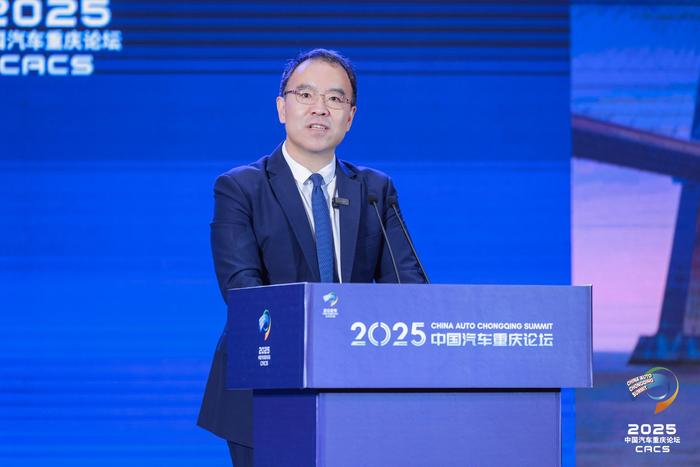
吉利杨学良:内卷是最低级的、自杀式恶性竞争,呼吁行业自律
Nan Fang Du Shi Bao· 2025-06-07 06:48
6月7日2025重庆汽车论坛上,吉利控股集团高级副总裁杨学良发表演讲,呼吁企业自律,认为行业自律是中国汽 车产业健康发展的守护神。 杨学良表示,汽车行业内许多企业都已签订过《汽车行业维护公平竞争市场秩序承诺书》,做出过承诺。 据悉,《汽车行业维护公平竞争市场秩序承诺书》包含四点内容:坚持遵守行规行约,规范市场营销活动,维护 公平竞争秩序;注重营销宣传方式方法,不夸大宣传、不虚假宣传,不为吸引眼球、增加获客而对消费者进行误 导性宣传;发扬质量为先、品质为本的工匠精神,以高质量产品,高品质服务,满足人民对美好生活的需求;弘 扬社会主义核心价值观念,积极履行社会责任。 杨学良认为,企业是行业自律的主体,企业不自律行业不可能自律。"企业与企业之间的竞争从本质上讲是人与人 之间的竞争,行业乱象的根源在于人性的恶得到了放大,人性的伪没有被识破,假话到处行,真话不可行,有法 不依、违法不究、执法不严,这是行业乱象的根源。" 就目前行业中存在的内卷现象,杨学良认为,这不仅威胁到行业的健康发展,消费者也将深受其害。"'卷'字一日 不消,内卷发动者一日不改邪归正,中国汽车就不可能由大变强,真正走向全球。" "内卷是最低级的竞争行 ...

三年价格战「急刹车」,汽车产业没有赢家
3 6 Ke· 2025-06-06 10:33
2025年5月末至6月初,中国汽车工业体系接连迎来两份重量级行业倡议。 5月31日,中汽协率先发布《关于维护公平竞争秩序促进行业健康发展的倡议》,直指无序价格战导致 的全行业利润危机。6月3日,全国工商联汽车经销商商会紧急跟进,揭开了经销商体系在价格战冲击下 的生存困境。 这两份文件的密集出台,标志着新能源汽车产业在市场渗透率突破40%的关键节点上,正经历"从规模 到利润"的剧痛转型。当新能源汽车从政策温室走向完全市场化竞争,持续两年的价格混战已让行业生 态发生深刻裂变。 在中国汽车工业协会最新发布的统计数据中,2025年前4月,新能源汽车产销量分别为442.9万辆和430 万辆,同比分别增长48.3%和46.2%,新能源汽车新车销量达到汽车新车总销量的42.7%,标志着我国新 能源汽车产业正式迈入规模化普及阶段。 然而在产销两旺的表象下,行业利润率正经历断崖式下滑。2025年一季度汽车制造业利润率为3.9%, 低于同期下游工业企业5.6%的平均水平。如果把时间倒退回2014年,彼时全国汽车制造业的营收不到 7000亿,但利润率约为8.99%。 价格体系的失衡,始于2023年的"国补退坡"。 随着延续13年的 ...
龙头二线融资能力分化,淡季来临或加速出清——光伏主产业链可持续经营梳理
2025-06-04 01:50
龙头二线融资能力分化,淡季来临或加速出清——光伏主 产业链可持续经营梳理 20250603 摘要 2025 年二季度起,光伏需求环比走弱,国内分布式光伏装机下降,美 国市场受补贴政策不确定性影响需求疲软,市场化出清刚开始。需关注 政策变动对市场的影响。 光伏行业仍面临产能过剩,虽新增产能停止,但开工率走低,库存积压, 导致实际产出低于去年同期。行业自律虽能避免企业严重亏损,但国家 层面未见明显产能出清措施。 下游环节库存低的企业利润修复明显,如硅片、电池片因库存少而涨价 效果好。组件端虽涨价,但受美国出货减少影响,利润受压制。一季度 经营性现金流虽转负但较去年同期有所改善。 二线光伏公司筹资性现金流显著下降,融资压力巨大,少数公司通过 IPO 或股权融资获得资金。需警惕二线公司资金链断裂风险。 光伏行业公司负债率达历史高位,平均 67.5%,二线公司负债率更高。 高负债率主要由应付账款构成,影响企业经营风险,偿债能力受货币资 金受限问题制约。 Q&A 光伏组件体系产业链在过去一年中的变化及其影响是什么? 在过去的一年中,光伏组件体系产业链发生了显著变化。首先,行业自律加强 以及 2025 年 5 月 31 日 ...
多频道网络机构,自律他律都得有(倾听)
Ren Min Ri Bao· 2025-06-02 21:43
Core Viewpoint - The Chinese government has issued guidelines to strengthen credit regulation of MCN (Multi-Channel Network) institutions, which have emerged alongside the rise of live streaming, social media, and short videos, but have also led to issues such as false information and unethical marketing practices [1][8]. Group 1: Issues with MCN Institutions - MCN institutions are criticized for prioritizing short-term traffic over long-term benefits, leading to a proliferation of low-quality content and misinformation [3][4]. - A specific case highlighted the manipulation of content by MCN institutions, where multiple accounts operated by five MCNs spread sensationalized news, resulting in legal action against the responsible parties [3][4]. - The use of "data magic" to create false traffic is prevalent, with some MCNs offering services to artificially inflate view counts for a fee, raising concerns about the integrity of content [5][6]. Group 2: Regulatory Actions and Industry Response - The government has intensified efforts to regulate MCN institutions, including a special campaign to address illegal activities such as misleading advertising and exploitation of minors [8][9]. - Industry self-regulation is being promoted, with associations calling for MCNs to reject false content and prioritize quality [9][10]. - New regulations are being proposed that would hold MCN institutions accountable for the content they publish, requiring them to conduct compliance checks before releasing information [10][11]. Group 3: Future Directions for MCN Institutions - There is a call for MCN institutions to adopt a more ethical approach to content creation, focusing on quality and positive societal impact [11][12]. - Legislative measures are suggested to clarify the legal relationship between MCNs and content creators, aiming to protect creators from unfair contracts [12]. - Encouragement for innovative and high-quality MCN institutions is emphasized, with suggestions for resource support to help them thrive and set new standards in content creation [12].
广西发布“行业以心暖新 共筑友好场景”联合自律公约
Guang Xi Ri Bao· 2025-06-02 01:41
Group 1 - The core event is the signing of a self-discipline convention by six industry associations and five platform companies in Guangxi, aimed at promoting a friendly environment for new employment groups such as couriers and delivery personnel [1][2] - The self-discipline convention includes 12 specific self-regulatory clauses focusing on service standards, property support, financial guarantees, and collaboration between delivery services and order maintenance [1] - The initiative is guided by various governmental departments and aims to enhance the management and service of couriers and delivery personnel through a comprehensive task list with 61 specific measures [2] Group 2 - The event emphasizes the importance of industry associations in fostering a supportive atmosphere for new employment groups and enhancing cooperation among different sectors [1] - The initiative includes practical measures such as optimizing access management in residential areas and commercial buildings, designating parking areas, and providing rest points for delivery personnel [2]
反内卷不能只靠自觉
董扬汽车视点· 2025-06-01 04:33
Core Viewpoint - The article discusses the recent initiative by the China Automobile Industry Association to address "involutionary" competition in the automotive industry, emphasizing the need for government intervention to maintain fair competition and industry health [1][2][3]. Group 1: Government's Role and Initiative - The initiative is not merely an industry self-regulation effort but a significant measure to implement the spirit of the Central Political Bureau's meeting, with expected government actions to follow [1]. - The language used in the initiative is notably severe, indicating a clear directive to companies, with specific mention of actions to "investigate, expose, and severely punish" violators, suggesting strong government backing [1]. - The timing of the initiative's release coincided with statements from government officials, reinforcing its legitimacy and urgency [2]. Group 2: Market Regulation and Economic Principles - The combination of government action and effective market mechanisms is crucial for the socialist market economy, particularly in addressing "involutionary" competition [3]. - Unlike capitalist market economies, the socialist market economy allows for greater flexibility in government oversight of market behaviors, as highlighted by the need for regulatory measures to protect consumer and societal interests [3]. - The management of the new energy vehicle industry should focus not only on growth speed but also on maintaining order and long-term stability, aligning with global automotive industry standards [3]. Group 3: Potential Government Actions - The government may increase penalties for companies violating laws and regulations within the industry [4]. - There will be a focus on enforcing measures proposed by multiple ministries to address "involutionary" competition, including scrutiny of payment delays to parts suppliers, which could significantly impact cash flow and pricing strategies of vehicle manufacturers [4]. - If industry self-regulation proves ineffective, the government may support the China Automobile Industry Association in hiring third-party organizations to ensure compliance with self-regulatory measures [4].