资本配置

Search documents
Enovis (NYSE:ENOV) 2025 Conference Transcript
2025-09-10 19:37
Summary of Enovis Corporation Conference Call Company Overview - Enovis Corporation operates in the $4 billion prevention and recovery markets and is a growing player in the $40 billion global orthopedic implant market [1][2] - The company has built a strong portfolio across the orthopedics space, focusing on mobility and organic growth [2][3] Core Business Insights - Enovis has a recon business that is growing above market with strong gross margins, complemented by a prevention and recovery business that generates significant cash flow [2][3] - The company aims to enhance its balance sheet and focus on organic growth while integrating acquisitions made over the past four years [3][4] Strategic Focus Areas - The company emphasizes commercial execution and innovation pipeline as key areas for growth [3] - Financial discipline is a priority, with a focus on increasing free cash flow and reducing debt to enable future M&A opportunities [4] Market Trends and Demand - The macro trends of longevity, gut health, brain health, and mobility are seen as significant drivers for the company's growth [5] - Demand for hip and knee procedures remains strong, with the company performing well despite macroeconomic uncertainties [10][11] Product Development and Technology - The ARVIS® Augmented Reality System is viewed as a critical enabling technology for orthopedics, with plans for significant upgrades [17][18] - The company is exploring flexible pricing models for ARVIS® to drive market penetration [20] Financial Performance and Projections - The company anticipates continued improvements in cash flow generation, particularly in 2026, due to reduced regulatory spending and improved working capital efficiency [34][35] - CapEx is currently elevated due to integration efforts but is expected to normalize over the next few years [32][33] R&D and Innovation - Enovis aims to increase its R&D spending, currently at about 5-6% of revenue, to enhance innovation without sacrificing EBITDA [24][25] - The company views its M&A activities as a form of R&D, particularly in expanding its foot and ankle portfolio [26][28] Tariff and Pricing Trends - The company has seen improvements in its tariff situation, which is expected to positively impact financial performance in 2025 [44][45] - Pricing trends in the recon business are slightly down on a like-for-like basis, but new innovations are expected to stabilize overall pricing [53] Long-term Business Strategy - Enovis believes in the importance of maintaining a connection between its prevention and recovery and recon businesses to support patient care throughout their mobility journey [61] Conclusion - Enovis Corporation is positioned for growth through strategic focus on innovation, financial discipline, and leveraging its strong portfolio in the orthopedic market, while navigating macroeconomic challenges and enhancing operational efficiencies [5][34][61]

Integra LifeSciences (NasdaqGS:IART) FY Conference Transcript
2025-09-10 13:32
Integra LifeSciences FY Conference Summary Company Overview - **Company**: Integra LifeSciences (NasdaqGS:IART) - **Date of Conference**: September 10, 2025 Key Points Industry and Market Position - **Market Leadership**: Integra holds a leadership position in attractive markets, particularly in neurosurgery, tissue technologies, and ENT (Ear, Nose, and Throat) [6][18] - **Demand Resilience**: There is a strong and resilient demand for Integra's products, supported by demographic shifts such as an aging population and increasing neurological conditions [18][19] Financial Performance and Growth Strategy - **Growth Opportunities**: The company sees tremendous opportunities for continued growth through organic growth, innovation, and potential inorganic opportunities in the future [6][19] - **Portfolio Prioritization**: A thorough portfolio assessment has been completed, guiding capital allocation decisions to focus on high-growth areas [19][20][24] - **2026 Expectations**: Growth is expected in 2026 compared to 2025, particularly due to the resolution of supply chain issues and the impact of shipholds in 2025 [53][54] Operational Challenges and Compliance - **Operational Challenges**: The company faces deeper operational and execution challenges than anticipated, but these are considered fixable [7][30] - **Compliance Master Plan (CMP)**: The CMP is a top priority, with significant progress made in site assessments and remediation work [30][31] - **Leadership Changes**: Strengthening of leadership teams in quality and operations has been a focus, including the establishment of a supply chain control tower [8][32] Cost Management and Efficiency - **Cost Reduction Initiatives**: An initial cost reduction initiative targeting $25 to $30 million over the next 12 to 18 months has been announced to improve profitability [35][36] - **Focus on COGS and OPEX**: The company is targeting improvements in Cost of Goods Sold (COGS) and operational expenditures (OPEX) to enhance efficiency and profitability [35][36] Product Development and Pipeline - **Product Loyalty**: Strong loyalty from surgeons towards Integra's products has been noted, particularly in neurosurgery [23][42] - **Regulatory Approvals**: The company is pursuing PMAs (Pre-Market Approvals) for key products, including SurgiMend and DozeWorld, with significant market potential [46][47] - **R&D Focus**: Investments in R&D are being prioritized in areas that will enhance clinical evidence and support product leadership [49] Market Dynamics and Reimbursement Landscape - **Wound Care Landscape**: The reimbursement landscape is evolving, with a focus on clinical evidence and cost-effectiveness, which is seen as a growth opportunity for Integra [60][61] - **Consolidation Trends**: There may be shifts in the market leading to consolidation among players, with Integra positioned to benefit from these changes [65] Internal Culture and Team Dynamics - **Company Culture**: A strong commitment to the company's purpose of restoring patients' lives is evident among employees, fostering a resilient and collaborative team environment [14][16] - **Prioritization of Efforts**: The company is focused on aligning efforts towards the most impactful priorities to drive growth and operational excellence [15][19] Future Outlook - **Encouraging Momentum**: There is optimism about the company's future, with expectations of improved performance and the ability to address operational challenges effectively [54][69] - **Focus on Execution**: The immediate focus remains on execution and improving operational reliability, with a long-term view towards growth and shareholder value creation [50][56] This summary encapsulates the key insights and strategic directions discussed during the Integra LifeSciences FY Conference, highlighting the company's market position, operational challenges, growth strategies, and future outlook.

Brady (BRC) - 2025 Q4 - Earnings Call Transcript
2025-09-04 15:30
Financial Data and Key Metrics Changes - The company reported a record high adjusted EPS of $1.26 for Q4 2025, representing a 5.9% increase year-over-year [4][11][17] - Organic sales grew by 2.4% in Q4, with acquisitions contributing an additional 11.3%, leading to a total sales growth of 15.7% [11][13] - The gross profit margin decreased to 50.4% from 51.6% in the same quarter last year, primarily due to increased costs [13][14] Business Line Data and Key Metrics Changes - Printers and consumable products accounted for nearly 40% of total sales, with organic growth of 67% annually over the last three years [6][9] - The Americas and Asia region saw organic sales growth of 4.3% in Q4, while Europe and Australia experienced a decline of 1.3% [4][11][24][26] - R&D investment increased by 31% in Q4, reaching nearly $80 million, which is 5.3% of sales [5][9][15] Market Data and Key Metrics Changes - The Americas and Asia region reported total sales of $260.8 million, with organic growth of 4.3% and acquisition growth of 9.8% [24] - In Asia, organic sales grew by 12%, with a notable 23% growth outside of China, despite a 3% decline in China [25] - The Europe and Australia region faced challenging economic conditions, leading to a 1.3% organic sales decline, although acquisitions contributed 14.4% growth [26] Company Strategy and Development Direction - The company aims to expand its workplace safety and identification solutions by providing tailored solutions to meet customer needs [7][9] - Strategic acquisitions, such as Gravitec and MECO, are expected to enhance technical capabilities and drive future growth [9][28] - The focus remains on R&D investment to stay ahead of competition and deliver specialized products [9][19] Management's Comments on Operating Environment and Future Outlook - Management acknowledged the challenging macro environment in Europe and Australia, which has impacted sales and necessitated cost reduction actions [11][12] - The company anticipates organic sales growth in the low single-digit percentages for the year ending July 31, 2026, with adjusted EPS projected to range from $4.85 to $5.15 [21][22] - Management expressed confidence in mitigating tariff impacts through various strategies, including reshoring and supply chain adjustments [33][52] Other Important Information - The company returned $96 million to shareholders through dividends and share buybacks, marking the 40th consecutive year of annual dividend increases [9][10] - Operating cash flow for Q4 was $58.3 million, down from $84 million in the previous year, attributed to inventory build [18][37] Q&A Session Summary Question: Guidance on EPS growth amidst economic challenges - Management indicated that cost reductions and mitigating strategies for tariffs would support EPS growth despite economic challenges [32][34] Question: Impact of lower free cash flow in Q4 - The decline in free cash flow was primarily due to inventory build related to facility transitions, which is expected to normalize [37][38] Question: Future R&D investment levels - Management stated that while R&D investment may slightly decrease in the short term due to team integration, the long-term trend is to continue increasing R&D investment [50][51] Question: Tariff impact on guidance - Management expects the incremental tariff impact to be more pronounced in the first half of the year, with mitigation efforts included in the guidance [52][54] Question: Growth drivers in the printer and consumables segment - The primary growth drivers identified were data centers and aerospace and defense sectors, which have shown significant demand [56][57]

Tyson Foods(TSN) - 2025 FY - Earnings Call Transcript
2025-09-04 14:47
Financial Data and Key Metrics Changes - The company has seen a cautious consumer environment impacting restaurant traffic and retail shopping behavior, with a shift towards more frequent retail shopping but lower spending per visit [6][7] - The company is optimistic about the growth of its value-added chicken business, which has been performing well despite the challenges in the market [8][19] Business Line Data and Key Metrics Changes - The chicken segment is highlighted as a strong performer, with significant growth in value-added sales and a robust innovation pipeline [19][20] - The beef segment is facing challenges due to limited availability and market volatility, but there are signs of herd rebuilding which could improve future performance [29][30] - The pork segment has shown positive performance, benefiting from consumers seeking value alternatives to beef, with ongoing operational improvements [50][52] Market Data and Key Metrics Changes - The company is observing a stable environment in the protein market, with USDA projections indicating minimal increases in production across all proteins [24] - The international business is expanding, with significant investments made in Southeast Asia, China, and other regions, although geopolitical and economic pressures remain [45][47] Company Strategy and Development Direction - The company aims to maintain operational excellence and continuous improvement across all business segments, focusing on innovation and consumer needs [15][38] - There is a strong emphasis on aligning communication and best practices globally to leverage opportunities in the protein market [4][19] Management's Comments on Operating Environment and Future Outlook - Management acknowledges the cautious consumer sentiment but remains confident in the essential role of protein in diets, which is expected to drive long-term growth [7][8] - The company is committed to executing its strategies effectively and is optimistic about maintaining momentum in its prepared foods and chicken segments [39][40] Other Important Information - The company has reopened share repurchases and is focused on maintaining a net leverage target of at or below 2x, with a balanced approach to capital allocation [54][56] - The expected normalized level of capital expenditures is around $1 billion, reflecting a disciplined approach to investments [58] Q&A Session Summary Question: What are the key priorities for the new COO? - The COO emphasized the importance of alignment, clarity, and communication within the organization, aiming to accelerate existing momentum without major changes [3][4] Question: How is consumer behavior affecting protein consumption? - The COO noted a cautious consumer environment, with a shift towards retail shopping and a focus on value-added protein products [6][7] Question: What is the outlook for the chicken business? - The COO expressed optimism about the chicken segment, highlighting strong growth in value-added sales and a solid innovation pipeline [19][20] Question: What challenges are being faced in the beef segment? - Management discussed limited availability and market volatility in the beef segment, but indicated positive signs of herd rebuilding [29][30] Question: How is the company addressing input price pressures in prepared foods? - The COO mentioned the use of formula pricing and point-of-sale price adjustments to manage input cost pressures while maintaining consumer value [40][41] Question: What is the strategy for international growth? - The COO highlighted significant investments and a strong leadership team in international markets, with a focus on operational excellence and adapting to local conditions [45][47] Question: What are the future expectations for the pork segment? - Management acknowledged the positive performance in pork, driven by consumer demand for value, and emphasized ongoing operational improvements [50][52]

ADM(ADM) - 2025 FY - Earnings Call Transcript
2025-09-03 18:32
Financial Performance and Key Metrics - The company reported earnings per share of $0.93 in the second quarter, exceeding market expectations [4] - The company is on track to achieve $200 million to $300 million in cost reductions this year, part of a broader goal of $500 million to $750 million over the next three to five years [8][10] Business Line Performance - The Ag Services and Oilseeds segment delivered results in line with expectations, benefiting from improved plant networks and regulatory certainty [4] - The Nutrition business showed sequential improvements, particularly in the flavor and probiotic segments, and has resumed production at a previously down protein plant [5][33] Market Conditions - Commodity prices are currently low, impacting farmer willingness to sell, but a large crop is expected in the U.S., which should support processing capacity [26][28] - Regulatory clarity regarding biodiesel and biofuels is improving, which is expected to benefit the Car Solutions business [10][30] Company Strategy and Industry Competition - The company is focusing on portfolio simplification and has exited non-core units that did not meet return expectations [6][7] - There is an emphasis on capital allocation towards productivity and innovation, with a balanced approach to dividends and strategic acquisitions [9][52] Management Commentary on Operating Environment and Future Outlook - Management expressed optimism for a strong finish to 2025 and excitement about 2026, despite ongoing uncertainties [11] - The company is actively working to improve operational excellence and customer relationships to regain market share lost during production downtime [35][63] Other Important Information - The company has been increasing dividends for the last fifty years, reflecting a commitment to driving cash flows [10] - There is a focus on emerging markets, particularly in Africa and Asia, to drive growth in flavors and affordable nutrition [66][67] Q&A Session Summary Question: What is the outlook for the second half of the year? - Management indicated that Q4 is expected to be significantly better than Q3, driven by improved crush margins and harvest timing [12][15] Question: How are cost savings being achieved? - Cost savings are being realized through operational improvements, personnel reductions, and technology investments [20][22] Question: What is the impact of the Decatur protein facility coming back online? - The facility is expected to contribute $20 million to $25 million per quarter, with half of that from operational improvements and the rest from regaining customer volumes [39][40] Question: How does the company plan to allocate capital for growth? - Capital allocation will focus on productivity improvements, maintaining dividends, and strategic acquisitions, with decisions made on a project-by-project basis [52][54]

李迅雷:大国债务——经济增长的代价
Sou Hu Cai Jing· 2025-09-03 04:47
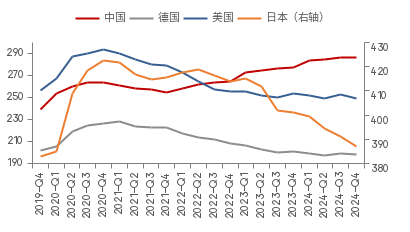
Group 1 - The macro leverage ratio in China has increased to 300.4% in Q2 2025, marking a significant rise from 298.5% in Q1 2025, indicating a growing debt burden associated with economic growth [1] - The rapid increase in debt levels in China is primarily driven by government departments and state-owned enterprises leveraging up [2][9] - The macro leverage ratio of China is projected to rise from 239.5% in 2019 to 286.5% by the end of 2024, showing the most significant increase among major economies [2][28] Group 2 - The leverage ratio of non-financial enterprises in China has shown a pattern of increase since 2022, reaching 139.4% by Q3 2024, driven by significant investments in emerging industries and high-end manufacturing [5][32] - The debt levels of state-owned enterprises are notably higher than those of non-state enterprises, with an average asset-liability ratio of 85.6% for state-owned enterprises compared to 78.3% for non-state enterprises [7][9] - Government leverage in China has risen from 59.6% at the end of 2019 to 88.4% by the end of 2024, contrasting with the trends in Germany, Japan, and the US, where government leverage has fluctuated [9][10] Group 3 - The nominal GDP growth in China has been slower compared to the actual GDP growth, which has implications for the macro leverage ratio as it is inversely related to the growth of nominal GDP [32][34] - The price levels in China have been declining, negatively impacting the growth of nominal GDP, which is crucial for managing the macro leverage ratio [36][37] - The efficiency of debt usage in China is under scrutiny, with suggestions for improving capital allocation and enhancing productivity to manage the rising leverage ratio effectively [38][44]

贝壳:轻舟已过万重山
凤凰网财经· 2025-09-02 12:57
Core Viewpoint - The article emphasizes that Beike has successfully navigated the challenges of the real estate market through a long-term survival philosophy, focusing on building foundational capabilities and restoring industry trust, even during market adjustments [3][4]. Group 1: Market Dynamics - The Chinese real estate market is undergoing a "K-shaped recovery," characterized by significant differentiation between cities and even within the same city, marking the end of the previous era of uniform price increases [5]. - Beike's performance in Q2 2025 was notable, with a total transaction volume (GTV) of 878.7 billion yuan, a year-on-year increase of 4.7%, and net revenue of 26 billion yuan, up 11.3% [6][8]. Group 2: Business Model and Strategy - Beike's stock business has become a stable anchor, with Q2 GTV for existing homes reaching 583.5 billion yuan and net revenue of 6.7 billion yuan, showcasing its resilience during market fluctuations [10]. - The company has adopted a light-asset platform model, with 58,664 active stores and nearly 500,000 active agents by mid-2025, emphasizing efficiency through scientific management and AI tools [11][12]. - Beike's "One Body, Three Wings" strategy aims to create a comprehensive ecosystem covering the entire housing lifecycle, with significant contributions from home decoration, rental, and quality development services [13][15]. Group 3: Financial Performance and Capital Allocation - Beike has executed a stock buyback plan, repurchasing 2.5 billion USD worth of shares in Q2 2025, with a total buyback amount reaching 2.02 billion USD since the plan's initiation in September 2022, representing 10.3% of the total share capital [22][23]. - The increase in buyback authorization from 3 billion to 5 billion USD indicates a long-term capital allocation strategy, reflecting management's confidence in the company's value [25][26]. Group 4: Long-term Vision and Market Position - Beike's approach to transforming low-frequency real estate transactions into high-frequency interactions through a comprehensive service ecosystem has established a strong platform barrier, enhancing matching efficiency and user engagement [30]. - The company's long-termism philosophy is seen as a key factor in its ability to withstand market fluctuations and achieve sustained growth, providing valuable insights for other low-frequency industries [31].


“拒不分红” 的拼多多要当 “巴菲特”?
Hu Xiu· 2025-08-27 09:03
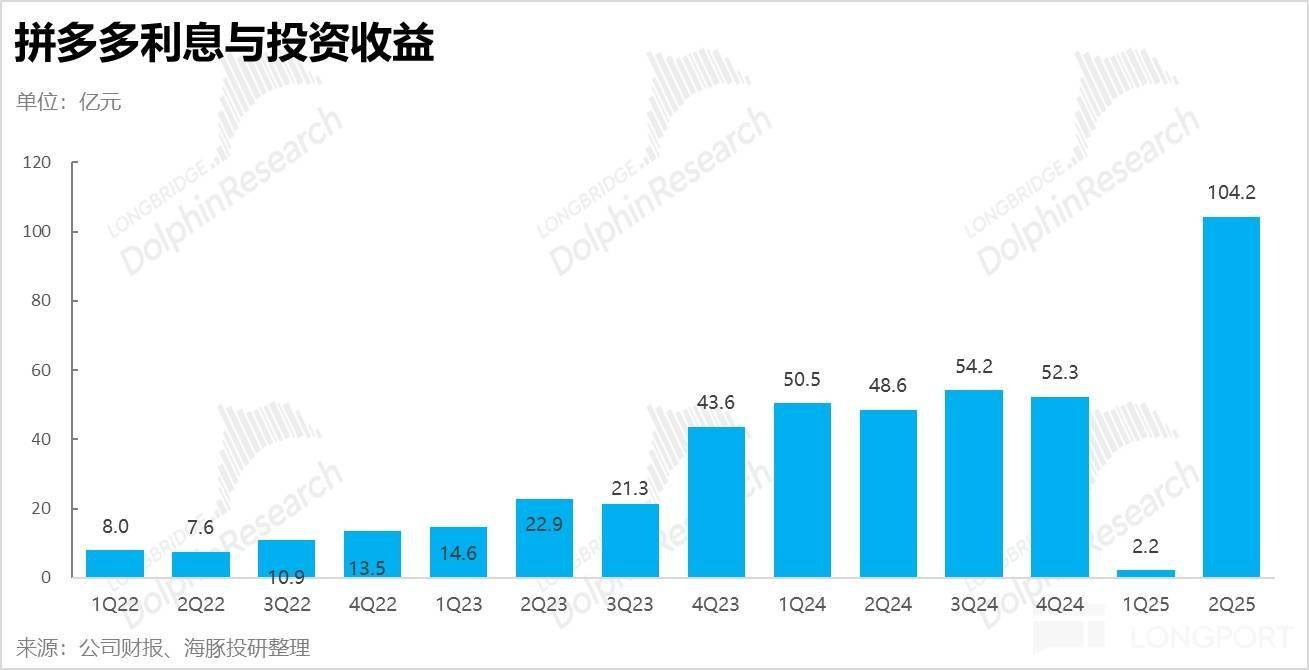
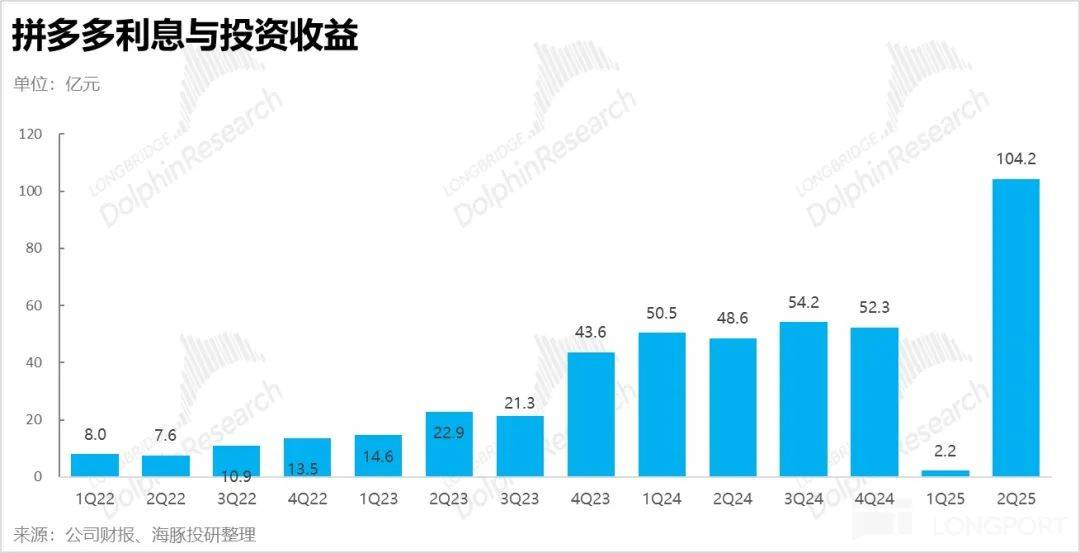
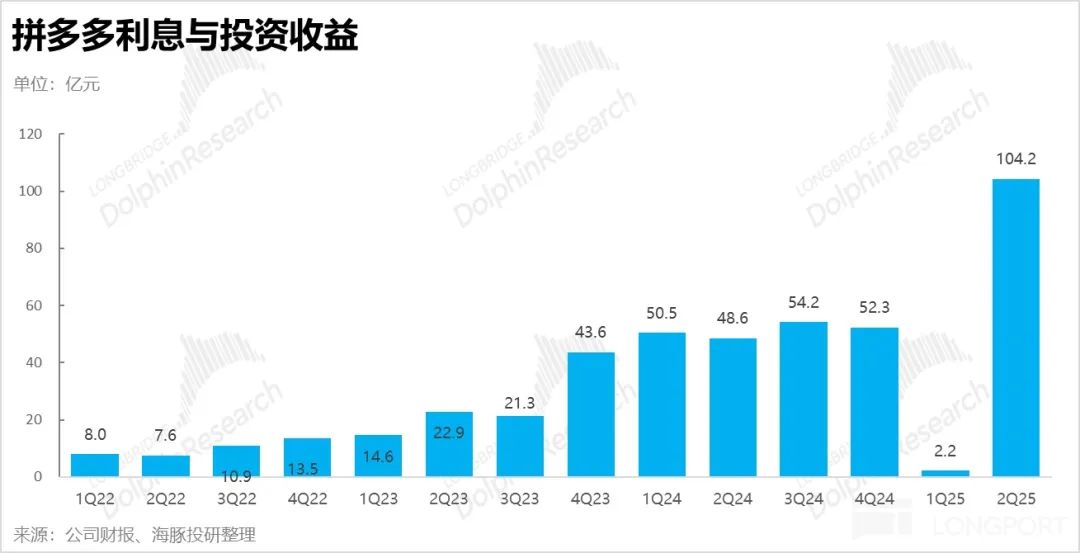
Core Viewpoint - Pinduoduo has accumulated significant cash assets and must address how to utilize these funds effectively as it transitions from a growth phase to a mature phase [1][3]. Group 1: Financial Performance - In the latest quarter, Pinduoduo's interest and investment income reached a substantial level of 10 billion RMB, which is notable compared to the 25.8 billion RMB operating profit from core business [1]. - The average quarterly income from interest and investments remains around 5.3 billion RMB, consistent with the previous year's performance [2]. Group 2: Cash and Investment Assets - As of the second quarter, Pinduoduo has a total of 538.8 billion RMB (approximately 75 billion USD) in cash or idle funds that can generate interest or be invested [5]. - The key components of idle funds include short-term investments and other non-current assets, which are categorized based on their maturity [6][7]. Group 3: Short-term Investments - Short-term investments, which account for 60% of the total, primarily consist of fixed deposits and held-to-maturity bonds, with a small portion in available-for-sale bonds and other debt instruments [9]. - Pinduoduo has increased its stock trading activities, with stock investments rising from 17.2 billion RMB in 2023 to 44.5 billion RMB in 2024 [10]. Group 4: Investment Returns - The return on short-term investments, particularly from stock trading, has been favorable, with projected earnings of 8.7 billion RMB and a return rate of 24% for 2024 [19]. - Pinduoduo's return on equity (ROE) stands at 13.5% for the first half of the year, significantly higher than the 4%-5% return on idle cash [21]. Group 5: Capital Allocation Strategy - The company faces a clear priority in capital allocation: reinforcing its core business to maintain competitive pricing and exploring new market opportunities while sustaining current ROE levels [22][23]. - The overall yield on cash and investment assets has remained around 4%-5%, indicating a strategy to enhance returns through stock trading due to excess cash [24]. Group 6: Future Considerations - The company has two main options for optimizing capital allocation: increasing investments in core business areas or considering dividends and share buybacks as growth slows [26]. - If neither option is pursued, the company risks accumulating cash without effective use, leading to declining ROE and potential valuation issues [27].

单季理财赚百亿,“拒不分红” 拼多多要当 “巴菲特”?
3 6 Ke· 2025-08-27 06:25
Core Viewpoint - Pinduoduo has accumulated significant cash assets and is facing the critical question of how to utilize these funds effectively as it transitions from a growth phase to a mature phase [1] Group 1: Financial Performance - In the latest quarter, Pinduoduo's interest and investment income reached a level of 10 billion RMB, which is a notable contribution compared to the 25.8 billion RMB operating profit from its main business [1] - The average quarterly profit remains around 5.3 billion RMB, consistent with the previous year's performance [1] Group 2: Cash and Investment Assets - As of the second quarter, Pinduoduo has 538.8 billion RMB (approximately 75 billion USD) in cash or idle funds that can generate interest or be invested [3] - The key components of idle funds include monetary funds, restricted cash, short-term investments, and other non-current assets [3] Group 3: Short-term Investments - Short-term investments, which account for 60% of the total, primarily consist of fixed deposits and held-to-maturity bonds, with a growing portion allocated to stock trading [5][6] - The stock trading balance increased from 17.2 billion RMB in 2023 to 44.5 billion RMB in 2024, indicating a shift towards higher-risk investments to enhance yield [6] Group 4: Non-current Assets - Pinduoduo's non-current assets are primarily composed of long-term fixed deposits and held-to-maturity bonds, with minimal equity investments [8] - The company maintains a clean balance sheet with no significant external equity investments or cross-industry mergers [10] Group 5: Investment Returns - The overall return on cash and investment assets has remained between 4-5% over the past two years, aligning with the risk-free return rates of U.S. Treasury bonds [13] - The yield from fixed deposits and held-to-maturity bonds is approximately 4%, consistent with recent U.S. Treasury rates [15] Group 6: Capital Allocation Strategy - Pinduoduo's return on equity (ROE) stands at 13.5%, significantly higher than the 4-5% return on idle cash, highlighting the need for optimized capital allocation [16] - The company faces a strategic decision on whether to reinforce its core business, explore new markets, or consider dividends and share buybacks as growth slows [16] - The potential for cash accumulation without strategic investment could lead to declining ROE and valuation concerns [16][17]
单季理财赚百亿!“拒不分红” 拼多多要当 “巴菲特”?
Sou Hu Cai Jing· 2025-08-26 13:32
Core Viewpoint - Pinduoduo has accumulated significant cash assets and is facing the critical question of how to utilize these funds effectively as it transitions from a growth phase to a mature phase [1] Group 1: Financial Performance - In the second quarter, Pinduoduo's cash or idle funds that can generate interest or be invested totaled approximately 538.8 billion RMB, equivalent to about 75 billion USD [3] - The company's interest and investment income for the quarter reached a substantial level of 10 billion RMB, which is notable compared to the 25.8 billion RMB operating profit from core business [1][3] - The average quarterly income from interest and investments remains around 5.3 billion RMB, consistent with the previous year's performance [1] Group 2: Investment Strategy - Pinduoduo's short-term investments, which account for 60% of its investment portfolio, primarily consist of fixed deposits and held-to-maturity bonds, with a growing portion allocated to stock trading, increasing from 17.2 billion RMB in 2023 to 44.5 billion RMB in 2024 [5][10] - The company has maintained a clean balance sheet with minimal external equity investments or cross-industry mergers, focusing instead on core e-commerce operations [9] - The overall return on cash and investment assets has remained between 4-5%, aligning with the risk-free rate of U.S. Treasury bonds [13] Group 3: Capital Allocation Considerations - Pinduoduo's return on equity (ROE) for the first half of the year was 13.5%, significantly higher than the 4-5% return on idle cash, indicating a clear priority for capital allocation [15] - The company faces two main options for future capital allocation: either increase investments in core business areas or consider dividends and share buybacks as growth slows [15][16] - The current strategy appears to lack effective market value management, raising concerns about potential declines in ROE and overall valuation if cash accumulation continues without strategic deployment [16]