
国补政策

Search documents
中国手机市场新格局:华为夺魁,小米放缓,苹果重返前三
Tai Mei Ti A P P· 2025-07-05 01:53
Group 1 - The core viewpoint of the articles highlights the resurgence of several smartphone brands, particularly Apple, driven by national subsidy policies and promotional events like the 618 shopping festival [2][3][8] - Apple's strategic price adjustments in May, just before the 618 sales, significantly boosted its sales, allowing it to reclaim a top position in the Chinese market [3][5] - Despite facing challenges such as innovation stagnation and AI development issues, Apple's competitive edge remains strong when prices are adjusted appropriately [3][7] Group 2 - Huawei is projected to be the fastest-growing brand in China for Q2 2025, benefiting from national subsidies and maintaining a loyal customer base [8][10] - Xiaomi's performance in Q2 was lackluster, failing to enter the top three in sales, attributed to market saturation and insufficient competitive pricing [12][14] - The overall smartphone market in China is expected to see only modest growth, with a forecasted increase of around 2.3% for the year, indicating a slowdown in consumer spending [14][16] Group 3 - The national subsidy program has not generated significant new demand but rather pre-empted existing demand, leading to a decline in the effectiveness of such incentives [14][16] - The smartphone market is experiencing intensified competition, particularly in the mid-range segment, where brands are struggling to differentiate themselves [12][14] - The lack of revolutionary innovations in the smartphone sector is hindering the creation of new demand, posing a challenge for the industry to stimulate growth [16]



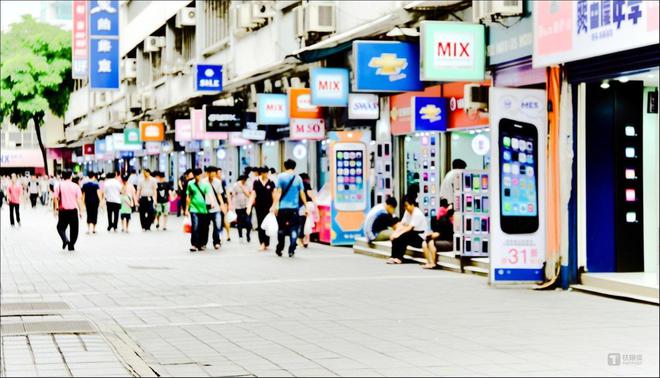
国补政策延续正式官宣!第二批1380亿补贴7月启动,全国统一截至2025年底
Sou Hu Cai Jing· 2025-07-02 07:57
Core Insights - The article discusses the recent clarification from the National Development and Reform Commission (NDRC) and the Ministry of Finance regarding the continuation of the national subsidy program, which has been extended with an additional 138 billion yuan to stimulate consumer spending [1][3]. Group 1: Subsidy Program Details - The initial 300 billion yuan subsidy fund was quickly consumed, with over 150 billion yuan used by the end of May 2025, prompting urgent funding adjustments [3]. - The new round of subsidies will be distributed in two batches of 138 billion yuan, scheduled for July and October 2025 [3][4]. - The subsidy program will prioritize high-efficiency appliances and electronics, with specific incentives for energy-efficient products and a variety of new categories added [4]. Group 2: Consumer Guidance - Consumers are advised to act quickly to secure subsidies, especially for high-demand items like air conditioners and electric vehicles, as funds are expected to deplete rapidly [6]. - The article provides specific instructions for accessing subsidies through the JD app, emphasizing the importance of early action due to limited availability [1][6]. - It highlights potential pitfalls for consumers, such as invalid invoices and the risk of price inflation, urging careful verification of purchase conditions [6]. Group 3: Market Impact and Future Outlook - The article suggests that the subsidy program is crucial for maintaining market stability and consumer confidence, especially in light of recent price drops exceeding 40% for certain products [3][4]. - The ongoing subsidy program is set to conclude by December 31, 2025, marking the end of this consumer support initiative [8]. - The urgency for consumers to participate in the subsidy program is emphasized, as the remaining funds are expected to be exhausted before the official end date [8].

债市基本面点评报告:出口回补渐近尾声
SINOLINK SECURITIES· 2025-06-30 14:52
Report Industry Investment Rating No relevant content provided. Core Viewpoints - The domestic economy is in a stage of phased recovery of internal and external demand, driving the PMI index to repair upward for two consecutive months [5][11][25]. - In the third quarter, the economic fundamentals still face several pressures, including the potential drag of high - temperature weather on production, the risk of demand decline as the driving force of reduced external uncertainties weakens, and the market's pessimistic outlook on the future fundamentals reflected by the decline of business operation expectations and employment indexes [5][25]. - Whether the existing policies can be implemented faster and whether the Politburo meeting in July can provide new incremental information may be important catalysts to help the bond market break the current volatile pattern [5][25]. Summary by Directory 1. Demand Repair Drives Strong Production - The demand index rose to the expansion range for the first time since the intensification of trade frictions in March, with the new order index rising 0.4 points, and the increase was greater than that of production, indicating the effect of domestic demand expansion policies and the dual suppression of production by seasonality and unclear demand prospects [3][11]. - The rebound of domestic demand may be mainly driven by national subsidies and the "618" shopping festival, with a fragile structure, and the decline of the employment index also reflects this [11]. - The new export order index's upward slope slowed down significantly, and the export replenishment based on the easing of trade frictions may be nearing the end, and external demand may face a quarterly decline in the second half of the year [3][16]. - High - temperature weather in July - August may further drag down manufacturing production [11][12][13]. 2. Price Index Moderate Repair - The raw material price index and the ex - factory price index increased by 1.5 points respectively compared with the previous month. The rise of the raw material price index may be related to the increased geopolitical risks leading to greater fluctuations in international crude oil prices, and the increase in oil prices is transmitted to other raw material prices through transportation costs [4][19]. - The repair of the downstream price index may be related to the temporary suspension of national subsidies in some regions. After the central funds for trade - in are issued in July, the price trend of terminal products needs further attention [4][21]. 3. Strong Recovery in the Construction Industry - The drag of real estate on the construction industry has weakened. The construction industry PMI index rose 1.8 points to 52.8 this month, and the business activity index of housing construction returned to the expansion range [5][22]. - The business activity index of civil engineering construction was 56.7%, down 5.6 points from the previous month, but it has been in the high - prosperity range above 55.0% for three consecutive months, indicating that infrastructure is still the main force for the expansion of the construction industry [22]. - After the holiday effect fades, the consumer service industry has a seasonal decline, while the producer service industry is relatively strong [25].
AI终端繁荣的B面,困在价格“围城”里的短期狂欢
Tai Mei Ti A P P· 2025-06-30 08:05
Group 1 - The core viewpoint of the articles indicates that while the consumer electronics market in China is experiencing growth, the actual business performance is under pressure, particularly in the second half of the year, with AI not yet delivering the expected market stimulation [2][3] - The growth in the domestic smartphone market is projected to be around 2.3% for the year, which is a significant reduction from earlier expectations, driven primarily by price competition rather than genuine demand growth [3][12] - The introduction of AI technologies across various consumer electronics, including smartphones and PCs, is seen as a new wave of innovation, but the actual consumer experience and willingness to pay a premium for AI features remain limited [4][5][9] Group 2 - The AI PC market is expected to see significant growth, with projections indicating that by 2025, global AI PC shipments will exceed 100 million units, accounting for 40% of total PC shipments [9][15] - The integration of AI into consumer electronics is being driven by government subsidies, which have significantly influenced sales, particularly in the smartphone and home appliance sectors [12][14] - The current market dynamics show that while AI features are being marketed, the actual consumer understanding and perceived value of these features are still developing, leading to a hesitance in purchasing decisions [16][20] Group 3 - The competition in the AI terminal industry is intensifying, with companies like Lenovo and Xiaomi leading the charge in integrating AI into their products, but the overall market is still grappling with the challenge of defining what constitutes an AI device [5][24] - The consumer electronics market is experiencing a shift where price remains a critical factor in purchasing decisions, overshadowing the perceived benefits of AI features [18][19] - The articles highlight that while AI is expected to revolutionize consumer electronics, the current integration is still in its early stages, and the true potential of AI devices has yet to be realized [25]
【省税务局】优化纳税服务 激发消费活力
Shan Xi Ri Bao· 2025-06-29 22:55
Group 1 - The core viewpoint of the article highlights the positive impact of national subsidy policies on the sales of digital products and electric bicycles in various cities in Shaanxi province, leading to increased consumer interest and spending [2][3][5] - The introduction of the national subsidy policy has expanded the range of eligible products, including smartphones, tablets, and smartwatches, resulting in a significant increase in sales of high-end devices priced between 4000 to 6000 yuan [2] - Tax authorities in various cities are actively providing guidance and support to businesses regarding tax policies and invoice issuance, which has improved compliance and increased the awareness of consumers regarding the importance of obtaining invoices for purchases [2][5][6] Group 2 - The implementation of the old-for-new policy for electric bicycles has led to a noticeable increase in consumer inquiries and purchases, with consumers benefiting from substantial discounts when trading in old models [3][4] - Businesses have reported a significant rise in sales orders and invoice usage due to promotional activities related to the old-for-new policy, prompting tax authorities to assist with invoice limit adjustments to accommodate increased demand [6] - Tax authorities are conducting on-site consultations at events, providing consumers with detailed information on tax reductions and benefits associated with purchasing new vehicles, thereby enhancing consumer confidence and stimulating market activity [7]
消费品遇“补”而涨,白酒呢?
Sou Hu Cai Jing· 2025-06-26 12:14
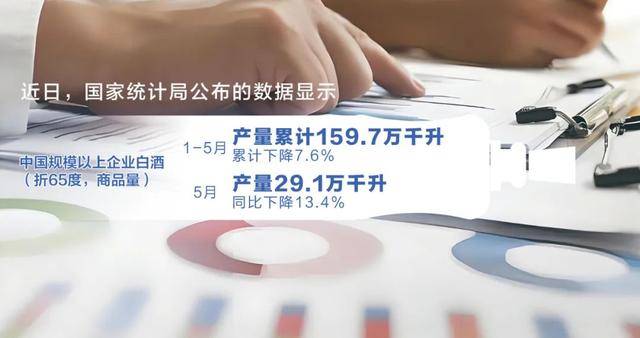
一边是普通消费品在今年"国补"政策下应声而涨,另一边白酒业则继续去年的产能跌势,名酒价格进一 步倒挂,库存压力叠加而来,行业面临的形势更为严峻。 那么,为何在消费需求巨变的当下,普通消费品与白酒品类之间形成了如此截然不同的态势?白酒业该 如何扭转这一颓势? 年初就轰轰烈烈开始的"国补"举措,对于消费的促进是实实在在的。 统计显示,今年5月,社会消费品零售总额41326亿元,同比增长6.4%。其中,除汽车以外的消费品零 售额37316亿元,增长7.0%;1-5月,社会消费品零售总额203171亿元,增长5.0%。其中,除汽车以外的 消费品零售额184324亿元,增长5.6%。 城镇消费品零售额36057亿元,同比增长6.5%;乡村消费品零售额5269亿元,同比增长5.4%。1-5月,城 镇消费品零售额176490亿元,增长5.1%;乡村消费品零售额26681亿元,增长4.9%。 按零售业态分,1-5月,限额以上零售业单位中便利店、专业店、超市、品牌专卖店和百货店零售额同 比分别增长8.5%、6.3%、5.7%、1.8%和1.3%;1-5月,全国网上零售额60402亿元,同比增长8.5%。 今年1月8日,国家发展 ...
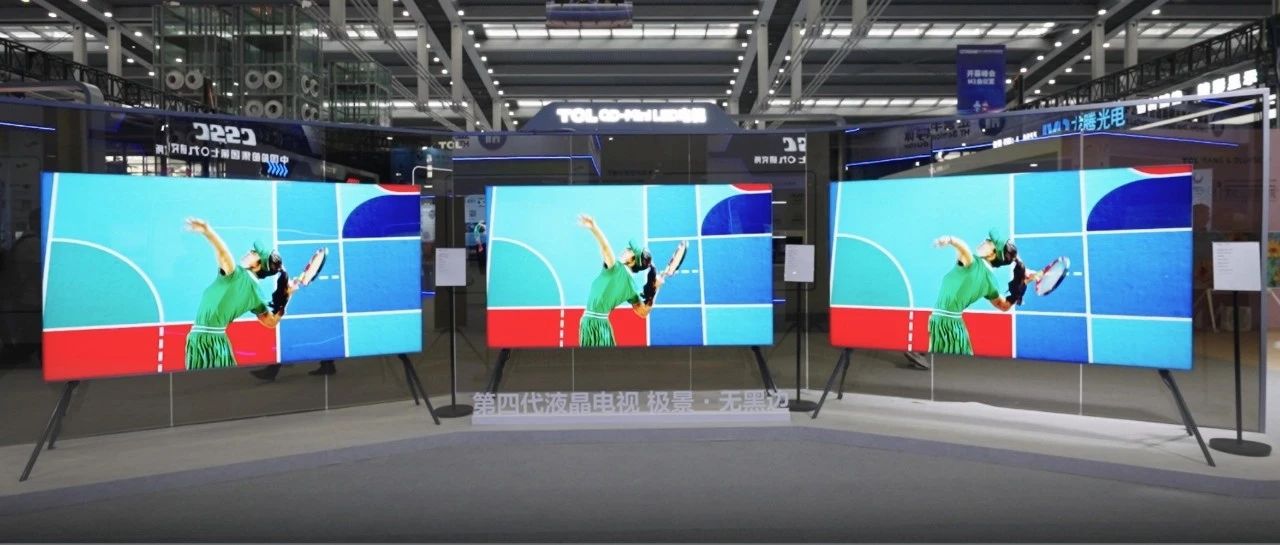
618促销叠加国补,超大尺寸电视价格创新低!
WitsView睿智显示· 2025-06-25 09:35
Core Viewpoint - The 618 promotion period is a crucial sales event in the first half of the year, with significant attention on the pricing of large-sized televisions and the introduction of two new products [1]. Group 1: Pricing Trends - During the 618 promotion, the prices of large-sized televisions reached record lows, with 85-inch TVs seeing a year-on-year price drop of 24%, 98-inch TVs dropping 35%, and 100-inch TVs dropping 38% [2]. - Regular-sized televisions also experienced price reductions, with 75-inch TVs priced below 2,000 yuan, including a notable price of 1,997 yuan [4]. Group 2: Market Dynamics - In light of stagnant sales in the television market, both brands and panel manufacturers are keen to promote the development of large-sized televisions to increase revenue and profits, while manufacturers aim to enhance average screen sizes and reduce excess capacity [3]. Group 3: New Product Introductions - Two new products were introduced during the 618 promotion: a 50-inch FHD television and an RGB-Mini LED television [5]. - TCL is the only brand offering the 50-inch FHD television at a price of 959 yuan, which is lower than the 43-inch UHD television, potentially replacing some demand for the latter and driving up average screen sizes [8]. - Hisense is the sole seller of RGB-Mini LED televisions during this promotion, with sizes including 85-inch, 100-inch, and 116-inch, priced around 28,000 yuan for the 85-inch model, which is slightly lower than the 83-inch OLED television [12].
QuestMobile 2025年618洞察报告:年轻人、老人关注度增长明显,品牌官方直播崛起,各平台AI深度应用首次模拟考
QuestMobile· 2025-06-25 01:59
Core Insights - The article discusses the impact of national subsidies and the 618 shopping festival on consumer behavior, highlighting a significant increase in online shopping activity and marketing efforts from brands and e-commerce platforms [2][11][17]. Industry Insights - National subsidies have been integrated into the 618 shopping festival, leading to a stable growth in consumer spending, with online retail sales of physical goods showing a year-on-year growth rate of 6.3% in May 2025 [11]. - The mobile shopping sector reached an active penetration rate of 86.7% in May 2025, reflecting a 0.9 percentage point increase year-on-year [14]. - The 618 shopping festival saw a notable increase in consumer engagement, particularly among younger demographics, with attention from the 18-30 age group rising by 2.5 percentage points to 29.5% [19]. Promotional Strategies - The promotional period for the 618 festival has been extended, with simplified rules lowering the barriers for consumer participation [23]. - E-commerce platforms have adopted a multi-channel approach to enhance consumer experience, with a significant portion of marketing resources directed towards platforms with high transaction attributes [21][39]. - The festival's marketing strategies have been tailored to attract younger consumers, utilizing short videos and social media to drive traffic to e-commerce platforms [45][50]. Brand Marketing - Brands are focusing on optimizing their marketing channels during the 618 festival, with an emphasis on creative advertising to capture consumer attention [59]. - The beauty and personal care sector is expected to allocate over 50% of its advertising budget to comprehensive e-commerce platforms during the festival [11]. - The food and beverage industry is characterized by high marketing concentration, with a focus on hard advertising as the core strategy [75]. Consumer Behavior - The extended promotional period and various discounts have provided consumers ample time to compare products, leading to a more relaxed shopping experience [31]. - The 618 festival has proven to be an effective tool for attracting new users to e-commerce apps, particularly in lower-tier markets [53][55].



“黄牛”盯上“国补”?灰产链条亟待切断
Sou Hu Cai Jing· 2025-06-25 00:48
"黄牛"盯上"国补"?灰产链条亟待切断 根治"国补"套利乱象,亟待增强治理力度。针对"黄牛"团伙不断更新的犯罪手法,可通过大数据监测异 常交易、强制刷新IP地址、限制高频下单等方式进行规制。此外,要加强对"国补"政策的宣传和解读, 让消费者充分了解政策的适用范围和申请流程,切实享受到优惠的同时,避免成为"黄牛"产业链上的一 环。 从补贴的领取,到优惠的使用,再到货品的签收,有关方面需构建全流程监管机制,确保"国补"落地的 每一环节都透明、公平、可回溯,最大限度遏制"钻空子"的行为,让惠民政策真正落到实处。(陈丹丹) "国补"政策的初衷在于提振消费、惠及民生,为我国经济持续回升向好再加一把力。在需求端,消费者 既能拿到实打实的购物优惠,又能获得消费升级的切实体验;在供给端,消费活力的增强可以带动生产 和投资,并在一定程度上推动产业升级。某电商平台数据显示,截至今年4月,该平台国家补贴已覆盖 全国29省,手机等品类成交额同比增长超过120%。这充分印证了"国补"正在激活消费"春水"、畅通经 济循环。 然而,伴随着"国补"的持续推进,市场上也出现了一些不和谐音符。除了盯上大学生"国补"名额外,一 些"黄牛"通过虚拟 ...
苹果官网首次加入 “国补大战”,最高直降2000元
Xin Lang Cai Jing· 2025-06-24 04:56
不过,尽管苹果官网加入国补,但电商平台的 "叠加优惠" 仍更具价格竞争力。比如京东、天猫等平台 通过 "国补+平台券+以旧换新" 组合拳,部分机型优惠超过了2000元。 此次苹果官方下场接入国补,更深层的原因还是来自市场竞争压力。数据显示,2025年第一季度,苹果 在中国智能手机市场份额同比下滑10%至13.7%,被华为反超。同期,小米、OPPO等品牌通过国补叠加 "店补" 策略,实现销量翻倍增长。苹果官网接入国补后,可缩小与本土品牌的价格差距,尤其是在 4000-6000元中端市场。该价位段国补后有望直接争夺中端换机用户。 自2024年8月,国务院发布《关于加力支持大规模设备更新和消费品以旧换新的若干措施》以来,对手 机、电脑等数码产品一直实施最高15%的补贴。截至2025年6月,全国已有29个省份落地国补政策,累 计拉动消费超7761.8万台设备。 6月24日,苹果官网正式上线国家补贴政策,仅限AppleStore在线商店(北京收货地址)及零售店(上 海)。根据苹果公司的政策,北京地区用户购买指定iPhone、iPad、Mac等产品可享受最高2000元补 贴,用户通过 "京通" 小程序领取补贴券后,官网下 ...