情绪经济

Search documents
这届年轻人,正在买「没用」的东西续命
创业邦· 2025-09-22 00:09
Core Viewpoint - The article discusses the rise of the "emotional economy," highlighting how consumers are increasingly willing to spend on seemingly useless items that fulfill emotional needs, such as collectibles and novelty products [8][30][58]. Group 1: Market Trends - The launch of the mini Labubu figure by Pop Mart sold out in under five minutes, with resale prices skyrocketing to 300 yuan per piece, indicating a strong demand for collectible toys [4][9]. - Collaborations, such as the Hello Kitty digital camera bucket by KFC, also saw immediate sellouts and significant price increases on secondary markets, reflecting a trend in emotional-driven purchases [6][8]. - The emotional economy is characterized by consumers purchasing items that may not have practical utility but provide emotional satisfaction, as seen in the popularity of various novelty items and collectibles [8][30]. Group 2: Consumer Behavior - Young consumers are increasingly drawn to products that evoke nostalgia or emotional connections, leading to a surge in demand for toys and collectibles [18][68]. - The phenomenon of "emotional spending" is evident in various sectors, including food and beverage, where establishments are enhancing customer experiences to stimulate emotional responses [28][30]. - The emotional economy is not limited to physical products; virtual services and experiences, such as AI companionship and emotional support services, are also gaining traction among consumers [54][58]. Group 3: Economic Impact - The emotional economy in China is projected to reach a market size of 23,077.67 billion yuan in 2024, with expectations to exceed 45,000 billion yuan by 2029, indicating significant growth potential [58]. - Interest-driven consumption among young people accounts for nearly 30% of their spending, with key categories including pets, trendy toys, gaming, and travel [32][34]. - The rise of emotional spending is occurring against a backdrop of declining marriage and birth rates, with pet-related spending seeing substantial growth, such as an 800% increase in cat food sales during last year's Double 11 shopping festival [34][37].



港口码头运营破局指南白皮书-英文版
Sou Hu Cai Jing· 2025-09-20 15:37
Group 1 - The report highlights the importance of media in building emotional value for brands, acting as a "barometer" and "laboratory" in the context of the rising emotional economy [1] - Media plays a crucial role in reshaping social consensus through decentralized approaches, addressing user dissatisfaction with low-quality information and enhancing trust in brands [1] - The report identifies three key opportunities for media in the future: becoming analysts of emotional resonance, alchemists of group consensus, and translators of cultural connections [1] Group 2 - SAP Digital Supply Chain Solutions provide an integrated approach to enhance efficiency, transparency, and interoperability in port and terminal operations [6][9] - The solutions enable real-time data flow and better decision-making through the centralization of diverse processes and integration with third-party systems [10][12] - Automation tools within SAP solutions reduce manual interventions, leading to faster turnaround times and increased productivity in port operations [12][19] Group 3 - End-to-end visibility offered by SAP solutions allows for tracking cargo, monitoring inventory, and optimizing processes, thereby minimizing bottlenecks [12][13] - The open architecture of SAP solutions facilitates seamless integration with third-party systems, enhancing collaboration among stakeholders [15][19] - AI applications in port operations improve efficiency and safety through predictive maintenance, logistics optimization, and automated documentation processes [17][18] Group 4 - The SAP Digital Supply Chain portfolio includes various modules that cover core maritime business processes, enhancing operational effectiveness and real-time monitoring [21][35] - Key functionalities include Transportation Management for logistics integration, Yard Logistics for resource optimization, and Extended Warehouse Management for inventory control [22][25][32] - The architecture supports a comprehensive process flow from quotation creation to invoicing, ensuring profitability tracking and operational efficiency [27][33]


二次元“氪金”天花板,谁在为2600元一克的“痛金”买单?
经济观察报· 2025-09-20 07:19
Core Viewpoint - The rise of "Pain Gold," which integrates anime and other IP cultural elements into gold jewelry, reflects a new growth curve for gold as a traditional asset, appealing particularly to younger consumers who seek emotional value in their purchases [1][8]. Group 1: Consumer Trends - The ownership rate of gold jewelry among the 18 to 24 age group has reached 62%, doubling from 37% in 2019, indicating that younger consumers are becoming a significant market for "Pain Gold" [3][12]. - The core consumer group for "Pain Gold" is concentrated between the ages of 18 and 35, characterized by a strong interest in subculture and higher disposable income [12][21]. - The emotional economy is driving consumer preferences towards products that provide emotional resonance and psychological comfort, leading to a shift from traditional functional value to emotional value [12]. Group 2: Market Dynamics - The price of gold has increased significantly, with international gold prices rising over 40% since 2025, while domestic prices have increased by about 35% [7][19]. - Despite the rising gold prices benefiting upstream mining companies, downstream traditional gold jewelry brands are struggling, with some reporting revenue declines of up to 43.92% [19][20]. - "Pain Gold" has emerged as a bridge between young consumers' emotional needs and their financial capabilities, showcasing a shift in gold jewelry branding towards more innovative and culturally relevant products [7][20]. Group 3: Product Characteristics - "Pain Gold" products often adopt a fixed price model, which can significantly exceed the price per gram of traditional gold jewelry, with some items priced as high as 2,600 yuan per gram [15]. - The demand for "Pain Gold" is driven by its unique cultural and emotional appeal, with many consumers willing to pay a premium for limited edition items [21]. - Brands are exploring new product forms and cultural values in gold jewelry, moving away from traditional designs to attract younger consumers [22]. Group 4: Consumer Behavior and Risks - Consumers often participate in "Pain Gold groups," which are typically organized by fans and may lack proper authorization, leading to potential risks such as quality issues and consumer rights challenges [15][17]. - The process of purchasing from "Pain Gold groups" involves prepayment and limited return options, increasing the risk for consumers [16][17]. - Despite the risks, many consumers express satisfaction with their purchases, indicating a strong market interest in "Pain Gold" [16].


二次元“氪金”天花板,谁在为2600元一克的“痛金”买单?
Jing Ji Guan Cha Wang· 2025-09-20 04:53
Core Insights - The rise of "pain gold" (痛金), a type of gold jewelry infused with anime and IP culture, reflects a shift in consumer preferences towards emotional and personalized products, particularly among younger demographics [3][9][17] - The demand for "pain gold" is driven by the growing popularity of the two-dimensional (二次元) culture in China, with the market for related products projected to reach 597.7 billion yuan by 2024 [3][9] - Despite the soaring gold prices, traditional gold jewelry brands are struggling, while "pain gold" has emerged as a successful niche, bridging the gap between emotional value and investment [4][15][17] Demand Side - The consumer base for "pain gold" is primarily aged 18 to 35, characterized by a strong interest in two-dimensional culture and higher disposable income [9][17] - Emotional consumption is on the rise, with consumers increasingly seeking products that provide psychological comfort and self-identity, rather than just practical utility [9][15] - The popularity of "pain gold" has led to a surge in social media sharing among consumers, creating a community around these products [6][8] Supply Side - The gold jewelry market has seen a significant price increase, with domestic gold prices rising from approximately 850 yuan per gram at the beginning of the year to nearly 1100 yuan per gram [3][4] - While upstream gold mining companies have benefited from rising prices, downstream traditional gold brands are facing severe challenges, with some reporting revenue declines of over 40% [4][13] - Brands are increasingly focusing on innovative designs and cultural themes to attract younger consumers, as traditional gold products struggle to resonate with this demographic [15][17] Market Trends - The "pain gold" market is not a fleeting trend; it is expected to grow as brands explore higher cultural value and innovative business models [17] - Collaborations between gold brands and popular IPs have proven successful, with products selling out quickly and generating significant revenue [16][17] - The market for smaller, more affordable gold products is emerging as a response to changing consumer preferences, with brands introducing items that blend cultural significance with investment potential [16][17]

CTR洞察:2025年中国媒体市场发展趋势报告
Sou Hu Cai Jing· 2025-09-19 02:58
Group 1 - The core viewpoint of the report emphasizes the need for media to play a crucial role in emotional value, social consensus, and cultural exchange, focusing on three main directions: inward deepening, centralization, and forward movement [1][2] - Inward deepening indicates that media serves as a trendsetter and laboratory for brands to build emotional value, with the rise of the emotional economy leading to a demand for emotional resonance among audiences [1][9] - The report highlights significant engagement metrics, such as over 709.69 billion views on topics related to emotional healing and high engagement on themes like anti-involution, reflecting the public's desire for emotional connection [9][13] Group 2 - Centralization aims to reshape societal consensus, addressing audience dissatisfaction with fragmented content and the need for high-quality content to attract higher-income demographics [2][39] - Over half of users express dissatisfaction with algorithmic recommendations, and 80% are skeptical of AI-generated personalized news, indicating a shift towards centralized, value-driven media strategies [39][42] - The report suggests that brands must return to centralized communication to create a unified brand image, as fragmented marketing leads to higher costs and diluted brand recognition [2][43] Group 3 - Forward movement focuses on media facilitating cultural exchange and connection, with Chinese brands rapidly expanding overseas, achieving an export value of 13 trillion yuan in the first half of 2025 [2] - International media, such as CGTN, is expanding its reach to over 200 countries, helping brands adopt localized perspectives to bridge cultural gaps [2] - The report concludes that media has new opportunities to become analysts of emotional resonance, alchemists of group consensus, and translators of cultural connections, ultimately enhancing emotional warmth and shared understanding [2][5]

主题公园如何“常玩常新”
Jing Ji Ri Bao· 2025-09-17 00:02
Core Insights - The opening of the Fantawild Colorful Spring and Autumn Theme Park in Ziyang, Sichuan, provides a new entertainment experience for tourists in the Sichuan-Chongqing region, contributing to the growing theme park market in China [1] - As of October 2024, there are 385 theme parks in mainland China, including 87 large and extra-large parks, and 298 small and medium-sized parks, indicating a significant expansion in this sector [1] - The rise of theme parks is linked to the "happy consumption" and "self-pleasure economy," catering to young people's need for leisure and emotional relief, thus driving the growth of the emotional economy and cultural tourism consumption [1] Industry Development - The emergence of local theme parks is crucial for cultural transmission and economic development, as they resonate with consumers and promote Chinese culture both domestically and internationally [2] - Theme parks create job opportunities and economic growth through construction and operational activities, with a consumption pull effect estimated at 1:18.8 [2] - Despite rapid growth, the industry faces challenges such as unclear themes, insufficient product offerings, and low secondary consumption contributions, with some parks still operating at a loss [2] Strategic Recommendations - To ensure long-term success, theme parks must maintain a sense of novelty for visitors by integrating local cultural resources and creating differentiated park IPs that resonate emotionally with guests [3] - The incorporation of advanced technologies like virtual reality and augmented reality can enhance visitor immersion and engagement [3] - Expanding the range of activities within parks, such as live performances and interactive experiences, can increase visitor participation and extend the economic impact beyond ticket sales to a broader "tourism economy" [3]
东方嘉盛布局冰雪产业情绪消费赛道
Zheng Quan Ri Bao· 2025-09-15 09:09
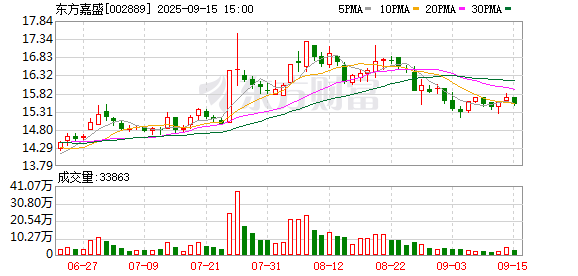
Group 1 - The core viewpoint of the article highlights that Dongfang Jiasheng has established a deep supply chain cooperation with a leading high-end snowboard brand, marking its entry into the emotional consumption sector of the ice and snow industry [2] - Dongfang Jiasheng aims to leverage its open supply chain solution platform and top-level customs qualifications to provide stable and flexible multi-regional supply chain solutions, enhancing efficiency while supporting partners with intelligent cross-border services [2] - The collaboration signifies a substantial step for Dongfang Jiasheng in the emotional economy sector, with the market expected to exceed 20 trillion yuan, focusing on the consumption trend of Generation Z who are willing to spend for their passions [2] Group 2 - The company plans to deepen cooperation with partners in the ice and snow industry, utilizing supply chain innovation to transform "cold resources" into "hot economy," thereby contributing to China's goal of becoming a global hub for the ice and snow economy [2]

“擦边互动”上头,实体有了自己的“荷尔蒙经济学”?
3 6 Ke· 2025-09-11 10:39
Group 1 - The article discusses the rise of "appearance economy" and "borderline economy," which leverage attractiveness and emotional engagement to drive consumer interest and revenue [3][4][5] - The "borderline economy" is characterized by soft hints and emotional appeals, allowing individuals to monetize their presence and interactions, particularly among young people [3][4] - The emotional economy in China is projected to grow significantly, reaching approximately 23 trillion yuan in 2024 and expected to exceed 45 trillion yuan by 2029 [4] Group 2 - The offline retail sector is increasingly adopting "borderline" marketing strategies to attract consumers amid declining foot traffic and rising vacancy rates, with over 300,000 retail closures reported this year [9][10] - Successful examples include Shenzhen's Happy Valley attracting over 40,000 visitors by employing attractive NPCs, and Haidilao's nightlife transformation leading to a table turnover rate exceeding 10 times [10][11] - The article highlights a shift in consumer behavior where individuals are willing to pay for emotional experiences, often prioritizing emotional value over traditional content [8][10] Group 3 - The pervasive entertainment culture is reshaping consumer experiences, leading to a potential dilution of cultural and social values in consumption [12][14] - The article warns against the risk of reducing consumer behavior to mere sensory stimulation, advocating for a balance between entertainment and meaningful consumption [12][14] - It emphasizes the need for consumers to maintain their autonomy and rational judgment in the face of the encroaching "borderline economy" [14]

情绪经济撞上数智供应链:京东“业采融合”破解企业采购困局
Jiang Nan Shi Bao· 2025-09-11 08:10
Group 1 - The core viewpoint is that the concept of "emotional value" is penetrating corporate management, particularly in employee care and procurement systems, as the Z generation becomes the main workforce [1][2] - Over 80% of employees believe that benefits can enhance their sense of belonging, indicating a shift towards prioritizing employee satisfaction in corporate strategies [1][2] - The integration of digital supply chains and "business procurement integration" is seen as key to addressing traditional procurement challenges and activating emotional value [1][2] Group 2 - Employee care is directly linked to corporate cohesion and growth, with a focus on incorporating human needs into the supply chain process to enhance overall efficiency [2][3] - Companies are shifting from standard product offerings to tailored solutions that meet employee emotional and health needs, thereby improving both internal and external procurement processes [2][3] - JD.com is leveraging data and technology to create efficient demand matching mechanisms, offering customized care options through its digital welfare platform [2][3] Group 3 - The traditional procurement model is constrained by the "impossible triangle" of price, quality, and efficiency, with recent government initiatives aimed at enhancing supply chain resilience and competitiveness [3][4] - The "business procurement integration" model proposed by JD.com aims to transform procurement into a "golden triangle" of cost, efficiency, and experience, reducing internal friction and enhancing collaboration [3][4] - Achieving a dynamic balance among cost, efficiency, and experience is essential for companies to respond quickly to market changes and seize growth opportunities [3][4] Group 4 - JD.com has outlined a "three-step" methodology for implementing business procurement integration, focusing on precise demand insights, intelligent resource matching, and dynamic optimization of outcomes [4] - The first step involves capturing emotional value points related to employee care and market trends through data analysis [4] - The second step emphasizes using multidimensional models to balance cost, quality, and risk when selecting suppliers [4] - The third step includes establishing real-time monitoring mechanisms to track satisfaction levels and adjust offerings accordingly, leading to significant improvements in employee satisfaction [4]

情绪经济风口下的AI玩具:资本加速入场 面临交互生硬瓶颈
Nan Fang Du Shi Bao· 2025-09-10 11:34
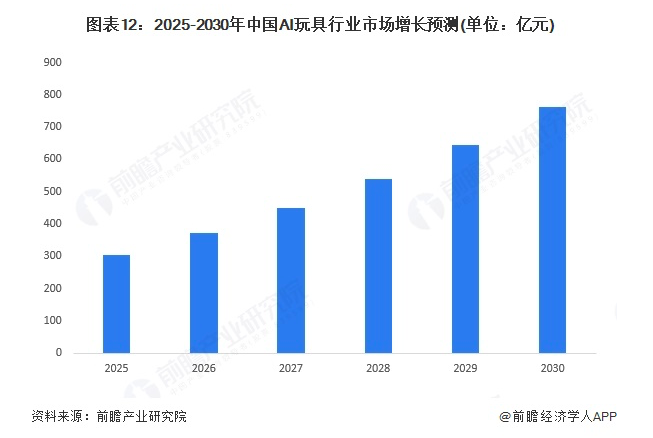
Core Insights - The AI companionship economy is rapidly developing globally, driven by personal emotional needs and technological innovation, with the global AI toy market expected to exceed $11 billion in 2024 and reach $58 billion by 2030, reflecting an annual growth rate of over 20% [2][5][6] - In China, the AI toy market is projected to surpass 70 billion yuan by 2030, indicating significant growth potential [2][5] - The market is currently in an early educational phase, with companies focusing on integrating professional content into AI toys to enhance user engagement and dependency [10][14] Market Dynamics - Capital and technology companies are intensively entering the AI companionship sector, with startups like Luobo Intelligent and Beipei Technology securing millions in funding, and established firms like Alibaba and Meituan launching their own AI companionship products [6][10] - The investment landscape is shifting from technology validation to commercial viability, with a focus on a composite model of "hardware + emotional subscription + scenario solutions" [10][12] Product Development - AI companionship toys are evolving from mere toys to trusted companions for children, with users reporting improved interactions and learning experiences [3][4][13] - Companies are exploring various product forms and applications, targeting different demographics including children, single adults, and the elderly [10][12] Challenges and Bottlenecks - The AI companionship sector faces several challenges, including stiff competition, interaction rigidity, weak emotional projection, and data compliance risks [14][16] - Current AI toys are primarily toy-centric, lacking the ability to provide in-depth data analysis and professional guidance for parents [14][16] - High return rates (30%-40%) are attributed to "interaction disconnection," highlighting the need for continuous emotional engagement and coherent communication [16]