战略性新兴产业

Search documents
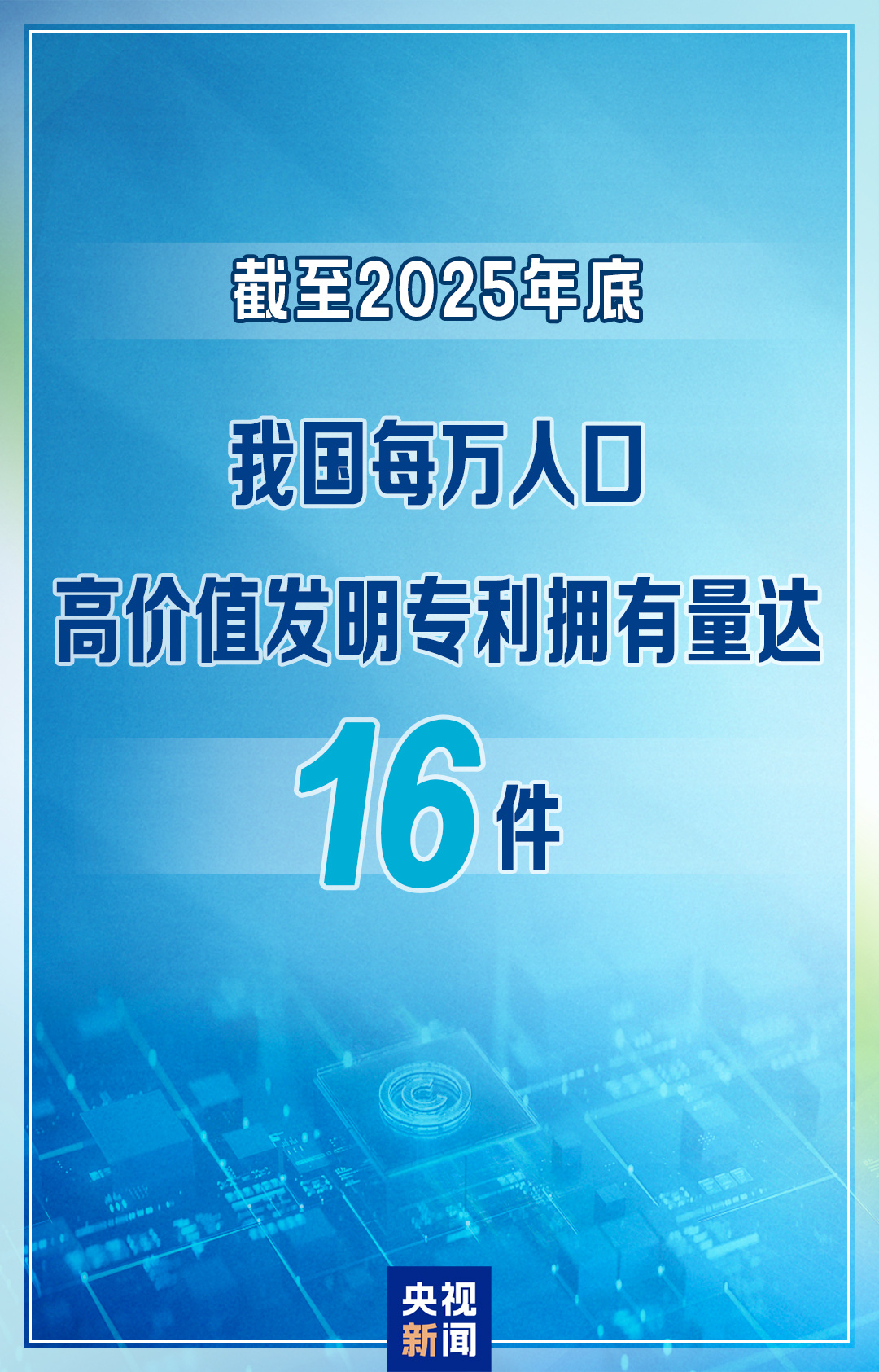
官方解读每万人口高价值发明专利拥有量超额完成:体现四“有”特点
Zhong Guo Xin Wen Wang· 2026-01-23 12:49
Core Insights - As of the end of 2025, China is expected to exceed its target of 12 high-value invention patents per 10,000 people, achieving a rate of 16, reflecting a significant focus on patent quality over quantity [1][3] Group 1: Patent Quality Improvement - By the end of 2025, China is projected to have 2.292 million high-value invention patents, accounting for 43.1% of the total effective invention patents, an increase of 2.9 percentage points from the end of the 13th Five-Year Plan [3] - The shift in patent structure indicates a growing proportion of patents with higher technical content, market value, and stable rights status [3] Group 2: Innovation in Industries - By the end of 2025, strategic emerging industries are expected to hold 1.534 million effective invention patents, maintaining around 70% of the total high-value invention patents, which supports the growth of new industries and future sectors [3][4] Group 3: Corporate Vitality - There will be approximately 280,000 companies in China holding 1.764 million high-value invention patents by the end of 2025, with companies accounting for over 75% of these patents, establishing themselves as the main contributors to high-value patent creation [3] Group 4: Regional Support - Eastern regions continue to lead in innovation, with high-value invention patents making up 70% of the national total, while the central and western regions are also showing significant improvements in innovation capabilities [4][5] Group 5: Patent-intensive Industries - The value added by China's patent-intensive industries is projected to reach 18.04 trillion yuan by 2024, representing 13.38% of GDP, indicating robust growth and a significant role in economic development [5][6] - Employment in patent-intensive industries is expected to reach 52.67 million by 2024, reflecting an increase of approximately 1.9 million from the previous year, contributing positively to job stability [5] Group 6: Innovation and Digital Economy - R&D intensity in patent-intensive industries is expected to exceed 2.6%, which is 2.4 times that of non-patent-intensive industries, showcasing a strong focus on innovation [6] - The digital economy's contribution to patent-intensive industries is increasing, with the combined value added from information and communication technology sectors nearing 8 trillion yuan, accounting for over 40% of the total [6]

深圳国资基金矩阵三年行动计划发布
Zhong Zheng Wang· 2026-01-23 11:47
Core Viewpoint - The Shenzhen State-owned Assets Supervision and Administration Commission (SASAC) is transitioning from being a "resource holder" to an "ecosystem builder" in collaboration with private enterprises to create a positive innovation ecosystem [1] Group 1: Fund Matrix and Action Plan - The newly released state-owned capital fund matrix is based on the recently issued "Management Measures for Fund Business of State-owned Enterprises in Shenzhen (Trial)" [1] - The fund matrix focuses on Shenzhen's "20+8" strategic emerging industries and future industries, aiming to establish a comprehensive fund system that covers seed, startup, growth, and mature stages [1] - The initiative aims to continuously expand the capital supply capacity for technological innovation and enhance the long-term guiding and amplifying effects of state-owned capital [1] Group 2: Key Support Areas - The Shenzhen SASAC has outlined key support for hard technology sectors, including semiconductors and integrated circuits, artificial intelligence, and biomedicine [1]
国家级并购基金设立提上日程 与现有政府投资基金形成有效互补
Zhong Guo Jing Ying Bao· 2026-01-23 10:45
Group 1 - The establishment of a national-level merger and acquisition (M&A) fund is a strategic initiative aimed at optimizing industrial structure and accelerating the cultivation and development of new productive forces [1][2] - The national-level M&A fund can leverage its financial scale and professional operational capabilities to guide social capital towards strategic emerging industries and high-tech sectors, promoting a higher-level industrial structure [2][3] - This initiative is expected to enhance innovation and entrepreneurship by integrating resources such as technology, talent, and markets for innovative companies, thereby accelerating the transformation and industrialization of technological achievements [2][3] Group 2 - The entry of the "national team" into the M&A market is anticipated to effectively guide social capital towards key strategic emerging industries and traditional advantageous industries that require consolidation [3][6] - The national-level M&A fund is expected to improve industry concentration and facilitate the transition towards high-end, intelligent, and green industries, injecting new vitality into economic development [3][6] - According to Wind data, the total scale of M&A transactions in China's market reached 350.425 billion yuan in the third quarter of 2025, reflecting a year-on-year increase of 150.42% and a quarter-on-quarter growth of 44.67% [3] Group 3 - The funding sources for national-level M&A funds typically include public pensions, sovereign wealth funds, and diversified fundraising [4][5] - Globally, M&A investment is a mainstream strategy for national-level M&A funds, focusing on mature assets and strategic sectors, which include critical technologies and national soft power [5] - The governance structure of national-level M&A funds emphasizes professionalism, independence, and sustainability, ensuring that funds are guided by government initiatives while being market-driven [5] Group 4 - Local state-owned assets have begun establishing M&A funds in response to national strategies, aiming to optimize resource allocation and promote industrial upgrades [6][7] - These local funds are designed to effectively combine government-led funding with social capital, focusing on strategic emerging industries and advanced manufacturing [6][7] - There is a need for improved top-level design and planning in the establishment of local M&A funds to avoid homogenization and resource waste, ensuring compliance with national industrial policies [7]
140万亿元之后,中外经济学家共话中国经济潜能
2 1 Shi Ji Jing Ji Bao Dao· 2026-01-23 08:34
Core Insights - The resilience of the Chinese economy is highlighted amidst global economic uncertainty, with a projected GDP growth rate of 5% and a total economic output reaching 140 trillion yuan by 2025 [1][2]. Group 1: Economic Performance - China's economy is becoming a focal point for international attention, particularly in the context of the International Monetary Fund's latest World Economic Outlook and the Davos Forum [1]. - The growth rate of high-tech and strategic emerging industries is significantly outpacing traditional sectors, injecting new momentum into the economy [2]. Group 2: External Factors and Signals - Signs of stabilizing inflation are viewed as a positive signal for the Chinese economy, as improvements in nominal GDP can alleviate debt pressure and enhance investment and consumption [2]. - The structure of exports is optimizing, with rapid growth in service consumption and new types of consumption, contributing to new growth support [2]. Group 3: Future Outlook - For 2026, external uncertainties remain, and policies should focus on maintaining stability while promoting progress, particularly through increased fiscal investment to stimulate domestic demand [3]. - Emphasis on balancing growth and risk prevention is crucial, with strategies to further stimulate consumption, stabilize the real estate market, and enhance export value [3].
140万亿元之后,中外经济学家共话中国经济潜能
21世纪经济报道· 2026-01-23 08:03
Group 1 - The core viewpoint of the article emphasizes that China's economy is a focal point of global attention amid weak global economic growth and rising uncertainties, with a projected GDP of 140 trillion yuan and a growth rate of 5% for 2025, showcasing its resilience [1] - The resilience of China's economy is attributed to structural changes, with high-tech and strategic emerging industries growing faster than traditional sectors, injecting new momentum into the economy [1] - The improvement in nominal GDP is seen as a positive signal for China, as it alleviates debt pressure and enhances investment and consumption, contributing to sustained economic growth [2] Group 2 - The recovery in industrial and service sectors is steady, with consumption and foreign trade maintaining resilience, while the structure of exports is optimizing, and new types of consumption are growing rapidly [2] - Looking ahead to 2026, external uncertainties remain, and policies should focus on maintaining stability while promoting fiscal investment and supporting key regions like the Yangtze River Delta and the Guangdong-Hong Kong-Macau Greater Bay Area to drive national economic growth [2] - It is crucial to balance growth and risk prevention in policies, with an emphasis on stimulating consumption, stabilizing the real estate market, and enhancing export value-added as important directions for sustained economic improvement [2]

四川国资国企“十四五”成绩单出炉 连续跨越13个万亿元台阶
Si Chuan Ri Bao· 2026-01-23 07:23
Group 1 - The total assets of local state-owned enterprises in the province reached 23.23 trillion yuan, with operating revenue exceeding 2 trillion yuan and total profits surpassing 100 billion yuan [1] - The total assets, operating revenue, and total profits increased by 116.2%, 97.3%, and 27.7% respectively compared to the end of the 13th Five-Year Plan [1] - The total assets of six major advantageous industries reached 2.04 trillion yuan, with operating revenue and total profits at 543.8 billion yuan and 101.56 billion yuan, reflecting growth of 132.2%, 41.3%, and 59.1% respectively [1] Group 2 - R&D investment by local state-owned enterprises is projected to reach 21.71 billion yuan by the end of the 14th Five-Year Plan, doubling compared to the end of the 13th Five-Year Plan [2] - The number of national high-tech enterprises, technology-based SMEs, and "specialized and innovative" small giant enterprises increased to 317, 114, and 39 respectively, with significant additions since the end of the 13th Five-Year Plan [2] - Major breakthroughs were achieved in key core technologies, particularly in integrated circuits and high-end equipment, through the implementation of over 500 national and provincial technology projects [2]
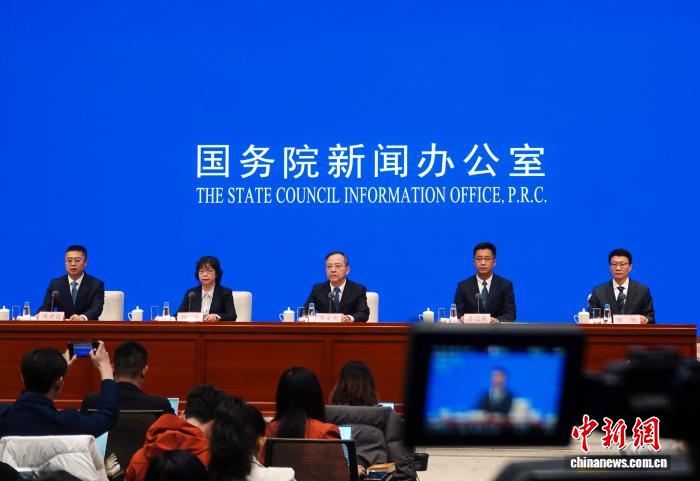
我国每万人口高价值发明专利拥有量达16件 超额完成“十四五”目标
Zhong Guo Jing Ji Wang· 2026-01-23 07:07
Core Viewpoint - The "number of high-value invention patents per 10,000 people" is a key indicator in China's "14th Five-Year Plan" to enhance the quality of patents and shift focus from quantity to quality in innovation [1] Group 1: Patent Quality and Structure - By the end of 2025, the number of high-value invention patents in China is expected to reach 2.292 million, accounting for 43.1% of the total effective invention patents, an increase of 2.9 percentage points compared to the end of the "13th Five-Year Plan" [2] - This shift indicates an improvement in patent structure, with a higher proportion of patents that have greater technological content, market value, and stable rights status [2] Group 2: Emerging Industries and Innovation - By the end of 2025, the number of effective invention patents in strategic emerging industries is projected to reach 1.534 million, maintaining around 70% of the total high-value invention patents [2] - The increasing patent reserves in these industries provide significant momentum and technological support for the growth of new and future industries [2] Group 3: Corporate Innovation - By the end of 2025, there will be 280,000 companies holding 1.764 million high-value invention patents, with companies accounting for over 75% of these patents, reaching 77% [2] - Companies are identified as the main force in creating high-value invention patents, highlighting their vital role in innovation [2] Group 4: Regional Innovation Capacity - Eastern regions continue to lead in innovation, with high-value invention patents making up 70% of the national total, particularly in key areas like the Yangtze River Delta, Beijing-Tianjin-Hebei, and the Guangdong-Hong Kong-Macao Greater Bay Area [2] - The innovation capacity in central and western regions has also significantly improved, with the growth rate of high-value invention patents expected to exceed the national average by 2025 [2] Group 5: Future Directions - The National Intellectual Property Administration plans to further optimize the "number of high-value invention patents per 10,000 people" indicator in the "15th Five-Year Plan," focusing on monitoring, statistical analysis, and encouraging innovation entities to prioritize patent quality [3]
民间投资何以重要
Xin Lang Cai Jing· 2026-01-23 06:32
Group 1 - The central government emphasizes the importance of stimulating private investment and increasing its proportion in the economy, as highlighted in the 20th Central Committee's Fourth Plenary Session and subsequent policy measures [1][3] - Private investment serves as a crucial indicator of economic activity, playing a significant role in stabilizing growth, employment, and expectations [3][4] - Since the reform and opening-up, private investment in China has grown from less than 15% of total investment in 1980 to over 50% in recent years, becoming a vital force in driving economic development [3][4] Group 2 - Private investment is characterized by flexibility, high risk tolerance, and strong innovation awareness, making it a key support for building a modern industrial system [4] - In 2025, private investment in high-tech industries, such as information services and professional technical services, saw year-on-year growth of 26.7% and 17.6% respectively, indicating a shift towards strategic emerging industries [4] - The manufacturing sector accounts for about 40% of total private investment, with significant growth in traditional industries driven by policies promoting intelligent, green, and integrated development [4] Group 3 - Private investment plays a crucial role in job creation, contributing to over 80% of urban employment in China, thus becoming a primary channel for employment [5] - The rise of new economic formats, such as online sales and logistics, has further amplified the employment effects of private investment [5] - In the public management and social security sectors, private investment grew by 31.9% year-on-year in 2025, highlighting its increasing role in meeting the growing needs of the population [5]
链接赋能 南京江宁区与国家知识产权局专利局审协江苏中心开展协同合作
Xin Lang Cai Jing· 2026-01-23 04:27
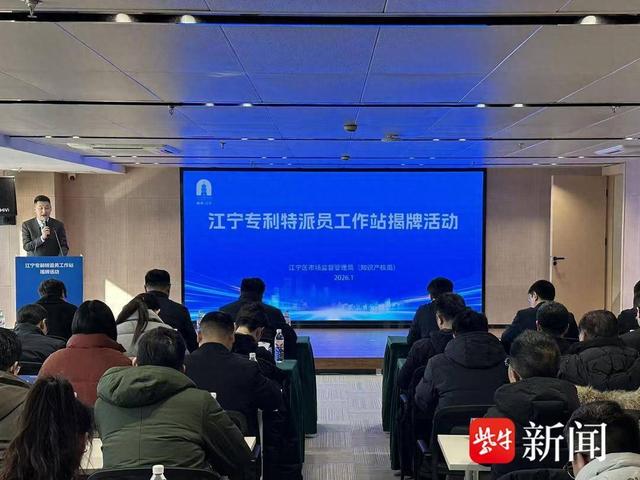
转自:扬子晚报 审协江苏中心办公室主任李捷、江宁区市场监管局局长汤卫宁共同为派驻服务专家颁发聘书。 审协江苏中心副主任刘凡、江宁区副区长冯冰共同为审协江苏中心在南京布局的首家工作站——"专利 特派员江宁区工作站"揭牌。 专利特派员江宁工作站将聚焦特色公共服务,借助审协江苏中心的资源、技术、人才优势,紧扣江宁 区"5+4+5"战略性新兴产业布局和重点企业需求,组织高水平团队,开展高价值专利培育、专利导航、 分析评议、企业"问诊"等工作,帮助企业提升知识产权创造、运用、保护能力,为企业上市、抢占市 场、海外出口保驾护航。 扬子晚报网 1月23日讯(通讯员 张昊瑞 记者 姜婧仪)为提升区域知识产权公共服务能力,搭建连接国 家级知识产权资源与地方创新实践的桥梁,近日,南京江宁区市场监管局与国家知识产权局专利局审查 协作江苏中心(以下简称审协江苏中心)在江宁区知识产权大厦开展合作活动。 活动现场 活动现场 活动现场发布了合作服务清单,并对部分国家知识产权示范企业、知识产权服务机构开展专利审查业务 培训。 下一步,江宁区将与专利特派员江宁区工作站协作并行,结合产业发展需求,精准匹配服务资源,形成 发展上的"双向奔赴", ...
每万人口高价值发明专利拥有量16件!这个指标“含金量”有多高
Jing Ji Guan Cha Wang· 2026-01-23 03:21
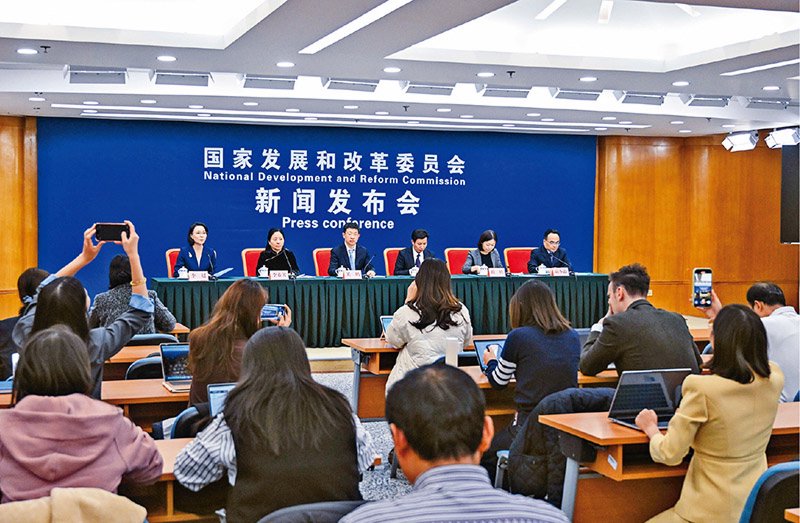
Core Insights - The report highlights significant progress in China's intellectual property (IP) landscape, with the number of high-value invention patents per 10,000 people reaching 16 by the end of 2025, exceeding the target of 12 set in the 14th Five-Year Plan [1][2] Group 1: Quality Improvement - The quality of patents has improved, with the domestic high-value invention patents reaching 2.292 million, accounting for 43.1% of the total effective invention patents, an increase of 2.9 percentage points compared to the end of the 13th Five-Year Plan [1] Group 2: Industry Innovation - Strategic emerging industries have seen a significant increase in domestic effective invention patents, totaling 1.534 million, which maintains a proportion of around 70% of high-value invention patents, providing essential momentum and technological support for the growth of new industries [1][2] Group 3: Corporate Engagement - By the end of 2025, there are 280,000 companies holding high-value invention patents totaling 1.764 million, with companies accounting for over 75% of these patents, establishing themselves as the primary force in creating high-value invention patents [1] Group 4: Regional Support - Eastern regions continue to lead in innovation, with high-value invention patents making up 70% of the national total, while central and western regions have shown significant improvement, with growth rates for high-value invention patents surpassing the national average [2]