
反内卷政策

Search documents
电子纱1月价格提涨,后续仍存涨价预期
China Post Securities· 2026-01-12 05:40
Industry Investment Rating - The investment rating for the building materials industry is "Outperform the Market" and is maintained [1] Core Insights - The report highlights that the electronic yarn prices have increased, with the average price of domestic G75 remaining at 9377 RMB/ton, reflecting a month-on-month increase of nearly 1% and a year-on-year increase of 11.31%. This price increase is supported by the growing demand in the high-end PCB sector, indicating further price increase expectations [3][4] - The cement market is entering a seasonal downturn, with overall demand showing a downward trend. The construction market remains weak, but there is a rigid demand in the civil market. The report anticipates that cement production capacity will continue to decline under policies limiting overproduction, which will significantly enhance profit elasticity [3][4] - The glass industry is experiencing a continuous decline in demand due to real estate impacts, with short-term price expectations remaining low due to high inventory levels among intermediaries. The report predicts that prices will remain under pressure despite some production lines undergoing maintenance [4][15] - The fiberglass sector is seeing stable demand in wind power and thermoplastic fields, with the electronic yarn segment benefiting from AI industry demand, leading to a potential explosive growth in demand [4] - The consumer building materials sector has reached a profitability bottom, with no further downward price space. The report notes a strong demand for price increases across various categories, indicating potential profitability improvements for leading companies in 2026 [4] Summary by Sections Cement - National cement production in November 2025 was 154 million tons, a year-on-year decrease of 8.2%. The report emphasizes the need for policy-driven demand improvements [8] Glass - The report indicates that the glass market is under pressure, with traditional peak season orders showing limited improvement. The supply side has seen some production line maintenance, but overall supply-demand pressure remains [15] Fiberglass - The fiberglass sector is expected to see a demand surge driven by AI-related applications, with a clear upgrade in product structure leading to simultaneous volume and price increases [4] Consumer Building Materials - The report suggests that the consumer building materials industry is poised for profitability recovery, with leading companies expected to improve earnings in 2026 due to strong pricing power [4]
扩内需促消费政策显效 物价回暖,经济“体温”回升
Sou Hu Cai Jing· 2026-01-12 03:24
Core Insights - The Consumer Price Index (CPI) in December 2025 increased by 0.2% month-on-month and 0.8% year-on-year, while the core CPI, excluding food and energy, rose by 1.2% year-on-year [2] - The Producer Price Index (PPI) rose by 0.2% month-on-month but decreased by 1.9% year-on-year, with a decline of 2.6% for the entire year of 2025 [2] - Analysts predict a moderate recovery in overall prices in 2026, supported by proactive macroeconomic policies and the development of new economic drivers [2] CPI Analysis - The year-on-year increase in CPI in December 2025 was the highest since August 2023, driven primarily by rising vegetable and fruit prices due to adverse weather conditions, as well as the effects of year-end consumption promotion policies [2][3] - Specific price increases included fresh vegetables and fruits, which rose by 18.2% and 4.4% respectively, contributing approximately 0.16 percentage points to the CPI increase [3] - The prices of household appliances and vehicles also saw a month-on-month increase, exceeding market expectations [2] PPI Analysis - The PPI's year-on-year decline narrowed by 0.3 percentage points in December 2025, influenced by rising raw material prices and the effects of policies aimed at reducing excessive competition [4] - The PPI experienced a continuous month-on-month increase for three consecutive months, indicating a potential stabilization in industrial prices [4] - For 2025, the PPI's year-on-year decline was 2.6%, which is a larger drop compared to the previous year, attributed to insufficient external demand and ongoing economic structural adjustments [4] Future Outlook - Experts anticipate that the CPI will see a moderate increase in 2026, potentially around 1.2%, as the effects of growth-stimulating and consumption-promoting policies take hold [7] - The PPI is expected to enter a recovery phase in 2026, with a projected year-on-year decline narrowing to around 0.5%, although a return to positive growth may take longer [4][5] - Measures to ensure the supply and price stability of essential goods are being implemented, with local governments actively working to maintain market stability [6]

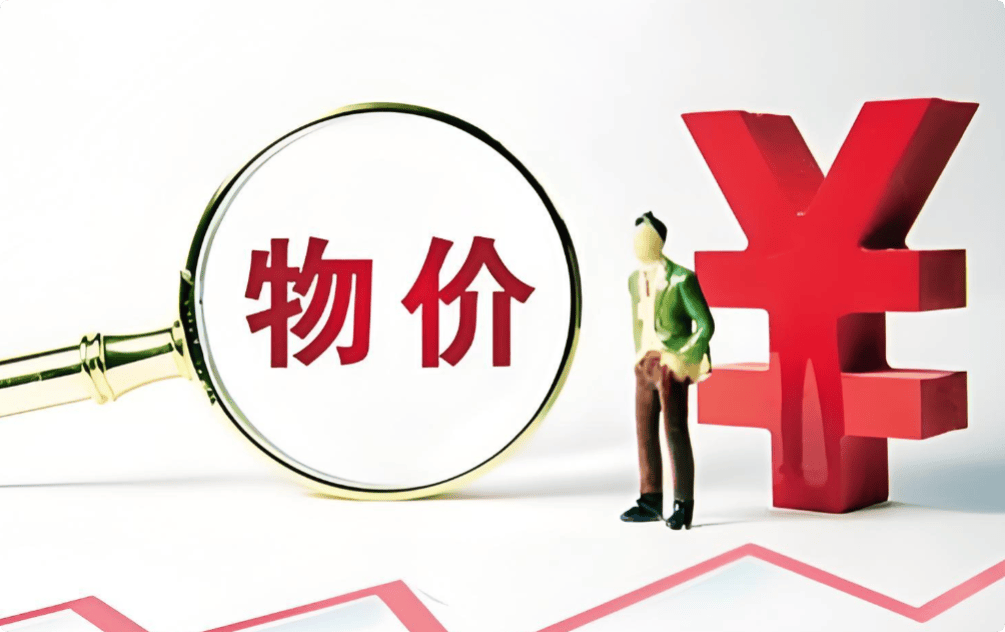
煤炭ETF(515220)连续3日净流入超5.6亿元,反内卷政策扭转煤炭市场预期
Mei Ri Jing Ji Xin Wen· 2026-01-12 03:19
煤炭ETF(515220)规模超90亿元,其跟踪中证煤炭指数(399998),煤炭板块股息率较高,截至2025 年年末,跟踪指数近12个月股息率超6%,在无风险利率下行的背景下配置价值凸显。 资金面看,煤炭ETF(515220)连续3日净流入超5.6亿元,反内卷政策扭转煤炭市场预期。 山西证券指出,反内卷政策扭转了煤炭市场预期,2025年108号文通过查超产等措施压缩供给,促使煤 价企稳反弹,形成"政策底"与"预期顶"共同推导的合理煤价中枢。短期供给受控,中长期需关注需求复 苏,"十五五"期间煤炭消费将达峰但仍承担兜底保障作用。新能源装机虽快速增长,但在其发电增量超 过全社会用电增量前,对煤电的实质性挤压有限,预计2026年火电存量需求仍稳固。动力煤方面,2026 年将维持紧平衡,价格中枢约720元/吨;炼焦煤呈现弱平衡,价格中枢按动力煤的2.0-2.2倍推算,约为 1440-1584元/吨。 风险提示:提及个股仅用于行业事件分析,不构成任何个股推荐或投资建议。指数等短期涨跌仅供参 考,不代表其未来表现,亦不构成对基金业绩的承诺或保证。观点可能随市场环境变化而调整,不构成 投资建议或承诺。提及基金风险收益特征 ...
享受春季躁动主升浪
AVIC Securities· 2026-01-12 01:47
Market Overview - The market sentiment is significantly active, with the Wind All A Index rising by 5.11% in the first week of 2026, indicating a potential main upward wave of spring excitement[8] - The A-share market has surpassed the 30 trillion yuan mark in trading volume for the fifth time in history, after 73 trading days[8] Economic Indicators - In December, the Consumer Price Index (CPI) increased by 0.8% year-on-year, marking the highest level since March 2023, with a month-on-month increase of 0.1 percentage points[9] - The Producer Price Index (PPI) shows a significant upward trend since June 2025, indicating a recovery in the manufacturing sector[9] Sector Performance - Key sectors such as defense, electric power equipment, communication, and biomedicine have shown continuous improvement in revenue and net profit over the past two quarters, reflecting high-quality fundamental recovery[17] - The technology sector, particularly commercial aerospace, AI applications, and humanoid robotics, continues to lead market performance[8] Investment Strategy - The report suggests focusing on sectors with improving profitability, including beauty care, communication, basic chemicals, automotive, electric power equipment, biomedicine, electronics, and machinery[19] - The investment ratings for companies are categorized as "Buy" for expected growth of 5%-10%, "Hold" for -10% to +5%, and "Sell" for declines over 10%[25] Risk Factors - The report highlights potential risks associated with market volatility and regulatory changes impacting various sectors[24]
《化工周报 26/1/5-26/1/9》:陕西省或对高耗能行业实施差别化电价,有机硅再迎涨价,商业航天催化密集-20260111
Shenwan Hongyuan Securities· 2026-01-11 15:30
Investment Rating - The report maintains a "Positive" rating for the chemical industry [2][3] Core Insights - The macroeconomic outlook for the chemical industry indicates a stable increase in oil demand due to global economic recovery and tariff adjustments, with Brent oil prices expected to remain in the range of $55-70 per barrel [2][3] - The report highlights the potential for price increases in the organic silicon sector, driven by supply constraints and rising demand ahead of the Lunar New Year [2] - The report suggests focusing on key sectors such as industrial silicon, PVC, and phosphorus, as well as companies like Xinjiang Tianye and Xingfa Group, which are expected to benefit from differentiated electricity pricing policies in Shaanxi Province [2][3] Summary by Sections Chemical Macro Outlook - Oil supply is tightening due to OPEC+ production delays and peak shale oil output, while demand is stabilizing with an expected increase in oil prices [3] - Coal prices are expected to stabilize at a low level, alleviating pressure on downstream industries [3] - The U.S. is likely to accelerate natural gas export facility construction, potentially lowering import costs [2][3] Price Trends - Brent crude oil prices increased by 3.7% to $63.02 per barrel, while WTI prices rose by 2.7% to $58.84 per barrel [9] - The PPI for all industrial products decreased by 1.9% year-on-year but increased by 0.2% month-on-month, indicating a slight recovery in manufacturing activity [5] Sector Recommendations - The report recommends focusing on the textile chain, agricultural chemicals, export-related chemical products, and companies benefiting from "de-involution" policies [2] - Specific companies to watch include: - For textiles: Lu Xi Chemical, Tongkun Co., and Hengli Petrochemical - For agricultural chemicals: Hualu Hengsheng and Baofeng Energy - For export-related chemicals: Juhua Co. and Wanhu Chemical [2][15] Key Company Valuations - The report includes a valuation table for key companies, indicating their market capitalizations and projected earnings [15][16]


【十大券商一周策略】短期热度有望延续,A股估值有望继续提升
券商中国· 2026-01-11 14:55
Group 1 - The market is currently experiencing a high level of enthusiasm, with a focus on theme stocks and small-cap stocks, while traditional investment funds are more cautious [2] - The expectation is that the market will continue to show a pattern of oscillation and upward movement until the National People's Congress, driven by improved domestic demand expectations [2] - There is a recommendation to focus on resources and traditional manufacturing sectors, as well as to increase allocation in non-bank financials to reduce portfolio volatility [2] Group 2 - A-share valuations are expected to continue to rise, with a potential rebound in overall ROE by 2026, influenced by factors such as increased profits from emerging industries and a slowdown in PPI [3] - The influx of certain types of funds, including regulatory, insurance, and bank wealth management funds, is seen as a solid foundation for the A-share market [3] - The market is likely to see a continuation of the spring rally, with a focus on small-cap stocks and potential adjustments providing good entry points for investors [3] Group 3 - The current market environment suggests limited downside risk and significant potential for upward movement, particularly in the commercial aerospace sector, which is experiencing positive changes [5] - The market is characterized by a concentration of themes and strong trading sentiment, with upcoming earnings reports expected to drive structural adjustments [5] - There is a focus on sectors such as AI, semiconductor, and resource price increases as key areas for investment [9] Group 4 - The spring rally is supported by improved liquidity and a favorable economic environment, with expectations of continued strong performance in the A-share market [6] - The focus on technology and growth sectors is expected to provide significant investment opportunities, particularly in AI applications and commercial aerospace [11] - The market is likely to remain strong leading up to the Spring Festival, with a focus on sectors benefiting from policy support and economic recovery [14]
化工周报:陕西省或对高耗能行业实施差别化电价,有机硅再迎涨价,商业航天催化密集-20260111
Shenwan Hongyuan Securities· 2026-01-11 12:41
Investment Rating - The report maintains an "Optimistic" rating for the chemical industry [3][4]. Core Insights - The macroeconomic outlook for the chemical industry indicates a stable increase in oil demand due to global economic recovery, with Brent crude oil expected to remain in the range of $55-70 per barrel [3][4]. - The report highlights the implementation of differentiated electricity pricing for high-energy-consuming industries in Shaanxi Province, which may accelerate capacity elimination in these sectors [3][4]. - The organic silicon industry is expected to see price increases, with DMC prices projected to rise to 14,000 yuan per ton due to tightening supply and pre-holiday inventory buildup [3][4]. - The commercial aerospace sector is experiencing significant growth, with a notable increase in satellite launches and approvals for new satellite constellations [3][4]. Summary by Sections Macro Economic Analysis - Oil supply is constrained due to OPEC+ production delays and peak shale oil output, while demand is stabilizing with tariff adjustments and economic improvements [3][4]. - Coal prices are expected to stabilize at a low level, alleviating pressure on downstream industries [3][4]. - Natural gas exports from the U.S. are anticipated to increase, potentially lowering import costs [3][4]. Industry Dynamics - The report discusses the differentiated electricity pricing policy in Shaanxi, which could lead to accelerated capacity elimination in high-energy-consuming industries [3][4]. - The organic silicon sector is highlighted for its potential price increases due to supply constraints and rising demand [3][4]. - The commercial aerospace industry is set for rapid growth, with significant satellite launches expected in the coming years [3][4]. Investment Recommendations - The report suggests focusing on sectors benefiting from the "anti-involution" policies, including textiles, agriculture, and export-related chemicals [3][4]. - Specific companies to watch include: - Textile Chain: LUXI Chemical, Tongkun Co., and others [3][4]. - Agriculture Chain: Hualu Hengsheng, Baofeng Energy, and others [3][4]. - Export-related Chemicals: Juhua Co., Wanhu Chemical, and others [3][4]. - Emphasis is placed on key materials for growth, particularly in semiconductor and battery materials [3][4].


银河证券:反内卷政策趋势仍在 太空光伏产业加速
智通财经网· 2026-01-11 06:48
Core Viewpoint - The trend of anti-involution policies remains, with ongoing exploration of coordinated governance in the industry [2] Group 1: Anti-Involution Policies - The recent halt of self-regulatory actions related to silicon material integration in the photovoltaic industry by the Market Supervision Administration is characterized as a rare preemptive review, which does not provide exemptions for anti-involution or integration [2] - The halt specifically targets monopolistic self-regulation concerning price, production capacity, and market division, while allowing compliance in areas such as cost-price sales, intellectual property protection, and technical standard improvements [2] - A collaborative governance framework has been established, involving enterprises, power generation parties, and associations to ensure compliance without resorting to monopolistic practices [2] Group 2: Industry Price Trends - The price of N-type silicon material has increased to 59,200 yuan per ton, reflecting a week-on-week rise of 9.83% [3] - Prices for N-type silicon wafers and battery cells have been maintained or increased, with N-type battery cell prices rising to 0.39 yuan per watt and TOPCon module prices increasing to 0.7 yuan per watt [3] - The industry is expected to gradually recover profitability, with a forecast of turning profitable in 2026 as terminal demand begins to improve [3] Group 3: Commercial Space and Space Photovoltaics - Elon Musk has announced plans to deploy a solar energy network of 100GW satellites annually, while China aims to establish gigawatt-level space data centers between 2025 and 2035 [4] - Space photovoltaics are expected to become commercialized in the next 10-15 years, driven by decreasing launch costs and breakthroughs in battery technology [4] - The efficiency of space photovoltaic systems is significantly higher than ground-based systems, with energy density and annual generation hours improved by 7-10 times [4]
12月通胀数据解读:2025年通胀回眸
Huachuang Securities· 2026-01-10 07:51
1. Report Industry Investment Rating No information about the industry investment rating is provided in the report. 2. Core Viewpoints of the Report - In 2025, CPI increased by 0.8% year - on - year, with core consumer goods, services, and fresh produce prices improving. PPI's year - on - year decline narrowed to - 1.9%, and prices gradually recovered from upstream to mid - downstream after the "anti - involution" policy [2][3]. - In December 2025, due to the decline in vegetable price growth and the seasonal recovery of consumer goods, CPI's year - on - year increase rebounded to 0.8% under the low - base effect. PPI's month - on - month increase rebounded to 0.2% due to the heating season and the impact of imported non - ferrous metals [29][45]. 3. Summary According to the Directory 2025 Inflation Review CPI - In 2025, CPI increased by 0.8% year - on - year. The factors contributing to the CPI increase from high to low were core consumer goods (0.63 pct), fresh produce (0.4 pct), services (0.25 pct), while livestock and meat (- 0.19 pct) and energy (- 0.3 pct) dragged it down [2][9]. - Core consumer goods: Gold prices contributed half of the increase, and prices of household appliances and daily necessities improved under consumption - promoting policies. Services: Service consumption scenarios mainly related to travel still supported prices, with significant price fluctuations between peak and off - peak seasons. Livestock and meat: Pig production capacity reduction was slow under "large - scale" farming, and terminal demand was weak, leading to a slow decline in prices. Fresh produce: Extreme weather affected production and transportation, tightening supply and driving up prices. Energy: Trade frictions led to weak demand and a downward price trend [2][14][15]. PPI - In 2025, the year - on - year decline of PPI narrowed to - 1.9%. After the "anti - involution" policy in July, mid - stream production materials industries showed positive signals, but the durable consumer goods manufacturing industry related to long - term income expectations and closer to terminal demand was still weak [24]. - Industries with continuous price increases included the imported non - ferrous metal industry chain, which had six consecutive months of price increases. Domestically, industries generally saw price recovery from upstream to mid - downstream, such as coal and black mining in the upstream, the paper - making industry, and then lithium - ion battery manufacturing and non - metallic mineral products industries [27]. December CPI Food Items - CPI food prices increased by 0.3% month - on - month, slightly weaker than the seasonal average, driving CPI up by about 0.05 percentage points. Pork prices decreased slightly due to oversupply, and fresh produce prices were weaker than the seasonal level, with fresh fruit prices rising seasonally and fresh vegetable prices rising less than expected [31]. Non - food Items - The non - food item of CPI increased by 0.1% month - on - month, stronger than the seasonal average, driving CPI up by about 0.12 percentage points. Energy prices decreased slightly, core consumer goods drove CPI up by about 0.16 percentage points (21% contributed by gold price increases), and service prices had limited impact on CPI during the off - travel season [32][37][38]. December PPI Overall - In December, PPI's month - on - month increase rebounded to 0.2% after 19 months, with price increases spreading from the mining industry to raw material and processing industries. Production material prices increased by 0.2%, while downstream living material prices remained flat [45]. By Industry - The number of industries with rising prices among industrial producers remained at 9. Supportive factors included the seasonal increase in demand and prices of coal, gas, and the non - ferrous metal industry chain, as well as the continuous price recovery of the paper - making industry. The drag factor was the imported crude oil industry chain [47][51][59].
CPI同比创2023年3月以来最高
2 1 Shi Ji Jing Ji Bao Dao· 2026-01-09 23:30
Group 1: Consumer Price Index (CPI) Insights - In December 2025, the Consumer Price Index (CPI) increased by 0.2% month-on-month and 0.8% year-on-year, with the year-on-year growth rate reaching its highest since March 2023 [1][3] - The rise in CPI was primarily driven by an increase in food prices, which rose by 1.1%, contributing approximately 0.17 percentage points to the year-on-year CPI increase [4] - The overall CPI for 2025 remained flat compared to the previous year, indicating a relative lack of effective consumer demand and a mismatch between supply and demand [2][6] Group 2: Producer Price Index (PPI) Insights - The Producer Price Index (PPI) saw a month-on-month increase of 0.2% in December 2025, marking the third consecutive month of growth, while the year-on-year decline narrowed to 1.9% [7] - Key industries such as coal mining and lithium-ion battery manufacturing experienced price increases, reflecting improvements in supply-demand structures and ongoing capacity management policies [7][8] - The PPI's year-on-year decline is expected to continue narrowing due to the implementation of macroeconomic policies and improvements in market competition [7][9] Group 3: Future Outlook - The gradual release of "stabilizing growth and promoting consumption" policies is anticipated to lead to a moderate increase in CPI in 2026, surpassing the flat growth of 2025 [2][6] - Positive factors for 2026 include the expected improvement in upstream mining and extraction sectors due to "anti-involution" policies and the construction of a unified national market [9] - The complex domestic and international economic environment may drive up prices for upstream raw materials, contributing to an increase in PPI in 2026 [9]