新型储能

Search documents
佛山储能突围:开辟长时储能新赛道 制造业生态成竞争关键
2 1 Shi Ji Jing Ji Bao Dao· 2025-11-25 15:43
Core Insights - Guangdong Huanhua Hydrogen Energy Technology Co., Ltd. is shifting its focus from hydrogen fuel cell bipolar plates to flow battery bipolar plates, indicating a strategic pivot towards a more promising energy storage technology [1] - The company has secured approximately 60 million yuan in intended orders and anticipates generating an annual economic value of 150 million to 300 million yuan from its new flow battery production base, set to commence operations in March 2024 [1] - The transition reflects a broader industry trend towards diversified energy storage technologies beyond lithium batteries, as outlined in the "14th Five-Year Plan" which emphasizes the construction of a new energy system [1][2] Industry Trends - The demand for long-duration energy storage solutions is increasing due to the challenges posed by intermittent renewable energy sources like wind and solar, with flow batteries emerging as a key technology capable of discharging for over four hours [2] - The installed capacity of flow batteries in China is expected to grow tenfold in 2024 compared to 2023, marking a significant milestone in the industry [2] - Foshan is positioning itself as a competitive player in the new energy storage sector, leveraging its manufacturing base and growing regional energy demand to create a unique competitive advantage [2][3] Regional Developments - Foshan has established itself as a major hub for new energy storage, with over 50 related enterprises and more than 200 projects under construction or planned, totaling over 150 billion yuan in investment [3] - The city is expected to achieve an installed capacity of 564,000 kilowatts in new energy storage by 2024, leading the province of Guangdong [3] - The local manufacturing ecosystem supports rapid supply chain responses, enhancing Foshan's competitiveness in the energy storage market [8] Technological Innovations - The liquid flow battery sector is still in its early stages, providing opportunities for differentiation compared to the more monopolized lithium battery market [6] - A mixed storage model combining flow batteries with lithium batteries is being encouraged, aligning with the Guangdong Province's new energy storage technology innovation roadmap [6] - The integration of energy storage systems into local manufacturing processes is creating a feedback loop that enhances both energy storage technology and manufacturing competitiveness [9][10] Market Dynamics - The cessation of the "mandatory storage" policy by the National Development and Reform Commission and the Energy Administration is prompting a shift towards high-quality value adaptation in the new energy storage industry [4] - Global initiatives, such as the U.S. Department of Energy's long-duration storage program and the EU's battery innovation roadmap, are highlighting the importance of flow batteries and other technologies in national energy strategies [5] - The diverse energy storage needs of Foshan's manufacturing sector are driving innovation and creating substantial market potential, with an estimated demand of 8,000 megawatt-hours in the Nanhai District alone [9]
佛山储能突围:开辟长时储能新赛道,制造业生态成竞争关键
2 1 Shi Ji Jing Ji Bao Dao· 2025-11-25 14:18
Core Insights - Guangdong Huanhua Hydrogen Energy Technology Co., Ltd. is shifting its focus from hydrogen fuel cell bipolar plates to flow battery bipolar plates, indicating a strategic pivot towards a more promising energy storage technology [1] - The company has secured approximately 60 million yuan in intended orders and anticipates generating an annual economic value of 150 million to 300 million yuan from its new flow battery production base set to launch in March 2024 [1] - The transition reflects a broader industry trend towards diversified energy storage technologies beyond lithium batteries, as outlined in the "14th Five-Year Plan" which emphasizes the construction of a new energy system [1][2] Industry Trends - The demand for long-duration energy storage solutions is increasing due to the challenges posed by intermittent renewable energy sources like wind and solar, with flow batteries emerging as a key technology [2] - The installed capacity of flow batteries in China is expected to grow tenfold in 2024 compared to 2023, marking a significant milestone in the industry [2] - Foshan is positioning itself as a competitive player in the new energy storage sector, leveraging its manufacturing base and regional energy demands to create a unique competitive advantage [2] Regional Developments - Foshan has established itself as a hub for new energy storage, with over 50 related enterprises and more than 200 projects under construction or planned, totaling over 150 billion yuan in investment [4] - The city is set to achieve an installed capacity of 564,000 kilowatts in new energy storage by 2024, leading the province of Guangdong [4] - The Baotang Energy Storage Station in Foshan is the largest new energy storage station in the Guangdong-Hong Kong-Macao Greater Bay Area, showcasing the city's evolving role in the regional energy system [4] Market Dynamics - The new energy storage industry is transitioning from rapid expansion to a focus on high-quality value adaptation, driven by policy changes such as the halt of mandatory storage requirements [5] - Flow batteries are still in the early stages of market development, presenting opportunities for differentiated competition compared to the more established lithium battery market [6] - The integration of flow batteries with lithium batteries in hybrid storage systems is being encouraged, aligning with the development strategies outlined in the Guangdong Province's new energy storage technology innovation roadmap [6][7] Manufacturing and Application - Foshan's robust manufacturing ecosystem supports the development of diverse energy storage applications, driven by the needs of local industries such as ceramics and heavy machinery [8][12] - The city is witnessing innovative projects, such as the integration of perovskite solar components with semi-solid battery storage, which exemplifies the potential for technological advancements in energy storage [9] - The local manufacturing base is expected to generate significant demand for energy storage solutions, with an estimated market potential exceeding 10 billion yuan [12]
钒电池产业链迭代?“晶体速溶”工艺价值几何
2 1 Shi Ji Jing Ji Bao Dao· 2025-11-25 13:01
Core Insights - The vanadium flow battery industry is undergoing a significant transformation driven by innovations in core material production processes [1] - A new production technology for vanadium sulfate crystals has completed pilot testing, potentially changing the preparation and supply model for traditional vanadium battery electrolytes [1] Group 1: Production Process Innovation - The new production process simplifies the operation akin to "instant coffee," indicating a shift towards a light-asset, short-flow, low-cost, and easily deliverable "crystal instant" model for electrolyte production [1] - It is estimated that the new process could reduce the comprehensive cost of electrolytes by over 30%, with projections indicating that costs may fall below 700 RMB/kWh within the next two years [1] Group 2: Cost Efficiency - The cost of vanadium sulfate, which accounts for over 90% of the electrolyte's cost, has been significantly reduced due to the new production method, which allows direct preparation from shale vanadium ore to battery-grade vanadium sulfate crystals [2] - The investment in fixed assets for downstream companies adopting the "crystal instant" approach can be reduced from approximately 80 million RMB to over 40 million RMB, a nearly 50% decrease [2] - Direct processing costs are expected to drop from around 2,700 RMB/m³ to approximately 1,000 RMB/m³, a reduction of over 50% due to the simplification of production steps [2] Group 3: Supply Chain Optimization - The new production model leads to a deep optimization of the entire supply chain for vanadium battery electrolytes, particularly in logistics [4] - The transportation costs for 1 ton of electrolyte over 1,000 kilometers typically range from 1,000 to 1,500 RMB, but the stable chemical nature of vanadium sulfate crystals allows for a reduction in logistics costs to around 500 RMB, a decrease of over 50% [4] Group 4: Industry Structure Changes - The supply chain transformation is prompting adjustments in the roles and value distribution across the industry [5] - Upstream resource companies can now provide battery-grade key raw materials, shifting the focus from traditional steelmaking by-products to independent shale vanadium mining [5] - Traditional electrolyte processing companies face pressure to either extend upstream to control resources or pivot to providing dissolution services based on the new crystal technology [5] Group 5: Market Potential and Policy Support - The technological breakthrough in the vanadium battery sector coincides with strong national policy support for new energy storage development [6] - The National Development and Reform Commission and the National Energy Administration have set a target for new energy storage installations to exceed 180 million kW by 2027, indicating a significant market expansion [6] - The domestic flow battery market is expected to see a tenfold increase in new grid-connected projects in 2024, with vanadium flow batteries accounting for 96.67% of this growth [6]
超37GWh!又有4企储能扩产
行家说储能· 2025-11-25 11:24
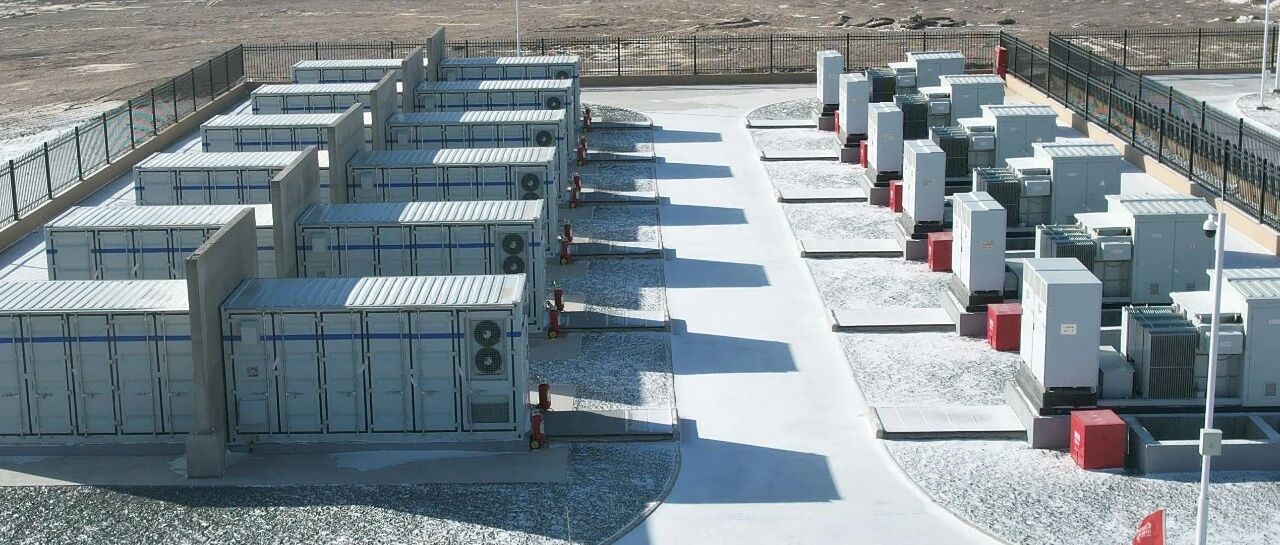
Core Viewpoint - The new energy storage market is experiencing strong demand, with over 230 GWh of storage orders disclosed by companies in November alone, driving rapid capacity expansion both domestically and internationally [1]. Domestic Market Developments - Domestic new energy storage companies are focusing on expanding production capacity for storage cells and PCS, as well as scaling up advanced storage technologies like sodium-ion batteries [2]. - The production capacity of storage PCS is expected to see a price increase of 10%-20% by the end of 2025, with delivery times extending to 2026 due to demand outpacing supply [5]. Company-Specific Updates - **Sungrow Power Supply Co., Ltd.**: Announced a fundraising plan to issue up to 107,866,570 A-shares, raising approximately 1.65 billion yuan, primarily for the production of 25 GW string inverters and 15 GW storage inverters [3][4]. - **Qingna Technology**: Signed a contract for a 20 GWh sodium-ion battery production project in Suining, with a total investment of 6 billion yuan, aiming to produce batteries for various applications [6][7]. - **Fluence Energy**: Plans to establish a battery storage system manufacturing base in India, aiming to produce key storage system components for both the Indian and broader Asia-Pacific markets [8][9]. - **NeoVolta**: Collaborated with Infinite Grid Capital to secure $13 million in private financing for a 2 GWh battery storage system manufacturing project in Georgia, expected to commence production in 2026 [10][11].

旭阳集团与宁德时代签署战略合作协议
Di Yi Cai Jing· 2025-11-25 05:40
Core Viewpoint - Xuyang Group has signed a strategic cooperation agreement with CATL to enhance collaboration in various fields including renewable energy investment, new energy storage applications, electric transportation transformation, charging infrastructure network layout, and zero-carbon park construction [1] Group 1 - The strategic cooperation aims to deepen investment and development in renewable energy [1] - Collaboration will focus on new energy storage applications [1] - The partnership will also address the transformation and upgrading of electric transportation [1] Group 2 - The agreement includes plans for the layout of charging and swapping infrastructure [1] - Both companies will work together on the construction of zero-carbon parks [1]

华安电新:国内储能原材料价格上涨,英国大储放量增长
Huaan Securities· 2025-11-25 03:31
证券研究报告 证券研究报告 证券研究报告 国内储能原材料价格上涨,英国大储放量增长 敬请参阅末页重要声明及评级说明 华安电新 张志邦 SAC执业证书号:S0010523120004 邮箱: zhangzhibang@hazq.com 2025年11月25日 敬请参阅末页重要声明及评级说明 华安证券研究所 证券研究报告 证券研究报告 要点总结 Ø需求侧 低ROE市场 高ROE市场 敬请参阅末页重要声明及评级说明 敬请参阅末页重要声明及评级说明 华安证券研究所 • 国内:1)量:25年10月国内装机2.87GW/7.46GWh ;2)先导指标:招标:25年10月国内储能招标规模为10GW/29.4GWh ,容量同/环比+116%/-31% 。 • 印度:1)量:10月底,储能系统装机0.5GWh;2)先导指标:招标:独储25年累计招标46.59GWh,光储项目累计招标25.24GWh ;3)政策:光伏开启强制 配储;4)展望:印度全年装机预计超1.7GWh;5) 2025-26财年印度要求并网4GW/17GWh的电化学储能项目,且不能有任何拖延。 • 量:德国:10月储能装机344MWh ,其中户储304MWh, ...
创新为桨,竞逐储能新蓝海
中国能源报· 2025-11-24 10:51
Core Insights - New energy storage has transitioned from a minor role in the power system to a major player in ensuring stable electricity supply and driving green energy transformation [1][2] Group 1: Scale and Impact - As of September 2023, China's new energy storage installed capacity exceeds 103 million kilowatts, accounting for over 40% of the global total, making it the largest in the world [1] - The new energy storage sector has directly driven investments exceeding 200 billion yuan during the 14th Five-Year Plan period, stimulating over a trillion yuan in the upstream and downstream industrial chain [1] Group 2: Opportunities and Challenges - The new energy storage sector is viewed as a "new blue ocean" with significant opportunities, supported by national policies aiming for an installed capacity of over 180 million kilowatts by 2027 [2] - Despite rapid growth, the sector faces challenges such as unclear investment return mechanisms and the need for a reliable capacity compensation system [2][3] Group 3: Safety and Innovation - Safety is a critical variable in the value model of energy storage systems, with potential severe consequences in case of incidents like thermal runaway [3][4] - Companies must focus on technological innovation, particularly in long-duration storage technology and system integration, to build a competitive edge [4] Group 4: Global Expansion - Chinese energy storage companies are experiencing a surge in overseas orders, with a 246% year-on-year increase in the first half of 2025, indicating a shift towards a service-oriented model [5] - The industry is undergoing a transformation from policy-driven to market-led, emphasizing high-quality development and value competition [5]

2025能源转型大会—储能分会召开 产教融合共绘储能产业新蓝图
Ke Ji Ri Bao· 2025-11-23 07:12
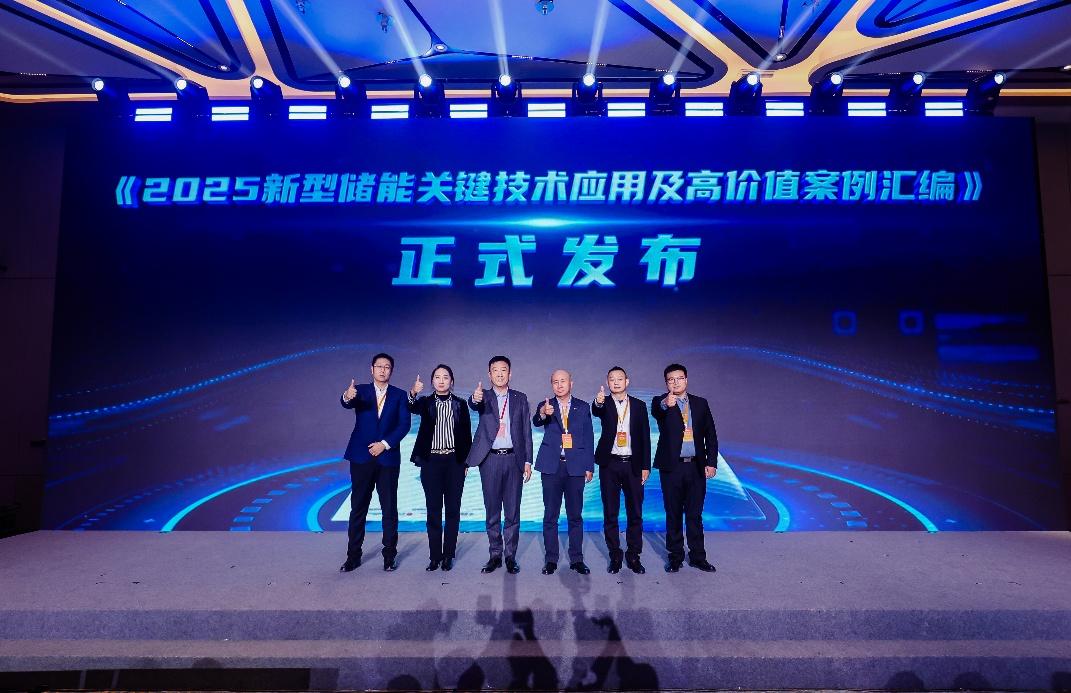
技术创新是本次大会的核心亮点。中国科学院院士、北京大学纳米科学与技术研究中心主任、北京石墨烯研究院院长刘忠范介绍,作为电热转换领域的杀手 锏材料,3000型蒙烯玻纤产品实现了工业级碳源替代,产品一致性提高了12%,已广泛应用于无人机、风电叶片除冰、锂电烘干等多个关键领域。中国科学 院院士、中国石油大学(北京)重质油全国重点实验室主任徐春明介绍了储能平台石墨烯复合电池生产线、绿电—绿氢—合成氨过程耦合等技术突破,基于 碳布电极的500kW 铁铬液流电池储能模块及装备入选国家能源局能源领域首台(套)重大技术装备名单,引领低成本长时储能发展。华北电力大学能源电 力创新研究院执行院长、国家储能技术产教融合创新平台(华北电力大学)常务副主任徐超介绍,华北电力大学国家储能技术产教融合创新平台目前已经建 成电堆全堆测试台、电化学储能材料与器件实验室、氢氨燃烧实验室等,下一步将形成"源网荷储"一体化工程试验系统,带动相关产业产值超过10亿元。天 津津通华电气集团有限公司介绍了新能源风光充结合储能的全方位系统性应用,中国石化润滑油有限公司分享了石化行业技术在新型储能上中下游的全要素 解决方案。圆桌会议则针对产教融合下长时储能+ ...
粤首个新型储能专业孵化器启用
Guang Zhou Ri Bao· 2025-11-23 02:05
Core Insights - The Guangzhou Baiyun New Energy Innovation Park has launched its core project, the Baiyun New Energy Storage Incubator, focusing on new energy storage and hydrogen energy sectors [1] - This incubator is the first specialized platform in Guangdong Province dedicated to new energy storage and hydrogen energy, providing a comprehensive solution for startups [1] Summary by Categories Project Overview - The Baiyun New Energy Storage Incubator spans 6,800 square meters and offers an integrated solution for "office + research + production" [1] - The incubator aims to support the development of the green and low-carbon industry in the Guangdong-Hong Kong-Macao Greater Bay Area [1] Industry Focus - The innovation park emphasizes the core areas of "source, network, load, storage" related to new energy storage and hydrogen energy [1] - It aims to attract enterprises in new energy storage materials, equipment, system integration, application services, and hydrogen energy sectors [1] Strategic Goals - The initiative seeks to build a complete and controllable ecosystem for new energy storage and hydrogen energy [1] - It is part of a broader effort to transition Baiyun District from traditional manufacturing to green intelligent manufacturing [1]
国内首条,大容量全固态电池产线建成
中关村储能产业技术联盟· 2025-11-22 14:26
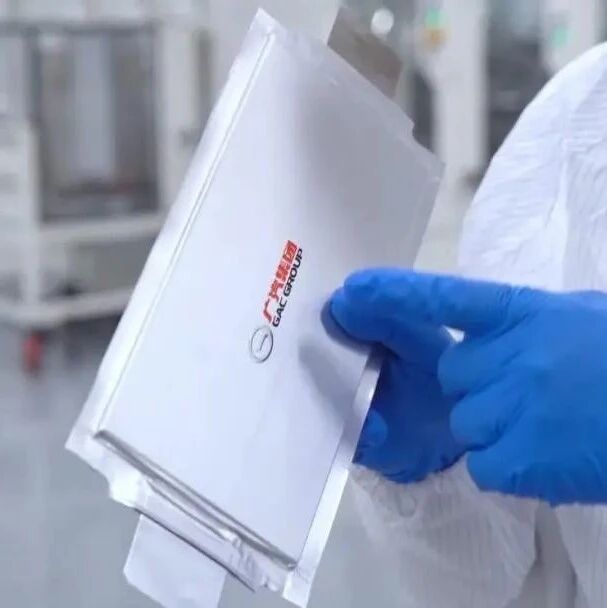
文 | 央视新闻 据央视新闻,全固态电池是未来新能源汽车产业发展新的重要驱动力。记者日前了解到,国 内已建成首条大容量全固态电池产线,目前正在小批量测试生产。 全固态电池和传统锂离子电池相比,最大的优势在于里面没有任何液体,而是全固态物质, 全固态电池让未来的新能源汽车跑得更远,更加安全。 专家表示,除了生产工艺的优化,另一个核心突破就是电解质的改变。在这里,他们已经摒 弃传统的液态电解液,改用自主研发的固态电解质材料,帮助产品的耐热性和安全性大幅提 升。 广汽集团固态电池平台高级经理 史刘嵘:全固态电池里边是用的固态电解质,它最大的一 个优点就是耐热性比较好,它可以耐热到三四百摄氏度以上,传统液态电解液只能到一百多 摄氏度不到两百摄氏度。 记者了解到,"无液"电池的优势,其实源于生产线的两大关键革新。在负极制造环节,传 统液态电池需要经过原浆、涂布、滚压三道独立工序,而干法工艺则直接将原有工序"三合 一",既降低能耗又提升了效率。 广汽集团固态电池平台高级经理 史刘嵘:传统的湿法工艺,面容量不到5个毫安时每平方厘 米,现在最高可以做到7.7毫安时每平方厘米;这样做出来的电池,它的能量密度更高,装 到车上续航 ...