制度型开放

Search documents
2026在变局中重塑增长极
Xin Lang Cai Jing· 2026-01-04 22:09
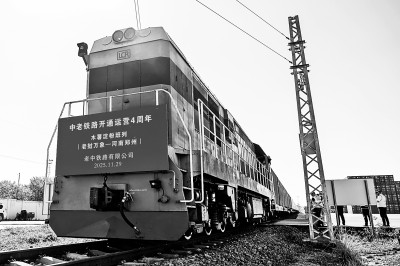
重塑增长极,开放合作是必由之路,制度型开放是关键抓手。经济全球化潮流不可阻挡,中国始终是经 济全球化的坚定维护者和推动者,不断以制度型开放破解全球贸易投资难题。从海南自贸港全岛封关运 作实施"零关税、低税率、简税制"政策,到22个自贸试验区持续推进规则创新、累计贡献全国约1/5的 外商投资和进出口总额;从不断缩减外资准入负面清单、实现制造业领域全面开放,到持续优化市场 化、法治化、国际化营商环境,一系列务实开放举措让中国市场更具吸引力。进博会、服贸会等平台意 向成交额再创新高,2025年中欧班列开行量突破2万列,中国与共建"一带一路"国家贸易额稳步增 长……这些成果不仅丰富了中国重塑增长极的资源与路径,更让全球共享中国发展机遇。 (来源:经济参考报) 应当看到,重塑增长极是一项系统工程,需要正视挑战、精准施策。外部环境变化影响加深,国内供强 需弱矛盾突出,重点领域风险隐患较多……我国经济发展中的老问题、新挑战仍然不少。当前既要破解 国内部分行业产能过剩与高品质消费供给不足并存、新旧动能转换不畅等问题,通过优化供给结构、扩 大服务消费、化解重点领域风险,夯实发展基本盘;也要应对全球人工智能、高端芯片等前沿领域技 ...
坐拥全球第一科技集群 粤港澳大湾区如何稳站科创潮头?
2 1 Shi Ji Jing Ji Bao Dao· 2026-01-04 15:17
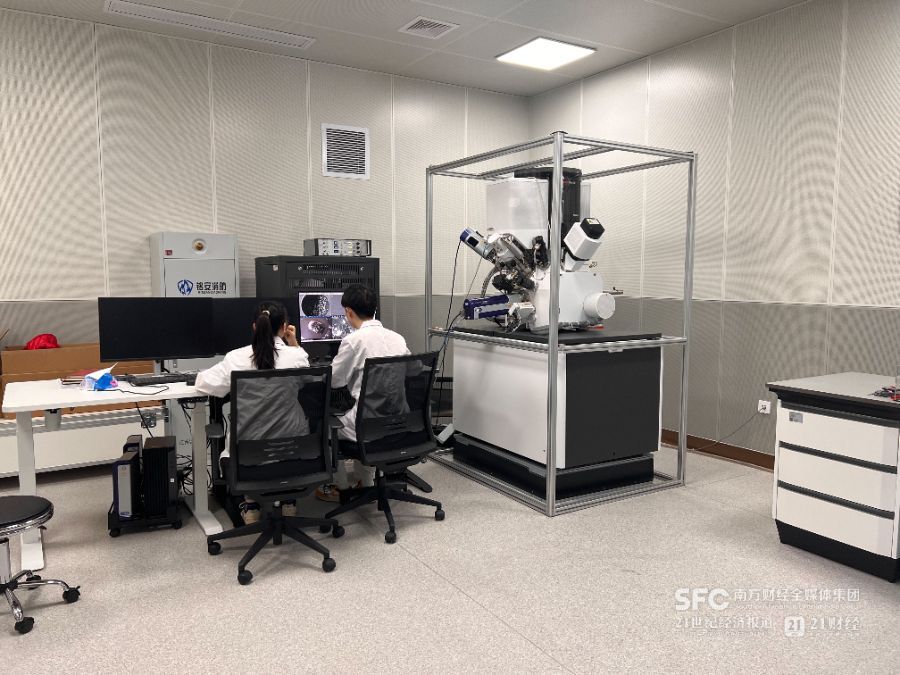
Group 1 - The establishment of the Zhuhai Macao University of Science and Technology Research Institute (Zhuyuan) has created a unique 30-minute cross-border research and transformation circle, leveraging the strengths of Macao's talent and the manufacturing capabilities of Guangzhou and Shenzhen [1] - Zhuyuan has conducted over 180 commercial projects with a total value exceeding 120 million yuan, indicating a strong demand for research and development collaboration in the Greater Bay Area [1] - The Greater Bay Area has established two national laboratories, 45 national key laboratories, and 33 joint laboratories, highlighting its growing importance in the national innovation system [2][3] Group 2 - The central government's economic work meeting has emphasized the importance of innovation-driven development, positioning the Greater Bay Area as a key international technology innovation center alongside Beijing and Shanghai [2] - The cooperation among Guangdong, Hong Kong, and Macao is evolving from project-based collaboration to a more integrated development model, enhancing the innovation spillover effects in the region [3][7] Group 3 - The research focus of Zhuyuan includes biomedicine and traditional Chinese medicine, with ongoing projects aimed at clinical applications and market cooperation with pharmaceutical companies across various regions [4][10] - The roles of the three regions are shifting towards more integrated innovation, with Shenzhen excelling in quantum computing and synthetic biology, while Hong Kong explores advanced manufacturing [5][6] Group 4 - Guangdong has over 10 national large scientific devices, which are crucial for foundational research in energy, materials, and life sciences, representing about one-third of the national total [6] - Hong Kong is enhancing its industrial innovation through policy measures aimed at transforming its economic structure and fostering emerging industries such as advanced manufacturing and AI [6][11] Group 5 - The Greater Bay Area is experiencing an "innovation spillover" effect, with the "Shenzhen-Hong Kong-Guangzhou" technology cluster expected to rank first globally by 2025 [8][9] - The region's market-oriented approach and high internationalization level facilitate the rapid transformation of technological innovations into products [11] Group 6 - There are ongoing efforts to address the bottlenecks in cross-border flow of technological elements, particularly data, which is essential for the development of digital economy and AI [14][17] - Initiatives are being implemented to enhance cross-border data sharing, including financial and medical data, to support innovation and collaboration among the three regions [12][13] Group 7 - The Guangdong provincial government is focusing on reform and opening up, emphasizing the need for regulatory alignment and market-oriented resource allocation to enhance the Greater Bay Area's innovation capabilities [15][16] - Future strategies include attracting international talent and integrating technology markets to improve overall regional innovation efficiency [17][18]

坐拥全球第一科技集群,粤港澳大湾区如何稳站科创潮头?
2 1 Shi Ji Jing Ji Bao Dao· 2026-01-04 12:05
Core Viewpoint - The Guangdong-Hong Kong-Macao Greater Bay Area is evolving into a leading international technology innovation center, with significant advancements in cross-border scientific research and collaboration, particularly in the biomedical sector [2][3][4]. Group 1: Development of the Greater Bay Area - Since 2019, the Zhuhai University of Macau Technology Research Institute has facilitated over 180 commercial projects with a total value exceeding 120 million yuan, showcasing the area's unique advantages in talent and manufacturing [2]. - The Greater Bay Area has established two national laboratories, 45 key laboratories, and 33 joint laboratories, positioning itself as a significant player in the global innovation landscape [2]. - By 2025, the "Shenzhen-Hong Kong-Guangzhou" technology cluster is expected to rank first globally, while the "Macau-Zhuhai" cluster is projected to improve its ranking from 100th to 98th [3]. Group 2: Innovation Collaboration - The collaboration among Guangdong, Hong Kong, and Macau is transitioning from project-based cooperation to a more integrated development model, enhancing the region's innovation spillover effects [4][9]. - The research focus of the Zhuhai University of Macau Technology Research Institute includes biomedicine and traditional Chinese medicine, with ongoing partnerships with various pharmaceutical companies [5][12]. - New cooperation models are emerging, shifting from traditional manufacturing to high-end research and development, leveraging Hong Kong's international resources [7][9]. Group 3: Infrastructure and Investment - Guangdong has over 10 national large scientific facilities, covering critical fields such as energy and life sciences, which are essential for foundational research [8]. - The Hong Kong government is implementing measures to optimize its industrial structure, including tax incentives and funding to foster emerging industries like advanced manufacturing and AI [8][14]. - By 2024, Guangdong is expected to have over 77,000 high-tech enterprises, contributing significantly to the national high-tech product exports, which are projected to reach 1.828 trillion yuan [14]. Group 4: Challenges and Future Directions - Despite advancements, the Greater Bay Area faces challenges in cross-border flow of technology elements, particularly data, which is crucial for the development of digital economy and AI [18][20]. - The region is exploring solutions to enhance the flow of data and other innovation elements, with initiatives aimed at improving policy coordination and market integration [19][20]. - Future reforms will focus on breaking down barriers to cross-border flows, particularly in talent acquisition and technology market integration, to enhance overall innovation efficiency [20][21].
从“答好题”到“树标杆”——上海淬炼国际一流营商环境赋能高质量发展
Xin Hua Wang· 2026-01-04 02:45
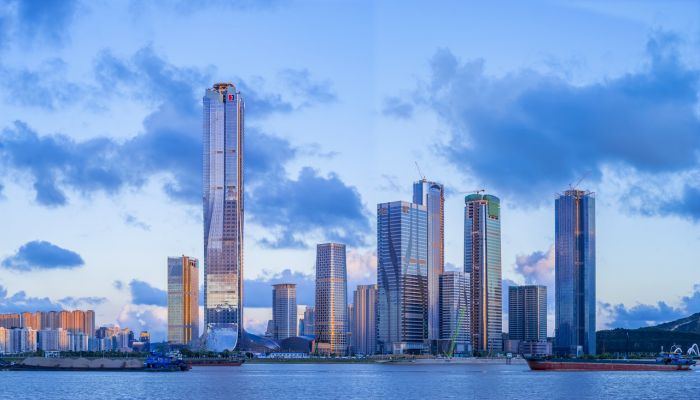
Core Viewpoint - The new version of the Shanghai Business Environment Optimization Regulations, effective January 1, 2026, represents a significant step in enhancing the business environment in Shanghai, aiming to support the city's development as a global financial and innovation hub [1][14]. Group 1: Business Environment Improvements - The Shanghai business environment has evolved from "point breakthroughs" to "ecological construction," focusing on market-oriented, legal, and international standards to enhance the experience of enterprises [3][4]. - By the end of 2025, all 58 tasks of the 8.0 version of the Shanghai Business Environment Optimization Plan were implemented, with 22 indicators achieving global best levels according to World Bank assessments [4]. - Key initiatives include the launch of a unified planning resource system, a "five-in-one" construction acceptance process, and significant reductions in customs clearance times for medical devices [4][11]. Group 2: Support for Innovation and Technology - Shanghai has seen a surge in technology companies, with notable IPOs such as Muxi Co., which focuses on high-performance GPU chips, and the establishment of a supportive policy framework for high-growth enterprises [9][10]. - The Shanghai government has created a "tropical rainforest" innovation ecosystem, fostering collaboration among leading AI companies and enhancing the overall technological landscape [10]. - The establishment of three major industry mother funds, totaling approximately 89 billion yuan, aims to support sectors like integrated circuits, biomedicine, and artificial intelligence [10]. Group 3: Financial Sector Developments - The approval of foreign asset management companies, such as AIA and Hualian, marks a significant advancement in Shanghai's financial sector, reflecting the city's commitment to high-level financial openness [14]. - The Shanghai Financial Regulatory Bureau's rapid approval process exemplifies the city's efficiency in enhancing its financial ecosystem [14]. Group 4: Systematic and Inclusive Growth - The focus on creating a friendly and adaptable industrial ecosystem is a key action in Shanghai's new round of business environment construction, emphasizing long-term commitment and human-centered design [5][11]. - The city has implemented measures to ensure that small and medium-sized enterprises (SMEs) can thrive, including seamless financing solutions and regulatory support [11][16].
中国-东盟合作稳步前行
Xin Lang Cai Jing· 2026-01-03 19:19
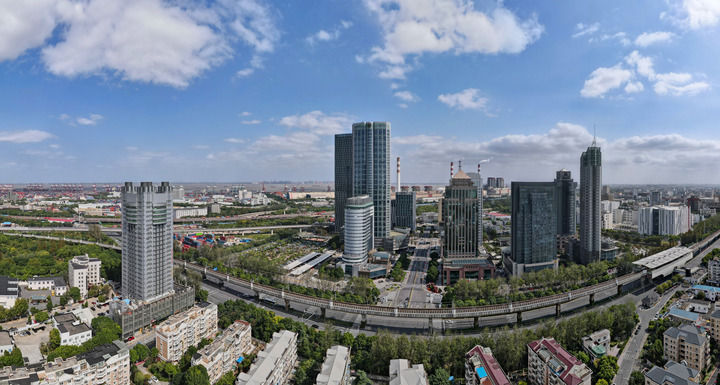
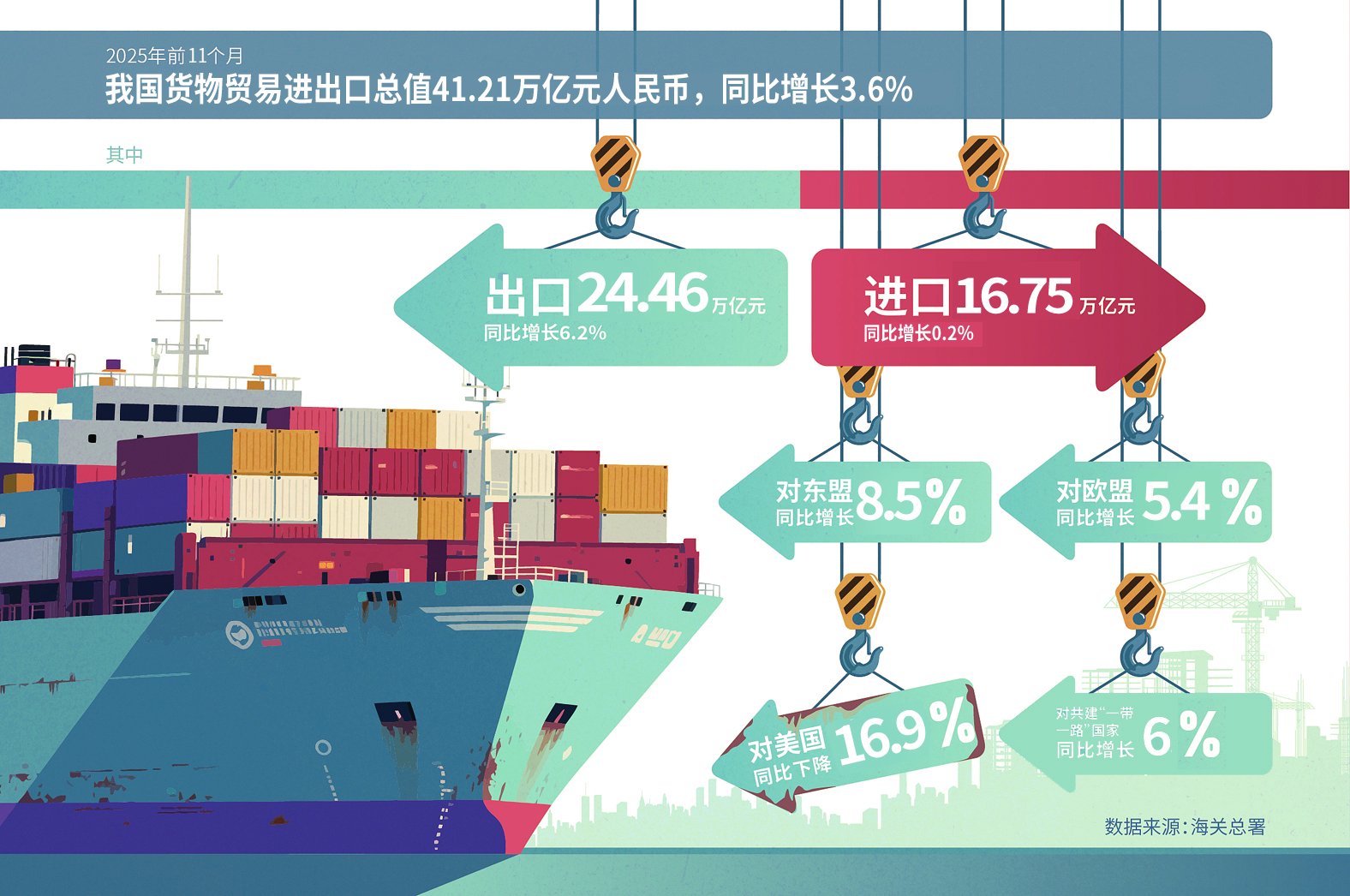
Core Insights - The article highlights the resilience and progress of China-ASEAN cooperation in 2025 amidst a complex international environment, emphasizing the importance of regional economic integration and institutional innovation to counter external uncertainties [4][12]. Group 1: Economic Cooperation - China-ASEAN trade reached 6.82 trillion yuan, a year-on-year increase of 8.5% in the first eleven months of 2025, maintaining ASEAN as China's largest trading partner [5]. - The signing of the upgraded version of the free trade agreement (FTA 3.0) in Kuala Lumpur marks a new phase in economic cooperation, expanding the cooperation framework to include nine areas such as digital economy and green economy [4][6]. - Agricultural trade between China and ASEAN amounted to 51.3 billion USD in the first ten months of 2025, with a year-on-year growth of 8.9% [6]. Group 2: Infrastructure and Technology - Infrastructure projects like the China-Laos Railway and the Jakarta-Bandung High-Speed Railway are enhancing regional connectivity and facilitating economic activities [7]. - The establishment of the China-Laos Artificial Intelligence Innovation Cooperation Center signifies a shift towards digital economy collaboration, with increasing cooperation in areas like 5G and cross-border e-commerce [8]. Group 3: Regional Governance - China is enhancing people-to-people exchanges with initiatives like the "ASEAN Visa," promoting easier travel and cultural exchanges [9]. - In response to regional security challenges, China is facilitating cross-border crime cooperation and engaging in multilateral dialogues to maintain stability in the region [10]. Group 4: Future Outlook - The implementation of the China-ASEAN Comprehensive Strategic Partnership Action Plan (2026-2030) is expected to further deepen cooperation across various fields, with 2026 marking the fifth anniversary of the partnership [12].
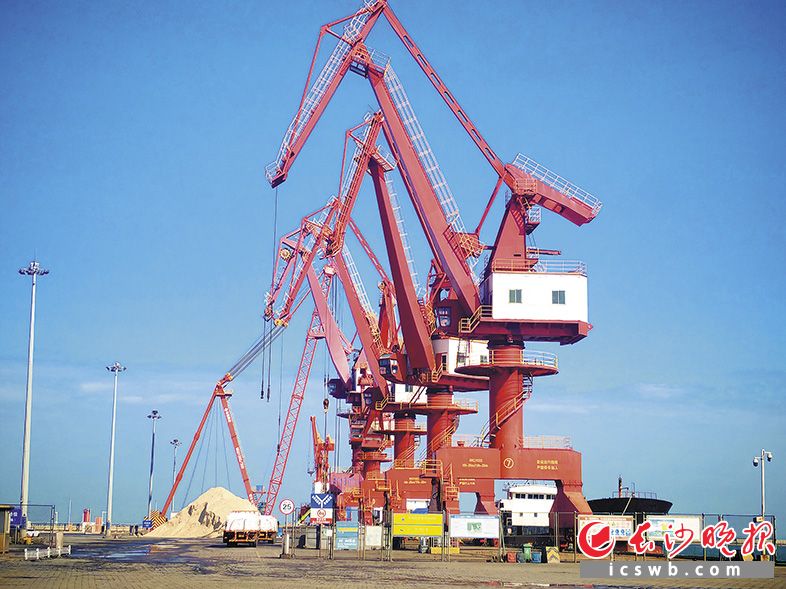
海南自贸港封关蝶变 高水平对外开放启新篇
Xin Lang Cai Jing· 2026-01-02 19:31
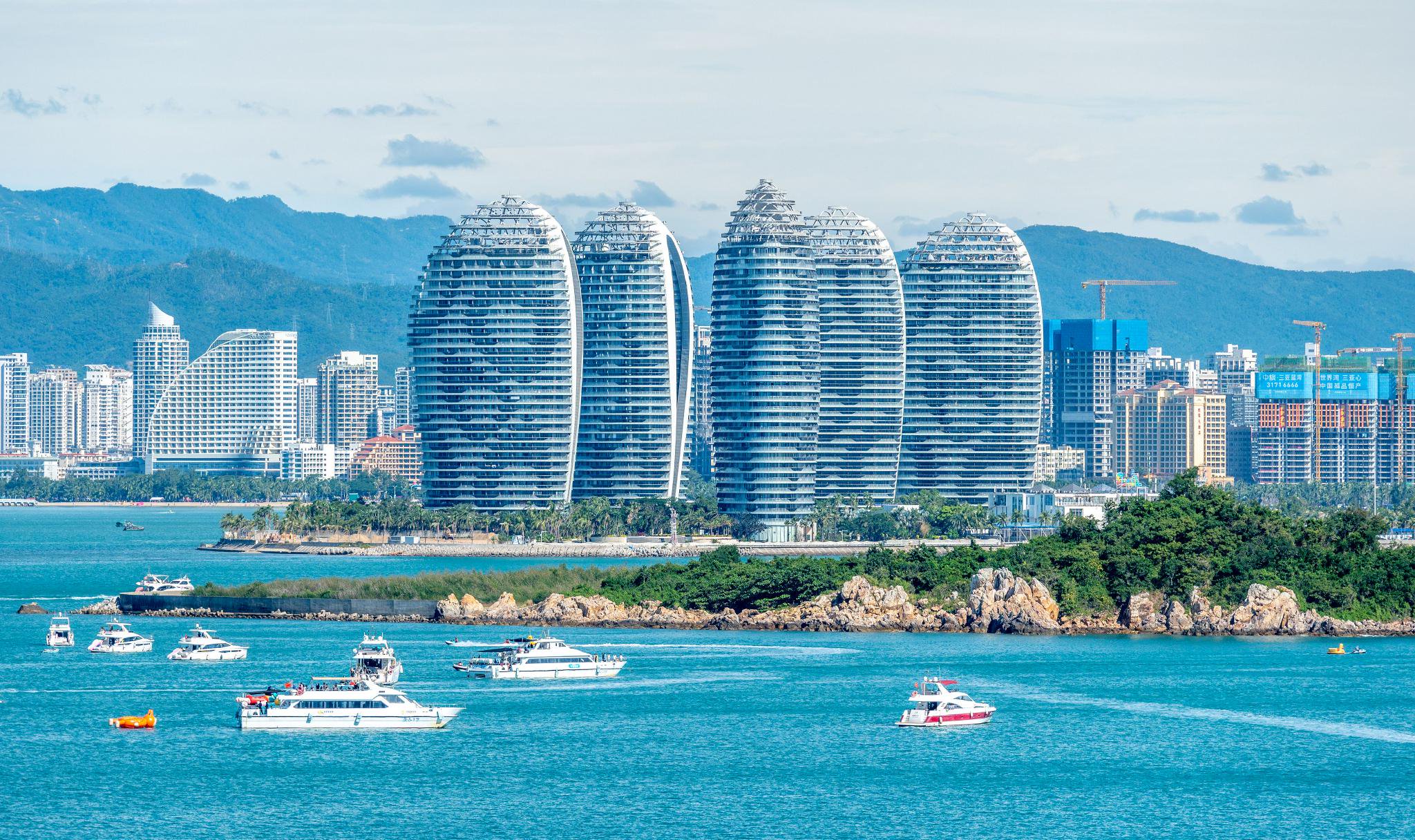
Core Viewpoint - The establishment of the Hainan Free Trade Port (FTP) marks a significant step in China's commitment to high-level opening-up and serves as a new gateway for international trade and investment, with a focus on creating a more open and competitive economic environment [2][3][4]. Group 1: Policy Implementation and Goals - The Hainan FTP will implement a policy framework characterized by "open on the first line, controlled on the second line, and free within the island," aiming for zero tariffs, low tax rates, and simplified tax systems [3][4]. - By 2025, the initial establishment of a policy system focusing on trade and investment facilitation is expected, with a more mature system by 2035, ultimately aiming to create a high-level FTP with significant international influence by the mid-21st century [4][5]. Group 2: Economic Impact and Growth - The first week of the FTP's operation saw the addition of 1,972 new foreign trade registered enterprises, and over 30,000 new registered customs units since 2025, reflecting a growth of over 40% [7]. - The adjustment of the duty-free shopping policy has expanded the eligible items to 47 categories, resulting in a shopping amount of 1.1 billion yuan, with increases of 54.9% in spending and 34.1% in the number of shoppers during a specific week [7]. Group 3: Customs and Trade Facilitation - The customs supervision of "zero tariff" imports exceeded 400 million yuan in value during the first week of operation, with significant expansions in the range of goods eligible for zero tariffs [8][9]. - The number of zero-tariff product categories will increase from 1,900 to approximately 6,600, covering about 74% of all goods, which is a 53% increase compared to before the FTP's operation [8][9]. Group 4: Strategic Positioning and Regional Cooperation - The FTP is positioned as a key platform for deepening openness and resource allocation in the context of a unified national market, enhancing international connections and cooperation opportunities, particularly with neighboring countries [5][6]. - The policy changes are expected to attract global resources and promote the development of service, tourism, and digital trade sectors in Hainan, shifting the focus from tourism consumption to trade, manufacturing, and logistics [5][6].
扩大高水平对外开放:为世界搭台 与伙伴共发展
Xin Lang Cai Jing· 2026-01-02 18:29
Group 1 - The year 2025 is pivotal for China's economic planning, marking the end of the "14th Five-Year Plan" and the beginning of the "15th Five-Year Plan," with a focus on high-level opening-up and international cooperation [2] - The Central Economic Work Conference highlighted the importance of maintaining openness and promoting win-win cooperation in various fields as a key task for 2026 [2] - A series of measures have been implemented to enhance China's openness, including the 240-hour visa-free transit policy, which has significantly increased foreign visitor numbers [3][4] Group 2 - The 240-hour visa-free transit policy has been in effect for one year, covering 55 countries and resulting in a 27.2% increase in foreign arrivals, with a 60.8% increase in those utilizing the policy [4] - The 8th China International Import Expo in November 2025 saw participation from 155 countries and regions, with a record intended transaction amount of $83.49 billion, up 4.4% from the previous year [4][5] - The launch of the Hainan Free Trade Port on December 18, 2025, marked a significant step in China's commitment to high-level opening-up, with notable increases in consumer spending and foreign investment [7] Group 3 - The Central Economic Work Conference emphasized the need for systematic opening-up and the expansion of service sector autonomy, indicating a strategic direction for future service trade development [8] - China's service trade has shown steady growth, with a total import and export value of 65.84 trillion yuan in the first ten months of 2025, reflecting a 7.5% year-on-year increase [8][9] - The deepening of international cooperation and the expansion of China's global partnerships are highlighted as essential for enhancing economic resilience and reducing reliance on single markets [9]
坚持合作共赢,敞开胸怀拥抱世界——习近平主席二〇二六年新年贺词启示录②
Ren Min Ri Bao· 2026-01-02 03:50
Group 1 - The core message emphasizes China's commitment to global cooperation and development, positioning itself as a stabilizing force in a turbulent world [1][4][5] - China has significantly increased its foreign investment attraction, with Hainan Free Trade Port attracting 102.5 billion yuan in the last five years, surpassing the total of the previous 32 years [2] - During the "14th Five-Year Plan" period, China's contribution to global economic growth remains stable at around 30%, highlighting the opportunities associated with engaging with China [2][3] Group 2 - The global governance initiative proposed by President Xi Jinping aims to create a more just and reasonable global governance system, receiving support from over 150 countries and international organizations [4] - China is actively pursuing initiatives for global climate governance, international mediation, and artificial intelligence cooperation, reflecting its vision of a shared future [5][6] - The 20th National Congress of the Communist Party of China has outlined a blueprint for the next five years, presenting a "list of opportunities" for global collaboration [6]
坚持合作共赢,敞开胸怀拥抱世界
Ren Min Ri Bao· 2026-01-02 00:18
Group 1 - The core message emphasizes China's commitment to global cooperation and development, advocating for a shared future and mutual benefits among nations [1][3][4] - China has significantly increased its foreign investment attraction, with Hainan Free Trade Port attracting 102.5 billion yuan in actual foreign investment over the past five years, surpassing the total of the previous 32 years [2] - The "14th Five-Year Plan" period sees China contributing approximately 30% to global economic growth, reinforcing the idea that engaging with China equates to seizing opportunities [2][6] Group 2 - China's global governance initiative aims to create a more just and reasonable global governance system, receiving support from over 150 countries and international organizations [4] - The country is actively pursuing initiatives in climate governance, international mediation, and artificial intelligence cooperation, showcasing its commitment to global development and shared prosperity [5] - A recent global survey indicates an increasing favorable perception of China, with more individuals recognizing its role and expecting greater contributions to global affairs [6]
一粒非洲坚果的“零关税”快车之旅 | 为幸福打拼
Xin Lang Cai Jing· 2026-01-01 23:53
Core Viewpoint - The successful clearance of the first batch of African macadamia nuts through Hainan Free Trade Port marks a significant milestone for the company, showcasing the benefits of policy alignment and strategic planning in international trade [1][3]. Group 1: Company Operations - The company, Kiss Wild (Hainan), successfully cleared 10 tons of macadamia nuts from Kenya and South Africa, representing the first batch of goods benefiting from the Hainan Free Trade Port's policies [1]. - The company established its presence in the Hunan Free Trade Zone in March 2023, leveraging the region's advantages in Sino-African trade and policy support [1][2]. - The processing project in Hainan commenced operations in June 2025, allowing the company to import raw materials at zero tariffs and significantly reduce costs [2]. Group 2: Trade and Logistics - The company participated in three "virtual customs clearance" tests, which contributed to the smooth and efficient clearance process on December 18, 2025, completing customs in just a few minutes [3]. - The logistics system has been optimized, enhancing the speed of the supply chain, with over 20 tons of nuts processed daily at the Hainan facility [3]. - The company aims to create a "four-hour, eight-hour, fifteen-hour" air transport economic circle, facilitating rapid distribution of processed nuts to Southeast Asia, the Middle East, and Europe [4]. Group 3: Market Expansion - The company is expanding its sourcing network across five African countries and has established its own factories in Africa to ensure supply chain stability and quality [4]. - The domestic market shows increasing acceptance of high-quality African nuts, with products being distributed to major retail channels and large corporate clients [4]. - The company anticipates that by the upcoming Spring Festival, hundreds of tons of processed nuts will be available in the market, enhancing consumer offerings [4]. Group 4: Strategic Vision - The company's leadership envisions a robust extension of the industry chain globally, aiming to make Hainan a key hub for transshipment trade [6]. - The "14th Five-Year Plan" emphasizes expanding high-level opening-up and promoting trade innovation, aligning with the company's strategic goals [5].